
Bicolor Angelfish (Centropyge bicolor): Striking Colors, Specific Needs

Welcome to Aquarium Mastery!
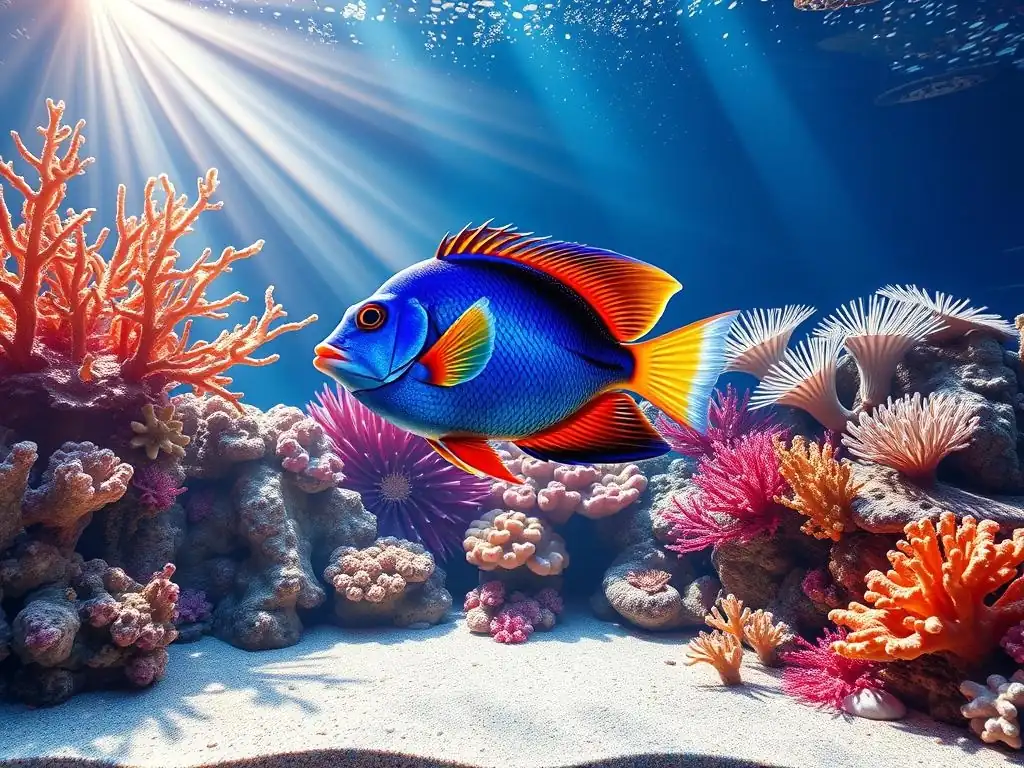
Ever been captivated by the stunning two-toned beauty of the Bicolor Angelfish? These vibrant reef inhabitants can be a rewarding addition to your saltwater aquarium, but only with the right knowledge. Dive into our comprehensive guide to uncover the specific care requirements these striking fish demand. What hidden challenges await, and how can you ensure their vibrant health and happiness? Explore below to unlock the secrets to successful Bicolor Angelfish keeping!
- Introduction to the Bicolor Angelfish
- Bicolor Angelfish Care Requirements: Essential Guidelines
- Bicolor Angelfish Temperament and Tank Mates
- Identifying and Treating Common Bicolor Angelfish Diseases
- Bicolor Angelfish Breeding: Challenges and Possibilities
- Purchasing and Acclimating Your Bicolor Angelfish
- Advanced Bicolor Angelfish Care Tips and Tricks
- Conclusion: Mastering Bicolor Angelfish Care
- Frequently Asked Questions
- Final Reflection: Appreciating the Delicate Balance
- Dive Deeper: Transform Your Tank into a Bicolor Paradise!
Introduction to the Bicolor Angelfish
Overview of the Bicolor Angelfish (Centropyge bicolor)
The Bicolor Angelfish, scientifically known as Centropyge bicolor, is a popular and visually captivating dwarf angelfish species. Hailing from the Indo-Pacific region, extending from the Red Sea to Samoa and the Great Barrier Reef, this marine beauty typically inhabits coral-rich lagoons and outer reef slopes at depths ranging from 3 to 80 feet (1 to 25 meters). In the wild, they are often observed grazing on algae and detritus, and notably, on sponges, which constitute a significant part of their natural diet.
While alluring, the Bicolor Angelfish is recognized for its specific Bicolor angelfish care requirements, making it a fish best suited for intermediate to advanced aquarists. They typically grow to an adult size of about 4-5 inches (10-12.5 cm) in captivity, though some individuals may reach up to 6 inches (15 cm). With optimal care, a Bicolor Angelfish can live for 5-7 years, offering a long-term vibrant addition to a well-maintained saltwater aquarium.
Why Choose a Bicolor Angelfish for Your Saltwater Aquarium?
The primary allure of the Bicolor Angelfish lies in its extraordinary and unmistakable coloration, which provides a striking contrast that can instantly become the focal point of any marine display. Its vibrant yellow anterior half transitions sharply into a deep, electric blue posterior, creating a dynamic visual that few other fish can match. This distinct appearance adds a unique aesthetic appeal, making it a highly sought-after species for aquarists aiming for a colorful and active tank.
Beyond its beauty, the Bicolor Angelfish is an active swimmer, constantly exploring its environment and providing continuous movement and interest. Its relatively manageable size for a dwarf angelfish allows it to be housed in medium-sized marine aquariums, starting from 70 gallons, making it accessible to hobbyists who may not have space for larger angelfish species. However, ensuring success and vibrancy requires a thorough understanding and diligent application of Bicolor angelfish care requirements, particularly regarding diet and water quality.
Bicolor Angelfish Appearance: A Visual Masterpiece
The Bicolor Angelfish is renowned for its iconic color pattern, which gives it its common name. The front half of its body, including the head and anterior portion of the trunk, is a brilliant, sunny yellow. This vivid yellow abruptly transitions into a rich, deep blue that covers the posterior half of the body, including the dorsal, anal, and caudal fins. A distinctive blue mask often extends across its eyes, further enhancing its captivating gaze.
This sharp demarcation between yellow and blue is a hallmark of the species, though the intensity of the colors can vary slightly depending on the fish's health, diet, and geographical origin. The fins typically match the blue of the body's posterior, providing a cohesive and striking outline. As mentioned, adult Bicolor Angelfish generally reach a size of 4 to 5 inches (10 to 12.5 cm), with a somewhat compressed, oval-shaped body characteristic of dwarf angelfish, making them a visually appealing and active presence in the aquarium.
Bicolor Angelfish Care Requirements: Essential Guidelines
Setting Up the Ideal Bicolor Angelfish Tank Environment
Establishing the correct environment is fundamental to meeting the specific Bicolor angelfish care requirements and ensuring their long-term health and vibrancy. A stable and mature aquarium is paramount, as these fish are sensitive to fluctuations in water parameters and require a well-established biological filter. Introducing a Bicolor Angelfish into a newly cycled tank is highly discouraged, as the instability can lead to stress, disease, and ultimately, premature demise.
The ideal setup should replicate their natural reef habitat, providing ample live rock for grazing and numerous hiding spots. Proper water flow, sufficient lighting (though not overly intense), and a robust filtration system are all critical components. Attention to these environmental details forms the cornerstone of successful Bicolor angelfish care, preventing common issues and promoting natural behaviors.
Tank Size Requirements for Bicolor Angelfish
For a single Bicolor Angelfish, a minimum tank size of 70 gallons (approximately 265 liters) is recommended. This ample space is crucial due to their active swimming nature and potential for territorial behavior. A smaller tank will lead to increased stress, heightened aggression towards tank mates, and rapid deterioration of water quality, all of which compromise the fish's health and shorten its lifespan.
If considering housing more than one Bicolor Angelfish, which is generally not advised unless in a very large, species-specific tank, a much larger system of 150 gallons (approximately 568 liters) or more would be necessary to potentially mitigate aggression. However, pairing or grouping these angelfish is inherently risky due to their territorial instincts. Adhering to these tank size recommendations is a non-negotiable aspect of meeting optimal Bicolor angelfish care requirements.
Essential Water Parameters for Optimal Health
Maintaining precise and stable water parameters is perhaps the most critical aspect of Bicolor angelfish care requirements. The water temperature should be consistently maintained between 72-78°F (22-25.5°C). Salinity levels are best kept within a specific gravity range of 1.020-1.025, mimicking natural reef conditions. The pH should remain stable between 8.1-8.4, which is typical for healthy marine environments.
Beyond these primary parameters, it is vital to ensure that ammonia and nitrite levels are undetectable (0 ppm), and nitrates are kept below 20 ppm, ideally much lower (under 10 ppm). High levels of pollutants cause severe stress and make the fish susceptible to diseases. Regular testing with reliable kits and prompt adjustments are indispensable practices for anyone committed to the demanding Bicolor angelfish care.
Substrate and Aquascaping for Bicolor Angelfish
When it comes to substrate, a fine sand bed or crushed coral is suitable for a Bicolor Angelfish tank, though the substrate type is not as critical for the fish itself as it might be for burrowing species. The primary consideration for the substrate is its impact on overall water chemistry and ease of cleaning. A depth of 2-4 inches (5-10 cm) is generally sufficient for aesthetic purposes and to support beneficial bacteria.
Aquascaping, however, is immensely important for the well-being of the Bicolor Angelfish. Abundant live rock is essential, with a general guideline of at least 1 pound per gallon (e.g., 70 pounds for a 70-gallon tank). This live rock should be arranged to create numerous caves, crevices, and overhangs, providing the angelfish with ample hiding spots and territories. Such structures reduce stress, mitigate potential aggression from tank mates, and offer surfaces for grazing on microalgae and detritus, which is a natural behavior.
Bicolor Angelfish Diet and Feeding Habits
A varied and high-quality diet is paramount for the health, coloration, and longevity of the Bicolor Angelfish. These fish are omnivores in the wild, with a significant portion of their diet consisting of algae and sponges, along with various small invertebrates. Replicating this diverse nutritional intake in captivity is a key component of successful Bicolor angelfish care requirements.
Failing to provide a comprehensive diet can lead to nutritional deficiencies, weakened immune systems, and conditions like Head and Lateral Line Erosion (HLLE). Therefore, offering a mix of both meaty and plant-based foods, specifically formulated for marine angelfish, is crucial to ensure they receive all necessary vitamins, minerals, and essential fatty acids.
What to Feed Your Bicolor Angelfish: A Comprehensive Guide
To meet the specific Bicolor angelfish care requirements for diet, a comprehensive feeding plan must include a variety of foods. High-quality marine flake and pellet foods specifically designed for angelfish or omnivorous marine fish should form the base of their diet. These often contain spirulina and other essential nutrients.
Supplement these dry foods with frozen preparations such as spirulina-enriched brine shrimp, mysis shrimp, and finely chopped marine algae. It is also highly beneficial to offer vegetable matter like blanched spinach, nori (seaweed sheets), and specialized angelfish foods that contain sponge material, as sponges are a natural part of their diet in the wild. This varied approach ensures a balanced intake of nutrients.
Feeding Schedule and Portion Control for Angelfish
For adult Bicolor Angelfish, a feeding schedule of 2-3 times per day is generally recommended. Smaller, more frequent feedings are preferable to one large feeding, as this helps maintain water quality by preventing uneaten food from decaying and minimizes stress on the fish's digestive system. Consistency in the feeding schedule also helps the fish establish a routine and reduces anxiety.
Portion control is equally important. Offer only an amount of food that the Bicolor Angelfish can consume within 2-3 minutes. Any uneaten food should be promptly removed from the tank to prevent it from breaking down and polluting the water, which can lead to spikes in ammonia and nitrates. Careful portioning is a vital aspect of managing water quality within the overall Bicolor angelfish care requirements.
Supplementing the Diet of a Bicolor Angelfish
Beyond the regular staple and frozen foods, occasional supplementation can significantly boost the health and immunity of your Bicolor Angelfish. Foods enriched with vitamins, particularly vitamin C, can help prevent conditions like Head and Lateral Line Erosion (HLLE), which angelfish are prone to. Liquid vitamin supplements can be soaked into frozen foods before feeding.
Furthermore, a well-established live rock system in the aquarium provides a continuous source of microalgae and small invertebrates for the angelfish to graze upon throughout the day. This natural grazing mimics their wild feeding behavior and provides essential trace elements and nutrients that might be missing from prepared foods. Encouraging this natural foraging is an excellent way to enhance overall Bicolor angelfish care.
Maintaining Optimal Water Quality for Bicolor Angelfish
Consistent and meticulous maintenance of water quality is non-negotiable for the health and longevity of Bicolor Angelfish. These fish are sensitive to even minor fluctuations and accumulation of waste products. Regular partial water changes are paramount; a weekly change of 10-20% of the tank volume, or a bi-weekly change of 25%, is a good general guideline, depending on the tank's bioload and filtration efficiency.
In addition to water changes, a robust filtration system is crucial. This typically includes a high-quality protein skimmer to remove organic waste before it breaks down, ample live rock for biological filtration, and potentially a sump with additional mechanical and chemical filtration media like activated carbon. Consistent monitoring of ammonia, nitrite, and nitrate levels using reliable test kits is a fundamental component of Bicolor angelfish care requirements, allowing for prompt intervention if parameters deviate from the ideal ranges.
Bicolor Angelfish Temperament and Tank Mates
Understanding Bicolor Angelfish Behavior
The Bicolor Angelfish is generally considered semi-aggressive, particularly towards other dwarf angelfish, fish of similar shape or coloration, or new additions to the tank. They can be territorial, especially if their preferred hiding spots or grazing areas are encroached upon. While their aggression is typically directed towards conspecifics or closely related species, they can sometimes harass smaller, more timid fish.
It is crucial to provide ample hiding spots and visual breaks within the aquascape to mitigate potential aggression and stress. Observing their behavior closely, especially after introducing new tank mates, is important. A well-fed Bicolor Angelfish in a sufficiently large tank with plenty of territory is generally less prone to excessive aggression, but their individual personalities can vary.
Compatible Tank Mates for Bicolor Angelfish
When selecting tank mates for a Bicolor Angelfish, opt for species that are larger, more robust, and generally peaceful to semi-aggressive, but distinct in appearance to avoid territorial disputes. Good compatible tank mates can include various Tangs (such as a Yellow Tang or Powder Blue Tang), larger Clownfish species (like the Ocellaris or Percula Clownfish), Hawkfish, and certain Gobies (like Diamond Watchman Goby).
Other suitable companions might be some Wrasses (e.g., Six-Line Wrasse), and even certain Triggerfish, provided the tank is sufficiently large (over 100 gallons) and the Triggerfish is not overly aggressive. The key is to choose tank mates that can hold their own without being overly dominant and do not compete directly for food or territory with the angelfish. Introducing the Bicolor Angelfish last or ensuring ample space for all inhabitants helps reduce initial conflicts.
Incompatible Tank Mates: Fish to Avoid
Several types of fish should be avoided as tank mates for the Bicolor Angelfish. Foremost among these are other dwarf angelfish species, particularly those belonging to the Centropyge genus, as they will almost certainly lead to aggressive territorial disputes, often resulting in injury or death for the weaker fish. Even closely related species like the Coral Beauty or Flame Angelfish are generally not recommended in tanks under 150 gallons.
Very small, timid, or slow-moving fish should also be avoided, as they may be bullied or outcompeted for food. Examples include small Gobies, Dartfish, or certain Blennies. Furthermore, highly aggressive or fin-nipping species could stress or injure the Bicolor Angelfish. Carefully researching the temperament and size of potential tank mates is a critical aspect of successful Bicolor angelfish care requirements in a community setting.
Reef Compatibility: Is the Bicolor Angelfish Reef-Safe?
The Bicolor Angelfish is generally considered "reef-safe with caution," meaning its compatibility with corals and other invertebrates is not guaranteed and depends heavily on the individual fish's temperament, diet, and the specific tank environment. While many aquarists successfully keep Bicolor Angelfish in reef tanks, there is always a risk that they may nip at or consume soft corals, stony corals (LPS and SPS), and clam mantles.
This behavior is often attributed to a lack of proper nutrition, especially if their diet lacks the sponge material they graze on in the wild, or if they are underfed. Providing a varied diet rich in spirulina and specialized angelfish foods can help reduce the likelihood of coral nipping. However, it's important to understand that some individuals are simply more prone to this behavior than others, making reef compatibility a gamble. Aquarists with valuable or highly prized corals should consider this risk when evaluating Bicolor angelfish care requirements for a reef setup.
Identifying and Treating Common Bicolor Angelfish Diseases
Common Diseases Affecting Bicolor Angelfish
Like many marine fish, Bicolor Angelfish are susceptible to common saltwater diseases, particularly if stressed by poor water quality, inadequate diet, or improper acclimation. The most frequently encountered ailments include Marine Ich ( Cryptocaryon irritans), Marine Velvet ( Amyloodinium ocellatum), and Head and Lateral Line Erosion (HLLE). Stress significantly weakens their immune system, making them more vulnerable to these pathogens.
Head and Lateral Line Erosion (HLLE) is notably prevalent in angelfish and can manifest as pitted or eroded areas on the head and along the lateral line. While its exact cause is debated, contributing factors are often linked to nutritional deficiencies (especially lack of vitamin C, iodine, or sponge material), poor water quality, stray voltage, and stress. Addressing these underlying issues is crucial for successful Bicolor angelfish care and recovery.
Identifying Symptoms of Illness in Your Angelfish
Early detection of illness is vital for effective treatment. Symptoms of Marine Ich include visible white spots resembling grains of salt scattered across the body and fins, often accompanied by rapid breathing, scratching against rocks, and clamped fins. Marine Velvet presents as a fine, dusty, yellowish-brown coating on the fish's body, along with labored breathing and lethargy.
For HLLE, look for visible erosion, pitting, or lesions on the head, face, and along the lateral line. Other general signs of illness that warrant immediate attention include loss of appetite, abnormal swimming patterns (e.g., darting, listlessness), faded coloration, cloudy eyes, or swelling. Regular observation of your Bicolor Angelfish's behavior and appearance is a critical component of proactive Bicolor angelfish care requirements.
Treatment Options for Common Angelfish Diseases
Treatment for Marine Ich and Velvet typically involves transferring the affected Bicolor Angelfish to a separate hospital tank for medication. Copper-based medications, such as Cupramine, administered at precise concentrations (e.g., 0.25-0.35 ppm) for a specified duration (usually 2-4 weeks), are effective against these parasites. Alternatively, hyposalinity (gradually reducing specific gravity to 1.009-1.010 for several weeks) can be used, but requires careful monitoring.
For HLLE, treatment focuses on addressing the underlying causes: improving diet by adding vitamin-enriched foods, spirulina, and sponge-based preparations; enhancing water quality through regular water changes and robust filtration (including activated carbon to remove toxins); and reducing stress. While recovery from HLLE can be slow, often taking several months, consistent improvement in conditions can lead to significant healing.
Quarantine Procedures for New Bicolor Angelfish
Implementing a strict quarantine procedure for any new Bicolor Angelfish before introducing it to your main display tank is highly recommended, if not mandatory, for responsible Bicolor angelfish care. A dedicated quarantine tank, typically 10-20 gallons (38-76 liters) for a single dwarf angelfish, should be set up with matching water parameters, a heater, a small power filter, and PVC pipes for hiding.
The quarantine period should last a minimum of 4-6 weeks. During this time, the fish can be observed for any signs of disease, treated if necessary, and acclimated to captive foods. This crucial step prevents the introduction of pathogens and parasites into your established display tank, protecting your existing fish and invertebrates from potential outbreaks and costly treatments.
Bicolor Angelfish Breeding: Challenges and Possibilities
Breeding Bicolor Angelfish in Captivity: An Overview
Breeding the Bicolor Angelfish ( Centropyge bicolor) in captivity is an exceptionally rare and challenging endeavor, even for highly experienced aquaculturists and public aquariums. Unlike some other marine species that readily breed, dwarf angelfish, including the Bicolor, are pelagic spawners, releasing their eggs and sperm into the open water column. This makes collecting and rearing the tiny, delicate larvae incredibly difficult.
The vast majority of Bicolor Angelfish available in the aquarium trade are wild-caught specimens. While there have been a few isolated instances of successful captive breeding and rearing of Centropyge species, these are often the result of highly specialized research facilities with precise environmental controls and access to microscopic live food cultures. The complexity of their reproductive biology and larval stages presents significant hurdles for the average hobbyist.
Creating a Breeding Environment for Bicolor Angelfish
Given the extreme difficulty, creating a dedicated breeding environment for Bicolor Angelfish is largely experimental and requires significant resources. A very large, mature aquarium, typically 200 gallons (757 liters) or more, with pristine and stable water parameters, would be the minimum requirement. Identifying a compatible, naturally paired male and female is also a major challenge, as sexing Bicolor Angelfish visually is virtually impossible outside of spawning.
The breeding tank would need to be designed to minimize disturbances and provide optimal conditions, possibly including dim lighting, gentle water flow, and a varied, highly nutritious diet to condition the potential pair. Even with these conditions, success is far from guaranteed, highlighting the specialized nature of Bicolor angelfish care requirements for reproduction.
Raising Bicolor Angelfish Fry: A Difficult Task
Should a Bicolor Angelfish pair miraculously spawn in captivity, raising the resulting fry presents the most formidable challenge. The larvae are incredibly small, often less than 1 millimeter in length, and require specific, microscopic live foods immediately after hatching. Standard rotifers are often too large for the initial feeding stages, necessitating even smaller organisms like copepod nauplii or specialized phytoplankton cultures.
The mortality rates for Centropyge larvae are exceptionally high, with only a tiny fraction typically surviving even in controlled laboratory settings. They are highly sensitive to water quality, requiring continuous, gentle water changes and specialized larval rearing tanks that prevent them from being swept away by filtration. The intensive labor and advanced equipment needed for larval rearing make this a task beyond the scope of most home aquarists.
Purchasing and Acclimating Your Bicolor Angelfish
Selecting a Healthy Bicolor Angelfish
When purchasing a Bicolor Angelfish, careful observation is crucial to ensure you bring home a healthy specimen. Look for an active fish that is swimming freely and confidently, rather than hiding excessively or appearing lethargic. Its fins should be fully extended and intact, without any tears, nips, or signs of fin rot. The body should be full, not pinched or emaciated, indicating that it has been feeding well.
Check for clear eyes, vibrant coloration (though color can temporarily fade due to stress), and no visible spots, lesions, or white patches on the body, which could indicate parasites like Ich or Velvet. Observe the fish for at least 15-20 minutes in the store tank, and ideally, ask the store staff about its feeding habits and how long it has been in their care (preferably at least one week). Avoid fish that are breathing rapidly or appear stressed.
Acclimation Process: Introducing Your Angelfish to Its New Home
Proper acclimation is critical to minimize stress and prevent shock when introducing your Bicolor Angelfish to its new aquarium. The drip acclimation method is highly recommended over the simpler float acclimation, as it allows for a slow, gradual equalization of temperature, pH, and salinity between the transport bag water and your tank water.
To perform drip acclimation, place the fish and its bag water in a clean bucket. Use airline tubing to siphon water from your display tank into the bucket, regulating the flow to about 2-3 drops per second. Allow the water volume in the bucket to double over 45-60 minutes. Once acclimated, gently net the fish and place it into the aquarium, discarding the water from the bucket. Dimming the tank lights during introduction can further reduce stress.
Monitoring Your Bicolor Angelfish After Introduction
After introducing your Bicolor Angelfish to its new home, diligent monitoring is essential for the first few days to a week. Observe its behavior closely: Does it explore the tank, or does it hide constantly? Is it showing signs of stress, such as clamped fins, rapid breathing, or faded coloration? Pay particular attention to how it interacts with existing tank mates – watch for signs of aggression or bullying.
Crucially, monitor its feeding response. It may be shy initially and take a day or two to start eating, but persistent refusal to eat is a red flag. Ensure there are plenty of hiding spots available to help it feel secure. Any prolonged signs of stress, illness, or aggression from other fish should be addressed promptly, as this initial period is critical for the long-term success of Bicolor angelfish care requirements.
Advanced Bicolor Angelfish Care Tips and Tricks
Enhancing Coloration in Bicolor Angelfish
To truly bring out the stunning yellow and blue hues of your Bicolor Angelfish, several advanced Bicolor angelfish care strategies can be employed. A diet rich in carotenoids and astaxanthin is paramount; look for high-quality marine foods that specifically list these ingredients, such as spirulina-enriched flakes, pellets, and frozen preparations like spirulina brine shrimp. These natural pigments are vital for enhancing and maintaining vibrant coloration.
Beyond diet, maintaining pristine and stable water parameters is equally crucial. Stress, often caused by poor water quality or aggressive tank mates, can lead to faded colors. A well-established tank with abundant live rock, stable lighting, and a stress-free environment will allow your Bicolor Angelfish to display its most brilliant and intense natural colors.
Preventing Common Problems with Bicolor Angelfish
Proactive measures are the best defense against common problems associated with Bicolor Angelfish. First and foremost, adhere strictly to all Bicolor angelfish care requirements: provide a sufficiently large and mature tank (70+ gallons), maintain stable and optimal water parameters (temperature 72-78°F, SG 1.020-1.025, pH 8.1-8.4, 0 ammonia/nitrite, low nitrate), and implement robust filtration.
Secondly, a varied and nutritious diet, including sponge-based foods and vitamin supplements, is crucial to prevent nutritional deficiencies like HLLE. Always quarantine new fish for 4-6 weeks to prevent disease introduction. Avoid overcrowding the tank and choose compatible tank mates carefully to minimize stress and aggression. Regular observation allows for early detection of any issues, enabling prompt intervention.
Bicolor Angelfish: A Rewarding Challenge for Experienced Aquarists
The Bicolor Angelfish, with its captivating beauty and active demeanor, can be an incredibly rewarding addition to a marine aquarium. However, it is not a fish for beginners. Its specific dietary needs, potential for aggression towards certain tank mates, and cautious reef compatibility mean that it truly thrives only when its precise Bicolor angelfish care requirements are met diligently.
For the intermediate to advanced aquarist willing to invest the time and effort into providing a stable, appropriately sized environment, a diverse diet, and consistent water quality, the Bicolor Angelfish will flourish. Its striking coloration and engaging personality make it a stunning centerpiece, offering years of vibrant beauty and active presence in a well-managed marine ecosystem.
Conclusion: Mastering Bicolor Angelfish Care
The Bicolor Angelfish ( Centropyge bicolor) stands out as a truly magnificent and visually stunning inhabitant for saltwater aquariums, characterized by its iconic yellow and blue coloration. While its beauty is undeniable, successful long-term husbandry of this species hinges entirely on a comprehensive understanding and diligent application of its specific Bicolor angelfish care requirements. These include providing a spacious and mature tank of at least 70 gallons, maintaining pristine and stable water parameters within precise ranges, and offering an exceptionally varied and nutrient-rich diet that mimics its natural omnivorous grazing habits, particularly its need for sponges.
Mastering Bicolor angelfish care involves a commitment to ongoing water quality management through regular water changes and robust filtration, careful selection of compatible tank mates to mitigate its semi-aggressive tendencies, and proactive disease prevention through strict quarantine protocols. Although challenging, particularly in terms of breeding, the dedicated aquarist who consistently meets these demands will be rewarded with a vibrant, active, and long-lived Bicolor Angelfish, a true masterpiece in any marine display.
Frequently Asked Questions
What are the key water parameters needed for a Bicolor Angelfish?
Bicolor Angelfish require stable water parameters. This includes a temperature of 72-78°F (22-26°C), a specific gravity of 1.020-1.025, and a pH of 8.1-8.4. Maintaining pristine water quality is crucial for their health.
What is the ideal tank size for a Bicolor Angelfish?
A minimum tank size of 70 gallons is recommended for a single Bicolor Angelfish. They need ample space to swim and establish territory, which helps reduce stress.
What type of diet does a Bicolor Angelfish require?
Bicolor Angelfish are omnivores that need a varied diet. Offer them a mix of high-quality marine flakes or pellets, frozen foods (like mysis shrimp and brine shrimp), and algae. Supplementing with spirulina or nori is also beneficial.
Are Bicolor Angelfish reef safe?
Bicolor Angelfish are generally not considered reef safe. They often nip at corals and invertebrates, especially soft corals and clam mantles, potentially causing significant damage.
What are some common diseases that affect Bicolor Angelfish, and how can they be prevented?
Bicolor Angelfish are susceptible to diseases like ich and marine velvet. Quarantine new fish and maintain excellent water quality to prevent outbreaks. Copper-based medications or hyposalinity can be used for treatment.
Final Reflection: Appreciating the Delicate Balance
The vibrant beauty of the Bicolor Angelfish, as we've explored, comes with a responsibility. Understanding and meeting the specific care requirements of these creatures is not merely a matter of aquarium maintenance; it's a commitment to their well-being and a reflection of our respect for the delicate ecosystems they inhabit. Ignoring these needs condemns them to a slow decline, a stark contrast to the vibrant life they deserve.
This exploration of Bicolor Angelfish care has underscored a larger point: our interactions with the natural world, even within the confines of a home aquarium, have profound consequences. The success, or failure, of keeping these fish thrives reflects our understanding of their needs and our willingness to meet them. We are tied to the ocean. And when we go back to the sea, whether it is to sail or to watch it, we are going back from whence we came.
- John F. Kennedy. This quote reminds us of our intrinsic connection to the ocean and the responsibility that comes with it.
As you consider the information presented here, I urge you to reflect on your own role in preserving the beauty and health of our planet. Whether you're a seasoned aquarist or simply an admirer of marine life, remember that knowledge is power. Let the lessons learned about the Bicolor Angelfish inspire you to make informed choices, advocate for responsible practices, and cultivate a deeper appreciation for the intricate web of life that surrounds us.
Dive Deeper: Transform Your Tank into a Bicolor Paradise!
Thank you for exploring the vibrant world of the Bicolor Angelfish with us! Now that you understand their unique needs and captivating beauty, it's time to bring that knowledge to life.
Ready to create a thriving habitat for these stunning fish?
- Prioritize Water Quality: Commit to a bi-weekly testing schedule of your water parameters for the next month to ensure a stable and pristine environment before introducing any new inhabitants.
- Explore Unique Tankmates: Research compatible (and perhaps unexpected!) tankmates that mimic the Bicolor Angelfish's natural reef environment. Think small, peaceful invertebrates or darting fish.
- Share Your Setup: Document your Bicolor Angelfish journey! Post photos and videos of your tank setup with the hashtag #AquariumMastery to inspire others.
What surprising reef inhabitant will you choose to complement the Bicolor Angelfish in your aquarium?