
Bipartitus Leopard Wrasse (Macropharyngodon bipartitus): The Striking SplitPersonality Stunner

Welcome to Aquarium Mastery, where we dive deep into the fascinating world of aquariums!
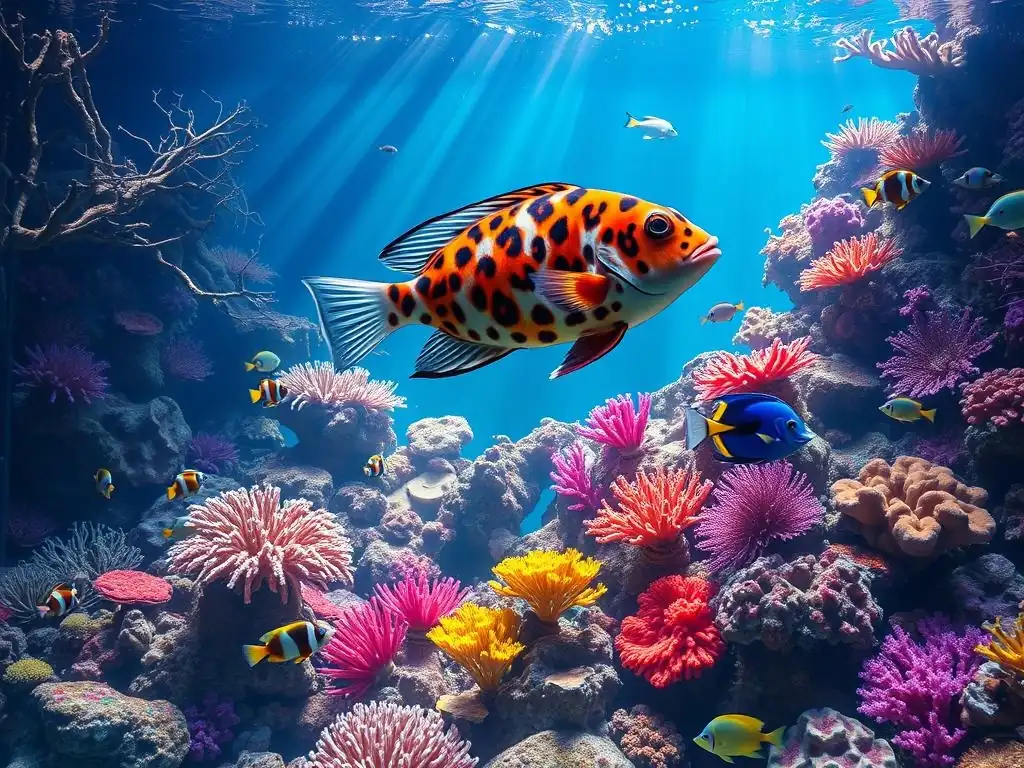
Ever been captivated by a fish that seems to have two personalities? Prepare to be amazed as we unravel the secrets of Bipartitus Leopard Wrasse Care. This stunning creature, with its unique beauty and intriguing needs, might just be the perfect addition to your saltwater sanctuary. But is it right for your tank? Let's explore everything you need to know to ensure a thriving, happy life for this split-personality stunner!
- Leopard Wrasse (Macropharyngodon spp. ): A Comprehensive Care Guide
- Introduction to Leopard Wrasses
- Leopard Wrasse Care: Essential Guidelines
- Leopard Wrasse Tank Setup: Creating the Ideal Habitat
- Leopard Wrasse Behavior and Compatibility
- Identifying and Treating Common Leopard Wrasse Diseases
- Leopard Wrasse: Acclimation and Introduction to Your Aquarium
- Distinguishing Male and Female Leopard Wrasses
- Where to Buy Leopard Wrasses
- Conclusion: Enjoying the Beauty of Your Leopard Wrasse
- Frequently Asked Questions
- Final Reflection: Embracing the Duality of Care
- Unleash Your Inner Reef Keeper!
Leopard Wrasse (Macropharyngodon spp. ): A Comprehensive Care Guide
Introduction to Leopard Wrasses
Unveiling the Beauty of Macropharyngodon Species
The Macropharyngodon genus encompasses some of the most captivating and sought-after fish in the marine aquarium hobby, renowned for their intricate patterns and vibrant coloration. Hailing primarily from the Indo-Pacific reefs, these small to medium-sized wrasses are characterized by their distinctive body shapes and often striking eye patterns.
Among them, the Macropharyngodon bipartitus, commonly known as the Bipartitus Leopard Wrasse, stands out with its dramatic "split-personality" appearance, often displaying a sharp contrast in color and pattern between the front and rear halves of its body. Their active and inquisitive nature, coupled with their unique aesthetic, makes them a focal point in any well-maintained reef tank.
This diverse genus includes other popular species such as M. meleagris (Pearly Leopard Wrasse) and M. choati (Choati's Leopard Wrasse), each exhibiting its own unique charm. While their adult size typically ranges from 4 to 6 inches, making them suitable for moderately sized aquariums, their specific care requirements often position them as a choice for experienced aquarists. With proper Macropharyngodon bipartitus care and a stable environment, these beautiful fish can thrive for over 5 years in captivity, providing long-term enjoyment and a dynamic presence in the home aquarium.
Why Choose a Leopard Wrasse for Your Saltwater Aquarium?
Choosing a Leopard Wrasse, particularly the Bipartitus Leopard Wrasse, for your saltwater aquarium offers a unique blend of aesthetic appeal and engaging behavior. Their stunning, often iridescent colors and intricate spot patterns, especially the distinct head coloration of the M. bipartitus, add an unparalleled visual spectacle to the reef environment. Beyond their beauty, their constant, endearing foraging behavior—sifting through the sand bed for small invertebrates—provides continuous activity and a natural dynamism that captivates observers. They are generally peaceful towards most other reef inhabitants, making them an excellent addition to a diverse community tank.
However, it's important to acknowledge that successful Bipartitus leopard wrasse care requires dedication and a specific understanding of their needs, making them a rewarding challenge for the committed aquarist. Their natural tendency to aerate the sand bed while foraging, coupled with their appetite for nuisance pests like small vermetid snails or bristle worms, offers functional benefits to the aquarium ecosystem. The satisfaction of successfully maintaining such a unique and active species far outweighs the initial investment in providing their specialized habitat and dietary requirements.
Leopard Wrasse Care: Essential Guidelines
Optimal Tank Conditions for Leopard Wrasses
Establishing optimal tank conditions is paramount for the health and longevity of Leopard Wrasses, especially sensitive species like the Macropharyngodon bipartitus. These fish thrive in mature, stable aquarium environments, ideally tanks that have been running for at least 6 months to a year to ensure biological stability and the presence of a natural microfauna. Ample live rock is crucial, not only providing essential biological filtration but also offering numerous crevices and hiding spots that mimic their natural reef habitat, promoting a sense of security for these often-shy fish.
A critical element for successful Bipartitus leopard wrasse care is the provision of a deep, fine sand bed. A depth of at least 3-4 inches (approximately 7.5-10 cm) of soft, fine-grained sand (such as aragonite sugar-fine) is absolutely essential. This allows the wrasse to burrow completely into the substrate at night for sleep or when startled, a vital behavior for their well-being and stress reduction.
Without an appropriate sand bed, they can suffer from chronic stress, leading to weakened immune systems and increased susceptibility to disease. Additionally, a secure lid is necessary, as Leopard Wrasses are known for their jumping ability when startled.
Water Parameters: Maintaining Stability
Maintaining precise and stable water parameters is non-negotiable for the delicate Macropharyngodon species. For optimal Bipartitus leopard wrasse care, salinity should be consistently held between 1.023 and 1.026 specific gravity, mirroring natural reef conditions. The water temperature should be stable within the range of 74-79°F (23-26°C), and the pH level should be maintained between 8.1 and 8.4. Crucially, ammonia and nitrite levels must be undetectable, and nitrates should be kept below 10-20 ppm through regular water changes, typically 10-20% weekly or bi-weekly, depending on bioload.
Even minor fluctuations in these parameters can induce significant stress in Leopard Wrasses, compromising their immune systems and making them highly susceptible to common marine ailments. It is strongly recommended to use high-quality salt mix and RO/DI (Reverse Osmosis/Deionized) water to ensure purity and consistency. Beyond the basic parameters, monitoring calcium (380-450 ppm), alkalinity (8-12 dKH), and magnesium (1200-1350 ppm) is also important, particularly in reef setups, as these contribute to overall water stability and the health of the entire ecosystem, which directly impacts the well-being of the wrasse.
Diet and Feeding: What to Feed Your Leopard Wrasse
Leopard Wrasses are natural micropredators, constantly sifting through the sand and scrutinizing live rock surfaces for small invertebrates in their natural habitat. Their diet primarily consists of copepods, amphipods, small worms, and tiny crustaceans. This continuous grazing behavior is fundamental to their health and survival, necessitating a diverse and consistent food supply in a captive environment. They have a high metabolism and require frequent feeding to maintain their energy levels and body mass.
Due to their specialized feeding habits, a varied diet is crucial for successful Bipartitus leopard wrasse care. They often require live foods, especially upon initial introduction, to stimulate their natural foraging instincts. Once acclimated, they can be transitioned to a range of high-quality frozen foods.
Recommended Foods
- Live copepods and amphipods (essential, especially when first introduced to encourage natural feeding)
- Frozen mysis shrimp (a preferred staple due to its nutritional value)
- Frozen enriched brine shrimp
- Finely chopped meaty foods like clam, scallop, or krill
- High-quality marine-based pellet or flake foods (may be accepted, but should not be the primary diet)
Feeding Schedule
- Offer small amounts of food 2-3 times daily for established, healthy wrasses.
- New or shy specimens, or those that appear thin, may benefit from 4-5 small feedings spread throughout the day.
- Ensure some food settles into the sand bed, allowing the wrasse to engage in its natural sifting behavior.
Leopard Wrasse Tank Setup: Creating the Ideal Habitat
Tank Size Recommendations
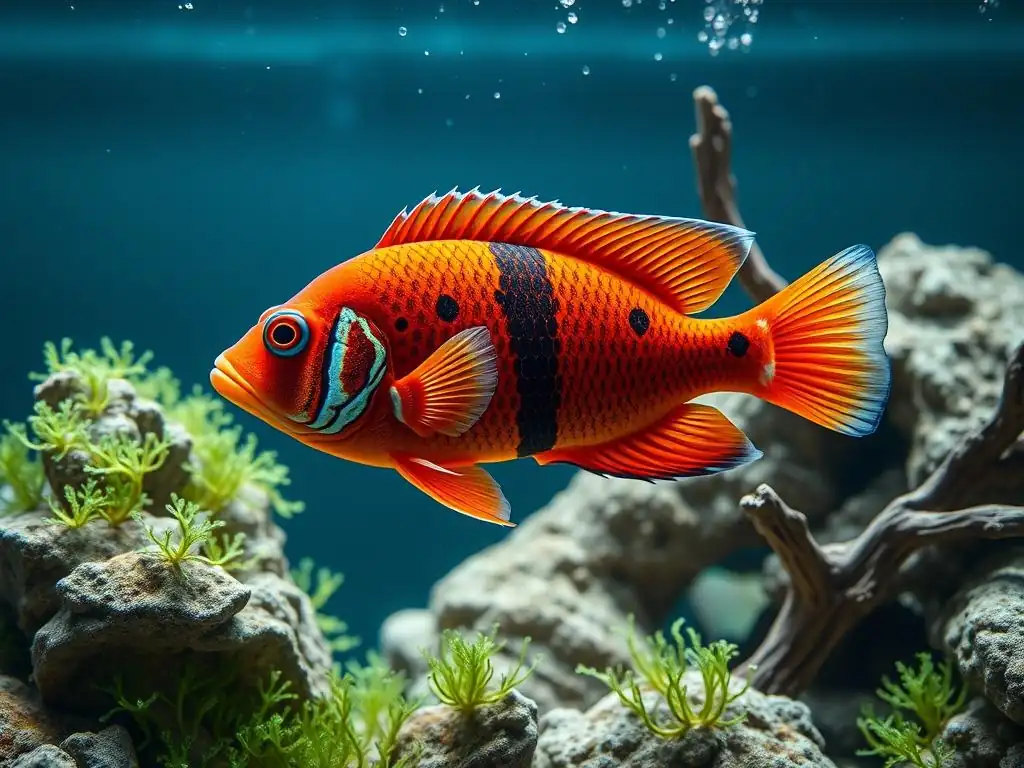
The minimum tank size for a single Macropharyngodon bipartitus is a crucial aspect of responsible Bipartitus leopard wrasse care. A tank of at least 75 gallons (approximately 280 liters) is strongly recommended. This volume provides adequate swimming space for an active fish and, more importantly, allows for the creation of a sufficiently large and deep sand bed, which is vital for their natural burrowing and foraging behaviors. For aquarists considering housing multiple wrasses or a highly diverse community, larger tanks of 100 gallons or more are even more beneficial.
The rationale behind these tank size recommendations extends beyond mere swimming room. A larger water volume inherently offers greater stability in water parameters, which is critical for these sensitive fish. It also supports a more extensive live sand bed, promoting a healthier microfauna population that supplements the wrasse's diet. An appropriately sized environment minimizes territorial stress and competition, contributing significantly to the overall health, longevity, and vibrant display of your Leopard Wrasse.
Substrate and Hiding Places
The substrate is arguably the single most important element in a Leopard Wrasse's habitat, directly impacting their well-being and natural behavior. A deep sand bed of at least 3-4 inches (approximately 7.5-10 cm) of very fine, soft sand is absolutely non-negotiable for proper Bipartitus leopard wrasse care. Materials such as aragonite sugar-fine sand or live sand are ideal. These wrasses bury themselves completely in the sand at night for sleep and whenever they feel threatened or stressed. Using coarse or sharp substrates can damage their delicate skin and fins, leading to abrasions, infections, and chronic stress.
In addition to the critical sand bed, providing ample live rock with numerous crevices, caves, and overhangs is essential. These structures offer supplementary hiding places during the day, allowing the wrasse to retreat when feeling insecure or needing a break from activity. Strategic placement of live rock also creates diverse foraging opportunities and contributes significantly to biological filtration within the aquarium. Ensure all rockwork is stable and securely placed to prevent any shifts that could potentially trap a buried wrasse.
Essential Equipment: Filtration, Lighting, and Heating
A robust and well-maintained suite of essential equipment is fundamental to the successful long-term Leopard wrasse care and the overall health of your marine aquarium. This includes a high-quality filtration system to manage waste, appropriate lighting to support the tank's ecosystem, and reliable heating to maintain stable temperatures. These components work synergistically to create a pristine and consistent environment, which is particularly crucial for the sensitive Macropharyngodon bipartitus.
Investing in high-quality and reliable equipment minimizes the risk of system failures, which can have catastrophic consequences for delicate marine fish. For instance, having redundant heating elements or a trusted brand of protein skimmer can prevent sudden temperature drops or spikes and maintain water purity. Regular maintenance of all equipment, such as cleaning skimmer cups and replacing filter media, is equally important to ensure continuous optimal performance and a thriving habitat for your Leopard Wrasse.
Choosing the Right Filtration
- Protein Skimmer: Essential for removing dissolved organic waste before it breaks down into nitrates, significantly improving water quality.
- Live Rock: Provides extensive biological filtration, converting harmful ammonia and nitrites into less toxic nitrates, and offers natural foraging grounds.
- Refugium: A beneficial addition that can cultivate copepods and amphipods, providing a continuous live food source, and further assist with nutrient export.
- Mechanical Filtration: Filter socks or pads can be used to remove particulate matter, but must be cleaned or replaced frequently (daily to every few days) to prevent them from becoming nitrate factories.
Lighting Considerations
- Moderate Lighting: Leopard Wrasses do not have specific, demanding lighting requirements themselves; the lighting intensity should primarily be chosen based on the needs of any corals or photosynthetic invertebrates in the tank.
- Mimic Natural Cycles: A consistent day/night cycle, typically 10-12 hours of light followed by darkness, is important for the wrasse's circadian rhythm and overall well-being.
- Avoid Sudden Changes: Lighting systems with gradual ramp-up and ramp-down features are highly beneficial, as they prevent startling the wrasse when it emerges from or burrows into the sand, reducing stress.
Leopard Wrasse Behavior and Compatibility
Understanding Their Unique Behavior Patterns
Leopard Wrasses, including the Macropharyngodon bipartitus, are characterized by their highly active and curious nature during daylight hours. They are constant foragers, meticulously sifting through the sand bed and inspecting live rock surfaces in search of their preferred invertebrate prey. This continuous activity not only adds dynamic movement to the aquarium but also contributes to the aeration of the sand bed. A defining behavior of Macropharyngodon species is their habit of burying themselves completely in the sand at night for sleep, or rapidly disappearing into the substrate when startled or stressed.
While generally peaceful, these wrasses can initially be quite shy, especially immediately after introduction to a new tank. With proper Bipartitus leopard wrasse care and a stable, secure environment, they will gradually become more confident, often recognizing their keeper and anticipating feeding times. Their intelligence and individual personalities become more apparent over time, making them truly engaging inhabitants. Observing their unique burrowing ritual and constant exploration offers continuous fascination for the dedicated aquarist.
Compatibility with Other Saltwater Fish Species
Leopard Wrasses are generally peaceful and can be excellent additions to a well-planned community reef aquarium. Their compatibility largely depends on the temperament of their tank mates. They thrive in environments with other non-aggressive, calm fish that will not harass them or outcompete them for food. Their relatively small size and non-confrontational nature make them suitable for a wide range of tank setups, provided their specific environmental needs are met.
When selecting tank mates, it's crucial to avoid overly aggressive or boisterous species that could intimidate the Leopard Wrasse or prevent it from feeding adequately. Similarly, very large or predatory fish should be avoided, as they might view the wrasse as a food source. Careful consideration of feeding habits is also important; fish that are direct competitors for small invertebrates might make it challenging for the wrasse to get enough to eat.
Suitable Tank Mates
- Small, peaceful gobies (e.g., Watchman Goby, Diamond Goby)
- Blennies (e.g., Midas Blenny, Two-spot Blenny)
- Clownfish (most species)
- Certain peaceful damselfish species (e.g., Azure Damsel)
- Cardinalfish (e.g., Banggai Cardinalfish)
- Other peaceful, non-competitive wrasses (ensure ample space and food, avoid very similar species)
Fish to Avoid
- Aggressive triggers, puffers, and lionfish (predatory or highly aggressive)
- Large angelfish (some species can be territorial or nip at fins)
- Large, fast-moving tangs (can outcompete for food, especially if the wrasse is shy)
- Other wrasses of very similar body shape or diet (unless in a very large tank with careful introduction)
- Any fish known to prey heavily on small invertebrates (direct food competition with the wrasse)
Identifying and Treating Common Leopard Wrasse Diseases
Recognizing Symptoms of Illness
Early detection of illness is a critical component of successful Bipartitus leopard wrasse care, as these fish can be sensitive to environmental stressors and rapid disease progression. Subtle changes in behavior or appearance are often the first indicators. Look for changes in coloration, such as dulling or darkening of their vibrant hues, or the appearance of unusual spots or growths.
Erratic swimming, clamped fins, rapid or labored breathing (gilling), and a noticeable loss of appetite are strong signs of distress. A healthy wrasse is active; prolonged hiding, especially during the day, or a refusal to burrow at night, are significant red flags.
Behavioral cues are particularly important for Macropharyngodon species. A healthy Leopard Wrasse will be constantly sifting through the sand bed and actively exploring the rockwork. If you observe a lack of interest in food, a sudden loss of weight (visible as a sunken belly), or difficulty in submerging into the sand, these are serious indications of a potential health issue. Implementing a robust quarantine protocol for all new fish is the best preventative measure to avoid introducing pathogens into your main display tank.
Common Diseases Affecting Macropharyngodon spp.
Like many wild-caught marine fish, Macropharyngodon species can be susceptible to common parasitic diseases, particularly when stressed during collection, transport, or acclimation to a new aquarium. Their delicate nature and reliance on a stable environment mean that any significant deviation from optimal Bipartitus leopard wrasse care can compromise their immune system, making them vulnerable. Prevention through proper quarantine, pristine water quality, and a low-stress environment is always the most effective strategy.
Stress from unsuitable water parameters, aggressive tank mates, or an inadequate sand bed can significantly weaken a Leopard Wrasse's natural defenses, predisposing them to various ailments. Common diseases often manifest as external parasites or, less frequently, internal issues. Prompt identification and appropriate treatment are essential for recovery, as these diseases can progress rapidly in sensitive species.
Ich (White Spot Disease)
Marine Ich, caused by the parasite Cryptocaryon irritans, is one of the most common and recognizable diseases in saltwater aquariums. It manifests as small, white spots resembling grains of salt on the fish's body, fins, and sometimes gills. Infected Leopard Wrasses may exhibit signs of irritation, such as "flashing" (rubbing against rocks or substrate) or rapid gilling due to gill irritation. If left untreated, Ich can lead to severe gill damage, secondary infections, and ultimately be fatal, especially in sensitive species like the Bipartitus leopard wrasse.
Treatment for Ich typically involves transferring the infected fish to a dedicated hospital tank, as most medications are harmful to invertebrates and beneficial bacteria in the main display. Common treatment methods include copper-based medications administered at a precise therapeutic level for 14-21 days, or hyposalinity (gradually reducing the specific gravity to 1.009-1.010). The main display tank must be left fallow (fish-less) for at least 6-8 weeks to ensure the complete eradication of the parasite's life cycle.
Marine Velvet Disease
Marine Velvet Disease, caused by the dinoflagellate parasite Amyloodinium ocellatum, is highly contagious and rapidly fatal if not treated immediately. It presents as a fine, dusty, golden or brownish coating on the fish's skin, often appearing like velvet. Infected Leopard Wrasses will typically exhibit labored breathing (rapid gilling), lethargy, clamped fins, and may scratch against tank decorations. Unlike Ich, Velvet progresses extremely quickly, often leading to death within a few days of symptom onset.
Immediate action is crucial for survival. The infected Macropharyngodon bipartitus should be transferred to a hospital tank without delay. Effective treatments include copper-based medications, similar to Ich treatment, or chloroquine phosphate. Formalin dips can provide temporary relief and help reduce the parasitic load. Due to the rapid progression and high mortality rate of Marine Velvet, early detection and swift, decisive treatment are absolutely paramount for any chance of recovery.
Internal Parasites
Internal parasites, such as various species of nematodes or cestodes, can afflict Leopard Wrasses, though they are generally less common and more challenging to diagnose than external parasites. Symptoms often include chronic weight loss despite a good appetite, lethargy, lack of energy, and abnormal or stringy fecal matter. The fish may appear emaciated, with a sunken belly, even if it is actively eating. These parasites can interfere with nutrient absorption and overall organ function.
Treatment for internal parasites primarily involves medicated foods containing anthelmintics like praziquantel or metronidazole. These medications are incorporated into the fish's diet, ensuring the active ingredient reaches the parasites within the digestive tract. It's important to provide these medicated foods for the recommended duration, typically 7-10 days, to ensure complete eradication. Regular quarantine of new arrivals and feeding a diverse, high-quality diet are the best preventative measures against internal parasitic infections.
Treatment Options and Preventative Measures
When treating any illness in a Leopard Wrasse, the fundamental principle is to always use a dedicated hospital or quarantine tank. This prevents medications from harming beneficial bacteria in the main display's biological filter, as well as sensitive invertebrates like corals, anemones, and other crustaceans. Always follow medication instructions precisely, paying close attention to dosage, duration, and water change requirements during treatment. Maintaining pristine water quality in the hospital tank is also crucial to support the fish's recovery and reduce additional stress.
The cornerstone of successful Bipartitus leopard wrasse care and disease prevention is a rigorous quarantine protocol for all new marine fish, including Leopard Wrasses. A minimum 4-6 week quarantine period allows for thorough observation and, if necessary, proactive treatment of any latent diseases before they can be introduced to your main display tank. Beyond quarantine, maintaining stable water parameters, providing a stress-free environment with plenty of hiding places, and offering a highly varied, nutritious diet are vital preventative measures that bolster the wrasse's immune system and overall resilience.
Leopard Wrasse: Acclimation and Introduction to Your Aquarium
Proper Acclimation Techniques
Leopard Wrasses are notoriously sensitive to sudden changes in water parameters, making their acclimation to a new aquarium one of the most critical steps in ensuring their survival. Rapid shifts in temperature, pH, or salinity can induce severe stress and even fatal shock. For this reason, the drip acclimation method is highly recommended as the safest and most effective technique for Bipartitus leopard wrasse care during introduction. This method allows for a gradual equalization of the water parameters over an extended period, minimizing the physiological shock to the fish.
To perform drip acclimation, place the bag containing the wrasse in a clean bucket. Use a length of airline tubing to siphon water from your display tank into the bucket, regulating the drip rate to a slow, steady pace of about 1-2 drops per second.
Allow this process to continue for at least 45-60 minutes, or until the volume of water in the bucket has at least quadrupled from its original volume. Once acclimation is complete, gently net the wrasse, discarding the water from the bucket (do not add it to your display tank), and carefully introduce the fish into its new home.
Minimizing Stress During Introduction
Beyond proper acclimation, several steps can be taken to minimize stress during the initial introduction of your Bipartitus leopard wrasse to its new aquarium. Introduce the wrasse to a dimly lit tank; this reduces immediate visual stress and allows the fish to quietly explore its surroundings without being overwhelmed by bright lights or the immediate attention of other tank inhabitants. Ensure that all existing tank mates are calm and non-aggressive, and temporarily adjust feeding schedules for existing fish to reduce competition during the wrasse's initial settling period.
Once introduced, it's normal for the Leopard Wrasse to immediately seek refuge by burying itself in the sand bed. This behavior can last for several hours or even a few days, and it is crucial to avoid disturbing the tank during this time. Resist the urge to hover over the tank or attempt to coax the fish out. Once it emerges and appears comfortable, offer small, frequent feedings of highly palatable live or frozen foods to encourage it to eat. Patience is key during this sensitive post-introduction phase for successful Leopard wrasse care.
Distinguishing Male and Female Leopard Wrasses
Visual Differences Between Sexes
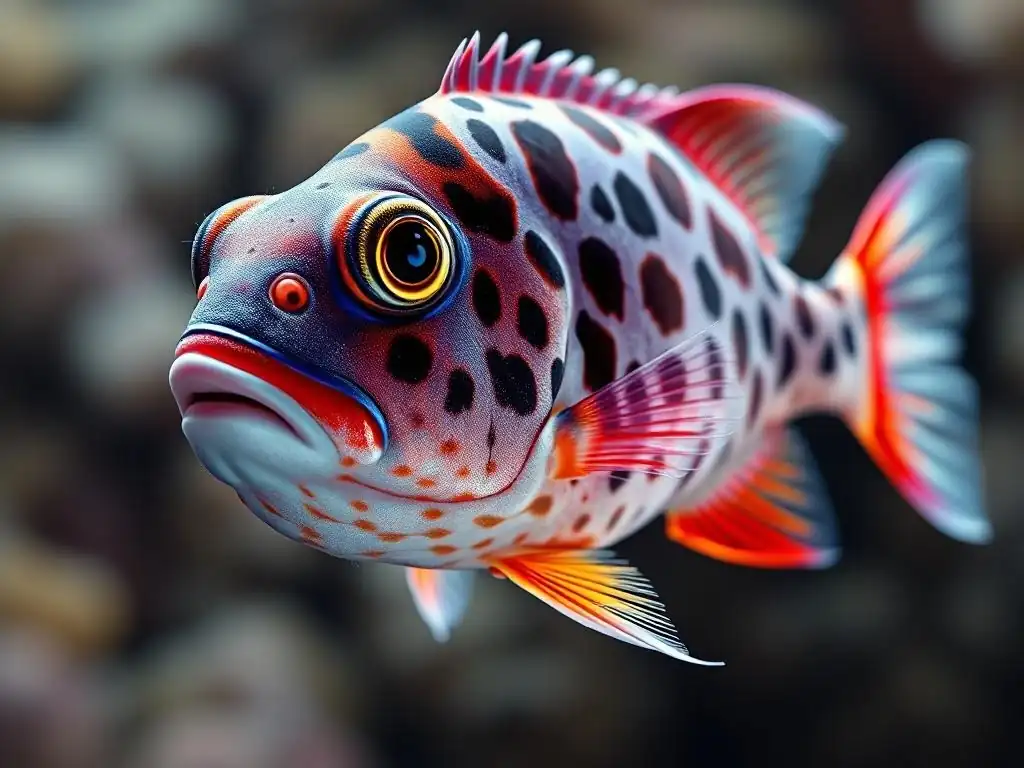
In many species within the Macropharyngodon genus, including the Bipartitus leopard wrasse, there is a noticeable degree of sexual dimorphism, meaning males and females exhibit distinct visual differences. Generally, males tend to grow larger and display more intense, vibrant coloration and more pronounced patterns compared to their female counterparts. Females typically possess more subdued hues and less defined markings, often appearing more uniformly colored or with less intricate spotting. These differences usually become more apparent as the fish mature.
For the Macropharyngodon bipartitus specifically, the males often showcase a more dramatic "split" pattern on their head, where distinct blocks of color (e.g., bright green on the anterior head contrasting with orange-red on the posterior) are sharply defined. Their body spotting and fin coloration are also typically more vivid and extensive. Females, while still beautiful, might have a more blended or less intensely colored head pattern and generally less pronounced spots across their body. Observing these subtle yet significant differences can help in identifying the sex of your Bipartitus leopard wrasse.
Breeding Leopard Wrasses [Difficulty and current understanding]
Breeding Macropharyngodon species in home aquariums is exceptionally challenging and has seen very limited success within the hobbyist community. These wrasses are pelagic spawners, meaning they release their eggs and sperm directly into the water column, where the fertilized eggs then drift as planktonic larvae. Replicating the precise environmental conditions, water volume, and specific food sources required to successfully raise these microscopic larvae through their complex developmental stages is incredibly difficult in a typical aquarium setup.
While some advanced public aquariums or commercial aquaculture facilities may be conducting research into the captive breeding of Bipartitus leopard wrasses and other Macropharyngodon species, consistent and widespread success remains elusive. The vast majority of Leopard Wrasses available in the aquarium trade are still wild-caught specimens. This highlights the critical importance of supporting sustainable collection practices and providing exemplary Bipartitus leopard wrasse care in captivity to ensure the longevity and well-being of these beautiful fish.
Where to Buy Leopard Wrasses
Finding Reputable Sources for Healthy Specimens
Given the delicate nature and specific care requirements of Leopard Wrasses, particularly the Macropharyngodon bipartitus, selecting a reputable source for purchase is paramount. Avoid impulse buys and instead seek out fish stores or online vendors with a strong track record for ethical sourcing and excellent animal husbandry practices. Inquire about their quarantine procedures, how long the fish has been in their care, and their feeding regimen. A good vendor prioritizes the health of their livestock over quick sales.
A reputable source will typically have clean, well-maintained tanks with healthy, active, and alert fish. Their staff should be knowledgeable about Bipartitus leopard wrasse care and able to answer specific questions regarding the fish's origin, typical behavior, and dietary needs. For online vendors, look for those that offer live arrival guarantees, transparent shipping policies, and ensure proper packaging to minimize stress during transit. Prioritizing a healthy specimen from a trusted source significantly improves your chances of long-term success.
Assessing the Health of a Leopard Wrasse Before Purchase
Before making a purchase, a thorough visual assessment of the Bipartitus leopard wrasse is essential. Carefully observe the fish in its tank. Look for clear, bright eyes without cloudiness or damage. Its fins should be intact, without any tears, nips, or signs of fin rot. The body should appear full and rounded, not sunken or emaciated, which can indicate malnourishment or internal parasites. The wrasse should be actively swimming and exploring, or, if resting, should appear alert and responsive. Avoid fish that are lethargic, listless, or constantly hiding in the open.
Beyond physical appearance, observe the wrasse's behavior. A healthy Macropharyngodon bipartitus will actively sift through the sand, demonstrating its natural foraging instincts, or peck at the live rock. Look for any signs of labored breathing, such as rapid gilling, which could indicate gill parasites or poor water quality. If possible, ask the store to feed the fish; a strong feeding response is an excellent indicator of a healthy and well-acclimated specimen. Avoid any fish with visible spots (Ich), a dusty coating (Velvet), or open sores, as these are clear signs of illness.
Conclusion: Enjoying the Beauty of Your Leopard Wrasse
The Rewards of Keeping This Stunning Fish
Despite the specific and meticulous requirements for Bipartitus leopard wrasse care, the rewards of successfully keeping these vibrant and engaging fish are immense. Their unique, intricate patterns and striking coloration, particularly the dramatic "split-personality" appearance of the Macropharyngodon bipartitus, make them an unparalleled focal point in any well-established reef aquarium. Their constant, inquisitive foraging behavior adds a dynamic and fascinating element, transforming your tank into a living, breathing piece of art.
Successfully maintaining a Macropharyngodon bipartitus for many years is a true testament to an aquarist's dedication and skill. Their active intelligence and individual personalities provide a continuous source of fascination and enjoyment, fostering a deep connection between keeper and fish. The long-term satisfaction derived from providing an optimal environment where these stunning creatures can thrive makes every effort in their care profoundly worthwhile.
Continued Learning for Optimal Care
The world of marine aquaria is dynamic and constantly evolving, and the journey of Leopard wrasse care is an ongoing learning experience. To ensure the best possible environment for your Macropharyngodon bipartitus, it is crucial to remain committed to continuous research and education. Stay informed about advancements in water chemistry, fish health, nutrition, and equipment. Understanding the nuances of their specific needs will empower you to proactively address challenges and optimize their living conditions.
Engaging with the broader aquarist community is an invaluable resource. Participate in online forums, join local aquarium clubs, and regularly consult reputable online resources like AquariumMastery.com. Sharing experiences, asking questions, and staying abreast of new products and techniques will not only enhance your Bipartitus leopard wrasse care but also enrich your overall marine aquarium hobby, fostering a deeper understanding and appreciation for these captivating creatures.
Frequently Asked Questions
How difficult is it to care for a Bipartitus Leopard Wrasse?
Bipartitus Leopard Wrasses are considered moderately difficult to keep. They require a mature tank with a stable environment and plenty of live rock for foraging. Proper acclimation is also crucial for their survival.
What size tank is recommended for a Bipartitus Leopard Wrasse?
A tank of at least 75 gallons is recommended for a single Bipartitus Leopard Wrasse. This provides enough space for them to swim and hunt for their natural food sources, like copepods and amphipods.
What do Bipartitus Leopard Wrasses eat?
They are primarily carnivores and feed on small invertebrates. A healthy diet should consist of live copepods, amphipods, and supplemented with high-quality frozen foods designed for reef tanks.
What are the key water parameters for a Bipartitus Leopard Wrasse aquarium?
Maintaining stable water parameters is essential. Temperature should be between 72-78°F, salinity at 1.024-1.026, pH between 8.1-8.4, and ammonia and nitrite at zero.
Are Bipartitus Leopard Wrasses reef safe?
They are generally considered reef safe with caution. They may occasionally pick at small invertebrates, but they are unlikely to cause significant damage to corals. However, observe them closely after introduction to the tank.
Final Reflection: Embracing the Duality of Care
The captivating Bipartitus Leopard Wrasse, with its striking split coloration, serves as a potent reminder that even seemingly simple creatures require nuanced and dedicated care. Understanding the specific needs of this fish, as we've explored, is not merely about maintaining an aquarium; it's about appreciating the delicate balance of life within a closed ecosystem and the responsibility we bear as custodians of these vibrant beings.
This journey into the world of Macropharyngodon bipartitus has underscored the importance of informed and compassionate stewardship. The commitment to providing appropriate care for these wrasses reflects a broader commitment to environmental responsibility and the preservation of biodiversity. In the end, we will conserve only what we love; we will love only what we understand; and we will understand only what we are taught.
- Baba Dioum. This quote perfectly encapsulates the essence of responsible aquarism and the need for continuous learning and adaptation.
Now, as you consider the information shared, I invite you to reflect on your own approach to care, whether it be for aquatic life, pets, or even the environment around you. Are you truly understanding the needs of those you nurture? Let the Bipartitus Leopard Wrasse, a creature of captivating duality, inspire you to embrace the complexities of responsible care and to strive for a deeper connection with the natural world.
Unleash Your Inner Reef Keeper!
Thank you for diving into the fascinating world of the Bipartitus Leopard Wrasse! We hope you've gained valuable insights into caring for this stunning, yet sensitive, fish. Now it's time to take your reef aquarium knowledge to the next level.
- Carefully consider if you can truly provide the perfect environment for a Bipartitus Leopard Wrasse before purchasing one. Remember, their success depends on dedicated care.
- Explore the Aquarium Mastery community forums to share your experiences or seek advice from fellow reef enthusiasts.
- Delve deeper into the care requirements of other delicate reef inhabitants; understanding their needs expands your skills as an aquarist.
What specific action will you take today to improve your aquarium husbandry skills?