
Maximizing Wrasse Lifespan: Secrets to Their Longevity in Your Care

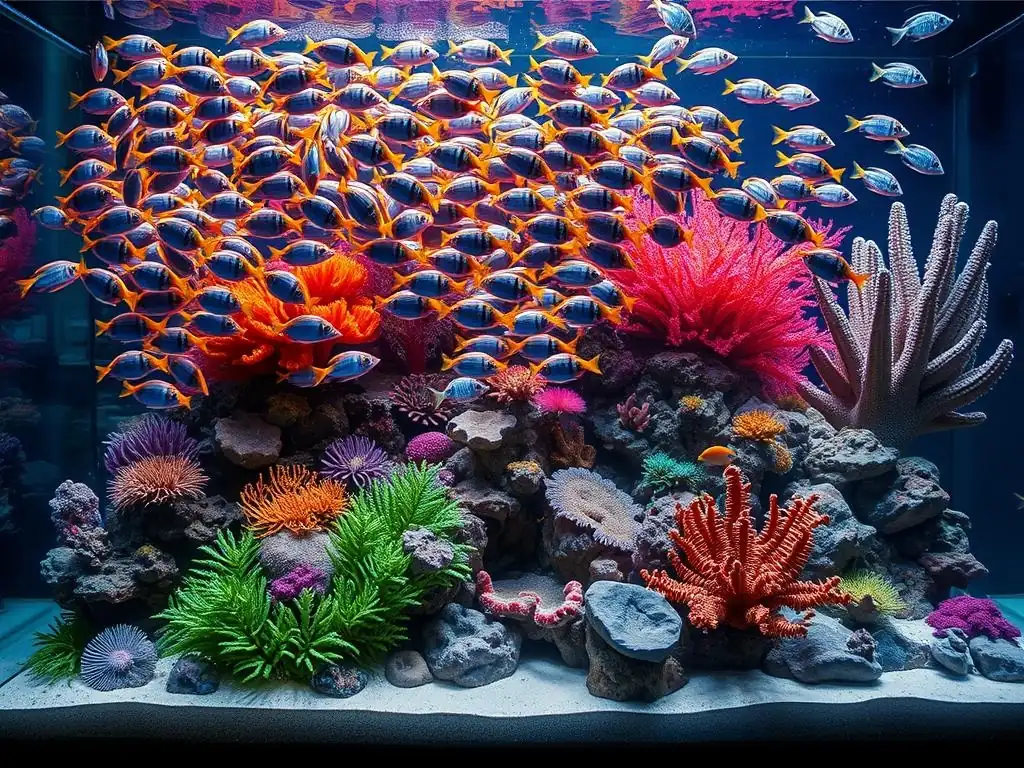
Welcome to Aquarium Mastery!
Ever wondered how to truly unlock the secrets to a thriving saltwater aquarium and ensure the Wrasse longevity you've always dreamed of? Dive in and discover proven strategies for keeping these vibrant fish happy and healthy. We're about to explore the critical factors that impact their lifespan, offering you actionable insights to create an optimal environment. Ready to make your Wrasse feel right at home?
- Understanding Wrasse Lifespan in Captivity: An Aquarium Mastery Guide
- Optimizing Wrasse Habitat for Extended Lifespan in Saltwater Aquariums
- Nutritional Strategies for Enhanced Wrasse Longevity
- Choosing the Right Wrasse Species for Your Aquarium: Lifespan Considerations
- Preventing and Treating Diseases to Extend Wrasse Lifespan
- Minimizing Stress to Promote Wrasse Longevity in Captivity
- Advanced Wrasse Care Techniques for Maximum Lifespan
- Common Mistakes that Shorten Wrasse Lifespan (and How to Avoid Them)
- The Role of Genetics in Wrasse Longevity: What to Consider
- Long-Term Care for Senior Wrasses: Adapting to Their Needs
- Wrasse Lifespan Aquarium Care: A Summary for Long-Term Success
-
Frequently Asked Questions
- What are the most important factors influencing Wrasse longevity in an aquarium?
- What specific water parameters are critical for Wrasse health and longevity?
- What kind of diet supports optimal Wrasse lifespan in an aquarium setting?
- How can I minimize stress and prevent diseases that shorten a Wrasse's lifespan?
- What are some common mistakes that can negatively impact Wrasse longevity and how can I avoid them?
- Final Reflection: Embracing the Wrasse's Enduring Spirit
- Unlock the Secrets to a Thriving Wrasse Paradise!
Understanding Wrasse Lifespan in Captivity: An Aquarium Mastery Guide
Wrasses are a diverse and captivating group of marine fish, highly sought after for their vibrant colors and engaging behaviors in saltwater aquariums. While many species can thrive for years in a well-maintained home environment, their lifespan in captivity often differs significantly from their wild counterparts. In the ocean, factors like predation, food availability, and environmental stability play a role, whereas in an aquarium, water quality, diet, stress, and tank mates become the primary determinants of a wrasse's overall health and longevity.
Achieving optimal wrasse longevity aquarium care requires a deep understanding of their specific needs, which vary considerably between species. For instance, a Six-line Wrasse ( Pseudocheilinus hexataenia) might typically live for 5-7 years in a well-cared-for aquarium, with some individuals exceeding 10 years, whereas certain Flasher Wrasse species ( Paracheilinus spp.) might only reach 2-4 years. The goal of any dedicated aquarist is to replicate their natural environment as closely as possible and mitigate common stressors to maximize their potential lifespan.
Optimizing Wrasse Habitat for Extended Lifespan in Saltwater Aquariums
Creating a Wrasse-Friendly Tank Environment: Key Factors
A foundational element of successful wrasse longevity aquarium care is establishing an appropriate tank environment that caters to their unique needs. Many wrasse species, particularly those from the genera Halichoeres and Macropharyngodon (Leopard Wrasses), are sand-dwellers, requiring a soft, deep sand bed of at least 2-4 inches (approximately 5-10 cm) to bury themselves for sleep or protection. Without this crucial substrate, these species can become highly stressed, leading to health decline and significantly reduced lifespan.
Beyond the substrate, ample live rock structures are essential. Wrasses are active fish that appreciate numerous hiding spots, crevices, and territories to explore. These structures provide security, reduce aggression among tank inhabitants, and offer foraging opportunities for microfauna, which can supplement their diet. For example, a 75-gallon aquarium housing a single wrasse should ideally contain at least 75-100 pounds (around 34-45 kg) of well-cured live rock to create a complex and stimulating environment conducive to their long-term well-being.
Maintaining Optimal Water Parameters for Wrasse Health and Longevity
The Importance of Stable Salinity, pH, and Temperature for Wrasses
Maintaining consistent and appropriate water parameters is arguably the most critical aspect of wrasse longevity aquarium care. Wrasses, like most marine fish, are highly sensitive to fluctuations in their environment. Ideal salinity levels for the majority of wrasse species should be maintained between 1.023 and 1.026 specific gravity, mimicking natural ocean conditions. Deviations outside this range can cause osmotic stress, compromising their immune system.
Similarly, a stable pH range of 8.1 to 8.4 is vital, as significant swings can lead to acidosis or alkalosis, both detrimental to fish health. Temperature is another non-negotiable factor; most tropical wrasses thrive in a consistent range of 74-82°F (23-28°C). Rapid temperature changes, even by a few degrees, can induce shock and weaken their resilience to disease, directly impacting their potential for wrasse longevity.
Monitoring and Adjusting Water Chemistry to Promote Wrasse Well-being
Regular and accurate monitoring of water chemistry is indispensable for promoting wrasse well-being. Aquarists should perform weekly tests for key parameters such as salinity, pH, alkalinity (8-12 dKH), calcium (400-450 ppm), and magnesium (1250-1350 ppm). While wrasses are not as dependent on these parameters as corals, stable levels contribute to overall system health and reduce environmental stress. Ammonia and nitrite levels must always remain at zero, and nitrates should be kept below 20 ppm, ideally much lower (under 5 ppm) for optimal health.
Should parameters deviate, prompt and careful adjustment is necessary. For instance, if salinity drops, slow additions of saltwater mixed from high-quality salt and RO/DI water are preferred over rapid changes. Adjusting pH might involve increasing alkalinity through buffer additions, while temperature can be managed with reliable heaters or chillers. Consistent small adjustments are always safer and more effective than drastic interventions, ensuring a stable environment that supports maximum wrasse longevity.
Nutritional Strategies for Enhanced Wrasse Longevity
Feeding Your Wrasse a Balanced and Varied Diet
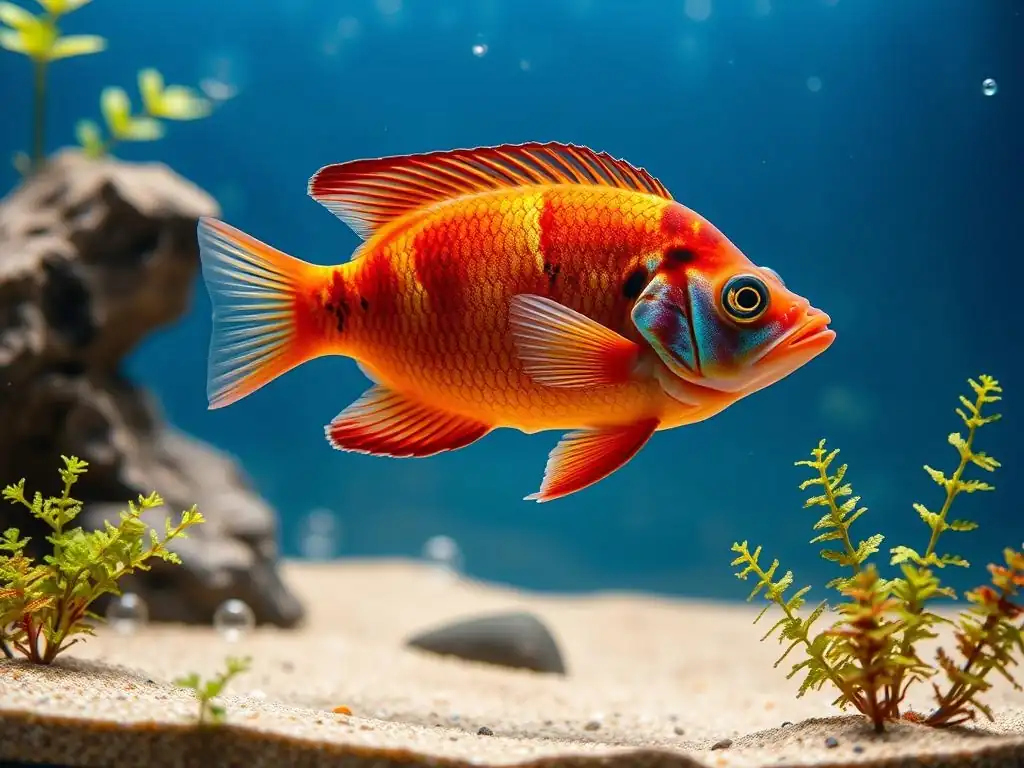
A cornerstone of excellent wrasse longevity aquarium care is providing a diet that is both balanced and varied, mimicking their natural feeding habits. Most wrasse species are carnivorous or omnivorous, with a strong preference for meaty foods. Their diet should consist of a mix of high-quality frozen foods such as Mysis shrimp, brine shrimp (preferably enriched), finely chopped seafood (e.g., krill, scallops, fish flesh), and live foods like copepods and amphipods, which they will actively hunt within the rockwork.
Supplementing these staples with high-quality marine pellets or flakes specifically designed for carnivorous fish can ensure they receive a full spectrum of essential nutrients. For instance, a juvenile Melanurus Wrasse ( Halichoeres melanurus) might be fed 2-3 times daily with small portions that can be consumed within a few minutes, while an adult might do well with 1-2 feedings per day. A varied diet not only provides comprehensive nutrition but also keeps the fish engaged and stimulated, contributing to better overall health and extended wrasse longevity.
Supplementing with Vitamins and Minerals for Optimal Wrasse Health
Even with a varied diet, supplementing with essential vitamins and minerals can significantly enhance wrasse health and contribute to their longevity. Key micronutrients like Vitamin C are crucial for immune function and tissue repair, while iodine plays a role in metabolic processes. Many aquarists soak frozen foods in liquid vitamin supplements, such as Selcon or Vita-Chem, prior to feeding. This ensures that the wrasses receive a concentrated dose of beneficial compounds that might be lacking or degraded in their primary diet.
Some high-quality prepared foods are already fortified, but additional supplementation can act as an insurance policy, especially during times of stress or recovery from illness. For example, a weekly or bi-weekly vitamin soak for their frozen food can make a noticeable difference in their coloration, activity levels, and overall vitality. This proactive approach to nutrition is a vital component of comprehensive wrasse longevity aquarium care, helping to ward off deficiencies that could otherwise shorten their lifespan.
While proper nutrition is vital, overfeeding is a common mistake that can paradoxically shorten wrasse lifespan. Excess food decomposes rapidly, leading to elevated nitrates, phosphates, and potentially ammonia, all of which degrade water quality and contribute to stress and disease. Overfeeding can also lead to obesity in wrasses, which can result in liver issues and other internal health problems, similar to those seen in terrestrial animals.
To avoid these issues, feed only what your wrasses can consume within 2-3 minutes. If food remains after this period, it indicates overfeeding. Observe your fish carefully during feeding times; a healthy wrasse should be eager to eat and exhibit active foraging behavior. Implementing a feeding schedule that includes occasional fasting days (e.g., one day a week without food) can also aid digestion and prevent overconsumption, contributing to better long-term wrasse longevity and a healthier aquarium environment.
Choosing the Right Wrasse Species for Your Aquarium: Lifespan Considerations
Selecting Long-Lived Wrasse Species for Beginner Aquarists
For aquarists aiming for maximum wrasse longevity, especially beginners, selecting a species known for its hardiness and potential for a longer lifespan is crucial. Some wrasse species are inherently more robust and adaptable to captive conditions than others. For instance, the Six-line Wrasse ( Pseudocheilinus hexataenia) is a popular choice due to its relatively small size (up to 4 inches), vibrant color, and impressive lifespan, often reaching 5-7 years, with some individuals living a decade or more in well-maintained tanks.
Another excellent option is the Melanurus Wrasse ( Halichoeres melanurus), which can also live for 5-8 years and is known for its active foraging and peaceful demeanor towards most tank mates. These species are generally more forgiving of minor fluctuations in water parameters compared to their more delicate cousins, making them ideal candidates for those prioritizing wrasse longevity aquarium care. They are also less prone to common diseases when kept in optimal conditions, offering a higher chance of long-term success.
Researching Specific Wrasse Species' Lifespan and Care Requirements
Before introducing any wrasse to your aquarium, thorough research into the specific species' lifespan and care requirements is paramount. Wrasse families are incredibly diverse, and a species' potential longevity is directly tied to how well its specific needs are met. For example, while a Leopard Wrasse ( Macropharyngodon spp.) can live over 10 years, they demand a mature aquarium with an abundance of live copepods and amphipods, a deep sand bed, and extremely stable water parameters, making them challenging for novice aquarists.
Conversely, some species, like certain Flasher Wrasses ( Paracheilinus spp.) or Fairy Wrasses ( Cirrhilabrus spp.), while beautiful, may only live for 2-4 years even under ideal conditions due to their naturally shorter lifespans or higher sensitivity to stress. Understanding these inherent differences allows aquarists to make informed decisions, ensuring they can provide the specific environment and care necessary for the chosen wrasse to thrive and achieve its maximum potential for wrasse longevity.
Preventing and Treating Diseases to Extend Wrasse Lifespan
Identifying Common Wrasse Diseases and Their Symptoms
Prompt identification of diseases is a critical aspect of wrasse longevity aquarium care. Wrasses, like all fish, are susceptible to various ailments, particularly when stressed or introduced to an unstable environment. Common diseases include Marine Ich ( Cryptocaryon irritans), characterized by tiny white spots resembling salt grains on the body and fins, and Marine Velvet ( Amyloodinium ocellatum), which appears as a dusty, yellowish or brownish coating. Both are highly contagious and rapidly fatal if untreated.
Other issues can include bacterial infections, often manifesting as fin rot, cloudy eyes, or red sores, and parasitic worms, which might cause weight loss despite good feeding. Behavioral symptoms are also key indicators: lethargy, rubbing against rocks, rapid breathing, clamped fins, or refusal to eat are all signs that a wrasse may be unwell. Early detection through daily observation significantly increases the chances of successful treatment and contributes directly to the wrasse's long-term health and lifespan.
Implementing Quarantine Procedures for New Wrasse Arrivals
One of the most effective strategies for preventing disease outbreaks and promoting wrasse longevity is the strict implementation of quarantine procedures for all new arrivals. A dedicated quarantine tank, typically 10-20 gallons (around 38-76 liters) for a single wrasse, should be set up with a heater, simple filtration, and PVC pipes for hiding. New wrasses should spend a minimum of 4 weeks in this tank, allowing time for any latent diseases to manifest.
During the quarantine period, the fish can be observed for symptoms of illness and, if necessary, undergo prophylactic treatments for common parasites like Ich or Velvet using medications like copper sulfate or chloroquine phosphate, or a freshwater dip. This process prevents the introduction of pathogens into the main display tank, protecting the existing inhabitants and significantly reducing the risk of widespread disease that could shorten the lifespan of all your wrasses.
Effective Treatment Options for Common Wrasse Ailments in Aquariums
When disease does strike, knowing effective treatment options is vital for ensuring wrasse longevity. For external parasites like Ich and Velvet, copper-based medications are often effective, but precise dosing and careful monitoring of copper levels are crucial, as wrasses can be sensitive. Alternatively, a therapeutic level of Chloroquine Phosphate or the use of a fallow period (removing all fish from the display tank for 76 days) are viable, albeit more involved, solutions.
Bacterial infections often require broad-spectrum antibiotics, administered either in the water or via medicated food, under veterinary guidance if possible. Always ensure proper aeration during treatment, as some medications can reduce oxygen levels. Remember that successful treatment relies on accurate diagnosis, appropriate medication, and maintaining pristine water quality throughout the recovery period. Prompt and correct intervention is paramount to restoring health and extending the potential lifespan of your wrasses.
Minimizing Stress to Promote Wrasse Longevity in Captivity
Understanding the Impact of Stress on Wrasse Health
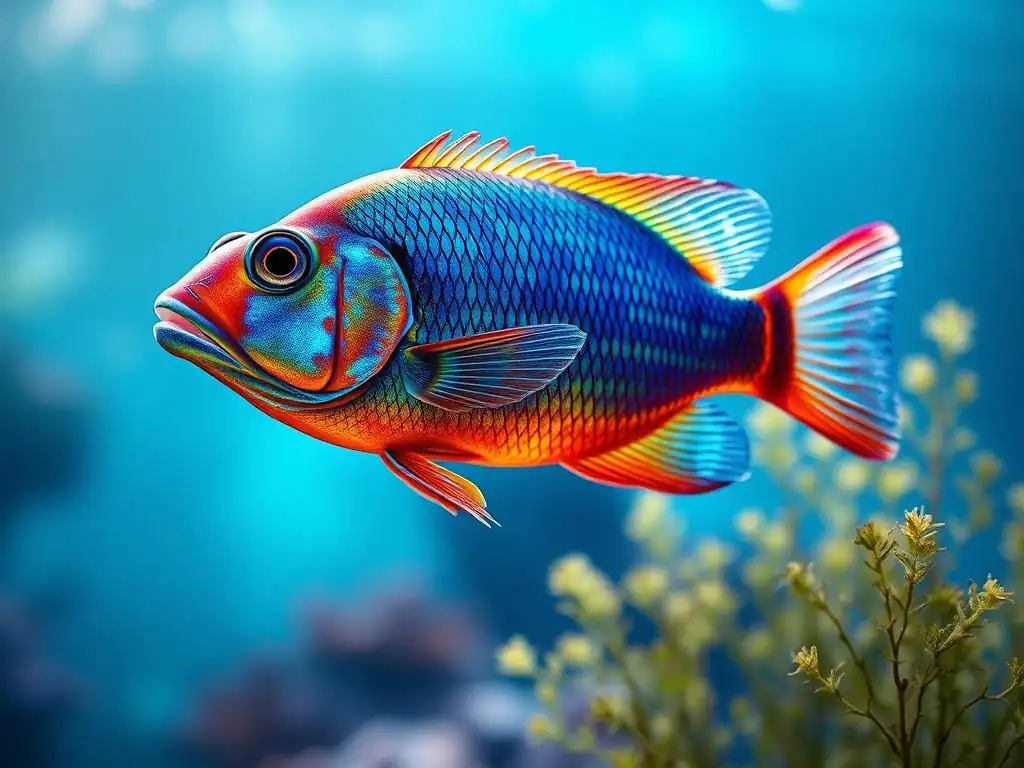
Stress is a silent killer in the aquarium, and understanding its impact is fundamental to maximizing wrasse longevity. Chronic stress weakens a fish's immune system, making it highly susceptible to diseases that it might otherwise easily fight off. Common stressors for wrasses include unstable water parameters, inadequate tank size, lack of hiding places, aggressive tank mates, poor diet, and even excessive activity outside the aquarium.
When a wrasse is stressed, it may exhibit behavioral changes such as hiding constantly, rapid breathing, refusing to eat, or displaying faded colors. Physiologically, stress hormones are released, which can suppress appetite, inhibit growth, and reduce reproductive capacity. A sustained state of stress can lead to organ damage and premature death, underscoring the importance of creating a low-stress environment for optimal wrasse longevity aquarium care.
Creating a Calm and Stable Aquarium Environment for Wrasses
To minimize stress and promote wrasse longevity, aquarists must strive to create a calm and stable aquarium environment. This involves maintaining consistent water parameters as previously discussed. Beyond water chemistry, consistency in lighting cycles is important; avoid sudden changes in light intensity or duration. Ensure the tank is placed in a low-traffic area of the home where it won't be subjected to constant vibrations, loud noises, or sudden movements that could startle the fish.
Providing ample hiding spots within the live rock aquascape allows wrasses to retreat when they feel threatened or need to rest. A deep, soft sand bed is also crucial for sand-dwelling species, enabling them to bury themselves for sleep or security. A stable environment reduces anxiety, promotes natural behaviors, and strengthens their immune system, all contributing significantly to their overall health and potential for extended wrasse longevity.
Choosing Compatible Tank Mates to Reduce Wrasse Stress
Selecting appropriate tank mates is a critical factor in reducing stress and promoting wrasse longevity. Many wrasse species, while generally peaceful, can be intimidated by overly aggressive or much larger fish. Conversely, some wrasses, particularly males of certain species, can be territorial or aggressive towards other wrasses or smaller, more docile fish. Researching the specific temperament and adult size of any potential tank mate is essential.
Avoid housing wrasses with known fin-nippers, highly territorial fish like some triggerfish or large angelfish, or very boisterous species that might outcompete them for food. Ideal tank mates include peaceful tangs, clownfish, gobies, and other non-aggressive community fish. Introducing tank mates gradually and observing interactions closely can prevent undue stress, ensuring a harmonious environment where your wrasses can thrive and achieve their maximum potential for wrasse longevity.
Advanced Wrasse Care Techniques for Maximum Lifespan
Implementing Regular Water Changes and Filtration Maintenance
Beyond basic parameter stability, advanced wrasse longevity aquarium care hinges on rigorous water changes and comprehensive filtration maintenance. Regular water changes, typically 10-20% weekly or bi-weekly, are essential for replenishing trace elements, reducing accumulated nitrates and phosphates, and removing dissolved organic compounds that can build up over time. This consistent refreshment of the water column directly contributes to a healthier environment, minimizing stressors that can shorten a wrasse's life.
Equally important is the diligent maintenance of all filtration components. This includes regularly cleaning protein skimmers, which remove organic waste before it breaks down, rinsing or replacing mechanical filter media (like filter socks or sponges) to prevent nitrate factories, and ensuring biological filtration (live rock, bio-media) is functioning optimally. A clean, efficient filtration system is paramount for maintaining pristine water quality, which is a non-negotiable aspect of achieving maximum wrasse longevity.
Providing Adequate Hiding Places and Territory for Wrasses
While previously mentioned, the importance of providing ample hiding places and defined territories cannot be overstated for advanced wrasse longevity. Many wrasse species are naturally shy or require secure retreats, especially when sleeping or feeling threatened. A well-designed aquascape with numerous caves, overhangs, and crevices created by live rock ensures that each wrasse has its own safe space. For sand-dwelling species, a sufficiently deep (2-4 inches) and fine sand bed is crucial for their burying behavior.
This territorial provision reduces aggression, both from and towards other tank inhabitants, and allows wrasses to exhibit natural behaviors, which is a key indicator of a healthy, low-stress environment. For instance, a complex rock structure in a 120-gallon tank can support multiple species of wrasses, provided there are enough visual breaks and individual territories. By minimizing territorial disputes and providing security, you significantly enhance their comfort and contribute to their long-term wrasse longevity.
Monitoring Wrasse Behavior for Early Signs of Health Issues
Advanced wrasse longevity aquarium care involves a keen eye for subtle behavioral changes, which are often the earliest indicators of health issues. Daily observation of your wrasses' habits—how they swim, interact with tank mates, forage, and rest—is crucial. A healthy wrasse should be active, alert, and display vibrant coloration. Any deviation from its normal routine, such as prolonged hiding, unusual swimming patterns (e.g., erratic movements, listlessness), labored breathing, or changes in appetite, warrants immediate investigation.
For example, a normally active Six-line Wrasse suddenly staying hidden or showing faded colors could indicate stress or the onset of disease. Similarly, a Leopard Wrasse that typically forages continuously but suddenly stops eating is a red flag. Early detection allows for prompt intervention, whether it's adjusting water parameters, addressing aggression, or initiating medical treatment, dramatically increasing the chances of recovery and ensuring the continued wrasse longevity of your prized fish.
Common Mistakes that Shorten Wrasse Lifespan (and How to Avoid Them)
Overcrowding and Inadequate Tank Size
One of the most prevalent mistakes that severely shortens wrasse lifespan is overcrowding or placing them in an inadequately sized tank. While a juvenile wrasse might seem small, many species grow considerably, and even smaller species require ample swimming space and territory. For example, a Six-line Wrasse, though only 4 inches, needs a minimum of a 30-gallon tank due to its active nature and territorial tendencies. Larger wrasses, such as a Lunare Wrasse ( Thalassoma lunare) which can reach 10 inches, demand tanks of 180 gallons or more.
Overcrowding leads to increased aggression, competition for resources, and rapid deterioration of water quality due to higher bioload. This constant stress suppresses the immune system, making fish highly susceptible to disease and significantly reducing their lifespan. To avoid this, always research the adult size and territorial needs of your chosen wrasse species and provide a tank that exceeds the minimum recommended size, offering plenty of room for growth and natural behavior, crucial for wrasse longevity.
Ignoring Water Quality Issues
Ignoring persistent or fluctuating water quality issues is a direct pathway to a shortened wrasse lifespan. While wrasses are relatively hardy, prolonged exposure to elevated nitrates, phosphates, or fluctuating pH and salinity levels will inevitably lead to chronic stress and health problems. Ammonia and nitrite, even in minute amounts, are highly toxic and can cause irreversible organ damage. Many aquarists test sporadically or only when a problem becomes obvious, which is often too late.
To prevent this, establish a consistent water testing regimen (e.g., weekly for basic parameters, bi-weekly for advanced parameters). Invest in reliable test kits and understand what the results mean. Addressing water quality issues promptly through regular water changes, proper filtration maintenance, and avoiding overfeeding is paramount. Pristine and stable water parameters are the bedrock of wrasse longevity aquarium care, providing the necessary foundation for a healthy, thriving fish.
Incorrect Feeding Practices
Incorrect feeding practices, encompassing both underfeeding and overfeeding, are common culprits that compromise wrasse longevity. Underfeeding, especially a lack of variety or sufficient meaty foods, can lead to nutritional deficiencies, stunted growth, and a weakened immune system, making the wrasse more vulnerable to disease. Conversely, overfeeding pollutes the water, contributing to poor water quality, and can also lead to obesity and internal organ issues in the fish itself.
To avoid these pitfalls, research the specific dietary needs of your wrasse species and provide a varied diet of high-quality frozen, live, and dry foods. Feed small portions 1-3 times daily, ensuring all food is consumed within a few minutes. Observe your wrasse's body condition; a healthy wrasse should have a full, rounded belly but not appear bloated. Consistent, appropriate feeding is a fundamental pillar of wrasse longevity aquarium care, directly impacting their vitality and lifespan.
The Role of Genetics in Wrasse Longevity: What to Consider
Understanding Genetic Predispositions to Disease
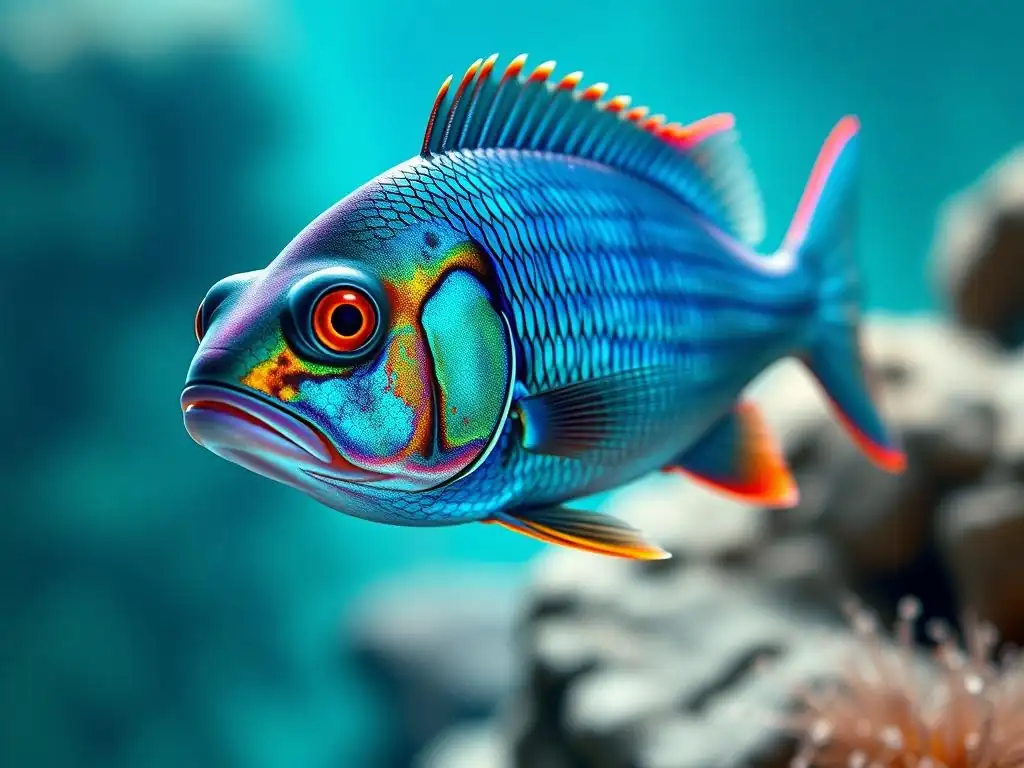
While environmental factors are paramount, genetics can play an underlying role in a wrasse's predisposition to certain diseases or its overall hardiness, impacting wrasse longevity. Just as in humans or other animals, some individual fish or specific genetic lines may inherit a greater susceptibility to particular pathogens or physiological weaknesses. For example, a wrasse from a lineage prone to internal parasites might struggle more even in an otherwise pristine environment.
While it's challenging for the average aquarist to assess the genetic background of an individual wrasse, understanding this concept encourages a holistic approach to care. It reinforces the idea that even with perfect husbandry, some fish may simply not be as robust as others due to inherent genetic factors. This doesn't mean neglecting care, but rather recognizing that variations in wrasse longevity can sometimes be beyond immediate control.
Choosing Healthy Wrasses from Reputable Sources
Given the potential role of genetics, choosing healthy wrasses from reputable sources is one of the best proactive steps an aquarist can take to ensure wrasse longevity. A reputable local fish store or online vendor will typically have robust quarantine protocols in place, ensuring that the fish they sell are already acclimated, eating well, and free from visible signs of disease. They are less likely to carry fish from stressed or diseased batches.
When selecting a wrasse, look for clear eyes, vibrant coloration, active swimming, and a healthy appetite. Avoid fish that are listless, have clamped fins, visible lesions, or appear emaciated. Inquire about their feeding habits and the duration they have been at the facility. A wrasse that has been eating well and settled for at least a week at the dealer is generally a much safer bet than a newly arrived specimen, significantly increasing its chances for a long and healthy life in your aquarium, thus maximizing wrasse longevity.
Long-Term Care for Senior Wrasses: Adapting to Their Needs
Recognizing the Signs of Aging in Wrasses
As wrasses age, just like any living creature, they will exhibit signs of senescence, and adapting your care to these changes is crucial for maximizing their wrasse longevity. While the specific timeline varies greatly by species—a Six-line Wrasse might show signs after 5-7 years, while a Leopard Wrasse might not until 10+ years—common indicators include a gradual reduction in activity levels, less frequent or vigorous feeding, and sometimes a slight fading of their vibrant colors.
You might also notice a slower response to stimuli, increased time spent resting or hiding, and potentially a slight decline in muscle mass or overall body condition despite consistent feeding. Regular, attentive observation of your wrasse's behavior over years will allow you to recognize these subtle shifts from their prime, enabling you to adjust your wrasse longevity aquarium care plan accordingly to ensure their comfort in their golden years.
Adjusting Diet and Tank Conditions for Older Wrasses
As wrasses age, their metabolic rate often slows, which may necessitate adjustments to their diet and tank conditions to support their continued wrasse longevity. Senior wrasses might benefit from smaller, more frequent feedings of easily digestible, high-quality meaty foods. While variety remains important, focus on softer foods that are less challenging to consume. You might find they are less competitive during feeding times, so ensure they are getting enough to eat without overfeeding the entire tank.
Maintaining extremely stable water parameters becomes even more critical for older wrasses, as their immune systems may be less robust. Avoid any sudden changes in temperature, salinity, or pH. Ensuring a calm, low-stress environment with ample undisturbed hiding spots becomes paramount. Reducing strong water flow in certain areas of the tank can also make it easier for them to rest without expending excessive energy, contributing to their comfort and extending their wrasse longevity.
Providing Specialized Care for Senior Wrasses in the Aquarium
Providing specialized care for senior wrasses involves a heightened level of attention and a proactive approach to their well-being. Regular, gentle observation for any signs of discomfort or subtle health issues is essential, as older fish may be less resilient to illness. Consider supplementing their diet with immune-boosting vitamins more frequently. If you notice any difficulty swimming or navigating, ensure the aquascape remains easy to navigate, perhaps by removing any overly complex or tight passages.
In multi-fish tanks, monitor interactions to ensure that older, potentially slower wrasses are not being harassed or outcompeted by younger, more vigorous tank mates. If necessary, consider rehoming more aggressive or boisterous fish to reduce stress on your senior wrasse. The goal is to provide a serene, stable, and nutrient-rich environment that supports their declining physiological functions, allowing them to live out their full potential for wrasse longevity with comfort and dignity.
Wrasse Lifespan Aquarium Care: A Summary for Long-Term Success
Achieving exceptional wrasse longevity in your home aquarium is a rewarding endeavor that stems from a comprehensive and dedicated approach to their care. It begins with selecting the right species for your setup and meticulously recreating a wrasse-friendly habitat, complete with appropriate substrate and ample rockwork. Maintaining precise and stable water parameters, consistently within ideal ranges for salinity (1.023-1.026), pH (8.1-8.4), and temperature (74-82°F), is non-negotiable for their long-term health.
A balanced and varied diet of high-quality meaty foods, supplemented with essential vitamins, is crucial for bolstering their immune system and vitality. Proactive disease prevention through strict quarantine protocols and vigilant observation for early symptoms allows for timely intervention, preventing common ailments from shortening their lives.
Minimizing stress through compatible tank mates, a stable environment, and adequate hiding places further contributes to their resilience. Finally, understanding the role of genetics and adapting care for senior wrasses ensures that these captivating fish can thrive for many years, providing continuous enjoyment and demonstrating the true potential of dedicated wrasse longevity aquarium care.
Frequently Asked Questions
What are the most important factors influencing Wrasse longevity in an aquarium?
The biggest factors are water quality, a proper diet designed for wrasses, and minimizing stress within the aquarium environment. These help ensure your wrasse lives a long and healthy life.
What specific water parameters are critical for Wrasse health and longevity?
Maintaining stable water parameters is crucial. Pay close attention to keeping nitrate and ammonia levels consistently at zero, and ensuring the correct salinity and pH for the specific wrasse species.
What kind of diet supports optimal Wrasse lifespan in an aquarium setting?
A varied diet is essential, including high-quality flake foods, frozen foods like mysis shrimp, and meaty foods that mimic their natural diet. Ensure the food is appropriately sized for the Wrasse species you keep.
How can I minimize stress and prevent diseases that shorten a Wrasse's lifespan?
Proper quarantine procedures for new fish, avoiding aggressive tank mates, and providing ample hiding places will reduce stress. Regularly monitor for signs of disease and treat promptly.
What are some common mistakes that can negatively impact Wrasse longevity and how can I avoid them?
Overcrowding, neglecting water changes, and introducing incompatible tank mates are common mistakes. Research the specific needs of your Wrasse species and implement a consistent aquarium care routine to avoid these problems.
Final Reflection: Embracing the Wrasse's Enduring Spirit
The journey through understanding and optimizing wrasse longevity in aquarium care reveals more than just technical expertise; it highlights the profound responsibility we undertake when bringing these vibrant creatures into our homes. The intricacies of their dietary needs, environmental requirements, and social dynamics underscore the commitment required to ensure they thrive, not just survive. This isn't merely about keeping fish alive; it's about fostering an environment where they can flourish and express their natural behaviors for as long as possible.
This exploration of wrasse longevity has undoubtedly shaped, and will continue to shape, the aquarium hobby. The awareness of their specific needs compels us to move beyond superficial aesthetics and embrace a deeper understanding of their biology and well-being. This shift towards responsible aquascaping and species-appropriate care is crucial for the long-term health of the hobby and the conservation of these beautiful fish. In the end, we will conserve only what we love; we will love only what we understand; and we will understand only what we are taught.
- Baba Dioum. This quote perfectly encapsulates the essence of responsible aquarium keeping.
Now, as you close this article, consider the lessons learned and the potential impact you can have. Let us all strive to be more than just keepers of fish, but rather, guardians of their well-being. Embrace the challenge of providing the best possible life for your wrasses, and in doing so, contribute to a more sustainable and ethical future for the aquarium hobby. Your dedication to their longevity is a testament to your respect for the natural world and a powerful statement about the kind of aquarist you aspire to be.
Unlock the Secrets to a Thriving Wrasse Paradise!
Thank you for diving into the world of wrasses and their fascinating lifespans! We hope you've gained valuable insights into ensuring these vibrant fish thrive under your care. Now, let's transform knowledge into action and create a wrasse haven that celebrates longevity.
Here are a few ways you can extend the life of your wrasses:
- Prioritize Perfect Parameters: Diligently monitor and maintain pristine water quality – stable temperature, salinity, and pH are non-negotiable for wrasse well-being.
- Start a Wrasse Journal: Document your wrasse's behavior, feeding habits, and any changes in its appearance. This will help you detect problems early and tailor your care.
- Share Your Success: Post photos and care tips of your wrasse on Aquarium Mastery's forum to help other enthusiasts create thriving wrasse environments.
What's one small but crucial change you'll make in your wrasse care routine this week to ensure its long-term health?