
Building Angelfish Immunity: The Role of Diet and Optimal Environment

Welcome to Aquarium Mastery!
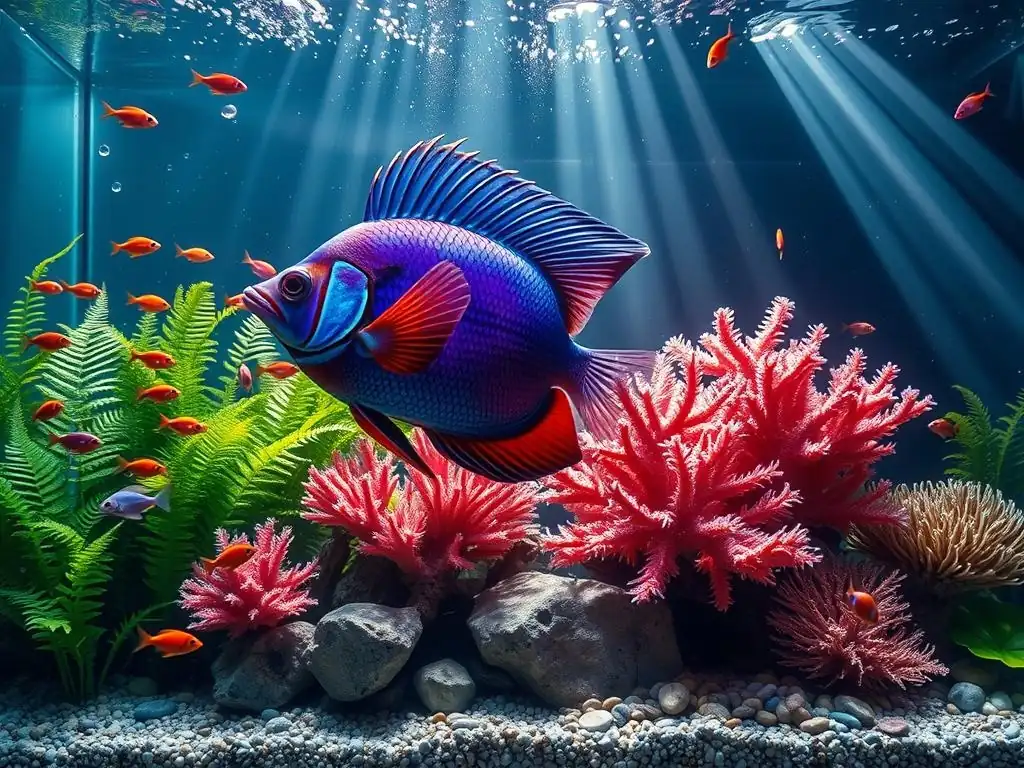
Ever wondered if you could really boost your Angelfish's natural defenses? Dive in to discover how the right diet and a perfectly balanced environment can unlock your Angelfish's full potential, leading to vibrant health and unparalleled immunity. This is your guide to mastering the Angelfish diet immune support connection – and it all starts right here!
- Building Angelfish Immunity: Diet and Environment Optimization
- Understanding Angelfish Immunity in Aquariums
- The Crucial Role of Diet in Angelfish Immune Support
- Optimizing the Aquarium Environment for Angelfish Immune Health
- Recognizing and Addressing Signs of Weakened Immunity in Angelfish
- Long-Term Strategies for Maintaining Angelfish Immune Health
- Advanced Angelfish Care: Immune Boosting Techniques
-
Frequently Asked Questions
- How does diet impact an Angelfish's immunity?
- What are the best foods to include in an Angelfish diet for immune support?
- How often should I feed my Angelfish foods that support their immunity?
- Besides diet, what other environmental factors influence an Angelfish's immunity?
- What are some signs that my Angelfish's immune system is compromised?
- Final Reflection: Cultivating Resilience in Our Aquatic Companions
- Ignite Your Angelfish's Health Today!
Building Angelfish Immunity: Diet and Environment Optimization
Understanding Angelfish Immunity in Aquariums
Why Angelfish in Aquariums Are Susceptible to Illness
Angelfish, despite their beauty and resilience in optimal conditions, are highly susceptible to illness in aquarium environments due to a confluence of stressors. Unlike their natural habitats where vast water volumes dilute pathogens and provide ample space, captive aquariums are closed systems. Limited space, artificial lighting cycles, and the constant presence of tank mates can induce chronic stress, which directly suppresses the fish's natural immune response. This compromised immunity makes them vulnerable to opportunistic bacteria, fungi, and parasites that are otherwise benign.
Furthermore, the lack of natural predatory pressures in an aquarium means that even minor environmental imbalances can quickly escalate into full-blown health crises. A slight fluctuation in temperature or pH, or an unvaried diet, can be enough to weaken an Angelfish's defense mechanisms. Species like the Altum Angelfish are particularly delicate and demanding, showcasing heightened sensitivity to environmental changes, which further underscores the critical need for a proactive Angelfish diet immune support strategy to maintain their health.
Environmental and Biological Factors Affecting Angelfish Immunity
The immune system of an Angelfish is profoundly influenced by both environmental and biological factors within the aquarium. Environmental stressors include unstable water parameters such as abrupt temperature shifts, significant pH swings, and elevated levels of ammonia, nitrite, or nitrate. Overcrowding, inadequate filtration, and the presence of aggressive or incompatible tank mates also contribute to chronic stress, diverting the fish's energy away from immune function towards coping mechanisms. These external pressures can lead to a weakened immune system, making the fish more prone to infections.
Biological factors also play a significant role in an Angelfish's immune resilience. Genetic predisposition can influence how robust an individual's immune system is, with some bloodlines naturally being hardier than others. The age of the fish is another factor; very young fry and older, senescent Angelfish often exhibit diminished immune capabilities. Pre-existing conditions, such as previous injuries or chronic infections, can also compromise their ability to fight off new pathogens. Therefore, a comprehensive Angelfish diet immune support plan must address both external environmental stability and internal biological strength.
The Crucial Role of Diet in Angelfish Immune Support
Essential Nutrients for a Strong Angelfish Immune System
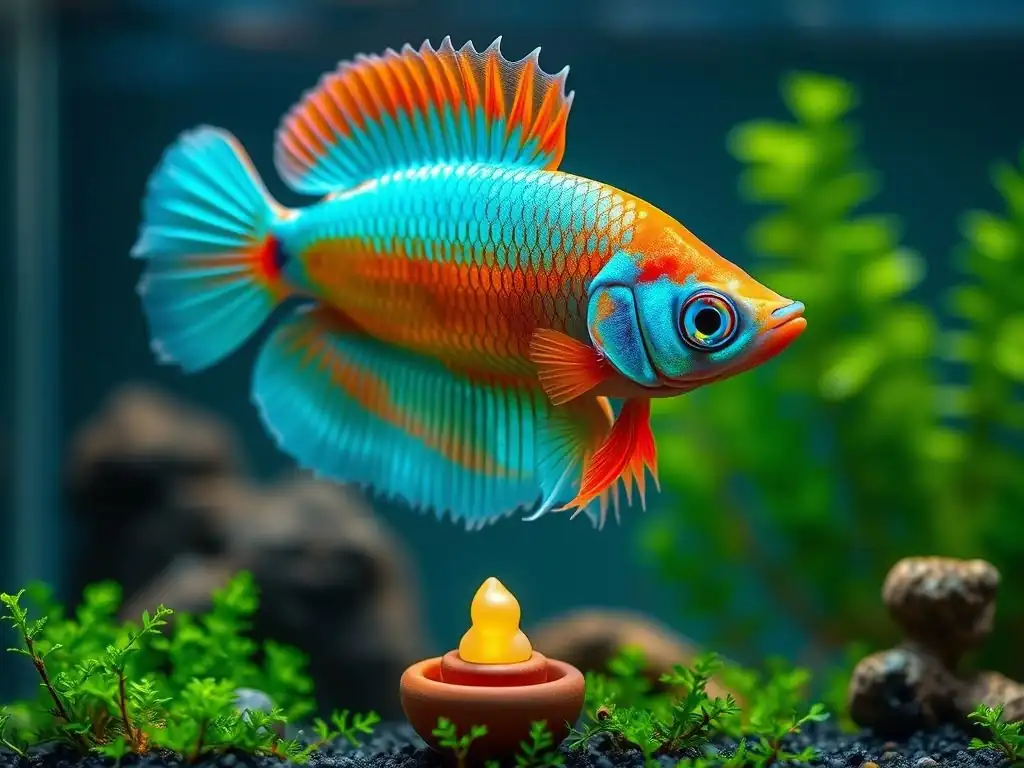
A meticulously balanced and nutrient-rich diet is the cornerstone of a robust Angelfish immune system. Proper nutrition provides the fundamental building blocks for immune cells, antibodies, and the various biochemical processes that defend against pathogens. Without adequate dietary intake of specific vitamins, minerals, proteins, and fatty acids, an Angelfish's ability to mount an effective immune response is severely compromised, leaving it susceptible to a multitude of diseases.
This crucial Angelfish diet immune support extends beyond basic sustenance, encompassing specialized dietary components that directly enhance immune function. For instance, high-quality protein sources provide essential amino acids for tissue repair and antibody production, while certain lipids are vital for cell membrane integrity. Understanding and providing these key nutrients is paramount for maintaining the long-term health and vitality of your Angelfish.
Vitamins and Minerals: A, D, E, and Calcium
Vitamins A, D, and E are indispensable for Angelfish immune support. Vitamin A, or retinol, is critical for maintaining the integrity of epithelial tissues, which form the first physical barrier against pathogens. A deficiency can lead to compromised skin and fin health, making the fish more vulnerable. Vitamin D plays a crucial role in calcium absorption and bone health, but also modulates immune responses, helping the fish adapt to environmental stressors. Vitamin E, a potent antioxidant, protects cell membranes from oxidative damage, which is vital for the health of immune cells.
Minerals, particularly calcium, are equally important. While primarily known for its role in bone formation and muscle function, calcium also participates in various metabolic pathways that indirectly support immune health. Ensuring these key vitamins and minerals are adequately supplied through a varied Angelfish diet immune support regimen helps fortify the fish's natural defenses against illness. Many high-quality flake and pellet foods are fortified with these essential micronutrients, but supplementation through varied live and frozen foods is also beneficial.
Protein Sources: Insect Larvae, Small Crustaceans, and High-Quality Flakes
Protein is fundamental for growth, tissue repair, and the production of enzymes and antibodies, making it a critical component of Angelfish diet immune support. Insect larvae, such as mosquito larvae or black soldier fly larvae, offer a natural and highly digestible source of protein, mimicking a part of their wild diet. These provide a broad spectrum of amino acids necessary for cellular function and immune protein synthesis.
Small crustaceans like brine shrimp and Mysis shrimp are also excellent protein sources, often rich in astaxanthin, a powerful antioxidant that further boosts immune function and enhances coloration. For prepared foods, high-quality flakes should list fish meal, spirulina, or other whole protein sources as primary ingredients. These flakes are often fortified with additional vitamins and minerals, ensuring a comprehensive Angelfish diet immune support. A typical Angelfish diet should comprise about 40-50% protein for optimal health.
The Importance of Fatty Acids: Omega-3 and Omega-6 for Inflammation Control
Fatty acids, particularly Omega-3 and Omega-6, are vital for maintaining the structural integrity of cell membranes and regulating inflammatory responses, which is crucial for Angelfish immune support. Omega-3 fatty acids, such as EPA (eicosapentaenoic acid) and DHA (docosahexaenoic acid), are abundant in marine lipids and spirulina. These fatty acids play a key role in modulating the immune system, preventing excessive or chronic inflammation that can be detrimental to fish health.
While Omega-6 fatty acids are also necessary, a proper balance between Omega-3 and Omega-6 is essential to prevent pro-inflammatory responses. An imbalance can lead to compromised immune function and increased susceptibility to disease. Ensuring a diet rich in high-quality sources of these fatty acids contributes significantly to the overall resilience and long-term health of your Angelfish, forming a core part of effective Angelfish diet immune support.
Best Foods for Angelfish Immune System Enhancement
Live Foods: Brine Shrimp, Daphnia, and Bloodworms
Live foods are highly palatable and can stimulate a strong feeding response in Angelfish, offering an excellent boost to their immune system. Brine shrimp ( Artemia salina), especially when gut-loaded with spirulina or other nutritious supplements, provide digestible protein and essential fatty acids. They are particularly useful for encouraging finicky eaters and offer a natural foraging experience.
Daphnia (water fleas) are small crustaceans rich in chitin, which acts as a natural roughage, aiding in digestive health and preventing constipation. A healthy gut microbiome is directly linked to a stronger immune system. Bloodworms (Chironomid larvae) are a favorite for many Angelfish due to their high protein and iron content, promoting robust growth and vitality. While beneficial for Angelfish diet immune support, bloodworms should be fed in moderation due to their relatively high fat content.
Frozen Foods: Mysis Shrimp and Spirulina-Enriched Options
Frozen foods provide a convenient and nutritious alternative to live foods, often with a reduced risk of introducing parasites. Mysis shrimp are nutritionally superior to brine shrimp, offering higher protein content and a richer profile of essential fatty acids, including Omega-3s. Their larger size and excellent palatability make them a staple for many Angelfish keepers, promoting vibrant coloration and growth, which are indicators of good health and strong Angelfish immune support.
Spirulina-enriched frozen foods are another excellent choice. Spirulina, a blue-green algae, is packed with vitamins (especially B vitamins), minerals, carotenoids, and antioxidants. These compounds actively bolster the immune system, enhance natural coloration, and improve overall vitality. Regular inclusion of spirulina-rich foods significantly contributes to the long-term health and resilience of Angelfish.
Prepared Foods: High-Quality Pellets with Garlic and Probiotics
High-quality prepared foods, such as pellets, form the backbone of a consistent Angelfish diet immune support plan. When selecting pellets, prioritize those with low ash content and high-quality protein sources, specifically formulated for omnivorous or carnivorous fish. Many advanced pellets now incorporate functional ingredients designed to enhance immunity.
Garlic-enriched pellets are particularly beneficial. Garlic is well-known for its natural anti-parasitic properties and its ability to stimulate the immune system, often making food more appealing to finicky eaters. Additionally, pellets fortified with probiotics introduce beneficial bacteria to the fish's digestive tract. These probiotics improve gut health, enhance nutrient absorption, and directly contribute to a stronger immune response, reducing the likelihood of internal infections.
Creating a Balanced Angelfish Diet Plan for Optimal Immunity
Sample Feeding Schedule: Multiple Small Feedings Per Day
To ensure optimal Angelfish diet immune support and prevent digestive issues, it is highly recommended to feed Angelfish multiple small meals throughout the day rather than one large feeding. This mimics their natural foraging behavior and prevents overconsumption at any single time, which can lead to bloating or poor digestion. A typical schedule might involve 2-3 small feedings: for example, a morning feeding, a mid-day feeding, and an evening feeding.
Each feeding should consist of only what the Angelfish can consume within 2-3 minutes. This approach not only aids in better nutrient absorption but also significantly reduces the amount of uneaten food decaying in the tank. Less decaying food means lower ammonia and nitrite levels, which directly translates to cleaner water and a healthier environment, thereby bolstering the Angelfish's overall immune system.
Avoiding Overfeeding: Preventing Obesity and Water Quality Issues
Overfeeding is one of the most common pitfalls in aquarium keeping and poses a significant threat to Angelfish immune support. Excess food quickly decomposes, leading to a rapid spike in ammonia and nitrite levels, which are highly toxic to fish and directly suppress their immune system. Even if filtration can handle the load, chronic exposure to elevated nitrates from constant overfeeding can lead to chronic stress and weakened immunity.
Beyond water quality issues, overfeeding can lead to obesity and associated health problems in Angelfish, such as fatty liver disease and swim bladder disorders. An overweight fish is generally less active and more susceptible to various ailments. By adhering to small, frequent feedings and observing how quickly your Angelfish consume their food, you can prevent these issues and contribute significantly to their long-term health and immune resilience.
Optimizing the Aquarium Environment for Angelfish Immune Health
Maintaining Water Quality: The Foundation of Angelfish Immunity
Pristine water quality is arguably the single most critical factor in maintaining robust Angelfish immune support. Fish are constantly immersed in their environment, and any deviation from ideal parameters directly impacts their physiological well-being. Poor water quality creates chronic stress, diverting energy from immune responses and making Angelfish highly susceptible to opportunistic infections. Conversely, stable and clean water allows their immune systems to function optimally, providing a strong defense against pathogens.
Consistent monitoring and proactive management of water parameters are therefore non-negotiable. This foundational aspect of Angelfish care underpins all other efforts to enhance their immunity. Without a stable and healthy aquatic environment, even the most meticulously planned Angelfish diet immune support will fall short in preventing disease.
The Impact of Ammonia, Nitrite, and Nitrate: Toxicity Levels and Prevention
Ammonia (NH3/NH4+) and nitrite (NO2-) are highly toxic compounds, even at trace levels (e.g., anything above 0.0 ppm for either is dangerous). Ammonia, primarily from fish waste and decaying food, burns fish gills and internal tissues, severely damaging their respiratory and immune systems. Nitrite, the product of ammonia breakdown, interferes with oxygen transport in the blood, leading to "brown blood disease" and oxygen deprivation, further compromising Angelfish immunity.
Nitrate (NO3-), the final product of the nitrogen cycle, is less acutely toxic but chronic exposure to high levels (e.g., consistently above 40-80 ppm) causes long-term stress, suppresses growth, and weakens the immune system. Preventing these toxic buildups is paramount; this involves proper stocking levels, efficient filtration, responsible feeding practices, and regular water changes to dilute and remove pollutants, thus providing essential Angelfish diet immune support through a clean environment.
Regular Water Changes: 25-50% Weekly Water Changes
Regular water changes are the most effective method for diluting accumulated nitrates, replenishing essential trace elements, and maintaining stable water chemistry, all of which are vital for Angelfish immune support. A consistent regimen of 25-50% weekly water changes, using dechlorinated water that is matched in temperature to the tank, is generally recommended for Angelfish. This frequency helps to prevent the gradual buildup of pollutants that can silently stress fish and compromise their immunity.
Beyond simply removing toxins, fresh water introduces beneficial minerals and buffers that help stabilize pH and GH/KH levels, preventing the fluctuations that can weaken an Angelfish's natural defenses. This routine maintenance is a cornerstone of proactive health management, directly contributing to a robust Angelfish immune system by ensuring a consistently pristine environment.
Temperature and pH: Fine-Tuning for Angelfish Immune Resilience
Ideal Temperature Ranges: 78-84°F (25-29°C)
Angelfish thrive within a specific temperature range, typically between 78-84°F (25-29°C). Maintaining a stable temperature within this range is crucial for their metabolic processes, including digestion and immune function. Fluctuations outside this ideal range, or rapid temperature swings, can cause significant thermal stress, which suppresses the immune system and makes the fish more susceptible to diseases like Ich.
Consistent warmer temperatures also promote the efficient functioning of beneficial bacteria in the biological filter, ensuring the rapid breakdown of ammonia and nitrite. Using a reliable aquarium heater with a thermostat and monitoring the temperature regularly will help prevent thermal stress and contribute significantly to the Angelfish's immune resilience, complementing their Angelfish diet immune support.
Maintaining Stable pH Levels: 6.0-7.5
Angelfish generally prefer slightly acidic to neutral water, with an ideal pH range of 6.0-7.5. While Angelfish can often adapt to pH levels slightly outside this range, the key to immune resilience is stability. Rapid or significant pH fluctuations are far more detrimental than a consistent pH that is slightly off the "ideal." Such instability causes severe physiological stress, which directly weakens the fish's immune system.
Regularly testing pH levels and using appropriate buffers if necessary can help maintain consistency. Avoid drastic measures to alter pH, as these can lead to harmful swings. A stable pH environment reduces stress on the fish, allowing their immune system to function effectively and supporting their overall health alongside their Angelfish diet immune support.
Tank Mates: Choosing Compatible Species for Angelfish Well-being
Avoiding Aggressive Tank Mates: Fin-Nippers and Territorial Fish
The choice of tank mates significantly impacts an Angelfish's stress levels and, consequently, its immune health. Aggressive fish, particularly fin-nippers like certain types of Barbs (e.g., Tiger Barbs) or some species of Tetras (e.g., Serpae Tetras), can cause constant stress and physical injury to Angelfish, leading to frayed fins and open wounds. These injuries are prime entry points for bacterial and fungal infections.
Highly territorial fish, even if not directly aggressive, can also stress Angelfish by constantly chasing them or preventing them from accessing food and hiding spots. Chronic stress directly suppresses the immune system, making Angelfish more vulnerable to disease. Careful selection of peaceful, non-aggressive tank mates is crucial for a harmonious environment that supports strong Angelfish immune support.
Selecting Peaceful Tank Mates: Corydoras Catfish and Tetras
For optimal Angelfish well-being and immune support, choosing peaceful and compatible tank mates is essential. Good choices include various species of Corydoras catfish, which are bottom-dwellers that do not compete with Angelfish for space and generally ignore them. They are also beneficial for cleaning up uneaten food, contributing to better water quality.
Peaceful, schooling tetras, such as Neon Tetras (if the Angelfish are not large enough to eat them), Cardinal Tetras, or Rasboras, can also coexist peacefully with Angelfish, provided the tank is sufficiently large. These fish generally stay in their own schools and do not bother the Angelfish, helping to create a low-stress environment where the Angelfish's immune system can thrive without constant pressure.
Proper Filtration and Oxygenation: Supporting Angelfish Immune Function
Choosing the Right Filter: Canister Filters with Biological Media
Effective filtration is paramount for maintaining the pristine water quality necessary for strong Angelfish immune support. For Angelfish tanks, robust filtration systems such as canister filters or sumps are often recommended due to their large media capacity and efficiency. These filters should incorporate mechanical, chemical, and, most importantly, biological media. Mechanical filtration removes particulate matter, while chemical media (like activated carbon) removes dissolved organics and odors.
However, biological media (e.g., ceramic rings, bio-balls, sponges) is the cornerstone, providing vast surface area for beneficial nitrifying bacteria to colonize. These bacteria convert highly toxic ammonia and nitrite into less harmful nitrate, preventing the buildup of compounds that directly compromise Angelfish immunity. An oversized filter is always preferable to an undersized one for optimal water parameters.
Ensuring Adequate Oxygen Levels: Air Stones and Surface Agitation
Adequate oxygenation is crucial for the respiration of Angelfish and for the overall health of the aquarium ecosystem, directly supporting their immune function. Fish require dissolved oxygen for metabolic processes, including immune responses. Low oxygen levels cause significant stress, making fish lethargic and highly susceptible to disease.
To ensure sufficient oxygen, consider using air stones connected to an air pump, which create fine bubbles that agitate the water surface, maximizing gas exchange. Alternatively, positioning the filter outflow to create strong surface agitation can also be effective. A well-oxygenated tank not only supports healthy fish respiration but also promotes the efficiency of beneficial aerobic bacteria in the filter, further contributing to stable water quality and robust Angelfish immune support.
Recognizing and Addressing Signs of Weakened Immunity in Angelfish
Identifying Common Angelfish Diseases and Symptoms: Ich, Fin Rot, and Hexamita
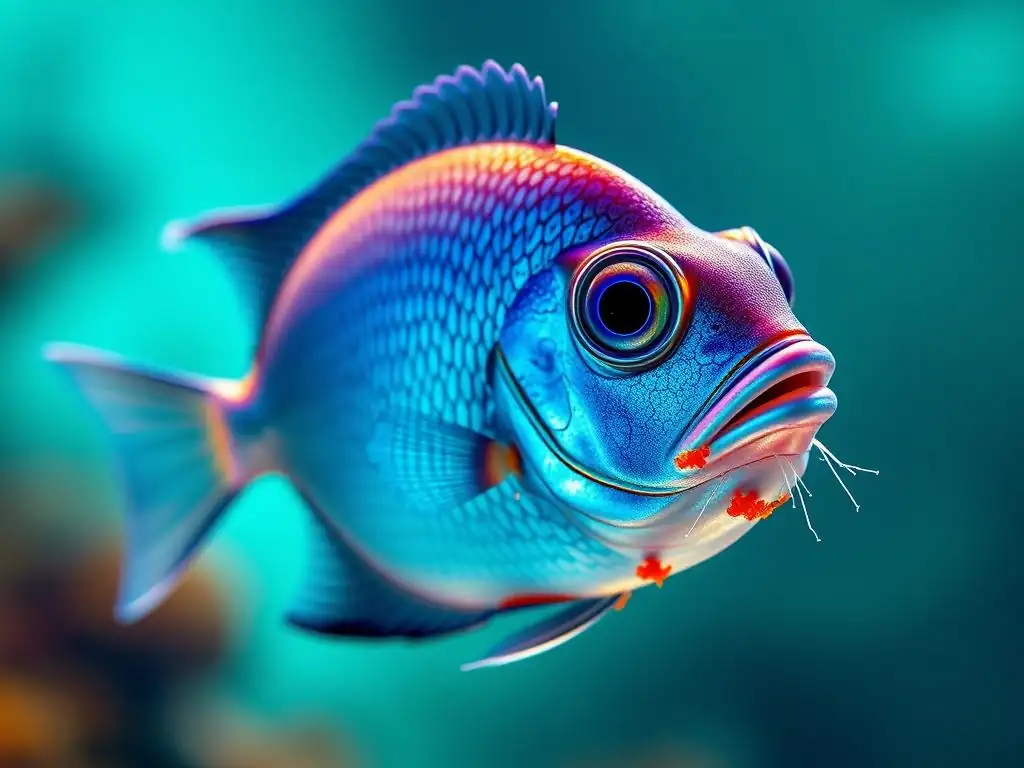
Recognizing the early signs of disease is crucial for effective Angelfish diet immune support and intervention. Ich ( Ichthyophthirius multifiliis), commonly known as white spot disease, manifests as tiny white spots resembling grains of salt on the fish's body and fins, often accompanied by flashing or rubbing against tank decor. It's a highly contagious parasitic infection frequently triggered by stress or sudden temperature changes.
Fin Rot, a bacterial infection, typically presents as frayed, deteriorating fins with often milky or reddish edges. It progresses from the edges inward and can quickly lead to severe tissue loss if untreated. Hexamita (often associated with "Hole-in-the-Head" disease), an internal protozoan parasite, causes lethargy, loss of appetite, white stringy feces, and sometimes visible lesions or pitting around the head and lateral line. Prompt identification and action are vital to prevent these conditions from becoming life-threatening and to support the Angelfish's compromised immune system.
Quarantine Procedures for Sick Angelfish: Separate Tank and Medication
When an Angelfish shows signs of weakened immunity or illness, immediate action, including quarantine, is essential. A dedicated quarantine tank, typically 10-20 gallons, equipped with its own heater and filter, is indispensable. This separate environment serves multiple critical purposes: it prevents the potential spread of disease to healthy tank mates, reduces the overall pathogen load in the main display tank, and allows for precise medication dosages without harming beneficial bacteria in the primary filter or affecting other tank inhabitants.
Once the sick Angelfish is in quarantine, a proper diagnosis should be attempted to administer the correct medication. It's vital to maintain pristine water quality in the quarantine tank, performing small, frequent water changes as needed. Close observation of the fish's response to treatment and adjustments to the Angelfish diet immune support, such as offering highly palatable, medicated foods, can significantly improve recovery rates.
Natural Treatments for Angelfish Immune Support
Garlic: Natural Anti-Parasitic and Immune Booster
Garlic has long been recognized in the aquarium hobby for its natural health benefits and its role in Angelfish immune support. It contains allicin, a compound known for its antimicrobial and anti-parasitic properties. When incorporated into the Angelfish diet, garlic can help ward off internal parasites and bacterial infections, while also acting as a natural appetite stimulant for finicky or recovering fish.
Commercial garlic extracts or garlic-infused fish foods are available and can be used periodically as a preventative measure or during times of stress. While not a cure-all, consistent inclusion of garlic in the Angelfish diet can provide a gentle, natural boost to their immune system, making them more resilient to common pathogens.
Aloe Vera: Wound Healing and Stress Reduction
Aloe vera, specifically in aquarium-safe formulations, offers beneficial properties for Angelfish immune support, particularly in stress reduction and wound healing. Products containing aloe vera extract can help coat and protect the fish's slime coat, which is a crucial first line of defense against pathogens. A healthy slime coat acts as a physical barrier and contains antibodies, contributing significantly to immunity.
Additionally, aloe vera has soothing properties that can help reduce stress in fish, especially during transport, acclimation, or after minor injuries. By minimizing stress, aloe vera indirectly supports the Angelfish's immune system, allowing it to allocate more energy towards fighting off potential infections rather than coping with environmental pressures.
Long-Term Strategies for Maintaining Angelfish Immune Health
Proactive Measures: Regular Testing and Observation
Maintaining long-term Angelfish immune support relies heavily on proactive measures, particularly consistent water parameter testing and diligent observation. Investing in a reliable liquid-based test kit for ammonia, nitrite, nitrate, and pH is crucial. Performing these tests weekly, and documenting the results, allows aquarists to detect subtle shifts in water chemistry before they escalate into major problems that could compromise fish health. This foresight enables timely adjustments, such as increased water changes or filter maintenance.
Beyond chemical parameters, regular visual inspection of your Angelfish is equally important. Daily observation of their behavior, appetite, and physical appearance can provide early warning signs of stress or illness. A proactive approach means addressing potential issues at their earliest stages, significantly reducing the likelihood of severe disease outbreaks and ensuring the Angelfish's immune system remains robust.
Regular Observation and Monitoring of Angelfish Behavior: Appetite, Swimming, and Fin Condition
Consistent and keen observation of your Angelfish's behavior is a powerful tool for maintaining their immune health. Changes in appetite are often one of the first indicators of stress or illness; a healthy Angelfish should eagerly consume its food. Any reluctance to eat, or spitting out food, warrants immediate attention. Similarly, monitoring swimming patterns—looking for erratic movements, listlessness, or unusual hiding—can signal underlying issues.
The condition of their fins should also be regularly checked for any signs of clamping, fraying, or discoloration, which can indicate bacterial infections or parasitic infestations. By being attuned to these subtle behavioral and physical cues, aquarists can intervene promptly, often before a minor issue becomes a serious health threat, thereby allowing for timely adjustments to their care routine and Angelfish diet immune support.
Adjusting Diet and Environment Based on Angelfish Needs: Seasonal Changes and Growth Stages
The optimal Angelfish diet immune support and environmental parameters are not static; they evolve with the fish's life stages and even seasonal changes in the home environment. For instance, young Angelfish fry require higher protein content in their diet to support rapid growth, while adult fish might benefit from a more varied diet to maintain peak health. Similarly, breeding Angelfish may require specific conditioning diets and slightly warmer water to encourage spawning.
Environmental adjustments might also be necessary. During colder seasons, ensuring stable room temperature can prevent undue stress on the aquarium heater. As Angelfish grow, they may require larger tank sizes to prevent overcrowding and maintain lower stress levels, which directly impacts their immune system. Flexibility and responsiveness to these changing needs are key to long-term Angelfish health and resilience.
Advanced Angelfish Care: Immune Boosting Techniques
Supplementing with Vitamins and Probiotics: Commercial Supplements
For advanced Angelfish care, supplementing with commercial vitamins and probiotics can provide an extra layer of Angelfish immune support, particularly during stressful periods or recovery from illness. Liquid vitamin supplements, often containing Vitamin C (a powerful antioxidant crucial for immune function and stress reduction) and B-complex vitamins, can be added to fish food or directly to the water. These supplements ensure that fish receive a full spectrum of micronutrients that might be lacking in standard diets, especially if they are not eating optimally.
Probiotic supplements, available for both food and water, introduce beneficial bacteria that colonize the fish's gut and the aquarium environment. In the gut, probiotics improve digestion, enhance nutrient absorption, and directly compete with pathogenic bacteria, leading to a stronger immune response. In the water, they can help break down waste, indirectly contributing to a healthier environment and reducing stress on the fish's immune system.
UV Sterilization: Eliminating Pathogens in the Water Column
UV sterilization is an advanced technique that can significantly enhance Angelfish immune support by reducing the pathogen load in the water column. A UV sterilizer works by passing aquarium water through a chamber containing an ultraviolet light bulb. The UV-C light emitted damages the DNA of free-floating bacteria, viruses, algae, and parasites, effectively rendering them unable to reproduce and thereby eliminating them from the water.
While a UV sterilizer does not cure sick fish directly, it dramatically lowers the number of infectious agents present in the water, preventing outbreaks and reducing the risk of re-infection. This creates a much cleaner and safer environment, allowing the Angelfish's immune system to focus its energy on maintaining health rather than constantly fighting off environmental pathogens. It is particularly beneficial in tanks prone to recurring disease or those with highly susceptible species.
Altum Angelfish Diet and Immune Considerations
Altum Angelfish ( Pterophyllum altum) are renowned for their majestic appearance but are also recognized as being significantly more delicate and demanding than common Angelfish ( Pterophyllum scalare). Their specific Angelfish diet immune support needs are paramount due to their heightened sensitivity to environmental conditions and susceptibility to certain diseases. They require an impeccably clean and stable environment, often necessitating more frequent water changes and meticulous water parameter monitoring than other Angelfish species.
Their diet must be highly varied and nutrient-dense, often leaning heavily towards high-quality live and frozen foods such as blackworms, bloodworms, and Mysis shrimp, sometimes supplemented with carefully selected high-quality pellets. Altum Angelfish are particularly prone to internal flagellates like Hexamita, making probiotic-enriched foods and garlic-infused options even more critical for their immune defense. Providing pristine conditions and a tailored Angelfish diet immune support plan is essential for the long-term health and survival of these magnificent, yet vulnerable, fish.
Frequently Asked Questions
How does diet impact an Angelfish's immunity?
A proper diet provides essential nutrients and vitamins needed to strengthen an Angelfish's immune system. This includes a balanced mix of protein, carbohydrates, and fats derived from high-quality food sources. A deficiency can weaken their defenses.
What are the best foods to include in an Angelfish diet for immune support?
The best foods include those rich in vitamins C and E, such as flake food fortified with these vitamins and live or frozen foods like brine shrimp and bloodworms. These foods are especially important for boosting their immune systems.
How often should I feed my Angelfish foods that support their immunity?
Incorporate immunity-boosting foods into their diet several times a week, rather than solely relying on them during illness. A varied diet ensures they consistently receive the necessary nutrients. Consistency is key.
Besides diet, what other environmental factors influence an Angelfish's immunity?
Maintaining stable water parameters (temperature, pH, ammonia, nitrite, nitrate) is critical. Also, providing a stress-free environment with adequate space and appropriate tank mates is important for a healthy immune system.
What are some signs that my Angelfish's immune system is compromised?
Signs include lethargy, loss of appetite, faded coloration, and increased susceptibility to diseases like fin rot or ich. Early detection is vital.
Final Reflection: Cultivating Resilience in Our Aquatic Companions
The journey into understanding Angelfish diet immune support reveals more than just feeding schedules and water parameters; it underscores the profound connection between environment, nutrition, and overall well-being. This exploration is particularly relevant today as aquarium keeping evolves from mere hobby to a deeper understanding of aquatic ecosystems and our responsibility within them. The health and vitality of our Angelfish are a direct reflection of the care and attention we dedicate to creating a thriving habitat.
This intricate dance between diet and environment has not only shaped the way we approach Angelfish care, but also highlights the broader importance of holistic well-being in all living creatures. Witnessing the resilience of an Angelfish thriving under optimal conditions is a powerful reminder of the potential within each of us to flourish when nurtured. The best and most beautiful things in the world cannot be seen or even touched - they must be felt with the heart.
- Helen Keller. This quote resonates deeply, reminding us that true care extends beyond the tangible, encompassing a deep understanding and empathy for the needs of our Angelfish.
As we conclude this exploration of Angelfish immunity, I invite you to reflect on the lessons learned. Consider how you can apply these principles of mindful care and environmental awareness not only to your aquarium, but also to your own life and the world around you. Strive to create environments that foster resilience, nourish with intention, and cultivate a deeper connection with the delicate balance of life. Let the vibrant health of your Angelfish be a constant reminder of the power of thoughtful stewardship and the beauty that unfolds when we prioritize well-being.
Ignite Your Angelfish's Health Today!
Thanks for exploring the secrets to a thriving angelfish aquarium! Now that you’re equipped with the knowledge, it's time to transform your tank and boost your angelfish's immunity. Let's put those insights into action!
- Implement the perfect diet: Immediately enrich your angelfish's food with essential vitamins and supplements tailored for their specific needs. Observe them closely for signs of enhanced vitality!
- Reassess your tank parameters: Double-check the temperature, pH, and ammonia levels of your aquarium. Are they within the optimal range for angelfish health?
- Share your experiences: Post a picture of your thriving angelfish on social media using #AquariumMastery and inspire fellow aquarists!
What's the first small change you'll make to your angelfish's diet or environment to witness a visible improvement in their health?