
Choosing Your Algae Warrior: Best Tang Species for Specific Algae Problems

Welcome to Aquarium Mastery!
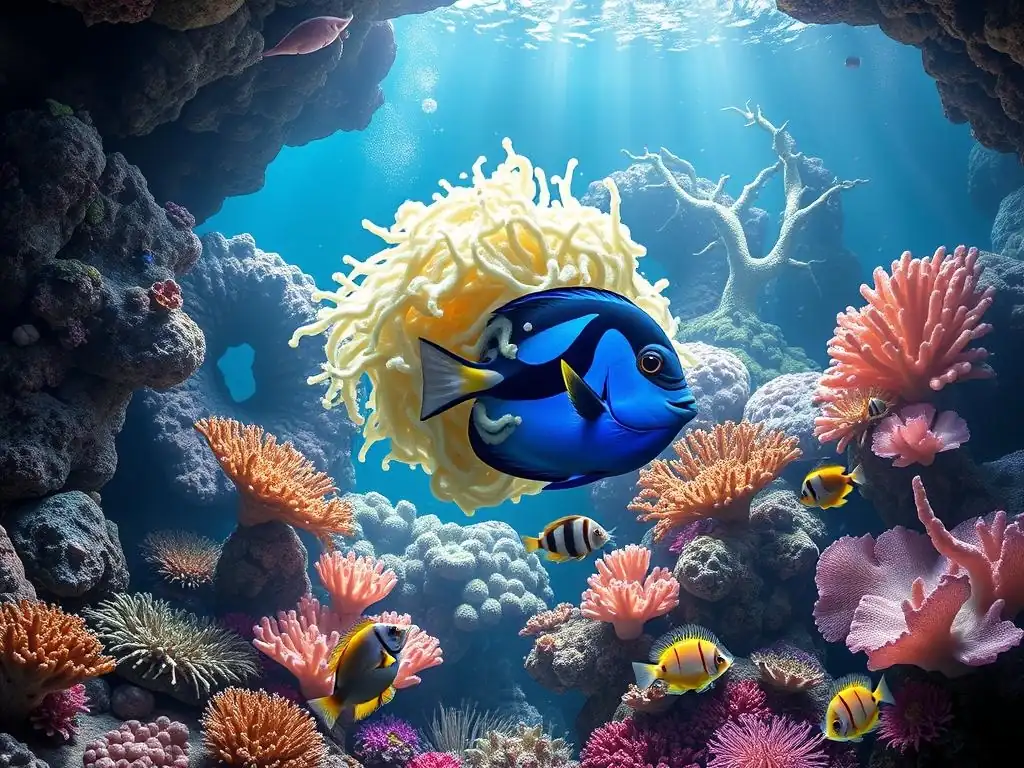
Ever wondered how to finally win the war against algae in your saltwater aquarium? Tired of scrubbing and scraping only to have it return with a vengeance? You've come to the right place! Let's dive into the vibrant world of tangs and discover which are the best tang for algae control, and how they can transform your tank into a pristine underwater paradise. Get ready to meet your algae-eating allies!
- Introduction: Mastering Algae Control in Saltwater Aquariums with Tangs
- Understanding Common Aquarium Algae Types and the Tangs That Devour Them
-
Top Tang Species for Effective Algae Consumption: A Detailed Guide
- The Yellow Tang (Zebrasoma flavescens): A Popular and Versatile Algae Eater
- The Kole Tang (Ctenochaetus strigosus): A Microalgae Specialist
- The Bristletooth Tangs (Ctenochaetus spp. ): Efficient Detritus and Algae Consumers
- The Scopas Tang (Zebrasoma scopas): An Alternative Algae Grazer
- The Tomini Tang (Ctenochaetus tominiensis): A Peaceful Algae Consumer
- Considerations Before Introducing a Tang for Algae Control
- Beyond Algae Control: The Additional Benefits of Keeping Tangs
- Conclusion: Achieving Algae Balance with the Right Tang Selection
- Frequently Asked Questions
- Final Reflection: The Living Reef's Symphony
- Unleash Your Algae-Fighting Tang!
Introduction: Mastering Algae Control in Saltwater Aquariums with Tangs
The Role of Tangs and Surgeonfish in Algae Grazing
Tangs, also known as surgeonfish, are highly prized inhabitants of saltwater aquariums, not just for their vibrant colors and graceful swimming, but primarily for their unparalleled ability to graze on various types of nuisance algae. In their natural coral reef habitats, these herbivorous fish play a crucial ecological role in keeping algae growth in check, preventing it from overgrowing corals and other sessile invertebrates. This natural inclination to consume algae makes them a cornerstone of many reef tank clean-up crews, offering a biological solution to one of the most persistent challenges in marine aquariology.
Their specialized mouths and digestive systems are perfectly adapted for scraping algae off rocks and glass surfaces. Depending on the species, tangs can target different forms of algae, from soft filamentous types to more stubborn microalgae films. Incorporating the best tang for algae control into a well-established saltwater system can significantly reduce manual cleaning efforts and contribute to a more stable and aesthetically pleasing environment for all tank inhabitants.
Why Choosing the Right Tang Species Matters for Algae Control
Selecting the appropriate tang species is paramount for effective algae control and the overall health of your aquarium. Not all tangs are created equal in their algae-grazing habits; some are generalists, while others specialize in particular types of algae. A mismatch between the dominant algae problem in your tank and the tang's dietary preference can lead to ineffective algae management, continued frustration, and potentially an unhealthy fish that isn't receiving adequate nutrition.
Beyond their dietary preferences, careful consideration of a tang's adult size, temperament, and specific tank requirements is crucial. An adult Yellow Tang, for instance, can reach up to 8 inches (20 cm) and requires ample swimming space, typically a minimum of 75-100 gallons. Introducing a tang into an undersized tank or one with incompatible tank mates can lead to stress, aggression, and susceptibility to diseases like marine ich, negating any potential benefits for algae control. Therefore, understanding the nuances of each species ensures both the tang's well-being and its effectiveness as an algae warrior.
Understanding Common Aquarium Algae Types and the Tangs That Devour Them
Identifying Different Types of Algae in Your Saltwater Tank
Before you can select the best tang for algae control, accurately identifying the specific type of nuisance algae plaguing your aquarium is essential. Algae manifest in various forms, each with unique characteristics and underlying causes. Common types include soft green films, long strands of hair algae, slimy red mats, and even hard calcified bubbles. Misidentification can lead to ineffective treatment strategies and the continued proliferation of unwanted growth.
Observing the texture, color, and growth patterns of the algae will provide vital clues. For example, green hair algae appears as long, stringy filaments, while diatoms present as a brownish, powdery film that often coats surfaces shortly after a tank cycles. Red slime algae, technically cyanobacteria, forms a dark red or purplish mat that can spread rapidly over sand and rockwork. Understanding these distinctions is the first step in deploying the most effective biological solution, such as a targeted algae-eating tang.
Green Hair Algae: Yellow Tang
Green hair algae is one of the most common and persistent algae types in saltwater aquariums, often appearing as fine, stringy green strands that can quickly cover live rock and substrate. It typically signifies an excess of nutrients, particularly nitrates and phosphates, combined with sufficient light. While frustrating, it's also one of the most effectively managed algae types by dedicated herbivores.
The Yellow Tang ( Zebrasoma flavescens) is arguably the most renowned and effective grazers of green hair algae. Their constant grazing behavior and preference for filamentous algae make them an excellent choice for keeping this nuisance in check. A mature Yellow Tang, reaching up to 8 inches (20 cm) in length, can consume significant amounts of hair algae daily, visibly reducing its presence within weeks in a well-maintained tank.
Brown Diatom Algae: Bristletooth Tang
Brown diatom algae often appears as a brownish, dusty film that coats rocks, sand, and glass, especially in newer tanks or those with elevated silicates and nitrates. While usually a transient phase in a maturing aquarium, persistent diatom blooms can be unsightly and indicate ongoing water quality issues. Unlike green hair algae, diatoms are not true plants but rather single-celled organisms with silica cell walls.
The Bristletooth Tangs ( Ctenochaetus spp.), such as the Kole Tang ( Ctenochaetus strigosus) and the Chevron Tang ( Ctenochaetus hawaiiensis), are exceptional for consuming brown diatom algae and other microalgae. Their specialized bristle-like teeth are perfectly adapted for scraping off the thin, slimy films from surfaces. These tangs are constant grazers, meticulously cleaning surfaces and helping to keep the tank pristine by consuming both diatoms and detritus.
Red Slime Algae (Cyanobacteria): Tangs that can help with Cyanobacteria
Red slime algae, or cyanobacteria, is not a true algae but a photosynthetic bacterium that forms slimy, dark red, purple, or even black mats over sand, rocks, and equipment. It thrives in tanks with high organic waste, low flow areas, and sometimes high nitrates/phosphates, though nutrient levels alone don't always explain its presence. While some tangs might pick at it, they are generally not the primary solution for a cyanobacteria outbreak.
While no tang species exclusively targets cyanobacteria as their primary food source, certain tangs like the Yellow Tang or Kole Tang may occasionally pick at it as they graze on surfaces, potentially helping to disrupt its growth. However, relying on tangs alone for cyanobacteria removal is often ineffective. A multi-faceted approach involving improved water flow, reduced organic waste, nutrient export, and sometimes chemical treatments is typically required to eradicate this stubborn issue.
Bubble Algae: Foxface Rabbitfish (Alternative to Tangs)
Bubble algae ( Valonia spp.) is a distinct type of green macroalgae characterized by its spherical, bladder-like appearance, ranging from tiny spheres to large grape-sized bubbles. It can be particularly problematic because when ruptured, it releases spores that can quickly spread throughout the aquarium. While some tangs might occasionally graze on very small, soft bubble algae, they are not typically effective long-term solutions for established infestations.
For bubble algae, Foxface Rabbitfish ( Siganus vulpinus and related species) are often recommended as an alternative to tangs for their specific grazing habits. These fish are known to actively consume bubble algae without rupturing the larger bubbles, making them a safer and more effective biological control. While not tangs, they share a similar herbivorous diet and are excellent additions to reef tanks with this specific algae problem, typically growing to 9-10 inches (23-25 cm) and requiring at least 75-100 gallons.
Bryopsis Algae: A Challenging Case and Potential Solutions
Bryopsis algae is a highly challenging and often frustrating form of green macroalgae, characterized by its feathery, fern-like appearance and dark green color. It is notoriously difficult to remove manually and is resistant to many common algae-eating fish and invertebrates. Its presence often indicates persistently high phosphate levels and sometimes specific trace element imbalances, such as low magnesium.
Unfortunately, very few, if any, tang species are known to effectively graze on Bryopsis algae. Even the most voracious algae-eating tangs typically ignore it due to its tough texture and potential chemical deterrents. Solutions for Bryopsis usually involve a combination of approaches: maintaining optimal water parameters, ensuring high magnesium levels (often above 1500 ppm), manual removal, and in severe cases, specialized chemical treatments like Fluconazole, which has shown efficacy against this particular algae.
Matching the Right Tang to the Specific Algae Problem
Successfully combating algae in a saltwater aquarium hinges on a strategic match between the dominant algae type and the specific grazing habits of your chosen tang. For instance, if your tank is consistently battling pervasive green hair algae, a Yellow Tang is often the best tang for algae of this type due to its relentless grazing on filamentous strands. Their broad mouth and constant activity make them highly efficient.
Conversely, for tanks experiencing persistent brown diatom films or other microalgae coatings, a Bristletooth Tang species like the Kole Tang is a superior choice. Their unique bristle-like teeth are perfectly adapted for scraping these thin, slimy layers off surfaces, which many other tangs might overlook. Understanding these dietary specializations ensures that the tang you introduce will not only survive but thrive while actively contributing to a cleaner, healthier aquarium environment.
Top Tang Species for Effective Algae Consumption: A Detailed Guide
The Yellow Tang (Zebrasoma flavescens): A Popular and Versatile Algae Eater
The Yellow Tang ( Zebrasoma flavescens) is arguably one of the most iconic and popular saltwater aquarium fish, instantly recognizable by its vibrant canary-yellow coloration. Beyond its aesthetic appeal, it is highly valued by aquarists for its diligent and continuous grazing habits, making it a staple recommendation for algae control in reef and fish-only tanks. Originating from the waters around Hawaii and other Pacific islands, it adapts well to captive environments, provided its specific needs are met.
This species is known for its relatively peaceful temperament among tangs, though it can become territorial towards similar-shaped or colored fish, especially other tangs. A healthy Yellow Tang can live for 10-15 years or more in a well-maintained aquarium, growing to an average adult size of 6-8 inches (15-20 cm). Their active swimming style and constant picking at rockwork and glass make them an excellent addition for general algae maintenance and a top contender for the best tang for algae control.
Yellow Tang Algae Diet and Tank Requirements
Yellow Tangs are primarily herbivorous, and their diet in the wild consists predominantly of filamentous green and brown algae, diatoms, and other benthic microalgae. In the home aquarium, they will readily graze on green hair algae, turf algae, and various film algaes that develop on live rock and tank walls.
To ensure optimal health and continued grazing activity, their diet should be supplemented with high-quality marine-based flakes or pellets rich in spirulina, nori (seaweed sheets), and occasionally some meaty foods. Offering dried nori on a veggie clip multiple times a week is crucial for their long-term well-being and to maintain their vibrant coloration.
Regarding tank requirements, a minimum tank size of 75-100 gallons is recommended for a single adult Yellow Tang to provide ample swimming space and reduce stress. They require stable water parameters, including a specific gravity of 1.023-1.026, pH 8.1-8.4, and temperatures between 74-82°F (23-28°C). Excellent water quality with low nitrates and phosphates is vital. Providing plenty of live rock with crevices for hiding and open swimming areas is essential for their comfort and natural behavior.
The Kole Tang (Ctenochaetus strigosus): A Microalgae Specialist
The Kole Tang ( Ctenochaetus strigosus), also known as the Yellow Eye Kole Tang, is a member of the Bristletooth Tang genus and is highly regarded for its unique approach to algae control. Unlike the broad-mouthed Zebrasoma tangs, Kole Tangs possess a specialized mouth with numerous tiny, bristle-like teeth, perfectly adapted for scraping microalgae and detritus from rough surfaces. This makes them exceptional at cleaning rocks and sand beds of diatoms, cyanobacteria (to a limited extent), and thin film algaes that other grazers might miss.
Kole Tangs typically exhibit a brown body with subtle blue or yellow speckles and a distinctive yellow ring around their eyes, giving them their common name. They are generally peaceful and less aggressive than many other tang species, making them a suitable addition to community reef tanks. Growing to an average adult size of 6-7 inches (15-18 cm), they are a mid-sized tang that can live for over 10 years with proper care.
Kole Tang Algae Preferences and Care Considerations
The primary diet of the Kole Tang in the aquarium consists of various microalgae, diatoms, and detritus that they continuously scrape from rocks and substrate. They are particularly effective against brown diatom blooms and various forms of green film algae. While they are excellent grazers, their diet should be supplemented with high-quality marine algae sheets (nori), spirulina flakes, and occasionally small meaty foods like mysis shrimp to ensure complete nutrition. Their constant grazing helps to prevent the build-up of unsightly films and detritus, contributing significantly to tank cleanliness.
For a single Kole Tang, a minimum tank size of 75 gallons is recommended to provide adequate swimming and grazing territory. Like all tangs, they require stable and pristine water conditions, including a specific gravity of 1.023-1.026, pH 8.1-8.4, and temperatures ranging from 74-82°F (23-28°C). Ample live rock with plenty of surfaces for grazing and hiding spots is crucial for their well-being. Their generally peaceful nature makes them good tank mates for a wide variety of reef-safe fish and invertebrates.
The Bristletooth Tangs (Ctenochaetus spp. ): Efficient Detritus and Algae Consumers
The Bristletooth Tang genus ( Ctenochaetus spp.) encompasses several species highly valued for their unique feeding habits, which make them distinct from other tang groups like Zebrasoma or Paracanthurus. These tangs are characterized by their specialized mouths filled with small, movable, bristle-like teeth, designed for scraping tiny organisms, detritus, and microalgae from rough surfaces. This makes them exceptional at cleaning live rock and sand beds, making them an excellent choice when considering the best tang for algae that grows as a film or fine layer.
Beyond their effectiveness in algae control, Bristletooth Tangs are generally less aggressive than many other tang species, making them suitable for community aquariums. They are constant grazers, meticulously sifting through sand and scraping rocks throughout the day, contributing significantly to the overall cleanliness and health of the reef environment. Their continuous activity helps to aerate the substrate and prevent the accumulation of organic matter.
Chevron Tang (Ctenochaetus hawaiiensis): Algae Grazing Habits and Tank Suitability
The Chevron Tang ( Ctenochaetus hawaiiensis), also known as the Hawaiian Black Tang when juvenile, is a striking member of the Bristletooth Tang group. Juveniles display a beautiful orange-brown body with distinct blue chevron markings, which fade to a darker, more uniform brown or black as they mature, typically reaching an adult size of about 10 inches (25 cm). Like other Bristletooths, it possesses the specialized bristle-like teeth, making it an excellent grazer of microalgae, diatoms, and detritus.
In the aquarium, the Chevron Tang will diligently scrape film algae from rocks and glass, contributing significantly to the tank's cleanliness. Its diet should be supplemented with high-quality marine algae, such as nori, and spirulina-based flakes or pellets. Due to its potential adult size, a minimum tank size of 120 gallons is recommended for a Chevron Tang to provide sufficient swimming space and grazing territory.
They are generally peaceful but can be territorial towards other tangs, especially those of similar shape or diet. Providing plenty of live rock and stable water parameters (SG 1.023-1.026, pH 8.1-8.4, Temp 74-82°F) is essential for their long-term health.
The Scopas Tang (Zebrasoma scopas): An Alternative Algae Grazer
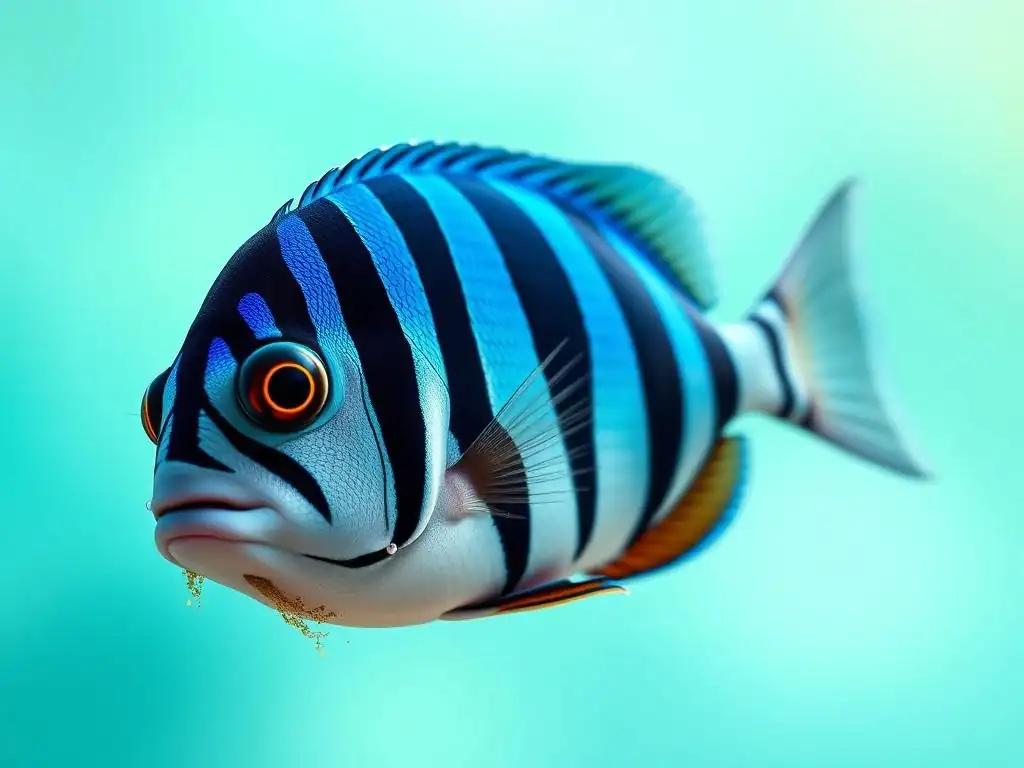
The Scopas Tang ( Zebrasoma scopas), often confused with the Yellow Tang due to similar body shapes, is another valuable member of the Zebrasoma genus for algae control. While its coloration varies widely from light brown to dark brown, often with intricate patterns of spots and lines, its grazing habits are very similar to its more famous yellow cousin. It is a robust and active fish that adapts well to aquarium life, making it a viable alternative for aquarists seeking a diligent algae grazer.
Scopas Tangs are known for their continuous grazing on filamentous and film algaes, making them effective contributors to a clean reef or fish-only tank. They typically grow to an adult size of 6-8 inches (15-20 cm) and can live for well over a decade in a healthy environment. While generally peaceful, they can display aggression towards other tangs, particularly those of similar size and shape, so careful consideration of tank mates is necessary.
Scopas Tang Diet, Temperament, and Tank Compatibility
The Scopas Tang's diet is predominantly herbivorous, consisting of various green and brown filamentous algaes, microalgae, and diatoms found on rocks and tank surfaces. They are excellent at consuming green hair algae and general film algae. In captivity, their diet should be supplemented with high-quality dried marine algae (nori), spirulina-enriched flakes, and occasionally small amounts of meaty foods to ensure a balanced nutritional intake. Consistent feeding of vegetable matter is crucial for their health and to maintain their vibrant patterns.
A minimum tank size of 75-100 gallons is recommended for an adult Scopas Tang to provide ample swimming room and grazing areas. They thrive in stable, well-oxygenated water with strong flow, mimicking their natural reef environment. Ideal water parameters include a specific gravity of 1.023-1.026, pH 8.1-8.4, and temperatures between 74-82°F (23-28°C). While generally peaceful with non-tang species, they can be territorial with other tangs, especially those in the Zebrasoma genus. Providing plenty of live rock with hiding spots helps to mitigate potential aggression and stress.
The Tomini Tang (Ctenochaetus tominiensis): A Peaceful Algae Consumer
The Tomini Tang ( Ctenochaetus tominiensis) is a lesser-known but highly effective and relatively peaceful member of the Bristletooth Tang family. Distinguished by its brownish body that fades to a lighter, often yellowish tail, and sometimes a darker patch near its pectoral fin, it offers a more subdued but equally diligent approach to algae control. Its smaller adult size, typically 5-6 inches (13-15 cm), makes it suitable for tanks where larger tangs might be too imposing.
Like other Bristletooth Tangs, the Tomini Tang possesses the specialized bristle-like teeth that allow it to meticulously scrape microalgae and detritus from various surfaces. This makes it an excellent choice for maintaining clean live rock and sand beds, actively contributing to the overall health and aesthetic of the aquarium. Its generally docile nature makes it a good candidate for community reef tanks, avoiding the aggressive tendencies sometimes seen in larger tang species.
Tomini Tang Algae Diet and Peaceful Nature
The Tomini Tang's diet primarily consists of the fine film algaes, diatoms, and detritus it scrapes from rocks and sand. It is particularly effective against brown diatom blooms and various forms of green film algae that accumulate on surfaces. To ensure a comprehensive diet, supplementation with marine algae sheets (nori), spirulina-based flakes, and occasional meaty foods is recommended. Their constant grazing activity helps to prevent the unsightly build-up of these common algae types.
A minimum tank size of 70 gallons is generally recommended for a single Tomini Tang, providing enough space for grazing and swimming. They require stable water parameters, similar to other tangs: specific gravity 1.023-1.026, pH 8.1-8.4, and temperatures between 74-82°F (23-28°C). Their peaceful demeanor makes them compatible with a wide range of reef-safe fish and invertebrates. They are less prone to aggression than many other tangs, making them a less stressful addition to a mixed community tank, solidifying their reputation as a best tang for algae control in smaller, more peaceful setups.
Considerations Before Introducing a Tang for Algae Control
Tank Size and Water Parameters: Providing a Suitable Environment
Before introducing any tang, especially with the intent of algae control, the most critical consideration is providing an adequately sized aquarium. Tangs are active, open-water swimmers that require substantial space to thrive and exhibit natural behaviors. A Yellow Tang, for example, reaching 8 inches, needs a minimum of 75-100 gallons, while larger species like a Chevron Tang might require 120 gallons or more. An undersized tank can lead to stunted growth, stress, aggression, and increased susceptibility to disease, rendering the fish ineffective as an algae grazer.
Beyond physical space, maintaining pristine and stable water parameters is non-negotiable for tang health. This includes consistent specific gravity (1.023-1.026), pH (8.1-8.4), and temperature (74-82°F / 23-28°C). Low nitrates and phosphates are also essential, as high nutrient levels can not only stress the fish but also fuel the very algae problems you're trying to solve. Regular water changes, efficient filtration, and robust protein skimming are vital components of a healthy tang environment.
Tang Compatibility: Avoiding Aggression and Competition
While tangs are excellent algae eaters, their social dynamics and potential for aggression are significant factors to consider before introduction. Many tang species, particularly within the same genus (e.g., Zebrasoma or Acanthurus), can be highly territorial and aggressive towards conspecifics or fish of similar body shapes and colors. Introducing multiple tangs often requires a very large tank (200+ gallons) and careful planning, typically by adding them simultaneously or introducing the most aggressive last.
Even if you plan to keep only one tang, consider its compatibility with existing tank inhabitants. A large, boisterous tang might stress smaller, more timid fish. Conversely, very aggressive tank mates could bully a newly introduced tang. Researching the specific temperament of your chosen tang species and its potential interactions with your current fish population is crucial to prevent conflict, injury, or chronic stress, ensuring a harmonious and healthy aquarium environment.
Quarantine and Acclimation: Ensuring a Healthy Introduction
The importance of a proper quarantine protocol for any new marine fish, especially tangs, cannot be overstated. Tangs are notoriously susceptible to marine ich ( Cryptocaryon irritans) and other parasitic diseases, which can rapidly spread throughout an established display tank and devastate its inhabitants. A dedicated quarantine tank (QT) of at least 20-30 gallons, equipped with basic filtration, heating, and aeration, allows you to observe the new tang for signs of disease, administer treatments if necessary, and ensure it is eating well before introducing it to your main system.
A typical quarantine period ranges from 4-6 weeks. Following quarantine, a slow and careful acclimation process is essential to minimize stress. This involves gradually adjusting the new tang to your display tank's water parameters (temperature, pH, salinity) over an extended period, often using a drip acclimation method. A stress-free introduction significantly increases the tang's chances of thriving and effectively performing its role as an algae warrior.
Supplementing Algae Grazing: A Balanced Approach to Algae Control
While tangs are exceptional algae eaters, relying solely on them for algae control is rarely a sustainable long-term strategy for a healthy aquarium. Even the best tang for algae will only consume certain types, and their grazing habits alone may not be sufficient to manage persistent outbreaks caused by underlying nutrient imbalances. A balanced approach involves addressing the root causes of algae growth, which primarily include excess nutrients (nitrates and phosphates).
Supplementing tang grazing with diligent husbandry practices is key. This includes regular water changes (east 10-20% bi-weekly), efficient protein skimming, adequate water flow to prevent dead spots, and careful feeding to avoid overfeeding. Incorporating other clean-up crew members like turbo snails, hermit crabs, and emerald crabs can also provide a multi-species attack on various algae types. Lastly, ensuring your tang receives a diverse and nutritious diet, including supplemental nori and spirulina, is crucial for its health, even if your tank has abundant natural algae.
Beyond Algae Control: The Additional Benefits of Keeping Tangs
Tangs as Reef Tank Clean-Up Crew Members
While their primary reputation in the hobby revolves around algae control, tangs offer benefits that extend beyond simply keeping nuisance algae in check. Their constant grazing and active swimming habits contribute significantly to the overall health and cleanliness of a reef tank, acting as crucial members of the clean-up crew. As they continuously pick at live rock and substrate, they not only consume various forms of algae but also disturb detritus and uneaten food particles, preventing them from settling and breaking down into undesirable nutrients.
This constant agitation of the substrate and rockwork helps to keep the tank's biological filtration efficient by exposing trapped organic matter to water flow, allowing it to be processed by beneficial bacteria or removed by mechanical filtration. For instance, a Kole Tang or Bristletooth Tang will actively sift through sand and scrape surfaces, effectively acting as a living vacuum cleaner for microscopic debris. Their presence encourages a more dynamic and naturally balanced ecosystem, reducing the burden on mechanical filters and contributing to clearer water.
The Aesthetic Appeal of Tangs in a Saltwater Aquarium
Beyond their practical utility in algae management, tangs are undeniably one of the most visually stunning groups of fish in the saltwater aquarium hobby. Their diverse range of vibrant colors, from the iconic bright yellow of the Yellow Tang to the deep blues and purples of the Blue Tang, adds unparalleled beauty and dynamism to any marine display. Their graceful swimming patterns and active personalities make them captivating inhabitants, constantly darting through rockwork and gliding across open water.
The sheer variety in body shapes and patterns, from the disc-like profile of a Naso Tang to the slender form of a Kole Tang, ensures there's a species to complement almost any tank aesthetic. A well-chosen tang becomes a focal point, enhancing the overall visual appeal and creating a more immersive and engaging underwater landscape. Their presence not only helps maintain a clean environment but also elevates the aquarium to a living piece of art, showcasing the incredible diversity and beauty of coral reef ecosystems.
Conclusion: Achieving Algae Balance with the Right Tang Selection
Key Takeaways: Choosing the Best Tang for Your Algae Needs
Achieving a balanced, algae-free saltwater aquarium is a common goal for aquarists, and the judicious selection of the best tang for algae control can be a highly effective strategy. The key lies in understanding that not all tangs are created equal in their grazing preferences. For pervasive green hair algae, the Yellow Tang ( Zebrasoma flavescens) is an unparalleled choice due to its relentless consumption of filamentous strands.
When dealing with stubborn brown diatom films and microalgae, Bristletooth Tangs like the Kole Tang ( Ctenochaetus strigosus) or Chevron Tang ( Ctenochaetus hawaiiensis) are superior, thanks to their specialized scraping teeth. For more challenging algaes like bubble algae, non-tang alternatives such as the Foxface Rabbitfish may be more suitable.
Beyond matching the tang to the algae, critical considerations include providing an adequately sized tank (e.g., 75+ gallons for most common species), maintaining pristine water parameters, and ensuring proper quarantine and acclimation to prevent disease. While tangs are excellent biological controllers, they are not a magic bullet; a holistic approach that includes diligent husbandry, nutrient control, and potentially other clean-up crew members is essential for long-term algae management.
By carefully selecting the right species and integrating it into a well-maintained system, aquarists can leverage the natural grazing power of tangs to achieve a cleaner, healthier, and more visually appealing marine environment.
Further Resources for Saltwater Aquarium Algae Management
Managing algae in a saltwater aquarium is an ongoing process that often requires a multi-faceted approach extending beyond just introducing an algae-eating tang. While the best tang for algae can significantly alleviate certain issues, a complete understanding of algae types, their causes, and various control methods is crucial for long-term success. Aquarists should continue to research and implement practices that promote a stable and low-nutrient environment.
For deeper insights into algae identification, nutrient export strategies, and alternative clean-up crew options, consider exploring detailed guides on water chemistry management, the role of protein skimmers, appropriate lighting schedules, and the benefits of macroalgae refugiums. Resources detailing specific nutrient test kits, phosphate removers, and the safe use of chemical treatments for severe outbreaks can also provide invaluable knowledge. Continuous learning and proactive measures are the pillars of effective algae management, ensuring your saltwater aquarium remains a vibrant and thriving ecosystem.
Frequently Asked Questions
How do Tangs help control algae in aquariums?
Tangs are primarily herbivorous fish, meaning they consume algae as a major part of their diet. They graze on algae growing on rocks, glass, and decorations, helping to keep your aquarium clean.
What are some of the best Tang species for controlling specific types of algae?
The Yellow Tang (Zebrasoma flavescens) is great for hair algae, while the Bristletooth Tangs are effective against diatoms and detritus. The Kole Tang is also an excellent choice for controlling a wide range of algae.
Are Tangs suitable for all aquarium sizes?
No, Tangs generally require larger aquariums due to their size and activity level. Consider your tank size carefully before choosing a Tang, ensuring it has enough swimming space.
What water parameters are crucial for keeping Tangs healthy?
Maintaining stable water parameters is crucial. This includes proper salinity, pH levels, and low nitrate levels. Regular water changes and testing are essential for their well-being.
What should I feed my Tang besides algae?
While algae is important, Tangs also need a varied diet. Supplement their algae grazing with seaweed sheets, high-quality flake food, and occasionally, meaty foods to ensure they receive all the nutrients they need.
Final Reflection: The Living Reef's Symphony
The delicate balance of a reef aquarium is a constant dance, and as we've explored, choosing the right tang species is crucial for maintaining that harmony. The "Best Tang for Algae" isn't a singular answer, but rather a tailored solution, demanding careful consideration of both the algae problem and the tang's specific needs. Ignoring this crucial aspect can lead to ecological imbalance and unnecessary stress on these magnificent creatures.
This journey into the world of algae-eating tangs has underscored the profound responsibility we bear as aquarists. It's not simply about finding a "cleaner crew," but about understanding the intricate web of life within our tanks and making informed decisions that promote the well-being of all inhabitants. In the end, we will conserve only what we love; we will love only what we understand; and we will understand only what we are taught.
- Baba Dioum. This quote resonates deeply, urging us to continuously learn and appreciate the delicate ecosystems we strive to recreate.
Now, armed with this knowledge, I invite you to reflect on your own aquariums. Are you truly considering the needs of your future algae warriors? Are you prepared to provide them with the space, diet, and environment they require to thrive? Let's move beyond simply seeking a quick fix and embrace a more holistic approach to reef keeping, ensuring a vibrant and sustainable future for our underwater worlds.
Unleash Your Algae-Fighting Tang!
Thanks for diving into the world of tangs and algae control! Now that you're armed with knowledge, it's time to put it into practice and create a thriving, algae-free aquarium. Here are a few actionable steps to get you started:
- Identify your primary algae issue and carefully research the tang species best suited to combat it. This is the most important step!
- Explore the Aquarium Mastery forums and share your tank setup – what algae are you battling, and what tangs are you considering? Get community feedback!
- Surprise yourself and your tank! Research and discover some less common, reef-safe invertebrates known for algae grazing, and consider adding one to your clean-up crew.
Ready to finally say goodbye to those unsightly algae blooms and welcome a vibrant, healthy tank?