
Christmas Wrasse (Halichoeres claudia/ornatissimus): Festive Colors to Brighten Your Tank YearRound

Welcome to Aquarium Mastery!
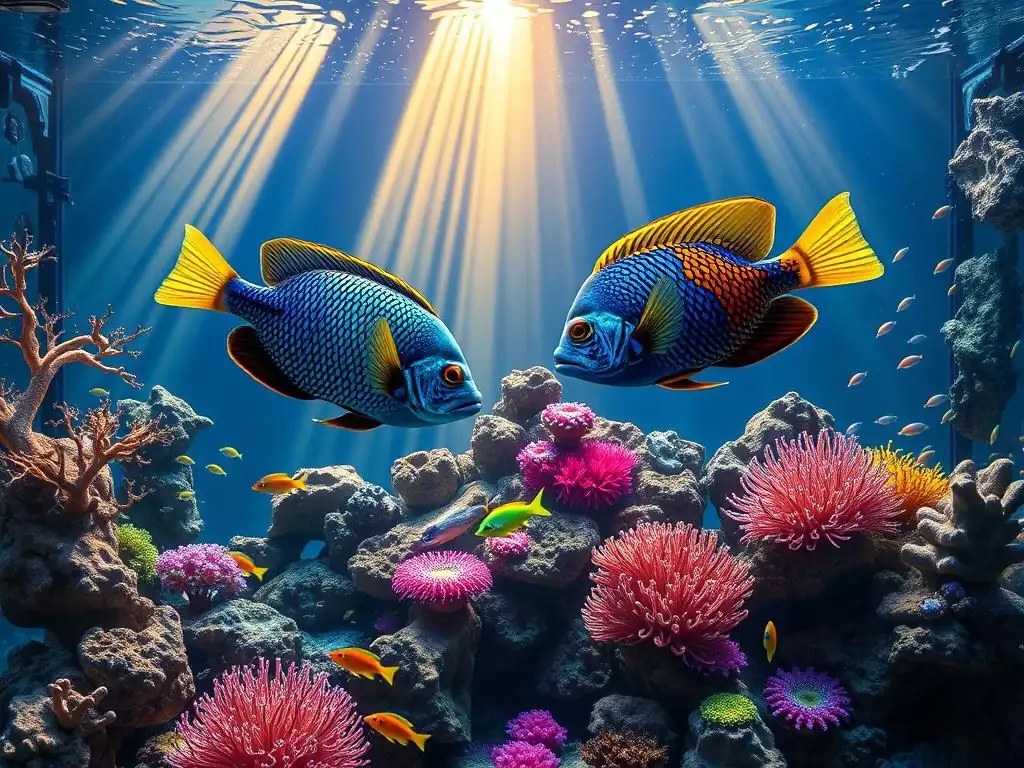
Ever wondered how to bring the vibrant beauty of the holidays to your saltwater aquarium year-round? Our guide dives deep into the mesmerizing world of the Christmas Wrasse, offering essential tank care tips to help you keep these dazzling fish thriving. Get ready to discover the secrets to creating the perfect environment for your Halichoeres claudia/ornatissimus and unlock the potential for a truly stunning underwater display. Are you ready to add a touch of festive flair to your aquarium? Let's begin!
- Christmas Wrasse (Halichoeres ornatissimus): Festive Colors to Brighten Your Tank Year-Round
- Introduction to the Christmas Wrasse: A Reef Aquarium Gem
- Understanding Christmas Wrasse Care: Essential Tank Requirements
- Diet and Feeding: Meeting the Nutritional Needs of Your Christmas Wrasse
- Christmas Wrasse Compatibility: Tank Mates and Social Behavior
- Christmas Wrasse Health and Disease Prevention: Keeping Your Fish Healthy
- Christmas Wrasse Tank Care Tips: A Comprehensive Guide
- Breeding Christmas Wrasses: Unlikely in Home Aquariums
- The Benefits of Keeping Christmas Wrasses: More Than Just a Pretty Face
- Conclusion: Enjoying the Beauty and Benefits of Christmas Wrasses
- Frequently Asked Questions
- Final Reflection: A Splash of Holiday Cheer, All Year Long
- Dive Deeper: Transform Your Aquarium into a Living Reef!
Christmas Wrasse (Halichoeres ornatissimus): Festive Colors to Brighten Your Tank Year-Round
Introduction to the Christmas Wrasse: A Reef Aquarium Gem
Discovering the Vibrant Christmas Wrasse (Halichoeres ornatissimus)
The Christmas Wrasse, scientifically known as Halichoeres ornatissimus, is a captivating inhabitant of Indo-Pacific coral reefs and lagoons, ranging from Japan to the Great Barrier Reef. This species is celebrated for its dazzling array of colors, typically showcasing a mosaic of green, red, orange, and blue hues that truly live up to its festive name. Adult specimens can reach an average size of 5 to 6 inches (approximately 13-15 cm) in length, displaying a sleek, elongated body shape characteristic of many wrasses.
Distinguishing between initial phase (often female or juvenile) and terminal phase (male) individuals can be quite striking, with males typically exhibiting more intense and intricate patterns. Their active nature and constant foraging behavior make them a dynamic addition to any well-established saltwater aquarium. The Christmas Wrasse's natural elegance and perpetual motion add a vibrant pulse to the aquatic environment, making it a favorite among experienced aquarists seeking both beauty and beneficial behaviors.
Why Choose a Christmas Wrasse for Your Saltwater Aquarium?
Beyond their undeniable aesthetic appeal, Christmas Wrasses offer several compelling reasons for inclusion in a reef aquarium. Their vibrant coloration and active swimming patterns ensure they are a constant focal point, adding significant visual interest and a lively presence to the tank. Unlike some more reclusive species, the Christmas Wrasse is typically out and about, exploring the rockwork and substrate.
Furthermore, these wrasses are known for their beneficial predatory habits, acting as natural pest control agents. They are particularly adept at hunting and consuming undesirable invertebrates such as bristleworms and pyramidellid snails, which can otherwise become problematic in a reef system. This natural inclination to forage for small critters beneath the sand and within crevices makes them not only a beautiful but also a highly functional addition, contributing to the overall health and balance of the aquarium ecosystem.
Understanding Christmas Wrasse Care: Essential Tank Requirements
Optimal Tank Size for Christmas Wrasse Health and Wellbeing
Providing an appropriately sized aquarium is paramount for the long-term health and well-being of a Christmas Wrasse. Given their active swimming nature and adult size of up to 6 inches, a minimum tank volume of 75 to 90 gallons (approximately 280-340 liters) is recommended for a single specimen. This provides ample swimming space and helps to dilute waste products more effectively, contributing to a stable environment.
While a 75-gallon tank might suffice for a juvenile, a 90-gallon or larger system is ideal, especially if considering other tank mates. Larger aquariums also offer greater stability in water parameters, which is crucial for sensitive marine fish. The increased volume minimizes fluctuations in temperature, pH, and salinity, reducing stress on the Christmas Wrasse and allowing it to thrive and display its full range of natural behaviors.
Water Parameters: Maintaining a Stable Environment for Christmas Wrasses
Maintaining pristine and stable water parameters is a cornerstone of successful Christmas Wrasse tank care tips. These fish thrive in conditions that mimic their natural reef habitat. The ideal water temperature should range between 72-78°F (22-26°C), with a specific gravity of 1.020-1.025. The pH level should be consistently maintained between 8.1 and 8.4, which is typical for healthy saltwater systems.
Crucially, ammonia and nitrite levels must always be at 0 ppm, while nitrate levels should be kept below 10-20 ppm to prevent stress and disease. Regular testing with reliable kits is essential to monitor these parameters. Consistent water quality, achieved through a robust filtration system and scheduled water changes, minimizes stress and significantly reduces the susceptibility of Christmas Wrasses to common marine ailments.
Substrate and Aquascaping: Creating a Natural Habitat
A key element in creating an optimal habitat for the Christmas Wrasse is the provision of a suitable substrate. These wrasses are known for their fascinating behavior of burying themselves in the sand at night or when startled, a natural protective instinct. Therefore, a fine sand bed, at least 3 to 4 inches (approximately 7.5-10 cm) deep, is absolutely critical for their well-being. Without adequate depth, they cannot properly burrow, leading to chronic stress and potential injury.
Beyond the substrate, thoughtful aquascaping with live rock is vital. The tank should feature plenty of stable rock structures that create numerous crevices, caves, and overhangs. These formations offer the wrasse ample hiding spots for security during the day and exploration opportunities. Additionally, due to their propensity for jumping when startled, a tight-fitting lid or screen top is an indispensable safety measure to prevent accidental escapes.
Diet and Feeding: Meeting the Nutritional Needs of Your Christmas Wrasse
What to Feed Your Christmas Wrasse: A Balanced Diet
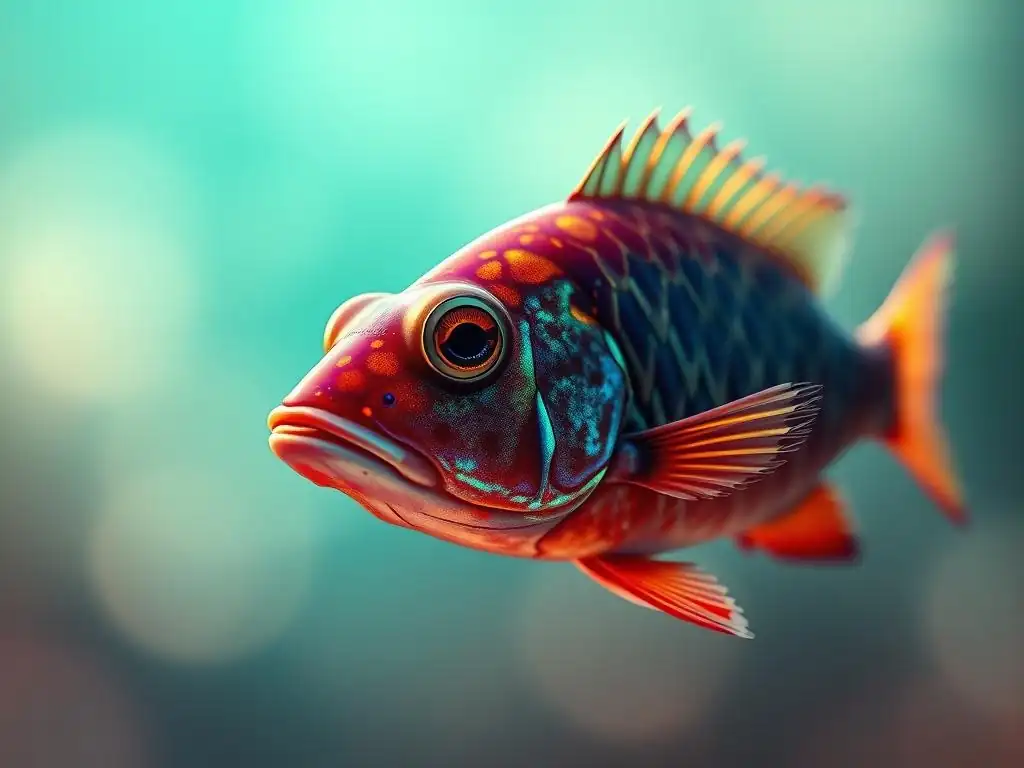
Christmas Wrasses are carnivorous and require a varied and high-quality diet to maintain their vibrant coloration and overall health. Their natural diet consists of small invertebrates found within the substrate and rockwork, such as copepods, amphipods, and small worms. In a home aquarium, this should be replicated by offering a diverse range of frozen foods.
Excellent choices include mysis shrimp, brine shrimp (enriched), finely chopped seafood such as squid, clams, and various types of marine preparations. High-quality marine pellets and flakes designed for carnivorous fish can also be offered as a supplementary food source. Varying the diet prevents nutritional deficiencies and ensures the wrasse receives all necessary vitamins and minerals for robust health.
Feeding Frequency and Techniques for Healthy Growth
To support their active metabolism and continuous foraging behavior, Christmas Wrasses should be fed small portions multiple times a day. Ideally, offer food 2 to 3 times daily, ensuring that all food is consumed within a few minutes to prevent excess organic matter from degrading water quality. Observing their feeding response will help fine-tune the amount of food provided.
These wrasses are typically eager eaters, but it's important to ensure that they are not outcompeted by more aggressive tank mates. Target feeding with a pipette or tongs can be beneficial if competition for food is observed. Consistent feeding at regular intervals not only promotes healthy growth and vitality but also helps reduce their natural inclination to pick at smaller ornamental invertebrates if they are sufficiently fed.
Supplementation: Enhancing Color and Vitality (Optional)
While a balanced diet of high-quality frozen and prepared foods forms the foundation of Christmas Wrasse nutrition, optional supplementation can further enhance their color, vitality, and immune response. Foods soaked in vitamin supplements, such as Selcon or other marine vitamin complexes, can provide an extra boost of essential nutrients, particularly fat-soluble vitamins like A, D, and E.
Additionally, some aquarists opt to use garlic extracts, which are believed to stimulate appetite and possess immune-boosting properties. While not strictly necessary, these supplements can contribute to a more vibrant and resilient fish, especially during periods of stress or recovery. Always follow the manufacturer's instructions for dosage to avoid over-supplementation.
Ideal Tank Mates for Christmas Wrasses: Peaceful Coexistence
Choosing compatible tank mates is a crucial aspect of successful Christmas Wrasse tank care tips. These wrasses are generally peaceful to semi-aggressive, making them suitable for a wide range of community reef tanks. Ideal companions include other active, non-aggressive species that can hold their own without being overly boisterous or territorial. Good choices often include various tangs, larger gobies, blennies, and certain non-aggressive angelfish.
When considering other wrasses, caution is advised. While they can coexist with other Halichoeres species in very large aquariums (over 150 gallons), it's generally best to keep only one Christmas Wrasse or a single species from this genus in smaller home tanks to prevent territorial disputes. Most corals and larger invertebrates are safe from the Christmas Wrasse, though very small ornamental shrimp or crabs might occasionally be viewed as a food source if the wrasse is underfed.
Fish to Avoid: Preventing Aggression and Stress
To ensure the peaceful coexistence and well-being of your Christmas Wrasse, certain types of fish should be avoided as tank mates. Highly aggressive predators such as triggerfish, large groupers, or lionfish are unsuitable as they will likely view the wrasse as prey. Similarly, very boisterous or territorial species that constantly harass other fish can induce chronic stress, leading to health issues for the wrasse.
Care should also be taken with extremely small or shy fish species. While the Christmas Wrasse is not typically aggressive towards other fish, its active foraging and swimming can inadvertently stress timid tank mates or outcompete them for food. Avoiding other wrasses with very similar body shapes or dietary needs, especially those from the same Halichoeres genus, is also wise to prevent direct competition and potential aggression over resources and territory.
In the confines of most home aquariums, the Christmas Wrasse is best kept as a single specimen. While they may be observed in loose aggregations in the wild, their territorial tendencies towards conspecifics (members of the same species) or very similar-looking wrasses typically make keeping multiple individuals challenging in tanks under 200 gallons. Introducing more than one can lead to constant chasing, stress, and potential injury to the weaker fish.
If an aquarist attempts to keep more than one Christmas Wrasse, it generally requires a very large system (200+ gallons) and careful, simultaneous introduction of a male and female pair, or a small group of juveniles that can grow up together. Even then, success is not guaranteed, and constant observation for signs of aggression is necessary. For the vast majority of hobbyists, a solitary Christmas Wrasse will be the most peaceful and successful arrangement, allowing the fish to thrive without undue social stress.
Christmas Wrasse Health and Disease Prevention: Keeping Your Fish Healthy
Common Diseases Affecting Christmas Wrasses
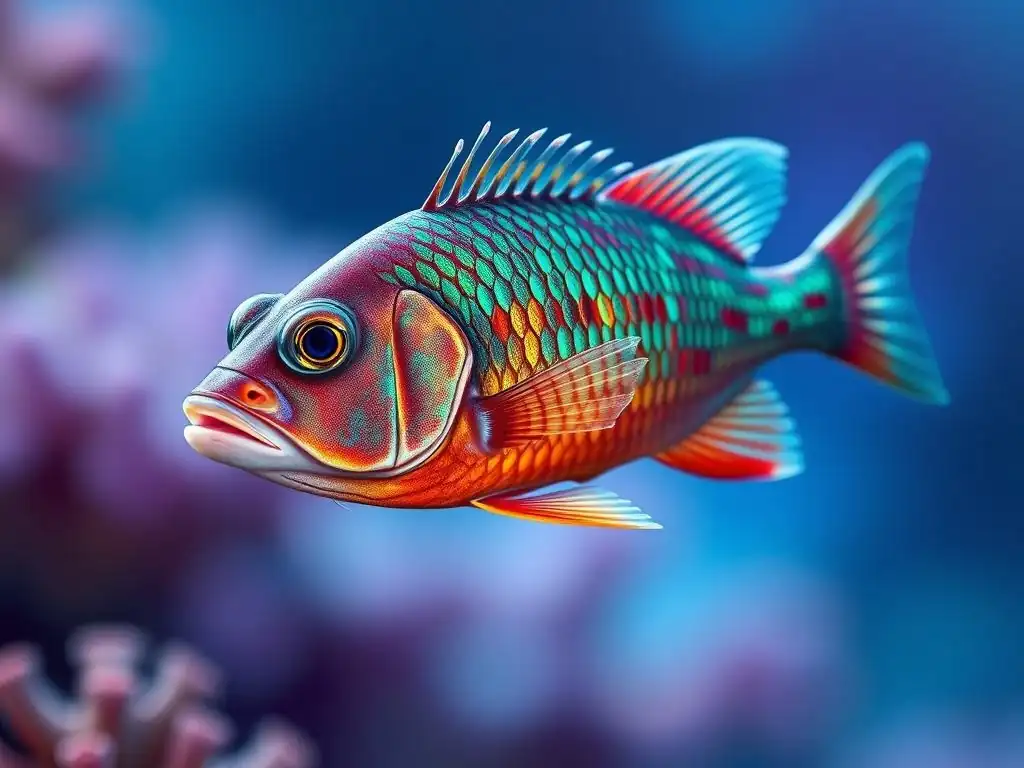
Like many marine fish, Christmas Wrasses can be susceptible to common saltwater diseases, especially if water quality is poor or they are under stress. The most prevalent parasitic infections include Marine Ich (Cryptocaryon irritans), characterized by white spots resembling salt grains, and Marine Velvet (Amyloodinium ocellatum), which presents as a fine, dusty coating. Bacterial infections, such as fin rot or systemic bacterial infections, can also occur, often manifesting as frayed fins, cloudy eyes, or lethargy.
Stress, often induced by unstable water parameters, inadequate tank size, or aggressive tank mates, significantly weakens a wrasse's immune system, making it more vulnerable to these pathogens. Vigilant observation for early symptoms is critical, as prompt intervention greatly improves the chances of successful treatment.
Quarantine Procedures for New Arrivals
Implementing a strict quarantine procedure for all new Christmas Wrasse arrivals is one of the most vital Christmas Wrasse tank care tips for preventing the introduction of diseases into your main display tank. A dedicated quarantine tank, equipped with appropriate filtration, a heater, and hiding spots, should be set up. New fish should reside in this tank for a minimum of 30 days.
During this period, the fish can be observed for any signs of illness, allowing for treatment in isolation without exposing your established population. This also provides an opportunity for the wrasse to acclimate to captive conditions and begin feeding regularly before the stress of being introduced to a larger, more complex environment. Prophylactic treatments for common parasites are often administered during quarantine, even if no symptoms are visible, as a preventative measure.
Recognizing and Treating Illnesses in Christmas Wrasses
Early recognition of illness is key to successful treatment. Symptoms in Christmas Wrasses can include changes in behavior such as lethargy, hiding excessively, or rapid breathing. Physical signs might include clamped fins, white spots on the body or fins, a cloudy film, or a loss of appetite. Any deviation from normal behavior or appearance warrants immediate investigation.
If an illness is suspected, the fish should be moved to a hospital tank (if not already in quarantine) to facilitate treatment and prevent the spread of disease. Common treatments involve medications like copper for Ich and Marine Velvet, or broad-spectrum antibiotics for bacterial infections. Always accurately diagnose the condition before administering medication and consult with experienced aquarists or a fish veterinarian if unsure. Following dosage instructions precisely is crucial to avoid further stress or harm to the fish.
Christmas Wrasse Tank Care Tips: A Comprehensive Guide
Maintaining Optimal Water Quality: Regular Water Changes and Testing
Maintaining optimal water quality is arguably the most important of all Christmas Wrasse tank care tips. Regular water changes are essential for diluting nitrates, phosphates, and other accumulated pollutants, while replenishing essential trace elements. A general guideline is to perform weekly or bi-weekly water changes of 10-20% of the tank volume, depending on stocking levels and filtration efficiency.
Consistent testing of key water parameters is equally vital. Beyond ammonia, nitrite, and nitrate, regular checks of pH (8.1-8.4), salinity (1.020-1.025), alkalinity (8-12 dKH), calcium (400-450 ppm), and magnesium (1250-1350 ppm) ensure a stable and healthy environment. Investing in high-quality test kits and maintaining a log of readings helps identify trends and allows for proactive adjustments before issues arise, significantly reducing stress on your Christmas Wrasse.
Managing Algae Growth: Keeping Your Tank Clean and Healthy
Effective management of algae growth is an integral part of comprehensive Christmas Wrasse tank care tips, contributing to both aesthetics and water quality. Excessive algae often indicates an imbalance in nutrient levels, particularly nitrates and phosphates. To combat this, ensure proper feeding techniques to avoid overfeeding, which introduces excess nutrients. Regular water changes, as mentioned, are crucial for nutrient export.
Utilizing a robust protein skimmer is highly effective at removing dissolved organic waste before it breaks down into nitrates and phosphates. Additionally, employing phosphate-removing media in your filtration system can help. A well-chosen clean-up crew, consisting of various snails (e.g., turbo snails, nassarius snails) and hermit crabs, can also assist in grazing on nuisance algae, keeping surfaces clean without posing a threat to the Christmas Wrasse.
Providing Adequate Hiding Places: Reducing Stress and Encouraging Natural Behavior
Providing ample and appropriate hiding places is a cornerstone of effective Christmas Wrasse tank care tips, directly impacting the fish's stress levels and enabling natural behaviors. As noted earlier, a deep sand bed of at least 3 to 4 inches is indispensable, allowing the wrasse to burrow completely for sleep or security when feeling threatened. This natural instinct must be accommodated.
Beyond the sand, the aquascape should feature plenty of live rock arranged to create numerous caves, overhangs, and crevices. These structures serve multiple purposes: they provide secure retreats where the wrasse can feel safe, offer exploration opportunities for foraging, and break up lines of sight, which can reduce perceived threats from other tank inhabitants. A well-structured environment promotes confidence in the Christmas Wrasse, encouraging it to be active and display its full vibrant coloration.
Breeding Christmas Wrasses: Unlikely in Home Aquariums
Challenges of Breeding Christmas Wrasses in Captivity
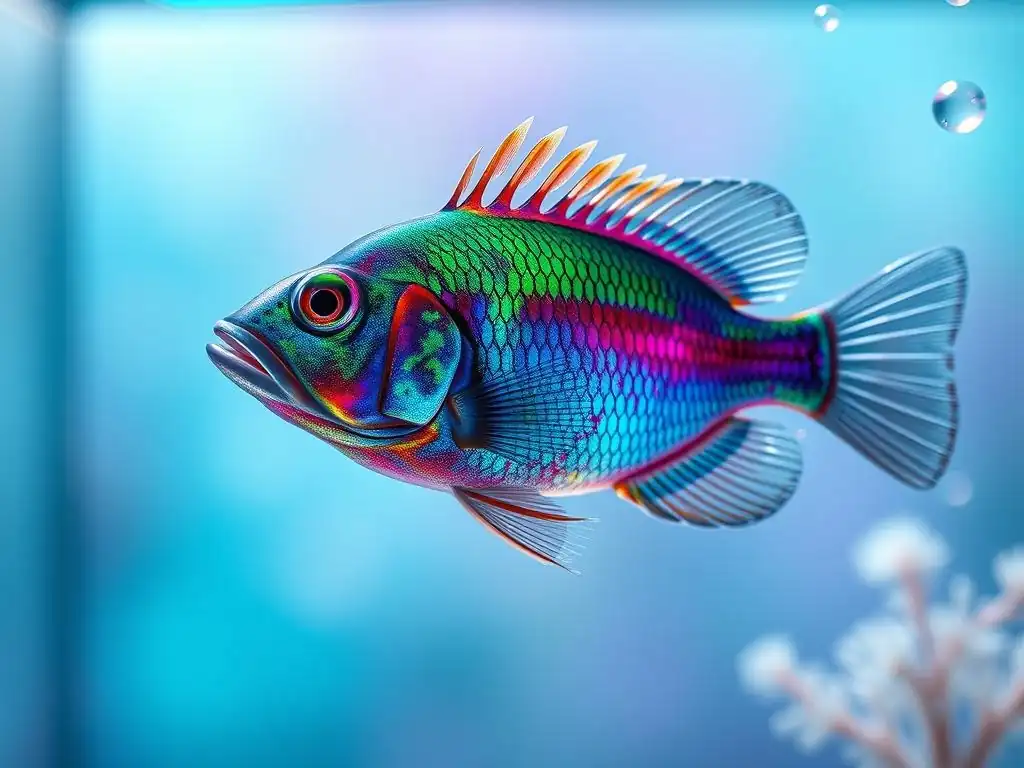
Breeding Christmas Wrasses ( Halichoeres ornatissimus) in a home aquarium setting is exceptionally challenging and, to date, largely unachieved by hobbyists. These wrasses are pelagic spawners, meaning they release their eggs and sperm directly into the open water column, where fertilization occurs. The fertilized eggs then drift as part of the plankton, making collection and subsequent rearing incredibly difficult in a closed system.
Furthermore, successful spawning typically requires very specific environmental cues, such as large volumes of water, precise temperature and photoperiod cycles, and often, specific lunar phases, which are hard to replicate in a home tank. Even if spawning were to occur, the resulting larvae are minuscule and have highly specialized feeding requirements, often needing microscopic live foods that are difficult to culture in sufficient quantities. Consequently, virtually all Christmas Wrasses available in the aquarium trade are wild-caught.
The Benefits of Keeping Christmas Wrasses: More Than Just a Pretty Face
Pest Control: Christmas Wrasses as Natural Bristleworm and Pyramidellid Snail Predators
Beyond their stunning appearance, Christmas Wrasses offer tangible benefits to a reef aquarium, particularly concerning pest control. They are natural predators of various undesirable invertebrates, making them a valuable addition to a balanced ecosystem. One notable example is their appetite for bristleworms, which, while beneficial in small numbers, can proliferate and become a nuisance or even a threat to corals and other tank inhabitants if left unchecked. Christmas Wrasses actively forage within the sand and rockwork, effectively keeping bristleworm populations in check.
Even more significantly, Halichoeres species, including the Christmas Wrasse, have been documented to prey on pyramidellid snails. These tiny snails are notorious parasites of tridacnid clams, capable of causing significant damage and even death to these prized invertebrates. Introducing a Christmas Wrasse can provide a natural, chemical-free method of controlling these destructive pests, offering peace of mind and protection for valuable clams in a reef setup.
Adding Color and Activity to Your Reef Aquarium
The vibrant Christmas Wrasse is a continuous source of color and activity in any reef aquarium, making it a compelling choice for aquarists seeking to enhance the dynamism of their display. Unlike some more sedentary fish, the Christmas Wrasse is almost perpetually in motion during the day, gracefully darting among the live rock and diligently sifting through the sand. Its striking palette of greens, reds, oranges, and blues provides a brilliant contrast against the corals and rockwork, instantly drawing the eye.
Their active foraging behavior adds a natural, engaging element to the tank, as they constantly explore their environment for hidden morsels. This constant movement and brilliant coloration ensure that the Christmas Wrasse is not just another fish, but a living, breathing piece of art that infuses the aquarium with energy and visual excitement, creating a more lively and captivating underwater landscape for observers.
Conclusion: Enjoying the Beauty and Benefits of Christmas Wrasses
Celebrating the Christmas Wrasse: A Rewarding Addition to Any Aquarium
The Christmas Wrasse ( Halichoeres ornatissimus) stands out as a truly rewarding addition to a well-planned saltwater aquarium. Its breathtaking festive coloration, active and engaging personality, and beneficial pest-control capabilities make it much more than just a pretty face. For aquarists dedicated to providing the right environment, the vibrant presence of this wrasse can transform a tank into a dynamic, thriving underwater spectacle.
From its constant foraging for nuisance pests like bristleworms and pyramidellid snails to its dazzling array of colors that brighten any reef, the Christmas Wrasse offers a unique blend of aesthetic appeal and ecological utility. Its relatively peaceful nature, when housed with appropriate tank mates and given ample space, further solidifies its status as a highly desirable inhabitant for the experienced marine hobbyist.
Ensuring the Long-Term Health and Happiness of Your Christmas Wrasse
To ensure the long-term health and happiness of your Christmas Wrasse, consistent application of expert Christmas Wrasse tank care tips is paramount. This includes maintaining pristine and stable water parameters through regular testing and diligent water changes, providing a deep sand bed for essential burrowing behavior, and offering a varied, high-quality diet. A well-thought-out aquascape with plenty of hiding places further contributes to their sense of security and well-being.
By committing to these fundamental care principles, aquarists can enjoy the full splendor and unique benefits that the Christmas Wrasse brings to their aquatic ecosystem for many years. Their hardiness, combined with proper husbandry, ensures they remain a vibrant, active, and beneficial member of the reef community, truly brightening your tank year-round.
Frequently Asked Questions
How difficult is it to care for a Christmas Wrasse in a saltwater aquarium?
Christmas Wrasses are generally considered to be moderately difficult to care for. They require a well-established tank with plenty of live rock for hiding and foraging.
What is the ideal tank size for a Christmas Wrasse?
A minimum tank size of 75 gallons is recommended for a single Christmas Wrasse. This provides ample swimming space and helps maintain stable water parameters.
What type of diet does a Christmas Wrasse require?
Christmas Wrasses are carnivores and need a varied diet. Offer them a mix of high-quality frozen foods, such as mysis shrimp and brine shrimp, as well as small invertebrates found in live rock.
What are some common health issues to watch out for in Christmas Wrasses?
They can be susceptible to marine ich and other parasitic infections, particularly when stressed. Ensure proper quarantine procedures before introducing them to your main tank.
Are Christmas Wrasses reef safe?
Christmas Wrasses are generally considered reef safe with caution. They may prey on small invertebrates, such as feather dusters and small shrimp, so consider this before adding them to a reef tank.
Final Reflection: A Splash of Holiday Cheer, All Year Long
The vibrant hues and playful nature of the Christmas Wrasse, as we've explored, offer more than just aesthetic appeal; they represent a commitment to responsible reef keeping and the delicate balance of our marine ecosystems. Understanding and implementing proper Christmas Wrasse tank care tips is not merely about keeping a fish alive, but about actively participating in the preservation of coral reefs and the biodiversity they support. This responsibility extends beyond the confines of our aquariums and into the broader world, urging us to consider the impact of our choices on the natural world.
The enduring allure of the Christmas Wrasse lies not only in its festive appearance but also in its ability to connect us to the beauty and fragility of the ocean. Cultivating a thriving environment for these creatures within our homes serves as a constant reminder of the interconnectedness of life and the importance of conservation efforts. As Jacques Cousteau so eloquently stated, The sea, once it casts its spell, holds one in its net of wonder forever.
This wonder, and the responsibility it carries, is what truly makes keeping a Christmas Wrasse so rewarding.
Now, as you consider adding a splash of holiday cheer to your own aquarium, remember the lessons we've learned about responsible care and sustainable practices. Take the time to research, prepare, and dedicate yourself to providing the best possible environment for these magnificent creatures. Let the vibrant colors of the Christmas Wrasse inspire you to become a steward of the ocean, contributing to the preservation of our planet's precious marine life, one tank at a time.
Dive Deeper: Transform Your Aquarium into a Living Reef!
Thanks for exploring the vibrant world of the Christmas Wrasse! We hope you've discovered how this dazzling fish can bring unparalleled beauty to your home aquarium. Now, let's turn that inspiration into action.
- Start Planning! Research compatible tank mates and create a blueprint for a thriving reef environment tailored to the Christmas Wrasse.
- Share the beauty! Post a picture of your dream Christmas Wrasse aquarium setup on social media and tag us #AquariumMastery.
- Ready to get your feet wet? Visit your local fish store and ask about sustainable sourcing of Christmas Wrasses and other reef inhabitants.
What unique coral combination are you envisioning to complement the Christmas Wrasse in your ultimate reef tank?