
Creating a LowStress Environment for Your Sensitive Lionfish

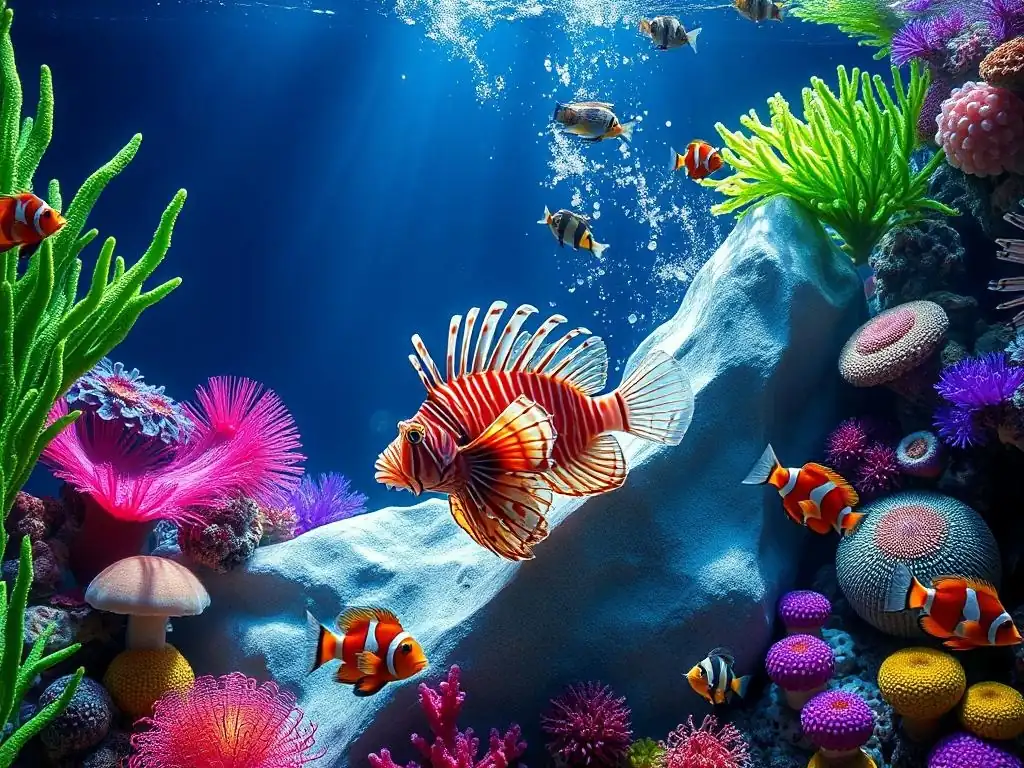
Welcome to Aquarium Mastery, where your aquatic ambitions take flight!
Ever wondered how to transform your aquarium into a serene sanctuary for even the most sensitive inhabitants? Dive in as we explore the fascinating world of lionfish stress reduction aquariums. Discover the secrets to creating a low-stress environment that allows these majestic predators to truly thrive. Intrigued? Keep reading to unlock the key to a healthier, happier lionfish!
- Understanding Lionfish Stress: A Key to Healthy Aquarium Keeping
-
Optimizing Your Lionfish Aquarium for Stress Reduction
- Tank Size Matters: Providing Ample Swimming Space for Lionfish
- Water Quality: Maintaining Pristine Conditions to Minimize Lionfish Stress
- Substrate and Decor: Creating a Natural and Secure Habitat
- Lighting Considerations: Reducing Stress Through Proper Illumination
- Filtration and Water Flow: Balancing Efficiency and Lionfish Comfort
- Minimizing External Stressors for Your Lionfish
- Advanced Techniques for Lionfish Stress Reduction
- Troubleshooting Common Lionfish Stress-Related Issues
- Long-Term Lionfish Care: Maintaining a Stress-Free Environment
-
Frequently Asked Questions
- What are the primary causes of stress in Lionfish within an aquarium environment?
- How can I minimize stress during the acclimation process for a new Lionfish?
- What tank parameters are most critical for Lionfish stress reduction?
- What type of tank setup and aquascaping is best for a stress-free Lionfish environment?
- How can I identify if my Lionfish is experiencing stress?
- Final Reflection: Cultivating Calm for Captive Majesty
- Ignite Your Lionfish's Wellbeing!
Understanding Lionfish Stress: A Key to Healthy Aquarium Keeping
Why Lionfish are Prone to Stress in Captivity
Lionfish, with their striking appearance and venomous spines, are captivating inhabitants of a saltwater aquarium. However, despite their formidable defenses, they are surprisingly sensitive to their captive environment and prone to stress. In their natural Indo-Pacific habitats, these ambush predators typically inhabit rocky crevices and coral reefs at depths ranging from 6 to 160 feet (approximately 2 to 50 meters), where they can find ample hiding spots and stable conditions. The confined and often fluctuating conditions of a home aquarium can significantly differ from this stable, spacious reality, leading to elevated stress levels.
Their inherent solitary nature in the wild, coupled with their sensitivity to rapid changes in water parameters, makes them particularly susceptible. Unlike some more robust species, lionfish do not tolerate inconsistent water quality or aggressive tank mates well. Chronic stress can suppress their immune system, making them vulnerable to diseases and diminishing their vibrant coloration and active behaviors. Therefore, understanding these predispositions is crucial for successful Lionfish stress reduction aquarium management.
Recognizing the Signs of Stress in Lionfish: Early Detection is Crucial
Detecting stress in lionfish requires keen observation, as their signs can be subtle. Common visual indicators include clamped fins (held close to the body), faded or dull coloration, rapid gill movement (indicating labored breathing), and lethargy where the fish remains motionless for extended periods. They might also hide excessively, refusing to emerge even during feeding times, or conversely, exhibit erratic, darting movements. Any deviation from their typical, calm hovering or slow patrol indicates potential distress.
Beyond visual cues, behavioral changes are significant. A stressed lionfish may refuse food for several days, despite being offered their preferred diet. They might also rub their bodies against tank decor or substrate, a behavior often associated with external parasites or irritation stemming from poor water quality. Persistent stress ultimately compromises their immune system, making them highly susceptible to common saltwater ailments like marine Ich, velvet, or bacterial infections. Recognizing these signs early allows for prompt intervention, which is vital for effective Lionfish stress reduction aquarium care.
Optimizing Your Lionfish Aquarium for Stress Reduction
Tank Size Matters: Providing Ample Swimming Space for Lionfish
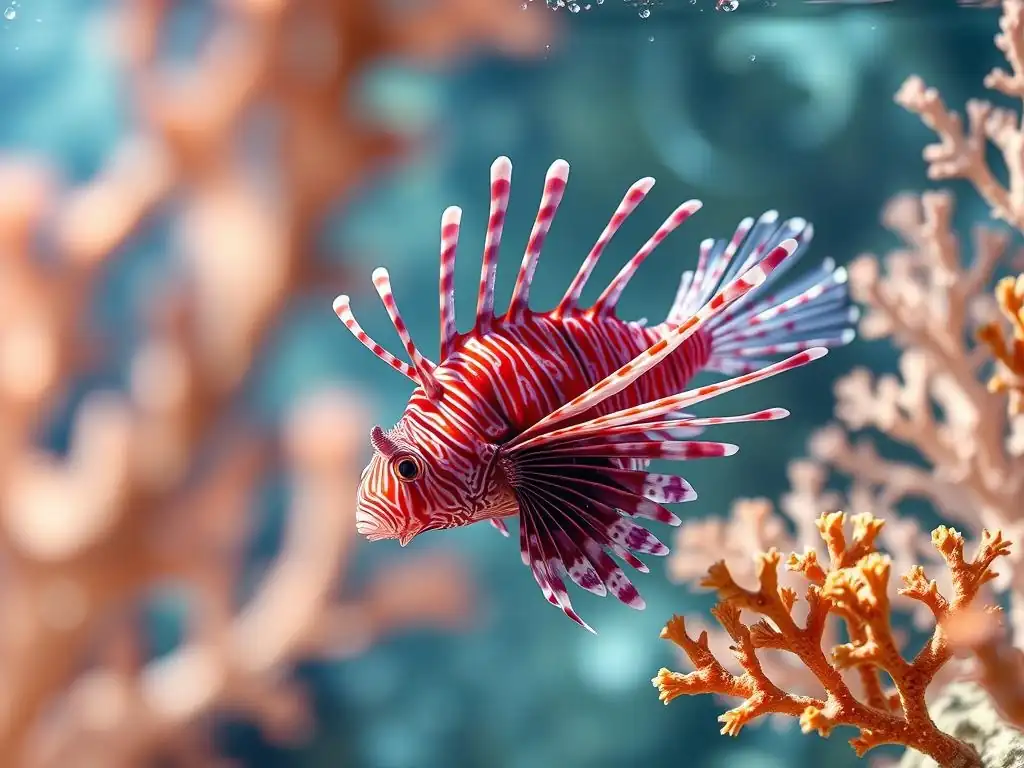
The physical dimensions of a lionfish aquarium play a pivotal role in their overall well-being and directly impact Lionfish stress reduction. For a single Dwarf Lionfish (such as Dendrochirus zebra or Dendrochirus brachypterus), a minimum tank size of 30 gallons is often recommended, though a 50-gallon tank provides significantly more comfort. For larger species like the Volitans Lionfish ( Pterois volitans), a tank of at least 75 gallons is considered the starting point, with 125 gallons or more being ideal for long-term health and preventing stunted growth.
Ample space allows lionfish to establish territories, reducing potential stress from perceived confinement. It also provides sufficient room for their natural predatory behaviors, such as slowly stalking prey or simply hovering gracefully. Furthermore, a larger water volume helps to dilute waste products more effectively, contributing to greater stability in water parameters. This stability is a cornerstone of Lionfish stress reduction aquarium environments, as it minimizes the frequent fluctuations that can trigger physiological stress.
Water Quality: Maintaining Pristine Conditions to Minimize Lionfish Stress
The Importance of Regular Water Changes for Lionfish Health
Maintaining impeccable water quality is paramount for minimizing stress in lionfish. Regular partial water changes are the most effective method for achieving this. These changes remove accumulated nitrates, phosphates, and other dissolved organic compounds that build up over time from fish waste and uneaten food. For a typical lionfish setup, a bi-weekly water change of 10-20% of the tank volume is a good starting point, though weekly changes might be necessary for heavily stocked tanks or those with less robust filtration.
Beyond pollutant removal, fresh saltwater replenishes essential trace elements and buffers that are naturally depleted in a closed system. This helps to stabilize critical parameters like pH and alkalinity, preventing the sudden drops or spikes that can be highly stressful to sensitive marine inhabitants. Consistent water changes are a fundamental practice in any Lionfish stress reduction aquarium strategy, ensuring a clean and healthy living space.
Monitoring and Adjusting Water Parameters: pH, Ammonia, Nitrite, and Nitrate
Diligent monitoring of key water parameters is non-negotiable for Lionfish stress reduction aquarium success. Ideal parameters for lionfish include a salinity of 1.020-1.025 specific gravity, a stable temperature range of 75-80°F (24-27°C), and a pH level between 8.1 and 8.4. Crucially, ammonia and nitrite levels must always be at 0 parts per million (ppm), as even trace amounts are highly toxic. Nitrate levels should be kept below 20 ppm, ideally below 10 ppm, as chronic exposure to high nitrates can cause significant stress and health issues.
Regular testing, at least once a week, allows aquarists to identify and correct imbalances before they become problematic. If parameters deviate, adjustments should be made gradually to avoid shocking the fish. For instance, using buffering agents for pH or performing small, frequent water changes for elevated nitrates are preferred over rapid, drastic corrections. Consistency in these parameters is a primary factor in preventing Lionfish stress, making routine testing an indispensable part of their care.
Substrate and Decor: Creating a Natural and Secure Habitat
Choosing the Right Substrate for a Lionfish Tank
The choice of substrate in a lionfish aquarium contributes significantly to their comfort and security. Fine sand or crushed coral are generally the most suitable options. Fine sand is particularly beneficial as it is gentle on their delicate fins and bellies, especially if they choose to rest on the bottom of the tank. Crushed coral, while slightly coarser, also provides some buffering capacity, which can help maintain stable pH levels.
It is crucial to avoid sharp or abrasive substrates that could potentially injure the lionfish's sensitive skin or fins. A shallow layer, typically 1 to 2 inches (2.5 to 5 cm) deep, is often sufficient. This depth prevents the formation of anaerobic pockets, which can produce harmful gases, and makes the substrate easier to clean during routine maintenance. While lionfish are not known for extensive digging, a soft, comfortable substrate promotes a more natural and stress-free environment.
Rockwork and Hiding Places: Essential Elements for Lionfish Security
For Lionfish stress reduction aquarium design, ample rockwork and the creation of numerous hiding places are absolutely essential. In their natural habitat, lionfish spend considerable time in caves, under ledges, and within rocky crevices, using these spots for both ambush hunting and retreating from perceived threats. Replicating this in the aquarium provides them with a crucial sense of security. Aquarists should aim to incorporate live rock or inert, aquarium-safe rock structures that form intricate caves, overhangs, and swim-throughs.
These secure retreats allow the lionfish to rest, digest food, and feel safe from tank mates or external disturbances. Without adequate hiding spots, lionfish can become perpetually stressed, leading to reclusive behavior or, conversely, increased nervousness. A well-scaped tank with plenty of secure rockwork can transform a potentially stressful environment into a calming sanctuary, mimicking their natural instincts and significantly contributing to a low-stress Lionfish stress reduction aquarium.
Lighting Considerations: Reducing Stress Through Proper Illumination
Avoiding Excessive Brightness: Mimicking Natural Lionfish Habitats
Lionfish naturally inhabit areas of the reef that are often dimly lit, or at least feature plenty of shaded spots provided by overhangs and deeper waters. Consequently, they are not accustomed to intense, direct lighting. Excessive brightness in an aquarium can be a significant source of stress for these sensitive fish, causing them to hide constantly, become lethargic, or exhibit faded coloration.
To mitigate this, aquarists should opt for moderate to dim lighting setups. LED lighting systems with adjustable intensity are ideal, allowing precise control over the light output. If the tank houses corals that require brighter light, ensure there are still ample shaded areas created by rockwork where the lionfish can retreat. The goal is to provide enough light for observation and any compatible invertebrates or less light-demanding plants, without overwhelming the lionfish and compromising the Lionfish stress reduction aquarium.
Implementing a Day/Night Cycle for Lionfish Wellbeing
A consistent and predictable day/night cycle is vital for the physiological and psychological well-being of lionfish, just as it is for most aquatic life. Using a timer to control the aquarium lights, providing a consistent period of illumination (e.g., 10-12 hours) followed by a period of darkness (e.g., 12-14 hours), helps establish natural circadian rhythms. This predictability reduces stress and promotes natural behaviors.
Sudden, erratic changes in lighting should be avoided as they can startle and stress the fish. A gradual dimming or brightening feature, if available on the lighting system, can further mimic natural sunrise and sunset, making the transition less abrupt. A stable light cycle contributes significantly to a lionfish's overall comfort and health, reinforcing a consistent Lionfish stress reduction aquarium environment.
Filtration and Water Flow: Balancing Efficiency and Lionfish Comfort
Robust and efficient filtration is indispensable for maintaining the pristine water quality necessary for Lionfish stress reduction aquarium success. A combination of mechanical (e.g., filter socks, sponges), biological (e.g., live rock, bio-balls), and chemical (e.g., activated carbon, GFO) filtration is highly recommended. A well-designed sump system, often incorporating a protein skimmer, provides superior filtration capacity and water volume stability, directly supporting a low-stress environment.
However, while strong filtration is crucial, the resultant water flow must be carefully managed. Lionfish prefer moderate to low water movement; they are not accustomed to battling strong currents in their natural, often sheltered habitats. Excessive water flow can be highly stressful, making it difficult for them to hover, swim, and rest comfortably.
Position powerheads or filter returns to create gentle, broad circulation rather than direct, powerful jets. Aim for a flow rate that turns over the tank volume approximately 5-10 times per hour, ensuring good oxygenation and waste removal without creating a "washing machine" effect that would counteract Lionfish stress reduction efforts.
Minimizing External Stressors for Your Lionfish
Tank Mates: Selecting Compatible Species to Avoid Aggression
Understanding Lionfish Temperament and Aggression Levels
Lionfish are often perceived as aggressive due to their predatory nature and venomous spines, but their temperament towards other fish is more nuanced. They are generally peaceful towards species too large to be considered prey. Their primary "aggression" is opportunistic predation; they will attempt to consume any fish or invertebrate that can fit into their surprisingly large mouths, which can expand significantly. They are not typically territorial or overtly aggressive towards larger tank mates, preferring to hover or slowly patrol their space.
However, they can be stressed by overly active, nippy, or aggressive tank mates. Fish that constantly dart around, harass, or compete for food can cause chronic stress to a lionfish. Their slow, deliberate movements and reliance on bluffing with their spines mean they are not well-equipped to deal with persistent harassment. Understanding this temperament is key to selecting appropriate tank mates for a low-stress Lionfish stress reduction aquarium.
Avoiding Known Lionfish Predators and Aggressors
To ensure a tranquil Lionfish stress reduction aquarium, certain species should be strictly avoided as tank mates. Large angelfish, triggerfish (especially larger species like Clown Triggers or Undulated Triggers), puffers, and certain moray eels or large groupers are known to either harass, nip at, or even prey upon lionfish. Triggerfish, for instance, are notorious for nipping at fins, which can cause significant stress and lead to infections in lionfish.
Even seemingly peaceful fish can become problematic if they are too small and become a meal, or if they are overly boisterous and disrupt the lionfish's calm demeanor. The ideal tank mates for lionfish are generally peaceful, similarly sized or larger, non-aggressive, and do not compete for the same hiding spots or food sources. Careful selection is paramount to prevent external stressors that can lead to Lionfish stress.
Feeding Practices: Reducing Stress During Meal Times
Offering a Varied Diet to Meet Nutritional Needs
Proper nutrition is a cornerstone of Lionfish stress reduction aquarium care. Lionfish are carnivores and thrive on a varied diet of meaty foods. High-quality frozen foods such as silversides, krill, mysis shrimp, and squid are excellent choices. It is crucial to avoid relying solely on one type of food; a varied diet ensures they receive a full spectrum of essential vitamins and nutrients, bolstering their immune system and overall vitality.
Feeder fish, such as mollies or guppies, are generally discouraged. They often carry diseases, lack the necessary nutritional value, and can introduce parasites into the main aquarium, directly counteracting Lionfish stress reduction efforts. Instead, train your lionfish to accept frozen, defrosted foods, which are safer and more nutritious. Feeding frequency typically ranges from 2-3 times per week for adult lionfish, or every other day for juveniles, depending on their size and activity level.
Avoiding Overfeeding and Maintaining Water Quality
While providing a varied diet is important, avoiding overfeeding is equally critical for maintaining a low-stress Lionfish stress reduction aquarium. Overfeeding leads to uneaten food decaying in the tank, which rapidly degrades water quality by increasing ammonia, nitrite, and especially nitrate levels. As previously noted, poor water quality is a primary stressor for lionfish.
Feed only what your lionfish can consume within a few minutes, typically a few pieces of food at a time. Observe their appetite and adjust feeding amounts accordingly. Any uneaten food should be promptly removed from the tank to prevent decomposition. By preventing water quality degradation caused by excess nutrients, you directly minimize a significant source of stress and ensure a healthier environment for your lionfish.
Handling and Acclimation: Minimizing Stress During Introduction
Proper Acclimation Procedures for New Lionfish
Introducing a new lionfish to an established aquarium is a critical period where stress can be significantly minimized with proper acclimation. The drip acclimation method is highly recommended for these sensitive fish. This involves slowly adding water from the main display tank to the bag or container holding the new lionfish, typically over a period of 45-60 minutes, using an airline tube and a knot to control the drip rate. This gradual equalization of temperature, pH, and salinity prevents osmotic shock, a major stressor.
During and immediately after acclimation, it's beneficial to dim the aquarium lights to reduce sensory overload for the new arrival. Provide plenty of hiding spots in the tank so the lionfish can retreat and feel secure as it adjusts to its new surroundings. A calm, unhurried introduction sets the stage for a successful and low-stress transition into your Lionfish stress reduction aquarium.
Avoiding Unnecessary Handling of Your Lionfish
Given their venomous spines, direct handling of lionfish should be avoided at all costs, both for the aquarist's safety and the fish's well-being. Physical contact can cause immense stress to the lionfish and potentially damage their delicate fins or protective slime coat, making them vulnerable to infection. Even if you are careful, the act of netting or touching them is highly traumatic.
If a lionfish absolutely must be moved (e.g., for tank maintenance, rehoming, or treatment), use a large, rigid plastic container or a wide-mouthed net to gently scoop the entire fish, minimizing any direct contact or squeezing. This method reduces physical stress and the risk of injury to the fish, making it a crucial practice in maintaining a low-stress Lionfish stress reduction aquarium.
Advanced Techniques for Lionfish Stress Reduction
Using Live Rock for Enhanced Water Quality and Natural Habitat
Live rock is an invaluable asset for any Lionfish stress reduction aquarium, offering both biological filtration benefits and crucial habitat enrichment. It provides an immense surface area for beneficial nitrifying and denitrifying bacteria, which convert toxic ammonia and nitrite into less harmful nitrates, and further reduce nitrates into nitrogen gas. This natural biological filtration significantly enhances water quality stability, a key factor in preventing Lionfish stress.
Beyond filtration, live rock creates a complex and naturalistic environment. Its nooks, crannies, and overhangs provide the lionfish with abundant hiding places and ambush points, mimicking their native coral reef habitats. This sense of security and naturalistic setting reduces psychological stress, encouraging more natural behaviors and contributing to overall Lionfish stress reduction. Aim for at least 1 to 1.5 pounds of live rock per gallon of tank water for optimal benefits.
Implementing a Refugium for Natural Filtration and Food Production
A refugium, a separate but connected chamber to the main display tank, is an advanced technique that significantly contributes to Lionfish stress reduction aquarium environments. Typically, a refugium houses beneficial macroalgae, such as Chaetomorpha or Ulva, which efficiently absorb nitrates and phosphates from the water, acting as natural nutrient export systems. Some refugiums also incorporate a deep sand bed for enhanced denitrification.
Furthermore, refugiums provide a safe haven for the proliferation of beneficial microfauna, including copepods and amphipods. These tiny crustaceans can then migrate into the main display tank, serving as a continuous, natural food source for the lionfish. This live food supplements their diet, encourages natural hunting behaviors, and adds to the overall biodiversity and stability of the system, further reducing stress and promoting a thriving Lionfish stress reduction aquarium.
Employing a Protein Skimmer for Organic Waste Removal
A high-quality protein skimmer is an indispensable piece of equipment for maintaining pristine water quality in a Lionfish stress reduction aquarium, especially for larger setups or those with a higher bioload. Protein skimmers work by using fine air bubbles to remove dissolved organic compounds (DOCs) from the water before they can break down into nitrates and phosphates. These DOCs include fish waste, uneaten food, and other decaying matter.
By efficiently removing these organic pollutants, a protein skimmer significantly reduces the overall bioload on the system and prevents the accumulation of harmful substances. This consistent removal of potential toxins directly mitigates a major source of stress for lionfish, contributing to a more stable and healthier environment. A well-sized and properly maintained skimmer can remove anywhere from 30% to 50% of the organic waste in a system, making it a powerful tool for Lionfish stress reduction.
Diagnosing and Treating Diseases Triggered by Stress
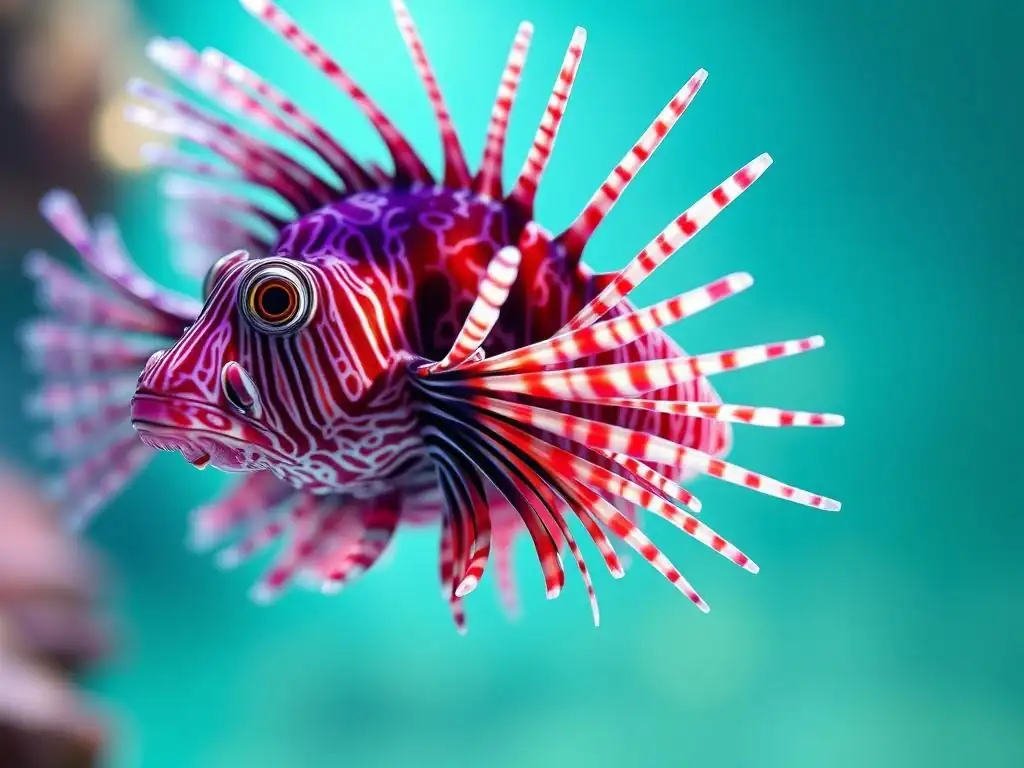
Stress is a leading cause of compromised immune systems in lionfish, making them highly susceptible to common saltwater diseases. When a lionfish is stressed, its natural defenses weaken, allowing opportunistic pathogens to take hold. Marine Ich ( Cryptocaryon irritans) and Velvet ( Amyloodinium ocellatum) are two prevalent parasitic infections that often emerge in stressed fish, manifesting as white spots (Ich) or a fine, dusty film (Velvet) on the body and fins, accompanied by labored breathing or scratching.
Diagnosing these diseases requires careful observation of physical symptoms and behavioral changes. Treatment often involves transferring the affected fish to a quarantine tank for specific medication (e.g., copper-based treatments for Ich) or hyposalinity. However, it is crucial to simultaneously address the underlying stressors in the main aquarium to prevent recurrence. A proactive approach to Lionfish stress reduction aquarium maintenance is the best defense against disease outbreaks.
Addressing Fin Rot and Other Infections
Fin rot, characterized by frayed, deteriorating, or discolored fins, is a common bacterial infection that frequently affects stressed lionfish. Poor water quality, physical injury, or a weakened immune system due to chronic stress are primary culprits. Other bacterial infections might manifest as cloudy eyes, red lesions, or general lethargy. These infections can rapidly worsen if left untreated, potentially leading to more severe systemic issues.
Treatment for fin rot and other bacterial infections typically involves improving water quality through increased frequency of water changes and ensuring robust filtration. In some cases, administering broad-spectrum antibiotics or antibacterial medications, preferably in a hospital tank, may be necessary. Maintaining a consistently clean and stable environment is paramount for both treating existing infections and preventing future occurrences, directly supporting Lionfish stress reduction.
Managing Parasites and Other External Irritants
Beyond Ich and Velvet, lionfish can be afflicted by other external parasites such as flukes (trematodes) or various types of external copepods. These irritants can cause the fish to "flash" or rub against tank decor, display lethargy, or exhibit increased slime coat production. Parasitic infestations are often introduced with new, unquarantined fish or live rock, highlighting the importance of preventative measures.
Implementing a strict quarantine procedure for all new arrivals (fish, invertebrates, and even some live rock) is the most effective way to prevent the introduction of these parasites into your main Lionfish stress reduction aquarium. If an infestation occurs, freshwater dips (brief immersion for 5-10 minutes, with careful observation) can sometimes dislodge external parasites. However, for persistent or severe infestations, specific antiparasitic medications may be required, emphasizing the need for quick and accurate diagnosis.
Long-Term Lionfish Care: Maintaining a Stress-Free Environment
Regular Observation and Monitoring of Your Lionfish
Long-term Lionfish stress reduction aquarium success hinges on consistent, diligent observation. Daily monitoring of your lionfish's behavior, appetite, coloration, and physical condition is the most effective way to detect early signs of stress or illness. Look for subtle changes: is it hiding more than usual? Is its breathing rate elevated? Does its coloration appear duller? Is it refusing food it previously enjoyed?
Maintaining a detailed log of your aquarium's water parameters, feeding habits, and any observed changes in your lionfish's behavior can be incredibly valuable. This data allows you to identify trends or potential problems before they escalate into critical health issues. Proactive detection through regular observation is a cornerstone of maintaining a truly stress-free environment for your lionfish.
Prevention is always superior to treatment, especially when it comes to Lionfish stress reduction. Adhering to a strict and consistent maintenance schedule is paramount. This includes weekly testing of all critical water parameters (salinity, temperature, pH, ammonia, nitrite, nitrate), bi-weekly partial water changes (10-20% of tank volume), and regular cleaning or replacement of filter media. Siphoning detritus from the substrate and rinsing filter socks or sponges regularly prevents the buildup of organic waste.
By consistently maintaining optimal water quality and a stable environment, you minimize the fluctuations and pollutant accumulation that are primary stressors for lionfish. Proactive, routine care reduces the likelihood of stress-induced illnesses and ensures that your lionfish thrives, making long-term health and vitality an achievable reality in your Lionfish stress reduction aquarium.
The Rewards of a Happy and Healthy Lionfish
The dedication and effort invested in creating and maintaining a low-stress environment for your lionfish yield immense rewards. A well-cared-for lionfish will display vibrant, striking coloration, healthy and intact fins, and engage in natural behaviors such as graceful hovering, slow patrolling, and eager acceptance of food during feeding times. They transform from potentially stressed, reclusive creatures into the captivating, majestic centerpieces of your marine aquarium.
Witnessing a thriving lionfish, free from the burdens of chronic stress, is a truly satisfying experience for any aquarist. Their unique beauty, fascinating predatory nature, and surprisingly calm demeanor are best appreciated when they are in optimal health, showcasing the direct positive impact of diligent Lionfish stress reduction aquarium efforts. The longevity and vitality of your lionfish are the ultimate testament to successful care.
Frequently Asked Questions
What are the primary causes of stress in Lionfish within an aquarium environment?
Lionfish stress is often caused by poor water quality, inadequate tank size, and aggressive tank mates. Ensuring a stable environment is crucial.
How can I minimize stress during the acclimation process for a new Lionfish?
A slow and gradual acclimation is key. Use the drip acclimation method to introduce the Lionfish to your tank's water parameters over several hours, minimizing shock to its system.
What tank parameters are most critical for Lionfish stress reduction?
Maintaining stable water parameters, particularly ammonia, nitrite, and nitrate levels, is vital. Also, ensure the correct salinity and pH for Lionfish health.
What type of tank setup and aquascaping is best for a stress-free Lionfish environment?
Provide plenty of hiding places with rocks and caves. A larger tank also reduces stress by providing ample swimming space and minimizing territorial disputes.
How can I identify if my Lionfish is experiencing stress?
Signs of stress include loss of appetite, erratic swimming, color fading, and increased hiding. Prompt action to address the underlying cause is necessary.
Final Reflection: Cultivating Calm for Captive Majesty
The insights shared throughout this article highlight the crucial link between environmental design and the well-being of sensitive lionfish, underscoring the importance of proactive stress reduction in aquarium keeping. Understanding and addressing the specific needs of these captivating creatures is not merely a matter of responsible pet ownership, but a commitment to fostering a thriving ecosystem within the confines of our glass boxes. The principles discussed are more relevant than ever, as the aquarium hobby continues to evolve towards more ethical and sustainable practices.
This journey into the world of lionfish care has profoundly influenced my perspective on the delicate balance within aquariums. It's a constant reminder that our actions directly impact the lives of these animals, and that even seemingly small adjustments can make a world of difference. The greatness of a nation and its moral progress can be judged by the way its animals are treated.
- Mahatma Gandhi. This quote resonates deeply when considering the responsibility we bear in providing optimal conditions for these magnificent, yet vulnerable, creatures.
Now, I invite you to reflect on the knowledge gained and consider how you can apply these principles to your own aquarium endeavors. Whether you're a seasoned aquarist or just beginning your journey, remember that creating a low-stress environment is an ongoing process of observation, adaptation, and unwavering commitment. Let us all strive to be mindful stewards of these underwater worlds, ensuring that our lionfish, and all our aquatic companions, thrive in a haven of tranquility.
Ignite Your Lionfish's Wellbeing!
Thank you for diving into the art of creating a stress-free haven for your lionfish. We hope you’ve uncovered valuable insights to enhance their environment and happiness. Now, let's translate that knowledge into action!
- Immediately assess your current tank setup: Note any potential stressors, such as overly bright lighting, aggressive tankmates, or inadequate hiding spots.
- Share your newfound knowledge! Post a picture of your lionfish's environment on your favorite social media platform, using #AquariumMasteryLionfish, and inspire others to create the best possible homes for their aquatic pets.
- Consider adding a new, unique piece of decor to your lionfish tank. Something they can both hide in and use to hunt.
What's one simple change you're committed to making this week to reduce stress in your lionfish's life?