
Wrasses and Ornamental Clams: A Safe Partnership or Potential Disaster?

Welcome to Aquarium Mastery!
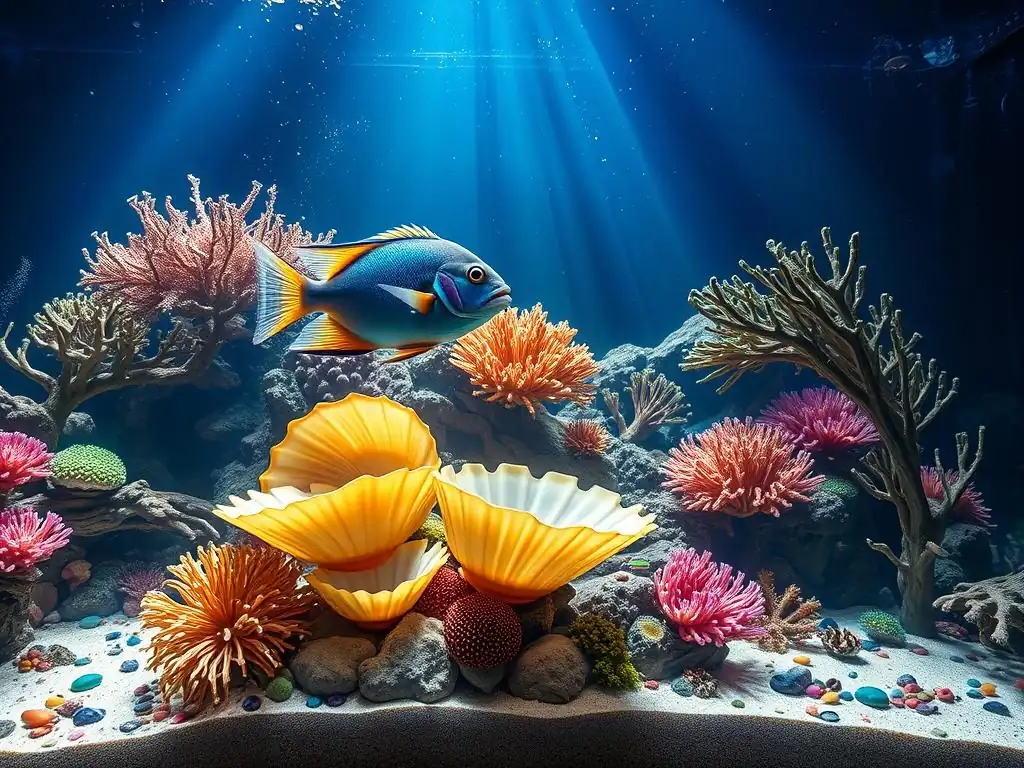
Ever wondered if those vibrant wrasses you admire could peacefully coexist with the delicate beauty of ornamental clams in your saltwater aquarium? It's a question that keeps many aquarists up at night. Dive into our comprehensive guide on Wrasse and Clam Compatibility to uncover the secrets of creating a thriving, harmonious reef environment. Are they truly a match made in heaven, or a recipe for disaster? Let's find out!
- Understanding Wrasse and Clam Interactions in Reef Aquariums
- Assessing Wrasse and Clam Compatibility: Key Considerations
- Safe Wrasse Species for Clam Tanks: Choosing the Right Tank Mates
- Creating a Clam-Safe Environment with Wrasses: Best Practices
- Monitoring Wrasse and Clam Behavior: Identifying Potential Problems
- Alternative Tank Mates for Clams: Expanding Your Reef Aquarium
- Troubleshooting Wrasse and Clam Incompatibility Issues
- Conclusion: Achieving a Harmonious Reef Aquarium with Wrasses and Clams
-
Frequently Asked Questions
- How likely is it that a wrasse will harm my ornamental clam in an aquarium?
- Which wrasse species are generally considered safest to keep with clams?
- What signs should I look for to determine if my wrasse is bothering my clam?
- If my wrasse is bothering my clam, what steps can I take to resolve the issue?
- Are there any specific types of ornamental clams that are more susceptible to wrasse predation?
- Final Reflection: Navigating the Delicate Balance of Reef Ecosystems
- Dive Deeper: Nurture Your Reef with Confidence!
Understanding Wrasse and Clam Interactions in Reef Aquariums
Introduction to Wrasses and Their Role in Reef Tanks
Wrasses are an incredibly diverse family of fish (Labridae), encompassing over 500 known species that inhabit coral reefs and rocky shorelines worldwide. Ranging from a mere inch to several feet in length, these active and often vibrantly colored fish are a popular addition to many saltwater aquariums.
Their natural roles in the reef ecosystem vary widely; some are specialized cleaners, others are active predators of small invertebrates, while many are generalist foragers, sifting through sand or picking at rockwork for crustaceans, worms, and mollusks. Their energetic swimming patterns and intriguing behaviors, such as burying themselves in the sand at night or forming mucous cocoons, add significant dynamism to a reef tank.
In the home aquarium, wrasses are prized not only for their aesthetic appeal but also for their potential pest control benefits. Many species, particularly those from the Halichoeres and Macropharyngodon genera, are known for consuming nuisance pests like flatworms, pyramid snails (which prey on clams), and small copepods. However, this same predatory inclination, which is beneficial for pest control, can also pose a risk to other desirable invertebrates within the reef system, making careful consideration of wrasse and clam compatibility crucial for aquarists aiming for a harmonious display.
Introduction to Ornamental Clams: Beauty and Sensitivity
Ornamental clams, primarily species from the Tridacna genus, are among the most captivating and sought-after invertebrates in the reef aquarium hobby. Their dazzling array of colors, intricate mantle patterns, and impressive size make them stunning focal points. These clams are sessile filter feeders, relying heavily on photosynthesizing zooxanthellae algae living within their mantle tissue for the majority of their energy, much like stony corals. They also filter phytoplankton and other small organic particles from the water column, contributing to nutrient cycling within the aquarium.
Despite their robust appearance, Tridacna clams are surprisingly sensitive creatures. They require stable water parameters, high-quality lighting (typically 100-400 PAR depending on species), and adequate calcium, alkalinity, and magnesium levels for shell growth and overall health. Once a clam settles and attaches its byssal foot, it becomes largely immobile, making it vulnerable to persistent harassment or predation. Their inability to quickly escape a threat means that even seemingly minor disturbances from tank mates can lead to chronic stress, mantle retraction, and ultimately, a decline in health or even mortality.
Assessing Wrasse and Clam Compatibility: Key Considerations
Predatory Behavior: Do Wrasses Eat Clams?
The question of whether wrasses eat clams is not a simple yes or no; it largely depends on the specific wrasse species, its individual temperament, and the size and health of the clam. Many wrasses are opportunistic carnivores, and while a large Tridacna gigas clam might be too formidable, smaller or stressed clams, particularly those under 2-3 inches in size, can become targets. Wrasses possess strong, often conical teeth and powerful jaws designed for picking at rocks or crushing small invertebrates. This dentition allows them to nip at the delicate mantle tissue of clams, causing irritation and injury.
Even if a wrasse does not consume the entire clam, persistent nipping or "taste-testing" can inflict significant stress. The clam's constant need to retract its mantle in response to harassment prevents it from fully extending its photosynthetic tissues to absorb light and limits its ability to filter feed. This chronic stress can lead to starvation, bleaching (loss of zooxanthellae), and increased susceptibility to diseases, ultimately jeopardizing the clam's long-term survival in the aquarium.
Identifying Wrasse Species Known to Prey on Clams
Certain wrasse species are notorious for their predatory tendencies towards clams and other sessile invertebrates. For instance, many members of the Thalassoma genus, such as the Moon Wrasse ( Thalassoma lunare) or the Six-bar Wrasse ( Thalassoma hardwicke), are highly active and aggressive predators that can grow quite large, often exceeding 8 inches in captivity.
Their natural diets in the wild frequently include small mollusks and crustaceans, making them a significant risk to ornamental clams. Similarly, larger Coris species, like the African Coris Wrasse ( Coris gaimard), while beautiful, can become problematic as they mature, often developing an appetite for various invertebrates, including snails and potentially clam mantle.
Another group to approach with caution are certain Macropharyngodon (Leopard Wrasse) species. While often lauded for their beauty and pest-eating capabilities, their natural diet of small invertebrates sifted from the sand can sometimes extend to juvenile clams or the byssal threads of larger clams. While not as overtly predatory as Thalassoma wrasses, their constant foraging behavior can still stress clams, particularly if the clam is newly introduced or already weakened. It is critical for aquarists to research the specific dietary habits and maximum adult size of any wrasse species before introducing it to a clam-inclusive reef tank.
Understanding Clam Vulnerability to Wrasse Predation
Ornamental clams exhibit varying degrees of vulnerability to wrasse predation, largely influenced by their size, species, and overall health. Juvenile clams, typically less than 2-3 inches in shell length, are significantly more susceptible due to their smaller size, thinner mantle tissue, and less developed byssal attachment. A wrasse that might ignore a 6-inch Tridacna maxima could easily inflict fatal damage on a 1-inch Tridacna crocea. Species like Tridacna crocea and Tridacna maxima, with their more exposed mantle, may also be more vulnerable than Tridacna derasa or Tridacna gigas, which tend to retract more deeply into their shells.
Beyond physical size, the clam's health plays a critical role in its resilience. A clam already stressed by poor water quality, inadequate lighting, or insufficient nutrition will have a weaker immune response and less energy to cope with constant harassment.
Such a clam might keep its mantle retracted for prolonged periods, leading to further decline and making it an easier target for opportunistic nipping. Conversely, a robust, well-established clam with a strong byssal attachment and optimal health is better equipped to withstand minor disturbances, though continuous aggression from a highly predatory wrasse will eventually take its toll regardless of clam vitality.
Wrasse Size and Activity Level: Impact on Clam Health
The sheer physical presence and activity level of certain wrasse species can significantly impact clam health, even if direct predation is not occurring. Larger wrasses, particularly those exceeding 6-8 inches, can inadvertently disturb clams through their vigorous swimming. A powerful tail flick or a sudden darting motion near a clam can create localized water turbulence that causes the clam to retract its mantle out of reflex. While a single instance might be harmless, repeated disturbances throughout the day can lead to chronic stress.
Furthermore, large, active wrasses can physically dislodge smaller or poorly secured clams. A wrasse attempting to sift sand or forage near a clam that is not firmly attached to the rockwork might accidentally knock it over. This can result in the clam landing in an unfavorable position (e.g., upside down, in low light, or in an area of unsuitable flow), leading to further stress, inability to open, and potential starvation. Therefore, understanding the adult size and typical activity patterns of a wrasse species is crucial for maintaining a clam-safe environment.
The Effect of Large, Active Wrasses on Clam Placement
The placement of ornamental clams in a reef aquarium is paramount for their long-term health, and this becomes even more critical when housing them with active wrasses. Large wrasses, such as adult Thalassoma species or even some larger Halichoeres wrasses (e.g., the Radiant Wrasse, Halichoeres iridis, which can reach 6 inches), can create considerable water movement as they dart across the tank.
If a clam is placed on an unstable surface or precariously perched, the constant vibrations or direct physical contact from a rapidly moving wrasse can easily dislodge it. For instance, a 7-inch Thalassoma wrasse, known for its swift movements, could inadvertently send a 2-inch Tridacna crocea tumbling from a rock ledge.
To mitigate this, clams must be securely affixed to stable rockwork using reef-safe epoxy or super glue gel. For species like Tridacna crocea and Tridacna maxima that naturally bore into or attach to rock, ensuring they have a secure crevice or flat surface to adhere to is vital.
Even for Tridacna derasa clams, which often sit on the sand bed, placing them in a slightly recessed area or against a stable piece of rock can prevent them from being rolled or pushed around by active tank inhabitants. Proper, secure placement minimizes physical trauma and reduces the clam's stress response to its tank mates.
Wrasse-Induced Stress and Its Consequences for Clams
Wrasse-induced stress in clams manifests as a series of physiological responses that, if prolonged, can lead to severe health deterioration. The primary visible sign is chronic mantle retraction. While a clam will naturally retract its mantle in response to shadows or immediate threats, constant or prolonged retraction due to wrasse harassment prevents it from fully photosynthesizing. This reduces the clam's primary energy source, leading to a gradual depletion of its internal energy reserves. Over time, this energetic deficit weakens the clam, making it more vulnerable to diseases and less able to cope with other environmental stressors.
The long-term consequences of such chronic stress include stunted growth, loss of vibrant coloration (bleaching), and increased susceptibility to infections like "pinched mantle disease," a common ailment in stressed Tridacna clams. In severe cases, constant harassment can lead to the clam detaching its byssal foot, which is a highly stressful event that often results in mortality.
Even if the clam survives the immediate threat, its overall lifespan can be significantly shortened. For instance, a Tridacna maxima that might live for 20-30 years in an optimal, stress-free environment could succumb within months or a year if subjected to continuous wrasse harassment.
Safe Wrasse Species for Clam Tanks: Choosing the Right Tank Mates
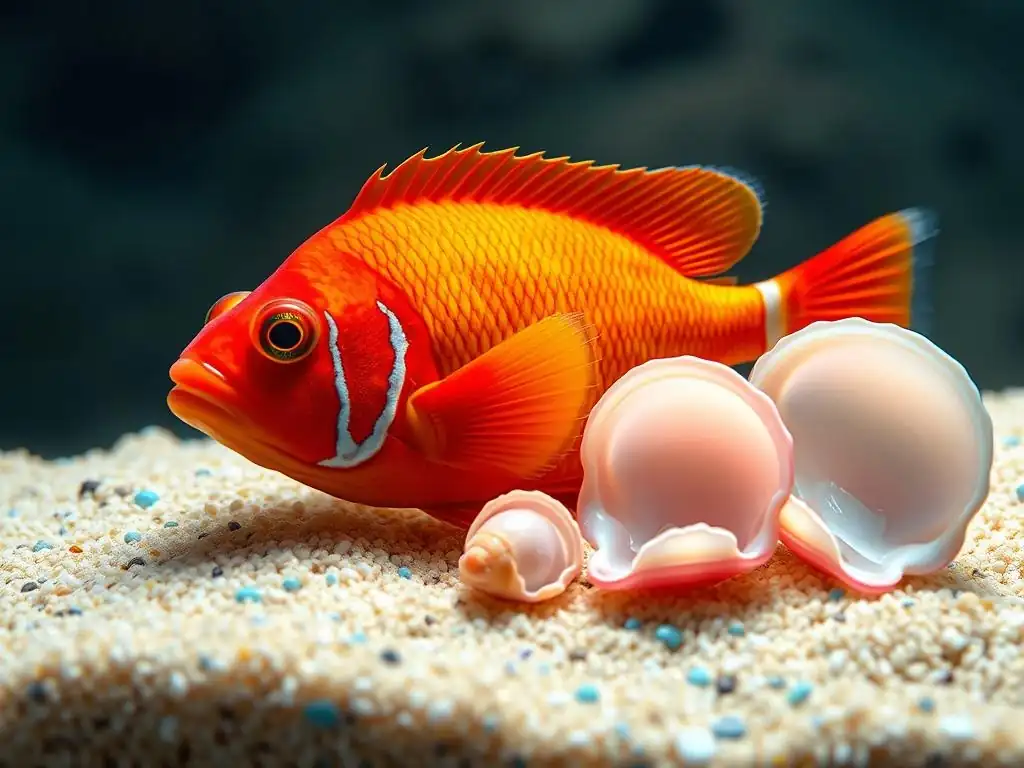
Recommended Wrasse Species for Reef Aquariums with Clams
When selecting wrasse species for a reef aquarium that houses ornamental clams, the primary considerations should be their adult size, dietary habits, and overall temperament. Generally, smaller, less aggressive wrasses that primarily feed on zooplankton or tiny benthic invertebrates (rather than larger crustaceans or mollusks) are the safest bet. It is also important to consider the individual personality of the fish, as some specimens may deviate from typical species behavior. Always purchase wrasses from reputable sources and observe their behavior in the store if possible.
Many aquarists successfully keep a variety of wrasses with clams by focusing on species known for their peaceful nature and appropriate feeding habits. This involves careful research into the specific needs and potential risks associated with each wrasse, ensuring that their natural behaviors align with the delicate environment provided by clams. The goal is to choose a wrasse that enhances the biodiversity and visual appeal of the tank without posing a threat to its most sensitive inhabitants.
Halichoeres chrysus (Yellow Coris Wrasse): A Generally Safe Option
The Yellow Coris Wrasse ( Halichoeres chrysus) is frequently cited as one of the most reef-safe and clam-compatible wrasses available to aquarists. Growing to a modest adult size of about 4-5 inches, this species is known for its bright yellow coloration and active, inquisitive nature. Their primary diet consists of small benthic invertebrates found in the sand bed and on live rock, including nuisance pests such as pyramid snails (a common clam predator) and flatworms. This makes them a beneficial addition to many reef tanks, contributing to pest control.
Despite their foraging habits, Halichoeres chrysus rarely bother ornamental clams. Their mouths are relatively small, and their feeding technique typically involves sifting sand or picking at detritus, not tearing at large, soft tissues. While any fish can be an individual exception, the vast majority of aquarists report excellent wrasse and clam compatibility with this species. They are generally peaceful towards other tank mates as well, making them a popular and reliable choice for mixed reef aquariums.
Cirrhilabrus spp. (Fairy Wrasses): Colorful and Often Compatible
Fairy Wrasses, belonging to the genus Cirrhilabrus, are highly prized for their stunning, iridescent coloration and relatively peaceful temperament. Most species in this genus, such as the Exquisite Wrasse ( Cirrhilabrus exquisitus), Lubbock's Fairy Wrasse ( Cirrhilabrus lubbocki), and various other "Lineatus" or "Roseafascia" complex wrasses, reach an adult size of 3-5 inches. Their natural diet primarily consists of zooplankton and small, free-swimming crustaceans in the water column, rather than benthic invertebrates or sessile organisms.
This dietary preference makes Cirrhilabrus species an excellent choice for tanks with ornamental clams. They are active swimmers that add a dynamic splash of color to the upper and mid-levels of the aquarium, but they typically show no interest in picking at or harassing clams. While some larger males might display territorial behavior towards other wrasses, their interactions with invertebrates, including clams, are almost universally benign, making them a top recommendation for wrasse and clam compatibility.
Wrasse Species to Avoid in Clam Tanks: Potential Risks
Just as certain wrasses are generally safe for clam tanks, others pose a significant and often unavoidable risk. These species typically grow larger, exhibit more aggressive feeding behaviors, or have natural diets that include mollusks or larger invertebrates. Introducing them into a tank with ornamental clams is a gamble that usually ends poorly for the clam. It's crucial for aquarists to prioritize the well-being of their sensitive invertebrates over the desire to keep a potentially problematic fish.
Understanding the specific predatory behaviors and dietary needs of these high-risk wrasses is paramount. Their powerful jaws and opportunistic nature mean that even a well-fed specimen might, out of curiosity or instinct, decide to nip at a clam's mantle. The damage inflicted can be severe and rapid, leading to irreversible harm. Therefore, avoiding these species altogether in a clam-centric reef aquarium is the safest and most responsible approach to ensure wrasse and clam compatibility.
Thalassoma lunare (Moon Wrasse): Known Clam Predators
The Moon Wrasse ( Thalassoma lunare) is perhaps one of the most widely recognized wrasse species to avoid in any reef tank containing ornamental clams or other sensitive invertebrates. Growing to an impressive size of up to 10-12 inches in captivity, this wrasse is a highly active and aggressive predator. Its natural diet in the wild includes a wide variety of crustaceans, mollusks, and small fish, which it actively hunts and consumes. Their powerful jaws and sharp teeth are perfectly adapted for crushing shells and tearing at soft tissues.
Due to their large size, high activity level, and predatory dietary preferences, Moon Wrasses are almost guaranteed to harass and eventually kill ornamental clams. They will relentlessly nip at the clam's mantle, preventing it from opening, and can inflict severe physical damage. Even large, healthy clams are rarely safe from a determined Thalassoma lunare. Their inclusion in a reef tank with clams represents an extreme risk and should be avoided at all costs if wrasse and clam compatibility is a goal.
Macropharyngodon meleagris (Leopard Wrasse): Diet and Clam Interactions
The Leopard Wrasse ( Macropharyngodon meleagris) is a stunningly beautiful fish, known for its intricate spotted pattern and graceful swimming. However, despite its popularity, its compatibility with clams is a nuanced issue that warrants caution. Leopard Wrasses are specialized sand-sifters, spending much of their time sifting through the substrate in search of small invertebrates such as copepods, amphipods, small snails, and worms. This dietary specialization can sometimes lead to problems with clams.
While they are not typically aggressive predators of large clams, their constant sifting and probing can disturb newly introduced or small clams (under 2 inches). More critically, they may opportunistically nip at the clam's byssal threads or its mantle if it appears vulnerable, especially if underfed. Cases have been reported where Leopard Wrasses have stressed or even killed smaller Tridacna clams through persistent harassment rather than outright predation. Therefore, while not as definitively problematic as Thalassoma species, aquarists aiming for optimal wrasse and clam compatibility should exercise caution and closely monitor Macropharyngodon wrasses around their clams.
Creating a Clam-Safe Environment with Wrasses: Best Practices
Proper Acclimation of Wrasses to Minimize Clam Stress
Proper acclimation is a critical first step when introducing any new fish, including wrasses, to an established reef aquarium, especially one housing sensitive ornamental clams. A poorly acclimated wrasse can be stressed, leading to erratic behavior or increased aggression as it tries to assert itself or find food in a new environment.
Drip acclimation over a period of 45-60 minutes is highly recommended to slowly equalize water parameters such as pH, salinity, and temperature, minimizing shock to the fish. This gradual process allows the wrasse to adjust to its new surroundings without the immediate physiological stress that could trigger undesirable behaviors.
Furthermore, it is advisable to introduce wrasses to a well-established tank where clams are already healthy and securely settled. Introducing a clam to a tank with an existing, unsettled wrasse might increase the clam's vulnerability, as the wrasse may view the new arrival as a potential food source or intruder. Allowing the wrasse to settle into its new home for a few days before any new additions, or ensuring both are introduced to a mature, stable system, can significantly improve the chances of successful wrasse and clam compatibility from the outset.
Strategic Clam Placement to Avoid Wrasse Harassment
Strategic placement of ornamental clams within the aquarium is one of the most effective methods to minimize potential wrasse harassment and ensure their long-term health. Clams should be securely affixed to stable rockwork using reef-safe epoxy or super glue gel. This prevents them from being dislodged or knocked over by active wrasses, which can cause physical damage or send the clam tumbling into an unsuitable area of the tank. For species like Tridacna crocea or Tridacna maxima that naturally wedge into crevices, finding a secure, tight-fitting spot can provide a degree of physical protection.
Beyond physical stability, consider the clam's specific needs for light and flow. Clams are photosynthetic and require adequate PAR (Photosynthetically Active Radiation) levels appropriate for their species – for example, Tridacna crocea often thrives under 200-400 PAR, while Tridacna derasa might be content with 100-250 PAR. Placing them in areas with moderate, laminar flow ensures they can filter feed efficiently without being buffeted. By optimizing these environmental factors, the clam remains healthy and robust, making it more resilient to any potential stress from wrasses.
Using Rockwork and Substrate to Protect Clams
The aquascape itself can serve as a vital defensive barrier for ornamental clams against potentially curious or aggressive wrasses. Designing the rockwork with overhangs, ledges, and crevices allows for the strategic placement of clams in areas that offer some physical protection. For instance, positioning a smaller clam under a slight overhang or within a narrow gap in the live rock can make it less accessible to a large, active wrasse that might otherwise attempt to nip at its mantle. This creates a semi-protected zone where the clam can extend its mantle without constant direct exposure to the wrasse's movements.
For clams that primarily reside on the sand bed, such as Tridacna derasa, creating a slightly recessed area or surrounding them with smaller pieces of stable rock can prevent them from being rolled or pushed around by wrasses sifting the substrate. While a wrasse can still access the clam, these subtle physical barriers can deter casual nipping by making the clam less of an immediate target. This proactive approach to aquascaping is essential for fostering positive wrasse and clam compatibility, especially in mixed reef environments.
Considering Water Flow and Lighting for Optimal Clam Health
While not directly related to wrasse behavior, ensuring optimal water flow and lighting is paramount for maintaining robust clam health, which in turn enhances their resilience against any potential stress from tank mates. Clams rely on stable, moderate water flow to deliver phytoplankton and other food particles for filter feeding, as well as to carry away waste products. However, overly turbulent or direct flow can cause chronic mantle retraction, hindering their ability to photosynthesize and feed. Ideal flow should be laminar and indirect, allowing the clam to fully extend its mantle without being buffeted.
Equally important is providing the correct light intensity and spectrum. As mentioned, Tridacna clams derive a significant portion of their energy from their symbiotic zooxanthellae. Inadequate lighting (low PAR) leads to starvation and bleaching, weakening the clam and making it highly susceptible to any form of stress, including potential wrasse harassment. Conversely, excessive PAR can also be detrimental, causing light shock. Regular monitoring of PAR levels with a senor and stable lighting schedules are crucial to ensure clams are receiving the optimal energy input, enabling them to thrive and better withstand the presence of active wrasses.
Feeding Strategies to Reduce Wrasse Predation on Clams
A well-fed wrasse is generally a less problematic wrasse, particularly when it comes to opportunistic nipping at sensitive invertebrates like clams. One of the most effective strategies to promote wrasse and clam compatibility is to ensure the wrasse is consistently and adequately fed. Providing a varied diet of high-quality frozen foods (such as mysis shrimp, brine shrimp, and finely chopped seafood) and nutrient-rich pellets or flakes 2-3 times a day can satiate the wrasse's appetite and reduce its inclination to seek out alternative food sources, such as clam mantle.
This consistent feeding regimen helps to mimic the continuous foraging behavior of wrasses in the wild, where food is often readily available. By ensuring the wrasse is never truly hungry, the likelihood of it "taste-testing" or actively preying on clams is significantly diminished. Furthermore, a well-nourished wrasse is a healthier wrasse, less prone to stress-induced behaviors that could negatively impact other tank inhabitants. This proactive approach to feeding is a cornerstone of maintaining a harmonious reef environment with both wrasses and ornamental clams.
Providing Adequate Food to Satisfy Wrasse Dietary Needs
To effectively reduce the likelihood of wrasse predation on clams, it is essential to provide a diet that fully satisfies the wrasse's specific nutritional requirements. For most common aquarium wrasses, this means a diet rich in meaty, protein-dense foods. Offer a variety of frozen foods such as mysis shrimp, enriched brine shrimp, copepods, and finely chopped clam, scallop, or spirulina-enriched preparations. For species that sift sand, like Leopard Wrasses, ensuring a healthy population of microfauna in the sand bed or supplementing with live foods can also be beneficial.
Feeding frequency is also key. Given the high metabolism and active nature of many wrasse species, feeding them 2-3 times a day, rather than just once, can keep them satiated throughout the day. Monitor the wrasse's body condition; a lean or constantly "searching" wrasse indicates it may not be receiving enough food. A robust feeding regimen not only keeps the wrasse healthy but also significantly reduces the chances of it viewing ornamental clams as a potential food source, thereby improving wrasse and clam compatibility.
Target Feeding Clams to Ensure Sufficient Nutrition
While Tridacna clams primarily rely on photosynthesis for energy, supplemental target feeding can significantly boost their health and resilience, making them less susceptible to stress from tank mates, including wrasses. Especially in newer tanks with lower bioloads or systems with aggressive protein skimming that removes plankton, clams may not receive enough particulate food from the water column alone. Target feeding phytoplankton, marine snow, or specialized clam foods (available from reputable aquarium suppliers) directly to the clam can ensure they receive sufficient nutrition.
To target feed, use a turkey baster or a syringe to gently direct the food near the clam's opening, allowing it to filter the particles. This should be done when the clam is fully open and extended. A well-nourished clam will be more robust, better able to heal from any minor nips, and more capable of enduring periods of mantle retraction if disturbed by a wrasse. This proactive nutritional support strengthens the clam's overall health, contributing to a more stable and compatible environment for both wrasses and clams.
Monitoring Wrasse and Clam Behavior: Identifying Potential Problems
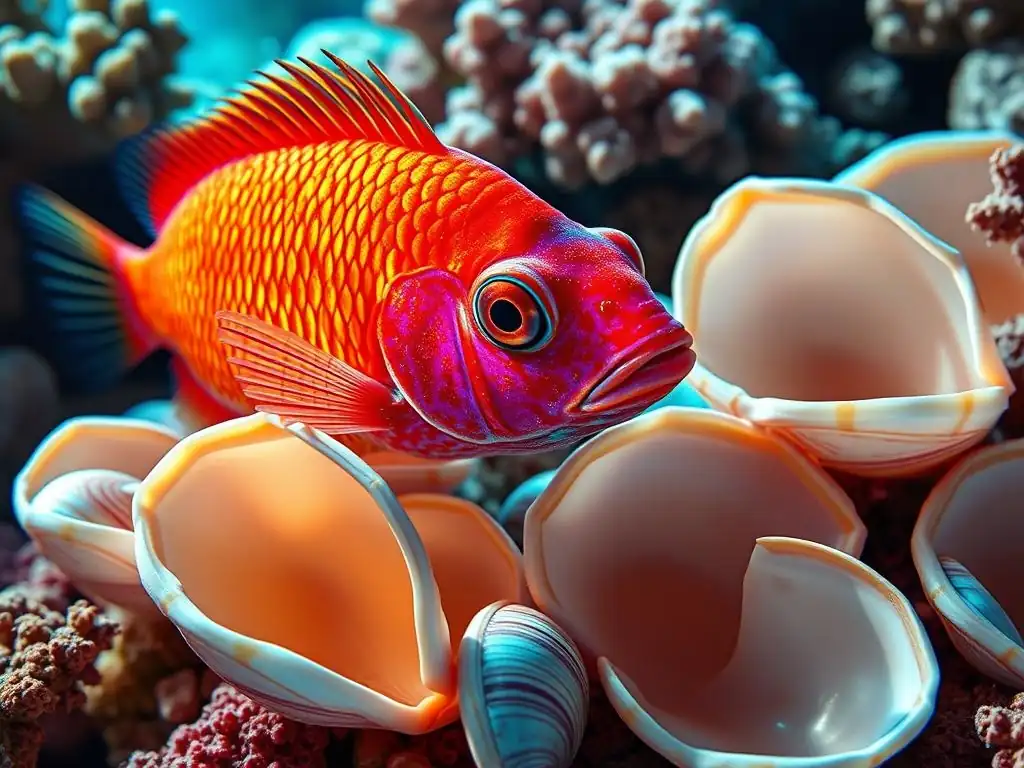
Observing Wrasse Behavior for Signs of Clam Predation
Even with careful species selection and optimal husbandry, vigilant monitoring of wrasse and clam behavior is crucial for early detection of potential issues. Observe your wrasses closely, particularly after feeding times or when they are most active. Look for any wrasse repeatedly lingering near a clam, making sudden darting movements towards its mantle, or exhibiting a "pecking" or "taste-testing" motion. This behavior might start subtly but can escalate quickly. Pay attention to specific individuals; sometimes only one wrasse in a group might develop an interest in clams.
Also, note if the wrasse attempts to swim underneath the clam or tries to dislodge it. Persistent attention from a wrasse, even without immediate visible damage, is a strong indicator of potential problems. Early identification of these behaviors allows for intervention before severe damage occurs, such as increasing feeding frequency for the wrasse or, if necessary, rehoming the fish to protect the clam. Consistent observation is key to maintaining successful wrasse and clam compatibility.
Recognizing Signs of Stress in Ornamental Clams
Recognizing the signs of stress in ornamental clams is paramount for their survival, especially when housed with active fish like wrasses. The most immediate and obvious sign of stress is prolonged or frequent mantle retraction. A healthy clam should have its mantle fully extended during daylight hours, displaying its vibrant colors and patterns.
If the clam's mantle remains consistently pulled back into its shell, even when undisturbed and lights are on, it indicates distress. Another critical warning sign is "gaping," where the clam's shell remains partially open, but the mantle is not extended, often revealing the internal tissues. This indicates severe stress or even imminent death.
Other subtle signs include a loss of vibrant coloration (bleaching), reduced responsiveness to shadows (a healthy clam will quickly retract its mantle when a shadow passes over it), or a generally "deflated" or shrunken appearance. If the clam detaches its byssal foot and rolls onto its side, it is in critical distress. Any of these signs, particularly if they appear after a wrasse has been introduced or observed near the clam, warrant immediate investigation and intervention to address the underlying cause and protect the clam's health.
Mantle Retraction and Other Warning Signs
Mantle retraction is the primary defense mechanism of ornamental clams, but when it becomes chronic, it signals significant stress. A healthy Tridacna clam will extend its mantle fully, often displaying intricate patterns and vibrant colors, maximizing its exposure to light for photosynthesis. However, if the mantle remains consistently pulled back, revealing more of the shell, or if it retracts rapidly and frequently in response to minor disturbances, it is a clear warning sign. For example, a Tridacna maxima that usually extends its mantle 1-2 inches beyond its shell might only extend it half an inch, or less, if stressed.
Beyond retraction, look for physical damage to the mantle edge, such as nips, tears, or frayed areas, which are direct evidence of harassment. Also, observe the clam's byssal opening; if it's not securely attached or if its byssal threads appear damaged, it could indicate it has been dislodged or stressed. An unusual amount of mucus production around the clam can also be a stress response or a sign of irritation. Any of these visual cues necessitate immediate action to identify and mitigate the source of stress, especially if a wrasse is suspected of being the cause.
Water Parameter Monitoring for Clam Health
While the focus is on wrasse and clam compatibility, maintaining pristine and stable water parameters is foundational for clam health and, by extension, their resilience to any external stressors, including fish interactions. Clams require very specific and consistent water chemistry. Key parameters to monitor regularly include:
- Salinity: 1.025-1.026 specific gravity. Fluctuations can cause osmotic stress.
- Alkalinity (dKH): 8-10 dKH. Essential for shell growth and pH stability. Daily swings of more than 0.5 dKH can be detrimental.
- Calcium (ppm): 400-450 ppm. Crucial for shell formation.
- Magnesium (ppm): 1300-1350 ppm. Helps maintain calcium and alkalinity stability.
- Nitrates (NO3): Near undetectable, ideally below 2-5 ppm. High nitrates can inhibit clam growth and health.
- Phosphates (PO4): Near undetectable, ideally below 0.05 ppm. High phosphates can also inhibit calcification and promote undesirable algae growth on the clam's shell.
Regular testing (e.g., weekly for major parameters like alkalinity, calcium, magnesium, and monthly for nitrates/phosphates) and prompt adjustments are vital. A clam weakened by poor water quality is significantly more susceptible to stress and damage from wrasses, making diligent parameter monitoring an indirect but crucial aspect of wrasse and clam compatibility.
Alternative Tank Mates for Clams: Expanding Your Reef Aquarium
Fish Species That Complement Clams Without Posing a Threat
For aquarists prioritizing the safety and well-being of their ornamental clams, there are numerous fish species that make excellent, low-risk tank mates. These fish typically have diets that do not include sessile invertebrates or exhibit behaviors that would stress clams. Good choices often include smaller, peaceful species that primarily feed on zooplankton, detritus, or algae. Examples include:
- Clownfish (Amphiprion species): Generally peaceful, omnivorous, and typically ignore clams.
- Gobies (e.g., Amblyeleotris species, Stonogobiops species): Many gobies are small, bottom-dwelling, and focus on sifting sand or eating small crustaceans, posing no threat to clams. Pistol shrimp and goby pairs are excellent symbiotic additions.
- Blennies (e.g., Lawnmower Blenny, Salarias fasciatus; Midas Blenny, Ecsenius midas): Most blennies are herbivorous or micro-predators of small invertebrates and detritus, making them safe for clams.
- Royal Grammas (Gramma loreto): Small, peaceful, and planktivorous, Royal Grammas are a vibrant, safe addition.
- Certain Damselfish (e.g., Azure Damselfish, Chrysiptera parasema): While some damselfish can be aggressive, many Chrysiptera species are small and generally peaceful towards invertebrates.
These species add biodiversity, color, and interesting behaviors to the reef tank without compromising wrasse and clam compatibility.
Invertebrates That Enhance the Reef Ecosystem with Clams
Beyond fish, a wide array of invertebrates can coexist harmoniously with ornamental clams and even enhance the overall reef ecosystem. These invertebrates play various roles, from detritus consumption to algae control, contributing to a cleaner and more stable environment. When considering wrasse and clam compatibility, it's important to also ensure these invertebrates are safe for the clam. Excellent choices include:
- Cleaner Shrimp (Lysmata amboinensis, Lysmata debelius): These shrimp are non-aggressive towards clams and contribute to tank hygiene by consuming parasites and detritus.
- Peppermint Shrimp (Lysmata wurdemanni): Known for consuming Aiptasia anemones, these shrimp are entirely safe for clams.
- Various Snails (e.g., Nassarius snails, Turbo snails, Trochus snails): These herbivorous and detritivorous snails are excellent clean-up crew members and pose no threat to clams. They help keep the sand bed and rockwork clean.
- Hermit Crabs (e.g., Scarlet Hermit Crabs, Blue Leg Hermit Crabs): Most small, reef-safe hermit crabs are beneficial for detritus consumption. Ensure they are not aggressive species that might bother clams.
- Starfish (e.g., Sand Sifting Starfish, Archaster typicus): These can help keep the sand bed aerated and clean. Avoid predatory starfish like Chocolate Chip Starfish.
These invertebrates not only add visual interest but also perform vital ecological functions that support the health of the entire reef system, including the clams.
Troubleshooting Wrasse and Clam Incompatibility Issues
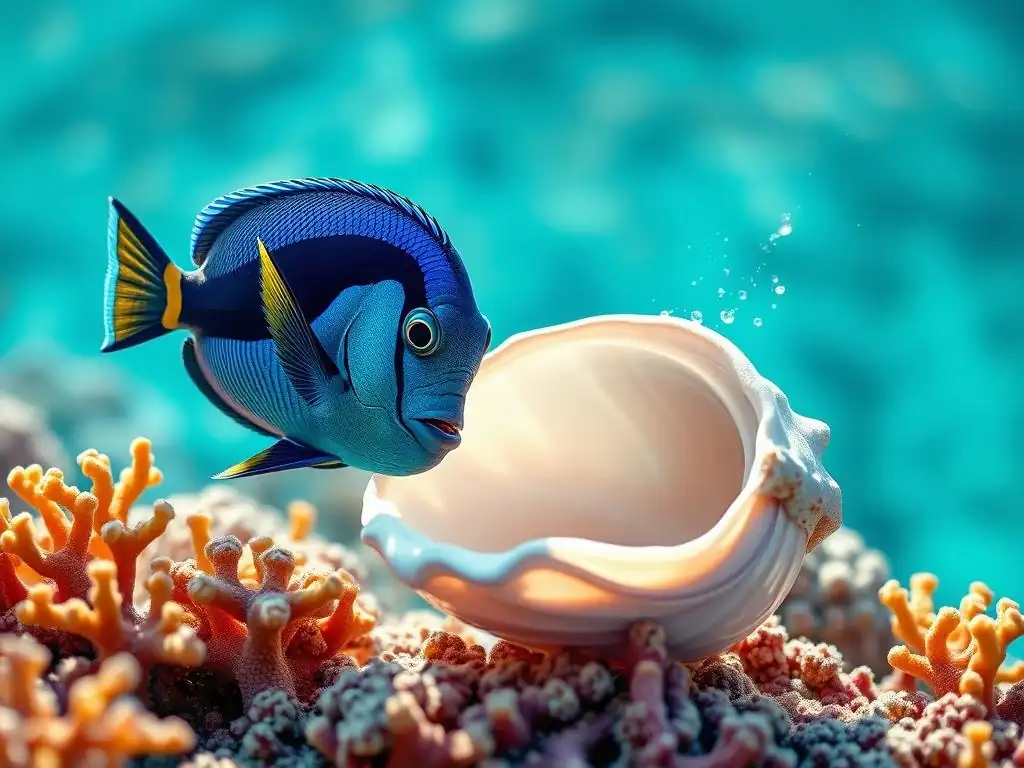
Addressing Wrasse Predation: Solutions and Strategies
If you observe clear signs of wrasse predation or persistent harassment on your ornamental clams, immediate action is necessary to prevent further damage or mortality. The first, least intrusive step is to significantly increase the frequency and quantity of feeding for the wrasse. A well-fed wrasse is less likely to opportunistically nip at other tank inhabitants. Try feeding 3-4 times a day with varied, high-quality meaty foods to satiate its appetite. Sometimes, this simple measure is enough to curb the problematic behavior.
If increased feeding does not resolve the issue, or if the predation is severe, you may need to physically separate the clam or the wrasse. You can temporarily isolate the clam within the display tank using a clear acrylic clam cage or a sectioned-off area of the sump for recovery. Alternatively, the wrasse can be trapped and removed from the display tank.
This might involve using a fish trap or carefully netting the fish. As a last resort, if the wrasse continues to be a threat to the clams, it may need to be rehomed to a fish-only system or a tank without sensitive invertebrates.
Managing Stress in Clams Due to Wrasse Interactions
When clams show signs of stress due to wrasse interactions, prompt intervention can often reverse the decline in health. The first step is to assess the clam's current placement. If it's in an exposed area, consider moving it to a more protected location within the aquascape, such as a crevice, under an overhang, or in an area with less direct water flow, where the wrasse is less likely to constantly interact with it. Ensure the clam is securely attached to its new position using reef-safe epoxy or glue, preventing it from being dislodged.
Simultaneously, focus on optimizing the clam's overall health to enhance its resilience. Verify that all water parameters (salinity, alkalinity, calcium, magnesium, nitrates, phosphates) are within optimal ranges and stable. Increase target feeding with phytoplankton or clam-specific foods to provide additional nutrition, especially if the clam has been keeping its mantle retracted and thus relying less on photosynthesis. In severe cases of stress or physical damage, a dedicated clam hospital tank with pristine water conditions and optimal lighting might be necessary for the clam to recover without any further harassment from fish.
Conclusion: Achieving a Harmonious Reef Aquarium with Wrasses and Clams
The pursuit of wrasse and clam compatibility in a reef aquarium is a rewarding endeavor that allows aquarists to enjoy the vibrant beauty of both these captivating inhabitants. While the potential for conflict exists, particularly with certain wrasse species, a harmonious coexistence is entirely achievable with careful planning, informed species selection, and diligent husbandry. Understanding the specific dietary needs, adult sizes, and behavioral tendencies of various wrasse species is the cornerstone of preventing issues before they arise.
By prioritizing wrasse species known for their peaceful nature and appropriate feeding habits, implementing strategic clam placement, maintaining pristine water parameters, and employing effective feeding strategies for both fish and clams, aquarists can significantly reduce the risk of incompatibility. Continuous observation of both wrasse and clam behavior is crucial for early detection of any potential problems, allowing for timely intervention. With knowledge and a proactive approach, a thriving reef aquarium showcasing the dynamic activity of wrasses alongside the serene beauty of ornamental clams is well within reach for dedicated aquarists.
Frequently Asked Questions
How likely is it that a wrasse will harm my ornamental clam in an aquarium?
It's difficult to predict as it highly depends on the specific wrasse species and the individual clam. Some wrasses are known to nip at clam mantles, while others are perfectly safe. Observation is key.
Which wrasse species are generally considered safest to keep with clams?
Generally, smaller, peaceful wrasse species like the Fairy Wrasse family (Cirrhilabrus) or some of the Flashers Wrasse family (Paracheilinus) are considered safer. However, even within these groups, individual behavior can vary.
What signs should I look for to determine if my wrasse is bothering my clam?
Watch for signs of stress in the clam, such as a receding mantle, failure to fully open, or frequent closing. You may also observe the wrasse actively nipping at the clam's mantle.
If my wrasse is bothering my clam, what steps can I take to resolve the issue?
First, try rearranging the tank to disrupt the wrasse's territory. If that doesn't work, consider separating the wrasse into a different tank or rehoming it. Careful observation is essential before any action is taken.
Are there any specific types of ornamental clams that are more susceptible to wrasse predation?
While all clams are potentially vulnerable, smaller clams and those with more exposed mantles might be more susceptible. Maxima clams can be more vulnerable than larger clams such as Derasa clams.
The delicate dance between wrasses and ornamental clams, as explored in this article, highlights the complex interdependencies within reef ecosystems. While the allure of a vibrant, diverse aquarium is undeniable, understanding the potential consequences of introducing seemingly compatible species is paramount. The survival and well-being of these creatures depend on our informed decisions and responsible practices.
This exploration of wrasse and clam compatibility underscores the broader responsibility we have as stewards of these miniature underwater worlds. The choices we make, from selecting species to maintaining water parameters, directly impact the health and stability of these fragile environments. In the end, we will conserve only what we love; we will love only what we understand; and we will understand only what we are taught.
- Baba Dioum. This quote perfectly encapsulates the need for continuous learning and mindful observation in our pursuit of a thriving reef aquarium.
Now, consider the knowledge you've gained. Are you equipped to make informed decisions about your own reef tank? Reflect on the potential impact of your choices, not just on the individual animals, but on the entire ecosystem you're creating. Let this article serve as a reminder that a successful reef aquarium is not just about aesthetics, but about fostering a balanced and sustainable environment where all inhabitants can thrive. Embrace the challenge, continue to learn, and become a responsible reef keeper, ensuring the beauty and longevity of these captivating underwater worlds.
Dive Deeper: Nurture Your Reef with Confidence!
Thank you for exploring the fascinating world of wrasses and ornamental clams with us! Now that you’re armed with the knowledge to make informed decisions, let's put that wisdom into action.
- Start observing! Spend extra time watching your wrasses for any signs of clam-nipping behavior to catch potential issues early.
- Explore the Aquarium Mastery community forums and share your experiences with wrasses and clams. Your insights can help others succeed!
- Consider adding a small, hardy clam species to your tank as a "test" to assess your wrasse's compatibility before introducing more delicate varieties.
What proactive steps will you take to ensure a harmonious reef environment in your aquarium?