
The Crucial Transition from Endogenous to Exogenous Feeding in Marine Larvae

Welcome to Aquarium Mastery!
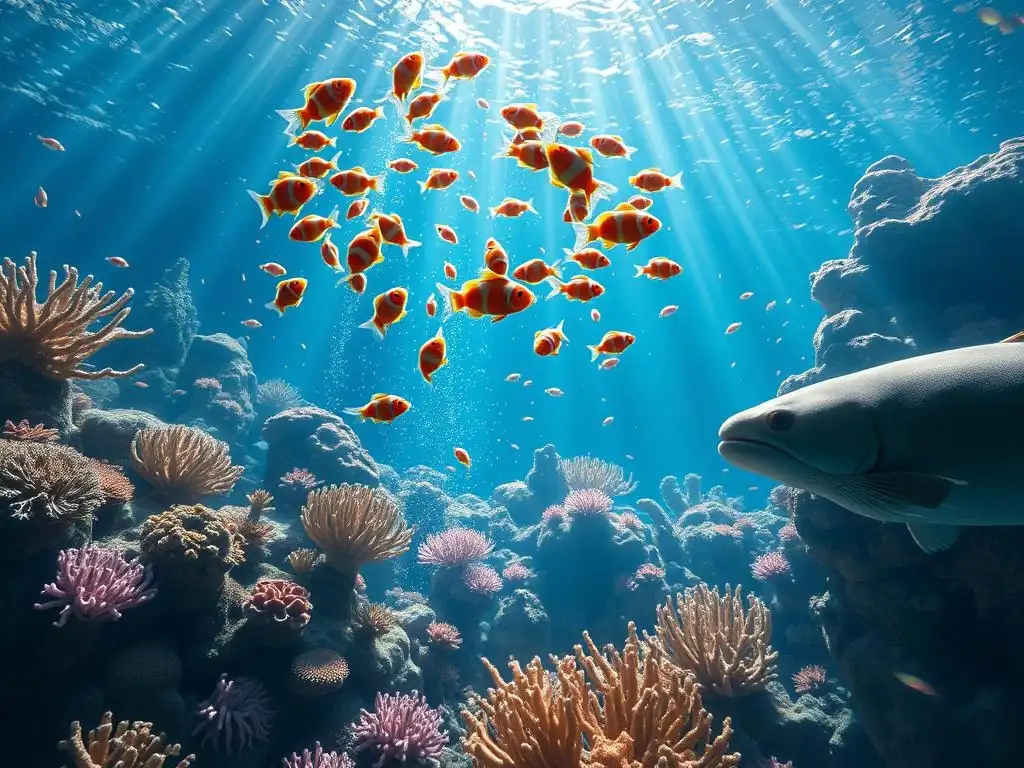
Ever wondered how the tiniest marine larvae make the crucial leap from relying on their yolk sac to actively hunting for food? Dive in and explore our comprehensive guide, " The Crucial Transition from Endogenous to Exogenous Feeding in Marine Larvae." Discover the secrets to successful rearing and unlock the complexities of this critical stage in their development. What challenges await, and how can you navigate them? Read on to become a true aquarium master!
- Understanding the Marine Larvae Feeding Transition: A Guide
- Endogenous Feeding in Marine Larvae: The Yolk Sac Stage
- Exogenous Feeding in Marine Larvae: First Feeding Strategies
- The Marine Larvae Feeding Transition: A Step-by-Step Process
- Challenges in the Marine Larvae Feeding Transition
- Optimizing the Marine Larvae Feeding Transition for Successful Rearing
- Nutritional Requirements of Marine Larvae During the Exogenous Feeding Stage
- Troubleshooting Common Issues During the Marine Larvae Feeding Transition
- Advanced Techniques for Improving Marine Larvae Feeding Transition Success
- Case Studies: Successful Marine Larvae Feeding Transition Protocols
- The Future of Marine Larvae Feeding: Research and Innovation
- Conclusion: Mastering the Marine Larvae Feeding Transition
-
Frequently Asked Questions
- What is the "endogenous to exogenous feeding transition" in marine larvae?
- Why is the endogenous to exogenous feeding transition so crucial for marine larvae?
- What are some common challenges faced by marine larvae during this feeding transition?
- What types of food are typically used to feed marine larvae during the exogenous feeding stage?
- How can aquarists improve the success rate of marine larvae feeding transition in captivity?
- Final Reflection: Navigating the Tides of Early Life
- Dive Deeper into Larval Rearing Success!
Understanding the Marine Larvae Feeding Transition: A Guide
The survival and successful rearing of marine fish larvae are critically dependent on a pivotal biological event: the marine larvae feeding transition. This complex process marks the shift from relying solely on internal nutrient reserves, primarily the yolk sac, to actively consuming external food sources.
This transition is a highly vulnerable period in the life cycle of many marine species, as it often coincides with significant morphological changes, such as the development of the mouth, gut, and sensory organs necessary for predation. A failure to successfully navigate this transition frequently leads to mass mortality in aquaculture settings, making its understanding and optimization paramount for sustainable marine fish breeding.
Mastering the marine larvae feeding transition requires a deep understanding of larval physiology, nutritional requirements, and environmental parameters. The timing of first feeding, the type and size of the initial food offered, and the water quality of the rearing environment all play crucial roles in determining success rates.
Aquarists and researchers alike strive to replicate the natural conditions and dietary components that wild larvae encounter, aiming to reduce stress and improve the efficiency of nutrient assimilation. This guide will delve into the intricacies of this transition, offering insights and practical strategies to enhance the survival and growth of delicate marine larvae.
Endogenous Feeding in Marine Larvae: The Yolk Sac Stage
The Importance of Yolk Reserves in Early Larval Development
The yolk sac represents the primary, and often sole, source of nutrition for marine fish larvae immediately after hatching. This sac is rich in lipids, proteins, and essential vitamins, providing the necessary energy and building blocks for rapid embryonic development and the initial growth of the newly hatched larva.
The quality and quantity of these yolk reserves are directly influenced by the broodstock's nutritional status, highlighting the importance of a well-fed and healthy parent population for producing robust offspring. For instance, in species like the Ocellaris Clownfish ( Amphiprion ocellaris), optimal broodstock diets rich in highly unsaturated fatty acids (HUFA) translate into larger, more viable eggs with superior yolk reserves, enabling larvae to withstand potential delays in exogenous food availability.
These internal reserves fuel critical developmental processes, including organogenesis, the formation of the nervous system, and the initial development of swimming and feeding apparatuses. The efficiency with which the yolk is absorbed directly impacts the larva's size and vitality at the point of first feeding. A larger yolk sac typically allows for a longer endogenous period, providing a buffer against immediate starvation if external food is scarce or unsuitable. This period is also crucial for the development of the visual system and rudimentary digestive enzymes, preparing the larva for the challenges of active foraging.
Duration of the Endogenous Feeding Stage: Species-Specific Variations
The length of the endogenous feeding stage varies significantly among different marine fish species, ranging from a few days to over a week, largely depending on egg size, metabolic rate, and environmental temperature. For example, the larvae of many common aquarium fish like the Ocellaris Clownfish typically deplete their yolk sac within 3 to 4 days post-hatch at temperatures around 26-28°C. In contrast, some gobies or blennies might have much shorter yolk sac periods, sometimes less than 48 hours, due to smaller egg sizes and faster developmental rates.
Conversely, species with larger eggs, such as some groupers or snappers, may possess more substantial yolk reserves, allowing for an endogenous period that can extend for 5 to 7 days or even longer. This variation underscores the necessity of species-specific protocols for the marine larvae feeding transition. Understanding the precise duration for a given species is paramount for initiating exogenous feeding at the optimal time, preventing irreversible starvation while avoiding premature food introduction that could foul the water without benefiting the larvae.
Limitations of Endogenous Feeding and the Impending Transition
While vital for initial survival, the endogenous feeding stage has inherent limitations. The yolk sac is a finite resource, and once depleted, the larva must find external food immediately to survive. This critical juncture marks the absolute necessity of the marine larvae feeding transition. If exogenous food is not available or not consumed efficiently at this point, the larva will enter a "point of no return," where its energy reserves become too low to sustain metabolic functions or initiate feeding behaviors, leading to irreversible starvation and mortality.
Furthermore, the nutritional profile of the yolk sac, while comprehensive for initial development, may not fully meet the evolving and increasing demands of a rapidly growing larva. As larvae develop, their specific requirements for certain lipids, proteins, and micronutrients change, necessitating a diverse exogenous diet. The impending transition is therefore not just about energy, but also about acquiring a broader spectrum of nutrients essential for continued growth, organ maturation, and immune system development.
Exogenous Feeding in Marine Larvae: First Feeding Strategies
Identifying the Optimal Time for First Feeding
Determining the precise moment for initiating exogenous feeding is perhaps the most critical aspect of the marine larvae feeding transition. This "first feeding window" is typically identified by observing several key developmental cues. Morphologically, the larva's mouth should be fully formed and functional, the eyes pigmented, and the gut tract patent. Behaviorally, larvae should exhibit active swimming, often characterized by exploratory movements rather than passive drifting, and show signs of prey-searching behavior. For instance, clownfish larvae are often ready for first feeding when they begin to "swim up" towards the water surface, actively scanning their environment.
Physiologically, the depletion of the yolk sac is the ultimate trigger. While direct observation of the yolk sac's size can be challenging, a common practice is to begin offering food slightly before complete absorption, providing a safety margin. This often means introducing live feeds 24-48 hours prior to the anticipated yolk sac depletion, ensuring food particles are present when the larvae are physiologically ready to consume them. Overlapping the endogenous and exogenous feeding phases can significantly improve survival rates during this sensitive marine larvae feeding transition.
Selecting Appropriate First Foods for Marine Larvae
The choice of first food is paramount for successful marine larvae feeding transition, as larvae have very specific requirements regarding size, digestibility, and nutritional profile. The ideal first food must be small enough to fit into the larva's tiny mouth, typically ranging from 50 to 200 micrometers, highly digestible, and possess a rich nutritional content, especially in essential fatty acids. Live feeds are almost universally preferred over inert diets for first feeding due to their movement, which stimulates feeding responses, and their superior digestibility.
Rotifers as a Cornerstone of Marine Larval Diets
Rotifers, primarily Brachionus plicatilis (L-type, 100-200 µm) and Brachionus rotundiformis (S-type, 50-100 µm), have long been the staple first food for a vast array of marine fish larvae. Their relatively small size, slow swimming speed, and ease of culture make them an accessible and effective initial diet. However, rotifers themselves are nutritionally incomplete, particularly lacking in crucial highly unsaturated fatty acids (HUFA) like DHA (docosahexaenoic acid) and EPA (eicosapentaenoic acid), which are vital for larval neural and visual development.
To overcome this nutritional deficiency, rotifers must be "enriched" with specialized emulsions rich in HUFA, phospholipids, and vitamins for 12-24 hours prior to being fed to larvae. This bioencapsulation process significantly elevates their nutritional value, making them a more complete food source for the marine larvae feeding transition. Without proper enrichment, larvae fed solely on unenriched rotifers often exhibit poor growth, deformities, and high mortality rates, even if they consume the rotifers.
Copepods: An Alternative and Nutritious First Food Source
Copepods, particularly their nauplii stages, are increasingly recognized as a superior first food for many marine fish larvae, especially those with smaller mouths or more specific nutritional demands. Species like Parvocalanus crassirostris and Tisbe holothuriae produce nauplii ranging from 50 to 150 µm, perfectly sized for delicate larvae. Copepods naturally possess a more balanced nutritional profile than rotifers, being inherently rich in HUFA, phospholipids, and other essential compounds, often eliminating the need for extensive enrichment.
The jerky, erratic swimming motion of copepod nauplii also appears to elicit a stronger feeding response in some larval species compared to rotifers. While more challenging to culture on a large scale than rotifers, the higher nutritional value and better survival rates observed in larvae fed copepods justify their use, particularly for more fastidious or commercially important species. For example, some challenging species like Yellow Tang ( Zebrasoma flavescens) larvae have shown significantly higher survival rates when fed copepod nauplplii as their first food, highlighting their critical role in optimizing the marine larvae feeding transition.
Algae and Enrichments for Enhanced Nutritional Value
Beyond the primary live feeds, the direct addition of specific microalgae to larval rearing tanks, or using microalgae to culture and enrich live feeds, plays a crucial role in the marine larvae feeding transition. Species such as Nannochloropsis oculata and Isochrysis galbana are commonly used. These algae not only serve as the primary diet for rotifers and copepods, thereby transferring their beneficial nutrients up the food chain, but also contribute to water quality by consuming waste products and can provide a "green water" effect.
The "green water" technique, where low concentrations of microalgae are maintained in the larval rearing tank, offers multiple benefits. It helps maintain water quality by buffering pH and assimilating ammonia, and more importantly, it provides a background medium that enhances the visibility of live food particles for the larvae, potentially increasing feeding success.
Additionally, some larvae may directly consume algal cells, though this is usually a minor component of their diet compared to live zooplankton. Specialized enrichment products, beyond just HUFA, also deliver essential vitamins (e.g., Vitamin C, Vitamin E) and amino acids, further fortifying the nutritional quality of live feeds to support robust larval development during the marine larvae feeding transition.
The Marine Larvae Feeding Transition: A Step-by-Step Process
Gradual Introduction of Exogenous Foods
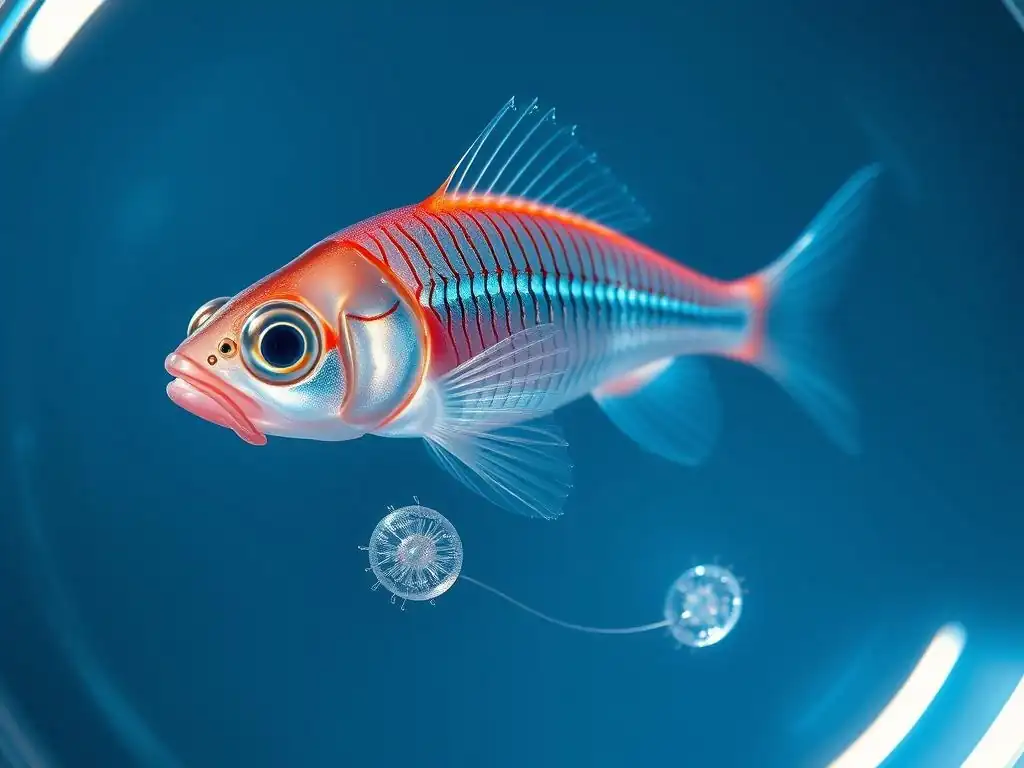
The marine larvae feeding transition is best managed through a gradual introduction of exogenous foods, rather than an abrupt shift. This typically involves starting with low concentrations of live feed, such as 5-10 rotifers per milliliter, around the time larvae are expected to begin feeding, often 2-3 days post-hatch for many common species like clownfish. This initial low density allows larvae to acclimate to the presence of external food and begin developing their feeding behaviors without overwhelming them or rapidly degrading water quality.
As the larvae grow and their feeding capabilities improve, and as the yolk sac diminishes, the density of live feed is progressively increased. For example, rotifer densities might be gradually ramped up to 15-20 rotifers/mL by day 5-7, ensuring a consistent and abundant food supply to meet their escalating metabolic demands. This incremental approach reduces stress on the larvae and helps prevent starvation, providing a continuous supply of nutrients as they fully transition from endogenous to exogenous feeding.
Monitoring Larval Gut Content for Successful Feeding
A crucial indicator of successful marine larvae feeding transition is the observation of gut content. Under a microscope, the transparent bodies of many marine larvae allow for visual inspection of their digestive tracts. A healthy, actively feeding larva will show a visible accumulation of food particles (e.g., rotifers, copepods) in its gut. This observation provides direct evidence that larvae are not only encountering food but are successfully ingesting and digesting it.
Regular monitoring of gut fullness throughout the day, perhaps every 4-6 hours, can help determine if the food density is adequate. If a significant percentage of larvae (e.g., less than 70-80%) show empty guts, it indicates that either the food concentration is too low, the food type is unsuitable, or other environmental factors are inhibiting feeding. This immediate feedback loop allows aquarists to make timely adjustments to feeding protocols, ensuring that the critical marine larvae feeding transition is progressing effectively.
Adjusting Food Density Based on Larval Demand
Optimizing food density is a dynamic process during the marine larvae feeding transition, requiring constant adjustment based on larval age, growth rate, and observed feeding activity. Early in the transition, lower densities are often sufficient, but as larvae grow, their metabolic rates increase exponentially, demanding significantly more food. For instance, a 5-day-old clownfish larva might consume 50-100 rotifers per day, while a 10-day-old larva could consume several hundred.
Aquarists should aim to maintain a constant, optimal concentration of live food in the rearing tank, often achieved through multiple smaller feedings throughout the day or continuous drip feeding. This prevents periods of starvation and ensures that food is always available. If larval guts appear consistently full, food density might be slightly reduced to minimize waste and water fouling. Conversely, if guts are often empty, or larvae appear lethargic, increasing food density is critical. This responsive adjustment is key to successfully navigating the marine larvae feeding transition and maximizing larval survival.
Challenges in the Marine Larvae Feeding Transition
Starvation and Its Impact on Larval Survival
Starvation is arguably the single largest cause of mortality during the marine larvae feeding transition. As the yolk sac depletes, larvae enter a critical period where external food consumption becomes immediately necessary for survival. If appropriate food is not available in sufficient quantities, or if larvae are unable to capture and ingest it, they rapidly deplete their remaining energy reserves. This leads to a cascade of negative effects, including reduced activity, impaired organ function, and ultimately, death.
The "point of no return" phenomenon highlights the irreversible damage caused by prolonged starvation. Once larvae reach this stage, even if food is subsequently provided, they may be too weak or physiologically compromised to recover. For instance, a delay of just 12-24 hours in providing first food beyond the optimal window can reduce survival rates by 50% or more in many species. Preventing starvation requires vigilant monitoring of larval development, precise timing of first feeding, and maintaining consistently adequate food densities throughout the marine larvae feeding transition.
Size Selectivity and the Importance of Matching Food Size to Larval Mouth Size
Marine fish larvae are highly size-selective feeders, meaning they can only ingest food particles that fit within the gape of their mouths. This constraint is a significant challenge during the marine larvae feeding transition, as the mouth size of newly hatched larvae is often incredibly small, sometimes less than 100 micrometers. Using food particles that are too large will result in larvae being unable to consume them, leading to starvation despite the apparent presence of food.
Conversely, food that is too small might not provide enough nutritional value per capture, requiring larvae to expend excessive energy to consume enough, or might not elicit a strong enough feeding response. For example, newly hatched Yellow Tang larvae have a very small mouth gape, making copepod nauplii (~50-100 µm) essential for their first feeding, whereas larger L-type rotifers (~150 µm) would be too big. As larvae grow, their mouth gape increases, necessitating a gradual shift to larger food items to meet their increasing energy demands, a crucial consideration in managing the marine larvae feeding transition.
Water Quality Considerations During the Feeding Transition
Maintaining pristine water quality is paramount during the marine larvae feeding transition, as larvae are extremely sensitive to environmental fluctuations and pollutants. The introduction of live feeds, especially in high densities, can rapidly degrade water quality if uneaten food and larval waste products accumulate. Elevated levels of ammonia, nitrite, and nitrate, even at concentrations considered safe for adult fish, can be highly toxic to delicate larvae, impairing their health, growth, and feeding ability.
Regular water changes, often 25-50% daily or even more frequently, are typically required to dilute waste products and replenish essential elements. Effective filtration, gentle aeration, and the judicious use of live microalgae (green water technique) can also help stabilize water parameters. For example, maintaining ammonia levels below 0.1 ppm and nitrite below 0.05 ppm is critical for optimal larval health. Any deviation from ideal water parameters can stress larvae, reduce their feeding drive, and significantly increase mortality rates during the vulnerable marine larvae feeding transition.
Optimizing the Marine Larvae Feeding Transition for Successful Rearing
Maintaining Ideal Water Parameters for Larval Growth
Consistent and ideal water parameters are foundational for optimizing the marine larvae feeding transition. Temperature, salinity, pH, and dissolved oxygen levels must be maintained within narrow, species-specific ranges to ensure larval health and metabolic efficiency. For example, most tropical marine fish larvae thrive at temperatures between 26-28°C (79-82°F), a salinity of 30-34 ppt, and a pH of 8.0-8.2. Deviations from these ranges can induce stress, reduce feeding activity, and compromise immune function.
High dissolved oxygen levels, typically above 6 mg/L, are also crucial, as larvae have high metabolic rates and are very susceptible to hypoxia. Gentle aeration, often via air stones that produce very fine bubbles, is used to ensure adequate oxygenation without causing undue turbulence. Regular monitoring with accurate test kits and consistent top-offs with properly mixed saltwater are essential practices to ensure a stable and conducive environment for the marine larvae feeding transition.
Providing Adequate Light and Flow
Appropriate lighting and water flow are critical environmental factors influencing the success of the marine larvae feeding transition. Lighting should mimic natural conditions, typically a 12-14 hour photoperiod, and be of sufficient intensity to allow larvae to visually locate food particles. Too dim lighting can hinder feeding, while excessively bright light can stress larvae. For instance, a light intensity of 500-1000 lux is often recommended for early larval stages, gradually increasing as larvae grow.
Water flow within the rearing tank should be gentle but sufficient to keep live food particles suspended throughout the water column, ensuring they are readily accessible to the larvae. Strong currents can exhaust larvae or push food into corners where it becomes unavailable. A common method is to use a very gentle air stone or a small, adjustable powerhead directed towards the tank wall to create a subtle circulation. This balance of gentle flow and appropriate lighting helps maximize feeding encounters and promotes healthy development during the critical marine larvae feeding transition.
Preventing and Managing Disease Outbreaks
Disease outbreaks can decimate larval cultures, especially during the vulnerable marine larvae feeding transition when larvae are under significant physiological stress. Poor water quality, overfeeding, and compromised nutrition can weaken larval immune systems, making them susceptible to bacterial, fungal, and parasitic infections. Common bacterial issues include Vibrio species, which can cause mass mortalities, while ciliate infestations like Uronema can directly attack and consume larvae.
Strict biosecurity measures are essential:
- Sterilization: All rearing equipment should be thoroughly sterilized (e.g., with bleach or heat) between uses.
- Quarantine: New live feed cultures should be quarantined and ideally disinfected (e.g., acid bath for rotifers) before being introduced to larval tanks.
- Water Quality: Maintaining pristine water quality is the first line of defense against opportunistic pathogens.
- Prophylactic Treatments: In some cases, low-dose prophylactic treatments (e.g., antibiotics, antifungals) might be used in the water, but this should be approached cautiously due to potential resistance development and harm to beneficial bacteria. Early detection and rapid intervention are crucial for managing disease during the delicate marine larvae feeding transition.
Nutritional Requirements of Marine Larvae During the Exogenous Feeding Stage
Essential Fatty Acids (EFAs) and Their Role in Development
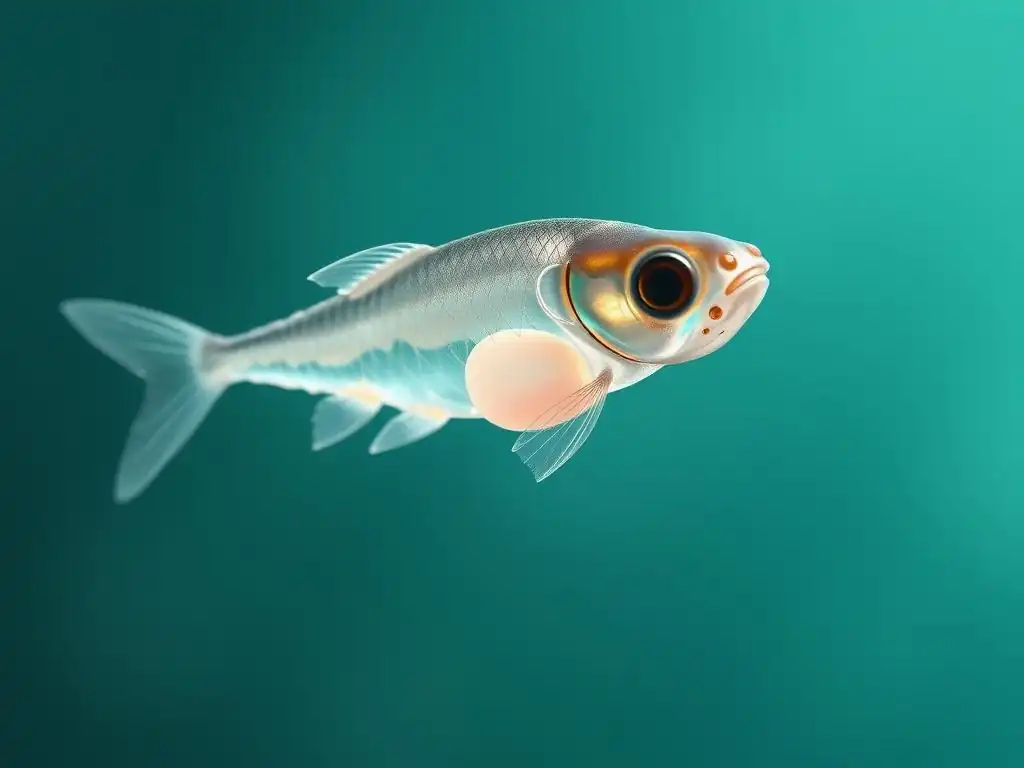
Essential fatty acids (EFAs), particularly highly unsaturated fatty acids (HUFA) like Docosahexaenoic Acid (DHA) and Eicosapentaenoic Acid (EPA), are absolutely critical for the healthy development of marine fish larvae during the exogenous feeding stage. Larvae cannot synthesize these fatty acids themselves and must obtain them directly from their diet. DHA is vital for the proper development of the brain, nervous system, and retina, influencing visual acuity and overall neurological function. EPA plays a significant role in membrane fluidity, eicosanoid production (involved in immune responses and inflammation), and overall growth.
A deficiency in HUFA during the marine larvae feeding transition can lead to severe issues, including poor growth rates, increased susceptibility to stress and disease, abnormal pigmentation, and malformations, particularly of the swim bladder and jaw. For instance, studies on Yellowtail Kingfish ( Seriola lalandi) larvae have shown that diets deficient in DHA result in high mortality and severe neurological disorders. Therefore, ensuring live feeds are adequately enriched with these EFAs is non-negotiable for successful larval rearing.
Protein and Amino Acid Needs of Growing Larvae
Proteins and their constituent amino acids are the fundamental building blocks for larval growth and tissue development. Marine fish larvae exhibit extremely rapid growth rates, often doubling their size within a few days, which necessitates a high-quality protein source in their diet. The amino acid profile of the live feeds provided must be balanced and complete, containing all essential amino acids that larvae cannot synthesize themselves.
Live feeds such as rotifers and copepods, when properly cultured and enriched, provide these essential proteins. For example, the protein content of enriched rotifers can exceed 50% of their dry weight, offering a substantial contribution to larval growth. Insufficient protein or an imbalanced amino acid profile can lead to stunted growth, reduced muscle development, and compromised immune function, directly impacting survival rates during the marine larvae feeding transition. As larvae grow and transition to larger food items, the protein content of their diet remains a critical focus.
Vitamin and Mineral Supplementation for Optimal Health
While EFAs and proteins are often highlighted, vitamins and minerals are equally vital micronutrients for optimal larval health and development during the exogenous feeding stage. These compounds act as cofactors in numerous metabolic processes, support immune function, and contribute to skeletal and tissue integrity. For example, Vitamin C (ascorbic acid) is crucial for collagen synthesis, wound healing, and acts as an antioxidant, while Vitamin E (tocopherol) is a powerful antioxidant protecting cell membranes from oxidative damage.
Minerals like calcium and phosphorus are essential for bone development, while trace minerals such as zinc, selenium, and iron play roles in enzyme function, immune response, and oxygen transport. Live feeds, even when enriched for HUFA, may not always contain sufficient levels of all vitamins and minerals. Therefore, some specialized enrichment products for rotifers and copepods also include a comprehensive blend of these micronutrients to ensure a complete nutritional package. Ensuring adequate vitamin and mineral supplementation prevents deficiency-related disorders and supports robust development throughout the marine larvae feeding transition.
Troubleshooting Common Issues During the Marine Larvae Feeding Transition
Poor Growth Rates and Low Survival
Poor growth rates and low survival are the most common and frustrating issues encountered during the marine larvae feeding transition. If larvae are not growing as expected or mortality rates are unusually high (e.g., above 10-20% daily for many species), several factors should be investigated systematically. First, confirm adequate food availability and consumption by checking larval gut content. Are the food particles the correct size? Is the density sufficient throughout the day? For instance, if clownfish larvae are not at least doubling their size by day 7, their feeding protocol likely needs adjustment.
Secondly, scrutinize water quality. High ammonia, nitrite, or fluctuating pH can severely stress larvae and inhibit feeding and growth. Daily water changes and proper filtration are critical. Thirdly, assess environmental parameters such as temperature, salinity, light, and gentle flow; suboptimal conditions will suppress feeding. Lastly, consider disease. Examine moribund larvae under a microscope for signs of bacterial infection (e.g., cloudy appearance, lesions) or parasites (e.g., ciliates). Addressing these factors methodically is key to overcoming challenges in the marine larvae feeding transition.
Identifying and Addressing Nutritional Deficiencies
Nutritional deficiencies can manifest in various ways during the marine larvae feeding transition, even if larvae appear to be consuming food. Signs include stunted growth despite adequate food, skeletal deformities (e.g., jaw malformations, spinal curvature), swim bladder inflation issues, abnormal pigmentation, and increased susceptibility to disease. For example, a lack of DHA can lead to poor eye development and neurological issues, while Vitamin C deficiency can result in "blackening disease" or collagen abnormalities.
To address suspected nutritional deficiencies, the primary focus should be on the enrichment protocol for live feeds. Ensure that rotifers and copepods are being enriched with high-quality, HUFA-rich products for the recommended duration (typically 12-24 hours). Check the freshness and storage conditions of enrichment products, as their nutritional value can degrade over time. Consider supplementing the enrichment with a broader spectrum of vitamins and minerals. In some cases, a shift to a more naturally nutritious live feed, such as copepod nauplii, might be necessary if rotifers are proving insufficient, even with enrichment, to support the marine larvae feeding transition.
Managing Competition from Other Organisms
Unwanted competition from other organisms in the larval rearing tank can significantly hinder the success of the marine larvae feeding transition. This competition can come from various sources:
- Wild Copepods/Amphipods: If source water is not properly filtered or sterilized, these can be introduced and outcompete or even prey on delicate larvae.
- Unwanted Rotifer Species: If rotifer cultures are contaminated, aggressive strains or larger, less nutritious species might proliferate.
- Ciliates and Protozoa: These microscopic organisms can rapidly multiply if there is excess uneaten food, competing with larvae for oxygen and potentially causing direct harm or disease. For instance, Uronema marinum can be a devastating ciliate pathogen.
- Bacteria: While essential in the gut, opportunistic pathogenic bacteria can outcompete beneficial bacteria and cause disease.
Preventive measures include meticulous sterilization of all equipment, using only clean, filtered, and UV-sterilized source water, and culturing live feeds in a clean, isolated environment. If competition is observed (e.g., rapid degradation of rotifer populations, presence of large numbers of wild organisms), immediate action is required. This may involve siphoning out competitors, increasing water changes, or, in severe cases, restarting the culture with stricter hygiene protocols. Maintaining a clean rearing environment is crucial for ensuring that the intended food source is consumed by the larvae during the marine larvae feeding transition.
Advanced Techniques for Improving Marine Larvae Feeding Transition Success
Enrichment Strategies for Live Feeds
Advanced enrichment strategies for live feeds are crucial for optimizing the nutritional profile of the diet during the marine larvae feeding transition. Beyond standard HUFA emulsions, novel enrichment products are constantly being developed. These often incorporate specific phospholipids, which are vital for cell membrane integrity and lipid transport, and a broader array of vitamins (e.g., high doses of B-complex vitamins, Vitamin A) and antioxidants (e.g., astaxanthin, Vitamin E). Some enrichments also include immunostimulants like beta-glucans, aiming to boost the larval immune system.
Furthermore, multi-stage enrichment protocols can be employed. For example, rotifers might first be fed a standard algal diet, then enriched with a primary HUFA product, and finally "boosted" with a secondary, more concentrated or specialized enrichment just hours before feeding to larvae. This ensures maximal transfer of fresh, potent nutrients.
For copepods, while naturally more nutritious, their culture diets can also be enhanced with specific algae strains rich in target nutrients, which then bioaccumulate in the copepods and are passed to the larvae. These sophisticated approaches aim to provide the most complete and bioavailable nutrition possible for the delicate marine larvae feeding transition.
Co-feeding Techniques to Enhance Larval Acceptance of New Foods
Co-feeding involves offering multiple types of food simultaneously, often mixing live feeds with micro-encapsulated diets or very small inert particles. This technique is particularly useful during the later stages of the marine larvae feeding transition or when transitioning larvae from live feeds to formulated dry diets. The presence of live, moving food items can stimulate feeding behavior, making larvae more likely to ingest nearby inert particles, even if they wouldn't normally target them.
For instance, a common strategy is to continue feeding a reduced density of rotifers or copepods while gradually introducing a high-quality, fine-particulate dry diet. Larvae will consume the live feeds, and in the process, may inadvertently or intentionally consume the inert particles.
This allows their digestive systems to adapt to the new food type and for the larvae to recognize it as a food source. This gradual weaning process, often starting around 10-15 days post-hatch depending on the species, is vital for reducing reliance on expensive and labor-intensive live feeds and for ensuring a smooth marine larvae feeding transition to grow-out diets.
The Role of Probiotics in Larval Gut Health
The use of probiotics, beneficial microorganisms that support gut health, is an emerging advanced technique in marine larval rearing. A healthy gut microbiome is crucial for digestion, nutrient absorption, and immune system development in fish larvae. Probiotics, typically strains of Lactobacillus, Bacillus, or Saccharomyces, can be incorporated into the larval diet (e.g., by enriching live feeds with probiotic bacteria) or directly added to the rearing water.
These beneficial bacteria can colonize the larval gut, inhibiting the growth of pathogenic bacteria through competitive exclusion and the production of antimicrobial compounds. They can also enhance digestive enzyme activity, leading to better nutrient utilization and improved growth rates. For example, studies have shown that the use of Bacillus probiotics in clownfish larval cultures can significantly reduce the incidence of bacterial disease and improve survival during the marine larvae feeding transition. This approach fosters a robust internal environment for larvae, making them more resilient to stress and disease during this vulnerable period.
Case Studies: Successful Marine Larvae Feeding Transition Protocols
Clownfish (Amphiprioninae) Larval Rearing
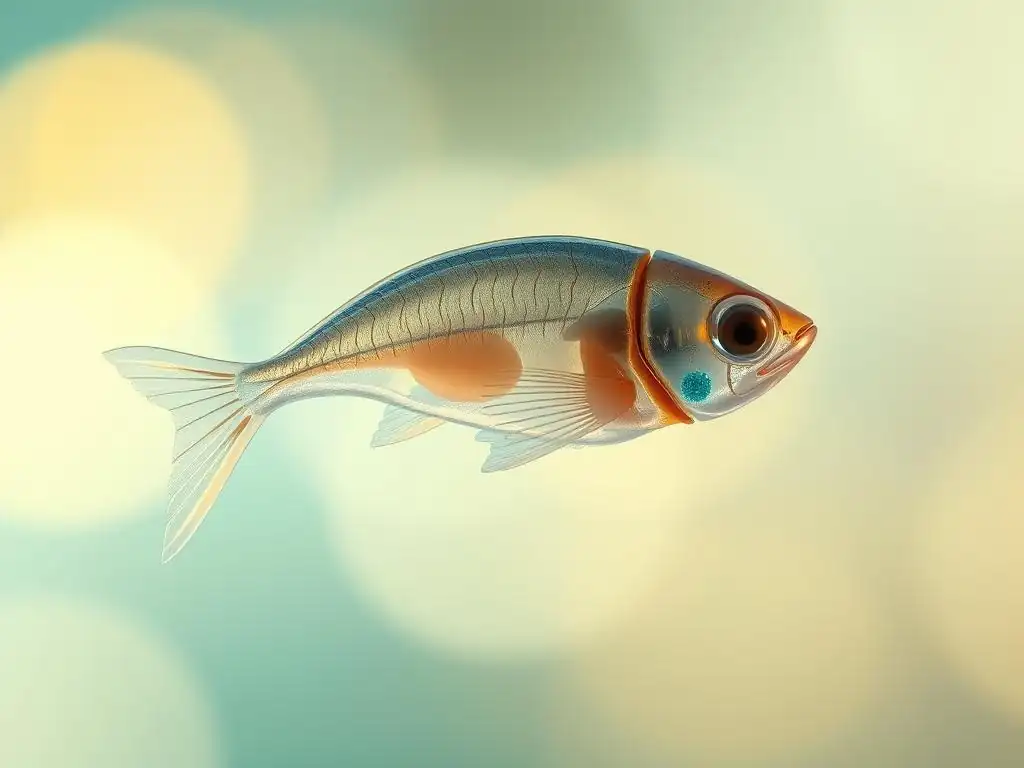
Clownfish (e.g., Amphiprion ocellaris, A. percula) are among the most successfully aquacultured marine ornamental fish, largely due to well-established marine larvae feeding transition protocols. Their larvae typically hatch after 7-8 days of incubation and undergo yolk sac absorption within 3-4 days post-hatch at 26-28°C. First feeding usually commences on day 3 or 4. The standard first food is enriched Brachionus plicatilis (L-type rotifers) at densities of 10-15 rotifers/mL, often introduced on day 2 or 3.
A typical protocol involves maintaining rotifer density for about 7-10 days, followed by a gradual co-feeding transition to Artemia nauplii (newly hatched brine shrimp) from day 7-10 onwards. Artemia nauplii, while larger (~400-500 µm), are readily accepted by growing clownfish larvae and provide a different nutritional profile, though they also require enrichment, especially for HUFA.
By day 14-21, larvae are typically weaned onto finely ground dry pelleted diets. This structured marine larvae feeding transition, moving from rotifers to Artemia and then to dry food, has been key to their commercial success, achieving survival rates often exceeding 50% from hatch to juvenile.
Seahorse (Hippocampus) Larval Rearing
Rearing seahorse larvae presents a more significant challenge, particularly for the marine larvae feeding transition, due to their unique feeding mechanisms and high nutritional demands. Unlike many pelagic fish larvae, seahorse fry are miniature versions of the adults, often requiring specific live foods immediately after birth. Species like the Lined Seahorse ( Hippocampus erectus) release fully formed fry that are capable of feeding within hours. Their rapid growth and relatively poor swimming ability make continuous access to appropriate food critical.
The primary first food for most seahorse species is newly hatched Artemia nauplii, often enriched before feeding. However, for smaller species or those with very delicate fry, enriched copepod nauplii (e.g., Tisbe or Parvocalanus nauplii) are increasingly used as a superior first food due to their smaller size and higher nutritional value.
Seahorse fry require very high densities of food, often 5-10 Artemia nauplii/mL, continuously throughout the day, and they are typically fed live foods for a longer duration than many fish, sometimes for several weeks or even months before gradual weaning onto frozen Mysis shrimp or other larger frozen foods. The success of the marine larvae feeding transition in seahorses heavily relies on consistent, high-density delivery of highly nutritious, appropriately sized live feeds.
The Future of Marine Larvae Feeding: Research and Innovation
Novel Food Sources for Marine Larvae
Research into novel food sources for marine larvae is driven by the desire to reduce reliance on traditional live feeds like rotifers and Artemia, which can be expensive, labor-intensive, and nutritionally inconsistent. Efforts are focused on developing more sustainable, cost-effective, and nutritionally complete alternatives. This includes:
- Microalgae: Exploring specific strains of microalgae that can serve as direct larval food, or as super-enrichment for existing live feeds, providing a more balanced nutritional profile.
- Insect-based Feeds: Investigating insect meal or insect-derived lipids as components of formulated larval diets, offering high protein and novel fatty acid profiles.
- Single-Cell Proteins: Developing single-cell protein sources (e.g., yeast, bacteria) that can be produced efficiently and tailored for specific nutrient requirements.
- Micro-encapsulated Diets: Advancements in micro-encapsulation technology aim to produce inert diets that are highly digestible, stable in water, and nutritionally complete, potentially replacing live feeds entirely in the future. These innovations promise to revolutionize the marine larvae feeding transition, making marine aquaculture more efficient and sustainable.
Advances in Larval Rearing Technology
Technological advancements are continuously improving the efficiency and success rates of marine larval rearing, directly impacting the marine larvae feeding transition. These innovations include:
- Recirculating Aquaculture Systems (RAS): Advanced RAS designs for larval rearing tanks incorporate sophisticated filtration (e.g., biofilters, protein skimmers, UV sterilizers) and environmental control, maintaining pristine water quality with minimal water exchange. This reduces disease risk and creates a more stable environment for delicate larvae.
- Automated Feeding Systems: Development of automated feeders capable of precisely delivering live feeds or micro-diets in small, frequent increments throughout the day, ensuring constant food availability and reducing labor.
- Sensor Technology: Real-time monitoring systems for water parameters (e.g., dissolved oxygen, pH, ammonia) provide immediate feedback, allowing for rapid intervention if conditions deviate from optimal.
- Computer Vision and AI: Emerging technologies using computer vision to monitor larval density, feeding behavior, and growth rates without human intervention, allowing for highly precise adjustments to rearing protocols. These technological strides are making the complex marine larvae feeding transition more manageable and reliable for commercial production.
Sustainable Practices in Marine Fish Breeding
The future of marine fish breeding emphasizes sustainable practices, and the marine larvae feeding transition is a key area for improvement. Reducing the environmental footprint involves:
- Reduced Reliance on Wild-Caught Broodstock: Breeding more species in captivity reduces pressure on wild populations.
- Sustainable Live Feed Production: Developing methods to culture rotifers and copepods using less energy-intensive and more resource-efficient techniques, or shifting to alternative, sustainably produced feed ingredients. For example, culturing microalgae for live feed enrichment using waste nutrients.
- Water Conservation: Implementing highly efficient RAS designs that minimize water usage, often achieving over 90% recirculation.
- Waste Management: Developing effective waste treatment and nutrient recycling systems to prevent pollution from aquaculture effluents.
- Genetic Improvement: Breeding programs focused on selecting for traits like faster growth rates, disease resistance, and improved feeding efficiency during the larval stages can enhance the overall sustainability of marine aquaculture. These sustainable approaches ensure that the advancement of the marine larvae feeding transition contributes to the long-term health of both the aquaculture industry and marine ecosystems.
Conclusion: Mastering the Marine Larvae Feeding Transition
The marine larvae feeding transition stands as the paramount hurdle in the successful propagation of marine fish. It is a period of immense vulnerability, where the delicate balance between internal reserves and external nourishment dictates survival. Mastering this intricate biological shift requires a comprehensive understanding of larval physiology, meticulous attention to environmental parameters, and precise nutritional management. From the critical timing of first food introduction to the selection of appropriately sized and enriched live feeds, every detail contributes to the outcome.
Successful aquarists and researchers consistently prioritize pristine water quality, optimal lighting, and gentle flow, all while vigilantly monitoring larval health and gut content. Overcoming challenges such as starvation, size selectivity, and disease outbreaks demands proactive strategies and a deep commitment to the specific needs of each larval species. As research continues to unveil novel food sources, advanced rearing technologies, and sustainable practices, the prospects for consistently high survival rates during the marine larvae feeding transition continue to improve, promising a brighter future for marine aquaculture and the preservation of our oceans' biodiversity.
Frequently Asked Questions
What is the "endogenous to exogenous feeding transition" in marine larvae?
This refers to the critical period when marine larvae switch from relying on yolk reserves (endogenous feeding) to consuming external food sources (exogenous feeding). This transition is a vulnerable stage for survival.
Why is the endogenous to exogenous feeding transition so crucial for marine larvae?
Failure to successfully transition to exogenous feeding often leads to starvation and mortality. It's a bottleneck in the life cycle, impacting recruitment and population size. The availability of appropriate food is key.
What are some common challenges faced by marine larvae during this feeding transition?
Challenges include finding and capturing suitable food particles, developing the necessary digestive enzymes, and adapting to changes in water quality and temperature.
What types of food are typically used to feed marine larvae during the exogenous feeding stage?
Common food sources include rotifers, copepods, and artemia. The size and nutritional content of the food must match the larvae's requirements.
How can aquarists improve the success rate of marine larvae feeding transition in captivity?
Aquarists can improve success by providing high-quality, appropriately sized food, maintaining stable water parameters, and ensuring adequate lighting to promote algae growth.
The intricate dance of survival that defines the marine larvae feeding transition is not merely a biological process confined to the ocean's depths. It serves as a powerful microcosm reflecting broader ecological principles and the delicate balance of life itself. Understanding the nuances of this transition, from relying on yolk reserves to actively foraging in a complex environment, is now more critical than ever as our oceans face unprecedented challenges.
This journey from within to without, from endogenous to exogenous sustenance, mirrors the challenges we face in adapting to a rapidly changing world. The fragility of these early life stages underscores the importance of preserving the health of our marine ecosystems, reminding us that even the smallest creatures play a vital role in the grand tapestry of life. In the intricate web of life, every creature plays a crucial role, and the loss of even a single thread can have profound consequences.
This quote emphasizes the interconnectedness and the importance of understanding and protecting even the seemingly insignificant aspects of our natural world.
As we navigate our own transitions, both personal and societal, let us remember the lessons learned from the marine larvae feeding transition. Consider the resilience required to adapt to new environments, the importance of nurturing early development, and the interconnectedness of all living things. Let us strive to be mindful stewards of our planet, ensuring that future generations of marine larvae, and indeed all life, have the opportunity to thrive in a healthy and vibrant ocean.
Dive Deeper into Larval Rearing Success!
Thank you for exploring the fascinating world of marine larval feeding! Now that you understand the crucial transition from endogenous to exogenous feeding, let's put that knowledge into action to improve your rearing techniques.
Here's how you can take the next step:
- Carefully evaluate the size and nutritional content of your initial live feed cultures to ensure optimal acceptance and digestion by your larvae.
- Share your successful (or challenging!) experiences with transitioning larvae to exogenous feeding in the comments below – let's learn from each other!
- Research lesser-known, highly nutritious live feeds, such as copepod nauplii alternatives, to uncover unique advantages in your larval rearing process.
What unexpected hurdle have you encountered during the switch to exogenous feeding, and how did you creatively overcome it?