
Decoding Wrasse Behavior: What Your Reef Tank's Most Active Fish is Truly Telling You

Welcome to Aquarium Mastery!
Ever wondered what that dazzling Wrasse is really up to in your reef tank? Dive into our comprehensive guide, "Decoding Wrasse Behavior," where we unlock the secrets behind their captivating movements and social interactions. From understanding their unique hunting strategies to deciphering subtle signs of stress, prepare to gain a deeper appreciation for these active and colorful additions to your saltwater aquarium. Ready to become a Wrasse whisperer? Let's begin!
- Understanding Wrasse Behavior in Reef Aquariums: An Introduction
- Common Wrasse Behaviors and Their Meanings in Reef Tanks
- Identifying Stress Signals in Wrasses: Protecting Your Reef Ecosystem
- Wrasse Social Dynamics: Interactions with Other Fish and Invertebrates
- Specific Wrasse Species and Their Unique Behaviors in Reefs
- Optimizing Your Reef Tank Environment to Promote Positive Wrasse Behavior
- Troubleshooting Problematic Wrasse Behaviors in Reef Tanks
- Advanced Wrasse Behavior: Breeding and Reproduction in Captivity
- Conclusion: Mastering Wrasse Behavior in Your Reef Aquarium
-
Frequently Asked Questions
- How do I know if a Wrasse is happy in my reef tank?
- What are some signs of stress in a wrasse in a reef tank?
- Are all Wrasses reef safe, and if not, which ones should I avoid for my reef tank?
- What should I feed my wrasse in a reef tank to ensure its optimal health and coloration?
- How can I prevent aggressive behavior from my wrasse towards other fish in my reef tank?
- Final Reflection: Understanding the Language of the Reef
- Unveil the Secrets of Your Wrasse!
Understanding Wrasse Behavior in Reef Aquariums: An Introduction
Why Observe Wrasse Behavior in Your Saltwater Tank?
Observing the intricate wrasse behavior in your saltwater tank is paramount for any diligent aquarist. These highly active and often colorful fish are excellent indicators of overall tank health, stress levels, and potential environmental issues. Their constant movement and interaction with their surroundings mean that even subtle shifts in their normal routines can signal underlying problems, allowing for early intervention before minor issues escalate into major crises within the reef ecosystem.
Furthermore, a deep understanding of natural wrasse behavior empowers aquarists to provide optimal care, ranging from appropriate tank setup and aquascaping to a balanced diet and compatible tank mates. A keen eye on wrasse behavior reef tank inhabitants can prevent widespread problems like disease outbreaks or chronic aggression, ultimately saving time, effort, and financial resources by fostering a stable and thriving aquatic environment.
Key Indicators of Healthy Wrasse Behavior
Healthy wrasses typically exhibit vibrant coloration, active and fluid swimming patterns, and alert fin movements. Many species, such as the Six-Line Wrasse, will spend 8-12 hours daily actively exploring rockwork, picking at surfaces, and darting through the water column. Their eyes should be clear and bright, and their bodies free of any visible spots, lesions, or frayed fins.
These indicators collectively form a vital baseline for assessing a wrasse's well-being. In a truly healthy wrasse behavior reef tank environment, you will observe fish exhibiting curious exploration, quick and enthusiastic responses to food, and appropriate, non-aggressive interactions with their tank mates. This reflects not only optimal water parameters and nutrition but also a stress-free habitat conducive to their natural instincts.
Common Wrasse Behaviors and Their Meanings in Reef Tanks
Wrasse Swimming Patterns: Normal vs. Abnormal
Normal wrasse swimming patterns are characterized by rapid, darting movements, hovering, and constant exploration of live rock and substrate. While their motion can appear somewhat "jerky" due to their use of pectoral fins for propulsion, it should always be fluid and purposeful. Species like the Leopard Wrasse ( Macropharyngodon meleagris) will spend significant time sifting through the sand bed, while Fairy Wrasses ( Cirrhilabrus spp.) are more pelagic, gracefully navigating the open water column.
Abnormal swimming patterns are critical red flags. These include lethargy, rapid breathing (gilling over 60 times per minute), constant scratching against rocks or sand (known as "flashing"), spiraling, or persistently staying at the water's surface or huddled at the bottom. Such deviations often signal serious issues like external parasites, poor water quality (e.g., ammonia levels exceeding 0.05 ppm), or internal illness, demanding immediate investigation and action within the wrasse behavior reef tank.
Wrasse Feeding Habits: What They Indicate About Health
Typical wrasse feeding habits involve an aggressive pursuit of food, consuming various items such as meaty frozen foods, high-quality pellets, and flakes. Many wrasse species are opportunistic carnivores, constantly picking at live rock for micro-invertebrates, small crustaceans, and worms. Their strong appetite and quick response to food introduction are reliable signs of good health and proper acclimation to the aquarium environment.
Deviations from these habits, such as a refusal to eat for more than 24 hours, spitting out food, or showing complete disinterest, are strong indicators of potential problems. These can range from internal parasites and bacterial infections to severe stress or inappropriate water parameters. Consistent observation of wrasse behavior reef tank feeding habits is paramount for nutritional assessment and early detection of disease.
Wrasse Sleeping Habits: Cocooning and Other Nighttime Behaviors
Many wrasse species exhibit unique sleeping habits as a defense mechanism. Some, particularly those from the genera Paracirrhites and Pseudocheilinus, secrete a protective mucous envelope, or "cocoon," around themselves at night. This transparent, jelly-like sac is believed to mask their scent from nocturnal predators, providing a safe haven during their inactive hours. This fascinating wrasse behavior reef tank adaptation is a testament to their evolutionary survival strategies.
Other wrasse species, notably the Leopard Wrasses and many Halichoeres species, burrow completely into the sand bed for protection during the night. They emerge only when the lights come on, often several minutes after dawn. Observing if a wrasse fails to cocoon, burrows erratically, or remains exposed overnight can indicate stress, illness, or an unsuitable substrate, directly impacting their well-being within the wrasse behavior reef tank.
Identifying Stress Signals in Wrasses: Protecting Your Reef Ecosystem
Changes in Coloration: A Sign of Stress in Wrasses
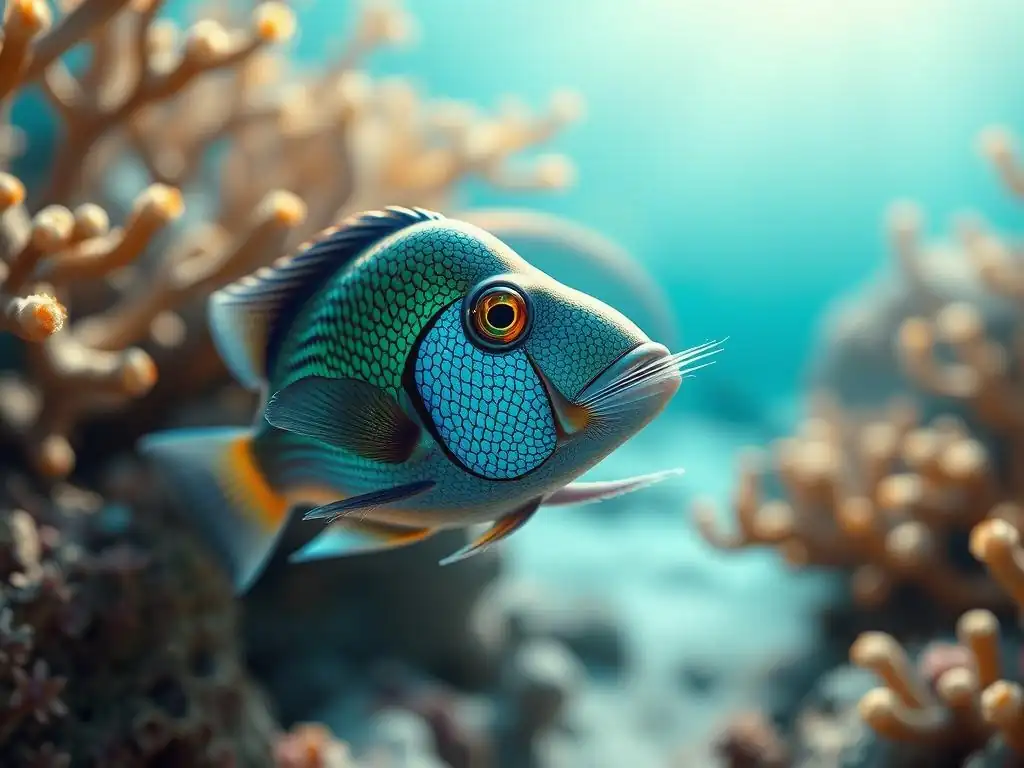
Wrasses are renowned for their vibrant and dynamic coloration, which often serves as a direct reflection of their mood and health. When healthy and relaxed, their colors are typically bright and intense. However, stress can cause a rapid and significant fading of these colors, a darkening of their overall appearance, or the sudden emergence of stress bars or blotches on their bodies. For instance, a normally brilliant blue and yellow Six-Line Wrasse might appear dull or pale when distressed.
These color changes are physiological responses to perceived threats, poor water quality (e.g., sustained ammonia levels above 0.05 ppm or fluctuating salinity), or the onset of disease. Persistent dullness or erratic color shifts in wrasse behavior reef tank inhabitants warrant immediate investigation into environmental factors, bullying, or potential pathogens, as it signals a compromised state of health.
Erratic Swimming and Hiding: Potential Problems
Erratic swimming, characterized by darting frantically, swimming into tank walls, or rapid, jerky movements that are not typical of their species, is a clear sign of distress. Coupled with this, excessive hiding, especially during feeding times or when the fish would normally be active and visible, strongly indicates a problem. A wrasse that suddenly spends 90% of its time hidden in the rockwork, only emerging briefly, is likely experiencing significant discomfort.
These behaviors suggest discomfort, fear, or underlying physical ailments. A wrasse exhibiting such changes might be suffering from internal parasites, chronic bullying from tank mates, or extreme sensitivity to unstable water parameters. Monitoring wrasse behavior reef tank inhabitants for these shifts is crucial for early diagnosis and intervention to prevent further decline.
Aggression Towards Tank Mates: Understanding Territoriality
While some wrasse species, particularly certain Halichoeres or Pseudocheilinus species, exhibit natural territoriality, sudden or excessive aggression towards established tank mates is a significant stress signal. This aggression can manifest as relentless nipping, persistent chasing, or actively preventing other fish from accessing food or prime hiding spots. It's important to differentiate natural hierarchy from harmful bullying.
Such aggression often stems from inadequate space (e.g., housing a species that requires a 75-gallon tank in a 40-gallon setup), insufficient hiding spots, or intense competition for limited resources. Understanding the natural wrasse behavior reef tank dynamics, including their territorial instincts, is essential for proper stocking density and aquascaping to minimize conflict and maintain a peaceful community.
Wrasse Compatibility with Other Reef Tank Inhabitants
The compatibility of wrasses with other reef tank inhabitants varies significantly by species. Many wrasses, such as most Fairy ( Cirrhilabrus) and Flasher ( Paracheilinus) wrasses, are generally peaceful community fish that coexist well with a wide range of docile species like tangs, clownfish, and gobies. However, some larger or more boisterous wrasse species, like certain Coris or Cheilinus species, can be aggressive predators towards smaller fish, ornamental shrimp, or crabs.
It is crucial to research the specific wrasse species' temperament before introduction. For instance, a small Cleaner Wrasse ( Labroides dimidiatus) might be peaceful, but a mature Yellow Coris Wrasse ( Halichoeres chrysus) could be a threat to smaller invertebrates. Understanding species-specific wrasse behavior reef tank compatibility prevents costly and heartbreaking losses within your aquarium.
Dominance Displays and Hierarchy Among Wrasses
When multiple wrasses are housed together, particularly those of the same or closely related species, a dominance hierarchy often forms. This can involve subtle displays such as fin flaring, temporary color changes, or brief chasing. Males, especially, may engage in these displays to assert their position or attract females. In a well-designed tank with ample space and hiding spots, these interactions are generally harmless and short-lived.
However, if these displays become constant or result in physical harm or chronic stress to submissive individuals, it indicates a problematic hierarchy. A situation where a subordinate wrasse is consistently prevented from feeding or forced to hide excessively suggests that the social dynamics within the wrasse behavior reef tank are unhealthy and require intervention, such as rearranging the aquascape or, in extreme cases, removing one of the fish.
Recognizing and Managing Aggression Issues
Signs of problematic aggression include torn fins, constant hiding of the bullied fish, refusal to eat, or physical damage to the aggressor or victim. This often occurs if the tank is too small (e.g., less than 75 gallons for a pair of medium-sized wrasses) or if incompatible species are housed together without adequate research. Aggression can escalate quickly, leading to severe stress and even death for the targeted fish.
Strategies for managing aggression include rearranging the aquascaping to break sightlines and create new territories, adding more hiding spots, or introducing a "target" fish if the aggression is directed solely at one individual. As a last resort, if aggression persists and causes harm, removing either the aggressor or the bullied fish may be the only viable solution to maintain peace and health within the wrasse behavior reef tank.
Specific Wrasse Species and Their Unique Behaviors in Reefs
The Cleaner Wrasse: Symbiotic Relationships in the Reef
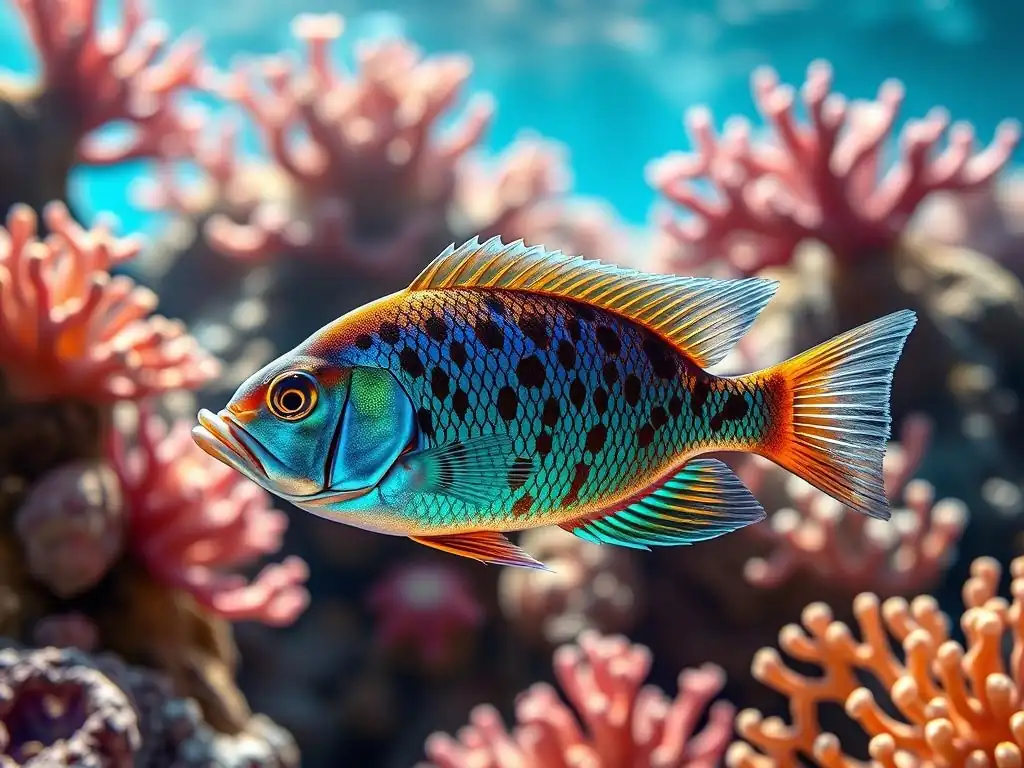
The Cleaner Wrasse, primarily Labroides dimidiatus, is renowned for its fascinating symbiotic cleaning behavior. In the wild, these wrasses establish "cleaning stations" where other fish, even predators, approach to have external parasites, dead tissue, and mucous removed from their bodies, gills, and mouths. This specialized wrasse behavior reef tank interaction is a cornerstone of natural reef ecosystems.
While captivating, true cleaner wrasses are notoriously difficult to maintain in home aquariums. They often struggle to find enough "clients" in a typical captive environment and may slowly starve without a constant supply of parasites or very specific supplemental feeding. This challenge contributes to a high mortality rate, with over 80% of wild-caught cleaner wrasses failing to survive beyond the first few months in home aquariums.
The Six-Line Wrasse: Algae Control and Behavior
The Six-Line Wrasse ( Pseudocheilinus hexataenia) is a popular small wrasse, typically growing up to 3 inches, known for its vibrant coloration and utility in reef tanks. They are highly active, darting through rockwork and picking at surfaces, making them effective predators of nuisance invertebrates such as pyramid snails (which prey on clams), flatworms, and some forms of nuisance algae. Their constant, inquisitive wrasse behavior reef tank presence is often appreciated by aquarists.
Despite their small size and beneficial habits, Six-Line Wrasses can become surprisingly territorial and aggressive as they mature, especially towards smaller, more peaceful tank mates or even other wrasses if not given ample space (a minimum of 30 gallons is recommended) and numerous hiding spots. This territoriality can sometimes lead to bullying if not managed correctly.
The Fairy Wrasse: Peaceful and Colorful Additions
Fairy Wrasses, encompassing various species within the Cirrhilabrus genus, are highly sought after for their breathtaking array of colors, relatively peaceful temperament, and active swimming patterns. Many popular species, such as the Lubbock's Fairy Wrasse ( Cirrhilabrus lubbocki), typically reach about 3 inches in length, making them suitable for a wide range of reef aquariums. Their graceful, fluid movements are a constant delight.
They generally thrive in established reef tanks with plenty of live rock providing both hiding spots and foraging opportunities. Their active, yet typically non-aggressive wrasse behavior reef tank presence makes them excellent community fish. However, male Fairy Wrasses can display aggression towards other males of the same or very similar species, especially in smaller enclosures, necessitating careful stocking.
The Leopard Wrasse: Substrate Sifting and Acclimation Challenges
Leopard Wrasses ( Macropharyngodon species) are distinguished by their intricate patterns and their unique substrate-sifting behavior. These wrasses constantly sift through the sand bed with their mouths, searching for small invertebrates like copepods, amphipods, and worms, making them excellent for maintaining a healthy and aerated sand bed. This specialized wrasse behavior reef tank function is highly beneficial for the overall ecosystem.
However, Leopard Wrasses are notoriously difficult to acclimate to captivity and have specific needs. They require a mature tank (at least 6 months old) with a deep (2-4 inches), fine sand bed and a continuous supply of live micro-fauna. Their delicate nature and reliance on live food make them unsuitable for beginner aquarists, often resulting in high initial mortality rates that can exceed 50% if not provided with ideal conditions.
Optimizing Your Reef Tank Environment to Promote Positive Wrasse Behavior
Tank Size and Aquascaping: Creating a Suitable Habitat
Tank size is paramount for promoting positive wrasse behavior. While some smaller species can thrive in 30-gallon tanks, a minimum of 50-75 gallons is often recommended for many common wrasse species, with larger tanks (120+ gallons) necessary for more active or larger species. Coupled with size, ample live rock aquascaping is crucial, providing numerous caves, crevices, and open swimming areas.
Proper aquascaping allows wrasses to establish territories, find secure shelter from perceived threats, and forage naturally for micro-invertebrates. This directly influences positive wrasse behavior reef tank dynamics, significantly reducing stress, minimizing aggression among tank mates, and encouraging their natural exploratory instincts.
Water Quality and Parameters: Maintaining a Healthy Environment
Pristine and stable water quality is non-negotiable for wrasse health. Wrasses thrive in specific parameters: salinity 1.023-1.026, temperature 72-78°F (22-26°C), pH 8.1-8.4, alkalinity 8-12 dKH, calcium 400-450 ppm, and magnesium 1250-1350 ppm. Crucially, ammonia, nitrite, and nitrate levels should be consistently near zero, as wrasses are sensitive to pollutants.
Regular water changes (10-20% bi-weekly) and robust filtration (sump, protein skimmer, refugium) are essential to maintain these optimal conditions. Poor or fluctuating water quality is a leading cause of stress, disease, and lethargy, directly impacting healthy wrasse behavior reef tank activity and overall vitality.
Proper Diet and Feeding Strategies for Wrasses
Wrasses are generally carnivorous and require a varied and high-quality diet. This should include a mix of frozen meaty foods such as mysis shrimp, brine shrimp, finely chopped krill, and bloodworms. High-quality marine pellets or flakes specifically formulated for carnivorous fish can also supplement their diet. Live foods, like copepods or blackworms, are particularly beneficial, especially for finicky eaters or newly introduced specimens.
Many wrasses benefit from multiple small feedings throughout the day (2-3 times) rather than one large meal. This mimics their natural grazing habits on the reef and ensures consistent nutrient intake. This consistent feeding strategy is vital for maintaining high energy levels, vibrant coloration, and promoting optimal wrasse behavior reef tank activity.
Troubleshooting Problematic Wrasse Behaviors in Reef Tanks
Diagnosing and Treating Common Wrasse Diseases
Wrasses are susceptible to common marine diseases such as marine ich ( Cryptocaryon irritans), which appears as small white spots, and velvet disease ( Amyloodinium ocellatum), presenting as a dusty, golden film. Other issues include internal parasites, often indicated by emaciation despite eating, and bacterial infections, manifesting as fin rot, cloudy eyes, or ulcers.
Treatment typically involves isolating the affected wrasse in a quarantine tank. Medications like copper-based treatments for ich or antibiotics for bacterial infections can be administered. Improving overall water quality and reducing stress factors are also crucial for recovery. Early detection through vigilant observation of wrasse behavior reef tank changes is paramount for successful treatment outcomes.
Addressing Bullying and Aggression Issues
If aggression becomes persistent and harmful to other tank inhabitants, immediate action is necessary. One effective strategy is to temporarily remove the aggressor to a separate tank for a few days; this "resets" its territorial claims when reintroduced. Alternatively, significantly rearranging the aquascape can create new territories and break established sightlines, often diffusing tension.
Ensuring adequate space, ample hiding spots, and a sufficient number of fish (sometimes adding more fish can dilute aggression) can also help. If the problem persists despite these interventions, rehoming one of the fish may be the only solution to prevent chronic stress, injury, and maintain peace within the wrasse behavior reef tank ecosystem.
Solving Feeding Problems and Nutritional Deficiencies
A wrasse refusing to eat is a critical sign. First, meticulously check all water parameters for any sudden spikes or dips, as poor water quality is a common appetite suppressant. Next, try offering a wide variety of highly palatable foods, such as live brine shrimp, live blackworms, or nutrient-soaked mysis shrimp, to entice feeding. Some wrasses are finicky eaters and may only accept specific live foods initially.
Nutritional deficiencies can lead to faded colors, lethargy, susceptibility to disease, and even organ damage over time. Supplementing their food with liquid vitamins (e.g., Selcon) or garlic extract can boost appetite and overall health. Addressing these issues promptly is vital for restoring vibrant wrasse behavior reef tank activity and ensuring long-term well-being.
Advanced Wrasse Behavior: Breeding and Reproduction in Captivity
Understanding Wrasse Courtship Rituals
Wrasse courtship rituals are often elaborate and fascinating displays of advanced wrasse behavior. Males typically exhibit intensified coloration, flared fins, and perform intricate "dancing" movements to attract a female. Spawning usually occurs at dusk, with the pair rising rapidly towards the surface to release eggs and sperm simultaneously, which then float freely in the water column.
These rituals vary significantly between species. For instance, many wrasses are protogynous hermaphrodites, meaning they begin life as females and can change sex to male under specific social cues, such as the absence of a dominant male. Understanding these complex social structures is key to successful wrasse behavior reef tank breeding projects.
Creating a Breeding Environment for Wrasses
Breeding wrasses in captivity is challenging but has been achieved for some species, particularly smaller, more adaptable ones like the Six-Line Wrasse. It typically requires a dedicated breeding tank that is separate from the main display, often with specific aquascaping to facilitate spawning. This might include open water columns for pelagic spawners or suitable substrate for species that lay eggs on surfaces.
Precise control over water parameters, lighting cycles (simulating natural dusk/dawn transitions), and a high-quality conditioning diet rich in live foods are essential to trigger spawning. Successful wrasse behavior reef tank breeding demands significant dedication and a meticulous approach to environmental conditions.
Raising Wrasse Fry: Challenges and Considerations
Wrasse fry are typically tiny, planktonic, and extremely delicate, posing significant challenges for aquarists. They require incredibly small live foods, such as rotifers and various stages of copepods, for their initial development. High mortality rates are common due to their fragile nature, specific feeding requirements, and susceptibility to water quality fluctuations.
Maintaining pristine water quality in the fry tank, often through constant drip systems or frequent, small water changes, is crucial for their survival. This advanced aspect of wrasse behavior reef tank husbandry demands specialized equipment, a continuous supply of live food cultures, and considerable expertise, making it a pursuit for highly experienced aquarists.
Conclusion: Mastering Wrasse Behavior in Your Reef Aquarium
Mastering the nuances of wrasse behavior is an invaluable skill for any reef aquarist. These dynamic and often charismatic fish provide constant insights into the health and balance of your ecosystem. Consistent observation of their swimming patterns, feeding habits, social interactions, and physical appearance serves as your most effective early warning system against stress, disease, or incompatibility.
By diligently decoding the subtle cues in wrasse behavior reef tank inhabitants provide, you empower yourself to proactively address potential issues, optimize their environment, and foster a thriving, vibrant community. A well-understood and properly managed wrasse behavior reef tank not only leads to healthier, more active fish but also provides a profoundly rewarding and engaging experience for the dedicated aquarist.
Frequently Asked Questions
How do I know if a Wrasse is happy in my reef tank?
Observing active swimming, vibrant coloration, and eager feeding are strong indicators of a content wrasse. A healthy wrasse will also display natural behaviors like hunting for invertebrates. Lack of these behaviors could indicate stress.
What are some signs of stress in a wrasse in a reef tank?
Signs of stress include loss of color, hiding excessively, refusing to eat, and rapid breathing. These can be caused by poor water quality, bullying from other fish, or insufficient hiding places.
Are all Wrasses reef safe, and if not, which ones should I avoid for my reef tank?
No, not all wrasses are reef safe. Avoid larger, predatory species like the Lunare Wrasse and Harlequin Tuskfish as they may prey on corals and invertebrates. Opt for smaller, peaceful species.
What should I feed my wrasse in a reef tank to ensure its optimal health and coloration?
Provide a varied diet of high-quality frozen foods, flake food, and live foods like brine shrimp or mysis shrimp. This ensures they receive essential nutrients for vibrant colors and overall health.
How can I prevent aggressive behavior from my wrasse towards other fish in my reef tank?
Ensure your tank is large enough to accommodate all fish, and provide plenty of hiding places and territories. Introduce the wrasse last to minimize territorial aggression. Careful species selection is also important.
Final Reflection: Understanding the Language of the Reef
The insights into wrasse behavior, as explored throughout this article, are not merely academic observations but essential knowledge for responsible reef tank keeping. Understanding their intricate social dynamics, feeding habits, and unique communication methods allows us to create environments where these vibrant creatures can truly thrive, rather than simply survive. This deeper understanding translates directly into healthier, more vibrant reef ecosystems within our own homes.
The subtle cues and complex interactions of wrasses have profoundly shaped, and continue to shape, our perception of reef tank ecosystems. Recognizing the intelligence and sensitivity of these animals fosters a greater sense of responsibility and encourages us to move beyond simply decorating our tanks to actively cultivating a thriving community. In the end, we will conserve only what we love; we will love only what we understand; and we will understand only what we are taught.
- Baba Dioum's words resonate deeply, reminding us that knowledge is the key to fostering a genuine connection with the natural world, even within the confines of our glass boxes.
Now, armed with a deeper understanding of wrasse behavior, I invite you to reflect on your own reef tank practices. Consider how you can better cater to the specific needs of these fascinating fish, fostering an environment where they can express their natural behaviors and contribute to a balanced and beautiful ecosystem. Let's strive to become not just keepers, but true stewards of the reef, enriching the lives of these incredible creatures and, in turn, enriching our own.
Unveil the Secrets of Your Wrasse!
Thanks for diving deep into the fascinating world of wrasse behavior! We hope you’ve gained valuable insights into understanding these dynamic reef inhabitants. Now, let's put that knowledge into action!
Here are some ways you can further explore the world of wrasses:
- Implement at least one observation technique outlined in the article to monitor your wrasse's health and happiness this week.
- Share your most surprising wrasse behavior observation on Aquarium Mastery's community forum – you might just help another reef enthusiast!
- Research a different species of wrasse and discover how its behavior differs from what you've learned.
What unique behavior will you start observing in your wrasse tank today?