
DIY Delights: Crafting Nutritious Homemade Meals for Your Surgeonfish


Welcome to Aquarium Mastery!
Ever wondered if you could whip up a delicious and healthy feast for your Surgeonfish right in your own kitchen? Dive into our guide on crafting Surgeonfish homemade nutritious fish food and unlock the secrets to a happier, healthier tank. What ingredients will create the perfect balance? Let's find out!
- Understanding Your Surgeonfish's Dietary Needs for Optimal Health
- Surgeonfish Homemade Nutritious Fish Food: A Step-by-Step Guide
- Surgeonfish Homemade Nutritious Fish Food Recipes: Examples and Variations
- Feeding Your Surgeonfish Your Homemade Food: Tips and Tricks
- Troubleshooting Common Issues with Homemade Surgeonfish Food
- Benefits of Homemade Surgeonfish Food: Beyond Nutrition
-
Frequently Asked Questions
- How can I be sure my homemade food provides complete nutrition for my Surgeonfish?
- What are the best ingredients to include in homemade Surgeonfish food?
- How often should I feed my Surgeonfish homemade food?
- What are the potential risks of feeding my Surgeonfish homemade food?
- How can I store leftover homemade Surgeonfish food?
- Final Reflection: Nurturing Life, One Meal at a Time
- Ignite Your Surgeonfish's Health: Start Crafting Today!
Understanding Your Surgeonfish's Dietary Needs for Optimal Health
The Importance of a Balanced Diet for Surgeonfish
A balanced and appropriate diet is paramount for the long-term health and vitality of surgeonfish in a home aquarium. These fascinating marine fish, particularly Tangs, are predominantly herbivorous in their natural habitat, spending the majority of their day grazing on various types of algae found on coral reefs.
Their digestive systems are specifically adapted for processing large quantities of plant matter, featuring long intestinal tracts designed for efficient nutrient absorption from fibrous foods. Without a diet that closely mimics their natural intake, surgeonfish can suffer from a range of health issues, including nutrient deficiencies, digestive blockages, and the dreaded Head and Lateral Line Erosion (HLLE), a common and often debilitating condition linked to poor nutrition and water quality.
Providing a diverse and consistent supply of appropriate food not only prevents disease but also supports robust immune function, promotes vibrant coloration, and ensures proper growth. Wild surgeonfish are known to consume hundreds, if not thousands, of "bites" of algae per hour, a feeding behavior that cannot be fully replicated by infrequent offerings of commercial pellets alone. Therefore, a comprehensive feeding strategy, incorporating high-quality surgeonfish homemade nutritious fish food, is essential to meet their continuous grazing needs and maintain their overall well-being and natural behaviors.
Key Nutritional Components for Healthy Surgeonfish: A Deep Dive
For optimal health, the diet of surgeonfish must be rich in specific macronutrients and micronutrients. The primary macronutrients required are plant-based proteins and complex carbohydrates, both abundantly found in algae and various vegetables. While some protein is necessary for growth and tissue repair, excessive amounts of animal-based protein can be detrimental to primarily herbivorous species, potentially leading to fatty liver disease, organ damage, or digestive distress due to their specialized digestive tracts. A general guideline suggests that protein content for most herbivorous surgeonfish should ideally remain below 15-20% of their total diet, with the majority derived from plant sources.
Beyond macronutrients, essential vitamins and minerals play a critical role. Vitamin C is vital for immune system strength and collagen synthesis, crucial for skin and fin health. Vitamin A (retinol) or its precursor, beta-carotene, supports vision, epithelial tissue integrity, and immune function.
B vitamins are indispensable for metabolic processes, while minerals like calcium and phosphorus are crucial for skeletal development and overall physiological function. These micronutrients are often more bioavailable and potent when sourced from fresh, whole ingredients, making surgeonfish homemade nutritious fish food a superior alternative to relying solely on processed commercial options, which can lose nutrient potency over time.
Algae & Vegetable Matter: Cornerstones of Surgeonfish Nutrition
Algae and vegetable matter are undeniably the cornerstone of a surgeonfish's diet, providing not only essential energy but also crucial fiber that aids digestion and gut motility. As natural grazers, surgeonfish constantly consume various forms of microalgae and macroalgae in their reef environments. This constant intake of fibrous material is vital for their long, specialized digestive tracts, preventing issues such as impaction and ensuring efficient nutrient absorption. Without sufficient roughage, their digestive systems can become sluggish, leading to poor nutrient utilization and potential health complications.
Incorporating a wide variety of algae and vegetable matter into their diet ensures a broad spectrum of nutrients. Excellent sources of algae include spirulina, chlorella, and dried nori (seaweed). Spirulina, for example, is a blue-green algae known for its high protein content (often 50-60%), essential amino acids, and rich profile of vitamins (B vitamins, Vitamin E) and minerals (iron, magnesium). Chlorella also offers a dense nutritional profile.
Suitable vegetables include blanched spinach, romaine lettuce, zucchini, broccoli, and peas. Spinach provides iron and Vitamin K, while carrots are an excellent source of beta-carotene, which enhances vibrant coloration. These ingredients are fundamental to crafting effective surgeonfish homemade nutritious fish food recipes.
Surgeonfish Homemade Nutritious Fish Food: A Step-by-Step Guide
Gathering the Right Ingredients for Your Homemade Surgeonfish Food
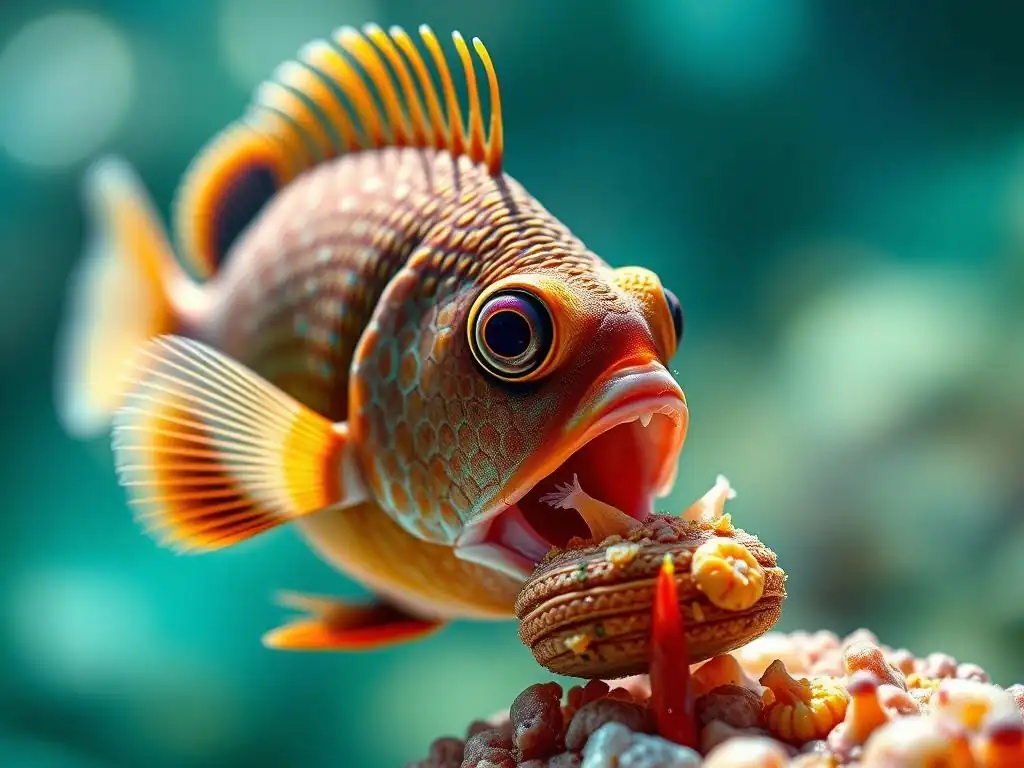
The journey to crafting superior surgeonfish homemade nutritious fish food begins with the careful selection of ingredients. The guiding principles should always be freshness, quality, and variety. It is highly recommended to source human-grade ingredients whenever possible, as this minimizes the risk of introducing contaminants, pesticides, or unhealthy additives into your aquarium. For instance, using organic vegetables can reduce exposure to agricultural chemicals, which might otherwise leach into tank water.
Building a balanced homemade recipe involves thoughtfully combining components from several key categories: essential algae sources, diverse vegetables, appropriate protein supplements, and effective binding agents. This holistic approach ensures that the final product provides a comprehensive nutritional profile tailored to the specific needs of surgeonfish, supporting their health and vibrant appearance. Planning your ingredient list in advance helps streamline the preparation process and ensures you have all necessary components for a truly nutritious meal.
Essential Algae Sources for Surgeonfish Food Recipes
For surgeonfish, which are primarily herbivorous grazers, algae are non-negotiable. Unsalted, unflavored nori (dried seaweed sheets) is a widely accessible and excellent staple. It's rich in fiber, iodine, and various trace elements. You can often find large packs of sushi-grade nori, which offers significant cost savings compared to small aquarium-specific nori sheets.
Beyond nori, powdered spirulina and chlorella are exceptionally concentrated sources of nutrition. Spirulina, for instance, contains up to 60% protein by dry weight, along with a complete amino acid profile, making it a powerful plant-based protein source. It also provides B vitamins, iron, and potent antioxidants like phycocyanin.
Chlorella is another single-cell green algae packed with chlorophyll, vitamins, and minerals. When incorporating these powders into your surgeonfish homemade nutritious fish food, they not only boost nutritional value but also act as natural binders. While less common for homemade food, safely sourced marine macroalgae (like Gracilaria or Ulva) can also be blended in. It is crucial to avoid terrestrial algae or any algae from unknown sources, as they may contain undesirable compounds or contaminants.
Vegetable and Plant-Based Ingredients: Variety is Key
Incorporating a diverse array of vegetables provides a broader spectrum of vitamins, minerals, and antioxidants essential for surgeonfish health. Excellent choices include blanched spinach, which is rich in iron and Vitamin K; blanched romaine lettuce, offering a good source of Vitamin A and C; zucchini, which is easily digestible and provides moisture; blanched broccoli florets for Vitamin C and fiber; and blanched peas, a source of protein and fiber. Grated carrots are also beneficial for their high beta-carotene content, which enhances the vibrant yellow and orange pigments in many surgeonfish species.
For harder vegetables like carrots or broccoli, it is advisable to blanch or lightly steam them before blending. This process helps break down tough cell walls, making the nutrients more bioavailable and the food easier for surgeonfish to digest. For example, lightly steaming broccoli for 2-3 minutes can soften it sufficiently without significant nutrient loss. This variety ensures your surgeonfish homemade nutritious fish food provides comprehensive nutrition.
Supplementing with Protein: Selecting the Right Sources
While surgeonfish are predominantly herbivorous, some species, like Naso Tangs, are more omnivorous and can benefit from a small amount of high-quality marine protein. Even strictly herbivorous species can benefit from a minimal amount of protein for growth, especially juveniles. Suitable marine protein sources include fresh, raw, human-grade shrimp (such as mysis shrimp or brine shrimp), krill, or small quantities of lean white fish flesh (e.g., cod, pollock, tilapia). These should be thoroughly cleaned and, if necessary, deveined before use.
It is crucial to emphasize moderation when adding protein. For most herbivorous surgeonfish, protein should constitute no more than 10-15% of the total food mixture. Excessive animal protein can strain their specialized digestive systems and liver, leading to health problems over time. For example, if making a batch of 1 cup of food, no more than 1/8 to 1/6 cup should be protein. For omnivorous species, this percentage might be slightly higher, but plant matter should always remain the dominant component of their surgeonfish homemade nutritious fish food.
Binding Agents: Ensuring Your Food Stays Together
Binding agents are essential for creating surgeonfish homemade nutritious fish food that holds its shape in water, preventing rapid disintegration and subsequent water pollution. The most common and effective binder is unflavored gelatin (e.g., Knox gelatin). When dissolved in hot water and mixed with the other ingredients, it sets into a firm, yet pliable, gel upon cooling. A typical ratio is one packet of unflavored gelatin per cup of liquid ingredients.
For those seeking a plant-based alternative, agar-agar is an excellent choice. Derived from seaweed, agar-agar creates a firmer gel than gelatin and requires boiling with a portion of the liquid ingredients to activate its gelling properties before mixing with the rest of the food. Another option is to use a small amount of spirulina or chlorella powder, which can naturally thicken the mixture when wet due to their mucilaginous properties. Experimentation with binder quantities may be necessary to achieve the desired consistency for your specific surgeonfish homemade nutritious fish food.
Preparing Your DIY Surgeonfish Food: A Practical Approach
Preparing your own surgeonfish homemade nutritious fish food is a straightforward process that, once mastered, becomes a quick and efficient routine. The key is to maintain strict hygiene throughout the preparation to prevent bacterial contamination, which could harm your fish. Always use clean utensils, cutting boards, and blenders.
Preparing food in larger batches is highly recommended; this saves time and ensures a consistent supply of food, reducing the frequency of preparation sessions. For example, a single batch can yield enough food to last several weeks or even months, depending on the size of your aquarium and the number of surgeonfish you keep.
This practical approach not only ensures a steady supply of high-quality food but also allows for experimentation with different ingredient ratios and textures, helping you fine-tune the perfect surgeonfish homemade nutritious fish food for your specific fish.
Step 1: Chopping and Processing Ingredients
The first step involves meticulously preparing each ingredient to ensure proper consistency and digestibility for your surgeonfish. Leafy greens such as spinach and romaine lettuce should be thoroughly washed to remove any residue, then finely chopped or torn into small pieces. Harder vegetables like zucchini, broccoli, or carrots should be blanched or lightly steamed until tender-crisp, then finely minced, grated, or chopped. For example, blanching carrots for 3-5 minutes can significantly soften them for easier processing.
The goal is to achieve a consistency that is easy for your surgeonfish to consume and digest. For smaller surgeonfish or those with more delicate mouths, a finer chop or even a paste-like consistency is preferable. A food processor or high-speed blender is invaluable for this step, allowing you to achieve a uniform texture quickly and efficiently. This precision in chopping is crucial for creating an effective surgeonfish homemade nutritious fish food.
Step 2: Mixing and Blending for Optimal Consistency
Once all the solid ingredients are chopped or minced, the next crucial step is to combine them thoroughly to achieve a homogeneous mixture. Transfer all prepared solid ingredients into a food processor or high-speed blender. Gradually add any liquid components, such as a small amount of reverse osmosis (RO) water, dechlorinated tap water, or a liquid vitamin supplement, if using. Blend the mixture until it reaches the desired consistency.
For a gel-based food that will be poured into molds, blend until the mixture is relatively smooth. If you prefer a flakier or more textured food, a slightly coarser blend might be suitable. The aim is to ensure that all ingredients are evenly distributed throughout the mixture, preventing your surgeonfish from picking out only their favorite components and ensuring they receive a balanced diet with every bite of the surgeonfish homemade nutritious fish food.
Step 3: Binding and Shaping Your Surgeonfish Food
With the ingredients thoroughly mixed, it's time to incorporate the binding agent and shape your surgeonfish homemade nutritious fish food. If using gelatin, dissolve it completely in hot water according to the package instructions (typically 1 packet per 1/2 cup of hot water), then immediately add it to your blended mixture and mix thoroughly. If using agar-agar, a portion of your liquid ingredients will need to be heated with the agar-agar until it dissolves, then combined with the rest of the food. Ensure the binder is fully integrated into the mixture to prevent crumbling.
Once the binder is mixed in, you can shape the food. The most popular method is to pour the mixture into ice cube trays, which create convenient, pre-portioned servings (typically 1-ounce cubes). Alternatively, you can spread the mixture thinly onto a baking sheet lined with parchment paper, then cut it into smaller squares or strips after it sets. For very small fish, rolling the mixture into thin logs and then slicing them into tiny discs is another option. Place the shaped food into the freezer immediately to set the binder and preserve freshness.
Cooking and Preserving Your Homemade Surgeonfish Food
While some homemade fish food recipes can be fed raw, a light cooking process can offer benefits such as improved digestibility, sterilization, and better setting of binders. However, it's crucial to avoid overcooking, as excessive heat can degrade or destroy vital nutrients, especially heat-sensitive vitamins like Vitamin C and some B vitamins. The primary goal of any cooking method for surgeonfish homemade nutritious fish food is to set the binder and slightly soften harder vegetable components, not to thoroughly cook all ingredients.
Proper preservation techniques, particularly freezing, are paramount for maintaining the nutritional integrity and preventing spoilage of your homemade surgeonfish food. Without correct storage, the food can quickly lose its value and even become harmful.
Methods for Cooking: Steaming, Baking, and Microwaving
Steaming is often the preferred method for lightly cooking homemade surgeonfish food, as it generally retains more nutrients compared to boiling. Place your shaped food (e.g., in ice cube molds or on parchment paper) in a steamer basket and steam for a short period, typically 5-10 minutes, just enough to set the binder and slightly soften the vegetables. This gentle heat helps to break down cell walls, making nutrients more accessible for digestion.
Baking at a low temperature (e.g., 200°F / 95°C) for a short duration (15-20 minutes) can also be used to set the food, particularly if you are making flakes or thin sheets. Microwaving should be approached with extreme caution; if used, do so in very short bursts (e.g., 10-20 seconds) to avoid overheating and nutrient degradation. The key is minimal heat exposure to preserve the maximum nutritional value of your surgeonfish homemade nutritious fish food.
Freezing and Storage: Maintaining Nutritional Value
Freezing is the most effective method for long-term preservation of surgeonfish homemade nutritious fish food, ensuring its nutritional value is largely retained. Once the food has been prepared, shaped, and lightly cooked (if applicable) and allowed to cool completely, individual portions should be frozen immediately. Transfer the frozen cubes or pieces into airtight freezer bags (e.g., resealable plastic bags) or rigid freezer containers. Removing as much air as possible from the bags helps prevent freezer burn.
Properly frozen homemade food can typically be stored for 3 to 6 months without significant loss of nutritional potency. It is essential to label each bag or container with the date of preparation to ensure proper rotation. When it's time to feed, thaw only the portion needed, ideally in a small amount of aquarium water or a cup, just before feeding. Never refreeze thawed food, as this can lead to bacterial growth and nutrient degradation. This careful freezing process ensures your surgeonfish homemade nutritious fish food remains fresh and beneficial.
Surgeonfish Homemade Nutritious Fish Food Recipes: Examples and Variations
Recipe 1: The "Green Goodness" Blend for Algae Grazers
This "Green Goodness" blend is specifically formulated to cater to the high herbivorous needs of most surgeonfish species, such as Yellow Tangs, Kole Tangs, and Hippo Tangs, which are avid algae grazers. It focuses heavily on diverse algae sources and leafy greens, mimicking their natural diet on coral reefs. This recipe is designed to be a cornerstone of a healthy surgeonfish diet, providing the essential fibrous material and plant-based nutrients that these fish thrive on.
The benefits of this blend are manifold: it's exceptionally rich in fiber, promoting excellent digestive health; it provides a high concentration of chlorophyll, which has detoxifying properties; and it delivers a wide array of essential trace elements like iodine, crucial for thyroid function in marine fish. This blend serves as an outstanding source of natural pigments, such as carotenoids from spirulina, which contribute significantly to the vibrant and intense coloration of your surgeonfish. It's truly a foundational surgeonfish homemade nutritious fish food.
Ingredients and Instructions for the Green Goodness Blend
Ingredients:
- 1 cup blanched organic spinach
- 1/2 cup blanched organic romaine lettuce
- 1/4 cup high-quality spirulina powder
- 1/4 cup high-quality chlorella powder
- 2 sheets unsalted, unflavored nori (dried seaweed), shredded
- 1 packet (7g) unflavored gelatin
- 1/2 cup reverse osmosis (RO) water or dechlorinated fresh water
Instructions:
- Prepare Greens: Blanch spinach and romaine lettuce for 30 seconds, then immediately immerse in ice water to stop cooking. Drain thoroughly.
- Blend Solids: In a food processor or high-speed blender, combine blanched spinach, romaine lettuce, and shredded nori with 1/4 cup of the RO water. Blend until a smooth, thick paste forms.
- Prepare Gelatin: In a separate small bowl, sprinkle the unflavored gelatin over the remaining 1/4 cup of hot (not boiling) RO water. Stir continuously until the gelatin is completely dissolved and clear.
- Combine: Add the dissolved gelatin mixture to the blended green paste. Then, add the spirulina powder and chlorella powder. Blend again until all ingredients are thoroughly combined and the mixture is uniform.
- Portion and Freeze: Pour the mixture into clean ice cube trays. Place the trays in the freezer for at least 3-4 hours, or until completely solid. Once frozen, pop out the cubes and transfer them to airtight freezer bags, labeling with the date. Store in the freezer for up to 6 months.
Recipe 2: The "Veggie Delight" Mix for Variety
The "Veggie Delight" Mix offers a broader nutritional spectrum by incorporating a diverse range of fresh vegetables alongside essential algae. This recipe is suitable for all surgeonfish species, providing a well-rounded diet that complements their primary algae intake. It’s an excellent option for rotating with the "Green Goodness" blend to ensure your fish receive a wide array of nutrients from different plant sources.
This mix is particularly beneficial for its diverse vitamin and mineral content. Zucchini adds moisture and is easily digestible, while broccoli provides Vitamin C and fiber. Carrots are rich in beta-carotene, further enhancing the natural coloration of surgeonfish. Peas contribute protein and fiber. By offering this variety, you support overall immune function, boost vitality, and reduce the risk of specific nutrient deficiencies that might arise from a monochromatic diet. This varied approach to surgeonfish homemade nutritious fish food contributes significantly to their long-term health.
Ingredients and Instructions for the Veggie Delight Mix
Ingredients:
- 1/2 cup blanched organic zucchini (peeled or unpeeled, finely chopped)
- 1/4 cup blanched organic broccoli florets (finely chopped)
- 1/4 cup blanched organic green peas
- 1/4 cup organic grated carrot
- 1 sheet unsalted, unflavored nori, shredded
- 1/8 cup high-quality spirulina powder
- 1 packet (7g) unflavored gelatin
- 1/2 cup reverse osmosis (RO) water or dechlorinated fresh water
Instructions:
- Prepare Vegetables: Blanch zucchini, broccoli, peas, and carrot for 1-2 minutes until slightly tender, then cool in ice water. Drain well.
- Blend Solids: In a food processor or high-speed blender, combine blanched zucchini, broccoli, peas, grated carrot, and shredded nori with 1/4 cup of the RO water. Blend until a chunky or smooth paste forms, depending on desired texture.
- Prepare Gelatin: In a separate small bowl, sprinkle gelatin over the remaining 1/4 cup of hot RO water. Stir until fully dissolved.
- Combine: Add the dissolved gelatin mixture to the blended vegetable paste. Stir in the spirulina powder until thoroughly incorporated.
- Portion and Freeze: Pour the mixture into ice cube trays. Freeze for at least 3-4 hours until solid. Transfer frozen cubes to airtight freezer bags, label with the date, and store in the freezer for up to 6 months.
Recipe 3: The "Protein Power" Supplement for Growth
The "Protein Power" Supplement is designed as an occasional food, primarily for omnivorous surgeonfish species (e.g., certain Naso Tangs) or for juvenile surgeonfish that require a slightly higher protein intake to support rapid growth. It is crucial to stress that this is a supplemental food and not intended as the primary diet for most predominantly herbivorous surgeonfish, as excessive animal protein can lead to digestive upset and long-term health issues.
This recipe plays a vital role in supporting muscle development and providing concentrated energy for active fish. For instance, mysis shrimp are known for their high protein and beneficial fatty acid content, aiding in overall vigor. Brine shrimp, while less nutritious, can stimulate appetite. When used sparingly and appropriately, this specific variation of surgeonfish homemade nutritious fish food can significantly contribute to the robust development of young or omnivorous species, ensuring they receive the necessary building blocks for healthy growth without overloading their systems.
Ingredients and Instructions for the Protein Power Supplement
Ingredients:
- 1/4 cup raw mysis shrimp (thawed and rinsed)
- 1/4 cup raw brine shrimp (thawed and rinsed)
- 1/4 cup blanched organic spinach
- 1/8 cup high-quality spirulina powder
- 1/2 packet (3.5g) unflavored gelatin
- 1/4 cup reverse osmosis (RO) water or dechlorinated fresh water
Instructions:
- Prepare Shrimp: Finely chop the thawed mysis and brine shrimp.
- Prepare Spinach: Blanch spinach for 30 seconds, cool in ice water, and drain well. Blend spinach with 1/8 cup of the RO water until smooth.
- Prepare Gelatin: In a small bowl, sprinkle 1/2 packet of gelatin over the remaining 1/8 cup of hot RO water. Stir until fully dissolved.
- Combine: Add the dissolved gelatin mixture to the blended spinach. Then, combine this with the finely chopped shrimp and spirulina powder. Mix thoroughly by hand or with a spatula until all ingredients are evenly distributed.
- Portion and Freeze: Pour the mixture into very small ice cube trays or spread thinly (approx. 1/8 inch thick) on a parchment-lined baking sheet. Freeze until solid. If spread thinly, cut into small, bite-sized pieces after freezing. Transfer to airtight freezer bags, label with the date, and store for up to 3 months.
Feeding Your Surgeonfish Your Homemade Food: Tips and Tricks
Determining the Right Portion Size for Your Surgeonfish
Determining the appropriate portion size for your surgeonfish homemade nutritious fish food is crucial to prevent overfeeding, which can lead to water quality issues and health problems for your fish. The ideal portion size depends on several factors: the size and age of your surgeonfish, its activity level, and whether it's the sole food source or a supplement. A good starting point is to offer an amount that your surgeonfish can consume completely within 2-3 minutes. Any uneaten food should be removed promptly to avoid fouling the water.
For example, a smaller 4-inch Yellow Tang might thrive on a pea-sized portion of gel food per feeding, whereas a larger, more active 10-inch Naso Tang would require a significantly larger amount, perhaps a 1-inch cube. Observe your fish carefully during and after feeding. If they consume all the food quickly and still appear hungry, you can slightly increase the portion next time. Conversely, if food remains after a few minutes, reduce the portion. This careful observation is key to fine-tuning their diet.
Feeding Frequency: Establishing a Consistent Routine
Surgeonfish, as natural grazers, benefit significantly from frequent, small feedings rather than one large meal. In their natural habitat, they spend a considerable portion of their day continuously nibbling on algae. Replicating this grazing behavior in the aquarium is ideal for their digestive health and overall well-being. For juvenile surgeonfish, feeding 2-3 times a day is recommended to support their rapid growth and higher metabolic rates. Adult surgeonfish can thrive on 1-2 feedings of homemade food daily, supplemented with dried algae sheets clipped to the tank glass or by allowing them to graze on live rock.
Establishing a consistent feeding routine helps regulate their metabolism and mimics their natural feeding patterns, reducing stress and promoting better digestion. For instance, feeding once in the morning and once in the evening provides regular nutrient intake. This consistent schedule, combined with high-quality surgeonfish homemade nutritious fish food, contributes to optimal health and reduces instances of digestive issues.
Observing Your Surgeonfish: Adjusting the Diet as Needed
Continuous observation of your surgeonfish is paramount for assessing the effectiveness of your homemade diet and making necessary adjustments. Pay close attention to their appetite, coloration, activity level, and the appearance of their waste. Healthy surgeonfish should exhibit vibrant colors, be active and alert, and have a strong appetite. Their waste should be firm and dark. White, stringy feces can be an indicator of digestive issues, internal parasites, or even a dietary imbalance, particularly if there's insufficient fiber.
If your surgeonfish consistently leaves food uneaten, reduce the portion size or try a different recipe or texture. If they seem constantly hungry after consuming their meal, a slight increase in portion size or feeding frequency might be warranted. For instance, if you notice their colors dulling, consider increasing the amount of ingredients rich in beta-carotene, such as spirulina or carrots, in your next batch of surgeonfish homemade nutritious fish food. Adapting the diet based on these visual cues ensures your fish receive precisely what they need.
Troubleshooting Common Issues with Homemade Surgeonfish Food
Food Disintegration: How to Improve Binding
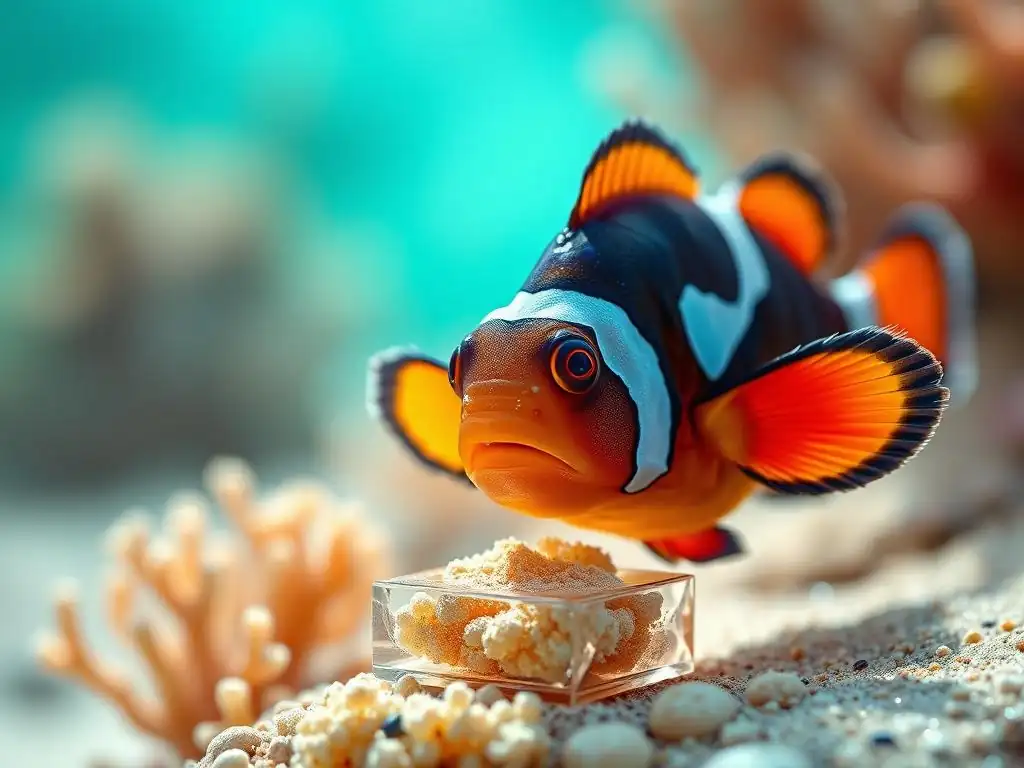
One of the most common challenges with surgeonfish homemade nutritious fish food is its tendency to disintegrate too quickly in the water, leading to increased tank pollution and wasted food. This issue is primarily related to the binding agent. If your food falls apart rapidly after being introduced to the aquarium, it's a clear sign that the binder is either insufficient or not properly incorporated.
To improve binding, first ensure that your chosen binder (gelatin or agar-agar) is fully dissolved and thoroughly mixed into the food mixture. Undissolved particles will not create a strong bond. In your next batch, consider increasing the binder quantity slightly; for example, if using one packet of gelatin per cup of liquid, try 1.5 packets. Alternatively, switch to an alternative binder like agar-agar, which typically creates a firmer, more stable gel. Additionally, ensure all solid ingredients are finely processed; a smoother, more uniform mixture tends to bind better than a chunky one.
Palatability Problems: Encouraging Your Surgeonfish to Eat
Even the most nutritious surgeonfish homemade nutritious fish food is useless if your fish won't eat it. Surgeonfish can sometimes be finicky eaters, especially when introduced to new foods. If your fish are reluctant to consume the homemade blend, patience and strategic introduction are key. Start by mixing a very small amount of the homemade food with their familiar commercial food, gradually increasing the proportion over several days or a week.
Offering the new food at times when your surgeonfish are most active and hungry, such as first thing in the morning, can also encourage acceptance. Varying the texture might also help; if they reject a gel-based food, try a flakier consistency. A small amount of aquarium-safe garlic extract (available at pet stores) can sometimes be added to the food to entice picky eaters due to its strong aroma. Persistence and consistency in offering the new food will often lead to eventual acceptance.
Water Quality Concerns: Minimizing Impact on Your Aquarium
Homemade foods, while highly beneficial, can pose water quality challenges if not managed properly. If the food disintegrates rapidly, is overfed, or is left uneaten in the aquarium, it can quickly contribute to an increase in undesirable nutrients like nitrates and phosphates. This nutrient build-up can fuel nuisance algae growth and potentially stress your fish due to deteriorating water parameters.
To minimize the impact on your water quality, always feed small amounts of surgeonfish homemade nutritious fish food that can be consumed within 2-3 minutes. Promptly remove any uneaten food using a net or siphon. Ensure your aquarium has excellent filtration, including mechanical filtration (filter floss, sponges) to remove particulate matter and biological filtration to process ammonia and nitrite. Regular water changes are also crucial; performing 10-20% water changes weekly or bi-weekly will help dilute and remove accumulated nutrients, maintaining a pristine environment for your surgeonfish.
Benefits of Homemade Surgeonfish Food: Beyond Nutrition
Cost Savings: Reducing Your Aquarium Expenses
One of the most compelling advantages of preparing surgeonfish homemade nutritious fish food is the significant cost savings it offers compared to purchasing commercial specialty diets. High-quality commercial foods designed for marine herbivores, especially those with premium ingredients like spirulina and nori, can be quite expensive, with small containers often costing upwards of $10-$20. Over time, these expenses accumulate, becoming a substantial portion of your aquarium maintenance budget.
By contrast, sourcing human-grade ingredients in bulk, such as large bags of spirulina powder or packs of unsalted nori, offers a far more economical solution. While there might be an initial investment in basic equipment like a blender or ice cube trays, the cost per serving of homemade food is typically 30-50% less than premium commercial options. For example, a 1-pound bag of spirulina powder might cost $25-$40 but yield dozens of batches of food, whereas a small 1-ounce container of spirulina flakes could cost $10-$15. This long-term financial benefit makes homemade food a smart choice for serious aquarists.
Control Over Ingredients: Ensuring Quality and Safety
Perhaps the most significant benefit of crafting your own surgeonfish homemade nutritious fish food is the unparalleled control you gain over the ingredients. Unlike commercial foods, where you rely on manufacturer transparency and claims, making your own food allows you to hand-pick every component. You can select fresh, human-grade ingredients, ensuring they are free from undesirable fillers, artificial colors, chemical preservatives, or low-quality by-products often found in mass-produced fish foods. This level of control is crucial for sensitive marine species like surgeonfish.
This direct oversight enables you to tailor the diet precisely to the specific needs of your surgeonfish species, avoiding potential allergens or components that might be unsuitable for their unique digestive systems. For instance, if you have a fish prone to HLLE, you can ensure a higher concentration of Vitamin C and A precursors. This absolute control ensures that your fish are consuming a pure, unadulterated, and perfectly balanced diet, contributing directly to their long-term health and vitality.
Enhanced Surgeonfish Health and Vibrant Colors
The direct correlation between a diet rich in fresh, diverse, and natural ingredients and the overall health of your surgeonfish is undeniable. Surgeonfish consistently fed a varied homemade diet often exhibit stronger immune systems, making them more resilient to common diseases and infections. The high fiber content and easily digestible nutrients in homemade food also lead to improved digestive health, reducing instances of bloating, impaction, and conditions like Head and Lateral Line Erosion (HLLE) which are often linked to poor nutrition.
Furthermore, the natural pigments abundantly present in ingredients like spirulina, chlorella, and carrots (beta-carotene) play a crucial role in enhancing and maintaining the vibrant coloration that surgeonfish are renowned for. Unlike artificial color enhancers in some commercial foods, these natural carotenoids are readily metabolized, resulting in genuinely brighter, more intense, and more stable hues. This enhanced health and stunning visual appeal are direct, tangible benefits of providing optimal surgeonfish homemade nutritious fish food, making your fish a true centerpiece of your aquarium.
Frequently Asked Questions
How can I be sure my homemade food provides complete nutrition for my Surgeonfish?
It's crucial to include a variety of ingredients mimicking their natural diet, such as seaweed, algae, and small amounts of protein. Consider supplementing with vitamins and minerals to ensure balanced nutrition.
What are the best ingredients to include in homemade Surgeonfish food?
Excellent options include nori seaweed, spirulina powder, blanched vegetables like spinach and zucchini, and small amounts of high-quality seafood like shrimp or squid. Ensure all ingredients are finely chopped for easy consumption.
How often should I feed my Surgeonfish homemade food?
Feed your Surgeonfish multiple small meals throughout the day, mimicking their grazing behavior in the wild. Avoid overfeeding, as this can lead to water quality issues.
What are the potential risks of feeding my Surgeonfish homemade food?
Poorly prepared food can introduce bacteria or parasites into the aquarium. Always use fresh, high-quality ingredients and ensure proper storage and handling.
How can I store leftover homemade Surgeonfish food?
Store leftover food in an airtight container in the refrigerator for up to a few days. For longer storage, consider freezing the food in small portions for later use.
Final Reflection: Nurturing Life, One Meal at a Time
The journey of creating surgeonfish homemade nutritious fish food extends far beyond simply mixing ingredients. It's a testament to our dedication to the well-being of these vibrant creatures and a recognition that their health is intrinsically linked to the quality of their diet. In a world increasingly aware of the importance of sustainable practices, taking control of our fish's nutrition becomes a powerful act of responsible pet ownership.
This endeavor has profoundly influenced my perspective on the interconnectedness of life within our aquariums. Witnessing the positive impact of homemade meals on the health and vitality of my surgeonfish has been incredibly rewarding, fostering a deeper appreciation for their unique needs. The greatness of a nation and its moral progress can be judged by the way its animals are treated.
- Mahatma Gandhi. This quote resonates deeply, reminding us that even the smallest acts of care contribute to a more compassionate and sustainable world.
Now, I invite you to reflect on the power you hold to shape the lives of your aquatic companions. Embrace the opportunity to craft nutritious, homemade meals for your surgeonfish, and witness the transformative effect it has on their health, happiness, and the overall harmony of your aquarium. Let's continue to learn, experiment, and share our knowledge, ensuring a brighter future for these magnificent creatures, one carefully crafted meal at a time.
Ignite Your Surgeonfish's Health: Start Crafting Today!
Thanks for diving into the world of surgeonfish nutrition! We hope you've discovered some valuable insights into creating the perfect homemade meals for your aquatic friend. Now, it's time to put that knowledge into action and witness the vibrant health benefits firsthand.
Here's how you can make a splash:
- Commit to crafting one batch of homemade surgeonfish food this week, using the tips and recipes shared in this article. Observe your fish's reaction and adjust accordingly!
- Explore blending unexpected, nutrient-rich ingredients like spirulina powder or finely chopped seaweed sheets into your next batch for an extra health boost.
- Share photos and videos of your surgeonfish enjoying their homemade meals on social media using #AquariumMasteryDIY and inspire other aquarium enthusiasts!
What unique ingredient will you sneak into your surgeonfish's next culinary creation?