
Dwarf Angelfish Tank Requirements: Small Fish, Big Needs?

Welcome to Aquarium Mastery!
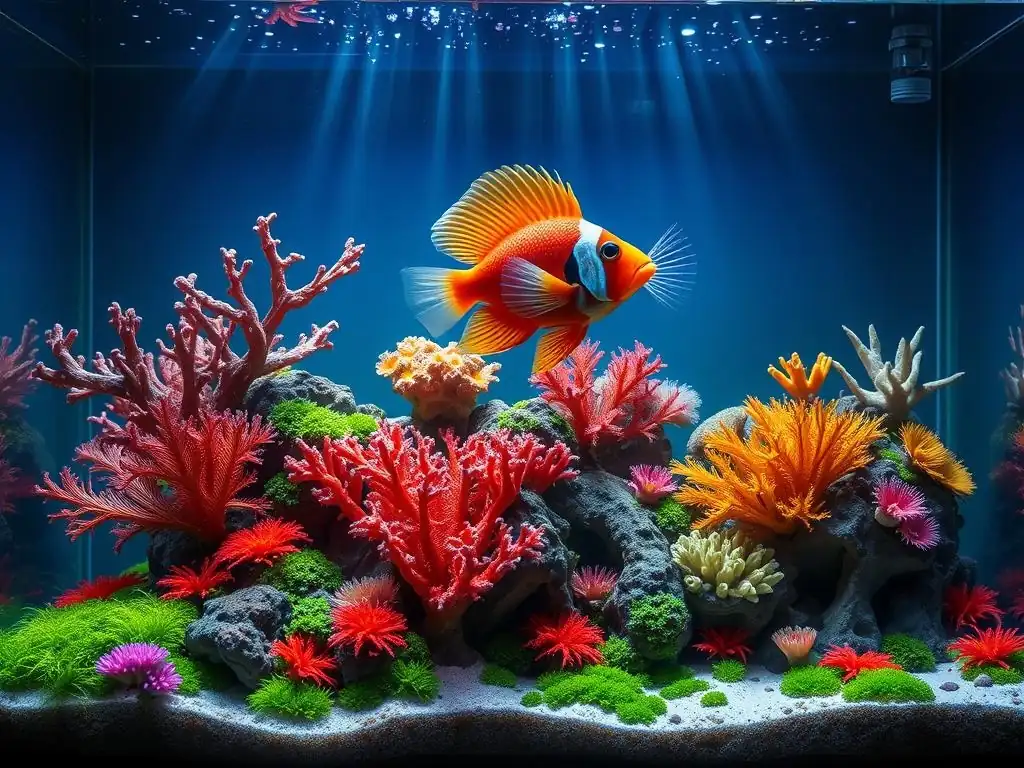
Ever wondered if keeping those gorgeous dwarf angelfish is as tricky as everyone says? You've come to the right place! Dive into our complete guide on Dwarf Angelfish Tank Setup and discover everything you need to know to create a thriving underwater paradise for these captivating saltwater beauties. Are you ready to unlock the secrets to a happy and healthy dwarf angelfish tank? Let's get started!
- Understanding Dwarf Angelfish Care: An Introduction
- Essential Dwarf Angelfish Tank Setup Guide
- Dwarf Angelfish Diet and Feeding
- Dwarf Angelfish Tank Mates: Compatibility and Considerations
- Common Dwarf Angelfish Health Issues and Prevention
- Maintaining a Thriving Dwarf Angelfish Aquarium: A Checklist
- Conclusion: The Rewarding Experience of Keeping Dwarf Angelfish
- Frequently Asked Questions
- Final Reflection: Nurturing Miniature Majesty
- Unleash the Vibrant Reef Keeper Within!
Understanding Dwarf Angelfish Care: An Introduction
What are Dwarf Angelfish? Species Overview
Dwarf angelfish, primarily belonging to the Centropyge genus, are a highly sought-after group of marine fish for saltwater aquariums due to their vibrant colors, manageable size, and active personalities. Unlike their larger angelfish cousins from the Pomacanthus or Holacanthus genera, dwarf angelfish typically reach an adult size of 3 to 6 inches, making them suitable for a wider range of home aquariums. Common species include the Flame Angelfish ( Centropyge loriculus), Coral Beauty Angelfish ( Centropyge bispinosa), Lemonpeel Angelfish ( Centropyge flavissima), and Cherub Angelfish ( Centropyge argi).
These captivating fish originate from the coral reefs of the Indo-Pacific, Atlantic, and Caribbean oceans, where they inhabit rocky crevices and coral formations at depths ranging from shallow lagoons to several hundred feet. Their natural diet consists primarily of filamentous algae, detritus, and small invertebrates, which contributes to their characteristic grazing behavior in the aquarium. Understanding these inherent behaviors is crucial for designing an optimal dwarf angelfish tank setup that caters to their specific needs.
Why Choose Dwarf Angelfish for Your Saltwater Aquarium?
Dwarf angelfish offer a compelling combination of beauty and personality that makes them a popular choice for many aquarists. Their smaller stature allows them to thrive in tanks that might be too restrictive for larger angelfish species, often starting from 30 gallons for a single specimen. Their brilliant and diverse coloration, ranging from the fiery reds of the Flame Angelfish to the deep blues and purples of the Coral Beauty, adds a spectacular visual appeal to any marine display.
Beyond their aesthetic charm, dwarf angelfish are known for their engaging and curious behavior, constantly exploring their environment and interacting with the aquascape. While some species can exhibit territorial tendencies, particularly towards other angelfish, many integrate well into peaceful community tanks, provided the dwarf angelfish tank setup offers ample hiding spots and swimming space. Their relatively hardy nature, once properly acclimated, also contributes to their appeal, making them a rewarding addition for dedicated hobbyists.
Essential Dwarf Angelfish Tank Setup Guide
Tank Size Requirements for Dwarf Angelfish: More Than Meets the Eye
While dwarf angelfish are indeed "small fish," their activity levels and territorial instincts necessitate more space than their size might initially suggest. For a single dwarf angelfish, a minimum tank size of 30 gallons is often recommended, such as a 30-gallon breeder or a standard 40-gallon tank, which provides a good footprint for swimming and establishing territory. However, a 50 to 75-gallon aquarium is generally considered ideal for a single specimen, offering enhanced stability and greater aquascaping flexibility to create an enriching dwarf angelfish tank setup.
When considering housing multiple dwarf angelfish or integrating them into a community tank, the required volume increases significantly. For instance, attempting to house two dwarf angelfish, even of different species, typically demands a tank of 75 gallons or larger to mitigate aggression and provide adequate individual territories. The emphasis should be on horizontal swimming space and intricate live rock structures rather than just vertical height, allowing these active grazers ample room to explore and feel secure.
Water Parameters: Maintaining Optimal Conditions for Dwarf Angels
Maintaining stable and appropriate water parameters is paramount for the health and longevity of dwarf angelfish. These fish are sensitive to fluctuations, and consistent conditions are key to preventing stress and disease. Regular testing with reliable kits is essential to monitor the aquatic environment within your dwarf angelfish tank setup.
Salinity, Temperature, and pH Levels for Dwarf Angelfish
For dwarf angelfish, the ideal salinity range is typically between 1.023 and 1.026 specific gravity, or 33-35 parts per thousand (ppt). Maintaining this within a narrow band is crucial, as sudden changes can severely stress the fish. The optimal temperature for most dwarf angelfish species is between 74°F and 80°F (23°C to 27°C), with stability being more important than hitting an exact number.
A high-quality heater with a reliable thermostat is indispensable. Furthermore, the pH level should be consistently maintained between 8.1 and 8.4, which is characteristic of natural reef environments. Regular monitoring of these three core parameters will significantly contribute to the success of your dwarf angelfish tank setup.
Importance of Water Quality and Regular Water Changes
Beyond salinity, temperature, and pH, overall water quality plays a critical role in the well-being of dwarf angelfish. High levels of ammonia, nitrite, and nitrate, as well as fluctuating alkalinity, calcium, and magnesium, can lead to chronic stress, disease, and reduced lifespan. Ammonia and nitrite should always be undetectable (0 ppm) in a mature aquarium, while nitrates should be kept as low as possible, ideally below 10-20 ppm.
Regular partial water changes, typically 10-20% weekly or bi-weekly, are the most effective method for replenishing essential trace elements and diluting accumulated pollutants. Using high-quality reverse osmosis/deionized (RO/DI) water mixed with a good marine salt mix ensures that new water introduced into the dwarf angelfish tank setup is free of harmful contaminants and has the correct mineral balance.
Filtration Needs for a Healthy Dwarf Angelfish Tank
Robust and efficient filtration is a cornerstone of any successful saltwater aquarium, and a dwarf angelfish tank setup is no exception. Given their active metabolism and grazing habits, effective waste removal is crucial for maintaining pristine water quality and preventing the buildup of harmful compounds. A multi-faceted approach to filtration, incorporating mechanical, chemical, and biological components, is highly recommended.
Choosing the Right Filter: Sump, Protein Skimmer, and Media Reactor
For optimal filtration in a dwarf angelfish tank setup, a sump system is often the preferred choice for tanks 50 gallons and larger. A sump increases the total water volume, provides a stable environment for equipment like heaters and return pumps, and offers dedicated chambers for various filtration media. A high-quality protein skimmer is arguably the most vital piece of filtration equipment for a marine aquarium.
It effectively removes organic waste before it breaks down into ammonia and nitrite, significantly reducing the bioload. In-sump skimmers are generally more efficient, but hang-on-back models can suffice for smaller tanks. Additionally, media reactors can be employed to house specialized chemical filtration media, such as granular ferric oxide (GFO) for phosphate removal or activated carbon for organic pollutant and odor absorption, further enhancing water clarity and purity.
Maintaining Biological Filtration for Nitrate Control
Biological filtration is the backbone of the nitrogen cycle in any aquarium, converting toxic ammonia and nitrite into less harmful nitrate. In a dwarf angelfish tank setup, live rock serves as the primary substrate for beneficial nitrifying bacteria. Aim for at least 1 to 1.5 pounds of live rock per gallon to provide ample surface area for bacterial colonization and create a stable biological filter.
A mature live sand bed, particularly a deep sand bed (4-6 inches), can further contribute to biological filtration by fostering anaerobic bacteria that convert nitrate into nitrogen gas, thus helping to keep nitrate levels in check. Regular maintenance, such as cleaning filter socks and sponges, prevents the accumulation of detritus that can overwhelm the biological filter and lead to elevated nitrate levels.
Lighting for Dwarf Angelfish Aquariums
While dwarf angelfish themselves do not have specific, demanding lighting requirements like photosynthetic corals, the lighting system chosen for their aquarium plays a crucial role in replicating their natural environment and supporting the overall health of the ecosystem. The right lighting can also enhance their vibrant coloration and encourage natural behaviors.
Replicating Natural Reef Conditions with Proper Lighting
To replicate the natural reef conditions where dwarf angelfish thrive, a lighting system that provides a balanced spectrum and appropriate intensity is recommended. For a fish-only or fish-only-with-live-rock (FOWLR) dwarf angelfish tank setup, moderate intensity lighting is generally sufficient. LED fixtures are popular due to their energy efficiency, controllability, and ability to produce a wide spectrum of colors, enhancing the fish's appearance.
T5 fluorescent lights are another excellent option, offering good color rendition and even light distribution. A typical photoperiod of 8 to 12 hours per day, mimicking natural daylight cycles, is appropriate. While specific light intensity for the fish isn't critical, ensure it supports any live rock and the overall aesthetic of the tank without causing undue stress.
Avoiding Algae Blooms with Balanced Lighting
One of the most common issues arising from improper lighting is the proliferation of nuisance algae. Excessive light intensity, an overly long photoperiod, or an imbalanced spectrum (too much red or green) can all contribute to rapid algae growth, which can quickly mar the aesthetics of a dwarf angelfish tank setup and compete with beneficial organisms. To prevent algae blooms, it's essential to balance lighting with nutrient control.
Even with appropriate lighting, if nitrate and phosphate levels are consistently high, algae will thrive. Therefore, combine sensible lighting practices with regular water changes, effective protein skimming, and appropriate chemical media to maintain low nutrient levels. If an algae outbreak occurs, reducing the photoperiod or intensity, coupled with manual removal and addressing underlying nutrient issues, is often effective.
Substrate and Aquascaping for Dwarf Angelfish
The choice of substrate and the design of the aquascape are more than just aesthetic considerations in a dwarf angelfish tank setup; they are fundamental to providing a natural, secure, and stimulating environment for these fish. A well-planned aquascape can reduce stress, mitigate aggression, and encourage natural behaviors.
Selecting the Right Substrate for a Reef-Safe Environment
For a dwarf angelfish tank setup, aragonite sand or crushed coral is the preferred substrate. These calcium carbonate-based materials help to buffer the pH of the aquarium water, contributing to the stable alkaline conditions (pH 8.1-8.4) that marine organisms require. A shallow sand bed, typically 1-2 inches deep, is common for aesthetic purposes and ease of cleaning, allowing detritus to be easily siphoned off.
While some aquarists opt for a deeper sand bed (4-6 inches) to facilitate anaerobic denitrification and further aid in nitrate reduction, this requires careful maintenance to prevent the buildup of hydrogen sulfide. Regardless of depth, ensuring the substrate is clean and free of impurities before introduction is crucial to avoid leaching undesirable substances into the water.
Creating Hiding Places and Territories with Live Rock
Live rock is arguably the most critical element of aquascaping in a dwarf angelfish tank setup. It provides natural biological filtration by housing beneficial bacteria, but more importantly, it offers essential hiding places, territories, and grazing surfaces for dwarf angelfish. These fish are naturally shy and territorial, and a complex arrangement of live rock with numerous caves, overhangs, and swim-throughs will make them feel secure, reduce stress, and minimize aggression towards tank mates.
Aim to create distinct territories to allow fish to establish their own space. Approximately 1 to 1.5 pounds of live rock per gallon is a good general guideline, but the quality and porosity of the rock are more important than its exact weight. Cured, high-quality live rock should be securely stacked to prevent collapses, which can be disastrous for tank inhabitants.
Dwarf Angelfish Diet and Feeding
What Do Dwarf Angelfish Eat? A Nutritional Breakdown
Dwarf angelfish are omnivores, with a significant portion of their natural diet consisting of various types of marine algae and detritus, along with small benthic invertebrates. In the wild, they are constantly grazing on live rock and coral, picking at microalgae, sponges, and small crustaceans. This grazing behavior is crucial for their digestive health and overall well-being.
Therefore, a successful dwarf angelfish tank setup must include a diet that closely mimics this natural variety, ensuring they receive a balanced intake of both plant and animal matter to thrive. Providing a diverse diet will enhance their coloration, boost their immune system, and extend their lifespan.
Best Foods for Dwarf Angelfish: Marine Algae, Mysis Shrimp, and High-Quality Flake Food
To meet the dietary needs of dwarf angelfish, a varied menu is essential. High-quality marine flake or pellet foods formulated for angelfish, rich in spirulina and other algae, should form a staple part of their diet. Supplement this with frozen foods such as Mysis shrimp, brine shrimp (often enriched with vitamins), finely chopped marine clams, and other small, meaty offerings.
Crucially, marine algae in various forms should be provided regularly. Sheets of dried nori (seaweed), spirulina flakes, and even live algae growing on rocks within the dwarf angelfish tank setup will be readily grazed upon. Consider offering a small piece of nori on a veggie clip daily or every other day to satisfy their constant need to graze.
Feeding Frequency and Portion Control for Optimal Health
Dwarf angelfish, with their active metabolism and continuous grazing habits, benefit from frequent, small feedings rather than one large meal. Feeding them two to three times per day is generally recommended. Each feeding should consist of only what the fish can consume within two to three minutes.
Overfeeding is a common mistake that can quickly lead to deteriorated water quality, elevated nitrates and phosphates, and increased algae growth, which ultimately stresses the fish and can lead to health issues. Observing their feeding behavior and adjusting portion sizes accordingly will ensure they receive adequate nutrition without polluting their environment. A well-managed dwarf angelfish tank setup includes precise feeding practices.
Dwarf Angelfish Tank Mates: Compatibility and Considerations
Choosing appropriate tank mates is a critical aspect of planning any dwarf angelfish tank setup. While generally considered semi-aggressive, their territorial nature and potential for nipping at corals or other fish require careful consideration to ensure a peaceful and thriving community.
Ideal Tank Mates for Dwarf Angelfish: Peaceful Community Fish
When selecting tank mates for dwarf angelfish, prioritize peaceful, similarly sized fish that occupy different swimming levels or have distinct temperaments. Good choices often include various gobies (e.g., watchman gobies, diamond gobies), blennies (e.g., Midas blennies, starry blennies), cardinalfish (e.g., pajama cardinalfish, banggai cardinalfish), and certain clownfish species. Peaceful tangs like the Yellow Tang or Kole Tang can also be compatible in larger dwarf angelfish tank setups (75 gallons+), as they are active grazers that can coexist if ample space is provided. Introducing less aggressive species first, or simultaneously, can sometimes help establish a pecking order with minimal conflict.
Fish to Avoid: Aggressive Tank Mates for Dwarf Angelfish
Certain fish species are generally incompatible with dwarf angelfish and should be avoided. Highly aggressive or much larger fish, such as triggerfish, lionfish, large groupers, or aggressive tangs (e.g., Picasso Triggerfish, Naso Tang in smaller tanks), can easily intimidate, stress, or even prey upon dwarf angelfish.
Furthermore, housing multiple dwarf angelfish, especially of the same species or even different Centropyge species, can lead to significant aggression unless the tank is exceptionally large (100+ gallons) and offers abundant hiding spots. The general rule is one dwarf angelfish per dwarf angelfish tank setup, unless specifically attempting a bonded pair in a very spacious and well-aquascaped environment.
Invertebrate Considerations: Reef Safety and Dwarf Angelfish
The "reef safety" of dwarf angelfish is a frequently debated topic among aquarists, as their natural diet includes sponges and some soft corals. While many dwarf angelfish, particularly the Coral Beauty or Flame Angelfish, can be considered "reef safe with caution," individual personalities vary. Some specimens may nip at certain types of corals, especially large polyp stony (LPS) corals like Euphyllia or fleshy soft corals. Small polyp stony (SPS) corals are generally less appealing to them.
- Shrimp and Crabs: Most dwarf angelfish coexist peacefully with cleaner shrimp (e.g., Skunk Cleaner Shrimp, Peppermint Shrimp) and hermit crabs.
- Snails: Snails are typically safe from dwarf angelfish.
- Starfish: Most starfish are not bothered by dwarf angelfish.
It's crucial to research the specific dwarf angelfish species you intend to keep and observe its behavior closely if housing it in a reef tank. Providing plenty of alternative grazing opportunities, such as regular nori offerings, can sometimes reduce the likelihood of coral nipping in a mixed reef dwarf angelfish tank setup.
Common Dwarf Angelfish Health Issues and Prevention
Even with the most meticulous dwarf angelfish tank setup, fish can occasionally fall ill. Early detection and prompt action are crucial for successful treatment and preventing the spread of disease to other inhabitants. Understanding common ailments and implementing preventative measures are key to maintaining a thriving aquarium.
Identifying Signs of Illness in Dwarf Angelfish
Observing your dwarf angelfish daily is the first line of defense against disease. Signs of illness can manifest in various ways, including changes in behavior, appearance, or appetite. Look for:
- Behavioral changes: Lethargy, hiding excessively (more than usual), erratic swimming, scratching or "flashing" against rocks or substrate.
- Appearance changes: Fading or dull coloration, visible spots (white, black, or red), cloudy eyes, torn fins, unusual growths or lesions, rapid gill movement.
- Appetite changes: Refusal to eat, or spitting out food.
Any deviation from their normal, active, and vibrant state should prompt closer investigation of the fish and the dwarf angelfish tank setup's water parameters.
Common Diseases: Marine Ich and Treatment
Marine Ich ( Cryptocaryon irritans) is arguably the most common and feared parasitic disease in saltwater aquariums. It manifests as small, white, salt-like spots primarily on the fish's fins and body, often accompanied by rapid gill movement, scratching, and lethargy. If left untreated, it can be fatal.
Treatment options include:
- Hyposalinity: Gradually lowering the specific gravity of the water to 1.008-1.010 for several weeks can disrupt the parasite's life cycle. This must be done carefully and monitored with a refractometer.
- Copper-based medications: Effective against Ich, but must be dosed precisely and monitored with a copper test kit. Copper is toxic to invertebrates and some corals, so treatment typically occurs in a separate quarantine tank.
- UV Sterilizers: While not a cure, a properly sized UV sterilizer can kill free-swimming Ich trophonts, reducing the parasitic load in the water and aiding prevention.
Stress, often caused by poor water quality or aggressive tank mates, significantly weakens a fish's immune system, making it more susceptible to Ich. Maintaining a stable dwarf angelfish tank setup is the best preventative.
Quarantine Procedures for New Dwarf Angelfish
The single most effective preventative measure against introducing diseases into your main dwarf angelfish tank setup is to quarantine all new fish. A dedicated quarantine tank (QT) of 10-20 gallons, equipped with a heater, filter, and PVC pipes for hiding, is essential.
- Quarantine Duration: New dwarf angelfish should be quarantined for a minimum of 4 to 6 weeks.
- Observation: During this period, observe the fish closely for any signs of illness.
- Proactive Treatment: Many aquarists opt for a prophylactic treatment regimen in the QT, such as a freshwater dip upon arrival to dislodge external parasites, followed by a course of copper or other medications if signs of disease appear.
- Acclimation: After the quarantine period and if the fish is healthy, it can be slowly acclimated to the display tank's water parameters before introduction.
This crucial step protects your existing fish population from potential pathogens, making the long-term success of your dwarf angelfish tank setup significantly more likely.
Maintaining a Thriving Dwarf Angelfish Aquarium: A Checklist
Success in keeping dwarf angelfish long-term hinges on consistent, proactive maintenance. It’s a continuous process of monitoring, adjusting, and cleaning, ensuring that the dwarf angelfish tank setup remains a stable and healthy environment.
Regular Maintenance Tasks for Long-Term Success
A structured maintenance routine is vital for a thriving dwarf angelfish aquarium.
- Daily:
- Observe fish behavior, appearance, and appetite.
- Check water temperature.
- Empty protein skimmer cup.
- Weekly:
- Perform a 10-20% water change using aged, temperature-matched RO/DI saltwater.
- Test key water parameters: salinity, temperature, pH, ammonia, nitrite, nitrate.
- Clean the aquarium glass inside and out to remove algae.
- Rinse or replace filter socks/pads if used.
- Monthly:
- Clean protein skimmer body and air intake.
- Check and clean powerheads/circulation pumps to remove salt creep and detritus.
- Inspect and clean any media reactors or chemical filtration media.
- Quarterly/Bi-Annually:
- Perform a more thorough cleaning of the sump if applicable.
- Inspect and clean heaters.
- Consider replacing chemical filter media (e.g., carbon, GFO).
Adhering to this schedule will significantly contribute to the stability and health of your dwarf angelfish tank setup.
Monitoring Water Parameters and Adjusting as Needed
Consistent monitoring of water parameters is not just about testing; it's about understanding what the numbers mean and how to react to them. Keep a logbook to track your readings over time, which can help identify trends or sudden shifts.
- Salinity: If too high, add RO/DI freshwater; if too low, add saltwater or a prepared saline solution.
- Temperature: Ensure heaters are functioning correctly; use a chiller if temperatures consistently run too high.
- pH: Stable pH is critical. Regular water changes and adequate alkalinity (8-12 dKH) usually maintain it. Low pH can indicate insufficient aeration or carbon dioxide buildup.
- Nitrates/Phosphates: If levels are consistently high despite water changes, consider increasing water change frequency, adding a refugium, using GFO, or reducing feeding.
- Alkalinity, Calcium, Magnesium: For reef setups with corals, these require consistent monitoring and often dosing to maintain stability. While less critical for fish-only tanks, stability is still beneficial.
Proactive adjustments based on data, rather than reactive measures to visible problems, are the hallmark of a well-maintained dwarf angelfish tank setup.
Preventing Common Problems with Proactive Care
Many common aquarium problems can be prevented with a proactive approach to dwarf angelfish care.
- Stable Environment: Avoid sudden changes in water parameters, temperature, or lighting. Consistency reduces stress on the fish.
- Varied Diet: Offer a diverse diet as discussed previously to ensure complete nutrition and boost immunity.
- Appropriate Tank Mates: Carefully research and select tank mates to prevent aggression and stress.
- Quarantine: Always quarantine new fish to prevent disease introduction. This single step can save you immense heartache and expense.
- Adequate Aquascaping: Provide plenty of hiding spots and territories with live rock to reduce stress and aggression.
- Observation: Spend time daily observing your dwarf angelfish. Early detection of issues can prevent them from becoming severe.
By integrating these practices into your dwarf angelfish tank setup, you create a resilient ecosystem that is less prone to common pitfalls.
Conclusion: The Rewarding Experience of Keeping Dwarf Angelfish
While their name might suggest simplicity, the journey of establishing and maintaining a thriving dwarf angelfish tank setup reveals that these "small fish" indeed come with "big needs." From the precise requirements for tank size and stable water parameters to the nuanced considerations of diet, tank mates, and disease prevention, every aspect demands careful attention and a commitment to detail. However, for the dedicated aquarist, the effort is profoundly rewarding.
The vibrant colors, engaging personalities, and active grazing behaviors of dwarf angelfish bring an undeniable slice of the coral reef into your home. With a well-planned and meticulously maintained environment, these captivating creatures can flourish for many years, offering endless hours of enjoyment and a testament to responsible aquarium husbandry. Embracing the challenges of a proper dwarf angelfish tank setup ultimately leads to a deeper appreciation for the delicate balance of marine life and the beauty it holds.
Frequently Asked Questions
How large of a tank is needed for a dwarf angelfish?
Dwarf angelfish require a tank of at least 30 gallons. This provides enough space for them to swim and establish their own territory, which is important for their well-being.
What water parameters are crucial for dwarf angelfish?
Maintaining stable water parameters is critical. The ideal temperature is between 72-78°F, salinity between 1.020-1.025, and a pH of 8.1-8.4. Regular water testing is highly recommended.
What type of filtration system is best for a dwarf angelfish tank?
A robust filtration system is essential. A protein skimmer, along with mechanical and biological filtration, helps to maintain water quality and remove waste products.
What kind of rockwork should I include in my dwarf angelfish tank?
Live rock is highly recommended. It provides biological filtration, creates hiding places for the fish, and supports the growth of beneficial microorganisms that they can graze on.
What are some suitable tank mates for dwarf angelfish?
Choose peaceful and non-aggressive tank mates. Avoid larger, aggressive fish or those that might nip at their fins. Some good choices include small gobies, clownfish, and certain types of smaller wrasses.
Final Reflection: Nurturing Miniature Majesty
The journey into understanding the dwarf angelfish tank setup reveals a crucial truth: size is no indicator of complexity. While these diminutive beauties may seem easy to care for, their well-being hinges on a meticulously planned and maintained environment, mirroring the intricate ecosystems they inhabit in the wild. Ignoring these specific needs is not only detrimental to the fish but also undermines the very joy of keeping them.
The allure of these vibrant creatures often overshadows the commitment required to provide them with a thriving habitat. My hope is that this exploration has illuminated the importance of responsible reef keeping, emphasizing that even the smallest inhabitants deserve our utmost respect and dedication. The greatness of a nation and its moral progress can be judged by the way its animals are treated.
- Mahatma Gandhi. This quote resonates deeply, reminding us that our treatment of these delicate creatures reflects our own values and understanding of the natural world.
Now, consider this: how can you translate this newfound knowledge into action? Take a moment to evaluate your own practices, whether you're a seasoned aquarist or just beginning your journey. Are you truly providing the best possible environment for your aquatic companions? Let this be an invitation to deepen your understanding, refine your techniques, and ultimately, ensure that the miniature majesty of the dwarf angelfish thrives under your care, enriching both their lives and your own.
Unleash the Vibrant Reef Keeper Within!
Thank you for exploring the captivating world of dwarf angelfish with us! We hope you've gained valuable insights into their specific needs and discovered the secrets to creating a thriving aquarium environment for these little reef jewels. Now, let's transform that knowledge into action!
Here are a few ways to continue your journey and help these magnificent creatures flourish:
- Dive Deep: Commit to meticulous water parameter monitoring for your dwarf angelfish tank. Consistent testing is the key to a happy and healthy angelfish.
- Explore new perspectives: Try to find a local hobbyist specialized in dwarf angelfish that would allow you to observe their aquarium.
- Share the love: Spread the word about the unique care requirements of dwarf angelfish with fellow aquarium enthusiasts. Let's ensure these fish thrive in informed homes!
Ready to become a champion for dwarf angelfish? What's the first step you'll take to optimize your tank's parameters and create a paradise for your finned friends?