
Lemonpeel Angelfish (Centropyge flavissima): Sunshine in Your Saltwater Tank

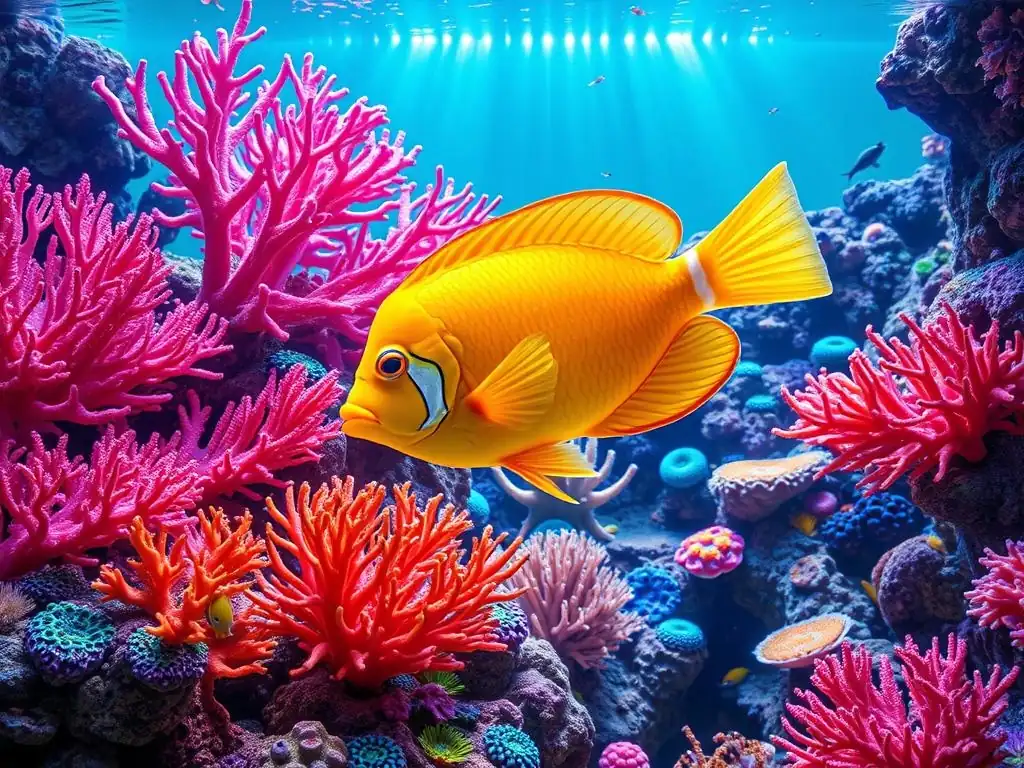
Welcome to Aquarium Mastery! Ever dreamt of adding a splash of vibrant yellow to your saltwater haven? Our new Lemonpeel Angelfish care guide unveils the secrets to successfully keeping these stunning beauties. But, are they truly as easy to care for as they look? Dive in to discover everything you need to know, from tank setup to temperament, and unlock the secrets to a thriving, happy Lemonpeel!
- Introduction to the Lemonpeel Angelfish: A Comprehensive Care Guide
- Lemonpeel Angelfish Care: Essential Requirements for a Thriving Tank
- Lemonpeel Angelfish Appearance and Behavior
- Compatibility and Tank Mates for Lemonpeel Angelfish
- Lemonpeel Angelfish Health and Disease Prevention
- Acquiring Your Lemonpeel Angelfish: Selection and Acclimation
- Breeding Lemonpeel Angelfish: Challenges and Possibilities
- Advanced Lemonpeel Angelfish Care Tips
- Troubleshooting Common Lemonpeel Angelfish Problems
- Conclusion: Enjoying the Beauty of Your Lemonpeel Angelfish
- Frequently Asked Questions
- Final Reflection: Embracing the Radiance of Responsible Reefkeeping
- Transform Your Tank: Invite the Lemonpeel Angel!
Introduction to the Lemonpeel Angelfish: A Comprehensive Care Guide
Why Choose a Lemonpeel Angelfish for Your Saltwater Aquarium?
The Lemonpeel Angelfish ( Centropyge flavissima) stands out as a vibrant and engaging addition to many saltwater aquariums, instantly brightening the tank with its striking yellow coloration and contrasting blue accents. Its relatively small size, typically reaching about 4 to 5 inches in length, makes it a suitable choice for a variety of home marine setups, unlike some of its larger angelfish relatives. Aquarists are often drawn to its active swimming patterns and curious nature, which add dynamic movement and visual interest to the aquatic environment.
Beyond its aesthetic appeal, the Lemonpeel Angelfish is generally considered one of the hardier dwarf angelfish species, making it a more forgiving option for aquarists with some experience in marine care. With a potential lifespan of 5 to 7 years, and even up to 10 years in exceptionally well-maintained conditions, these fish can become long-term inhabitants, offering years of enjoyment. Their active grazing behavior on live rock contributes to the overall health of the tank by consuming nuisance algae, further enhancing their value as a key component of a thriving saltwater ecosystem.
Overview of Centropyge flavissima
Centropyge flavissima, commonly known as the Lemonpeel Angelfish, originates from the vast Indo-Pacific region, with notable populations found around islands like Christmas Island, Fiji, and Vanuatu. This species is a member of the Pomacanthidae family, which includes all angelfish, known for their distinctive body shapes and often brilliant coloration. As a dwarf angelfish, it typically attains a maximum size of around 4 to 5 inches (10-12 cm), making it one of the more manageable angelfish for home aquaria.
Characterized by its intense, uniform yellow body, the Lemonpeel Angelfish features striking electric blue outlines on its dorsal, anal, and caudal fins, as well as a distinct blue ring around its eye and sometimes a blue splash behind the gill cover. While generally semi-aggressive and territorial, especially towards other dwarf angels or similar-looking fish, it usually coexists peacefully with a wide range of dissimilar tank mates. Understanding this temperament is key to successful Lemonpeel angelfish care, ensuring a harmonious community tank.
Lemonpeel Angelfish Care: Essential Requirements for a Thriving Tank
Tank Size and Setup for Lemonpeel Angelfish
For a single Lemonpeel Angelfish, a minimum tank size of 50 to 70 gallons (approximately 190-265 liters) is recommended. This provides ample swimming space for this active species and helps mitigate territorial behavior, particularly if other fish are present. If housing a pair or considering a community tank with multiple fish, a larger aquarium of 75 gallons (around 285 liters) or more is advisable to ensure sufficient territory and reduce potential aggression. The length of the tank is often more important than its height, providing more horizontal swimming room.
The aquascaping for a Lemonpeel Angelfish should prioritize plenty of live rock, creating numerous hiding spots, caves, and crevices. These structures serve multiple purposes: they offer security and refuge for the fish, provide surfaces for the growth of beneficial microalgae and detritus that the angelfish will graze on, and establish territorial boundaries. A sand or crushed coral substrate is suitable, and ensuring the live rock is stable and well-cured is crucial for maintaining excellent water quality, a cornerstone of effective Lemonpeel angelfish care.
Water Parameters: Achieving Optimal Conditions for Centropyge flavissima
Maintaining stable and precise water parameters is paramount for the health and vibrancy of the Lemonpeel Angelfish. The ideal temperature range for Centropyge flavissima is between 72-78°F (22-25.5°C), with minimal fluctuations. Salinity should be kept within 1.023-1.026 specific gravity, mimicking natural ocean conditions, and a pH level of 8.1-8.4 is essential. Consistent monitoring with reliable test kits is vital, as even slight deviations can stress these sensitive fish and compromise their immune system.
Beyond the basic parameters, attention to nitrogenous waste and other elements is crucial for a comprehensive Lemonpeel angelfish care guide. Ammonia and nitrite levels must always be undetectable (0 ppm), while nitrates should be kept below 20 ppm, ideally under 10 ppm, through regular water changes and efficient filtration. For reef setups, maintaining alkalinity at 8-12 dKH, calcium at 400-450 ppm, and magnesium at 1200-1350 ppm supports overall water stability and the health of both the fish and any corals present.
Diet and Feeding: Ensuring Nutritional Needs of Your Lemonpeel Angelfish
A varied and high-quality diet is fundamental to the long-term health and vibrant coloration of your Lemonpeel Angelfish. These fish are omnivores with a significant herbivorous component to their natural diet, and replicating this in captivity is key. Feeding should occur 2-3 times daily in small portions that can be consumed within a few minutes, preventing excess food from decaying and polluting the water.
What Do Lemonpeel Angelfish Eat in the Wild?
In their natural Indo-Pacific habitat, Lemonpeel Angelfish primarily graze on microalgae, diatoms, and detritus found on live rock and coral surfaces. They also consume small benthic invertebrates such as copepods and amphipods. This constant grazing behavior is vital for their digestive health and provides a broad spectrum of nutrients. This natural diet emphasizes the importance of providing ample live rock in the aquarium, which fosters the growth of these natural food sources and encourages their instinctive foraging behavior.
Best Food Choices for Captive Lemonpeel Angelfish
For captive Lemonpeel Angelfish, a diet rich in plant matter is essential. High-quality marine angelfish pellets and flakes, especially those fortified with spirulina or other marine algae, should form the cornerstone of their diet. Brands like Ocean Nutrition Formula One or Hikari Marine S are often recommended for their nutritional completeness.
Supplement this with sheets of dried Nori (seaweed) clipped to the tank, providing continuous grazing opportunities. Frozen foods such as mysis shrimp, spirulina-enriched brine shrimp, and finely chopped marine-based foods like krill or clams should be offered several times a week to provide protein and variety. Occasionally, soaking foods in vitamin supplements, such as Vita-Chem, can further boost their nutritional intake and overall health.
Maintaining a Healthy Environment: Water Changes and Filtration
Regular water changes are a cornerstone of effective Lemonpeel angelfish care, vital for maintaining pristine water quality and replenishing essential trace elements that are naturally depleted. A routine of 10-15% weekly water changes or 20-25% bi-weekly changes using high-quality RO/DI (Reverse Osmosis/Deionized) water mixed with a reputable marine salt mix is highly recommended. This practice helps to dilute nitrates and other accumulated waste products, ensuring a stable and healthy environment for your angelfish.
Efficient filtration is equally important for a thriving Lemonpeel Angelfish tank. A robust biological filtration system, primarily facilitated by sufficient amounts of cured live rock (typically 1-1.5 pounds per gallon), is crucial for processing ammonia and nitrite.
A protein skimmer is an indispensable piece of equipment for any saltwater aquarium housing angelfish, as it effectively removes dissolved organic compounds before they break down into harmful nitrates. Mechanical filtration, such as filter socks or sponges, should be cleaned or replaced regularly to prevent detritus buildup, while chemical filtration like activated carbon can be used intermittently to maintain water clarity and remove unwanted odors or toxins.
Lemonpeel Angelfish Appearance and Behavior
Identifying a Healthy Lemonpeel Angelfish: Key Characteristics
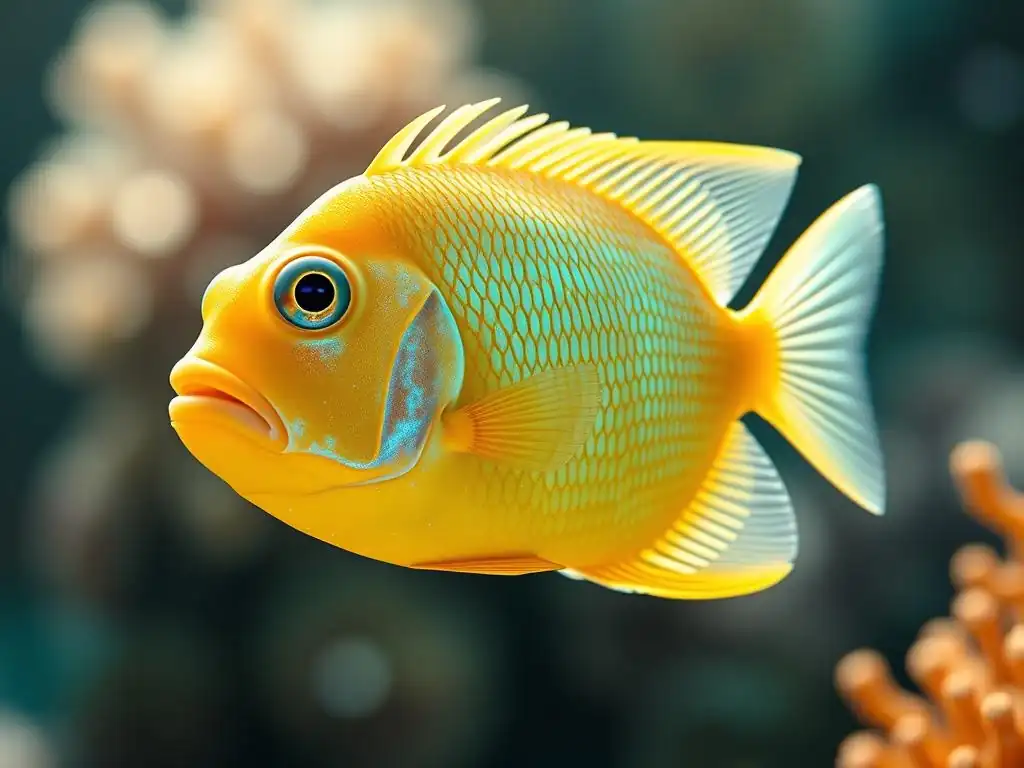
A healthy Lemonpeel Angelfish will display vibrant and consistent coloration, characterized by its intense, sunny yellow body and distinct electric blue margins on its dorsal, anal, and caudal fins, as well as around the eye. The blue trim should be crisp and well-defined, not faded or patchy. The fish should be active and alert, swimming freely throughout the tank, with clear, bright eyes and no signs of cloudiness or haziness.
Physical examination should reveal a plump, well-fed body with no sunken areas or visible skeletal structure, indicating proper nutrition. All fins should be erect, fully extended, and free from any tears, fraying, or white spots. Respiration should be calm and steady, without rapid gill movement, which can be a sign of stress or disease. Observing these key characteristics is fundamental to selecting a robust specimen and ensuring successful Lemonpeel angelfish care from the outset.
Typical Lemonpeel Angelfish Behavior in a Reef Tank
In a well-established reef tank, Lemonpeel Angelfish are typically active and curious, constantly exploring their environment and grazing on live rock surfaces. They are generally semi-aggressive and can be territorial, especially towards other dwarf angelfish or fish with similar body shapes and colors. An individual Lemonpeel Angelfish will often establish a specific "territory" around a particular live rock structure, which it may defend from perceived intruders.
Despite their territorial nature, they usually coexist peacefully with dissimilar fish species that are not overly aggressive or share the same niche. They are known for their inquisitive nature, often pecking at various surfaces. While generally robust, sudden changes in environment or aggressive tank mates can lead to stress, manifested by hiding, faded colors, or reduced appetite. Observing their typical behavior is crucial for early detection of any issues, forming an integral part of ongoing Lemonpeel angelfish care.
Compatibility and Tank Mates for Lemonpeel Angelfish
Ideal Tank Mates for Centropyge flavissima
Choosing appropriate tank mates is crucial for a peaceful aquarium when providing Lemonpeel angelfish care. Ideal companions are peaceful to semi-aggressive fish that are larger than the angelfish but not overly dominant, and that occupy different areas of the water column. Good choices include various tangs (such as Yellow Tangs, Blue Tangs, or Kole Tangs) which are active swimmers and graze on algae, not directly competing with the angelfish for food or territory.
Other suitable tank mates often include clownfish, certain species of less aggressive damselfish, gobies, and blennies. These species generally coexist well as they either occupy distinct territories (e.g., gobies near the substrate) or are sufficiently different in appearance and behavior to avoid triggering the angelfish's territorial instincts. Introducing all fish simultaneously, or the angelfish last, in a well-established tank can help minimize potential aggression.
Fish to Avoid Housing with Lemonpeel Angelfish
When planning your tank, it's important to avoid housing Lemonpeel Angelfish with overly aggressive or predatory fish, such as large triggers, lionfish, or certain groupers, which could view the angelfish as prey or harass it. Critically, avoid other dwarf angelfish species, especially other Centropyge species, unless the tank is exceptionally large (100+ gallons) and all angelfish are introduced simultaneously as juveniles. These fish are highly territorial towards their own kind and similar species, leading to severe aggression and stress.
Additionally, very small, delicate, or slow-moving fish like seahorses or pipefish are generally not recommended. The active and sometimes nippy nature of the Lemonpeel Angelfish can stress these sensitive species, and they may also outcompete them for food. Fish with very similar coloration or body shapes to the Lemonpeel Angelfish should also be avoided, as they are most likely to trigger territorial disputes and aggression.
Lemonpeel Angelfish and Reef Compatibility: Is it Reef Safe?
The Lemonpeel Angelfish is generally considered "reef safe with caution." While many individuals coexist peacefully in a reef environment, some may develop a habit of nipping at stony corals (both SPS and LPS) and clam mantles. This behavior is often attributed to a lack of sufficient grazing material or an insufficient diet in the aquarium, prompting them to seek out alternative food sources on corals. The risk of nipping tends to be higher with fleshy LPS corals like Euphyllia or Acanthastrea and clam mantles, which offer more appealing textures and potentially food-like substances.
Conversely, hardier SPS corals such as Montipora or Acropora might be less frequently targeted, though no coral is entirely immune if the angelfish develops a taste for it. It is crucial for aquarists to understand that individual personalities vary; one Lemonpeel Angelfish might be a perfect reef citizen, while another might be a persistent nuisance. Close observation is necessary to determine if a particular angelfish is compatible with your specific reef setup, making this a critical consideration in any Lemonpeel angelfish care guide.
How to Minimize Reef Nipping
To minimize the risk of a Lemonpeel Angelfish nipping at corals, a multi-faceted approach to their care is recommended. Firstly, ensure your aquarium has an abundance of mature live rock, which provides ample surfaces for the growth of microalgae and detritus that the angelfish can graze on naturally. This natural food source can satiate their grazing instincts and reduce the likelihood of them seeking food from corals.
Secondly, provide a consistent and varied diet rich in spirulina and other marine algae, offered multiple times a day. This ensures the fish is well-fed and less inclined to nip at corals out of hunger or nutritional deficiency. Introducing the angelfish to a well-established tank with a thriving ecosystem and diverse food sources can also help. If nipping becomes a persistent problem despite these efforts, it may be necessary to remove the angelfish or the affected coral to prevent further damage.
Lemonpeel Angelfish Health and Disease Prevention
Common Diseases Affecting Lemonpeel Angelfish
Lemonpeel Angelfish, like most marine fish, are susceptible to common saltwater diseases, particularly if stressed by poor water quality, inadequate diet, or aggressive tank mates. Marine Ich ( Cryptocaryon irritans), characterized by tiny white spots resembling salt grains on the body and fins, is one of the most prevalent. Velvet ( Amyloodinium ocellatum) is another highly contagious parasitic infection, often presenting as a dusty, yellowish film on the fish, accompanied by rapid breathing. Brooklynella ( Brooklynella hostilis), common in clownfish but affecting other species, manifests as a thick, slimy white coating and rapid tissue erosion.
Beyond parasites, bacterial infections leading to fin rot, cloudy eyes, or lesions can occur, often as secondary infections in stressed fish. Internal parasitic worms are also a possibility, indicated by weight loss despite eating, or stringy white feces. Vigilance for signs such as lethargy, clamped fins, loss of appetite, or abnormal swimming patterns is crucial for early detection and successful Lemonpeel angelfish care.
Quarantine Procedures for New Lemonpeel Angelfish
Implementing a strict quarantine procedure for any new Lemonpeel Angelfish is arguably the most effective measure for disease prevention. A separate quarantine tank (QT) of 10-20 gallons (approx. 38-75 liters) is ideal for this purpose. This tank should be equipped with a heater, a small power filter or air stone for aeration and water circulation, and PVC pipes or other non-porous decor for hiding spots.
The new angelfish should remain in the QT for a minimum of 4-6 weeks. During this period, observe the fish closely for any signs of disease. This isolation allows for pre-emptive treatment if necessary, preventing the introduction of pathogens into your main display tank, which could devastate your existing inhabitants. Regular water changes in the QT are also essential to maintain water quality during this critical acclimation and observation phase.
Treating Common Illnesses in Centropyge flavissima
When a Lemonpeel Angelfish shows signs of illness, prompt and accurate treatment in a separate hospital tank is essential, as many medications can harm invertebrates and beneficial bacteria in the main display. For Marine Ich, copper-based medications (e.g., Cupramine) or hyposalinity (lowering specific gravity to 1.008-1.010) are common treatments, requiring precise monitoring of levels. Velvet often responds well to copper or formalin-based treatments. For Brooklynella, formalin dips or freshwater dips can provide immediate relief, followed by treatment with a suitable medication.
Bacterial infections can be treated with broad-spectrum antibiotics, often administered through food or as a bath, depending on the specific medication. Always follow the manufacturer's instructions carefully for dosage and duration. During treatment, ensure excellent aeration, as some medications reduce oxygen levels. Maintaining stable, optimal water parameters and providing a nutritious diet will significantly aid in the fish's recovery and long-term Lemonpeel angelfish care.
Acquiring Your Lemonpeel Angelfish: Selection and Acclimation
Choosing a Healthy Specimen: What to Look For
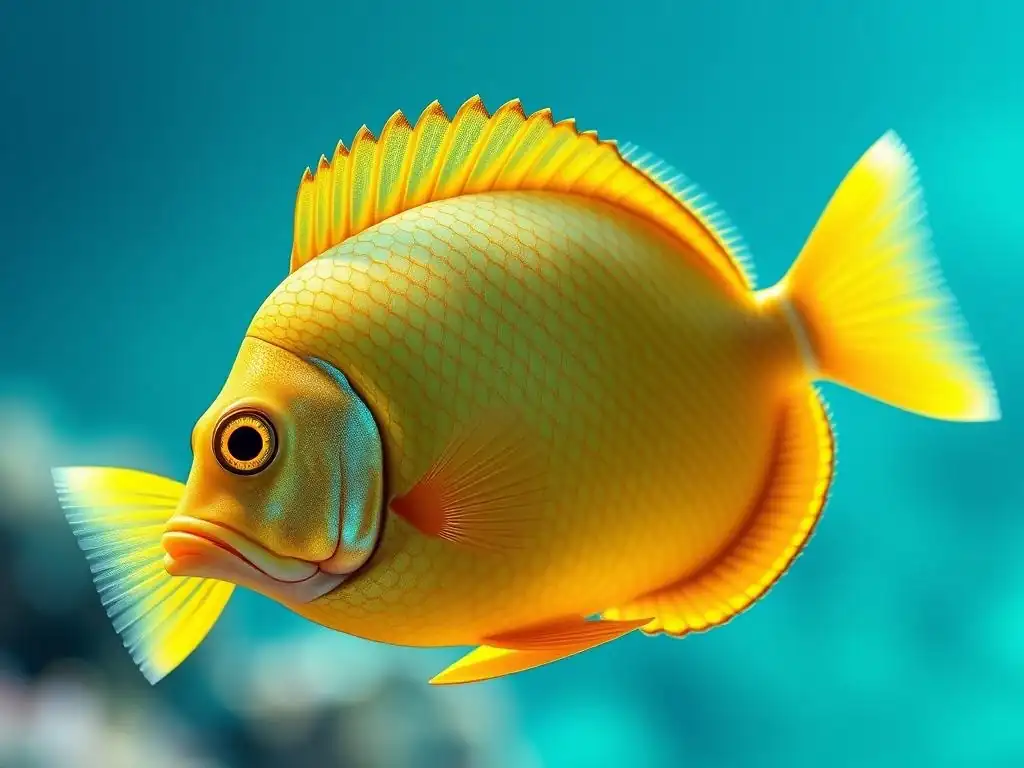
When selecting a Lemonpeel Angelfish, careful observation at your local fish store or online retailer is paramount to ensure you acquire a healthy specimen. Look for a fish that is actively swimming and exploring its tank, exhibiting its characteristic vibrant yellow coloration with crisp blue accents. Avoid fish that are lethargic, hiding excessively, or displaying faded colors, as these are common signs of stress or illness.
Inspect the fish closely for any physical signs of disease: clear, bright eyes without cloudiness, no white spots (Ich) or dusty film (Velvet) on the body or fins, and no frayed or clamped fins. The fish should appear plump and well-fed, not emaciated, indicating it has been eating regularly. Ask the store staff about its feeding habits and how long it has been in their care; ideally, a fish that has been stable in the store for at least a few days to a week is a safer bet.
Acclimating Your Lemonpeel Angelfish to its New Home
Proper acclimation is a critical step in minimizing stress for your new Lemonpeel Angelfish and ensuring a smooth transition to its new environment. The drip acclimation method is highly recommended due to its slow and gradual equalization of temperature and salinity, which significantly reduces shock. This involves slowly dripping water from your display tank into the bag or container holding the fish over a period of 45-60 minutes, until the water volume has tripled.
During the acclimation process, it's advisable to dim the lights in your main display tank to reduce stress on the newly introduced fish. Once acclimated, gently net the fish and place it into the tank, discarding the water from the bag to prevent introducing any unwanted pathogens or pollutants into your system. Provide plenty of hiding spots and monitor the angelfish closely during the first few hours and days for signs of stress or aggression from existing tank mates. This careful acclimation sets the stage for successful Lemonpeel angelfish care.
Breeding Lemonpeel Angelfish: Challenges and Possibilities
Understanding Lemonpeel Angelfish Reproduction
Lemonpeel Angelfish are protogynous hermaphrodites, meaning all individuals are born female, and the largest or most dominant fish in a group will transition into a male. This sex change is irreversible. In the wild, spawning typically occurs at dusk, with the pair engaging in a "spawning rush" towards the surface, releasing pelagic (free-floating) eggs and sperm into the water column. The eggs are then dispersed by currents and develop into larvae.
Breeding Centropyge flavissima in captivity is a significant challenge and relatively rare, primarily due to the difficulty in raising the extremely small and delicate larvae. While pairs may form and even spawn in a home aquarium, the successful rearing of offspring requires highly specialized equipment, precise environmental controls, and a continuous supply of live planktonic food that matches the size requirements of the larvae.
Creating Breeding Conditions for Centropyge flavissima
To even attempt breeding Lemonpeel Angelfish, a large, mature aquarium of 100 gallons (approx. 378 liters) or more is recommended to allow a pair to establish territory and reduce stress. Maintaining consistently stable and pristine water parameters, mirroring their natural environment, is crucial. A high-quality, varied diet, rich in both plant and animal matter, will help condition the fish for spawning. Simulating natural dusk/dawn lighting cycles with dimming lights can also encourage spawning behavior.
The most formidable hurdle in breeding Centropyge flavissima remains the larval stage. Successful attempts have involved dedicated larval rearing tanks, precise water flow management to keep the tiny larvae suspended, and the continuous provision of appropriately sized live feeds such as rotifers and various types of phytoplankton. This level of Lemonpeel angelfish care for breeding purposes is typically undertaken by advanced aquarists or professional aquaculture facilities.
Advanced Lemonpeel Angelfish Care Tips
Enhancing Coloration in Your Lemonpeel Angelfish
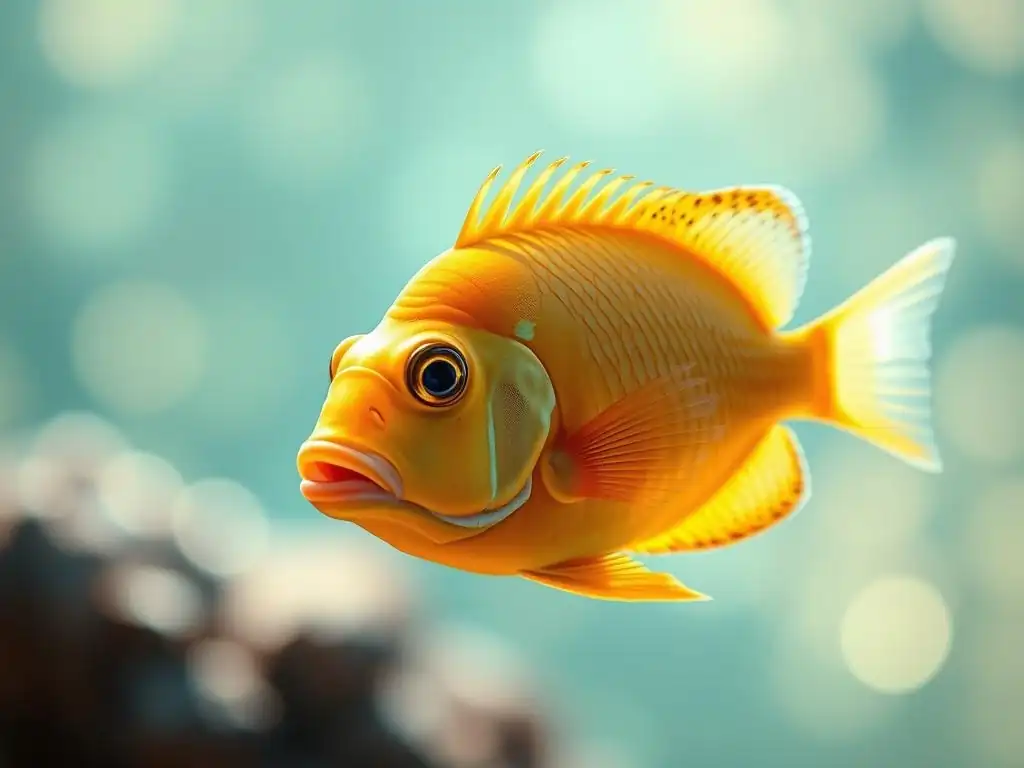
Maintaining and enhancing the vibrant coloration of your Lemonpeel Angelfish is a rewarding aspect of advanced Lemonpeel angelfish care. The primary factor influencing their brilliant yellow hue is a high-quality diet rich in carotenoids. Regularly feeding spirulina-enriched flakes, pellets, and Nori sheets is essential, as these contain natural pigments that are absorbed and displayed by the fish. Foods fortified with astaxanthin are also highly beneficial for color enhancement.
Beyond diet, stable and pristine water parameters contribute significantly to overall fish health and, consequently, their coloration. A well-established tank with ample live rock encourages natural grazing on microalgae, which further supports their diet. Additionally, providing appropriate full-spectrum marine lighting, such as high-quality LED fixtures designed for reef tanks, can make their colors truly pop, showcasing their natural beauty to its fullest.
Addressing Aggression Issues in Lemonpeel Angelfish
While generally peaceful with dissimilar species, Lemonpeel Angelfish can exhibit territorial aggression, especially towards other dwarf angels or fish with similar body shapes. If aggression becomes problematic, one effective strategy is to rearrange the live rock aquascape. This disrupts established territories and can force the angelfish to re-establish its domain, often diffusing the aggression.
Ensuring adequate swimming space and abundant hiding spots for all inhabitants is also crucial. If introducing new fish, doing so at night or when the angelfish is less active can sometimes reduce initial territorial disputes. In cases where aggression persists and poses a threat to tank mates, it may be necessary to consider separating the aggressive angelfish into another tank or, as a last resort, rehoming it to a more suitable environment. This proactive approach is key to maintaining a harmonious community as part of comprehensive Lemonpeel angelfish care.
Troubleshooting Common Lemonpeel Angelfish Problems
Identifying Signs of Stress in Your Lemonpeel Angelfish
Recognizing the early signs of stress is crucial for effective Lemonpeel angelfish care and preventing more severe health issues. A stressed Lemonpeel Angelfish may exhibit faded or dull coloration, appearing less vibrant than usual. Clamped fins, where the fins are held close to the body rather than fanned out, are another common indicator. Rapid or labored breathing, often seen as quick gill movements, can signal poor water quality, oxygen deprivation, or disease.
Other signs include hiding excessively, refusing to eat, or displaying erratic swimming patterns like darting or rubbing against tank decor. Lethargy, where the fish spends an unusual amount of time at the bottom of the tank or in one spot, is also a warning sign. Any deviation from their typical active and curious behavior warrants immediate investigation into water parameters, tank mates, and potential disease.
Dealing with Picky Eaters
A Lemonpeel Angelfish that refuses to eat, or is a picky eater, can be a common challenge, especially with newly introduced specimens. This behavior is often a result of stress from a new environment, poor water quality, or competition from more aggressive tank mates. To encourage feeding, first, ensure your water parameters are pristine and stable. Then, try offering a variety of high-quality foods, starting with tempting options like live or frozen mysis shrimp, blackworms, or spirulina-enriched brine shrimp.
Soaking food in a garlic extract (e.g., Seachem GarlicGuard) can often entice reluctant eaters due to its strong scent. Offering small amounts of food multiple times a day might also help. If the fish is new, it might simply need more time to adjust to its surroundings and new diet. Providing plenty of live rock with natural microalgae growth can also stimulate their natural grazing instincts and encourage them to feed. Patience and persistence are key to overcoming this common Lemonpeel angelfish care hurdle.
Conclusion: Enjoying the Beauty of Your Lemonpeel Angelfish
Frequently Asked Questions
How difficult is it to care for a Lemonpeel Angelfish?
Lemonpeel Angelfish are considered moderately difficult to care for. They require a stable, established saltwater aquarium and can be sensitive to changes in water parameters.
What is the ideal tank size for a Lemonpeel Angelfish?
A minimum tank size of 70 gallons is recommended for a single Lemonpeel Angelfish. This provides sufficient swimming space and helps maintain water quality.
What do Lemonpeel Angelfish eat?
Lemonpeel Angelfish are omnivores and require a varied diet. They should be fed high-quality marine flake food, frozen foods, and algae to ensure proper nutrition.
Are Lemonpeel Angelfish reef safe?
Lemonpeel Angelfish are not considered reef safe. They are known to nip at corals and clam mantles, potentially causing damage to a reef aquarium.
What are some common health issues that affect Lemonpeel Angelfish?
Common health issues include marine ich (white spot disease) and other parasitic infections. Maintaining excellent water quality and quarantining new arrivals are crucial for prevention.
Final Reflection: Embracing the Radiance of Responsible Reefkeeping
The journey into understanding the Lemonpeel Angelfish, as we've explored, is more than just mastering a care guide; it's about acknowledging our responsibility as stewards of the delicate marine ecosystems from which these vibrant creatures originate. The information presented here, from water parameters to dietary needs, underscores the commitment required to ethically maintain these "sunshine" fish in our home aquariums, ensuring their well-being and contributing to the long-term health of coral reefs worldwide.
The Lemonpeel Angelfish, with its dazzling yellow hue, serves as a constant reminder of the beauty and fragility of the underwater world. My own fascination with these fish began with a simple observation of their graceful movements and the way they interact with their environment, a connection that deepened my commitment to responsible reefkeeping. In the end, we will conserve only what we love; we will love only what we understand; and we will understand only what we are taught.
- Baba Dioum's words resonate deeply, highlighting the crucial role education plays in fostering a culture of conservation.
Now, armed with this knowledge, I invite you to reflect on your own role in the aquarium hobby. Consider how you can contribute to sustainable practices, support ethical sourcing, and continue to learn about the intricate needs of the Lemonpeel Angelfish and other reef inhabitants. Let the vibrant yellow of this fish inspire you to become a champion for the oceans, ensuring that future generations can also marvel at the beauty and wonder of the coral reefs.
Transform Your Tank: Invite the Lemonpeel Angel!
Thank you for diving into the vibrant world of the Lemonpeel Angelfish with us! We hope you found inspiration for adding a splash of sunshine to your saltwater aquarium. Ready to take the next step?
Here are a few ways to bring the Lemonpeel Angelfish experience to life:
- Start Planning Your Biotope: Begin researching compatible tank mates and ideal tank setups to create a thriving environment before you acquire your Lemonpeel Angel.
- Share Your Vision: Share this article with a friend who is planning their first steps in saltwater aquariums.
- Dive Deeper: Research the specific dietary needs of the Lemonpeel Angel and curate a feeding plan that mimics their natural grazing behavior.
What unique tank setup are you envisioning for your own Lemonpeel Angelfish?