
Ethical Considerations: Responsible Keeping of Unique & Predatory Saltwater Fish

Welcome to Aquarium Mastery!
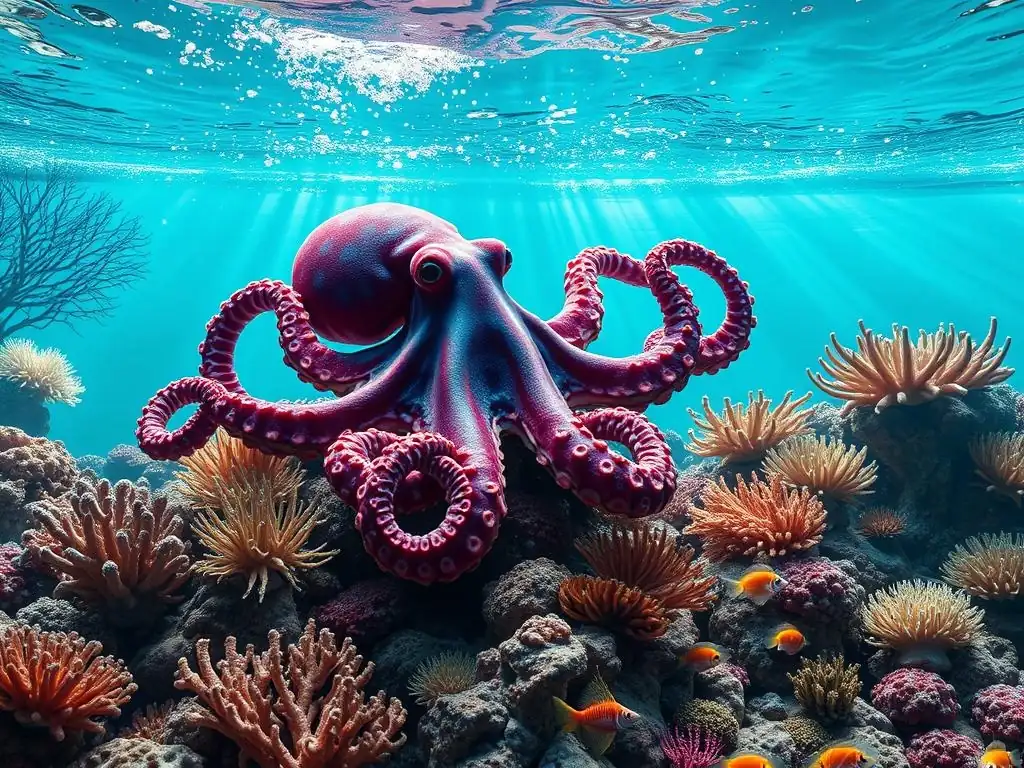
Ever wondered if you have what it takes to care for some of the ocean's most fascinating predators? Dive into the captivating world of predatory saltwater fish care and explore the ethical responsibilities that come with keeping these unique creatures. Discover the secrets to creating a thriving habitat and ensuring their well-being, and let's uncover the knowledge you need to become a truly responsible aquarist. Ready to learn more?
- Ethical Considerations: Responsible Keeping of Large & Demanding Saltwater Fish
- Understanding the Ethics of Keeping Large & Demanding Saltwater Fish
- Assessing Your Capability for Large Saltwater Fish Care
- Responsible Sourcing and Acquisition of Large Saltwater Fish
- Tank Size and Environmental Enrichment for Large Saltwater Species
- Nutritional Needs and Ethical Feeding Practices for Large Fish
- Maintaining Optimal Water Quality for Large Saltwater Fish
- Recognizing and Addressing Health Issues in Large Saltwater Fish
- Safe Handling and Interaction with Large Saltwater Fish
- Responsible Rehoming or Surrender of Large Saltwater Fish
- The Future of Large Saltwater Fish Keeping: Sustainability and Education
-
Frequently Asked Questions
- What are the ethical considerations involved in keeping predatory saltwater fish?
- Why is proper research crucial before acquiring a predatory saltwater fish?
- How does tank size impact the well-being of predatory saltwater fish?
- What are the dietary considerations when caring for predatory saltwater fish?
- What are some common health issues that can arise from improper care of predatory saltwater fish?
- Final Reflection: Navigating the Ethical Reef
- Ignite Your Ethical Compass: Champion Responsible Saltwater Keeping!
Ethical Considerations: Responsible Keeping of Large & Demanding Saltwater Fish
Understanding the Ethics of Keeping Large & Demanding Saltwater Fish
The Appeal and Responsibility of Owning Large Fish
The allure of large and demanding saltwater fish, such as the majestic Volitan Lionfish, the secretive Tessellate Eel, or the vibrant Queen Triggerfish, is undeniable. Their striking appearance, complex behaviors, and the sheer challenge they present captivate many aquarists. Successfully establishing and maintaining an environment where these unique creatures thrive offers a profound sense of accomplishment and deep satisfaction, transforming a simple tank into a captivating living exhibit. This appeal, however, carries with it an immense responsibility.
These aren't merely decorative items; they are sentient beings with intricate needs that far exceed those of smaller, more common aquarium inhabitants. Ethical predatory saltwater fish care demands a commitment to providing an environment that not only sustains life but allows these fish to express natural behaviors and flourish. Failing to meet these specific requirements can lead to chronic stress, stunted growth, susceptibility to disease, and ultimately, a diminished quality of life or premature death for these magnificent creatures.
Conservation Concerns and the Aquarium Trade
The global aquarium trade, particularly for wild-caught large or predatory species, presents significant conservation concerns. Overcollection in sensitive marine habitats can deplete wild populations, disrupt delicate ecosystems, and in some cases, involve destructive collection methods that damage coral reefs and other critical environments. For instance, while some species are abundant, others, like certain groupers or rare angelfish, face pressure from unsustainable practices. Awareness of the origin of your predatory saltwater fish is paramount.
Fortunately, the industry is seeing a growing movement towards more sustainable practices, including the rise of aquaculture and captive breeding programs. For example, some species of clownfish, gobies, and even certain small eels are now routinely bred in captivity, reducing the reliance on wild collection. By actively seeking out and supporting suppliers who offer captive-bred fish or those sourced from certified sustainable collection operations, aquarists can make a tangible difference, helping to preserve wild marine populations and promote a more ethical hobby.
Large Fish: Unique Needs and Ethical Obligations
Large and predatory saltwater fish possess unique and often extreme requirements that set them apart from the typical community tank resident. These include the necessity for vast tank volumes to accommodate their adult size and swimming patterns, specialized and often costly diets, incredibly robust filtration systems to handle their significant bioload, and meticulously stable water parameters. A single adult Emperor Snapper, for instance, can easily exceed 24 inches in length and requires a tank of 200 gallons or more, vastly different from a 30-gallon nano reef.
Our ethical obligation as aquarists extends beyond merely keeping these fish alive; it involves ensuring their welfare and providing an environment that mimics their natural habitat as closely as possible. This means understanding their territorial needs, their predatory instincts, and their specific environmental preferences. Neglecting these fundamental aspects of predatory saltwater fish care can lead to chronic stress, aggression towards tank mates, and a compromised immune system, leading to a host of health issues and an unfulfilling existence for the fish.
Assessing Your Capability for Large Saltwater Fish Care
Evaluating Your Experience Level: Are You Ready for the Challenge?
Before embarking on the journey of keeping large and demanding saltwater fish, a frank and honest assessment of your current aquarium experience is crucial. These species are unequivocally not for beginners. They demand advanced knowledge in complex water chemistry, a keen eye for subtle signs of disease, and a deep understanding of their unique behavioral patterns and dietary requirements. For example, managing the aggressive tendencies of a large Triggerfish or accurately diagnosing a parasitic infection in a fast-moving Barracuda requires years of foundational experience with less challenging marine life.
It is highly advisable for aspiring keepers of large predatory species to first gain extensive experience with smaller, hardier saltwater fish. Mastering basic saltwater aquarium principles, such as maintaining stable salinity, understanding the nitrogen cycle, and performing routine water changes on a smaller scale, provides the essential groundwork. This progressive approach ensures that when you do take on the challenge of predatory saltwater fish care, you possess the refined skills and confidence necessary to provide an optimal environment, minimizing risks for both the fish and your investment.
Financial Implications of Keeping Large Fish
The financial commitment involved in keeping large and demanding saltwater fish is substantial and often underestimated. The initial setup costs alone can be staggering, encompassing the purchase of a large-volume tank (e.g., a 240-gallon tank can cost over $2,000), a robust sump, high-capacity protein skimmer (often $500-$1,500), powerful circulation pumps, and specialized lighting. Furthermore, the fish themselves can be significant investments; a healthy adult Lionfish might cost $80-$200, while a larger Grouper or Eel could easily range from $300 to several thousand dollars.
Beyond the initial outlay, ongoing expenses for predatory saltwater fish care are considerably higher than for a typical reef or community tank. Expect to spend significantly on large quantities of specialized meaty foods like frozen silversides, krill, and squid, which can accumulate to $50-$100 or more monthly depending on the number and size of fish. High electricity consumption for powerful pumps, chillers (if needed), and lighting can add $30-$70 to your monthly utility bill. Additionally, the potential for expensive medications, replacement filter media, and occasional equipment upgrades further contributes to the considerable financial burden.
Time Commitment and Daily Care Requirements
Keeping large and demanding saltwater fish is far from a casual hobby; it requires a significant and consistent time commitment. Daily tasks include meticulous observation of fish for any signs of stress or illness, careful feeding according to their specific dietary needs, and regular visual checks of equipment functionality. For instance, ensuring a 20-inch Moray Eel is actively feeding and exhibiting healthy behavior requires dedicated daily attention, as opposed to a quick glance at a smaller community tank.
Beyond daily routines, predatory saltwater fish care involves considerable weekly or bi-weekly time investments. This includes performing large-volume water changes (e.g., 50-100 gallons at a time), thorough cleaning of mechanical filtration components like filter socks or sponges, testing water parameters, and preparing specialized foods. The need for quick responses to potential issues, such as equipment malfunctions or sudden health declines, means that consistent availability and dedication are paramount. This is a commitment that often rivals the care requirements of a terrestrial pet.
Responsible Sourcing and Acquisition of Large Saltwater Fish
Choosing Reputable Suppliers and Avoiding Illegal Collection
The ethical foundation of predatory saltwater fish care begins with responsible sourcing. It is paramount to purchase large and demanding species only from reputable fish stores or established online dealers. A trustworthy supplier will exhibit transparency regarding the origin of their fish (whether wild-caught with proper permits or captive-bred), maintain impeccably clean and well-organized facilities, and employ knowledgeable staff who can answer detailed questions about the fish's history, dietary needs, and typical behaviors. Be wary of "too good to be true" prices, as these often indicate questionable sourcing or unhealthy stock.
Supporting ethical suppliers directly contributes to the sustainability of the marine aquarium trade and helps combat illegal collection practices. Illegal harvesting often involves destructive methods like cyanide fishing, which devastates coral reefs and results in severely stressed or poisoned fish that rarely survive in captivity. Always inquire about the fish's provenance; a reputable dealer will readily provide information about their collection partners or breeding facilities, demonstrating their commitment to ethical practices and the long-term health of both the fish and the marine environment.
Quarantine Procedures for New Large Fish
A robust and meticulously executed quarantine procedure is non-negotiable for any new large or predatory saltwater fish. Skipping this critical step is a significant risk that can introduce devastating diseases and parasites, such as Marine Ich (Cryptocaryon irritans) or Marine Velvet (Amyloodinium ocellatum), into your established display tank, potentially wiping out your entire collection. A dedicated quarantine tank, separate from the main display, provides a controlled environment where the new fish can de-stress, acclimate to captivity, and be observed for signs of illness without endangering existing inhabitants.
A typical quarantine protocol involves a minimum observation period of four to six weeks. During this time, the fish's specific gravity and temperature should be slowly matched to the main tank, and it should be monitored closely for appetite, behavior, and any physical abnormalities. Prophylactic treatments for common parasites might be administered, even if no symptoms are visible, to ensure a clean bill of health. This disciplined approach to predatory saltwater fish care not only protects your existing ecosystem but also significantly improves the long-term prognosis for your new, often expensive, acquisition.
Understanding the Origin and History of Your Fish
Before bringing home a large saltwater fish, it is highly beneficial to understand as much as possible about its origin and history. Inquire whether the fish is wild-caught or captive-bred. Captive-bred specimens are often hardier, more accustomed to prepared foods, and less prone to stress, making their acclimation smoother. For wild-caught fish, knowing the region of origin can provide clues about its natural diet, water parameter preferences, and potential exposure to specific parasites. Ask the supplier how long the fish has been in their facility and what it has been eating.
This information is invaluable for successful acclimation and long-term predatory saltwater fish care. For example, a wild-caught Lionfish might initially only accept live feeder fish, requiring a slow transition to frozen alternatives, whereas a captive-bred one might readily take pellets or frozen chunks. Understanding its previous environment and diet helps you replicate optimal conditions, reduce stress during transition, and anticipate potential challenges. A knowledgeable aquarist uses this data to provide the most appropriate and ethical care from day one.
Tank Size and Environmental Enrichment for Large Saltwater Species
Determining Appropriate Tank Dimensions for Large Fish
One of the most critical ethical considerations in predatory saltwater fish care is providing adequate tank size. Underestimating the adult size and activity level of large species is a common and detrimental mistake. For instance, a single adult Panther Grouper (Cromileptes altivelis) can reach over 2 feet in length and requires a minimum tank size of 180-200 gallons, while a large adult Tessellate Eel (Gymnothorax favagineus) can grow to over 6 feet and necessitate a tank of 300 gallons or more. It is crucial to plan for the fish's full potential adult size, not just its current juvenile dimensions.
When determining tank dimensions, focus not only on volume but also on length and width, which are often more critical than height for active swimmers. A tank that is 6-8 feet long and 2-3 feet wide provides ample swimming room and allows for proper aquascaping, reducing stress and promoting natural behaviors. Providing ample space prevents stunting, aggression, and chronic stress, which can severely compromise the fish's health and lifespan. Always err on the side of a larger tank if space and budget allow.
Creating a Natural and Stimulating Habitat
Beyond sheer volume, creating a natural and stimulating habitat is paramount for the well-being of large saltwater fish. This involves providing appropriate rockwork, caves, and open swimming spaces that mimic their native environment. For example, a Moray Eel requires numerous secure crevices and caves to hide and feel safe, reflecting its secretive nature, while a large Triggerfish benefits from open areas for patrolling and rocky structures for establishing territory.
Environmental enrichment goes beyond physical structures. It includes appropriate water flow patterns that simulate natural currents, a consistent day-night light cycle, and even visual stimuli outside the tank that can reduce boredom. A well-designed habitat encourages natural behaviors such as hunting, exploring, and retreating, which are vital for reducing stress and promoting mental and physical health. Providing a dynamic and engaging environment is a cornerstone of responsible predatory saltwater fish care.
The Importance of Aquascaping and Flow for Large Fish
Thoughtful aquascaping is not just for aesthetics; it directly impacts the health and safety of large saltwater fish. Live rock should be securely stacked to prevent collapses, especially with powerful species that can dislodge structures. It should provide ample hiding spots, territorial boundaries, and visual breaks to reduce aggression among tank mates. For species like the Stonefish, carefully placed substrate and rockwork can create perfect camouflage opportunities, vital for their predatory success and well-being.
Water flow is another critical environmental factor. Many large predatory species originate from areas with strong currents, and replicating this in the aquarium is essential. Proper water flow aids in oxygenation, prevents dead spots where waste can accumulate, and provides beneficial exercise for the fish, keeping them active and healthy. Insufficient flow can lead to lethargy, poor gill health, and increased susceptibility to disease, highlighting its importance in comprehensive predatory saltwater fish care.
Nutritional Needs and Ethical Feeding Practices for Large Fish
Replicating Natural Diets for Optimal Health
Large predatory saltwater fish require a varied diet of high-quality, appropriately sized meaty foods to thrive. Replicating their natural diet is crucial for optimal health and vibrant coloration. This typically includes a rotation of frozen silversides, krill, shrimp, squid, clam, and various marine fish fillets. For instance, a large Lionfish primarily consumes whole fish, while a large Triggerfish might enjoy a more varied diet including crustaceans and mollusks. Avoid feeding only one type of food, as this can lead to nutritional deficiencies over time.
If live feeder fish are used (e.g., for acclimating a reluctant eater), they should be gut-loaded with nutritious foods beforehand to enhance their nutritional value. However, the ethical implications of using live feeders, including disease transmission and the welfare of the feeder fish themselves, should be carefully considered. Prioritizing high-quality frozen foods, often supplemented, is generally preferred for ethical predatory saltwater fish care.
Avoiding Overfeeding and Maintaining Water Quality
Overfeeding is a common mistake that can have severe consequences for water quality and the health of large saltwater fish. Excess food decomposes rapidly, leading to dangerous ammonia spikes, elevated nitrate levels, and a significant increase in the organic load within the tank. While large fish have substantial appetites, they do not necessarily need to be fed daily. Many large predatory species can thrive on feedings every 2-3 days, or even less frequently for very large, established adults, depending on their species and metabolism.
Proper feeding schedules are directly linked to maintaining stable water quality. Undigested food and the substantial waste produced by large fish significantly contribute to the bioload. Implementing a controlled feeding regimen, combined with a robust filtration system, is essential to prevent water parameter fluctuations, reduce the risk of algal blooms, and minimize stress on the fish. This balanced approach is fundamental to effective predatory saltwater fish care.
Vitamin Supplementation for Large Fish
Even with a varied diet of high-quality frozen foods, vitamin and mineral supplementation is often necessary for large saltwater fish to prevent long-term nutritional deficiencies. The freezing process can degrade certain vitamins, and a captive diet, no matter how diverse, may not perfectly replicate the full spectrum of nutrients available in the wild. Supplements like Selcon, Vita-Chem, or other marine-specific vitamin blends are crucial for ensuring comprehensive nutrition.
These supplements are typically applied by soaking frozen foods for a short period (e.g., 10-15 minutes) before feeding. Consistent supplementation helps prevent common issues such as Lateral Line Erosion (LLE), fin rot, and a weakened immune system, which can make fish more susceptible to infections. Proactive vitamin supplementation is a small but vital component of comprehensive predatory saltwater fish care, contributing significantly to the fish's overall vitality and longevity.
Maintaining Optimal Water Quality for Large Saltwater Fish
The Importance of Regular Water Changes
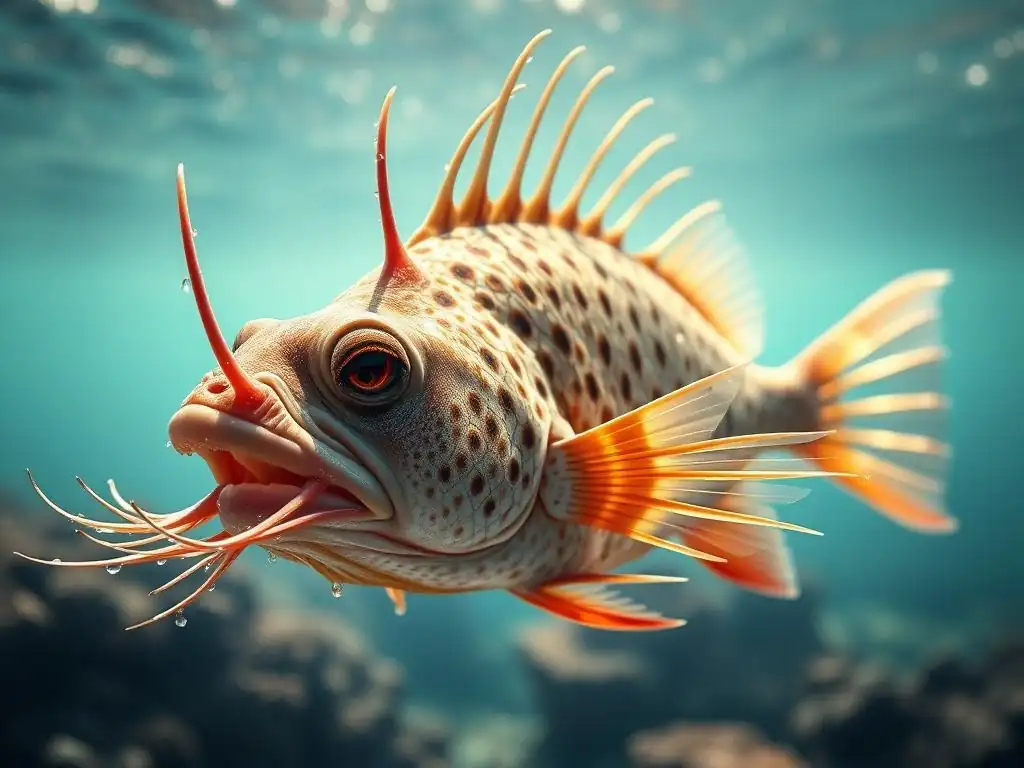
Large saltwater fish, due to their size and often high metabolic rates, produce a significant amount of waste, making regular and substantial water changes absolutely critical for maintaining optimal water quality. Unlike smaller tanks where weekly 10% changes might suffice, a large predatory fish tank often requires 20-30% bi-weekly water changes, or even 10-15% weekly, depending on the bioload and filtration efficacy. For instance, a 180-gallon tank might necessitate a 35-50 gallon water change every two weeks.
These frequent and large-volume water changes serve multiple vital functions. They replenish essential trace elements that are consumed by the fish and other organisms, dilute accumulated nitrates and other dissolved organic compounds that even the best filtration cannot entirely remove, and help stabilize pH. Using properly mixed saltwater with a reliable salt mix and ensuring the water is aged and temperature-matched before addition are crucial steps in this fundamental aspect of predatory saltwater fish care.
Selecting the Right Filtration System for Large Fish
The filtration system for a large predatory saltwater fish tank must be exceptionally robust and multi-faceted to handle the immense bioload. A standard hang-on-back filter, while adequate for smaller tanks, is completely insufficient. Instead, a large sump is typically required, housing a powerful protein skimmer (often oversized for the tank volume), extensive biological filtration media (such as bio-balls, ceramic rings, or MarinePure blocks), and effective mechanical filtration (e.g., large filter socks or sponges).
Chemical filtration, utilizing activated carbon to remove dissolved organics and GFO (granular ferric oxide) to control phosphates, is also crucial. The combined power of these filtration components ensures the efficient removal of ammonia, nitrite, and nitrate, as well as maintaining water clarity and purity. Investing in a high-quality, oversized filtration system is not an extravagance but a necessity for the health and longevity of your large predatory saltwater fish.
Monitoring Water Parameters: Ammonia, Nitrite, Nitrate, pH, and Salinity
Consistent and accurate monitoring of key water parameters is an absolute necessity for successful predatory saltwater fish care. Ammonia and nitrite levels must always be at 0 ppm, as even trace amounts are highly toxic to marine fish. Nitrate levels should ideally be below 20 ppm, though some very hardy species can tolerate slightly higher. pH should remain stable within the range of 8.0-8.4, and salinity should be maintained between 1.023 and 1.026 specific gravity, mimicking natural ocean conditions.
Even slight or sudden deviations in these parameters can cause significant stress, weaken the fish's immune system, and lead to illness. Regular testing, using reliable and accurate test kits, is essential. A weekly testing schedule for nitrates and bi-weekly checks for ammonia, nitrite, pH, and salinity allows for proactive identification of issues, enabling prompt corrective actions before they negatively impact your valuable and sensitive fish.
Recognizing and Addressing Health Issues in Large Saltwater Fish
Common Diseases Affecting Large Fish
Large and predatory saltwater fish are susceptible to a range of common aquarium diseases, some of which can be particularly virulent in their often-stressed, wild-caught populations. Marine Ich (Cryptocaryon irritans) and Marine Velvet (Amyloodinium ocellatum) are prevalent parasitic infections that can rapidly spread and prove fatal if not addressed. Bacterial infections, often manifesting as fin rot, body sores, or cloudy eyes, can arise from poor water quality or injury. Internal parasites, though less visible, can lead to wasting and lethargy.
Due to their size and often high market value, effective diagnosis and treatment are critical for these species. Furthermore, the stress of capture and transport can weaken their immune systems, making them more prone to opportunistic pathogens. A comprehensive understanding of these common ailments and their early signs is a fundamental aspect of responsible predatory saltwater fish care, allowing for timely intervention.
Identifying Signs of Stress or Illness
Early detection of stress or illness is paramount for successful treatment and survival in large saltwater fish. Aquarists must develop a keen eye for subtle behavioral and physical changes. Signs of stress or illness include clamped fins, labored or rapid breathing, darting or twitching movements, scratching against decor, refusal to eat or spitting out food, discolored patches on the body, cloudy eyes, or visible spots, lesions, or growths on the skin or fins.
Daily, thorough observation of each fish is essential. For instance, a lionfish that typically rests openly but suddenly hides constantly or a triggerfish that becomes unusually lethargic warrants immediate investigation. Large fish can decline rapidly once symptoms become overt, making swift action vital. Maintaining a log of feeding habits and behaviors can help identify deviations quickly, ensuring optimal predatory saltwater fish care.
Ethical Treatment and Quarantine of Sick Fish
The ethical obligation to provide appropriate care extends to treating sick fish promptly and effectively. This almost invariably involves moving the affected fish to a separate hospital tank. This isolation prevents the spread of disease to other tank inhabitants, allows for precise medication dosages without harming the main display's biological filter or sensitive invertebrates, and provides a stress-reduced environment for recovery. For example, treating a large Grouper with copper medication in a display tank would devastate any corals or invertebrates present.
Treatment methods vary based on the diagnosis. Copper-based medications are often used for external parasites like Ich and Velvet, while broad-spectrum antibiotics may be necessary for bacterial infections. It is crucial to follow medication instructions precisely, paying close attention to dosage and duration. During treatment, maintaining impeccable water quality, providing good oxygenation, and ensuring the fish receives any food it will accept are vital supportive measures in ethical predatory saltwater fish care.
Safe Handling and Interaction with Large Saltwater Fish
Understanding the Potential Dangers of Certain Species
Keeping large and demanding saltwater fish often involves unique safety considerations, as many species possess natural defenses that can pose a significant risk to the aquarist. For example, Lionfish are equipped with venomous spines that can deliver a painful sting, while Triggerfish are known for their powerful jaws and sharp teeth, capable of inflicting severe bites. Moray Eels, though generally shy, can also deliver a strong, lacerating bite if they feel threatened or are mistakenly perceived as food.
It is crucial to understand that these are not "pets" in the traditional sense; they are wild animals, even in captivity, and should be treated with respect for their natural instincts. Direct hand-feeding or placing bare hands into the tank with these species is highly discouraged due to the inherent dangers. Responsible predatory saltwater fish care prioritizes the safety of both the fish and the keeper.
Using Proper Equipment for Tank Maintenance
To minimize risks during routine tank maintenance, proper safety equipment is indispensable when dealing with large or potentially dangerous saltwater fish. Long-handled tongs (at least 24-36 inches) are essential for moving decor, placing food, or performing minor adjustments without putting hands near the fish. Thick-walled acrylic fish traps can be used for capturing fish if necessary, avoiding the stress and danger of netting. While not foolproof, heavy-duty, puncture-resistant gloves can offer some protection against minor nips or abrasions, though they may not prevent a serious bite from a large triggerfish.
For larger tanks or more aggressive species, consider having a second person present during maintenance for safety. Always ensure that powerheads and other equipment are turned off before reaching into the tank to prevent accidental injury to yourself or the fish. These precautions are vital for safe and effective predatory saltwater fish care.
Minimizing Stress During Tank Cleaning and Adjustments
Minimizing stress for large saltwater fish during tank cleaning and adjustments is crucial for their well-being and for ensuring the safety of the aquarist. Large fish can react strongly to perceived threats or sudden changes in their environment. When performing maintenance, move slowly and deliberately, avoid sudden movements, and consider dimming the tank lights to reduce their anxiety. For some highly territorial or aggressive species, it might be best to perform maintenance when they are less active or when they have retreated into their hiding spots.
Repeated stressful interactions can lead to chronic stress in fish, which weakens their immune system and makes them more susceptible to disease. A calm, methodical, and predictable approach to tank maintenance helps build a sense of security for the fish, reducing their defensive behaviors and making the overall experience safer and more pleasant for both the fish and the keeper. This thoughtful approach is a hallmark of excellent predatory saltwater fish care.
Responsible Rehoming or Surrender of Large Saltwater Fish
Alternatives to Releasing Fish into the Wild
One of the most critical ethical considerations in predatory saltwater fish care is the absolute prohibition against releasing unwanted aquarium fish into local waterways. This practice, often done with good intentions, has devastating ecological consequences. Non-native species can introduce diseases to native populations, outcompete local species for resources, or even become invasive predators, fundamentally disrupting fragile aquatic ecosystems. For example, a released Lionfish can decimate native reef fish populations in the Atlantic, where it has no natural predators.
Releasing an aquarium fish into the wild is not only irresponsible but also illegal in many jurisdictions, carrying significant penalties. When faced with a fish that has outgrown its tank or can no longer be cared for, the ethical imperative is to find responsible alternatives that ensure the welfare of the fish and protect the natural environment.
Finding Suitable Homes or Public Aquariums for Unwanted Fish
When a large saltwater fish outgrows its habitat or care becomes unmanageable, finding a suitable new home is the ethical choice. The first step is to contact reputable local fish stores; some may have the capacity to take surrenders, offer trade-ins, or help facilitate rehoming. Public aquariums are another potential option, though they often have strict criteria and limited space, making it an unlikely but worthwhile inquiry, particularly for very large or unique specimens.
When seeking a new home, be transparent about the fish's history, its exact size, specific care requirements, and temperament. A healthy, well-documented fish is more likely to find a responsible new owner. Preparing the fish for transfer, ensuring it is healthy and stress-free, also increases its chances of successful rehoming. This proactive approach is a vital component of long-term predatory saltwater fish care.
Working with Local Aquarium Societies and Rescue Organizations
Local aquarium societies and online forums dedicated to marine aquarists can be invaluable resources for rehoming large saltwater fish. Many societies have classified sections or established networks of hobbyists willing to take in unwanted fish, especially those with the experience and tank capacity for demanding species. These communities often prioritize responsible rehoming and can connect you with knowledgeable individuals.
While less common for large saltwater species than for terrestrial pets, some dedicated fish rescue organizations do exist. Researching and reaching out to these groups can provide another avenue for ethical surrender. The effort invested in finding a suitable new home for a fish reflects the highest standard of responsible predatory saltwater fish care, ensuring the animal continues to receive the attention and environment it deserves.
The Future of Large Saltwater Fish Keeping: Sustainability and Education
Supporting Sustainable Aquarium Practices
The future of keeping large and demanding saltwater fish hinges on a collective commitment to sustainable aquarium practices. As aquarists, our purchasing decisions have a direct impact on marine ecosystems. Actively seeking out and purchasing captive-bred fish whenever possible significantly reduces pressure on wild populations. When captive-bred options are unavailable, prioritize fish from documented sustainable collection efforts, such as those certified by organizations like the Marine Aquarium Council (MAC), avoiding species known to be endangered or collected using destructive methods.
By consistently demanding sustainably sourced fish, hobbyists can drive positive change within the aquarium trade. This consumer pressure encourages suppliers to invest in ethical collection practices and aquaculture, contributing to the long-term viability of both the hobby and the delicate marine environments from which these magnificent creatures originate. This conscious choice is a cornerstone of ethical predatory saltwater fish care.
Educating Others About Responsible Fish Keeping
Education is a powerful tool in promoting responsible predatory saltwater fish care. Experienced aquarists have an ethical obligation to share their knowledge and mentor new hobbyists, particularly those considering large or demanding species. This can involve participating in online forums, joining local aquarium societies, or simply leading by example through the impeccable care of their own aquatic inhabitants.
By openly discussing the significant financial, time, and knowledge commitments involved, experienced keepers can help prevent impulse purchases of fish that will inevitably outgrow their tanks or overwhelm their owners. Educating others about the unique needs of these species, the importance of proper tank size, and the ethical implications of their care ensures that future generations of aquarists approach the hobby with the necessary understanding and responsibility.
Contributing to Research and Conservation Efforts
Beyond individual tank management, responsible large saltwater fish keeping can extend to contributing to broader research and conservation efforts. Hobbyists can support marine conservation organizations through donations or by participating in citizen science projects, such as reporting sightings of invasive species if ever encountered in the wild (though releasing aquarium fish is strictly prohibited). Some advanced aquarists even contribute to the scientific understanding of species by documenting breeding behaviors or unusual observations in their tanks.
Ultimately, the ethical keeping of large saltwater fish is not merely about individual responsibility within one's home aquarium. It is about being a conscious participant in a global hobby that impacts marine life. By embracing sustainability, promoting education, and contributing to conservation, aquarists can help ensure a thriving future for both the beautiful creatures they cherish and the marine ecosystems from which they come.
Frequently Asked Questions
What are the ethical considerations involved in keeping predatory saltwater fish?
Ethical considerations revolve around ensuring the well-being of these animals. This includes providing adequate tank size, appropriate diet, and mimicking their natural environment as closely as possible. It's crucial to research their specific needs before acquiring them.
Why is proper research crucial before acquiring a predatory saltwater fish?
Thorough research is paramount to understand the specific needs of each species. This includes their diet, social behavior, and environmental requirements. Neglecting this can lead to stress, illness, and even death.
How does tank size impact the well-being of predatory saltwater fish?
Predatory saltwater fish often require larger tanks than other aquarium fish. Insufficient space can lead to stress, aggression, and stunted growth. Adequate swimming space is crucial for their physical and mental health.
What are the dietary considerations when caring for predatory saltwater fish?
Many predatory fish require a specialized diet consisting of live or frozen foods. It's important to understand their natural prey and provide a nutritionally balanced diet to ensure their health and vitality. Avoid relying solely on flake food.
What are some common health issues that can arise from improper care of predatory saltwater fish?
Improper care can lead to a variety of health problems, including parasitic infections, bacterial diseases, and nutritional deficiencies. Poor water quality and inadequate diet are often contributing factors. Regular water testing is essential.
The intricate dance between fascination and responsibility is never more apparent than in the realm of predatory saltwater fish care. While the allure of these magnificent creatures is undeniable, the ethical considerations we've explored throughout this article are not merely academic exercises; they are the bedrock upon which sustainable and compassionate aquariums are built. Ignoring these principles risks not only the well-being of individual animals but also the delicate balance of entire ecosystems.
This journey into the world of predatory saltwater fish has, I hope, illuminated the profound impact our choices have on the natural world. The commitment to responsible sourcing, appropriate tank sizes, and species-specific care is not just a matter of best practices; it's a moral imperative. As custodians of these incredible animals, we must strive to understand their needs and provide environments that allow them to thrive. The greatness of a nation and its moral progress can be judged by the way its animals are treated.
- Mahatma Gandhi. This quote resonates deeply, reminding us that our treatment of these creatures reflects our own humanity.
Now, as you close this article, I urge you to reflect on your own role in the aquascaping world. Consider the knowledge you've gained and how you can apply it to make informed decisions. Let's move forward with a renewed commitment to ethical practices, ensuring that the beauty and wonder of predatory saltwater fish can be enjoyed responsibly for generations to come. Let's not just be keepers, but true stewards of the reef.
Ignite Your Ethical Compass: Champion Responsible Saltwater Keeping!
Thanks for diving deep into the world of responsible saltwater fish keeping. You've gained valuable insights into ensuring the well-being of these incredible creatures. Now, let's put that knowledge into action!
- Boldly commit to researching every fish before bringing it home, ensuring you can meet its unique needs.
- Share this article with fellow hobbyists to spread awareness about ethical saltwater keeping.
- Dare to question common practices in the aquarium trade and advocate for better standards.
What's one small change you can make today to become a more responsible saltwater aquarist?