
Parasites in the Nursery: Early Detection & Safe Treatment Protocols for Marine Fry

Welcome to Aquarium Mastery!
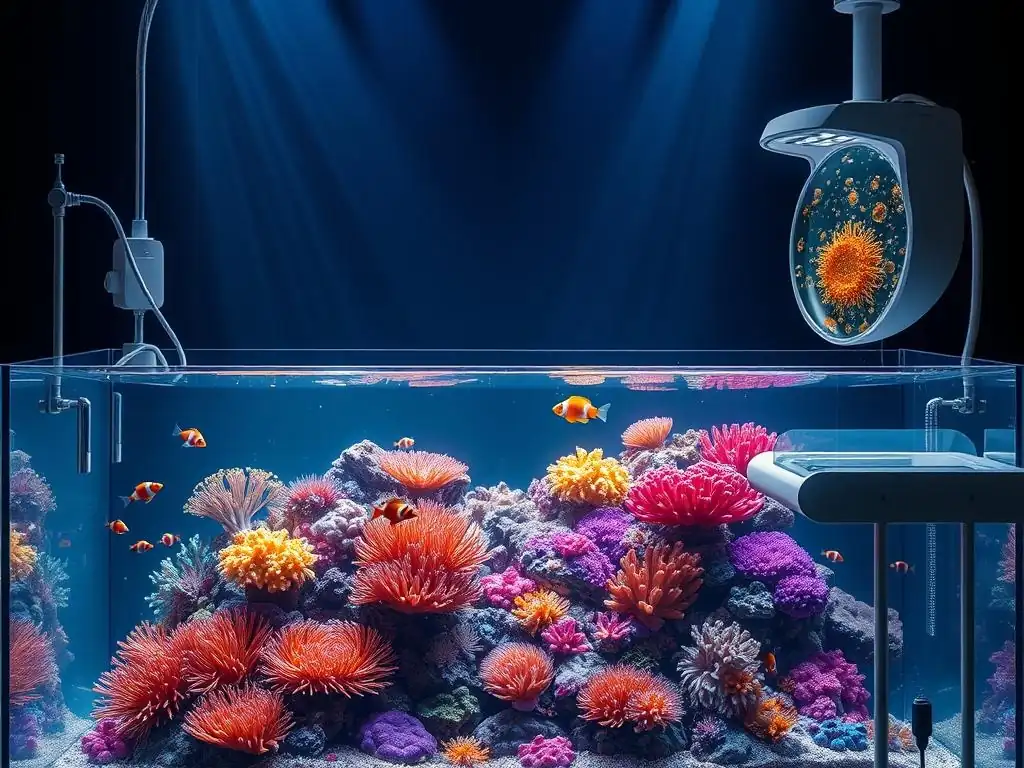
Ever wondered how to protect your precious marine fry from devastating parasites? It's a delicate balance, but crucial for ensuring the survival of the next generation. Dive into our latest article, "Parasites in the Nursery: Early Detection & Safe Treatment Protocols for Marine Fry," and unlock the secrets to safeguarding your tiny treasures. What are the tell-tale signs of infestation, and what truly safe treatment options are available? Let's explore the depths together and give your fry the best possible start!
- Introduction to Marine Fry Parasites: A Threat to Successful Rearing
- Common Parasites Affecting Marine Fry: Identification Guide
- Early Detection Methods for Parasites in Marine Fish Fry
-
Safe Treatment Protocols for Marine Fry Parasite Infections
- Quarantine Procedures for Infected Fry and Tanks
- Copper-Based Treatments: Considerations and Risks for Sensitive Fry
- Formalin Treatments: Dosage and Application for Parasite Control
- Freshwater Dips: A Gentle Approach for Some Parasites
- Biological Control Methods: Utilizing Cleaner Shrimp Lysmata amboinensis in Fry Tanks
- Prophylactic Measures: Preventing Parasite Outbreaks in Marine Fry
- Case Studies: Successful Marine Fry Parasite Treatment
- Advanced Strategies for Marine Fry Health and Parasite Resistance
- Conclusion: Ensuring Healthy Marine Fry Through Vigilance and Effective Treatment
-
Frequently Asked Questions
- What are the most common parasites affecting marine fry, and how can I identify them early?
- Why is treating parasites in marine fry more challenging than treating adult fish?
- What are some safe and effective treatment protocols for parasites in marine fry?
- How can I prevent parasite infestations in my marine fry nursery tank?
- What should I do if I suspect my marine fry have parasites, but I am unsure of the specific type?
- Final Reflection: Protecting the Future of Our Reefs
- Unleash the Potential: Protect Your Future Marine Fry!
Introduction to Marine Fry Parasites: A Threat to Successful Rearing
Understanding the Vulnerability of Marine Fish Larvae
The early life stages of marine fish, commonly referred to as fry or larvae, represent a period of extreme vulnerability to parasitic infections. Their immune systems are not fully developed, making them highly susceptible to opportunistic pathogens that would typically be managed by adult fish. Their minuscule size means even a small number of parasites can cause significant damage to vital organs like gills or skin, leading to rapid physiological decline and death. The inherent stress of artificial rearing environments, including high stocking densities, artificial diets, and fluctuating water parameters, further compromises their delicate health.
This heightened susceptibility has profound implications for both commercial aquaculture and home breeding efforts. In commercial marine aquaculture, parasitic outbreaks can decimate entire batches of fry, leading to substantial financial losses that can range from tens of thousands to hundreds of thousands of dollars per incident for large-scale operations. For hobbyist breeders of rare or challenging species, every single fry is precious, and successful rearing hinges critically on preventing and effectively managing disease, particularly through prompt and appropriate marine fry parasite treatment. Mortality rates in untreated outbreaks can easily exceed 50-80% within days.
The Importance of Early Detection in Fry Parasite Management
Early detection is paramount because marine fry possess minimal physiological reserves. Unlike robust adult fish, they cannot withstand prolonged parasitic burdens. A delay of even 12-24 hours in identifying an infestation can mean the difference between saving a significant portion of the batch and losing almost all of them. The rapid life cycles of many common marine parasites, such as Amyloodinium ocellatum, mean that an initial few parasites can quickly multiply into a devastating population within 48-72 hours, overwhelming the fragile fry.
Prompt identification allows for targeted and often less aggressive marine fry parasite treatment. When an infestation is caught in its nascent stages, lower concentrations of medications or less stressful methods like freshwater dips might be sufficient to control the outbreak. This minimizes stress on the already delicate fry and reduces the risk of collateral damage to beneficial bacteria in the biological filter, thereby preserving crucial water quality. For instance, treating Cryptocaryon irritans in its early tomont or theront stage is far more effective and less disruptive than trying to manage a widespread trophont infestation on hundreds of fry.
Common Parasites Affecting Marine Fry: Identification Guide
Amyloodinium ocellatum: Marine Velvet Disease in Fish Fry
Amyloodinium ocellatum, commonly known as Marine Velvet Disease, is a highly virulent dinoflagellate parasite that causes rapid and devastating outbreaks in marine aquariums, particularly among fry. It manifests as a fine, dusty, yellowish-brown coating on the fish's skin and gills, often resembling a velvety texture. Infected fry may exhibit rapid breathing (gasping at the surface), lethargy, scratching against surfaces (flashing), and a pronounced loss of appetite. The parasite attaches to host cells using rhizoids, feeding on their contents and causing severe tissue damage and osmotic imbalance.
The life cycle of Amyloodinium is direct and alarmingly rapid, typically completing in just 3-7 days at optimal temperatures (24-28°C), though it can be as short as 24 hours at 30°C. A single tomont (reproductive cyst) can release hundreds of infective dinospores, which are microscopic (10-20 µm) and free-swimming.
Due to their small size, these dinospores can easily overwhelm the tiny, delicate gill filaments of marine fry, leading to suffocation within hours of heavy infestation. Mortality rates in fry tanks can reach 100% within 24-48 hours if no effective marine fry parasite treatment is initiated, making it one of the most feared pathogens in marine aquaculture.
Cryptocaryon irritans: Marine Ich Infestation in Larval Fish
Cryptocaryon irritans, or Marine Ich, is a ciliated protozoan parasite well-known for its distinctive small white spot appearance on fish. While generally less common in very young fry than Amyloodinium due to its larger size (trophonts can be up to 1mm), it can still cause significant issues, particularly in older larval stages or juvenile fish. Symptoms include the presence of small, salt-grain-like white spots on the body, fins, and sometimes eyes, accompanied by rapid gill movements, clamped fins, and loss of coloration. Fry may also appear lethargic or attempt to scratch against tank decor.
The life cycle of Cryptocaryon involves three main stages: the trophont (feeding stage embedded in the fish's skin), the tomont (encysted reproductive stage off the fish, typically on the substrate), and the theront (free-swimming infective stage). The entire cycle can take 7-18 days depending on water temperature. While adult fish might tolerate a mild infection, the small body mass and undeveloped immune systems of marine fry make them highly vulnerable. Heavy infestations can lead to severe osmotic stress, secondary bacterial infections from compromised skin, and ultimately death, underscoring the critical need for timely and precise marine fry parasite treatment.
Monogenean Flukes: Gill and Skin Parasites on Young Marine Fish
Monogenean flukes are external flatworm parasites that commonly infest the gills and skin of marine fish, including delicate fry. These parasites are typically host-specific and can rapidly multiply in closed rearing systems, leading to significant infestations. Symptoms include excessive mucus production, frayed fins, red or inflamed gills, and fry attempting to rub or "flash" their bodies against tank surfaces. Heavy gill infestations can lead to severe respiratory distress, causing fry to gasp at the surface, exhibit labored breathing, or become listless due due to oxygen deprivation.
Monogeneans have a direct life cycle, meaning they do not require an intermediate host, facilitating rapid spread within a fry tank. Eggs are laid on the fish or tank substrate, hatching into free-swimming larvae called oncomiracidia, which then actively seek out a new host.
Their rapid reproduction, especially in warm water (e.g., a single Neobenedenia girellae can lay dozens of eggs daily), can quickly lead to overwhelming numbers. In a study of cultured snappers, Neobenedenia girellae was found to cause substantial mortality in larvae within days of a heavy infestation, highlighting the importance of vigilant monitoring and appropriate marine fry parasite treatment strategies to prevent catastrophic losses.
Protozoan Parasites: Other Potential Threats to Fry Health
Beyond the more commonly encountered Amyloodinium and Cryptocaryon, various other protozoan parasites can pose significant threats to marine fry, often acting as opportunistic pathogens. Brooklynella hostilis, often associated with "Clownfish Disease," causes excessive mucus production, skin sloughing, and rapid gill movements. It can quickly spread through a fry tank, leading to high mortality rates, particularly in stressed or immunocompromised individuals. Infected fry may appear pale, lethargic, and show signs of tissue erosion.
Another opportunistic ciliate, Uronema marinum, typically affects stressed or injured fish but can become problematic in high-density marine fry rearing systems. It causes ulcerative lesions on the skin and fins, leading to severe tissue damage and often fatal secondary bacterial infections. These parasites, while sometimes less prevalent than the "big two," still necessitate vigilant observation and, if identified, a swift and targeted marine fry parasite treatment plan to prevent widespread losses. Their presence often indicates underlying stress factors or compromised water quality in the rearing environment.
Early Detection Methods for Parasites in Marine Fish Fry
Visual Inspection Techniques for Identifying Parasites
Regular visual inspection is the first and most accessible line of defense in identifying parasitic infections in marine fry. This should be performed multiple times daily, ideally with a strong, focused light source (e.g., a flashlight or LED). Aquarists should meticulously look for subtle changes in the fry's appearance, such as a fine, dusty, or velvety coating ( Amyloodinium), small white spots resembling grains of salt ( Cryptocaryon), or excessive mucus production and frayed fins (monogeneans, Brooklynella). Pay close attention to the gills, as many parasites target this delicate tissue, causing noticeable redness, swelling, or rapid opercular movements.
Observing individual fry closely can also reveal early behavioral signs. Are they clumping together unusually or isolating themselves from the group? Are their fins clamped tightly against their bodies, indicating general distress? Is there any noticeable discoloration, emaciation, or a dullness in their normally vibrant color? Even minute changes, like a subtle shimmer on the skin, can be indicative of an early parasitic burden. The ability to spot these minute details, often before overt symptoms appear, is crucial for timely intervention and the initiation of effective marine fry parasite treatment.
Microscopic Examination: A Crucial Tool for Accurate Diagnosis
Microscopic examination is an indispensable tool for the accurate identification of parasites in marine fry, as many pathogens are too small to be definitively identified with the naked eye. A fresh wet mount, prepared from a gentle skin scrape or a small gill biopsy from a moribund or recently deceased fry, can reveal the presence and specific type of parasite. For example, Amyloodinium dinospores are piriform (pear-shaped) and exhibit a characteristic jerky, tumbling movement, while Cryptocaryon trophonts are large (up to 1mm), spherical, and covered in prominent cilia, often with a distinct horseshoe-shaped macronucleus.
To perform a skin scrape on a very delicate fry, gently net a symptomatic individual and place it on a clean, wet microscope slide with a drop of tank water. Using a blunt instrument (e.g., the edge of a credit card or a coverslip), gently scrape the skin surface. Alternatively, for gill parasites, a tiny piece of gill tissue can be carefully snipped from a moribund fry.
Add a coverslip and examine under 40x to 400x magnification. This method allows for definitive diagnosis, which is critical for guiding the choice of the most effective marine fry parasite treatment, as different parasites require different therapeutic approaches.
Recognizing Behavioral Changes Indicative of Parasitic Infection [e.g., flashing, clamped fins]
Behavioral changes often serve as the earliest warning signs of parasitic infection in marine fry, frequently preceding visible physical symptoms. "Flashing," where fry rapidly rub or scratch their bodies against tank surfaces, decor, or even other fry, is a common indicator of irritation caused by external parasites like Amyloodinium, Cryptocaryon, or monogeneans. This behavior is an instinctual attempt to dislodge the irritating parasites. Another critical sign is "clamped fins," where the dorsal, pectoral, or caudal fins are held tightly against the body, indicating general distress, irritation, or an attempt to reduce surface area exposure to parasites.
Other significant behavioral cues include lethargy, where fry become listless and hover near the bottom or surface, loss of appetite, or unusually rapid breathing (gasping at the surface or increased opercular movements), which can signal severe gill damage from heavy parasitic loads. Fry may also isolate themselves from the group, exhibit erratic swimming patterns, or become unusually shy. Any deviation from the fry's normal swimming, feeding, or schooling behavior warrants immediate investigation and closer inspection, as these subtle changes are often the earliest indicators that a timely marine fry parasite treatment may be necessary.
Water Quality Monitoring and Its Role in Parasite Prevention
While not a direct detection method for parasites themselves, meticulous water quality monitoring plays a crucial indirect role in both the prevention and early detection of parasitic issues in marine fry. Poor water quality, characterized by elevated levels of ammonia, nitrite, or nitrate, or unstable pH and salinity, profoundly stresses marine fry. Stressed fry have compromised immune systems, making them far more susceptible to opportunistic parasitic infections that they might otherwise resist. Regular testing (daily for ammonia/nitrite, weekly for nitrate/pH/salinity) is non-negotiable in any fry rearing system.
Sudden or significant shifts in water parameters can also trigger outbreaks by directly stressing the fry or even promoting parasite reproduction. For example, a sharp drop in salinity might stress fry, making them vulnerable, while consistently warm, stable water can accelerate the life cycle of parasites like Amyloodinium. Maintaining stable, pristine water parameters within the optimal range for the specific fry species (e.g., salinity 1.025 ppt, pH 8.1-8.3, temperature 25-28°C for many tropical species) significantly reduces their susceptibility to disease and improves their overall resilience, making any necessary marine fry parasite treatment more effective.
Safe Treatment Protocols for Marine Fry Parasite Infections
Quarantine Procedures for Infected Fry and Tanks
The immediate and strict quarantine of infected marine fry and their rearing system is a cornerstone of effective marine fry parasite treatment. This crucial step prevents the rapid spread of the pathogen to other healthy fry batches or grow-out systems within a facility. If possible, move infected fry to a separate, dedicated quarantine tank with its own independent filtration, heating, and aeration equipment. If the entire rearing tank is affected, it should be treated as a self-contained quarantine unit, and absolutely no equipment, nets, or water should be shared with other systems without thorough disinfection.
The quarantine tank should ideally be kept bare-bottomed to facilitate easy cleaning, siphoning of waste, and minimizing hiding spots for parasite cysts. Maintain stable water parameters within the optimal range for the species and provide gentle, yet adequate, aeration.
All equipment used in the quarantine tank, such as nets, siphons, and test kits, must be disinfected after each use, for example, by soaking in a bleach solution (1:10 ratio for 15 minutes) followed by thorough rinsing and drying. This strict isolation protocol is vital to contain the outbreak and ensure that the chosen marine fry parasite treatment can be applied effectively without risking wider contamination.
Copper-Based Treatments: Considerations and Risks for Sensitive Fry
Copper-based medications, typically in the form of copper sulfate or chelated copper products, are highly effective against many external protozoan parasites like Amyloodinium and Cryptocaryon. However, their use with marine fry requires extreme caution due to their narrow therapeutic window and inherent toxicity to delicate larval stages. The therapeutic range for most parasites is typically 0.15-0.25 mg/L (ppm) of ionic copper. It is absolutely imperative to use a reliable, accurate copper test kit (e.g., a colorimetric or electrochemical kit) daily, or even twice daily, to monitor copper levels, as fluctuations can quickly become lethal to fry.
Marine fry are significantly more sensitive to copper than adult fish. Even slightly elevated levels can cause irreversible gill damage, neurological issues, and rapid mortality. Chelated copper forms are generally considered safer and more stable than copper sulfate, as they release ionic copper more slowly, but they still demand precise dosing and vigilant monitoring.
Treatment typically lasts for 14-21 days to ensure all life stages of the parasite are eradicated. When using copper for marine fry parasite treatment, ensure the water has adequate alkalinity (dKH 8-12) to help stabilize copper levels and minimize precipitation, which can lead to dangerously fluctuating concentrations.
Formalin Treatments: Dosage and Application for Parasite Control
Formalin (a 37% by weight solution of formaldehyde gas in water) is a potent antiparasitic agent effective against a broad spectrum of external parasites, including Amyloodinium, Cryptocaryon, and monogeneans. It is often used as a short-term dip or a prolonged bath treatment. For marine fry, a common short-term dip involves 150-250 mg/L (ppm) for 30-60 minutes, while a prolonged bath might be 15-25 mg/L for 24 hours, often with daily partial water changes to replenish oxygen and reduce organic load.
Formalin rapidly depletes oxygen in the water, so vigorous aeration is absolutely critical during treatment, especially with marine fry which have high metabolic rates and oxygen demands. It is also highly toxic to invertebrates (including live food like rotifers and Artemia) and beneficial nitrifying bacteria, so treatment should ideally occur in a separate, bare-bottomed treatment tank. Monitor fry closely for any signs of severe stress, such as erratic swimming, loss of equilibrium, or extreme gasping, and be prepared to terminate treatment immediately if severe distress occurs.
Always ensure good ventilation in the treatment area due to formalin's strong fumes. Proper marine fry parasite treatment with formalin requires careful calculation of dosage and constant observation.
Freshwater Dips: A Gentle Approach for Some Parasites
Freshwater dips can be a remarkably effective and relatively gentle marine fry parasite treatment for certain external parasites, particularly Amyloodinium and Cryptocaryon, as well as some monogeneans. The principle relies on osmotic shock: marine parasites, adapted to saltwater, rapidly absorb freshwater due to osmosis and burst when exposed to a hypotonic environment. To perform a dip, prepare a bucket or container of dechlorinated freshwater (RO/DI water is ideal) that is precisely temperature-matched to the fry tank, and ideally pH-buffered to around 8.0-8.2 to minimize additional stress.
Gently net the affected fry and immerse them in the freshwater for a duration ranging from 30 seconds to 5 minutes, depending on the specific species' tolerance and the fry's overall condition. Observe them closely for signs of extreme stress, such as loss of equilibrium or rapid color changes. While highly effective at dislodging and killing trophonts (the feeding stage on the fish), freshwater dips do not address the encysted stages of parasites like Cryptocaryon (tomonts) or the tomonts of Amyloodinium that reside in the main tank or substrate.
Therefore, repeated dips (e.g., daily for 3-5 days) or combination with other treatments may be necessary for complete eradication. This method is generally less stressful than chemical treatments for very young and sensitive fry.
Biological Control Methods: Utilizing Cleaner Shrimp Lysmata amboinensis in Fry Tanks
While not a direct marine fry parasite treatment for active, widespread outbreaks, certain biological control methods can play a supplementary role in parasite management, particularly for larger fry or juvenile stages. The Pacific Cleaner Shrimp ( Lysmata amboinensis) is renowned for its symbiotic relationship with fish, actively removing external parasites like Cryptocaryon and monogeneans from their hosts. In some larger fry rearing systems or grow-out tanks, introducing these shrimp after the initial, most fragile larval stage, when fry are robust enough not to be considered prey, can help maintain a lower ambient parasite load.
However, there are significant limitations to relying solely on cleaner shrimp. They are generally not suitable for very young, delicate marine fry due to the risk of predation or causing undue stress. They cannot eradicate a heavy, established infestation on their own, nor can they address internal parasites or the free-swimming/encysted stages of parasites in the water column or substrate.
Their role is primarily as a prophylactic measure or as a supplementary tool in a comprehensive parasite management strategy once fry are past their most vulnerable stage. They are notably ineffective for highly virulent diseases like Amyloodinium that rapidly overwhelm the entire system.
Prophylactic Measures: Preventing Parasite Outbreaks in Marine Fry
Maintaining Optimal Water Quality: A Foundation for Fry Health
The single most critical prophylactic measure against parasitic outbreaks in marine fry is the unwavering maintenance of optimal and stable water quality. This means consistently low levels of ammonia (ideally 0 ppm), nitrite (0 ppm), and nitrate (below 10 ppm for most species), coupled with stable salinity (e.g., 1.025 ppt for most tropical species), pH (8.1-8.3), and temperature (species-specific, typically 25-28°C). Regular and frequent testing, combined with immediate correction of any deviations, are paramount, as stressed fry are significantly more susceptible to opportunistic parasitic infections.
Optimal water quality directly supports the fry's developing immune system, making them more resilient to pathogenic challenges. High organic loads, for instance, not only stress fry but also provide a nutrient source for some parasites and can lead to secondary bacterial blooms that further compromise fry health. A proactive and meticulous approach to water chemistry is far more effective, less stressful, and ultimately more economical than reacting to an outbreak with emergency marine fry parasite treatment. Clean, stable water is the bedrock of successful marine fish rearing.
Proper Filtration and Water Changes to Minimize Parasite Load
Robust and appropriate filtration is essential for maintaining pristine water quality and significantly minimizing the overall parasite load in a marine fry rearing system. Mechanical filtration (e.g., fine filter socks, sponges, or floss) physically removes particulate matter, including free-swimming parasite stages (like Amyloodinium dinospores or Cryptocaryon theronts) and organic debris that could harbor cysts. Biological filtration (e.g., bio-balls, ceramic media, live rock rubble) converts toxic ammonia and nitrite into less harmful nitrate.
Chemical filtration (e.g., activated carbon, GFO) removes dissolved organic compounds and certain toxins that can stress fry. Regular cleaning or replacement of mechanical filter media is crucial to prevent it from becoming a breeding ground for pathogens.
Frequent and appropriately sized water changes are equally vital. Daily water changes of 10-20% are common practice in marine fry rearing to dilute waste products, replenish trace elements, and, crucially, remove free-swimming parasite stages from the water column.
For example, replacing 15% of the water daily can significantly reduce the concentration of Amyloodinium dinospores or Cryptocaryon theronts, effectively breaking their life cycle and reducing the chances of a massive infestation. The fresh saltwater used for changes must be perfectly matched in temperature, salinity, and pH to avoid shocking the delicate fry, thereby reducing the stress that could necessitate emergency marine fry parasite treatment.
UV Sterilization: Reducing Parasite Propagation in the Water Column
Ultraviolet (UV) sterilization is a highly effective tool for reducing the number of free-swimming parasites, bacteria, and algae in the water column of marine fry rearing systems. A UV sterilizer works by passing tank water through a chamber containing a UV-C lamp. The UV light, at specific wavelengths, damages the DNA of microorganisms, rendering them unable to reproduce and effectively killing them. For optimal parasite control, a UV unit should be appropriately sized for the tank volume and flow rate, ensuring sufficient contact time (dwell time) for the UV light to be effective against resilient pathogens.
While UV sterilization cannot eliminate parasites already on the fish or encysted in the substrate, it significantly reduces the re-infection pressure by killing free-swimming infective stages like Amyloodinium dinospores or Cryptocaryon theronts before they can find a host. This lowers the overall parasite load in the system and gives the fry's developing immune system a better chance to cope with any remaining parasites.
For example, a properly maintained 40-watt UV sterilizer on a 100-gallon system can reduce free-swimming pathogen counts by over 90%, thereby mitigating the need for widespread marine fry parasite treatment. UV bulbs should be replaced every 6-12 months as their germicidal effectiveness diminishes over time.
Quarantine and Observation of New Introductions: Preventing Contamination
Strict quarantine protocols for all new introductions are arguably the most critical measure to prevent parasitic outbreaks in marine fry rearing systems. This includes new broodstock, live food cultures (e.g., rotifers, Artemia), and even used equipment. New broodstock should be quarantined in a separate system for at least 30-60 days, observed meticulously for any signs of disease, and potentially prophylactically treated for common parasites (e.g., a copper treatment for Cryptocaryon) before being introduced to the main breeding or larval rearing system.
Live food cultures, while absolutely essential for marine fry nutrition, can inadvertently introduce parasites or their cysts. It is advisable to either culture live foods in a sterile environment (e.g., using sterile techniques for rotifer culture) or, if purchasing, to disinfect them (e.g., with a brief freshwater rinse or a very dilute chemical dip if compatible) before feeding.
Similarly, any equipment that has been used in another tank, even if seemingly clean, should be thoroughly disinfected with a bleach solution (e.g., 1:10 bleach to water for 15 minutes) or heat before being used in a sensitive fry system. This meticulous attention to biosecurity drastically reduces the risk of introducing pathogens that would necessitate a complex marine fry parasite treatment.
Case Studies: Successful Marine Fry Parasite Treatment
Case Study 1: Overcoming a Marine Velvet Outbreak in Clownfish Fry
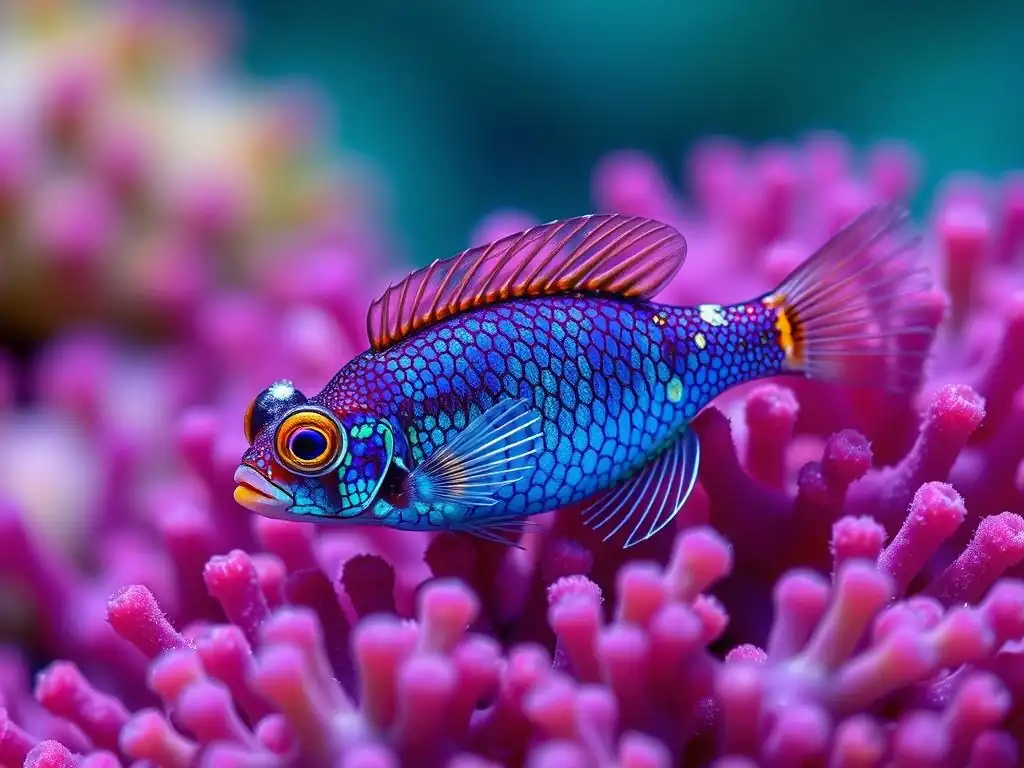
In a commercial clownfish hatchery in Florida, a batch of approximately 5,000 10-day-old Amphiprion ocellaris (Ocellaris Clownfish) fry developed alarming signs of Amyloodinium ocellatum (Marine Velvet). Initial symptoms observed included rapid respiration, frequent flashing against tank walls, and a subtle, dusty, yellowish appearance on the fry's bodies. Microscopic examination of a moribund fry confirmed the presence of numerous motile dinospores and early trophonts, indicating a severe and rapidly progressing infection. Without immediate marine fry parasite treatment, the expected mortality rate was projected to be near 100% within 24-48 hours.
The hatchery immediately initiated a copper sulfate treatment in the affected rearing tanks, aiming for a target concentration of 0.15 mg/L ionic copper. The copper levels were carefully monitored twice daily using a highly accurate colorimetric copper test kit. Intense aeration was maintained throughout the treatment period to ensure adequate oxygen levels for the stressed fry. Daily 20% water changes were performed with pre-dosed, temperature-matched saltwater to maintain stable parameters and remove organic waste.
The treatment continued for 14 days. By day 3, visible symptoms had significantly receded, and the fry resumed normal feeding behavior. Post-treatment, the final mortality was reduced to approximately 15%, a remarkable recovery attributed to the rapid and accurate diagnosis, followed by the precise and vigilant application of the marine fry parasite treatment.
Case Study 2: Managing Ich Infestation in Yellow Tang Larvae
At a research facility in Hawaii specializing in aquaculture of challenging species, a batch of approximately 1,500 20-day-old Zebrasoma flavescens (Yellow Tang) larvae began exhibiting small white spots on their bodies and clamped fins, indicative of Cryptocaryon irritans. Microscopic analysis of affected individuals confirmed the presence of active trophonts. The delicate nature of tang larvae, known for their sensitivity to chemical treatments, necessitated a carefully considered and less aggressive marine fry parasite treatment approach to minimize stress and prevent further losses.
The chosen strategy involved a combination of daily 5-minute freshwater dips (pH and temperature-matched to the rearing water) for all affected larvae, combined with transferring them to a clean, disinfected rearing tank every 24 hours. The original, infected tank was left fallow for 72 hours to allow any encysted tomonts to hatch and the resulting theronts to die without a host. This cycle of dipping and transfer was meticulously repeated for 10 consecutive days.
While labor-intensive due to the need to handle thousands of delicate larvae daily, this approach successfully avoided harsh chemical treatments. The overall survival rate for the batch was approximately 70%, demonstrating that even for highly sensitive species, an osmotic shock-based marine fry parasite treatment can be highly effective when applied rigorously and consistently.
Lessons Learned and Best Practices for Fry Parasite Control
These case studies collectively highlight several critical best practices for effective marine fry parasite treatment. Firstly, rapid and accurate diagnosis is paramount. The ability to microscopically identify the specific parasite allows for targeted and effective intervention, rather than relying on broad-spectrum treatments that may be less effective or more stressful to the delicate fry. Secondly, meticulous monitoring of water parameters and medication levels throughout the treatment period is non-negotiable, especially when dealing with sensitive larval stages. Precise dosing and consistent environmental stability are key to successful outcomes.
Finally, a multi-faceted and integrated approach often yields the best results. Combining methods such as regular water changes, environmental manipulation (e.g., fallow periods for tanks), and precise application of chemical treatments or less invasive dips, tailored to the specific parasite and fry species, significantly improves the chances of success. Moreover, these cases underscore that proactive measures, such as strict quarantine protocols for all new introductions and robust filtration systems, remain the most cost-effective and least stressful strategies for preventing outbreaks entirely and minimizing the future need for reactive marine fry parasite treatment.
Advanced Strategies for Marine Fry Health and Parasite Resistance
Nutritional Enrichment to Boost Fry Immunity
Optimal nutrition is the foundational pillar for boosting the immune system of marine fry, thereby significantly enhancing their natural resistance to parasitic infections. Live foods like rotifers ( Brachionus plicatilis) and Artemia nauplii, which constitute the primary food source for most marine fry, must be nutritionally enriched.
This bio-encapsulation process involves feeding the live prey organisms with high-quality enrichment products containing essential fatty acids (e.g., DHA - docosahexaenoic acid, EPA - eicosapentaenoic acid), critical vitamins (especially Vitamin C and E), and vital amino acids. This ensures that the fry receive a balanced and complete diet, which directly supports the development and function of their nascent immune cells and systems.
For example, rotifers enriched with products containing high levels of DHA have been scientifically shown to improve larval survival, growth rates, and stress resistance in various commercially important marine fish species, including red drum and gilthead seabream. A study on gilthead seabream larvae demonstrated that DHA-enriched diets led to significantly lower susceptibility to parasitic infections like Amyloodinium.
A robust immune system, built upon superior nutrition, means that even if fry encounter parasites, they are better equipped to mount an immune response, potentially overcome the infection without severe consequences, or at the very least, respond more effectively to any necessary marine fry parasite treatment.
Probiotics and Their Potential Role in Parasite Prevention
The use of probiotics, beneficial microorganisms, is an emerging and promising strategy for enhancing marine fry health and potentially preventing parasitic outbreaks. Probiotics can be incorporated into the fry's diet (e.g., through live food enrichment) or added directly to the rearing water. When consumed, these beneficial bacteria colonize the fry's gut, improving digestion and nutrient absorption, and outcompeting pathogenic bacteria for resources and attachment sites. In the water column, certain probiotic strains can actively improve water quality by breaking down organic waste, reducing ammonia and nitrite, and inhibiting the growth of harmful bacteria and, indirectly, some opportunistic parasites.
Research suggests that specific Bacillus strains, when added to rearing water or feed, can significantly improve water quality parameters and enhance the growth and survival rates of marine larvae, such as Pagrus major (red seabream). While direct, conclusive evidence of probiotics preventing parasitic infestations is still developing, a healthier gut microbiome and improved water quality contribute substantially to overall fry resilience and reduce stress. This makes them inherently less susceptible to opportunistic pathogens and potentially improves their response and recovery following any necessary marine fry parasite treatment.
Genetic Considerations for Disease Resistance in Marine Fish
In advanced marine aquaculture, genetic selection for disease resistance represents a sophisticated, long-term strategy to reduce the impact of parasites and other pathogens. Similar to selective breeding programs in terrestrial livestock, this involves identifying and propagating fish lines that exhibit natural resilience to common pathogens, including specific parasites. This typically entails identifying genetic markers associated with resistance traits and then selectively breeding individuals that possess these desirable characteristics, thereby gradually increasing the overall robustness and disease resistance of the fish population over generations.
While a complex, time-consuming, and resource-intensive endeavor, successful selective breeding can significantly reduce the reliance on chemical marine fry parasite treatment and other reactive measures over multiple generations. For example, some aquaculture species, such as Atlantic salmon, have seen substantial advancements in resistance to sea lice ( Lepeophtheirus salmonis) through targeted selective breeding programs. Although less developed for most ornamental marine species due to their smaller scale of production, this genetic approach holds significant promise for the sustainable production of healthier, more resilient marine fry in the future, by building inherent disease resistance into the stock.
Conclusion: Ensuring Healthy Marine Fry Through Vigilance and Effective Treatment
The Future of Marine Fry Parasite Management
The future of marine fry parasite management is rapidly evolving, moving towards more integrated, preventative, and less chemically intensive approaches. Continued research into the intricate life cycles and specific vulnerabilities of marine parasites, coupled with advancements in molecular diagnostic tools, will allow for even more precise and timely interventions. A significant emphasis will be placed on understanding the complex interplay between the fry's immune response and environmental factors, aiming to enhance natural resistance through cutting-edge nutritional science and optimized rearing environments.
Emerging technologies, such as advanced recirculating aquaculture system (RAS) designs, sophisticated filtration methods (e.g., protein skimmers, ozone, biofilters), and novel non-chemical treatments, are poised to play a larger role in maintaining pathogen-free environments. Furthermore, the development of species-specific vaccines for common marine fry parasites, while challenging due to the fry's immature immune system, remains a promising area of research. These innovations collectively aim to reduce the reliance on broad-spectrum marine fry parasite treatment protocols, promoting healthier, more robust fry populations and fostering more sustainable and ethical aquaculture practices.
Resources for Further Learning and Support
For aquarists, hobbyist breeders, and commercial operators seeking further in-depth knowledge on marine fry parasite treatment and prevention, numerous reputable resources are available. Academic journals specializing in aquaculture, marine biology, and fish pathology (e.g., Aquaculture, Diseases of Aquatic Organisms, Journal of Fish Diseases) provide cutting-edge research and peer-reviewed studies. University extension programs and marine aquaculture research centers often publish practical guides, host workshops, and offer diagnostic services that are invaluable. Online forums and communities dedicated to advanced marine breeding can also offer valuable peer-to-peer insights, shared experiences, and support.
When seeking information, always prioritize sources that are evidence-based, scientifically reviewed, and specific to marine species and their larval stages. Consult with experienced marine aquaculturists, aquatic veterinarians, or certified fish health specialists for complex cases or persistent issues. Continuous learning and staying updated on the latest research, best practices, and innovative technologies are essential for ensuring the long-term health, survival, and overall success of marine fry rearing endeavors.
Frequently Asked Questions
What are the most common parasites affecting marine fry, and how can I identify them early?
Common parasites include Amyloodinium (marine velvet) and Cryptocaryon irritans (marine ich). Early detection involves careful observation of fry behavior and microscopic examination of skin or gill samples if possible.
Why is treating parasites in marine fry more challenging than treating adult fish?
Marine fry are significantly more sensitive to medications than adult fish. Their developing organs are easily damaged by harsh treatments, making careful dosing crucial.
What are some safe and effective treatment protocols for parasites in marine fry?
Safe options include hyposalinity treatment (lowering salinity) and carefully dosed copper-based medications, but only after thorough research and with extreme caution. Always start with the lowest effective dose.
How can I prevent parasite infestations in my marine fry nursery tank?
Prevention relies on strict quarantine protocols for new arrivals, regular water changes, and maintaining optimal water quality. Using a UV sterilizer can also help reduce parasite loads.
What should I do if I suspect my marine fry have parasites, but I am unsure of the specific type?
Isolate the affected fry and consult with an experienced aquarist or aquatic veterinarian for accurate diagnosis. Avoid using broad-spectrum treatments without knowing the specific parasite.
Final Reflection: Protecting the Future of Our Reefs
The insights shared in this article regarding early detection and safe treatment protocols for parasites in marine fry are not merely academic; they are crucial for the sustainable future of our coral reefs. The health of these delicate ecosystems hinges on our ability to nurture the next generation of marine life, and effective parasite management is a cornerstone of that effort. Ignoring this threat risks jeopardizing the biodiversity and resilience of these vital underwater habitats.
This topic has profoundly influenced my understanding of the interconnectedness within marine ecosystems and the responsibility we bear in safeguarding them. Witnessing the devastating effects of parasitic infestations firsthand underscores the urgency of implementing proactive measures. In the end, we will conserve only what we love; we will love only what we understand; and we will understand only what we are taught.
- Baba Dioum. This quote encapsulates the essence of our mission: to educate, understand, and ultimately, protect these vulnerable creatures.
Now, I invite you to reflect on your own role in preserving our marine environments. Consider how you can support sustainable aquaculture practices, advocate for responsible aquarium keeping, and contribute to the ongoing research that empowers us to combat these parasitic threats. The future of our reefs depends on the collective action of informed and compassionate individuals like yourself. Let's work together to ensure a thriving future for marine fry and the vibrant ecosystems they support.
Unleash the Potential: Protect Your Future Marine Fry!
Thank you for diving into the world of marine fry care and learning how to combat parasites! Now, it's time to put that knowledge into action and ensure your tiny swimmers thrive.
Here’s how you can champion their survival:
- Implement a strict quarantine protocol: Dedicate a separate, easily sanitized tank for newly hatched fry and closely monitor them for any signs of parasitic infection before introducing them to the main rearing system.
- Share your insights: Join the Aquarium Mastery community forum and discuss your parasite prevention strategies or ask questions. Collaboration can lead to breakthroughs!
- Experiment with natural treatments: Research and carefully test (in a separate tank) alternative treatments like garlic extract or herbal remedies alongside conventional medications to develop your unique and effective parasite control plan.
What unconventional method are you most excited to try to keep your marine fry parasite-free?