
First Bite: Perfecting Timing & Technique for Introducing Food to Saltwater Larvae

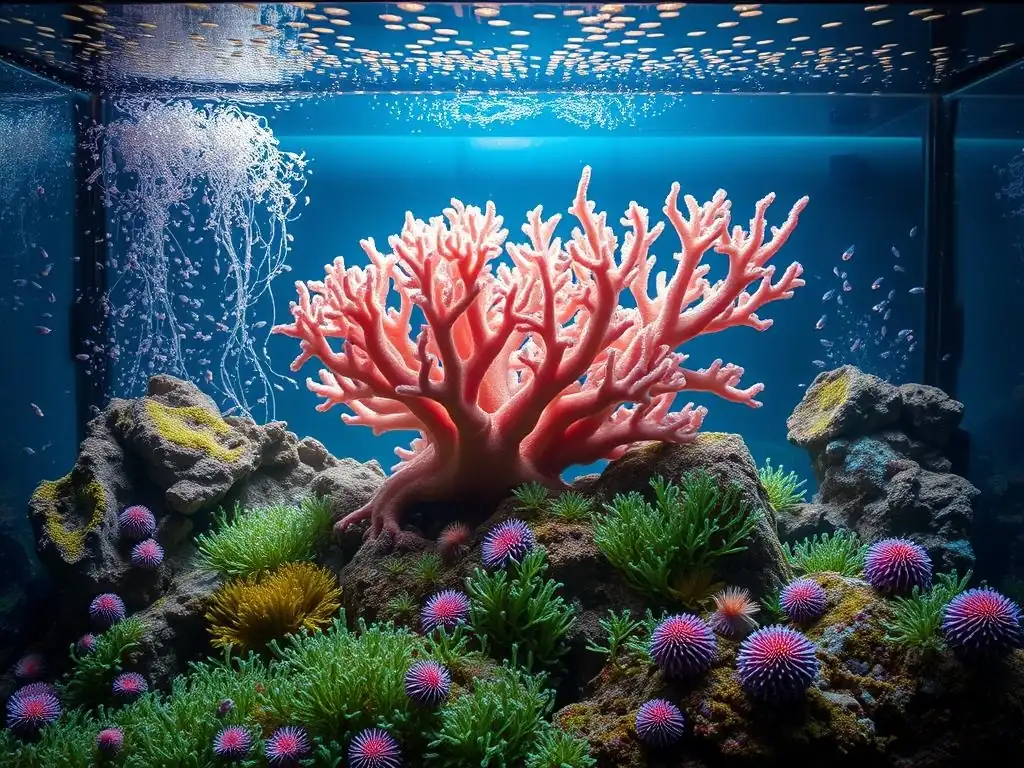
Welcome to Aquarium Mastery!
Ever wondered if you're missing a crucial window in the delicate dance of raising saltwater larvae? First Bite: Perfecting Timing & Technique for Introducing Food to Saltwater Larvae reveals the secrets to ensuring your tiny swimmers get the nutrition they need, right when they need it. Dive in to discover the optimal saltwater larvae feeding timing and techniques that can dramatically improve your success rate! Ready to unlock the secrets to successful saltwater breeding?
- Understanding the Critical First Feeding for Saltwater Fish Larvae
- Preparing for First Feeding: Setting the Stage for Success
- Identifying the Right Time to Initiate Saltwater Larvae Feeding
- Selecting the Appropriate First Food for Saltwater Larvae
- Mastering the Technique: Delivering Food to Saltwater Larvae
- Common Challenges and Solutions in Saltwater Larvae Feeding
- Post-Feeding Care and Monitoring of Saltwater Larvae
- Advanced Techniques for Saltwater Larvae Nutrition
- Conclusion: Maximizing Success in Saltwater Larvae Rearing Through Precise Feeding
-
Frequently Asked Questions
- What is the best initial food size for saltwater larvae, considering their delicate digestive systems?
- How crucial is the timing of the first feeding for saltwater larvae survival, and what happens if it's delayed?
- What methods can aquarists use to ensure saltwater larvae have constant access to food in the early stages?
- How does water quality impact the success of saltwater larvae feeding, and what parameters are most important to monitor?
- What are some common mistakes aquarists make regarding saltwater larvae feeding, and how can they be avoided?
- Final Reflection: Nurturing the Future of Our Oceans
- Ignite Growth: Nourish Your Saltwater Larvae!
Understanding the Critical First Feeding for Saltwater Fish Larvae
The Importance of First Feeding Success in Larval Rearing
The initial feeding period for saltwater fish larvae, often referred to as the "first bite," represents one of the most precarious stages in marine aquaculture. Success at this juncture is paramount, as early larval mortality rates can be exceptionally high, frequently exceeding 90% in many species if feeding protocols are not meticulously followed.
This high attrition is largely due to the rapid depletion of the yolk sac, the larva's primary energy reserve post-hatch, and the subsequent need for external nutrition to fuel rapid development and growth. Without a timely and appropriate food source, larvae quickly reach a "point of no return," where even if food becomes available, their physiological state has deteriorated beyond recovery.
For example, while robust species like clownfish (e.g., Amphiprion ocellaris) often exhibit higher survival potential, achieving consistent survival rates above 50-60% in culture still hinges critically on precise first feeding. More delicate species, such as some marine angelfish or dottybacks, can experience near total mortality if their specific nutritional and environmental needs during this initial feeding window are not met. The successful transition from endogenous (yolk sac) to exogenous (external food) feeding dictates the viability of an entire larval batch, making this phase the bottleneck for many marine fish breeding efforts.
Why Saltwater Larvae Feeding Timing is Crucial for Survival
The precise saltwater larvae feeding timing is not merely a recommendation; it is a biological imperative directly linked to larval survival. Newly hatched marine fish larvae possess a finite window during which they are physiologically capable of initiating feeding after their yolk sac is absorbed. This window is often remarkably narrow, typically spanning just 24 to 48 hours for many species. If food is not presented within this critical timeframe, the larvae will starve, regardless of subsequent feeding attempts. This phenomenon underscores the extreme sensitivity of early larval stages to nutritional deprivation.
For instance, the larvae of species like the Yellow Tang ( Zebrasoma flavescens) or some marine angelfish may have an even narrower window, sometimes less than 24 hours post-yolk absorption, before irreversible starvation sets in. This critical period is characterized by the development of the mouth and gut, and the commencement of active foraging behaviors. Accurate saltwater larvae feeding timing ensures that the delicate digestive system is ready to process external nutrients, preventing irreversible physiological decline and maximizing the chances of successful development into juvenile fish.
Preparing for First Feeding: Setting the Stage for Success
Tank Setup Considerations for Saltwater Larvae
The physical environment of the larval rearing tank plays a pivotal role in optimizing first feeding success. Larval tanks are typically smaller than grow-out tanks, commonly ranging from 10 to 50 liters (approximately 2.5 to 13 gallons) for initial rearing. Their design often incorporates specific features to enhance food availability and minimize stress.
For example, black-sided or dark-colored tanks are frequently preferred as they reduce light refraction, making the tiny live food organisms more visible against the dark background, thus improving feeding efficiency. Round or conical-bottomed tanks are also advantageous as they prevent food and larvae from settling into corners, promoting more even distribution and suspension of prey.
Maintaining impeccable sanitation is non-negotiable. Larval tanks must be thoroughly cleaned and sterilized between batches to eliminate pathogens and residual organic matter. This often involves scrubbing with a bleach solution (e.g., 10% bleach), followed by extensive rinsing with dechlorinated freshwater and then saltwater.
Some breeders also use UV sterilization or ozone treatment on incoming water to further reduce bacterial loads. The specific volume and shape of the tank should be tailored to the species being reared; for example, a 20-liter (approx. 5-gallon) black-sided round tank is a standard choice for initial rearing of species such as Banggai Cardinalfish ( Pterapogon kauderni) or Damselfish larvae, providing sufficient volume for initial densities while allowing for easy observation and maintenance.
Water Quality Parameters for Optimal Larval Development
Maintaining pristine and stable water quality is paramount for the delicate first feeding stage of saltwater larvae. Even minor fluctuations or the presence of common aquarium toxins can be detrimental. The ideal salinity range for most marine fish larvae is typically between 30 and 35 parts per thousand (ppt), closely mimicking natural oceanic conditions. Temperature is species-specific but generally falls within 25-28°C (77-82°F), with consistency being more important than the absolute value. A stable pH of 8.0-8.3 is crucial, as significant deviations can impair physiological functions and reduce feeding vigor.
Crucially, ammonia (NH3/NH4+) and nitrite (NO2-) levels must be undetectable (0 ppm). Larvae are highly susceptible to these nitrogenous compounds, which even at low concentrations can cause stress, reduced feeding, and mortality. Nitrate (NO3-) should also be kept as low as possible, ideally below 10 ppm, though small amounts are less immediately toxic than ammonia or nitrite.
Regular testing with accurate kits is essential to monitor these parameters multiple times daily, especially as feeding commences and organic loads increase. Implementing a reliable system for water changes or a gentle filtration method is critical to maintaining these stringent water quality standards throughout the initial feeding period.
Light and Flow Management for Feeding Success
The successful initiation of feeding in saltwater larvae is significantly influenced by appropriate light and flow management within the rearing tank. Light serves multiple purposes: it helps larvae visually locate their prey and can influence their activity levels. However, excessive light can cause photo-stress, leading to reduced feeding and increased mortality.
Typically, a moderate light intensity, often in the range of 500-1000 lux, is recommended during the feeding period. This can be achieved using ambient room light or low-wattage LED fixtures positioned above the tank. A consistent photoperiod, commonly 14 hours of light and 10 hours of darkness, mimics natural cycles and supports healthy larval development and feeding rhythms.
Flow within the larval tank must be minimal and extremely gentle, primarily designed to keep the microscopic food organisms suspended in the water column without unduly stressing the delicate larvae. Strong currents can exhaust larvae, making them less likely to feed, or even physically injure them.
A single air stone bubbling very gently, or a highly controlled, very low-flow internal pump in larger systems, is often sufficient to create the necessary circulation. The goal is to ensure that food particles remain available throughout the water column, increasing the encounter rate between larvae and their prey, without creating turbulent conditions that hinder the larvae's ability to capture food.
Identifying the Right Time to Initiate Saltwater Larvae Feeding
Recognizing Key Developmental Stages in Saltwater Larvae
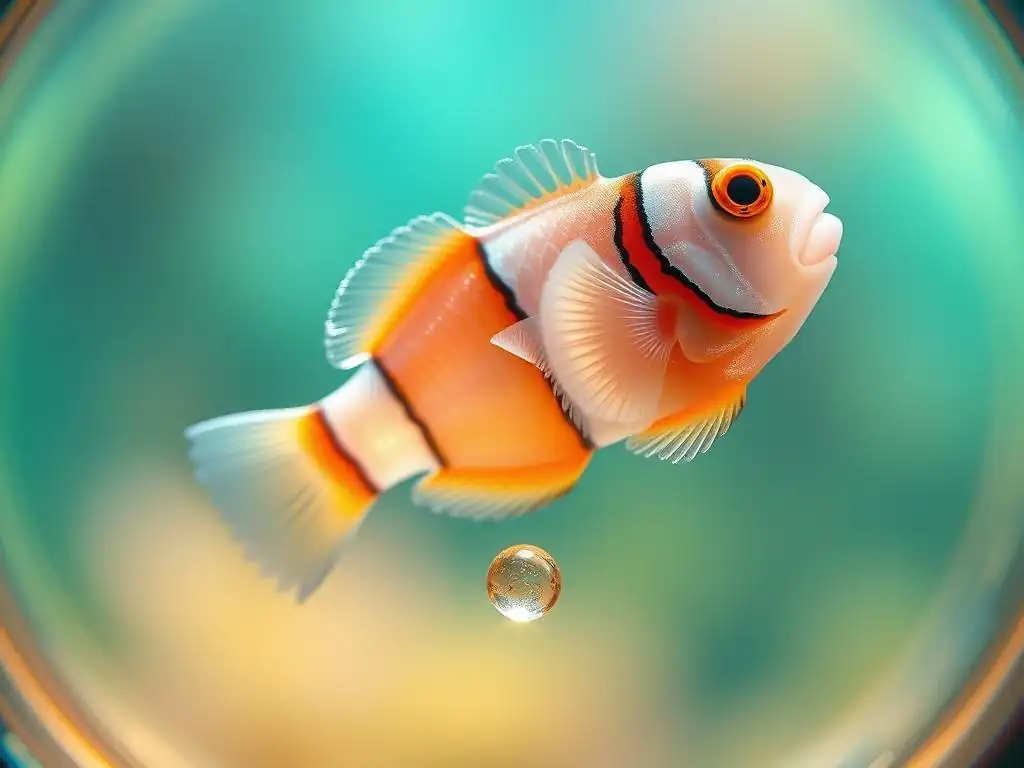
Accurate saltwater larvae feeding timing hinges on a keen understanding of their developmental progression. Newly hatched marine fish larvae undergo rapid morphological changes, and recognizing these key stages is essential for determining when they are physiologically ready to accept external food. Initially, larvae are typically in a "prolarval" stage, characterized by the presence of a prominent yolk sac, undeveloped fins, and often unpigmented eyes.
As they develop, their eyes begin to pigment, and the mouth and anus become fully formed and functional. The development of pectoral fins and the appearance of a swim bladder are also important indicators of increasing maturity.
For instance, in species like the Ocellaris Clownfish, larvae hatch at around 3mm in length, with a large yolk sac. Over the next 3-4 days, they absorb the yolk, their eyes become fully pigmented, and their tiny mouths open. Observing these changes, often with the aid of a magnifying glass or microscope, provides crucial cues. The transition to the "postlarval" stage, marked by the complete absorption of the yolk sac and the onset of active feeding, signifies the window for initiating feeding. Premature feeding can lead to fouling of the water and wasted food, while delayed feeding risks starvation.
Observing Yolk Sac Depletion: A Key Indicator
The yolk sac is the primary energy source for marine fish larvae immediately after hatching. Its depletion is the single most critical visual indicator for determining precise saltwater larvae feeding timing. The yolk sac appears as a translucent, spherical or oblong sac attached to the ventral side of the larva's body. As the larva consumes its internal reserves, the yolk sac will visibly shrink in size.
Monitoring this process daily, sometimes even hourly, is vital. For many species, such as the Common Clownfish ( Amphiprion ocellaris), yolk sac absorption typically occurs within 3 to 4 days post-hatch at temperatures around 27°C. For others, like some gobies, it might be faster, perhaps 1-2 days.
Once the yolk sac is almost entirely absorbed, or only a tiny remnant remains, the larva's internal energy reserves are nearly exhausted, signaling their immediate need for external nutrition. This is the cue to introduce the first food. If feeding is delayed beyond this point, the larvae will rapidly lose condition and ultimately starve.
Microscopic Observation of Larvae Gut Development
Beyond external visual cues, microscopic observation offers an even more precise method for assessing the readiness of saltwater larvae for their first feeding. Using a dissecting microscope with magnification ranging from 10x to 40x allows aquarists to examine the internal development of the larvae's digestive system. The key features to look for are a fully open mouth and a clearly developed, straight gut tube. In newly hatched larvae, the mouth may still be closed or rudimentary, and the gut may not be fully differentiated.
As the larva matures and approaches the first feeding stage, the mouth will be visibly open and capable of ingestion. The digestive tract will appear as a distinct, often transparent, tube running through the body. Observing the presence of a "straight gut" indicates that the digestive system is ready to process food.
Furthermore, after initial feeding, the microscope is invaluable for confirming successful ingestion; if larvae are feeding, their guts will appear plump and may even show visible ingested food particles (e.g., green rotifers if enriched with algae). This direct observation provides definitive confirmation that the saltwater larvae feeding timing is correct and that the larvae are actively consuming the offered food.
Selecting the Appropriate First Food for Saltwater Larvae
Live Food Options for Saltwater Fish Larvae: A Comparative Overview
For the vast majority of marine fish species, live food organisms are indispensable for the initial feeding of larvae. Their natural movement stimulates feeding responses, and their high digestibility and appropriate size make them superior to most artificial diets during this critical stage. The primary live food options include rotifers, copepods, and to a lesser extent, newly hatched Artemia nauplii for larger larvae. These live feeds typically range in size from 50 to 500 micrometers (µm), perfectly suiting the tiny mouths of newly hatched larvae.
Rotifers ( Brachionus spp.) are the most commonly used first food due to their ease of culture and relatively consistent size. Copepods, particularly their nauplii stages, offer a more nutritionally complete profile and a more natural jerky swimming motion that can elicit stronger feeding responses in some species.
While Artemia nauplii are widely used in aquaculture, their larger size (400-500 µm) and often lower nutritional value (unless enriched) make them unsuitable as a first food for many marine larvae, which typically require prey less than 200 µm. The choice of live food depends heavily on the specific larval species' mouth gape and nutritional requirements.
Rotifers: Culturing and Enrichment for Enhanced Nutritional Value
Rotifers, primarily Brachionus plicatilis (L-type, ~150-250 µm) and Brachionus rotundiformis (S-type, ~100-150 µm), are the workhorses of marine larval aquaculture. Their small size, slow swimming speed, and ease of mass culture make them an ideal first food for a wide range of marine fish larvae. However, rotifers cultured on basic microalgae like Nannochloropsis or baker's yeast are nutritionally incomplete, specifically lacking essential highly unsaturated fatty acids (HUFAs) such as DHA (docosahexaenoic acid) and EPA (eicosapentaenoic acid), which are crucial for larval development, pigmentation, and survival.
To overcome this nutritional deficiency, rotifers must be enriched before being fed to larvae. Enrichment typically involves feeding the rotifers a concentrated emulsion rich in HUFAs (e.g., Selco, DHA Selco) for a period of 12-24 hours. This process significantly boosts their nutritional profile; for instance, the DHA content of rotifers can be increased from negligible levels to 15-20% of their dry weight after proper enrichment. This improved nutritional value directly translates to higher survival rates, better growth, and reduced deformities in the delicate saltwater larvae, making enrichment a non-negotiable step in successful saltwater larvae feeding timing.
Copepods: Natural Prey for Saltwater Larvae
Copepods are increasingly recognized as superior first foods for many marine fish larvae, particularly for delicate species or those with very small mouth gapes. They offer several advantages over rotifers: their nauplii stages are often smaller (ranging from 50-200 µm), making them accessible to a wider array of larvae. More importantly, copepods naturally possess a higher and more balanced nutritional profile, rich in essential fatty acids and amino acids, even without specific enrichment. Their jerky, erratic swimming motion also triggers a stronger feeding response in some larval fish compared to the smoother movement of rotifers.
Different types of copepods are utilized, including calanoids (e.g., Parvocalanus crassirostris, Acartia tonsa) and cyclopoids. Parvocalanus crassirostris nauplii, for instance, are highly regarded for their ideal size and nutritional content, contributing to higher survival rates and faster growth in species that are challenging to rear, such as marine angelfish and butterflyfish. While culturing copepods can be more complex than rotifers, the benefits for larval development are often significant, making them an invaluable component of a comprehensive saltwater larvae feeding timing strategy, especially for advanced breeding projects.
Artificial Diets: Supplementing Live Food for Optimal Growth
While live foods are essential for the initial feeding of most saltwater larvae, artificial diets are increasingly used as a supplement or a subsequent weaning food. These diets, typically in the form of micro-encapsulated particles, flakes, or powders, are formulated to provide a balanced nutritional profile. Particle sizes for initial artificial diets usually range from 50-150 µm, designed to be ingested by developing larvae.
However, it is crucial to understand that artificial diets are generally not suitable as the sole first food for newly hatched marine larvae. Larvae often lack the digestive enzymes or the feeding instinct to effectively consume inert particles. Studies have consistently shown that survival rates using solely artificial diets for first feeding are significantly lower than with live feeds, often below 10-20% for many species.
Their primary role comes later, as larvae grow and begin to accept non-moving food. Introducing high-quality artificial diets gradually, once larvae are actively feeding on live prey (e.g., rotifers or copepods), can help transition them to a more convenient and cost-effective diet, reducing reliance on live food cultures and preparing them for a varied diet as juveniles.
Mastering the Technique: Delivering Food to Saltwater Larvae
Determining the Correct Food Density for Saltwater Larvae
Establishing the correct food density is a critical aspect of successful saltwater larvae feeding timing. Too low a density means larvae struggle to find enough food, leading to starvation and poor growth. Too high a density can rapidly foul the water, leading to bacterial blooms, ammonia spikes, and increased larval mortality. The ideal density is species-specific and depends on the larval size, activity level, and the type of food being offered.
For generalist species like clownfish, an initial rotifer density of 5-10 rotifers per milliliter (rot/mL) is often recommended. For more delicate species, or those with smaller mouth gapes, densities might need to be higher, sometimes reaching 15-20 rot/mL, to ensure sufficient encounters. This density needs to be maintained throughout the day, requiring continuous or frequent additions.
Regular monitoring of the larval tank, ideally with a microscope, to observe both the remaining food organisms and the gut fullness of the larvae, allows for precise adjustments. If guts appear empty, density should be increased; if excess uneaten food is observed settling on the bottom, density should be reduced to prevent water quality degradation.
Gradual Introduction of Food: Minimizing Stress and Waste
When initiating saltwater larvae feeding timing, a gradual introduction of food is paramount. Suddenly adding a large volume of live food can overwhelm the delicate larval system and lead to immediate water quality issues. Instead, it is advisable to start with smaller, more frequent additions. This approach minimizes the shock to the larvae and allows their digestive systems to adapt.
For example, on the first day of feeding, one might begin with 1-2 small feedings per day, aiming for a lower initial food density. Over the next few days, as larvae become more active feeders and their digestive systems mature, the frequency and volume of food additions can be gradually increased. This phased approach helps maintain stable water quality by preventing rapid accumulation of uneaten food and waste products. It also allows aquarists to observe the larvae's feeding response and adjust the feeding rate proactively, ensuring efficient consumption and reducing unnecessary expenditure on live food cultures.
Feeding Strategies: Continuous Feeding vs. Pulse Feeding
Two primary strategies exist for delivering food to saltwater larvae: continuous feeding and pulse feeding. Each has its advantages and disadvantages, and the choice often depends on the species, facility resources, and desired outcomes.
- Continuous Feeding: This method involves a slow, steady drip of live food into the larval tank throughout the day, often facilitated by a peristaltic pump or a simple drip system. The primary advantage is maintaining a consistently stable food density, ensuring that larvae always have access to prey. This constant availability can lead to higher growth rates and improved survival, with some studies indicating a 10-15% increase in growth compared to less frequent pulse feeding. However, it requires specialized equipment, more complex setup, and continuous monitoring of the food culture reservoir.
- Pulse Feeding: This involves manually adding a batch of live food to the tank at regular intervals, typically 4-8 times per day. It is simpler to implement and requires less specialized equipment. While it results in fluctuations in food density (peaks after feeding, troughs before the next), many species thrive with this method, especially if feeding events are spaced appropriately to align with larval activity peaks. For hobbyists or smaller operations, pulse feeding is often the more practical and manageable approach, provided water quality is rigorously maintained through regular observation and water changes.
Monitoring Food Consumption and Adjusting Feeding Rates
Effective saltwater larvae feeding timing isn't just about initial delivery; it's about continuous monitoring and adjustment of feeding rates based on consumption. The most direct way to assess if larvae are feeding successfully is by microscopic observation of their guts. Larvae that are feeding well will have visibly plump guts, often appearing opaque or colored if they have consumed enriched rotifers (e.g., green if rotifers were fed Nannochloropsis). Conversely, thin or transparent guts indicate insufficient feeding.
Beyond observing the larvae, it's crucial to monitor the remaining food density in the water column. Using a pipette to draw a small sample from the tank and examining it under a microscope (e.g., at 40x magnification) allows for a quick count of live food organisms. If food density drops too quickly, feeding rates need to be increased.
If a significant amount of uneaten food is observed settling on the tank bottom, it indicates overfeeding, necessitating a reduction in input and potentially a water change. This iterative process of observation, assessment, and adjustment is fundamental to optimizing feeding for larval health and preventing water quality degradation.
Common Challenges and Solutions in Saltwater Larvae Feeding
Overfeeding is one of the most common and detrimental mistakes in saltwater larval rearing, directly leading to rapid deterioration of water quality. Excess uneaten food quickly decomposes, releasing ammonia (NH3), a highly toxic compound to delicate larvae. Even slight elevations, such as 0.5-1.0 ppm of ammonia, can cause severe stress, impaired feeding, and mass mortality within hours. This decomposition also fuels rapid bacterial growth, leading to bacterial blooms.
Solutions involve a multi-pronged approach. First, precise saltwater larvae feeding timing and density control are crucial to prevent overfeeding. Second, regular and significant water changes (e.g., 20-30% daily) are essential to dilute accumulating waste products. Siphoning the tank bottom carefully to remove settled uneaten food and detritus is also vital. In some cases, introducing mild biological filtration or using beneficial bacterial additives can help manage nitrogenous waste. If a bloom occurs, reducing feeding, increasing water changes, and potentially implementing UV sterilization can help restore water clarity and reduce pathogenic bacterial loads.
Identifying and Addressing Predation Within the Larval Tank
Despite meticulous preparation, unintended predators can sometimes find their way into larval rearing tanks, posing a significant threat to the survival of the delicate fish larvae. Common culprits include various crustacean nauplii (e.g., wild copepods or cyclops that were not eliminated during sterilization), hydroids (tiny, often translucent polyps that can sting and consume larvae), or even larger, contaminating rotifers or Artemia if they are not size-sieved correctly. These predators, even in small numbers, can decimate a larval batch due to their efficient hunting capabilities.
Prevention is the best strategy. All incoming water should be filtered through fine mesh (e.g., 50-micron filters) and ideally UV sterilized. Live food cultures must be rigorously checked and, if necessary, sieved through appropriate mesh sizes (e.g., 50-micron for rotifers, 100-micron for Artemia) to remove larger contaminants.
Before adding larvae, the tank itself should be thoroughly inspected for any sessile organisms like hydroids. If predation is identified (e.g., rapid, unexplained larval disappearance, or observation of a predator under a microscope), the immediate solution is to transfer larvae to a clean, predator-free tank if possible, and to meticulously sterilize the affected system.
Preventing and Treating Bacterial Blooms
Bacterial blooms, characterized by cloudy water and often accompanied by an unpleasant odor, are a common and serious challenge in larval rearing. They are typically caused by an excessive organic load (from overfeeding or decomposing waste) combined with insufficient water changes or poor sanitation. Pathogenic bacteria can proliferate rapidly, escalating bacterial counts in the water from a healthy 10^3 CFU/mL (colony forming units per milliliter) to dangerous levels of 10^6-10^7 CFU/mL within hours, leading to stress, disease, and high mortality among larvae.
Prevention focuses on maintaining pristine water quality through precise saltwater larvae feeding timing, avoiding overfeeding, and performing regular, adequate water changes. Good hygiene, including sterilizing equipment and tanks, also minimizes initial bacterial loads. If a bloom occurs, immediate action is required.
Reducing or temporarily ceasing feeding, increasing the frequency and volume of water changes (e.g., 50% multiple times a day), and implementing UV sterilization of the water can help clear the bloom. In severe cases, and as a last resort, broad-spectrum antibiotics might be considered, but their use should be approached cautiously due to potential impacts on beneficial bacteria and the risk of developing resistant strains.
Post-Feeding Care and Monitoring of Saltwater Larvae
Observing Larval Growth and Development Post-Feeding
Once saltwater larvae successfully initiate feeding, continuous observation of their growth and development becomes crucial for assessing the efficacy of the feeding regime and the overall health of the batch. This involves regularly monitoring their size, changes in body shape, fin development, and pigmentation. Healthy larvae will exhibit noticeable growth daily. For instance, Clownfish larvae, typically around 3mm at hatch, can double in length to approximately 6mm by day 10 with proper feeding and environmental conditions.
Beyond just size, observe their swimming behavior and activity levels. Actively feeding larvae will be dispersed throughout the water column, swimming purposefully, and exhibiting strong escape responses. Lethargic larvae, those clustered at the bottom, or those with visible deformities, may indicate nutritional deficiencies, stress, or the onset of disease. Regular, gentle sampling (e.g., using a wide-mouthed pipette) to observe a few larvae under a dissecting microscope can reveal subtle changes in gut fullness, fin development, and overall condition that are not visible to the naked eye, allowing for timely adjustments to the feeding or maintenance protocols.
Water Changes and Maintenance After First Feeding
The period immediately following the initiation of feeding is characterized by a rapid increase in metabolic waste products, making consistent water changes and tank maintenance absolutely critical. As larvae consume food, they excrete waste, and any uneaten food contributes to the organic load. Without diligent maintenance, water quality can quickly deteriorate, leading to the challenges discussed previously.
Daily water changes are often necessary in the early post-feeding stages, typically ranging from 20% to 50% of the tank volume. The exact volume depends on the larval density, feeding rate, and the species' sensitivity. During these changes, it is vital to gently siphon any settled detritus, uneaten food, and dead larvae from the tank bottom.
Care must be taken not to siphon live larvae, which often involves using a small-diameter airline tubing or a siphon with a fine mesh screen. The replacement water should be precisely matched in temperature and salinity to prevent osmotic shock to the delicate larvae. Maintaining this rigorous daily routine is fundamental to sustaining the pristine water conditions required for optimal larval growth and survival.
Gradual Weaning Onto Larger Food Sources
As saltwater larvae grow, their mouth gape increases, and their digestive systems mature, allowing them to consume larger and more diverse food items. The transition from initial live foods like rotifers to larger prey and eventually to artificial diets is a critical step in the rearing process. This weaning process must be gradual to avoid starvation or digestive upset.
For many species, the next step after rotifers is usually newly hatched Artemia nauplii, which are significantly larger (around 400-500 µm). For example, Clownfish larvae can begin to accept Artemia nauplii around day 8-10 post-hatch, initially offered alongside rotifers. The proportion of Artemia is then slowly increased over several days while rotifer offerings are reduced.
Following Artemia, larvae can be gradually introduced to high-quality dry larval diets (e.g., crumbled flakes, micro-pellets) that are appropriately sized. This typically begins by offering dry food concurrently with live food, allowing the larvae to habituate to the inert particles. The goal is to progressively transition them to a complete, balanced diet that supports continued growth and prepares them for eventual transfer to a grow-out system.
Advanced Techniques for Saltwater Larvae Nutrition
Enhancing Rotifer and Copepod Nutritional Value
While basic enrichment improves the nutritional profile of rotifers and copepods, advanced techniques can further optimize their value for specific larval needs. This often involves using specialized enrichment products that target specific nutrients. For instance, some commercial enrichment formulas are specifically designed to boost levels of phospholipids, which are crucial for cell membrane development and neurological function in larvae. Others focus on specific fatty acid ratios, such as higher DHA:EPA ratios, which are critical for visual development and overall health in many marine species.
Beyond commercial products, some advanced aquaculturists utilize specific strains of microalgae for culturing and enriching live feeds. For example, using Tisochrysis lutea (T-Iso) or Pavlova lutheri as enrichment feeds can provide a superior lipid profile compared to common Nannochloropsis oculata. The duration and density of enrichment also play a role; extending enrichment periods slightly (e.g., to 24 hours) or using higher concentrations of enrichment medium can maximize nutrient uptake. This meticulous attention to the nutritional quality of the live feed directly translates to improved larval robustness, better pigmentation, and higher survival rates, especially for more finicky or delicate species.
Utilizing Algae Pastes and Powders for Supplemental Feeding
Microalgae are the base of the marine food web and play a vital role in larval nutrition, both directly and indirectly. While live microalgae cultures are often used to feed rotifers and copepods, concentrated algae pastes and powders offer a convenient way to supplement larval diets or maintain water quality. These products, typically composed of species like Nannochloropsis oculata, Tetraselmis chuii, or Isochrysis galbana, can be added directly to larval tanks.
One common application is the "greenwater" technique, where a low concentration of microalgae (e.g., 50,000-100,000 cells/mL of Nannochloropsis) is maintained in the larval tank. This serves multiple purposes: it acts as a "living filter" by consuming ammonia and other nitrogenous wastes, helps maintain stable pH, and can serve as a direct food source for some herbivorous or omnivorous larvae.
The green hue also provides a contrasting background, making live food more visible and potentially reducing larval stress. For species like marine angelfish that may graze on microalgae, or for enriching the larval environment, algae pastes and powders are a valuable tool in advanced larval rearing protocols.
Incorporating Vitamins and Supplements into the Larval Diet
Even with enriched live feeds, certain vitamins and supplements can provide additional benefits to saltwater larvae, particularly in preventing nutritional deficiencies and enhancing overall health and disease resistance. Key nutrients often supplemented include fat-soluble vitamins (A, D, E, K) and water-soluble vitamins (B complex, C). For instance, Vitamin C (ascorbic acid) is a powerful antioxidant and is crucial for collagen synthesis, bone formation, and immune function. Supplementation, often at 50-100 mg/L in enrichment media, has been shown to reduce skeletal deformities and improve stress resistance in some larval fish.
These supplements are typically delivered indirectly by enriching the live food (rotifers or copepods) with vitamin-fortified products. Some aquaculturists also experiment with direct additions of water-soluble vitamins to the larval tank water, though this must be done cautiously to avoid overdosing or impacting water quality. Beyond vitamins, immunostimulants (e.g., beta-glucans) can also be incorporated into live feed enrichment to bolster the larval immune system, making them more resilient to bacterial challenges. This targeted nutritional support is a hallmark of advanced saltwater larvae feeding timing and rearing, aiming to optimize every aspect of larval development.
Conclusion: Maximizing Success in Saltwater Larvae Rearing Through Precise Feeding
Recap of Key Considerations for Saltwater Larvae Feeding Timing
The journey from a newly hatched marine fish larva to a thriving juvenile is fraught with challenges, none more critical than the initial feeding phase. Success hinges on a precise and multifaceted approach to saltwater larvae feeding timing. This involves not only understanding the delicate physiological readiness of the larvae—marked by yolk sac depletion and gut development—but also meticulously preparing the rearing environment to optimize feeding conditions. The selection of appropriately sized and nutritionally enriched live foods, such as rotifers and copepods, is non-negotiable for most species.
Furthermore, mastering the technique of food delivery, whether through continuous or pulse feeding, and consistently monitoring consumption are paramount to prevent both starvation and harmful water quality degradation. Addressing common challenges like overfeeding, predation, and bacterial blooms through proactive measures and swift intervention reinforces the importance of vigilance. Ultimately, the ability to accurately identify the "point of no return" and provide the right food, at the right time, in the right quantity, is the cornerstone upon which successful marine fish aquaculture is built.
Continued Learning and Experimentation for Improved Results
While established protocols provide a strong foundation, the field of marine larval rearing is constantly evolving. The diversity of marine fish species means that no single saltwater larvae feeding timing or technique will be universally applicable. Each species, and sometimes even different batches of the same species, may present unique challenges and requirements. Therefore, continued learning, meticulous observation, and a willingness to experiment are essential for aquarists aiming to improve their success rates.
Documenting observations, feeding schedules, and outcomes for each larval batch provides invaluable data for refining future attempts. Engaging with the broader aquaculture community, attending workshops, and staying abreast of new research in live feed nutrition and larval husbandry can introduce innovative techniques and solutions. By embracing an adaptive and inquisitive mindset, aquarists can continually optimize their saltwater larvae feeding timing and rearing practices, contributing to the advancement of marine fish breeding and conservation efforts.
Frequently Asked Questions
What is the best initial food size for saltwater larvae, considering their delicate digestive systems?
Saltwater larvae typically require extremely small food particles. Rotifers, particularly small-strain rotifers, and newly hatched Artemia nauplii are commonly used due to their appropriate size.
How crucial is the timing of the first feeding for saltwater larvae survival, and what happens if it's delayed?
Timing is absolutely critical. Delaying the first feeding can lead to starvation and irreversible damage, significantly reducing survival rates. Larvae have limited yolk reserves.
What methods can aquarists use to ensure saltwater larvae have constant access to food in the early stages?
Continuous feeding is often recommended. This can be achieved through drip feeding systems or by maintaining a high density of live food in the larval rearing tank.
How does water quality impact the success of saltwater larvae feeding, and what parameters are most important to monitor?
Poor water quality can inhibit feeding and increase mortality. Ammonia, nitrite, and nitrate levels must be carefully monitored and maintained at very low levels.
What are some common mistakes aquarists make regarding saltwater larvae feeding, and how can they be avoided?
Overfeeding and introducing contaminants are frequent errors. Avoid overstocking food and ensure that all live food cultures are clean and pathogen-free before introduction.
Final Reflection: Nurturing the Future of Our Oceans
The journey from microscopic egg to thriving juvenile fish hinges on a delicate dance of timing and technique, a dance we've explored in the context of saltwater larvae feeding timing. The insights shared here are not merely academic; they represent a crucial step towards sustainable aquaculture practices and the preservation of our marine ecosystems, especially given the increasing pressures on wild fish populations.
This exploration has underscored the profound impact of seemingly small interventions on the larger ecological scale. Understanding and optimizing the feeding protocols for saltwater larvae is not just about increasing survival rates; it's about ensuring the health and resilience of future generations of marine life. As Sylvia Earle so eloquently stated, Even if you never have the chance to see or touch the ocean, the ocean touches you with every breath you take, every drop of water you drink, every bite you consume. Everyone, everywhere is inextricably connected to and utterly dependent upon the existence of the sea.
Now, consider the implications of these findings in your own sphere. Whether you're a researcher, aquarist, or simply a passionate advocate for ocean conservation, let this knowledge inspire you to delve deeper, experiment further, and share your discoveries. The future of our oceans depends on our collective commitment to understanding and nurturing the delicate life that thrives within them. Let's continue to refine our approach, ensuring that every "first bite" sets the stage for a vibrant and sustainable marine future.
Ignite Growth: Nourish Your Saltwater Larvae!
Thank you for exploring the crucial nuances of feeding saltwater larvae. Now that you’re equipped with the knowledge to perfect timing and technique, it's time to put theory into practice and witness the vibrant growth of your future reef inhabitants!
- Begin today! Carefully implement the feeding schedule adjustments detailed in the article with your current larvae culture, closely monitoring their development and adjusting based on their consumption.
- Explore culturing your own live food! Consider starting a rotifer culture to ensure a consistent and high-quality food source for your larvae.
- Share your experiences! Engage with fellow aquarists by sharing photos and updates on your larvae-rearing journey on social media using #AquariumMasteryLarvae.
What new feeding strategy will you implement first to boost the growth of your saltwater larvae?