
Flame Angelfish (Centropyge loricula): Fiery Beauty for Your Reef

Welcome to Aquarium Mastery, fellow aquarist!
Ever been captivated by a tiny, vibrant inferno swimming gracefully through a reef tank? Prepare to be amazed! We're diving deep into the captivating world of the Flame Angelfish, a true gem of the saltwater aquarium hobby. Intrigued by their dazzling colors and unique personalities? Our comprehensive Flame Angelfish care guide will equip you with everything you need to know to successfully keep and appreciate these fiery beauties. So, are you ready to unlock the secrets to a thriving, vibrant reef aquarium with a touch of fiery elegance? Let's get started!
- Introduction to the Flame Angelfish: A Reef Aquarium Gem
- Flame Angelfish Care Guide: Essential Information for Aquarists
- Understanding Flame Angelfish Behavior and Compatibility
- Identifying and Treating Common Flame Angelfish Diseases
- Flame Angelfish Reef Safety: Considerations for Coral Health
- Acquiring a Healthy Flame Angelfish: Selection and Acclimation
- Flame Angelfish Breeding: Challenges and Possibilities
- Troubleshooting Common Flame Angelfish Issues
- Conclusion: Mastering Flame Angelfish Care for a Thriving Reef
- Frequently Asked Questions
- Final Reflection: Embracing the Flame Responsibly
- Ignite Your Reef: Bring Home the Flame!
Introduction to the Flame Angelfish: A Reef Aquarium Gem
Unveiling the Allure of Centropyge loricula
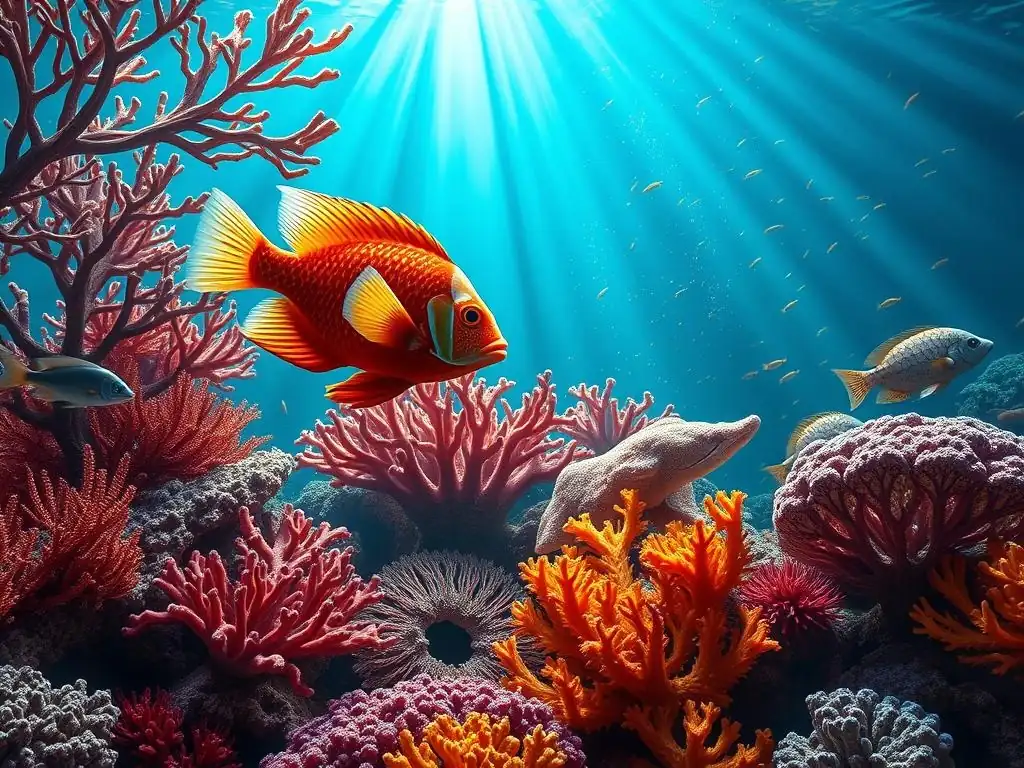
The Flame Angelfish, scientifically known as Centropyge loricula, is undoubtedly one of the most captivating and sought-after dwarf angelfish in the marine aquarium hobby. Its striking coloration, a vibrant tapestry of fiery red and orange hues accented by bold black vertical stripes and electric blue tips on its dorsal and anal fins, makes it an instant focal point in any reef tank. Originating from the clear waters of the Pacific Ocean, particularly around Hawaii, Christmas Island, and the Marshall Islands, these fish are accustomed to diverse reef environments, from shallow lagoons to deeper reef slopes.
Growing to an average adult size of 2.5 to 4 inches (6 to 10 cm), the Flame Angelfish is a relatively small and agile species that brings dynamic movement and unparalleled visual appeal to a saltwater setup. Its popularity stems not only from its aesthetic charm but also from its generally robust nature, making it a viable option for aquarists who follow a comprehensive Flame Angelfish care guide. Their active swimming patterns and inquisitive personalities further enhance their appeal, providing endless fascination for observers.
Why Choose a Flame Angelfish for Your Saltwater Tank?
Choosing a Flame Angelfish for your saltwater tank offers a multitude of benefits, primarily its unparalleled aesthetic contribution. Few other marine fish can match the intense, glowing red and orange coloration that a healthy Centropyge loricula displays, instantly transforming a standard aquarium into a vibrant underwater spectacle. Beyond their looks, these dwarf angelfish are often considered among the hardier members of the angelfish family, capable of adapting to a range of well-maintained aquarium conditions, which is crucial for long-term success.
Furthermore, their relatively small size makes them suitable for aquarists with tanks that might not accommodate larger angelfish species, allowing more hobbyists to experience the joy of keeping these charismatic fish. While they do require specific tank conditions and careful consideration of tank mates, as detailed in this Flame Angelfish care guide, their active and engaging personalities add a lively dimension to the aquarium. The reward of witnessing a thriving Flame Angelfish gracefully navigate its reef environment often outweighs the initial challenges of proper setup and maintenance.
Flame Angelfish Care Guide: Essential Information for Aquarists
Optimal Tank Setup for Flame Angelfish
Tank Size Requirements for Centropyge loricula
Providing an appropriately sized habitat is paramount for the health and longevity of your Flame Angelfish. While these are dwarf angelfish, they are active swimmers and require ample space to thrive and establish territories. A minimum tank size of 50 to 70 gallons (approximately 190 to 265 liters) is recommended for a single Centropyge loricula. This volume allows for stable water parameters, sufficient swimming room, and enough live rock to create numerous hiding spots and grazing surfaces, which are essential for their well-being.
Attempting to keep a Flame Angelfish in a tank smaller than 50 gallons can lead to increased stress, heightened aggression towards tank mates, stunted growth, and a compromised immune system, making them more susceptible to disease. For aquarists considering keeping multiple dwarf angelfish, or if the tank is heavily stocked with other fish, a significantly larger system—150 gallons (568 liters) or more—is advisable to mitigate potential territorial disputes and ensure adequate space for all inhabitants.
Essential Equipment: Filtration, Lighting, and Water Flow
Effective filtration is a cornerstone of any successful marine aquarium, and this holds especially true for maintaining a healthy Flame Angelfish. A robust biological and mechanical filtration system, often facilitated by a high-quality sump with filter socks or sponges, is crucial for removing particulate matter and processing nitrogenous waste. A protein skimmer is highly recommended, as it efficiently removes organic compounds before they break down into harmful nitrates and phosphates, thereby maintaining pristine water quality and high oxygen levels.
Regarding lighting, Flame Angelfish do not have highly specific demands, thriving under a range of moderate lighting conditions. If housed in a reef tank, the lighting should be appropriate for the corals present, typically LED or T5 setups. Water flow should be moderate and varied, simulating natural reef conditions without creating overly turbulent or direct currents that could stress the fish. Strategically placed powerheads can ensure good circulation throughout the tank, preventing dead spots and encouraging gas exchange, while also allowing for calmer areas where the Flame Angelfish can rest or browse.
Water Parameters: Maintaining a Healthy Environment
Ideal Temperature, Salinity, and pH Levels
Maintaining stable and appropriate water parameters is critical for the long-term health and vibrant coloration of your Flame Angelfish. These fish thrive in conditions that closely mimic their natural reef habitat. The ideal water temperature should range between 74 and 82°F (23-28°C), with minimal fluctuations. Consistent temperature helps prevent stress and bolsters the fish's immune system.
Salinity levels should be kept within a specific gravity range of 1.023 to 1.026. A stable pH level between 8.1 and 8.4 is also essential for marine life, supporting proper biological functions and preventing acidosis. Beyond these primary parameters, it is also beneficial to maintain alkalinity (dKH) between 8-12, calcium at 400-450 ppm, and magnesium at 1250-1350 ppm, especially in a reef environment, to ensure overall water stability and promote a healthy ecosystem for your Flame Angelfish.
The Importance of Water Changes and Testing
Regular water changes are an indispensable part of a comprehensive Flame Angelfish care guide, vital for replenishing essential trace elements and removing accumulated nitrates, phosphates, and other undesirable compounds. A routine of 10-20% bi-weekly water changes or a 25% monthly change is generally recommended for established marine aquariums. These consistent changes help to dilute pollutants that filtration alone cannot fully remove, contributing significantly to water quality and overall fish health.
Consistent water testing is equally important. Weekly testing for ammonia, nitrite, and nitrate is crucial for newly established tanks, while bi-weekly or monthly tests are often sufficient for mature systems. Additionally, regular checks of salinity, pH, alkalinity, calcium, and magnesium levels provide a complete picture of the water chemistry, allowing aquarists to make timely adjustments and prevent parameters from drifting into dangerous ranges. Proactive monitoring helps mitigate stress and prevent disease outbreaks in your Centropyge loricula.
Flame Angelfish Diet and Feeding Habits
What Do Flame Angelfish Eat? A Nutritional Guide
Flame Angelfish are omnivores in their natural habitat, grazing on various types of algae, detritus, and small invertebrates found on live rock. To replicate this diverse diet in the aquarium, a varied and high-quality feeding regimen is essential for their health and vibrant coloration. Their diet should primarily consist of spirulina-based flakes and pellets specifically formulated for marine angelfish, such as Ocean Nutrition Formula One Flakes or Hikari Marine S.
Supplementing their dry food with frozen options like mysis shrimp, enriched brine shrimp, finely chopped silversides, and other meaty foods ensures they receive a full spectrum of nutrients. Offering sheets of dried marine algae (nori) clipped to the tank glass allows them to graze throughout the day, mimicking their natural feeding behavior and providing essential roughage. Feeding 2-3 times daily in small portions is ideal to ensure they receive adequate nutrition without overfeeding the tank.
Recommended Feeding Schedule and Techniques
Establishing a consistent feeding schedule is a key component of effective Flame Angelfish care guide practices. It is recommended to feed your Centropyge loricula two to three times a day, offering small portions at each feeding. This approach ensures a steady supply of nutrients, supports their active metabolism, and prevents them from becoming overly hungry, which can sometimes lead to nipping at corals or other tank inhabitants. Overfeeding should be strictly avoided, as excess food can rapidly degrade water quality by increasing nitrate and phosphate levels.
When feeding, scatter the food across the water surface or in a moderate flow area to allow the angelfish to forage naturally. Some aquarists also find success using a feeding clip for nori sheets, allowing the Flame Angelfish to graze periodically throughout the day, which mimics their natural behavior of picking at algae on live rock. Observing their feeding habits is important; a healthy Flame Angelfish should be eager to eat and exhibit a strong appetite.
Understanding Flame Angelfish Behavior and Compatibility
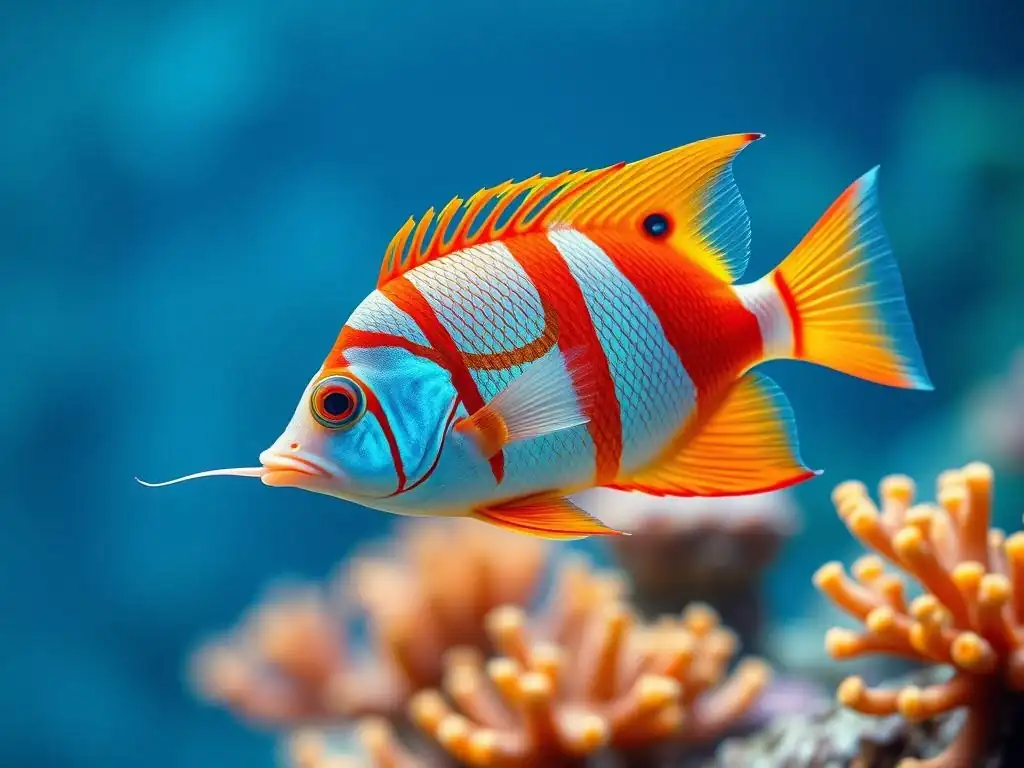
The temperament of a Flame Angelfish is generally considered semi-aggressive, particularly towards other dwarf angelfish (genus Centropyge) or similarly shaped fish. While they are often peaceful with a wide variety of dissimilar species, their territorial instincts can become pronounced, especially as they mature or if housed in an undersized aquarium. In most home aquariums, a single Flame Angelfish is recommended to prevent aggressive confrontations.
Introducing multiple dwarf angelfish, even in very large tanks (e.g., 150 gallons or more), requires careful planning, often necessitating simultaneous introduction of all individuals to prevent one from establishing dominance. Flame Angelfish typically spend their days actively swimming among live rock, darting into crevices, and grazing, displaying an engaging and curious personality. Careful observation of their social interactions, particularly during the initial weeks after introduction, is crucial for ensuring a harmonious community.
Choosing the Right Tank Mates for Your Flame Angelfish
Fish to Avoid: Aggressive or Predatory Species
When selecting tank mates for your Flame Angelfish, it's crucial to avoid species that could pose a threat or cause undue stress. Large, aggressive predators such as triggers, puffers, lionfish, or large groupers are unsuitable, as they may view the relatively small Flame Angelfish as prey or engage in bullying behavior. Similarly, avoid other dwarf angelfish of the genus Centropyge, unless you have an exceptionally large aquarium (over 150 gallons) and plan to introduce them simultaneously, as they are highly likely to fight over territory and dominance.
Additionally, very timid or slow-moving fish species might be outcompeted for food by the more assertive Flame Angelfish, leading to malnourishment and stress. For instance, delicate seahorses or pipefish would not thrive in an environment shared with a Flame Angelfish. Careful research into the temperament and dietary needs of all potential inhabitants is a vital step in ensuring a peaceful and healthy community aquarium for your Centropyge loricula.
Compatible Tank Inhabitants for a Peaceful Reef
Selecting appropriate tank mates for a Flame Angelfish involves choosing species that are neither overly aggressive nor too passive, ensuring a balanced and peaceful community. Compatible fish generally include a wide array of peaceful community fish that occupy different niches within the aquarium. Good choices often include various species of clownfish (e.g., Ocellaris Clownfish), gobies (such as Watchman Gobies), blennies, chromis, cardinalfish, and smaller tangs (depending on tank size).
Many invertebrates also make excellent tank mates. Most species of snails and hermit crabs, which act as cleanup crew members, are perfectly safe with Flame Angelfish. Cleaner shrimp (e.g., Skunk Cleaner Shrimp) and peppermint shrimp are also typically ignored. Introducing tank mates that are well-established and slightly larger than the angelfish can sometimes help reduce territorial disputes, ensuring your Flame Angelfish care guide efforts lead to a thriving and harmonious reef environment.
Identifying and Treating Common Flame Angelfish Diseases
Recognizing Signs of Illness in Centropyge loricula
Early detection of illness is paramount for successful treatment and prevention of further spread in a marine aquarium. Aquarists should regularly observe their Flame Angelfish for any deviations from normal behavior or appearance. Key signs of illness in Centropyge loricula include a noticeable loss of appetite or refusal to eat, unusual lethargy, or clamped fins where the fins are held close to the body.
Other indicators can include rapid or labored breathing, fading or dull coloration, and the presence of visible external parasites such as white spots resembling salt grains (Marine Ich) or a dusty film (Marine Velvet). Physical signs like cloudy eyes, frayed fins, open sores, or an abnormally swollen or sunken abdomen also warrant immediate attention. Any of these symptoms should prompt a thorough investigation of water parameters and a readiness to initiate appropriate treatment, as outlined in this comprehensive Flame Angelfish care guide.
Common Diseases: Marine Ich, Velvet, and Internal Parasites
Like many marine fish, Flame Angelfish are susceptible to common saltwater diseases, particularly if stressed by poor water quality or inadequate acclimation. Marine Ich ( Cryptocaryon irritans) is one of the most prevalent external parasitic infections, characterized by tiny white spots resembling grains of salt on the fish's body and fins. It can lead to severe gill damage and secondary bacterial infections if left untreated.
Marine Velvet ( Amyloodinium ocellatum) is another highly contagious and often more aggressive parasite. It appears as a fine, dusty, yellowish-brown film on the fish's skin, often accompanied by rapid gill movements due to respiratory distress. Internal parasites, such as intestinal worms, can also affect Flame Angelfish, leading to emaciation despite regular feeding, lethargy, or stringy white feces. These conditions often stem from contaminated food or a compromised immune system, emphasizing the importance of a robust Flame Angelfish care guide.
Effective Treatment Options and Preventative Measures
Preventative measures are the first line of defense against disease in Flame Angelfish. Always quarantine new fish for a period of 4-6 weeks in a separate observation tank before introducing them to the main display. This allows for observation, deworming, and treatment of any latent diseases without risking the entire tank. Maintaining pristine water quality, stable parameters, and a highly nutritious, varied diet significantly boosts the fish's immune system, making them more resilient to pathogens.
For active infections like Marine Ich or Velvet, transfer the affected Flame Angelfish to a hospital tank for treatment. Copper-based medications (e.g., Cupramine, Copper Power) or hyposalinity (gradually reducing salinity to 1.008-1.010) are effective against these external parasites. For suspected internal parasites, medicated foods containing ingredients like Metronidazole or Praziquantel are often successful. Always follow product instructions carefully and ensure that the treatment is administered in a dedicated hospital tank, as many medications are harmful to corals and invertebrates.
Flame Angelfish Reef Safety: Considerations for Coral Health
Are Flame Angelfish Reef Safe? Addressing the Concerns
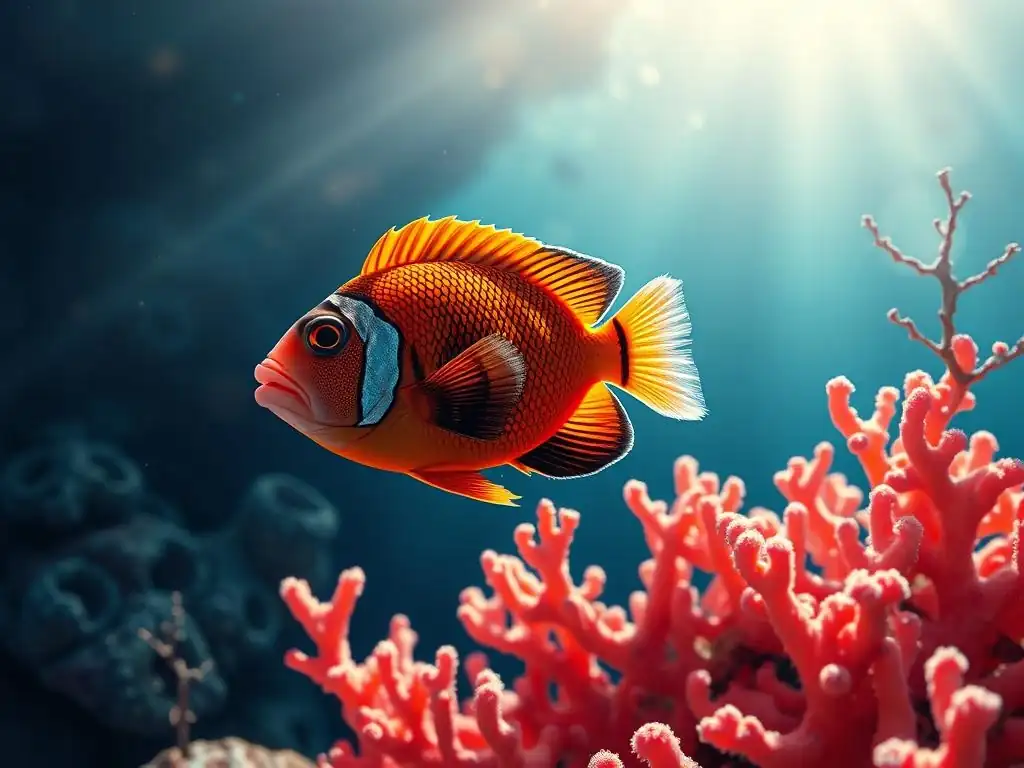
The question of whether Flame Angelfish are "reef safe" is a common one among aquarists, and the answer is typically "reef safe with caution." While many individuals coexist peacefully in reef tanks, there is an inherent risk that a Flame Angelfish may develop a taste for certain corals. Their natural diet includes algae and small invertebrates, and in an aquarium setting, they may occasionally nip at coral polyps, mistaking them for food or simply out of curiosity or boredom.
The propensity for coral nipping varies significantly between individual fish. Some Flame Angelfish will never touch a coral, while others become notorious for picking at fleshy soft corals, LPS (Large Polyp Stony) corals like Acans or Euphyllia, and sometimes even zoanthids or palythoa. SPS (Small Polyp Stony) corals are generally less appealing targets, though polyps may still be picked. This variability means that while a Flame Angelfish care guide can outline best practices, individual observation is key to long-term success in a mixed reef.
Minimizing the Risk of Coral Nipping
While there's no guaranteed way to prevent a Flame Angelfish from nipping corals, several strategies can significantly minimize the risk. First, ensure your angelfish is always well-fed with a varied and nutritious diet, rich in spirulina and marine algae. Feeding two to three small meals throughout the day can keep them satiated and less inclined to graze on corals. Providing ample live rock with natural algae growth also gives them alternative grazing opportunities.
Introducing the Flame Angelfish to a mature, well-established reef aquarium, rather than a brand new one, can also help. A tank rich in established microfauna and ample hiding spots can provide distractions and reduce stress. Close observation during the initial weeks after introduction is crucial. If nipping is observed on particularly valuable or sensitive corals, consider increasing feeding frequency or providing more algae-based foods. In severe cases, the angelfish may need to be moved to a fish-only-with-live-rock (FOWLR) system.
Strategies for Maintaining a Balance in Your Reef Aquarium
Maintaining a harmonious balance in a reef aquarium with a Flame Angelfish involves proactive management and flexibility. If you observe your Centropyge loricula nipping at specific corals, one effective strategy is to increase the frequency and variety of its diet, ensuring it is constantly satiated. Offering more greens, such as daily servings of nori, can sometimes redirect their grazing instincts away from corals.
Ensuring ample swimming space and numerous hiding spots can also reduce stress and territorial aggression, which sometimes manifest as coral nipping. If a particular coral is a consistent target and highly valued, consider placing it in an area with stronger flow, which some angelfish prefer to avoid, or temporarily moving it to a frag tank for protection. Ultimately, a successful Flame Angelfish care guide in a reef environment relies on continuous observation and adapting your approach based on the individual fish's behavior and the health of your corals.
Acquiring a Healthy Flame Angelfish: Selection and Acclimation
Choosing a Reputable Source for Your Fish
The journey to a thriving Flame Angelfish begins with selecting a healthy specimen from a reputable source. Opt for local fish stores (LFS) that maintain clean, well-kept tanks, exhibit knowledgeable staff, and have a strong reputation for healthy livestock. Observe their tanks for signs of disease among other fish, which can indicate poor husbandry practices. Ask about the fish's origin; while captive-bred Flame Angelfish are rare, knowing if they are wild-caught or from a specific region can sometimes offer insights into their hardiness.
If purchasing from an online vendor, thoroughly research their reviews, check their return and live arrival guarantees, and inquire about their shipping and quarantine protocols. A good vendor will prioritize the health of their fish, ensuring they are active, alert, and feeding well before shipment. A reliable source is a foundational step in ensuring the success of your Flame Angelfish care guide efforts.
Inspecting Potential Flame Angelfish for Health and Vigor
Before purchasing a Flame Angelfish, dedicate at least 15-20 minutes to observing the specific fish you intend to buy. A healthy Centropyge loricula should exhibit vibrant coloration, with no dull patches or fading, and its fins should be fully extended and intact, without any tears, nips, or signs of fin rot. Its eyes should be clear and bright, not cloudy or sunken.
Observe its swimming behavior: it should be active and alert, gracefully navigating the tank rather than hovering listlessly, struggling to swim, or constantly hiding. Check its breathing rate; it should be steady and unlabored, without rapid gill movements. Finally, ask the staff to feed the fish; a healthy Flame Angelfish should eagerly accept food, as a strong appetite is a reliable indicator of good health and adaptability to aquarium life. Avoid any fish showing signs of white spots, dusty film, or a sunken belly.
Proper Acclimation Techniques for a Smooth Transition
Proper acclimation is crucial for minimizing stress and ensuring a smooth transition for your new Flame Angelfish from the fish store bag to your aquarium. The most recommended method is drip acclimation, which slowly equalizes the water parameters between the bag and your tank. First, float the sealed bag in your aquarium for 15-20 minutes to equalize the temperature. Then, open the bag, remove about half of the water, and place the fish and remaining water into a clean bucket or container.
Using airline tubing with a knot or valve, slowly drip water from your display tank into the bucket at a rate of 2-3 drips per second. Continue this process for 45-60 minutes, or until the water volume in the bucket has quadrupled. During this time, dim your aquarium lights to reduce stress on the newly introduced fish. Finally, gently net the Flame Angelfish from the bucket and place it into your aquarium, discarding the acclimation water. Avoid exposing the fish to air during transfer, and ensure plenty of hiding spots are available for its initial exploration.
Flame Angelfish Breeding: Challenges and Possibilities
The Difficulties of Breeding Centropyge loricula in Captivity
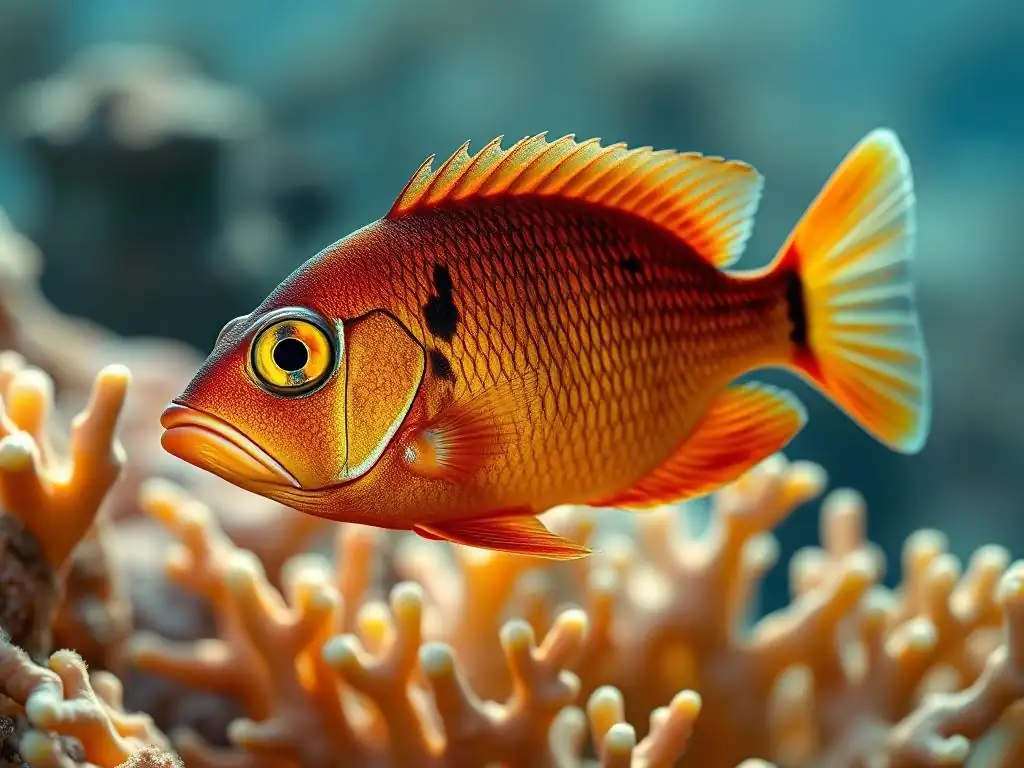
Breeding Flame Angelfish ( Centropyge loricula) in captivity presents significant challenges, making it an exceedingly rare occurrence for the average home aquarist. Like many angelfish species, they are pelagic spawners, meaning they release their eggs and sperm into the water column, where fertilization occurs. The fertilized eggs then drift as plankton, requiring very specific environmental conditions and an abundance of microscopic food sources for larval development.
The larval stage of the Flame Angelfish is incredibly tiny and delicate, making successful rearing exceptionally difficult. They require precise water parameters, extremely gentle water flow, and a continuous supply of live, size-appropriate food items like rotifers and copepods, which are challenging to culture in sufficient quantities. The high mortality rate during the larval phase further compounds the difficulty, meaning only a handful of dedicated institutions and expert aquaculturists have achieved documented success.
Documented Successes and Alternative Methods
Despite the immense challenges, there have been a few notable successes in breeding Centropyge loricula in captivity, primarily by advanced aquaculture facilities rather than home hobbyists. The Oceanic Institute in Hawaii, for instance, has achieved breakthroughs in breeding Flame Angelfish and other dwarf angelfish species, contributing valuable research to marine ornamental aquaculture. These successes involve highly controlled environments, specialized rearing tanks, precise water quality management, and the ability to culture specific live feeds for the incredibly small larvae.
For the vast majority of home aquarists, attempting to breed Flame Angelfish is not a practical endeavor. Instead, the focus of a comprehensive Flame Angelfish care guide for hobbyists should remain on providing optimal conditions for health, longevity, and vibrant display. The rarity of captive-bred Flame Angelfish means that most specimens available in the hobby are still wild-caught, underscoring the importance of sustainable collection practices and robust post-harvest care.
Troubleshooting Common Flame Angelfish Issues
Addressing Fin Nipping and Aggression
If your Flame Angelfish begins fin nipping or showing aggression towards tank mates, several steps can be taken to mitigate the behavior. Firstly, assess the tank's environment: is there enough live rock and hiding spots for all inhabitants to establish their own territories? Sometimes, simply rearranging the rockwork can disrupt established territories and reduce conflict. If the aggression is directed at a new addition, consider adding a visual barrier temporarily to allow the new fish to settle in.
Overcrowding or a lack of space are common triggers for aggression. If the tank is too small for its inhabitants, upgrading to a larger system may be necessary. Ensuring your Flame Angelfish is well-fed can also reduce food-related aggression. If a specific tank mate is consistently harassed, or if the Flame Angelfish becomes overly dominant, removing the aggressor or the targeted fish to a separate tank might be the only viable solution to maintain peace in your aquarium.
Solving Problems with Feeding and Water Quality
Problems with feeding or water quality are common issues that can negatively impact a Flame Angelfish's health. If your Centropyge loricula becomes a finicky eater, try offering a wider variety of high-quality foods, including frozen mysis shrimp soaked in a appetite stimulant like garlic extract. Sometimes, offering live foods, such as enriched brine shrimp, can stimulate their feeding response. Ensure that tank mates aren't outcompeting the angelfish for food, potentially by target feeding.
Poor water quality, often indicated by persistently high nitrates or phosphates, can stem from overfeeding, insufficient water changes, or an inefficient filtration system. Review your feeding habits to ensure you're not overfeeding. Increase the frequency or volume of water changes, and check the efficiency of your protein skimmer. Implementing a refugium or using chemical media like GFO (granular ferric oxide) can also help control nutrient levels. Consistent water testing is crucial for identifying and addressing these issues promptly, as detailed in this Flame Angelfish care guide.
Common Issues and Their Solutions
Beyond aggression and feeding, other common issues with Flame Angelfish include loss of vibrant coloration, excessive hiding, or cloudy eyes. A fading in color can be a sign of stress, poor diet, or an underlying disease. Address the root cause by ensuring optimal water parameters, a varied nutritional diet, and a stress-free environment. If the fish is hiding excessively, it could be due to stress from new introductions, bullying from tank mates, or an early sign of illness. Observe for other symptoms and review tank dynamics.
Cloudy eyes are often indicative of poor water quality, especially high nitrates, or a bacterial infection. Improve water quality through immediate water changes and ensure proper filtration. If a bacterial infection is suspected, a broad-spectrum antibiotic may be necessary in a hospital tank. Many issues can be prevented or quickly resolved by consistently adhering to the best practices outlined in this comprehensive Flame Angelfish care guide, emphasizing proactive observation and stable tank conditions.
Conclusion: Mastering Flame Angelfish Care for a Thriving Reef
The Rewarding Experience of Keeping Centropyge loricula
Mastering the care of the Flame Angelfish ( Centropyge loricula) is a truly rewarding experience that brings unparalleled beauty and dynamic life to any saltwater aquarium. With their captivating fiery red and orange hues, accented by striking blue and black markings, these dwarf angelfish serve as a vibrant centerpiece, drawing the eye and sparking conversation. While they require diligent attention to water quality, diet, and tank compatibility, the effort invested is well worth it.
A well-cared-for Flame Angelfish can thrive for many years, often living 5-7 years in captivity, with some individuals reaching 10-15 years under optimal conditions. Their active swimming, inquisitive personalities, and stunning coloration make them a constant source of fascination. By adhering to the principles outlined in this Flame Angelfish care guide, aquarists can enjoy the profound satisfaction of maintaining a healthy, thriving Centropyge loricula that enhances the beauty and vitality of their reef ecosystem.
Further Resources for Flame Angelfish Enthusiasts.
For aquarists eager to deepen their understanding and refine their Flame Angelfish care guide practices, a wealth of further resources is available. AquariumMastery.com offers extensive articles and guides covering various aspects of saltwater fish profiles, reef compatibility, and troubleshooting common aquarium issues. These resources provide detailed insights into specific species, water chemistry, and advanced maintenance techniques.
Engaging with online aquarium forums and local fish club communities can also offer invaluable practical advice and real-world experiences from fellow enthusiasts. Continuing to research scientific publications and attending aquaculture conferences, where applicable, can provide cutting-edge information on marine fish husbandry and breeding efforts. Consistent learning and community engagement are key to becoming a truly masterful aquarist and ensuring the long-term success and vibrancy of your Centropyge loricula.
Frequently Asked Questions
How difficult is it to care for a Flame Angelfish?
Flame Angelfish are considered moderately difficult to care for. They require a stable, well-established reef tank and can be sensitive to water quality fluctuations. Therefore, experience in reef keeping is highly recommended.
What is the ideal tank size for a Flame Angelfish?
A minimum tank size of 70 gallons is recommended for a single Flame Angelfish. This provides enough space for them to swim and establish a territory, which is crucial for reducing stress and aggression.
What do Flame Angelfish eat?
Flame Angelfish are omnivores and need a varied diet. Offer them a mix of high-quality flake food, frozen foods (like mysis shrimp and brine shrimp), and algae. Regularly feeding them live rock also provides natural grazing opportunities.
Are Flame Angelfish reef safe?
Flame Angelfish are not considered completely reef safe. They may nip at corals, especially LPS (Large Polyp Stony) corals and certain soft corals. Careful observation is key to ensure they don't damage your reef.
What water parameters are crucial for Flame Angelfish health?
Maintaining stable water parameters is essential. Keep the temperature between 72-78°F (22-26°C), salinity at 1.023-1.025, pH between 8.1-8.4, and ammonia and nitrite at 0 ppm. Regular water changes are vital.
Okay, here's a final reflection you can use for your "Flame Angelfish (Centropyge loricula): Fiery Beauty for Your Reef" article, designed to resonate with readers and encourage them to consider the responsibility that comes with keeping such a beautiful creature:
Final Reflection: Embracing the Flame Responsibly
The allure of the Flame Angelfish, with its vibrant hues and captivating presence, is undeniable. However, as we've explored in this guide, successfully keeping this fiery beauty requires more than just admiration. It demands a commitment to understanding its specific needs and providing an environment where it can truly thrive, not just survive.
The Flame Angelfish, a jewel of the reef, reminds us of the delicate balance within these ecosystems. Our choices as aquarists directly impact these creatures and, by extension, the health of the ocean. In the end, we will conserve only what we love; we will love only what we understand; and we will understand only what we are taught.
- Baba Dioum. This quote underscores the importance of education and responsible stewardship when bringing a piece of the ocean into our homes.
Now, as you consider adding a Flame Angelfish to your reef aquarium, I urge you to reflect on the information shared here. Are you truly prepared to meet its needs? Can you provide the environment it deserves? Let this guide not just be a source of information, but a catalyst for responsible decision-making. Choose wisely, act thoughtfully, and let the flame of your passion for marine life burn brightly, fueled by knowledge and respect.
Ignite Your Reef: Bring Home the Flame!
Thank you for diving into the dazzling world of Flame Angelfish with us! We hope you now feel more confident about adding this vibrant gem to your reef aquarium. Now, let's take the next step and turn that knowledge into action!
Here are a few ways to continue your journey:
- Prioritize Your Tank! Research and verify that your current aquarium setup meets the specific requirements of a Flame Angelfish before even considering a purchase. Don't rush – patience is key to success.
- Explore Sustainable Sourcing: Seek out reputable breeders or suppliers who prioritize ethical and sustainable collection practices. Your choice makes a difference!
- Share the Spark: Spread the joy of reef keeping! Share this article with fellow aquarists and start a conversation about the captivating Flame Angelfish.
What unique aquascaping idea are you considering to showcase the fiery beauty of a Flame Angelfish in your reef tank?