
Can You Train an Angelfish to Be Reef Safe? Myths vs. Reality

Welcome to Aquarium Mastery!
Ever wondered if you could truly have your angelfish and a thriving reef tank too? The question of angelfish reef safe training is a hot topic in the aquascaping world, filled with myths and surprising truths. Dive in to explore whether these majestic fish can coexist peacefully with your corals, and discover the secrets to potentially making it happen! Ready to separate fact from fiction?
- Angelfish in Reef Tanks: Compatibility, Diet, and Care
- Understanding Angelfish and Reef Tank Interactions
- The Feasibility of Modifying Angelfish Behavior in a Reef Tank
- Strategies for Minimizing Reef Damage with Angelfish
- Case Studies: Angelfish in Reef Tanks - Successes and Failures
- The Risks and Rewards of Keeping Angelfish in a Reef Tank
- Alternative Reef Safe Fish Options
- Conclusion: Informed Decisions About Angelfish and Reefs
-
Frequently Asked Questions
- Can Angelfish truly be trained to be reef safe?
- Which types of Angelfish are least likely to damage a reef tank?
- What are some strategies to minimize the risk of Angelfish damaging corals?
- What should I do if I notice my Angelfish nipping at my corals?
- Is there a guarantee that any Angelfish will be completely reef safe?
- Final Reflection: Navigating the Reef's Delicate Balance
- Unveil the Secret: Can *You* Tame the Angelfish?
Angelfish in Reef Tanks: Compatibility, Diet, and Care
Understanding Angelfish and Reef Tank Interactions
Defining "Reef Safe": What it Means for Fish Behavior
The term "reef safe" in the aquarium hobby refers to fish that can coexist with corals and other sessile invertebrates without consuming or damaging them. This definition is not absolute but rather a spectrum, implying that the fish's natural diet and behavior do not typically include preying on or nipping at corals, anemones, or ornamental invertebrates like clams and feather dusters. For an angelfish, being "reef safe" means it largely ignores the expensive and delicate coral inhabitants of a reef aquarium.
However, it's crucial to understand that even species generally labeled "reef safe" can exhibit undesirable behaviors under certain conditions. Factors such as extreme hunger, stress, or individual temperament can lead a fish to nip at corals, even if it's not part of its typical diet. For angelfish, this means that while some species are far less prone to coral damage, the risk is rarely zero, making "Angelfish reef safe training" more about careful management than behavioral modification.
The Natural Diet of Angelfish: Omnivorous Tendencies
Angelfish, belonging to the family Pomacanthidae, are predominantly omnivorous in their natural marine habitats. Their diet typically consists of a diverse range of items, reflecting their varied ecological niches. Many species graze on sponges, tunicates, and various forms of marine algae, which constitute a significant portion of their daily intake. This reliance on sessile invertebrates and plant matter directly influences their potential behavior in a captive reef environment.
In addition to sponges and algae, angelfish also consume small crustaceans, worms, and other minute invertebrates found among rocks and coral structures. For instance, species like the Queen Angelfish ( Holacanthus ciliaris) are known to consume up to 70% sponge material in their diet, alongside algae and detritus. This strong dietary preference for sessile invertebrates is the primary reason why many angelfish species pose a significant risk to the integrity of a coral reef aquarium, challenging the concept of effective "Angelfish reef safe training."
Angelfish Species and Their Coral Consumption Habits
The propensity of an angelfish to consume corals varies significantly by species, generally correlating with their size and natural dietary preferences. Large angelfish from genera such as Pomacanthus (e.g., Emperor Angelfish) and Holacanthus (e.g., Queen Angelfish) are widely known for their voracious appetites for corals, particularly large polyp stony (LPS) corals and soft corals. These species often view corals as a food source or simply as a substrate to pick at, making them largely unsuitable for most mixed reef tanks.
In contrast, dwarf angelfish from the Centropyge genus (e.g., Flame Angelfish, Coral Beauty) are generally considered to be "more reef safe," though not entirely risk-free. While they primarily graze on algae and detritus, individual specimens or specific species within this group can still develop a taste for certain corals, especially zoanthids, mushroom corals, or clam mantles. For example, a Lemonpeel Angelfish ( Centropyge flavissima) might occasionally nip at Acropora polyps, causing localized tissue recession. This inherent variability makes any "Angelfish reef safe training" attempt a gamble rather than a certainty.
The Feasibility of Modifying Angelfish Behavior in a Reef Tank
Understanding Instinct vs. Learned Behavior in Fish
When considering "Angelfish reef safe training," it's crucial to differentiate between instinctual behaviors and learned behaviors in fish. Much of an angelfish's feeding preference is hardwired, driven by millions of years of evolution shaping their natural diet and survival instincts. For example, the strong inclination of many large angelfish species to graze on sponges and tunicates is an instinctual behavior, deeply embedded in their biological makeup. It is not something that can be easily, if at all, unlearned or "trained out" of them.
Learned behaviors in fish, while present, are typically limited to associative learning, such as associating the presence of a person with food, or navigating a complex tank layout. They do not generally extend to fundamentally altering ingrained dietary preferences or instincts related to survival. Attempting to "train" an angelfish to ignore a natural food source like coral, which might resemble a sponge or tunicate, is akin to trying to train a cat to ignore a mouse; their predatory or dietary instincts are too strong to be overridden by simple conditioning.
Factors Influencing Angelfish Behavior in Captivity
While fundamental instincts are difficult to change, several factors in a captive environment can influence an angelfish's behavior, potentially mitigating or exacerbating its tendency to nip at corals. Stress is a significant contributor; a fish in a tank that is too small, has aggressive tank mates, or lacks adequate hiding spots may become stressed. This stress can manifest as unusual behaviors, including excessive nipping at tank decorations or even corals, not necessarily for food but out of boredom, frustration, or redirected aggression.
Furthermore, the individual personality of an angelfish can play a role. Just like humans, each fish has unique behavioral nuances. Some individuals within a species known for coral nipping might be entirely docile, while others from a "reef safe" species might develop an unexpected taste for corals. This variability makes it challenging to predict behavior purely based on species, highlighting that "Angelfish reef safe training" is less about direct influence and more about creating optimal conditions that might encourage desired behavior.
The Impact of Environment and Diet on Predatory Behavior
The captive environment and the diet provided significantly impact whether an angelfish acts on its potential to damage corals. An angelfish that is underfed or not receiving a sufficiently varied and nutritious diet is far more likely to seek out alternative food sources, which often include corals. If a fish's natural dietary needs for sponge material or algae are not met through supplemental feeding, it may instinctively turn to live corals as a substitute, even if they are not its preferred food.
Similarly, the overall tank environment plays a critical role. A well-scaped tank with ample swimming space, plenty of live rock for grazing opportunities, and diverse hiding spots can reduce stress and provide enrichment. For example, providing algae sheets on a clip throughout the day can keep an angelfish occupied and less inclined to explore corals for food. While these environmental and dietary adjustments cannot fundamentally change an angelfish's instinct, they can significantly reduce the likelihood of it acting on those instincts in a destructive manner, forming the practical basis of "Angelfish reef safe training" through prevention.
Strategies for Minimizing Reef Damage with Angelfish
Selecting Angelfish Species with Lower Coral Predation
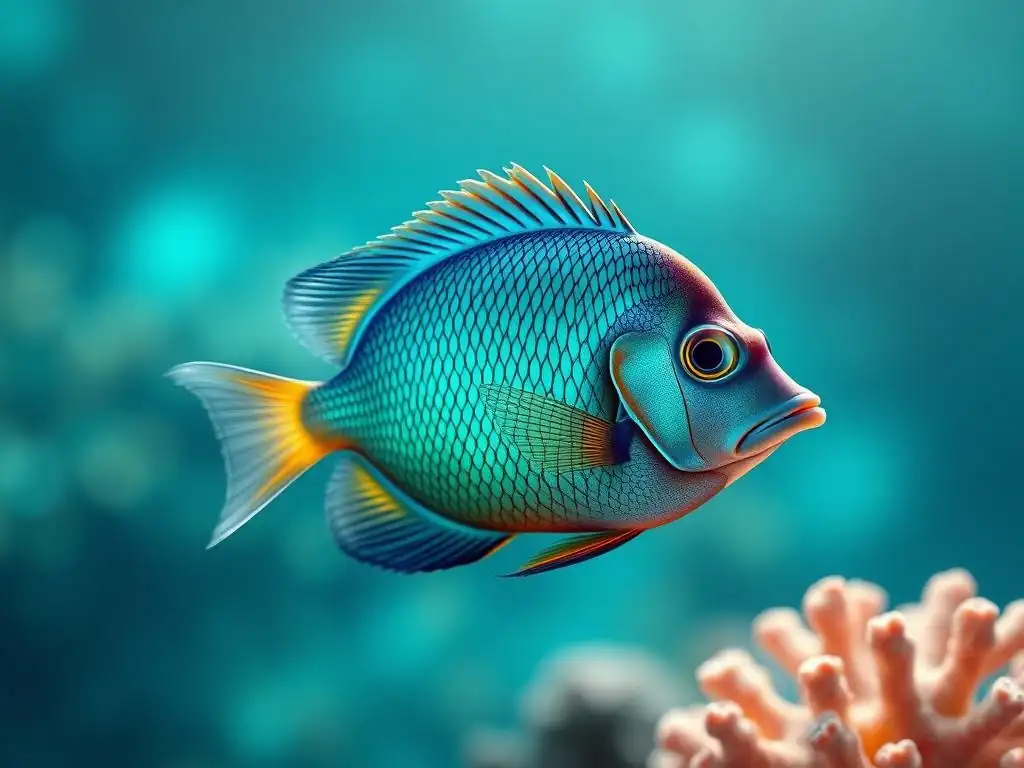
When attempting to keep an angelfish in a reef tank, the most critical step is choosing a species with a historically lower propensity for coral predation. Dwarf angelfish from the Centropyge genus are generally the preferred choice due to their smaller size and typically less aggressive feeding habits towards corals. Species such as the Flame Angelfish ( Centropyge loriculus), Coral Beauty ( Centropyge bispinosa), and Bicolor Angelfish ( Centropyge bicolor) are often considered, though the Bicolor Angelfish has a slightly higher risk profile.
It is vital to understand that "lower predation" does not mean "zero predation." Even these species can, on occasion, nip at corals, especially if underfed or stressed. Therefore, thorough research into individual species reports and observed behaviors is paramount. For instance, while a Flame Angelfish might be successful in 90% of reef tanks, there's always the 10% chance of an individual developing a taste for zoanthids or Euphyllia corals. This careful selection forms the cornerstone of any practical "Angelfish reef safe training" approach.
Introducing Angelfish to a Reef Tank: Gradual Acclimation
Proper introduction and acclimation are crucial for minimizing stress and encouraging an angelfish to settle peacefully into a reef environment. A common practice is to quarantine the angelfish in a separate tank for at least 3-4 weeks before introducing it to the main reef. This allows the fish to de-stress, ensures it is healthy and disease-free, and provides an opportunity to establish a consistent feeding routine with appropriate foods. During quarantine, observing its feeding habits and general demeanor can offer clues about its potential reef compatibility.
When moving the angelfish to the display tank, a slow drip acclimation over several hours helps the fish adjust to the new water parameters without shock. Introducing the angelfish to a well-established reef tank with plenty of existing inhabitants and ample food sources can help it feel secure and less likely to explore corals out of curiosity or hunger. This methodical approach is a key component of "Angelfish reef safe training" as it aims to reduce the initial stress that often triggers unwanted behaviors.
Providing a Varied and Abundant Diet: Nutritional Needs
A well-fed angelfish is significantly less likely to nip at corals out of hunger or nutritional deficiency. Angelfish have high metabolic rates and require frequent feedings throughout the day. It is recommended to feed small amounts 3-5 times daily rather than one large meal. The diet should be diverse, mimicking their natural omnivorous tendencies, and rich in marine algae, spirulina, and sponge material.
Supplementing their diet with high-quality frozen foods like mysis shrimp, brine shrimp (enriched), and finely chopped seafood (e.g., clams, shrimp) ensures they receive essential proteins and fatty acids. For example, a hobbyist might feed a mix of spirulina-enriched brine shrimp in the morning, a marine angelfish pellet in the afternoon, and a piece of nori clipped to a rock for continuous grazing. This consistent and varied feeding regimen is perhaps the most effective form of "Angelfish reef safe training" by addressing their fundamental dietary needs.
Algae and Sponge in the Angelfish Diet
Algae and sponge material are critical components of an angelfish's natural diet and must be replicated in captivity. For instance, many dwarf angelfish species graze constantly on various types of algae in the wild. Providing dried marine algae sheets (nori) clipped to a rock or a veggie clip allows the angelfish to graze throughout the day, mimicking their natural feeding behavior and providing essential roughage. Aim for a daily offering of nori.
Furthermore, specialized angelfish foods that incorporate sponge material are highly beneficial. Brands like Ocean Nutrition and Hikari offer formulas specifically designed for angelfish that contain sponge, spirulina, and other plant matter. These foods help meet their specific dietary requirements and can significantly reduce the temptation to pick at live corals. Ensuring these dietary elements are consistently available is a core principle in successful "Angelfish reef safe training."
Supplementing with High-Quality Prepared Foods
Beyond algae and sponge, supplementing with high-quality prepared foods ensures a balanced nutritional profile for your angelfish. Premium marine pellets and flakes formulated for omnivorous fish, rich in spirulina, marine proteins, and essential vitamins, should form a staple of their diet. For example, a pelleted food with a minimum of 40% crude protein and containing astaxanthin can enhance coloration and overall health.
Frozen foods are also indispensable. Mysis shrimp, rich in protein and fatty acids, are highly palatable and nutritious. Brine shrimp, while less nutritious on their own, can be gut-loaded with spirulina or vitamin supplements to boost their value. Regular offerings of these varied frozen foods, perhaps 2-3 times a week, ensure that the angelfish receives a comprehensive diet, reducing its inclination to seek food from corals and serving as a crucial aspect of "Angelfish reef safe training."
Tank Size and Aquascape: Creating a Suitable Habitat
The size of the aquarium and the complexity of its aquascape play significant roles in an angelfish's well-being and behavior. An appropriately sized tank (e.g., a minimum of 70 gallons for most dwarf angelfish and 180+ gallons for larger species) provides ample swimming space and reduces stress. Overcrowding can lead to aggression, stress, and potentially unusual behaviors like coral nipping.
A well-designed aquascape with abundant live rock offers numerous benefits. It provides plenty of hiding spots, which reduces stress and allows the angelfish to feel secure. More importantly, live rock offers natural grazing surfaces for algae and detritus, mimicking their natural environment and providing constant foraging opportunities. A complex rock structure can also break up lines of sight, reducing territorial disputes with other tank inhabitants. This thoughtful environmental design is a passive form of "Angelfish reef safe training" by promoting natural, non-destructive behaviors.
Coral Selection: Choosing Hardy and Less Palatable Species
If you choose to keep an angelfish in a reef tank, strategic coral selection can significantly reduce potential losses. Soft corals and large polyp stony (LPS) corals are generally more vulnerable as they are often fleshy and resemble natural angelfish food sources. Examples of highly targeted corals include Zoanthids ( Palythoa, Zoanthus), Mushroom Corals ( Rhodactis, Ricordea), and many LPS corals like Euphyllia (Frogspawn, Hammer), Blastomussa, and Acanthastrea.
Instead, focus on small polyp stony (SPS) corals such as Acropora, Montipora, and Seriatopora. These corals have smaller polyps and generally harder skeletons, making them less palatable and more resilient to occasional nipping. While no coral is entirely immune, SPS corals tend to be less frequently targeted and can sometimes recover from minor damage. This cautious approach to coral selection is a practical measure within the realm of "Angelfish reef safe training" to manage expectations and risks.
Case Studies: Angelfish in Reef Tanks - Successes and Failures
Case Study 1: Success with a Flame Angelfish (Centropyge loriculus)
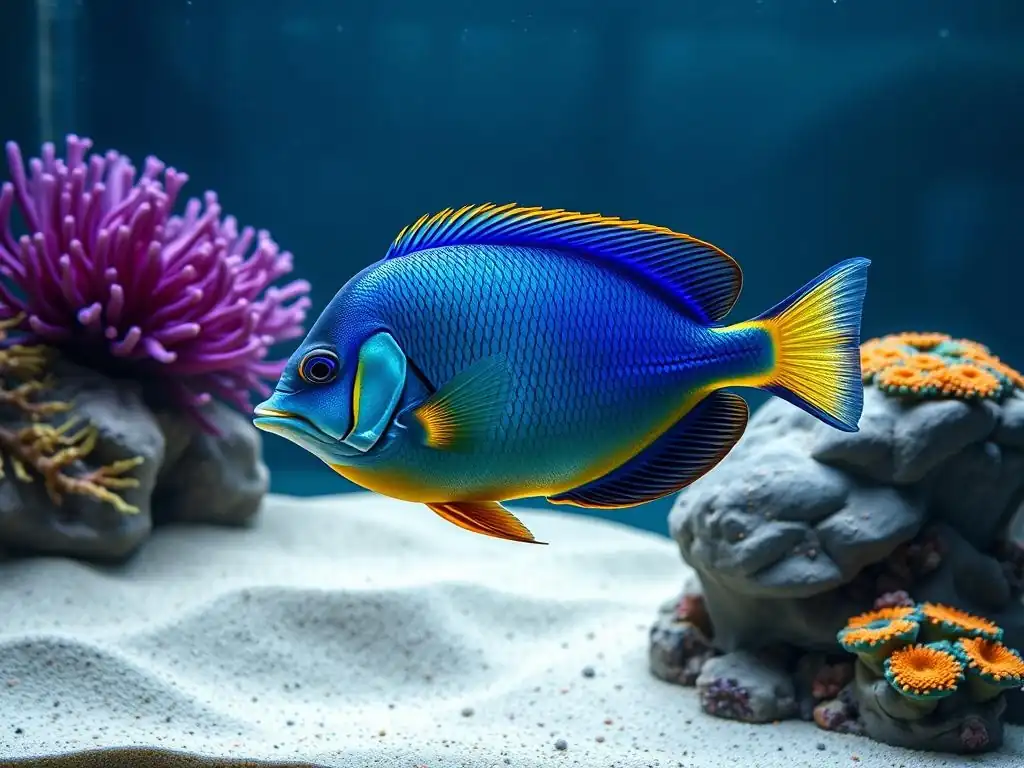
A successful instance involved a 75-gallon mixed reef tank, primarily populated with various SPS corals like Acropora and Montipora, along with some hardy LPS such as Favia. The owner introduced a Flame Angelfish ( Centropyge loriculus) after a comprehensive 4-week quarantine period. During quarantine, the fish was conditioned to accept a varied diet of spirulina flakes, mysis shrimp, and daily nori sheets. Once introduced to the main tank, the owner maintained a rigorous feeding schedule, offering food 4-5 times a day in small portions.
Over two years, the Flame Angelfish coexisted peacefully with all corals, showing no signs of nipping or damage. The tank also featured a complex live rock aquascape providing ample grazing surfaces and hiding spots. This success story highlights the effectiveness of species selection, meticulous feeding, and environmental enrichment as key components of "Angelfish reef safe training" strategies.
Case Study 2: Failure with a Emperor Angelfish (Pomacanthus imperator)
In contrast, a 180-gallon reef tank with a diverse collection of soft corals (e.g., Sarcophyton, Zoanthids) and LPS corals (e.g., Duncans, Blastomussa) experienced a significant setback with an Emperor Angelfish ( Pomacanthus imperator). The fish was introduced directly into the display tank after a brief acclimation, without a quarantine period. Initially, it seemed to settle in well, accepting prepared foods.
However, within three weeks, the Emperor Angelfish began aggressively nipping at the Zoanthids and Blastomussa polyps, causing rapid tissue recession. Despite attempts to increase feeding frequency and variety, the damage escalated. After two months, the angelfish had caused irreversible damage to several coral colonies, estimated at over $400 in replacement costs. The fish ultimately had to be removed and rehomed to a fish-only tank. This case underscores the inherent risks with certain angelfish species, demonstrating the limitations of "Angelfish reef safe training" when instincts are strong.
Factors Contributing to Success and Failure in Reef Angelfish Setups
The two case studies illustrate several critical factors that contribute to the success or failure of keeping angelfish in reef tanks. Species choice is paramount: the Flame Angelfish, a dwarf species, is inherently less prone to coral nipping than the large Emperor Angelfish. Diet and feeding regimen are equally crucial; consistent, abundant, and varied feeding significantly reduces the likelihood of an angelfish seeking nutrition from corals. The successful case involved 4-5 daily feedings, while the failure had a less rigorous schedule initially.
Environmental considerations also play a role. The successful tank offered a stable environment with ample space and complex rockwork. The failed attempt, while having a large tank, may have lacked the initial environmental stability or quarantine period that could have eased the fish's transition. Ultimately, individual fish temperament and the specific types of corals present (hardy SPS vs. fleshy LPS/soft corals) are also major determinants, highlighting that "Angelfish reef safe training" is a complex interplay of many variables.
The Risks and Rewards of Keeping Angelfish in a Reef Tank
Potential Benefits: Aesthetics and Activity
Despite the inherent risks, angelfish offer undeniable aesthetic and behavioral benefits to a reef aquarium. Their vibrant colors, ranging from the fiery reds of a Flame Angelfish to the iridescent blues and yellows of a Queen Angelfish, add a spectacular visual dimension to any tank. Their graceful swimming patterns and active foraging behaviors make them captivating to observe, often becoming the undisputed centerpiece of the aquarium.
Many angelfish species also exhibit engaging personalities, interacting with their environment and sometimes even their owners. Their presence can bring a dynamic sense of life and natural beauty that few other reef-safe fish can replicate. For many aquarists, the allure of keeping an angelfish in a reef tank stems from these unique qualities, making the pursuit of "Angelfish reef safe training" (or risk mitigation) a worthwhile endeavor.
Potential Drawbacks: Coral Damage and Invertebrate Predation
The primary drawback of keeping angelfish in a reef tank is the significant risk of coral damage and invertebrate predation. Even "reef safe" dwarf angelfish can occasionally nip at corals, leading to tissue recession, stress, and potentially death for the coral colony. This risk is amplified with larger angelfish species, which can decimate entire coral gardens in a matter of weeks, costing hundreds or even thousands of dollars in coral losses.
Beyond corals, many angelfish also pose a threat to other desirable invertebrates. They are known to pick at clam mantles, feather dusters, various worms, and even certain ornamental shrimp. The financial investment in a reef tank, particularly in live corals, makes this a substantial risk. The unpredictable nature of "Angelfish reef safe training" means that even with the best intentions and strategies, coral damage remains a distinct possibility.
Risk Assessment: Is it Worth the Potential Damage?
The decision to keep an angelfish in a reef tank ultimately boils down to a personal risk assessment. Aquarists must weigh the aesthetic rewards and the joy of keeping these magnificent fish against the potential for significant financial loss and frustration due to coral damage. For a dedicated coral enthusiast with a tank full of rare or expensive specimens, the risk is often too high, and the potential damage outweighs the benefits.
However, for hobbyists with a more fish-centric mixed reef, or those who are willing to accept some level of risk and perhaps stick to hardier, less expensive corals, the reward might justify the gamble. It is crucial to have a contingency plan, such as a separate fish-only tank to rehome the angelfish if it becomes destructive. A realistic view of "Angelfish reef safe training" acknowledges that it's about minimizing risk, not eliminating it.
Alternative Reef Safe Fish Options
Exploring Reef-Friendly Fish Species
For aquarists prioritizing a completely coral-safe environment, numerous fish species offer vibrant colors, interesting behaviors, and are genuinely reef-friendly. These alternatives eliminate the inherent risks associated with angelfish. Examples include many species of Gobies (e.g., Diamond Watchman Goby, Yellow Watchman Goby), Blennies (e.g., Lawnmower Blenny, Starry Blenny), and certain Damselfish (e.g., Chromis, though temperament varies).
Clownfish, wrasses (many species, especially from the Macropharyngodon and Halichoeres genera), and cardinalfish are also excellent choices for a peaceful, reef-safe community. These fish typically have diets that do not include corals or sessile invertebrates, making them ideal for delicate reef ecosystems. Opting for these species removes the need for any "Angelfish reef safe training" attempts and provides peace of mind.
Butterflyfish (Certain Species): A Potential Alternative
While many butterflyfish are notorious coral eaters, a select few species are considered reef-safe and can offer a similar graceful presence to angelfish. The Copperband Butterflyfish ( Chelmon rostratus) is a popular choice, primarily known for its ability to consume nuisance aiptasia anemones. While generally considered reef-safe with most corals, it can sometimes nip at clam mantles or feather duster worms, so caution is still advised with these specific invertebrates.
Another notable exception is the Pyramid Butterflyfish ( Hemitaurichthys polylepis), which is a planktivore and typically poses no threat to corals. These specific butterflyfish species can add elegance and activity to a reef tank without the high risk associated with most angelfish, presenting a viable alternative for those seeking a similar aesthetic without the uncertainty of "Angelfish reef safe training."
Tangs (Certain Species): Another Option for Reef Tanks
Tangs, or surgeonfish, are another excellent group of reef-safe alternatives that provide color, activity, and are primarily herbivorous, making them valuable for algae control. Species like the Yellow Tang ( Zebrasoma flavescens), Blue Tang ( Paracanthurus hepatus), and Kole Tang ( Ctenochaetus strigosus) are highly popular in reef tanks due to their vibrant colors and constant grazing on nuisance algae.
These fish are generally completely safe with all types of corals and sessile invertebrates. They require large tanks due to their active swimming habits and adult sizes, but they offer a dynamic presence that can fill the niche of a larger, active display fish without the concerns of coral damage. For those who want the visual appeal of a large, colorful fish without the "Angelfish reef safe training" gamble, tangs are a superb choice.
Conclusion: Informed Decisions About Angelfish and Reefs
Emphasizing Research and Careful Planning
The journey of incorporating an angelfish into a reef tank is fraught with both potential rewards and significant risks. The cornerstone of any successful attempt, often misconstrued as "Angelfish reef safe training," lies in exhaustive research and meticulous planning. Before even considering a purchase, aquarists must thoroughly investigate the specific angelfish species, understanding its natural diet, adult size, and documented behaviors in captivity, particularly regarding coral compatibility. Relying on anecdotal evidence or generalized advice without specific species knowledge can lead to costly mistakes.
Furthermore, careful planning extends to tank setup, including adequate size, a well-structured aquascape, and a robust filtration system to maintain pristine water quality. A detailed feeding regimen that consistently provides a varied and abundant diet is paramount. This proactive approach, rooted in knowledge and foresight, is the only true pathway to minimizing the inherent risks associated with keeping angelfish in a coral environment.
Final Thoughts on Angelfish and Reef Tank Compatibility
While the concept of "Angelfish reef safe training" in the traditional sense is largely a myth due to their strong instinctual feeding behaviors, it is possible to mitigate the risks associated with keeping certain angelfish species in a reef tank through careful management. This involves selecting species known for lower coral predation, providing an optimal environment, and maintaining a consistent, varied, and abundant feeding schedule. However, it is crucial to accept that success is never guaranteed, and individual fish temperament can always lead to unexpected outcomes.
Aquarists must be prepared for the possibility of rehoming an angelfish if it begins to damage corals, as the long-term health and integrity of a reef tank often outweigh the desire to keep a potentially destructive fish. The decision to introduce an angelfish into a reef tank should be made with a full understanding of the calculated risks involved, prioritizing the well-being of the entire ecosystem.
Frequently Asked Questions
Can Angelfish truly be trained to be reef safe?
No, true "training" in the human sense isn't possible. The likelihood of an Angelfish being reef safe depends more on individual temperament and species. It's about selecting the right fish, not teaching them.
Which types of Angelfish are least likely to damage a reef tank?
Generally, dwarf Angelfish like the Centropyge genus are considered less prone to nipping at corals than their larger counterparts. However, even these can be unpredictable.
What are some strategies to minimize the risk of Angelfish damaging corals?
Introduce the Angelfish last after the reef is well-established. Keep them well-fed with a varied diet, including algae-based foods, to reduce their temptation to graze on corals.
What should I do if I notice my Angelfish nipping at my corals?
The best course of action is usually to remove the Angelfish from the reef tank. There's no guarantee they'll stop, and the coral's health is the priority.
Is there a guarantee that any Angelfish will be completely reef safe?
No, there is no guarantee. Even with careful selection and management, an Angelfish may still develop a taste for corals. Research and a willingness to rehome the fish is crucial.
The exploration of whether Angelfish reef safe training is truly achievable highlights the complex relationship between human intervention and the delicate ecosystems we strive to preserve. While the article dissects the myths and realities surrounding this topic, it also underscores a broader truth: our responsibility as aquarists extends beyond simply acquiring beautiful creatures. It demands a deep understanding of their natural behaviors and the potential consequences of our actions on the reef environment.
This journey into the world of Angelfish and reef compatibility has profoundly influenced my perspective on responsible aquarium keeping. It's a constant reminder that our choices, however small, can have significant repercussions on the lives of these animals and the health of the reef. In the end, we will conserve only what we love; we will love only what we understand; and we will understand only what we are taught.
- Baba Dioum. This quote resonates deeply, urging us to continuously learn and adapt our practices to ensure the well-being of the marine life we admire.
Now, I invite you to reflect on your own role in this intricate ecosystem. Consider how your choices, from selecting livestock to maintaining your aquarium, can contribute to a more sustainable and ethical approach to reef keeping. Let's strive to be informed stewards, prioritizing the health and harmony of the reef, one thoughtful decision at a time.
Unveil the Secret: Can *You* Tame the Angelfish?
Thank you for diving deep into the angelfish debate! Now that you're equipped with the knowledge to separate myth from reality, let's explore how you can put this into practice. Ready to take the next step?
Here are some actions you can take right away:
- Carefully assess your current or future reef tank setup: Is it truly suitable, considering the specific needs and potential risks associated with keeping an angelfish? Consider the size, the coral types, and the temperament of existing tank mates.
- Dive deeper! Explore the experiences of other reef keepers. Research which angelfish species are considered least likely to nip at corals.
- Spread the knowledge! Share this article with other aquarium enthusiasts and start a discussion about the realities of keeping angelfish in reef tanks.
What's the single most important change you can make to ensure responsible angelfish keeping, starting today?