
The Flame Angelfish: Complete Care, Reef Safety, and Tank Mates Guide

Welcome to Aquarium Mastery!
Ever been captivated by the vibrant allure of a Flame Angelfish? Imagine bringing that fiery beauty into your own reef tank! This guide dives deep into everything you need to know about these stunning creatures – from ensuring their health and happiness to navigating their reef compatibility and ideal tank mates. Are you ready to unlock the secrets to successfully keeping a Flame Angelfish? Let's begin!
- Introduction to the Flame Angelfish: A Vibrant Addition to Your Saltwater Aquarium
- Understanding the Flame Angelfish: Species Profile
- Flame Angelfish Care: Essential Guidelines for a Healthy Life
- Flame Angelfish and Reef Tanks: Reef Safe or Reef Nuisance?
- Choosing the Right Tank Mates for Your Flame Angelfish
- Flame Angelfish Health: Common Diseases and Prevention
- Flame Angelfish Acclimation: Introducing Your New Fish to Its Home
- Flame Angelfish Breeding: Challenges and Possibilities
- Flame Angelfish: Where to Buy and What to Look For
- Troubleshooting Common Flame Angelfish Issues
- Conclusion: Mastering Flame Angelfish Care for a Thriving Aquarium
-
Frequently Asked Questions
- What are the essential water parameters for keeping a Flame Angelfish healthy?
- Is the Flame Angelfish considered reef safe, and what precautions should I take?
- What is the ideal tank size for a Flame Angelfish?
- What are some suitable tank mates for a Flame Angelfish?
- What is the typical diet of a Flame Angelfish, and how often should I feed them?
- Final Reflection: Embracing the Flame's Delicate Beauty
- Ignite Your Aquarium Dreams: Start Your Flame Angelfish Journey Now!
Introduction to the Flame Angelfish: A Vibrant Addition to Your Saltwater Aquarium
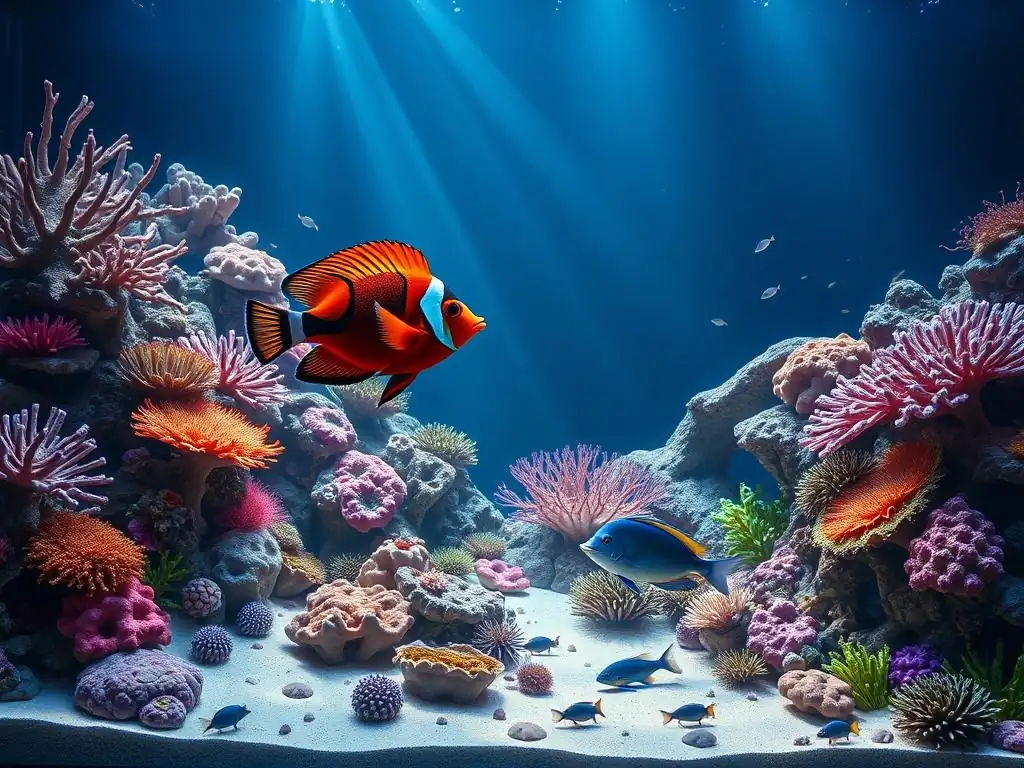
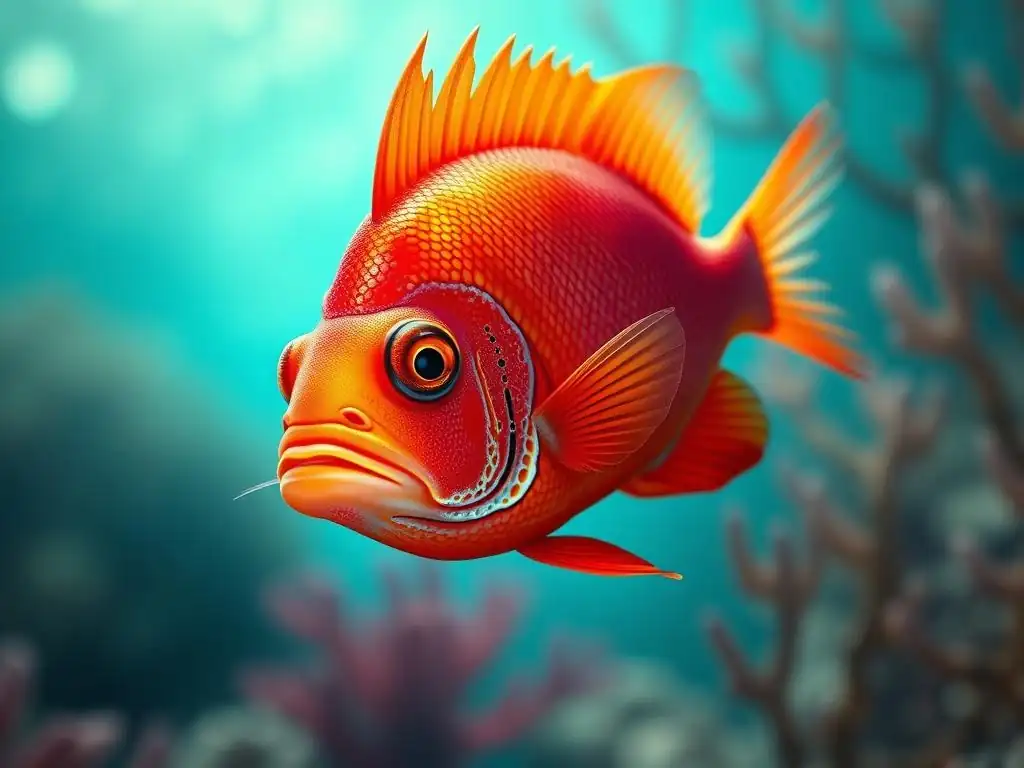
The Flame Angelfish, with its striking fiery orange-red body accented by vertical black stripes and iridescent blue fin tips, is undeniably one of the most captivating dwarf angelfish species available to saltwater aquarists. Its dazzling coloration and relatively manageable size of up to 4 inches (approximately 10 cm) make it a highly sought-after centerpiece fish for many home aquariums. This comprehensive Flame Angelfish care guide aims to provide aspiring and experienced hobbyists alike with the essential knowledge needed to ensure the health and vibrancy of these magnificent creatures in a captive environment.
Beyond its aesthetic appeal, the Flame Angelfish requires specific environmental conditions and a nuanced understanding of its behavior to thrive. While generally hardy, providing optimal water parameters, a diverse diet, and appropriate tank mates are crucial for their long-term well-being. This guide delves into every aspect of Flame Angelfish care, from their natural origins and dietary needs to their compatibility with reef systems and other fish, offering a complete resource for mastering the husbandry of this popular dwarf angelfish.
Understanding the Flame Angelfish: Species Profile
Flame Angelfish Scientific Name and Origin
The Flame Angelfish is scientifically classified as Centropyge loriculus, a member of the Pomacanthidae family, which encompasses all angelfish. This species is native to the vast Indo-Pacific region, spanning a wide geographical range that includes the waters around Hawaii, the Marshall Islands, Christmas Island, and other scattered islands of Oceania. Their distribution highlights their preference for warm, tropical marine environments, typically found among the intricate structures of coral reefs.
These fish are often collected from depths ranging from 5 to 60 meters (approximately 16 to 197 feet), where they forage for food amongst rocks and corals. The specific origin of a Flame Angelfish can sometimes influence its coloration, with specimens from Hawaiian waters often exhibiting a deeper red hue compared to those from the Marshall Islands, which might display more orange tones. Understanding their natural habitat is fundamental to providing effective Flame Angelfish care within a home aquarium setting.
Flame Angelfish Appearance and Size: Recognizing Centropyge loriculus
The Flame Angelfish is renowned for its spectacular coloration, which is its most defining characteristic. The body is predominantly a vibrant, fiery orange to deep red, marked by several prominent vertical black stripes that extend from the dorsal to the ventral side. Adding to their allure, the dorsal, anal, and caudal fins are typically edged with brilliant electric blue, providing a striking contrast to the warm body tones. This unique pattern makes Centropyge loriculus easily distinguishable from other dwarf angelfish species.
In terms of size, the Flame Angelfish is one of the larger dwarf angelfish, reaching a maximum adult length of about 4 inches (approximately 10 centimeters) in captivity, though some individuals may grow slightly larger. While there are subtle differences in appearance between males and females—males often being slightly larger and possessing more elongated dorsal and anal fins—these distinctions are generally not pronounced enough for easy visual sexing by the casual observer. Their compact size makes them suitable for a variety of aquarium setups, provided the Flame Angelfish care guide principles regarding space and environment are followed.
Natural Habitat of the Flame Angelfish: Replicating Their Ideal Environment
In their natural environment, Flame Angelfish inhabit the clear, warm waters of coral reefs and rocky lagoons across the Indo-Pacific. They are typically found in areas rich with live rock, offering numerous crevices and caves for shelter and exploration. These fish are often observed darting among the coral branches and rubble, constantly picking at algae and detritus. They prefer well-oxygenated waters with moderate to strong currents, which facilitate nutrient delivery and waste removal in their natural ecosystem.
Replicating this ideal environment is a cornerstone of successful Flame Angelfish care in an aquarium. A well-established tank should feature an abundance of live rock, providing ample hiding places and foraging opportunities. This not only mimics their natural surroundings but also helps reduce stress and aggression, particularly if the fish is housed with other species. A mature reef system, or at least a fish-only-with-live-rock (FOWLR) setup, that has been cycled and stabilized for several months is highly recommended to ensure the biological filtration and stability necessary for these sensitive fish.
Flame Angelfish Care: Essential Guidelines for a Healthy Life
Optimal Tank Size for Flame Angelfish: Giving Them Enough Space
Providing an appropriately sized aquarium is paramount for the long-term health and well-being of a Flame Angelfish. While these dwarf angels only grow to about 4 inches, their active swimming nature and territorial tendencies necessitate a tank that offers ample space. For a single Flame Angelfish, a minimum tank size of 30 gallons (approximately 113 liters) is generally recommended to provide sufficient swimming room and stable water conditions. However, a 50-gallon (approximately 189 liters) or larger aquarium is even better, especially if you plan to keep them in a community setting.
Larger tanks also offer greater stability in water parameters, which is crucial for the sensitive Flame Angelfish. In tanks smaller than 30 gallons, water quality can fluctuate rapidly, leading to stress and susceptibility to diseases. If considering keeping a pair or multiple Flame Angelfish (which is challenging and often not recommended for hobbyists due to aggression, unless in very large systems), a tank of 75 gallons (approximately 284 liters) or more would be the absolute minimum, with significantly more live rock to establish distinct territories. Proper tank sizing is a critical component of any comprehensive Flame Angelfish care guide.
Water Parameters for Flame Angelfish: Maintaining a Stable Aquarium Environment
Temperature, Salinity, and pH Levels for Flame Angelfish
Maintaining stable and appropriate water parameters is arguably the most critical aspect of successful Flame Angelfish care. These tropical fish thrive in specific conditions that mimic their natural reef environment. The ideal water temperature for Flame Angelfish should range between 74°F and 82°F (23°C to 28°C), with a consistent temperature being more important than the exact point within this range. Fluctuations can cause significant stress and weaken their immune system.
Salinity levels should be maintained at a specific gravity of 1.020 to 1.025, or a salinity of 30-35 ppt (parts per thousand). A stable pH level between 8.1 and 8.4 is also essential. Regular testing with reliable kits (at least weekly for temperature, salinity, and pH, and bi-weekly for ammonia, nitrite, and nitrate) is vital to monitor these parameters and make timely adjustments. Sudden shifts in any of these parameters can be detrimental, leading to health issues and even mortality for the delicate Flame Angelfish.
Importance of Water Changes for Flame Angelfish Health
Regular water changes are a cornerstone of effective Flame Angelfish care, playing a pivotal role in maintaining pristine water quality. Even with robust filtration, nitrates and other undesirable compounds can accumulate over time, negatively impacting fish health. Performing weekly or bi-weekly water changes of 10% to 20% of the total tank volume helps export these accumulated nutrients, replenish essential trace elements that are consumed by corals and other tank inhabitants, and stabilize pH and alkalinity.
For a 50-gallon tank, this would mean changing 5 to 10 gallons of water every week or two. Using high-quality reverse osmosis/deionized (RO/DI) water mixed with a reputable marine salt mix is crucial to avoid introducing pollutants or unwanted elements. Consistent water changes minimize stress, prevent disease outbreaks, and contribute significantly to the vibrant coloration and overall longevity of your Flame Angelfish, making them a key practice in any effective Flame Angelfish care guide.
Feeding Your Flame Angelfish: A Balanced Diet for Vibrant Colors
What Do Flame Angelfish Eat in the Wild?
In their natural Indo-Pacific reef habitats, Flame Angelfish are primarily omnivores with a significant herbivorous tendency. Their diet consists largely of various types of algae, including filamentous algae and diatoms, which they graze from live rock and coral surfaces. They also consume detritus, small crustaceans, and other benthic invertebrates they find while foraging. This diverse natural diet provides them with the necessary nutrients, including carotenoids, which are vital for maintaining their brilliant orange and red coloration.
Their continuous grazing behavior in the wild highlights the importance of providing a varied and frequent feeding regimen in captivity. A diet rich in plant matter is crucial not only for their nutritional needs but also for their digestive health. Understanding their natural feeding habits is the first step in formulating an effective Flame Angelfish care guide for captive nutrition.
Best Food Options for Flame Angelfish in Captivity: Prepared Foods and Supplements
To ensure optimal health and maintain the stunning coloration of your Flame Angelfish in captivity, a varied and high-quality diet is essential. Their diet should primarily consist of marine-based flakes and pellets formulated for omnivorous marine fish, rich in spirulina and other algae. Supplement this with frozen foods such as Mysis shrimp, brine shrimp (preferably enriched), and finely chopped marine algae or spirulina sheets. Vegetable matter like blanched spinach or specialized marine algae clips can also be offered periodically.
For enhanced coloration and overall vitality, consider foods fortified with beta-carotene or other color-enhancing supplements. Many commercial angelfish formulas are designed with these needs in mind. A well-rounded diet is crucial for a thriving Flame Angelfish, and this aspect of the Flame Angelfish care guide cannot be overstated, as it directly impacts their immune system and vibrant appearance.
Feeding Schedule for Flame Angelfish: Frequency and Portion Control
A consistent and appropriate feeding schedule is vital for the health of your Flame Angelfish. Given their natural grazing behavior, it is best to feed them small amounts multiple times a day, ideally two to three times. This mimics their continuous foraging in the wild and helps prevent overfeeding, which can lead to poor water quality. Each feeding portion should be small enough to be consumed entirely within a few minutes, typically 1 to 2 minutes.
Overfeeding is a common mistake that can lead to several problems, including excess nutrient buildup in the tank, which fuels algae growth and contributes to elevated nitrate levels. It can also cause digestive issues for the fish. By adhering to a frequent, small-portion feeding schedule, you ensure your Flame Angelfish receives adequate nutrition without compromising the delicate balance of your aquarium ecosystem, a key element of proper Flame Angelfish care.
Flame Angelfish Lifespan: How Long Will They Live?
With optimal care and a stable environment, a Flame Angelfish can live a surprisingly long life in a home aquarium. The average lifespan for Centropyge loriculus in captivity ranges from 5 to 7 years. However, well-maintained individuals in mature, stable reef systems or FOWLR tanks can potentially live for up to 10 years or even longer. This longevity is a testament to excellent Flame Angelfish care.
Several factors significantly influence their lifespan, including consistent water quality, a balanced and nutritious diet, minimal stress from incompatible tank mates or fluctuating parameters, and prompt treatment of any diseases. A proactive approach to aquarium maintenance and health monitoring, as outlined in this Flame Angelfish care guide, will greatly increase the chances of your Flame Angelfish enjoying a full and healthy life.
Flame Angelfish and Reef Tanks: Reef Safe or Reef Nuisance?
Flame Angelfish Reef Compatibility: Understanding the Risks
The question of whether Flame Angelfish are "reef-safe" is one of the most frequently asked by prospective owners, and the answer is often "reef-safe with caution." While many hobbyists successfully keep Flame Angelfish in mixed reef aquariums without incident, there is always a risk that they may nip at stony corals (particularly LPS, or large polyp stony corals, and SPS, or small polyp stony corals) and clam mantles.
Their natural diet includes algae and detritus, but they are also known to occasionally pick at coral polyps or soft coral tissue, especially if not adequately fed or if their tank is lacking sufficient natural grazing surfaces.
The behavior of individual Flame Angelfish can vary significantly. Some individuals are model citizens, never bothering corals, while others develop a taste for certain polyps or clam mantles. This unpredictable nature means that introducing a Flame Angelfish into a pristine reef tank always carries an inherent risk. It is crucial for anyone following this Flame Angelfish care guide to understand that no dwarf angelfish is 100% reef-safe, and vigilance is required.
How to Minimize Reef Damage from Flame Angelfish
While the risk of a Flame Angelfish nipping at corals cannot be entirely eliminated, there are several strategies to minimize potential damage in a reef tank. Firstly, ensure the fish is consistently well-fed with a varied diet rich in spirulina, marine algae, and other vegetable matter. A hungry Flame Angelfish is more likely to seek alternative food sources, including your corals. Offering multiple small feedings throughout the day can also keep their grazing instincts satisfied.
Secondly, provide plenty of live rock with natural algae growth, which gives them ample surfaces to graze upon. Introducing the Flame Angelfish to a mature reef tank that has been established for at least six months can also help, as the tank's ecosystem will be more stable and provide more natural foraging opportunities. Finally, constant observation is key.
If you notice persistent nipping at a specific coral, be prepared to potentially remove the angelfish or the affected coral to a separate system. Adhering to these practices is a crucial part of a responsible Flame Angelfish care guide for reef environments.
Alternative Reef-Safe Angelfish Options
For aquarists who prioritize absolute reef safety and wish to avoid any potential risks associated with Flame Angelfish, several other dwarf angelfish species are generally considered to be more reliable reef inhabitants. The Cherub Angelfish ( Centropyge argi) and the Coral Beauty Angelfish ( Centropyge bispinosa) are often cited as among the safest choices within the Centropyge genus, with a lower propensity for nipping at corals. While still not guaranteed to be 100% reef-safe, their instances of coral aggression are significantly less frequent.
Beyond the Centropyge genus, other fish families offer excellent reef-safe alternatives that provide similar vibrant color and active swimming. Examples include various species of Dottybacks, certain Wrasses (like Flasher and Fairy Wrasses), and many Gobies. These fish offer diverse colors and behaviors without the inherent risk to corals that angelfish, even dwarf ones, sometimes present. When building a reef aquarium, considering these alternatives can ensure the long-term integrity of your coral collection without compromising on visual appeal, though for a dedicated Flame Angelfish care guide, the focus remains on Centropyge loriculus.
Choosing the Right Tank Mates for Your Flame Angelfish
Compatible Tank Mates for Flame Angelfish: Creating a Peaceful Community
Choosing appropriate tank mates is a critical aspect of ensuring a peaceful and thriving environment for your Flame Angelfish. Generally, Flame Angelfish are considered semi-aggressive, particularly towards other angelfish or fish with similar body shapes and coloration. However, they can coexist peacefully with a wide variety of small to medium-sized, non-aggressive marine fish. Excellent companions include various species of Clownfish (e.g., Ocellaris and Percula), Gobies (like Watchman and Yellow Watchman Gobies), Blennies (such as Lawnmower Blennies), and certain peaceful Wrasses (e.g., Six-Line Wrasse, various Fairy Wrasses).
Other compatible choices include Damselfish species that are not overly aggressive (though some can be problematic), and Tangs, provided the tank is large enough to accommodate their swimming needs. The key is to select fish that are not overly territorial, are of a similar size or slightly smaller, and do not compete directly for food or territory. Introducing the Flame Angelfish after other peaceful tank mates are established can also help minimize initial aggression. This careful selection is a vital part of any Flame Angelfish care guide focused on community aquariums.
Incompatible Tank Mates for Flame Angelfish: Avoiding Aggression
To prevent stress, injury, and potential fatalities, it is crucial to avoid housing Flame Angelfish with incompatible tank mates. Large, highly aggressive predators such as Groupers, Lionfish, and large Moray Eels pose an obvious threat, as they view smaller fish as potential food. Similarly, extremely boisterous or nippy fish like Triggerfish, some species of Pufferfish, and larger aggressive Damselfish can harass and stress the Flame Angelfish, leading to poor health or even death.
The most problematic tank mates for a Flame Angelfish are often other angelfish, especially other dwarf angelfish species from the Centropyge genus. Flame Angelfish are highly territorial and will aggressively defend their space against perceived rivals, often leading to relentless bullying and fighting. While some very large tanks might allow for multiple dwarf angels if introduced simultaneously and carefully, it is generally not recommended for the average home aquarium. Understanding these incompatibilities is a fundamental component of a comprehensive Flame Angelfish care guide.
Considerations for Housing Multiple Flame Angelfish
Housing multiple Flame Angelfish, particularly more than one individual of Centropyge loriculus, is exceptionally challenging and often not recommended for most home aquarists due to their strong territorial nature. Flame Angelfish are known for their intra-species aggression, and introducing two or more into a typical aquarium often results in one fish dominating and relentlessly harassing the others, leading to stress, injury, and eventually, the death of the weaker individuals.
The only scenario where keeping multiple Flame Angelfish might be feasible is in a truly massive aquarium, generally 100 gallons (approximately 378 liters) or more, with an abundance of live rock providing numerous hiding spots and distinct territories. Even then, success is not guaranteed and requires careful observation. Some advanced hobbyists have had success with established male-female pairs, but sexing these fish is difficult, and pairing can be a lengthy and often unsuccessful process. For most hobbyists, a single Flame Angelfish is the safest and most successful approach to Flame Angelfish care.
Flame Angelfish Health: Common Diseases and Prevention
Identifying Common Flame Angelfish Diseases: Symptoms to Watch For
Despite being relatively hardy, Flame Angelfish can be susceptible to common marine aquarium diseases, especially if water quality is poor or stress levels are high. Early identification of symptoms is crucial for successful treatment.
Marine Ich (White Spot Disease)
Marine Ich, caused by the parasite Cryptocaryon irritans, is one of the most prevalent diseases in saltwater aquariums. Symptoms include the appearance of small, white spots resembling grains of salt scattered across the fish's body, fins, and gills. Infected Flame Angelfish may also exhibit flashing (rubbing against tank decorations), rapid breathing, lethargy, and a loss of appetite. The parasite thrives in stressful conditions and poor water quality, making new introductions and unstable environments prime opportunities for outbreaks.
Velvet Disease (Amyloodinium)
Velvet Disease, caused by the dinoflagellate parasite Amyloodinium ocellatum, is highly contagious and often more rapid and deadly than Ich. Symptoms include a dusty, yellowish-brown coating on the fish's skin, which can be difficult to see without proper lighting, resembling a fine powder. Affected Flame Angelfish will show signs of respiratory distress, such as labored breathing and gasping at the surface, along with lethargy, clamped fins, and rapid deterioration. Due to its rapid progression, immediate action is required upon detection.
Fin Rot
Fin Rot is a bacterial infection that typically manifests as frayed, ragged, or deteriorating fins. The edges of the fins may appear discolored, often with a white or reddish inflamed margin, and the tissue itself seems to be dissolving. This condition is usually a secondary infection, often triggered by poor water quality, overcrowding, physical injury (e.g., from aggression), or underlying stress that compromises the fish's immune system. If left untreated, the infection can spread to the body, leading to more severe health complications for the Flame Angelfish.
Treating Flame Angelfish Diseases: Effective Medications and Quarantine Procedures
Effective treatment of Flame Angelfish diseases often involves the use of specific medications and the implementation of a quarantine tank. For parasitic infections like Marine Ich and Velvet, copper-based medications are a common and effective treatment. Products like Copper Power or Cupramine, administered precisely according to manufacturer instructions, can eradicate these parasites. Alternatively, hyposalinity (gradually reducing salinity to 1.009-1.010) can be effective for Ich, though it requires careful monitoring.
Bacterial infections like Fin Rot typically respond well to broad-spectrum antibiotics, which can be dosed into the water or mixed with food, depending on the medication. Regardless of the disease, treating affected fish in a separate quarantine tank is highly recommended. This prevents the spread of disease to the main display tank, allows for more precise medication dosing, and reduces stress on the main system's inhabitants and biological filtration. A proper Flame Angelfish care guide emphasizes proactive quarantine for all new arrivals.
Preventing Flame Angelfish Diseases: Maintaining Optimal Tank Conditions
Prevention is always better than cure when it comes to Flame Angelfish health. The cornerstone of disease prevention is maintaining optimal and stable tank conditions. This includes consistent water parameters (temperature, salinity, pH, ammonia, nitrite, nitrate), regular water changes (10-20% weekly or bi-weekly), and robust filtration. A well-balanced and nutritious diet, as outlined in this Flame Angelfish care guide, is also critical for boosting their immune system and overall vitality.
Reducing stress is another key preventative measure. Ensure the tank is appropriately sized, avoid overcrowding, and select compatible tank mates. Providing ample hiding spots with live rock allows the Flame Angelfish to feel secure. Finally, and perhaps most importantly, always quarantine new fish for a period of 2-4 weeks before introducing them to your main display tank. This allows you to observe for signs of disease, treat any issues in isolation, and prevent the introduction of pathogens into your established aquarium.
Flame Angelfish Acclimation: Introducing Your New Fish to Its Home
Proper Acclimation Techniques for Flame Angelfish
Proper acclimation is a critical step in ensuring the survival and well-being of your new Flame Angelfish. The goal is to slowly equalize the temperature, pH, and salinity of the water in the transport bag with that of your aquarium, minimizing stress from sudden environmental shifts. The drip acclimation method is highly recommended for sensitive marine fish like the Flame Angelfish. Begin by floating the sealed bag in your sump or display tank for 15-20 minutes to equalize temperature.
After temperature equalization, open the bag and roll down the edges to form a floatation collar. Place the bag in a clean bucket or container. Using airline tubing and a control valve, start a slow drip of water from your display tank into the bucket, aiming for about 1-2 drips per second.
Allow the water volume in the bucket to double over a period of 45-60 minutes. Once the volume has doubled, carefully net the Flame Angelfish and transfer it to your quarantine tank (highly recommended) or display tank, discarding the bag water. Avoid introducing the bag water into your main system to prevent the transfer of pathogens or undesirable elements.
Monitoring Your Flame Angelfish After Introduction
After carefully introducing your new Flame Angelfish to its new home (preferably a quarantine tank first), diligent monitoring is essential during the initial acclimation period, which can last from a few days to a couple of weeks. Observe its behavior closely: is it hiding excessively, or exploring its new surroundings? Is it showing signs of stress, such as clamped fins, rapid breathing, or faded coloration? Most importantly, watch to see if it begins to accept food within 24-48 hours.
Also, pay close attention to its interactions with existing tank mates. While Flame Angelfish are generally peaceful once settled, initial territorial disputes can occur. Ensure it is not being bullied or harassed, and that it finds sufficient hiding spots if needed. Consistent observation during this crucial phase allows for early intervention if any issues arise, ensuring a smooth transition and successful Flame Angelfish care from day one.
Flame Angelfish Breeding: Challenges and Possibilities
Breeding Flame Angelfish in Captivity: An Overview
Breeding Flame Angelfish ( Centropyge loriculus) in captivity is an extremely challenging endeavor, typically reserved for highly experienced aquaculturists and commercial facilities rather than the average hobbyist. Like many other dwarf angelfish species, Flame Angelfish are pelagic spawners, meaning they release their eggs and sperm into the water column, where fertilization occurs, and the resulting larvae drift as plankton. This complex reproductive strategy makes rearing their fry particularly difficult due to their microscopic size and specific dietary needs.
While some progress has been made in commercial aquaculture, with limited success in raising Flame Angelfish larvae to juvenile stages, consistent and widespread captive breeding remains a significant hurdle. The delicate nature of their eggs and larvae, coupled with the precise environmental conditions required for their development and the difficulty of providing appropriate first foods, contributes to the low success rates in home aquariums. This aspect of Flame Angelfish care is largely beyond the scope of typical hobbyist capabilities.
Requirements for Successful Flame Angelfish Breeding
Achieving successful Flame Angelfish breeding in captivity requires a highly specialized setup and an immense amount of dedication. Key requirements include a large, dedicated breeding tank, often 100 gallons or more, to provide ample space for a mature, bonded pair. The water parameters must be kept absolutely pristine and stable, mimicking their natural spawning conditions, with precise control over temperature, salinity, and pH. A highly nutritious and varied diet, including live foods, is crucial for conditioning the breeding pair to encourage spawning.
The most significant challenge lies in the larval rearing phase. Flame Angelfish larvae are incredibly tiny and require specific, microscopic live foods, such as specialized rotifers and copepods, cultured in high densities. Maintaining water quality in the larval tank without harming the delicate fry, along with providing appropriate lighting and flow, is extremely difficult. While the prospect of breeding these beautiful fish is enticing, the technical demands make it an advanced undertaking, making this section of the Flame Angelfish care guide primarily informative rather than prescriptive for most hobbyists.
Flame Angelfish: Where to Buy and What to Look For
Selecting a Healthy Flame Angelfish at Your Local Fish Store
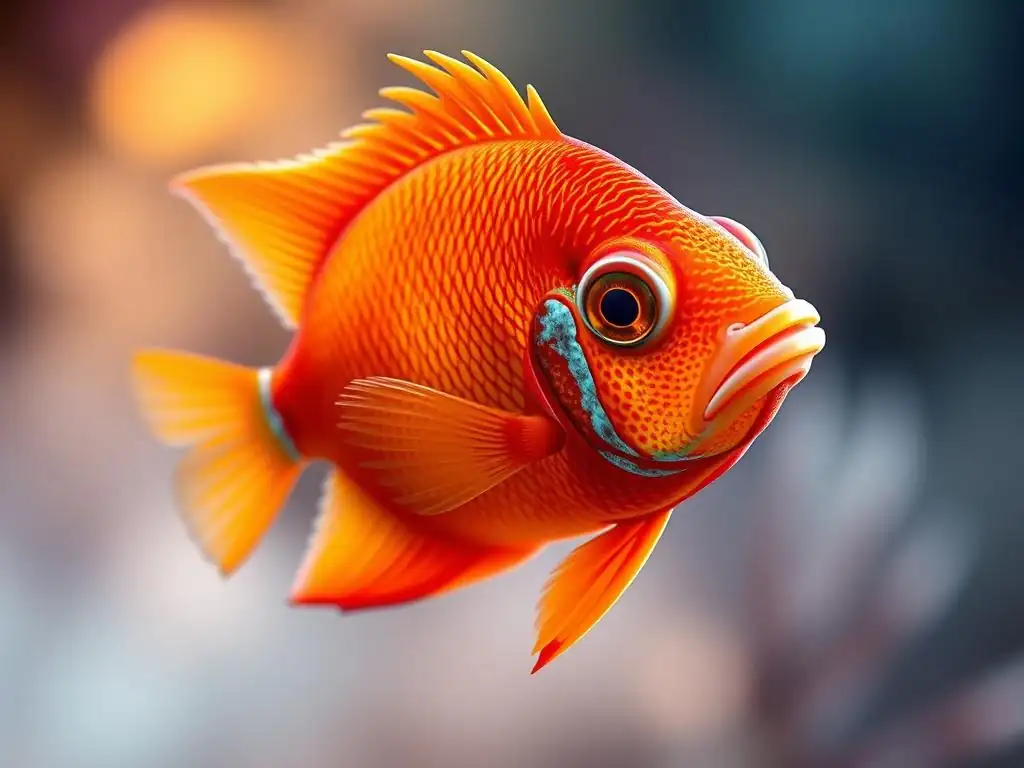
When purchasing a Flame Angelfish from your local fish store, careful observation is key to selecting a healthy specimen. Look for a fish that is actively swimming and alert, not listless or hiding excessively (unless it's just been introduced to the store tank). Its coloration should be vibrant and intense, without any faded patches or dullness, which can indicate stress or illness. The fins should be intact and free of tears, fraying, or white spots, and the eyes should be clear and bright, not cloudy or sunken.
Observe the fish's breathing; it should be calm and regular, not rapid or labored. Also, check for any visible signs of disease, such as white spots (Ich), a dusty film (Velvet), open sores, or abnormal growths. If possible, ask the store staff about the fish's feeding habits and how long it has been at the store. A fish that has been eating well and has been through a short quarantine period at the store is generally a better choice, ensuring a healthier start to your Flame Angelfish care journey.
Ordering Flame Angelfish Online: Reputable Sources and Considerations
Ordering Flame Angelfish online can be a convenient option, especially for those seeking specific origins or higher-grade specimens, but it requires careful consideration of the vendor. Always choose reputable online fish retailers known for their quality, ethical practices, and robust Live Arrival Guarantees (DOA policies). Examples of well-regarded online sources include LiveAquaria (particularly their Diver's Den selection for premium specimens) and Saltwaterfish.com, among others. Research customer reviews and forums to gauge a vendor's reputation.
Before placing an order, thoroughly review the vendor's shipping policies, including shipping methods, costs, and their specific Dead On Arrival (DOA) guarantee. Ensure they pack fish professionally with appropriate insulation and heat/cold packs for transit. When the fish arrives, follow proper acclimation procedures immediately. While online purchases offer convenience and access to a wider selection, the stress of shipping can be significant for the fish, making careful vendor selection and immediate, proper acclimation crucial for successful Flame Angelfish care.
Troubleshooting Common Flame Angelfish Issues
Flame Angelfish Not Eating: Diagnosing the Cause
If your Flame Angelfish is not eating, it's a significant cause for concern and requires immediate investigation, as appetite loss is often a primary indicator of stress or illness. One common reason for a new angelfish to refuse food is simply stress from acclimation to a new environment. Give it a few days to settle, ensuring plenty of hiding spots. Poor water quality (high ammonia, nitrite, or nitrate) is another frequent culprit; test your parameters immediately.
Disease is a serious possibility; look for other symptoms like white spots, labored breathing, or clamped fins. Aggression from tank mates can also cause a Flame Angelfish to hide and refuse food; observe interactions closely. Finally, ensure you are offering a varied and appropriate diet that the fish finds palatable. Try different types of foods, such as frozen Mysis shrimp or spirulina flakes, to entice it. Addressing the underlying cause is crucial for effective Flame Angelfish care when appetite is lost.
Flame Angelfish Hiding: Is It Normal Behavior?
A Flame Angelfish hiding can be normal behavior, especially for a newly introduced fish. It's common for them to be shy and seek refuge among live rock crevices during their initial days or even weeks in a new tank as they acclimate to their surroundings and tank mates. Providing ample rockwork and hiding spots is essential to make them feel secure. This initial shyness typically subsides as they become more comfortable and confident in their environment.
However, persistent or excessive hiding, particularly in an established fish, can be a sign of stress, illness, or bullying. If your Flame Angelfish is consistently staying hidden, refusing to come out even for food, or showing other symptoms like faded color or labored breathing, investigate water quality, check for signs of disease, and observe if any tank mates are harassing it. Distinguishing between normal shyness and a symptom of distress is a key part of diligent Flame Angelfish care.
Flame Angelfish Color Loss: Addressing Fading Colors
Fading or dulling of the vibrant colors of your Flame Angelfish is a clear indicator that something is amiss with its environment or health. One of the most common reasons for color loss is stress, which can stem from poor water quality (e.g., high nitrates, fluctuating pH), unsuitable tank mates, or an inadequate tank size. Regularly testing and maintaining stable, pristine water parameters, as outlined in this Flame Angelfish care guide, is paramount.
Another significant factor is diet. A lack of proper nutrition, particularly insufficient intake of carotenoids and other color-enhancing pigments found in marine algae and high-quality prepared foods, can lead to dull coloration. Ensure you are feeding a varied diet rich in spirulina and other color-boosting ingredients. Disease can also cause a fish to lose its vibrant hues, so check for other symptoms. Addressing these underlying issues will typically restore the Flame Angelfish's stunning coloration.
Conclusion: Mastering Flame Angelfish Care for a Thriving Aquarium
The Flame Angelfish, with its mesmerizing colors and active personality, is an undeniably captivating addition to any saltwater aquarium. While its beauty is undeniable, successful Flame Angelfish care demands a dedicated approach, focusing on providing a stable, well-maintained environment that closely mimics its natural reef habitat. From ensuring optimal water parameters and a spacious home to offering a diverse, nutrient-rich diet, every aspect contributes to their long-term health and vibrant display.
Understanding their potential reef compatibility, selecting appropriate tank mates, and diligently monitoring for signs of stress or disease are equally crucial steps in this comprehensive Flame Angelfish care guide. While breeding remains a challenge for most hobbyists, mastering the day-to-day husbandry of Centropyge loriculus will reward you with years of enjoyment from this stunning marine fish. By following these guidelines, you can confidently create a thriving aquarium where your Flame Angelfish not only survives but truly flourishes, becoming the radiant centerpiece it is meant to be.
Frequently Asked Questions
What are the essential water parameters for keeping a Flame Angelfish healthy?
Flame Angelfish require stable water parameters. Ideally, maintain a temperature between 72-78°F, a specific gravity of 1.023-1.025, and a pH level of 8.1-8.4.
Is the Flame Angelfish considered reef safe, and what precautions should I take?
Flame Angelfish are generally considered not reef safe. They have a tendency to nip at corals, especially LPS (Large Polyp Stony) corals and clam mantles. Careful observation is crucial.
What is the ideal tank size for a Flame Angelfish?
A minimum tank size of 70 gallons is recommended for a single Flame Angelfish. This allows for adequate swimming space and helps maintain stable water parameters, which is critical for their health.
What are some suitable tank mates for a Flame Angelfish?
Good tank mates include other peaceful to semi-aggressive fish of similar size. Avoid housing them with overly aggressive species or other dwarf angelfish to minimize stress and competition.
What is the typical diet of a Flame Angelfish, and how often should I feed them?
Flame Angelfish need a varied diet including high-quality flake food, frozen food, and algae. They should be fed multiple small meals throughout the day to mimic their natural grazing behavior.
Final Reflection: Embracing the Flame's Delicate Beauty
The journey of understanding the Flame Angelfish, as explored in this guide, is more than just mastering aquarium husbandry; it's about appreciating the fragile ecosystems we strive to replicate within our homes. The vibrant beauty of this fish serves as a constant reminder of the intricate balance found in coral reefs, and the responsibility we bear in ensuring their preservation, both in captivity and in the wild.
The allure of the Flame Angelfish extends beyond its striking colors; it represents a connection to the ocean's mysteries and a commitment to responsible reef keeping. My own fascination with these creatures has deepened my respect for the delicate dance of life within a reef environment. In the end, we will conserve only what we love; we will love only what we understand; and we will understand only what we are taught.
- Baba Dioum. This quote perfectly encapsulates the importance of knowledge and understanding in fostering a genuine desire to protect these magnificent creatures and their habitats.
Now, armed with the knowledge from this guide, I encourage you to reflect on your own role in the aquarium hobby and the broader ecosystem. Consider the choices you make, the sources you support, and the impact you have on the delicate balance of the natural world. Let the Flame Angelfish, a symbol of beauty and fragility, inspire you to become a more informed, responsible, and passionate advocate for the preservation of our planet's precious coral reefs.
Ignite Your Aquarium Dreams: Start Your Flame Angelfish Journey Now!
Thanks for exploring the captivating world of the Flame Angelfish with us! We hope this guide has given you the knowledge to decide if this vibrant fish is the right addition to your aquarium. Now, let's translate that knowledge into action!
Here are a few things you can do next:
- Research specific Flame Angelfish available from reputable breeders or stores in your area. Finding a healthy, ethically sourced fish is the most crucial first step.
- Explore compatible tank mates that will thrive alongside your Flame Angelfish. Consider other peaceful reef inhabitants and their specific needs.
- Share this guide with fellow aquarium enthusiasts! Help spread the knowledge and responsible fishkeeping practices.
What are the top three things you're most excited about in the prospect of adding a Flame Angelfish to your aquarium?