
7 Corals Angelfish Are Least Likely to Bother in Your Tank

Welcome to Aquarium Mastery!
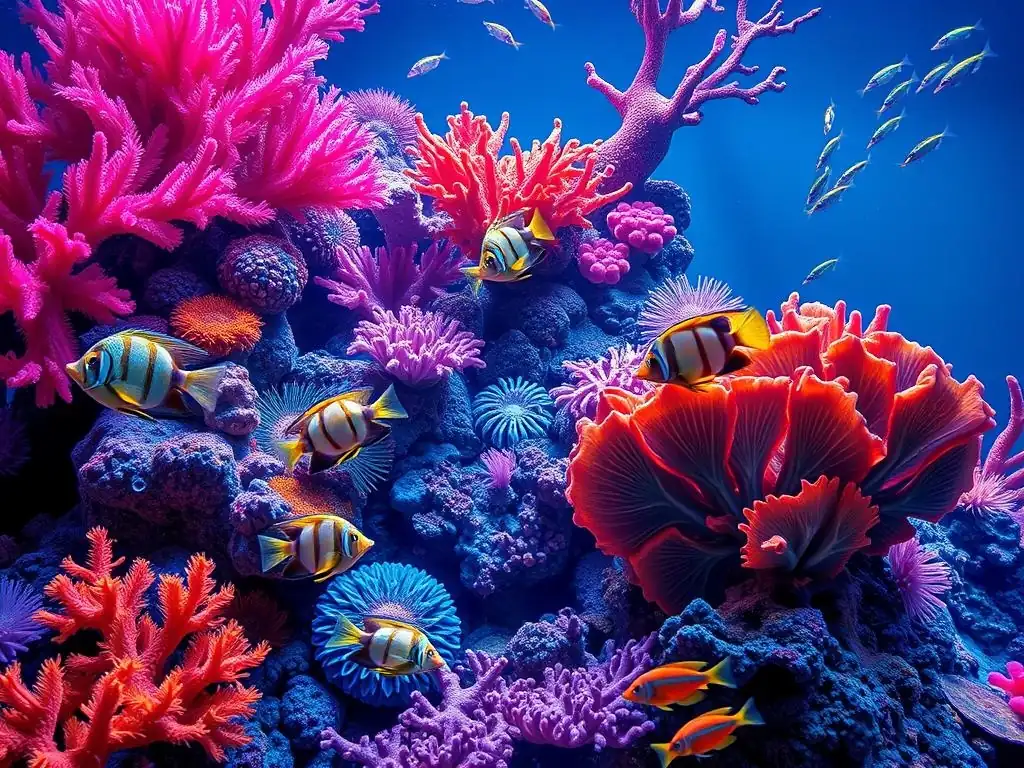
Ever dreamt of a thriving reef tank with both stunning corals and a captivating angelfish? It's a delicate balance, but entirely achievable. Dive in to discover the 7 Corals Angelfish Are Least Likely to Bother in Your Tank and unlock the secrets to a harmonious underwater paradise. Ready to build your dream saltwater aquarium? Let's explore!
- 7 Angelfish Least Likely to Bother Corals in Your Reef Tank
- Understanding Coral-Safe Angelfish for Reef Aquariums
-
Top 7 Angelfish with Lower Coral Nipping Tendencies
- 1. The Flame Angelfish (Centropyge loriculus): A Reef Tank Favorite
- 2. The Coral Beauty Angelfish (Centropyge bispinosa): A Hardy Choice
- 3. The Potter's Angelfish (Centropyge potteri): An Algae Grazer
- 4. The Lemonpeel Angelfish (Centropyge flavissima): A Vibrant Addition
- 5. The Herald's Angelfish (Centropyge heraldi): A Peaceful Option
- 6. The Multicolor Angelfish (Centropyge multicolor): A Shy Beauty
- 7. The Narcosis Angelfish (Paracentropyge boylei): A Deepwater Enigma
- Minimizing Coral Damage from Angelfish: Key Strategies
- Conclusion: Responsible Angelfish Keeping in Reef Aquariums
-
Frequently Asked Questions
- What corals are least likely to be targeted by Angelfish?
- Why are some Angelfish more prone to nipping corals than others?
- How does a well-fed Angelfish affect its coral-nipping behavior?
- What is the ideal tank size for keeping Angelfish with corals?
- Can I introduce an Angelfish to a tank with established corals?
- Final Reflection: Harmonious Reefkeeping
- Ignite Your Reef Tank Dreams!
7 Angelfish Least Likely to Bother Corals in Your Reef Tank
Understanding Coral-Safe Angelfish for Reef Aquariums
The Appeal of Angelfish in Saltwater Tanks
Angelfish are undeniably one of the most captivating groups of fish in the saltwater aquarium hobby. Their vibrant, often iridescent colors, intricate patterns, and graceful swimming movements make them a focal point in any marine display. Species like the Flame Angelfish or the Emperor Angelfish are highly sought after for their stunning visual appeal, instantly elevating the aesthetic of a reef tank.
Beyond their beauty, angelfish bring a dynamic presence to the aquarium. They are active swimmers, constantly exploring the rockwork and open water, providing endless entertainment for observers. Their diverse range, from the diminutive dwarf angelfish to the majestic large species, offers options for various tank sizes and aquascapes, making them a popular choice for aquarists looking to add a splash of life and color.
Why Some Angelfish Nip at Corals: A Behavioral Overview
The primary reason certain angelfish species nip at corals stems from their natural feeding behaviors in the wild. Many angelfish are omnivores or herbivores, and their diets often consist of filamentous algae, detritus, and small invertebrates found grazing on rocks and coral surfaces. In an aquarium setting, this natural foraging instinct can unfortunately lead them to pick at coral polyps, mistaking them for food or simply exploring their texture.
Other factors can contribute to coral nipping, including hunger, boredom, or even curiosity. If an angelfish's nutritional needs are not adequately met through a varied and frequent feeding regimen, it may turn to corals as an alternative food source. Furthermore, a lack of environmental enrichment or insufficient tank space can lead to stress or boredom, sometimes resulting in destructive behaviors like coral nipping.
Defining "Least Likely": Minimizing Coral Nipping, Not Eliminating It
When discussing angelfish that are "least likely" to bother corals, it's crucial to understand that this term does not imply a 100% guarantee of reef safety. No angelfish species, regardless of its reputation, can be definitively labeled as entirely "reef-safe" in all circumstances. Individual fish personalities can vary significantly; one specimen of a typically "safe" species might still develop a taste for coral polyps, while another might completely ignore them.
The goal of selecting angelfish from this "least likely" category is to significantly minimize the probability of coral damage. This approach combines species selection with diligent husbandry practices, such as providing a rich diet and an appropriate environment. Even with these precautions, aquarists must remain vigilant and be prepared to intervene if any nipping behavior becomes problematic for their "least likely coralfish tank".
Top 7 Angelfish with Lower Coral Nipping Tendencies
1. The Flame Angelfish (Centropyge loriculus): A Reef Tank Favorite
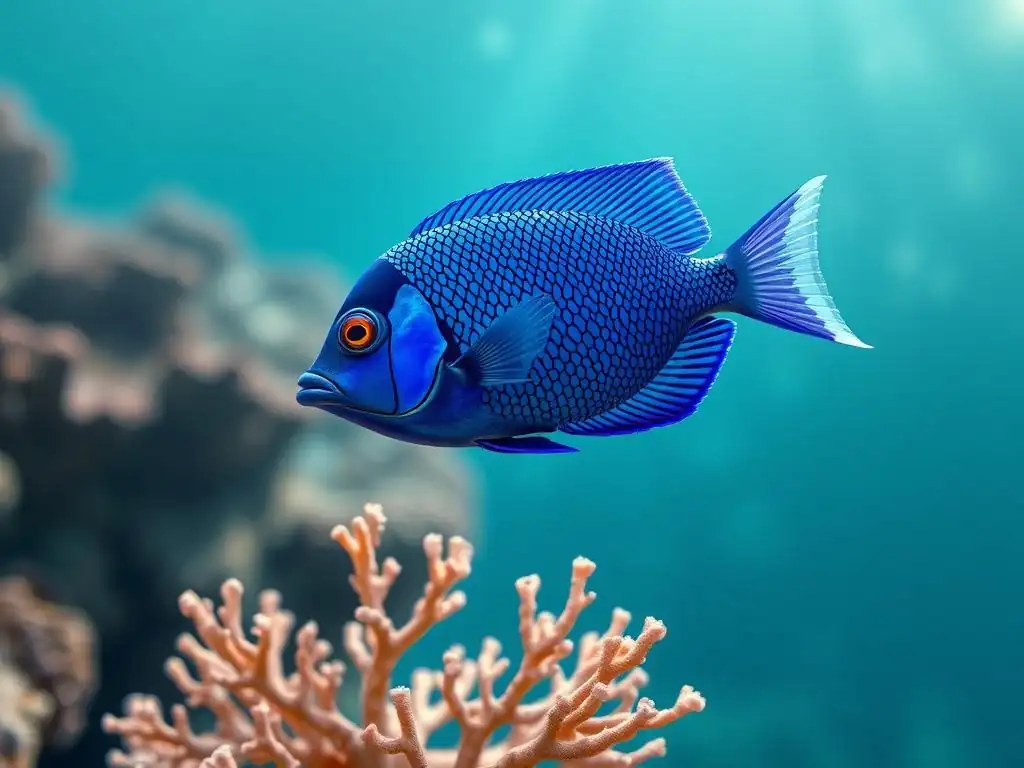
The Flame Angelfish is arguably one of the most popular dwarf angelfish in the hobby, renowned for its striking fiery red-orange coloration adorned with vertical black stripes and iridescent blue-tipped fins. Typically reaching a size of up to 4 inches (10 cm), its compact size and vibrant appearance make it an instant showstopper in many reef aquariums. Its widespread availability and relatively robust nature also contribute to its status as a top choice.
While generally considered one of the safer dwarf angelfish for reef systems, the Flame Angelfish, like all Centropyge species, carries a slight inherent risk of nipping at corals. In their natural habitat, they are known to graze on filamentous algae, detritus, and small benthic invertebrates found on live rock. This natural foraging behavior can occasionally translate into exploratory nipping on various coral polyps in a confined aquarium environment.
Flame Angelfish Care Requirements and Temperament
A minimum tank size of 30 gallons (113 liters) is recommended for a single Flame Angelfish, providing adequate swimming space and rockwork for hiding. Optimal water parameters include a temperature range of 72-78°F (22-25.5°C), salinity between 1.020-1.025, and a pH of 8.1-8.4. In terms of temperament, Flame Angelfish are generally peaceful towards most tank mates, but can exhibit territorial behavior towards other dwarf angelfish or similar-looking species.
Their diet should be varied and nutritious, consisting of high-quality spirulina-based flakes, marine algae, frozen mysis shrimp, brine shrimp, and specialized angelfish preparations. Feeding small amounts 2-3 times daily is crucial to keep them well-fed and reduce the likelihood of them seeking alternative food sources from corals. A well-nourished Flame Angelfish is less prone to developing problematic nipping habits in a "least likely coralfish tank".
Minimizing Nipping Risk with Flame Angelfish
To further minimize the risk of a Flame Angelfish nipping at corals, providing ample live rock with established algae growth is beneficial, offering natural grazing opportunities. A mature tank with a healthy microfauna population can also provide supplementary food sources, keeping the angelfish engaged and fed. Employing target feeding methods ensures that the fish receives sufficient nutrition directly, rather than needing to forage excessively.
Introducing the Flame Angelfish early into a well-established, mature tank, preferably before delicate corals are fully grown or highly valuable, can also be a strategic move. This allows the fish to acclimate and establish its territory without immediate temptation. Close observation for the first few weeks is paramount; if nipping is observed, increasing feeding frequency or offering more fibrous, algae-rich foods can often mitigate the behavior.
2. The Coral Beauty Angelfish (Centropyge bispinosa): A Hardy Choice
The Coral Beauty Angelfish is a remarkably hardy and adaptable dwarf angelfish, celebrated for its striking coloration that typically features a deep blue body transitioning to vibrant orange-red or purple markings near its head and fins. Reaching a maximum size of about 4 inches (10 cm), its resilience and stunning appearance make it an excellent choice for both beginner and experienced aquarists looking for a "least likely coralfish tank" inhabitant.
Similar to the Flame Angelfish, the Coral Beauty is widely regarded as one of the safer dwarf angelfish species for a reef aquarium. While its natural diet in the wild consists primarily of algae and detritus, which translates to a lower propensity for coral nipping, it's not entirely without risk. Its foraging instincts mean occasional exploratory pecking at coral polyps is possible, especially if dietary needs are not fully met.
Coral Beauty Angelfish: Tank Size and Compatibility
A minimum tank size of 50 gallons (189 liters) is recommended for a Coral Beauty Angelfish, providing ample swimming room and sufficient live rock to support its active nature. In terms of compatibility, they are generally peaceful with most community fish, but like other Centropyge species, they can display aggression towards other dwarf angelfish or fish of similar size and shape, particularly if introduced simultaneously or in a smaller tank.
The tank setup should incorporate plenty of live rock arranged to create numerous caves, crevices, and overhangs. These structures provide essential hiding spots and grazing surfaces, mimicking their natural habitat. Good water flow throughout the aquarium is also beneficial, contributing to a healthy and stimulating environment for this active species.
Feeding Strategies to Prevent Coral Grazing
To effectively prevent a Coral Beauty Angelfish from grazing on corals, a comprehensive and frequent feeding strategy is essential. Offer a varied diet that includes high-quality marine algae, spirulina flakes, specialized angelfish pellets, and a range of frozen foods such as mysis shrimp and brine shrimp. Feeding small portions multiple times a day, ideally 3-4 times, helps to keep their stomachs full and reduces their inclination to forage elsewhere.
Supplementing their diet with sheets of nori (dried seaweed) clipped to the tank glass provides continuous grazing opportunities, which is vital for an algae-grazer like the Coral Beauty. This mimics their natural feeding behavior and can significantly divert their attention away from delicate coral polyps. A consistent supply of such plant-based foods is key to maintaining a peaceful "least likely coralfish tank" environment.
3. The Potter's Angelfish (Centropyge potteri): An Algae Grazer
The Potter's Angelfish, native to the clear waters of Hawaii, is a visually distinctive dwarf angelfish characterized by its striking orange-red body adorned with numerous vertical blue lines. Growing to an average size of about 4 inches (10 cm), its unique pattern and generally peaceful demeanor make it a desirable addition for many aquarists. Its coloration provides a beautiful contrast against the blues and greens often found in a reef tank.
This species has a strong natural preference for algae, making it an excellent candidate for controlling nuisance algae in a reef aquarium. However, this very preference also means that if natural algae growth or supplemental algal foods are insufficient, a Potter's Angelfish might turn its attention to corals, particularly those with fleshy polyps or a coating of microalgae. Therefore, providing ample plant-based nutrition is paramount for its success in a "least likely coralfish tank".
Potter's Angelfish Diet and Reef Environment
The diet of a Potter's Angelfish should be heavily focused on plant-based foods to satisfy its natural inclination for grazing. High-quality spirulina flakes, marine algae sheets (nori), and specialized herbivore pellets or flakes should form the bulk of their daily intake. Occasional supplementation with frozen meaty foods like mysis shrimp or brine shrimp can provide additional nutrients and variety, but the emphasis should remain on plant matter.
A minimum tank size of 30 gallons (113 liters) is recommended, with a strong emphasis on providing ample live rock. The live rock should be well-established and ideally have some natural algae growth, as this provides continuous grazing opportunities. A mature tank environment with stable water parameters is crucial for their well-being, especially considering their natural inclination to graze on biofilm and microalgae.
Ensuring Sufficient Algae Growth for Potter's Angelfish
To ensure a Potter's Angelfish remains well-fed and less inclined to nip at corals, it's important to actively manage algae availability. While some natural algae growth on rocks is desirable, it should be supplemented daily with fresh sheets of nori clipped to the aquarium glass. This ensures a constant supply of food that mimics their natural grazing habits and reduces the temptation to pick at corals.
Monitoring the angelfish's behavior is critical. If it starts to show excessive interest in corals, it's often a clear sign of insufficient food or potential boredom. In such cases, increasing the frequency of algal offerings and varying the type of plant-based foods can often curb the behavior. Some aquarists also utilize a refugium to cultivate copepods and amphipods, which the Potter's Angelfish may also graze on, further enriching its diet in a "least likely coralfish tank".
4. The Lemonpeel Angelfish (Centropyge flavissima): A Vibrant Addition
The Lemonpeel Angelfish is a truly vibrant and eye-catching species, instantly recognizable by its brilliant, uniform yellow body contrasted by a distinctive blue ring around its eye and striking blue edges on its fins. Growing to a slightly larger size of up to 5 inches (12.5 cm), its intense coloration makes it a standout inhabitant in any marine aquarium. Its active swimming and inquisitive nature also add to its appeal.
While undeniably stunning, the Lemonpeel Angelfish has a somewhat mixed reputation regarding reef compatibility. It is considered slightly riskier than the Flame or Coral Beauty Angelfish, with a higher propensity for nipping at corals, particularly as it matures or if its dietary needs are not consistently met. Aquarists considering this species for a reef tank must be prepared for potential challenges and close observation.
Lemonpeel Angelfish and Coral Compatibility
Due to its larger size and active nature, a minimum tank size of 70 gallons (265 liters) is recommended for a Lemonpeel Angelfish. This provides ample space for swimming and reduces territorial disputes. In terms of compatibility with other fish, they are generally peaceful with non-angelfish species but can be quite aggressive towards other dwarf angelfish, especially those of similar size or coloration.
When it comes to corals, soft corals with large, fleshy polyps, such as zoanthids, palythoa, and certain mushroom corals, may be more vulnerable to nipping. LPS corals (Large Polyp Stony corals) like Favia or Blastomussa, and hardier SPS corals (Small Polyp Stony corals) like Montipora, might be less appealing targets due to their more rigid structures or stinging capabilities, though no coral is entirely safe from a determined Lemonpeel.
Observing and Managing Lemonpeel Angelfish Behavior
Introducing a Lemonpeel Angelfish into a reef tank requires a cautious approach. It is advisable to observe the fish closely for at least 2-4 weeks after introduction for any signs of coral nipping. Early detection is key to managing potential issues before significant damage occurs. If nipping is observed, immediate action, such as increasing feeding frequency or offering more preferred foods, is necessary.
A robust feeding regimen is paramount for the Lemonpeel Angelfish. Their diet should be rich in spirulina, marine algae, and a variety of high-quality frozen foods like mysis shrimp and enriched brine shrimp, fed multiple times throughout the day. If, despite diligent feeding and management, persistent coral nipping continues to be an issue, rehoming the fish may be the unfortunate but necessary option to preserve the integrity of the "least likely coralfish tank".
5. The Herald's Angelfish (Centropyge heraldi): A Peaceful Option
The Herald's Angelfish is a beautiful and often overlooked dwarf angelfish, distinguished by its uniform, brilliant yellow coloration across its entire body, including its fins. Typically reaching a size of around 4 inches (10 cm), its simple yet striking appearance makes it a serene addition to a reef aquarium. Its calm demeanor contrasts with some of the more boisterous angelfish species.
This species is widely regarded as one of the more peaceful Centropyge angelfish and exhibits a lower inclination to nip at corals compared to many of its relatives. Its diet in the wild primarily consists of filamentous algae and detritus, and it tends to be less exploratory in its feeding habits within the confines of an aquarium, making it a relatively safe choice for a "least likely coralfish tank".
Herald's Angelfish: Temperament and Tank Mates
A minimum tank size of 30 gallons (113 liters) is suitable for a single Herald's Angelfish, providing ample space for its generally peaceful nature. Its temperament is one of its most appealing qualities; it is rarely aggressive towards other fish, making it an excellent candidate for community reef tanks. It typically coexists well with various peaceful tank mates, avoiding conflict unless housed with very similar-looking or highly aggressive species.
Compatible tank mates for the Herald's Angelfish include most peaceful reef inhabitants such as gobies, blennies, cardinalfish, and smaller tangs. It's best to avoid housing them with overly boisterous or aggressive fish that might stress them, as stress can sometimes lead to unusual behaviors. Its calm disposition makes it a good choice for aquarists prioritizing a harmonious community.
Maintaining a Stress-Free Environment for Herald's Angelfish
To ensure the well-being and peaceful behavior of a Herald's Angelfish, providing a stress-free environment is crucial. This includes offering plenty of hiding spots and intricate live rockwork where the fish can retreat and feel secure. Maintaining stable water parameters (temperature 72-78°F, salinity 1.020-1.025, pH 8.1-8.4) consistently helps to reduce stress, which in turn minimizes the likelihood of problematic behaviors like coral nipping.
A varied and consistent diet is also essential. Offer a mix of high-quality algae-based foods, spirulina flakes, and frozen meaty foods such as mysis shrimp and brine shrimp. Feeding 2-3 times daily ensures they are well-nourished and less inclined to seek food from corals. A healthy, unstressed Herald's Angelfish is far more likely to ignore corals, making it a reliable choice for a "least likely coralfish tank" setup.
6. The Multicolor Angelfish (Centropyge multicolor): A Shy Beauty
The Multicolor Angelfish is a captivating dwarf angelfish known for its intricate and striking pattern: a white body with broad vertical yellow bands and distinct black markings, particularly on its dorsal fin and tail. Growing to a maximum size of about 3.5 inches (9 cm), its smaller stature and unique coloration make it a delicate yet beautiful addition to a reef aquarium. It is also known for its somewhat shy and timid nature.
This species is generally considered one of the most reef-safe dwarf angelfish available, largely due to its timid disposition and natural diet. It tends to be less prone to aggressively nipping at corals, preferring instead to forage for detritus and tiny invertebrates (microfauna) found within the live rock. While no angelfish is 100% reef-safe, the Multicolor Angelfish presents a very low risk to corals in a well-maintained "least likely coralfish tank".
Multicolor Angelfish and Reef Compatibility
A minimum tank size of 30 gallons (113 liters) is suitable for a single Multicolor Angelfish, providing enough space for it to feel secure. In terms of compatibility, it is one of the most peaceful dwarf angelfish species and thrives best when housed with other calm and non-aggressive tank mates. Its shy nature means it can easily be intimidated by larger, more boisterous fish, so careful selection of companions is important.
Regarding corals, the Multicolor Angelfish generally ignores most coral species. Its natural diet leans heavily towards detritus and small crustaceans, which it meticulously picks from live rock. While there is always a minuscule theoretical risk with any angelfish, reported instances of coral nipping by this species are exceedingly rare, making it a highly desirable choice for delicate reef environments.
Ensuring Proper Filtration and Water Quality
Given its somewhat sensitive nature, ensuring excellent water quality and stable parameters is crucial for the Multicolor Angelfish. They are less tolerant of fluctuating or poor water conditions compared to hardier angelfish species. Regular water changes, ideally 10-15% weekly, are highly recommended to maintain pristine conditions and minimize stress.
A robust filtration system, including a well-sized protein skimmer and adequate biological and mechanical filtration, is essential to keep nitrates and phosphates low. A clean and healthy tank environment reduces stress on the fish, which in turn minimizes the likelihood of any unusual or problematic feeding behaviors, reinforcing its role as a peaceful inhabitant in a "least likely coralfish tank".
7. The Narcosis Angelfish (Paracentropyge boylei): A Deepwater Enigma
The Narcosis Angelfish is an exceptionally rare and highly sought-after deepwater species, making it a true enigma in the aquarium hobby. It boasts a stunning, almost neon orange body adorned with bold vertical black stripes and vibrant blue fins. Reaching a modest size of approximately 3 inches (7.5 cm), its unique appearance and extreme rarity command prices that often exceed $5,000 to $10,000, reflecting the difficulty of its collection from depths often exceeding 300 feet (90 meters).
What makes the Narcosis Angelfish particularly noteworthy for reef aquariums is its virtually unparalleled reef safety among angelfish. Due to its specialized deepwater diet, which consists primarily of zooplankton and small benthic invertebrates, and its naturally shy disposition, there are almost no reported instances of this species nipping at corals. It is arguably the most reef-safe angelfish available, making it the ultimate choice for a "least likely coralfish tank" for those with the resources.
Narcosis Angelfish: Care and Compatibility Considerations
Due to its deepwater origins, the Narcosis Angelfish requires very specific and stable environmental conditions. A minimum tank size of 30 gallons (113 liters) is sufficient, but the focus must be on maintaining pristine water quality and precise parameters. They prefer cooler temperatures, typically ranging from 70-74°F (21-23.5°C), and significantly lower light intensity than what is common in most shallow-water reef tanks, mimicking their natural habitat.
Their diet in captivity must consist primarily of very small, high-quality meaty frozen foods such as cyclop-eeze, mysis shrimp, and enriched brine shrimp. Due to their deepwater metabolism, they require frequent feedings, often 3-5 times daily, to ensure adequate nutrition. Compatibility-wise, they are extremely peaceful and should only be housed with very small, docile tank mates that won't outcompete them for food or stress them.
Creating an Ideal Habitat for Narcosis Angelfish
Creating an ideal habitat for the Narcosis Angelfish involves more than just standard reef tank setup. Ample shaded areas, deep caves, and overhangs constructed with live rock are essential to provide the security and low-light conditions they thrive in. A mature tank with a thriving population of copepods and amphipods can also provide a continuous natural food source, mimicking their wild diet.
Given its extraordinary rarity and specialized care requirements, the Narcosis Angelfish is typically reserved for expert aquarists with dedicated systems or those willing to invest significantly in creating a perfect, low-stress environment. Its high price point is a direct reflection of the extreme challenges associated with its collection and the precise care needed to ensure its survival and well-being in a "least likely coralfish tank".
Minimizing Coral Damage from Angelfish: Key Strategies
Quarantine and Observation: A Must-Do
Implementing a dedicated quarantine tank (QT) is a critical step for any new angelfish, especially when introducing them into a reef system. The angelfish should be held in the QT for a minimum of 3-4 weeks. This period serves multiple vital purposes: it allows for observation and treatment of potential diseases or parasites, and crucially, it provides an opportunity to monitor the fish for any signs of coral nipping behavior before it is introduced to the main display tank.
During the quarantine period, offer a varied and abundant diet to the angelfish, observing how it consumes different food types. This helps ensure it's well-nourished and reduces the likelihood of it seeking alternative food sources from corals once in the main tank. The QT also allows the fish to de-stress and acclimate to captivity without the added pressure of a complex reef environment, setting it up for a more successful transition into a "least likely coralfish tank".
Proper Feeding and Nutrition: Satisfying Their Needs
One of the most effective strategies to prevent angelfish from nipping at corals is to ensure they are consistently well-fed and nutritionally satisfied. This means offering frequent, small feedings throughout the day, ideally 3-5 times. A well-fed angelfish is significantly less likely to explore corals as a potential food source, as its natural hunger instincts are adequately met.
The diet should be diverse and high-quality, encompassing a mix of marine algae, spirulina-based flakes or pellets, and a variety of frozen meaty foods such as mysis shrimp, brine shrimp, and finely chopped seafood. Supplementing with an algae clip holding nori sheets can provide continuous grazing opportunities, mimicking their natural feeding behavior and diverting their attention from delicate coral polyps, making it an essential practice for a "least likely coralfish tank".
Tank Size and Aquascaping: Providing Ample Space
The size of the aquarium plays a significant role in mitigating potential coral damage from angelfish. Larger tanks provide more swimming room, which can reduce territorial aggression and stress that might otherwise manifest as nipping. For even dwarf angelfish, especially if housing multiple fish or delicate corals, a 75-gallon tank (283 liters) or larger is generally recommended to provide sufficient space and reduce competition.
Thoughtful aquascaping with plenty of live rock is equally important. Create numerous caves, crevices, and hiding spots within the rockwork. This provides security for the angelfish, reduces stress, and offers natural grazing surfaces where they can pick at algae and detritus. A well-structured environment can enrich the angelfish's daily life, reducing boredom and the inclination to engage in destructive behaviors like coral nipping.
Choosing the Right Coral Species: Some are More Resistant
Not all corals are equally vulnerable to angelfish nipping, and strategic coral selection can be a valuable part of minimizing damage. Some coral species, particularly many LPS (Large Polyp Stony) corals like Favia, Blastomussa, and Acanthastrea, as well as hardier SPS (Small Polyp Stony) corals such as Montipora, might be less appealing targets due to their tough polyps, rigid structures, or stinging capabilities that deter fish.
Conversely, soft corals with large, fleshy polyps, such as Zoanthids, Palythoa, and certain mushroom corals (e.g., Ricordea), tend to be more susceptible to nipping damage due to their soft texture and often non-aggressive nature. Similarly, very delicate SPS corals with fine polyps, like some Acropora species, can also be vulnerable. Considering these factors when stocking your "least likely coralfish tank" can help manage risk.
Introducing Angelfish Carefully: Minimizing Stress
The process of introducing a new angelfish into the main display tank should be done with care to minimize stress. Acclimate the angelfish slowly to the main tank's water parameters using a drip acclimation method. When introducing the fish, dim the tank lights or turn them off entirely. This allows the angelfish to explore its new environment and find hiding spots without immediate pressure from existing tank inhabitants or bright lights.
If possible, introduce the angelfish before highly delicate or expensive corals are fully established, allowing the fish to settle in. Alternatively, if you have an established reef, ensure existing corals are resilient. Closely monitor the angelfish's behavior for the first few days and weeks after introduction. Any signs of initial nipping should prompt an immediate review of feeding strategies and environmental enrichment to ensure a harmonious "least likely coralfish tank".
Conclusion: Responsible Angelfish Keeping in Reef Aquariums
Making Informed Decisions for a Thriving Reef Ecosystem
Successfully integrating angelfish into a reef aquarium requires more than just admiring their beauty; it demands a deep understanding of their species-specific behaviors, potential risks, and the implementation of proactive preventative measures. While the allure of a vibrant angelfish gracefully navigating a coral landscape is undeniable, responsible aquarists must prioritize the long-term health and stability of their entire reef ecosystem.
The angelfish species highlighted in this guide are indeed among those "least likely" to bother corals, offering a higher probability of success in a mixed reef. However, it is crucial to remember that individual fish personalities can vary, and no angelfish comes with a 100% guarantee of reef safety. Making informed decisions means selecting species known for lower nipping tendencies and committing to the husbandry practices that support their well-being and deter problematic behaviors.
The Ongoing Responsibility of Monitoring Angelfish Behavior in a "Least Likely Coralfish Tank"
Reef keeping is a dynamic and evolving hobby, and the responsibility of the aquarist extends far beyond the initial setup and stocking. Even after a successful introduction of an angelfish into a "least likely coralfish tank," continuous observation of its behavior and the health of your corals is paramount. Changes in diet, environmental conditions, or even the addition of new tank mates can sometimes trigger previously dormant nipping behaviors.
Ultimately, a truly successful reef aquarium is one where all inhabitants thrive in harmony. Being prepared to adapt your strategies, such as increasing feeding frequency or modifying aquascaping, is part of responsible angelfish keeping. In rare cases where an angelfish consistently proves incompatible despite all efforts, the difficult but necessary decision to rehome the fish ensures the continued well-being of your precious corals and maintains the integrity of your reef ecosystem.
Frequently Asked Questions
What corals are least likely to be targeted by Angelfish?
Angelfish are notorious coral nippers, but some corals are less palatable to them. These often include leathery corals and those with strong chemical defenses.
Why are some Angelfish more prone to nipping corals than others?
Individual Angelfish personalities vary greatly. Some may completely ignore corals, while others consistently nip. Tank size and available food also influence their behavior.
How does a well-fed Angelfish affect its coral-nipping behavior?
A well-fed Angelfish is generally less likely to nip at corals. Providing a varied diet rich in algae and meaty foods can help curb this behavior.
What is the ideal tank size for keeping Angelfish with corals?
A larger tank is generally better when keeping Angelfish with corals. This provides more space for the Angelfish to roam and establish territory, potentially reducing stress and nipping.
Can I introduce an Angelfish to a tank with established corals?
Introducing an Angelfish to a tank with established corals can be risky. It's crucial to monitor their behavior closely and be prepared to move the Angelfish if necessary to protect your corals.
Final Reflection: Harmonious Reefkeeping
The delicate balance of a reef aquarium hinges on understanding the intricate relationships between its inhabitants, and as we've explored the compatibility of angelfish and corals, it's clear that informed choices are paramount to creating a thriving ecosystem. The pursuit of a "least likely coralfish tank" isn't just about avoiding damage; it's about fostering an environment where both fish and corals can flourish, showcasing the beauty of nature in our own homes.
This journey into the world of reefkeeping has underscored the importance of responsible stewardship. The careful selection of angelfish, considering their individual personalities and the specific corals in our care, reflects a deeper commitment to ethical aquarium practices. In the end, we will conserve only what we love; we will love only what we understand; and we will understand only what we are taught.
- Baba Dioum. This quote resonates deeply, reminding us that knowledge and understanding are the cornerstones of conservation, even within the confines of our glass boxes.
Now, armed with this knowledge, I invite you to reflect on your own reefkeeping journey. Consider the delicate ecosystems you're creating, and strive to make informed decisions that prioritize the well-being of all your aquatic inhabitants. Let's move beyond simply keeping fish and corals, and instead, become true stewards of the reef, fostering beauty and harmony in every tank we create.
Ignite Your Reef Tank Dreams!
Thank you for diving into the world of corals and Angelfish! Now that you're armed with the knowledge to create a harmonious reef environment, let's turn those dreams into reality.
Here are a few ways to get started:
- Begin your journey: Identify one coral from our list that you absolutely love and research its specific care requirements. This will be your starting point.
- Share the knowledge: Spread the word! Tell your aquarium-loving friends about these Angelfish-safe corals.
- Join the Community: Find a local reefing club or online forum and share your coral selection. Ask for advice and build connections with fellow enthusiasts.
What exciting coral are you most eager to introduce to your reef tank?