
The Graceful Grazer: An Introduction to the Tang & Surgeonfish Family

Welcome to Aquarium Mastery!
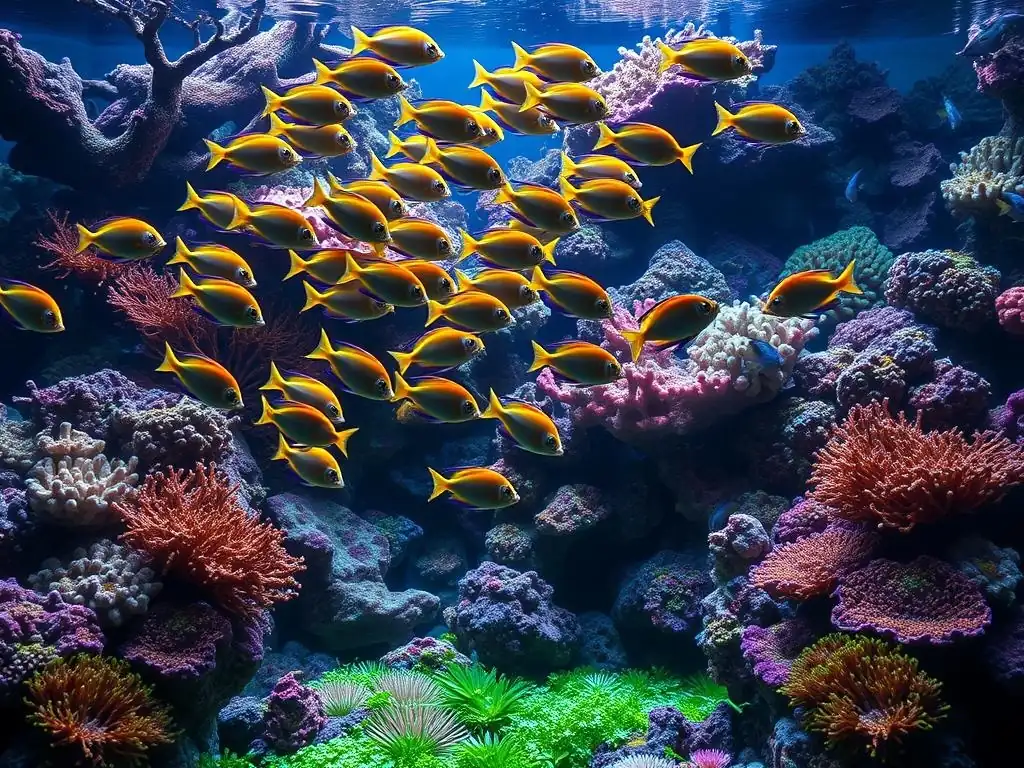
Ever been mesmerized by the vibrant colors and elegant movements of Tang and Surgeonfish? These reef royalty are captivating, but their care requires a dedicated aquarist. Dive into our comprehensive guide to discover the secrets to keeping these graceful grazers thriving in your saltwater aquarium. What essential factors determine their health and happiness? Let's explore!
- The Graceful Grazer: An Introduction to Tangs & Surgeonfishes
- Understanding Tangs and Surgeonfishes: A Comprehensive Guide to Care
- Tang and Surgeonfish Profiles: Identifying Key Species
- Essential Tang and Surgeonfish Care: Creating the Ideal Habitat
- Tang and Surgeonfish Diet: Algae Control and Nutritional Needs
- Tank Mates for Tangs and Surgeonfish: Compatibility and Considerations
- Tang and Surgeonfish Health: Disease Prevention and Treatment
- Algae Control with Tangs and Surgeonfish: A Natural Approach
- Advanced Tang and Surgeonfish Care: Long-Term Health
-
Frequently Asked Questions
- What are the basic needs of Tangs and Surgeonfish in an aquarium?
- What are some common health problems that affect Tangs and Surgeonfish?
- How do I choose the right Tang or Surgeonfish for my aquarium?
- What is the best way to maintain water quality for Tangs and Surgeonfish?
- What type of food should I feed my Tangs and Surgeonfish?
- Final Reflection: The Enduring Allure of the Reef
- Dive Deeper: Transform Your Aquarium Experience!
The Graceful Grazer: An Introduction to Tangs & Surgeonfishes
Understanding Tangs and Surgeonfishes: A Comprehensive Guide to Care
Tangs and surgeonfishes, members of the family Acanthuridae, are among the most sought-after inhabitants for saltwater aquariums, primarily due to their vibrant colors, distinctive body shapes, and their invaluable role as natural algae grazers. This diverse family includes over 80 species, ranging from the iconic Yellow Tang to the majestic Blue Tang, each bringing unique aesthetic and functional benefits to a marine ecosystem.
Understanding the specific requirements for successful Tang and surgeonfish care is paramount, as these active fish thrive in well-maintained environments that mimic their natural coral reef habitats. Their characteristic scalpel-like spine near the tail fin, from which they derive the "surgeonfish" moniker, is a defensive mechanism, highlighting the need for careful handling.
Providing optimal Tang and surgeonfish care involves a holistic approach that encompasses appropriate tank size, stable water parameters, a nutrient-rich diet, and careful consideration of tank mates. These fish are known for their active swimming habits, often cruising along rockwork and glass, constantly foraging for algae. Their natural behavior as grazers makes them excellent candidates for managing nuisance algae in a reef or fish-only-with-live-rock (FOWLR) aquarium.
However, their dietary needs extend beyond natural algae, requiring supplementation to ensure complete nutrition and prevent common health issues. Proper planning and dedication to their specific needs are essential for these beautiful fish to thrive and display their full potential in captivity for many years.
Tang and Surgeonfish Profiles: Identifying Key Species
Yellow Tang (Zebrasoma flavescens): A Popular Choice
The Yellow Tang, Zebrasoma flavescens, is arguably one of the most recognizable and popular marine aquarium fish, celebrated for its brilliant, uniform yellow coloration and graceful swimming. Originating primarily from the reefs around Hawaii and other Pacific islands, these tangs typically reach an adult size of about 7-8 inches (18-20 cm) in captivity, though some specimens may grow slightly larger.
Their popularity stems not only from their striking appearance but also from their diligent algae-grazing habits, making them a functional addition to many reef tanks. Effective Tang and surgeonfish care for a Yellow Tang mandates a minimum tank size of 75 gallons, with larger tanks (100+ gallons) being preferable to accommodate their active swimming and potential territoriality as they mature.
Maintaining a healthy Yellow Tang requires consistent attention to water quality and a diet rich in vegetable matter. While they are voracious algae eaters, relying solely on tank algae is often insufficient for their long-term health. A diet supplemented with high-quality marine flakes, pellets, and various forms of dried seaweed (nori) ensures they receive all necessary nutrients, including crucial omega-3 fatty acids and vitamins.
Regular feeding, typically 2-3 times per day, helps maintain their vibrant coloration and robust immune system. Observing their behavior and feeding response is a key aspect of Tang and surgeonfish care, allowing aquarists to detect early signs of stress or illness.
Blue Tang (Paracanthurus hepatus): The Regal Beauty
The Blue Tang, Paracanthurus hepatus, also known as the Pacific Blue Tang or Regal Tang, is famed for its iconic royal blue body, yellow tail, and black "palette" mark. These stunning fish are native to the Indo-Pacific reefs and are highly sought after for their beauty and peaceful demeanor, especially when young.
However, they can grow quite large, reaching up to 12 inches (30 cm) in length in the wild, and often 8-10 inches (20-25 cm) in a well-maintained home aquarium. This significant adult size necessitates a substantial habitat; a minimum tank of 125 gallons is recommended for a single adult Blue Tang, with 180 gallons or more being ideal to provide ample swimming room and reduce stress, which is a critical component of successful Tang and surgeonfish care.
Blue Tangs are primarily herbivorous, and like other tangs, their diet should consist predominantly of marine algae and vegetable matter. They are constant grazers, making them excellent for controlling nuisance algae, but they also require supplemental feeding. Offering prepared foods such as spirulina flakes, seaweed sheets, and various frozen herbivore formulas ensures they receive a balanced diet.
It's crucial to note that Blue Tangs are more susceptible to common marine ailments like marine Ich (Cryptocaryon irritans) than some other tang species, making diligent observation and a robust quarantine protocol an indispensable part of their Tang and surgeonfish care. Maintaining pristine water quality and a stable environment significantly bolsters their immunity.
Kole Tang (Ctenochaetus strigosus): The Algae Specialist
The Kole Tang, Ctenochaetus strigosus, also known as the Yellow Eye Kole Tang or Gold Ring Bristletooth Tang, stands out among tangs for its unique feeding mechanism and exceptional algae-grazing abilities. Unlike other tangs that primarily graze on larger algae, Kole Tangs possess specialized comb-like teeth adapted for scraping diatoms, cyanobacteria, and fine film algae from rocks and glass surfaces. This makes them highly effective "clean-up crew" members in a reef aquarium.
They are native to the Indo-Pacific region and typically reach a more modest adult size of around 6-7 inches (15-18 cm), making them suitable for slightly smaller tanks than some of their larger relatives. A minimum tank size of 70-90 gallons is generally recommended for a Kole Tang, with ample live rock for grazing and hiding.
While Kole Tangs are incredibly efficient at consuming microalgae, their diet still requires supplementation to ensure complete nutrition. They benefit greatly from a varied diet that includes high-quality flake and pellet foods, as well as dried seaweed (nori) offered on a regular basis. Their constant grazing behavior means they need a continuous supply of food, whether it's naturally occurring algae or offered supplements.
Providing a diverse range of food sources is essential for their long-term health and vibrant coloration. Proper Tang and surgeonfish care for a Kole Tang also involves maintaining stable water parameters and a stress-free environment, as like all tangs, they can be prone to stress-induced illnesses if conditions are not optimal.
Essential Tang and Surgeonfish Care: Creating the Ideal Habitat
Optimal Tank Size: Prioritizing Swimming Space
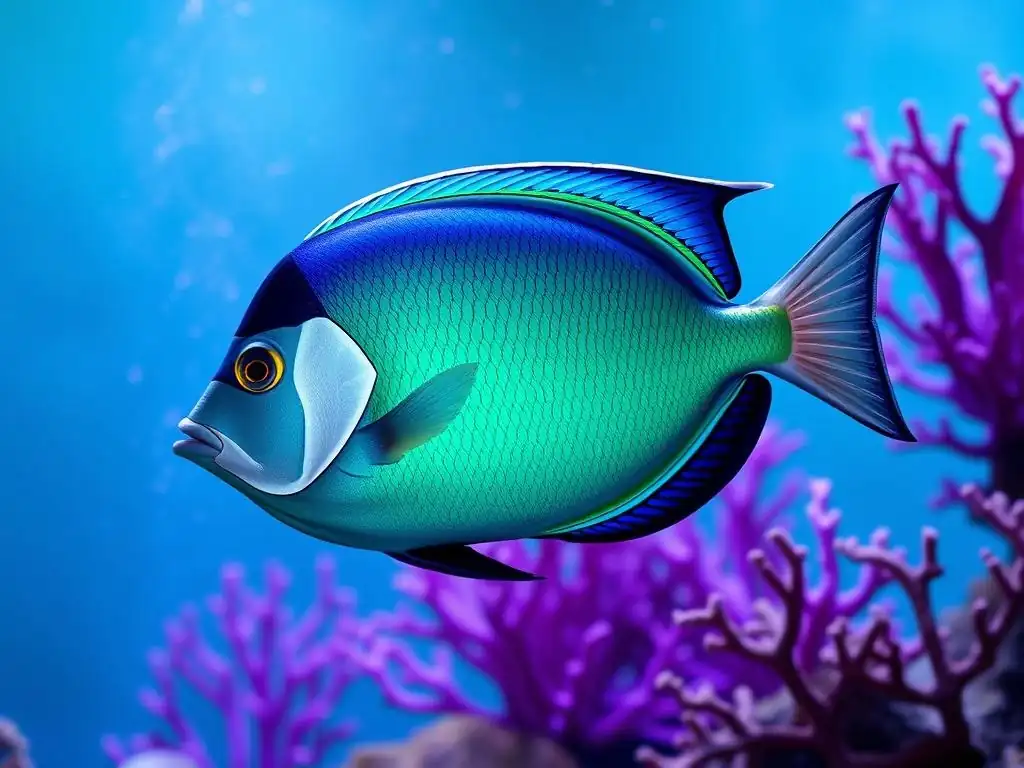
Providing an appropriately sized aquarium is arguably the single most critical factor in successful Tang and surgeonfish care. These are highly active, open-water swimmers that require significant space to thrive, not just survive. Under-sizing their habitat can lead to stunted growth, increased aggression, heightened stress levels, and a compromised immune system, making them highly susceptible to disease.
For instance, a common Yellow Tang, which reaches 7-8 inches, ideally requires a minimum of 75-100 gallons, allowing ample length for cruising. Larger species like the Blue Tang, capable of reaching 10-12 inches, demand tanks of 125-180 gallons or more. The "rule of thumb" often suggests 10-15 gallons per inch of adult fish for active species like tangs, emphasizing the need for horizontal swimming space over vertical depth.
Beyond just volume, the dimensions of the tank are paramount. A long, shallow tank is often more beneficial for tangs than a tall, narrow one, as it provides more linear swimming room. For example, a 6-foot long, 18-inch wide tank offers far more suitable space for an active tang than a 4-foot long, 24-inch wide tank of similar volume.
Incorporating ample live rock aquascaping is also crucial, providing numerous hiding spots and grazing surfaces, which helps to reduce stress and territorial disputes, especially if multiple tangs or other aggressive species are present. Thoughtful planning of the tank environment is foundational to comprehensive Tang and surgeonfish care, ensuring these fish can exhibit their natural behaviors and maintain peak health.
Water Chemistry: Maintaining Stability
Maintaining stable and pristine water chemistry is non-negotiable for exemplary Tang and surgeonfish care. These fish are sensitive to fluctuations in water parameters, and inconsistencies can quickly lead to stress and susceptibility to disease. Key parameters to monitor include pH, alkalinity (dKH), calcium, and magnesium, all of which contribute to the overall stability of a saltwater system.
The ideal pH range for tangs typically falls between 8.1 and 8.4, while alkalinity should be maintained between 8-12 dKH, and calcium levels around 400-450 ppm. Magnesium, often overlooked, plays a vital role in buffering alkalinity and making calcium available, with an ideal range of 1250-1350 ppm. Regular testing, ideally weekly or bi-weekly depending on tank maturity and bioload, is crucial to catch any deviations promptly.
Beyond these core parameters, nitrate and phosphate levels must be kept as low as possible, ideally below 10 ppm for nitrates and undetectable for phosphates, especially in reef systems. High nutrient levels can lead to nuisance algae blooms and degrade water quality, negatively impacting fish health.
Consistent water changes, typically 10-20% bi-weekly or monthly, using high-quality reverse osmosis/deionization (RO/DI) water mixed with a reputable marine salt mix, are essential for replenishing trace elements and exporting accumulated nitrates and phosphates. Furthermore, efficient filtration, including robust protein skimming and potentially the use of GFO (granular ferric oxide) or carbon, significantly contributes to maintaining the stable, high-quality water environment that is fundamental to excellent Tang and surgeonfish care.
Temperature and Salinity: Key Parameters
Temperature and salinity are two fundamental parameters that must be meticulously maintained for optimal Tang and surgeonfish care. For most tropical marine fish, including tangs, a stable water temperature between 75°F and 80°F (24°C - 27°C) is ideal. Fluctuations of more than a couple of degrees within a 24-hour period can cause significant stress, weakening the fish's immune system and making them vulnerable to common ailments like Ich. Using reliable aquarium heaters, often two smaller ones for redundancy in larger tanks, ensures consistent temperature. Monitoring with a quality thermometer, and perhaps a backup, helps confirm stability.
Salinity, or specific gravity, is equally critical. For a typical marine aquarium housing tangs, a specific gravity of 1.023 to 1.026 is recommended, correlating to a salinity of approximately 33-35 parts per thousand (ppt). Maintaining this narrow range is vital, as tangs are sensitive to sudden shifts. Evaporation causes salinity to rise, so daily top-offs with fresh RO/DI water are necessary to compensate.
An auto top-off (ATO) system is highly recommended for consistent salinity maintenance. When performing water changes, ensure the new saltwater matches the tank's existing salinity and temperature as closely as possible. Gradual acclimation to new salinity levels, especially when introducing new fish or making major adjustments, is a cornerstone of responsible Tang and surgeonfish care and crucial for preventing osmotic shock.
Tang and Surgeonfish Diet: Algae Control and Nutritional Needs
The Importance of Algae Grazing
Tangs and surgeonfishes are primarily herbivorous, and their natural role as continuous algae grazers is a cornerstone of their existence in the wild and their utility in home aquariums. In their natural reef habitats, these fish spend the majority of their waking hours picking at various forms of macro and microalgae growing on live rock and coral. This constant grazing not only provides them with essential nutrients but also helps to keep algal growth in check, preventing it from overgrowing corals and other sessile invertebrates.
For instance, a mature Yellow Tang can consume significant amounts of hair algae daily, contributing to a cleaner tank environment. This natural behavior highlights why providing ample opportunities for grazing within the aquarium is a key aspect of their Tang and surgeonfish care.
While tangs are efficient at consuming existing algae, it's crucial to understand that relying solely on tank algae is rarely sufficient to meet their complete nutritional requirements. A tank with a healthy tang population might appear clean, but this doesn't necessarily mean the fish are receiving a balanced diet. Many forms of nuisance algae lack the full spectrum of vitamins, minerals, and essential fatty acids that tangs need for long-term health and vibrant coloration.
Therefore, even the most diligent grazers require supplemental feeding with high-quality, plant-based foods. Overlooking this vital aspect can lead to nutritional deficiencies, weakened immune systems, and conditions like Head and Lateral Line Erosion (HLLE), underscoring the complexity of comprehensive Tang and surgeonfish care.
Supplementing Their Diet: Prepared Foods and Vitamins
Given that tank-grown algae are often insufficient to meet the full dietary needs of tangs and surgeonfishes, supplementing their diet with prepared foods and vitamins is an indispensable part of Tang and surgeonfish care. High-quality marine flakes and pellets formulated for herbivorous fish should form a significant portion of their daily intake. Look for products rich in spirulina, kelp, and other marine algae.
For example, offering a small pinch of spirulina flakes or a few herbivore pellets 2-3 times a day can provide consistent nutrition. Additionally, dried seaweed sheets, commonly known as nori, are an excellent and highly palatable food source. These can be clipped to the side of the tank, allowing tangs to graze naturally throughout the day, mimicking their wild feeding behavior.
Beyond staple foods, incorporating vitamin supplements and varied frozen foods can further enhance their diet. Frozen foods like spirulina brine shrimp, mysis shrimp, or specialized herbivore blends offer diversity and often contain higher concentrations of essential fatty acids and proteins.
Soaking these frozen foods, or even dry flakes and pellets, in a liquid vitamin supplement specifically designed for marine fish (e.g., Selcon or Vita-Chem) once or twice a week can significantly boost their intake of critical vitamins like Vitamin C and A, which are vital for immune function and preventing conditions such as HLLE. This holistic approach to feeding ensures that all aspects of Tang and surgeonfish care related to nutrition are adequately addressed, promoting robust health and longevity.
Preventing Head and Lateral Line Erosion (HLLE)
Head and Lateral Line Erosion (HLLE) is a common and distressing condition that can affect tangs and surgeonfishes, manifesting as pitting and erosion around the head, face, and along the lateral line. While the exact cause is complex and multifaceted, poor water quality, nutritional deficiencies (particularly Vitamin C and A), lack of varied diet, reliance on activated carbon, and stray electrical voltage are all implicated factors. Preventing HLLE is a crucial aspect of advanced Tang and surgeonfish care.
Maintaining consistently low nitrate and phosphate levels, along with stable pH and alkalinity, is foundational. Regular water changes and efficient protein skimming help ensure pristine water quality, minimizing environmental stressors that can contribute to HLLE.
Dietary intervention plays a significant role in HLLE prevention. Ensuring a diet rich in fresh, high-quality marine algae, spirulina-based foods, and vitamin supplements (especially Vitamin C and A) is paramount. For instance, offering fresh macroalgae like Chaetomorpha or Gracilaria in a refugium, or regularly feeding nori soaked in a liquid vitamin supplement, can provide essential nutrients often lacking in dry foods.
Some theories suggest that certain types of activated carbon, particularly those with a high phosphate content or those used excessively, might contribute to HLLE; therefore, using high-grade carbon sparingly and replacing it frequently is advised. Addressing all these potential contributing factors through diligent Tang and surgeonfish care significantly reduces the risk and severity of HLLE, allowing these beautiful fish to maintain their pristine appearance.
Tank Mates for Tangs and Surgeonfish: Compatibility and Considerations
Choosing Peaceful Tank Companions
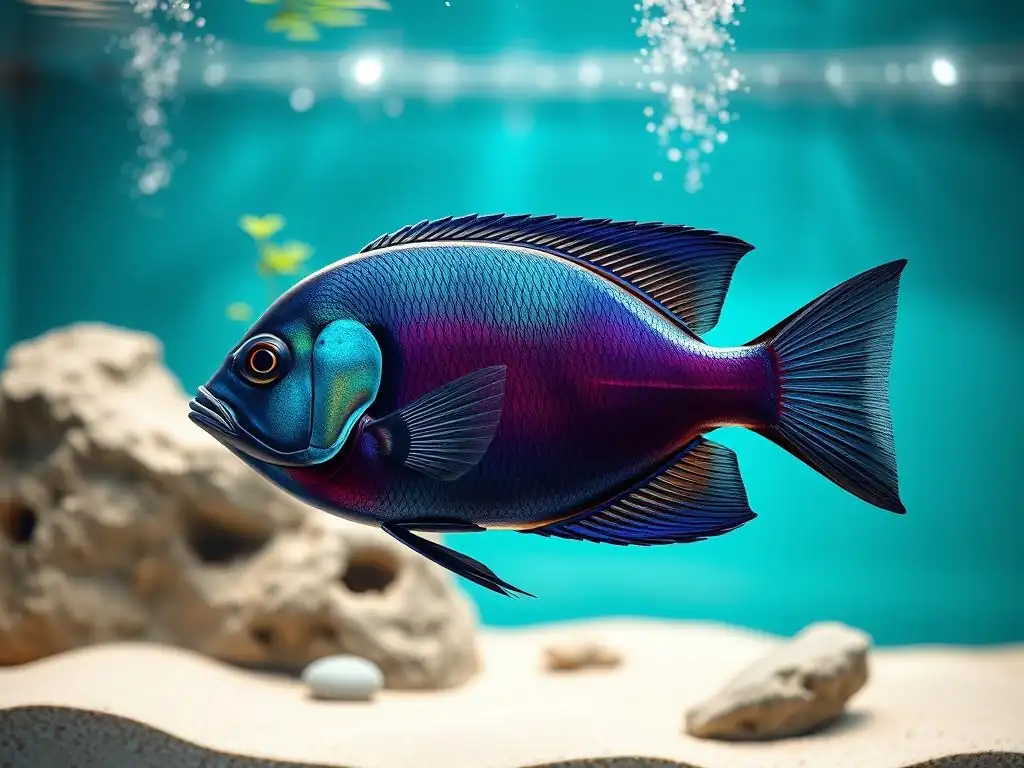
When considering tank mates for tangs and surgeonfishes, the primary goal for responsible Tang and surgeonfish care is to select species that are peaceful, share similar environmental requirements, and do not compete excessively for food or territory. Good choices often include smaller, less aggressive fish that occupy different swimming levels or niches within the aquarium.
For example, various species of peaceful gobies (like Watchman Gobies), blennies (such as Lawnmower Blennies), and certain clownfish (like Ocellaris or Percula Clownfish) can coexist harmoniously with most tangs. These species typically stay in specific areas of the tank or are less active swimmers, minimizing direct interaction and potential conflict with the free-ranging tangs.
Furthermore, many species of chromis, cardinalfish, and certain wrasses (e.g., Flasher Wrasses, Fairy Wrasses) can also make suitable companions. When introducing new fish, it’s always best to add them after the tangs have established themselves, or simultaneously if possible, to minimize territorial aggression. Providing ample live rock with plenty of hiding spots and visual breaks can also help diffuse potential disputes.
Observing the behavior of all tank inhabitants closely after introduction is vital to ensure compatibility and address any signs of stress or aggression promptly. Thoughtful selection of tank mates is a cornerstone of comprehensive Tang and surgeonfish care, promoting a peaceful and thriving community aquarium.
Avoiding Aggressive Tank Mates
Just as important as choosing peaceful tank companions for tangs is identifying and avoiding aggressive tank mates that can cause stress, injury, or even death. Tang and surgeonfish care dictates careful consideration, as tangs themselves can be territorial, especially as they mature or if housed in tanks that are too small. Highly aggressive species like certain triggerfish, large groupers, lionfish, or predatory moray eels are generally unsuitable tank mates.
These fish have strong predatory instincts and can easily harass, injure, or consume smaller or less aggressive tangs. Even certain angelfish, particularly larger or more territorial species, can sometimes nip at tangs or compete aggressively for food and space.
Moreover, while tangs are often housed together, introducing multiple tangs of the same species or even similar body shapes (e.g., two Zebrasoma species like a Yellow Tang and a Purple Tang) into an undersized aquarium can lead to severe aggression, often resulting in one fish dominating and bullying the other to the point of starvation or injury. If multiple tangs are desired, a very large tank (200+ gallons) with diverse aquascaping and careful species selection (e.g., different genera or body shapes) is crucial.
Avoiding overly aggressive or highly competitive species ensures a stable and healthy environment for all inhabitants, thereby upholding the principles of responsible Tang and surgeonfish care.
Tang and Surgeonfish Health: Disease Prevention and Treatment
Common Diseases: Ich and Marine Velvet
Tangs and surgeonfishes are unfortunately notorious for their susceptibility to common marine parasitic diseases, primarily Marine Ich ( Cryptocaryon irritans) and Marine Velvet ( Amyloodinium ocellatum). Ich manifests as small white spots resembling salt grains scattered across the fish's body and fins, often accompanied by flashing (rubbing against tank decor), rapid breathing, and lethargy.
Marine Velvet, on the other hand, appears as a dusty, yellowish-brown film or very fine powder, often more difficult to see than Ich, and progresses much more rapidly, causing severe respiratory distress and gill damage. The high susceptibility of tangs, particularly species like the Blue Tang, makes proactive disease prevention an absolutely critical component of Tang and surgeonfish care.
The stress associated with capture, shipping, and introduction to a new environment significantly weakens a tang's immune system, making them prime targets for these parasites. A new tang introduced without proper quarantine is a common vector for bringing these highly contagious diseases into an established display tank, potentially wiping out the entire fish population. For instance, an outbreak of Marine Velvet can decimate a tank within 24-48 hours if left untreated.
Understanding the symptoms and the rapid progression of these diseases is the first step; the next is implementing rigorous preventative measures. This includes maintaining pristine water quality, providing a nutritious diet, and, most importantly, executing a proper quarantine protocol for every new fish, which is foundational to effective Tang and surgeonfish care.
Recognizing Early Signs of Illness
Early detection of illness is paramount for successful Tang and surgeonfish care and greatly improves the chances of recovery. Tangs, like many fish, often hide symptoms of illness until the disease is quite advanced, making daily observation crucial. Subtle changes in behavior are often the first indicators.
Look for changes in appetite; a healthy tang is usually a voracious eater. Refusal to eat, spitting out food, or showing reduced interest in food are significant red flags. Changes in swimming patterns, such as listlessness, erratic swimming, or hanging near the surface or bottom of the tank, are also strong indicators of distress.
Physical signs, while sometimes appearing later, are also important to recognize. Watch for any changes in coloration, such as dullness, darkening, or blotchiness. The appearance of white spots (Ich), a dusty film (Velvet), or frayed fins are clear signs of parasitic or bacterial infections.
Rapid breathing, labored gill movements, or gasping at the surface indicate respiratory distress, often due to gill parasites or poor water quality. Cloudy eyes, lesions, or unusual growths also warrant immediate attention. By being vigilant and recognizing these early warning signs, aquarists can intervene promptly, isolate the affected fish, and initiate appropriate treatment, thereby significantly enhancing the effectiveness of their Tang and surgeonfish care.
Quarantine and Treatment Options
A robust quarantine (QT) protocol is the single most effective preventative measure in Tang and surgeonfish care to safeguard your main display tank from diseases like Ich and Marine Velvet. Every new tang, regardless of its apparent health, should undergo a minimum 4-6 week quarantine period in a separate, dedicated QT tank.
During this time, the fish can be observed for signs of illness, acclimated to captive foods, and proactively treated for common parasites. Common QT treatments include a copper-based medication (e.g., Cupramine, Copper Power) at a therapeutic level (e.g., 0.5-0.7 ppm) for 30 days to eradicate Ich and Velvet, or the Tank Transfer Method (TTM) which physically removes parasites from the fish through daily transfers between tanks.
If an outbreak occurs in the main display tank, treatment options are more limited, especially in reef systems where many medications are toxic to invertebrates. For fish-only tanks, copper treatments are effective. In reef tanks, options are more challenging; the fish must typically be removed to a hospital tank for treatment, leaving the main tank fallow (fishless) for 76 days at 78°F to starve out the parasites.
Other treatments for specific issues include freshwater dips for temporary parasite removal, or antibiotics for bacterial infections. Always research and understand the specific medication and its implications thoroughly before administering. Diligent quarantine and swift, appropriate treatment are indispensable pillars of responsible Tang and surgeonfish care.
Algae Control with Tangs and Surgeonfish: A Natural Approach
Utilizing Tangs and Surgeonfish for Algae Management
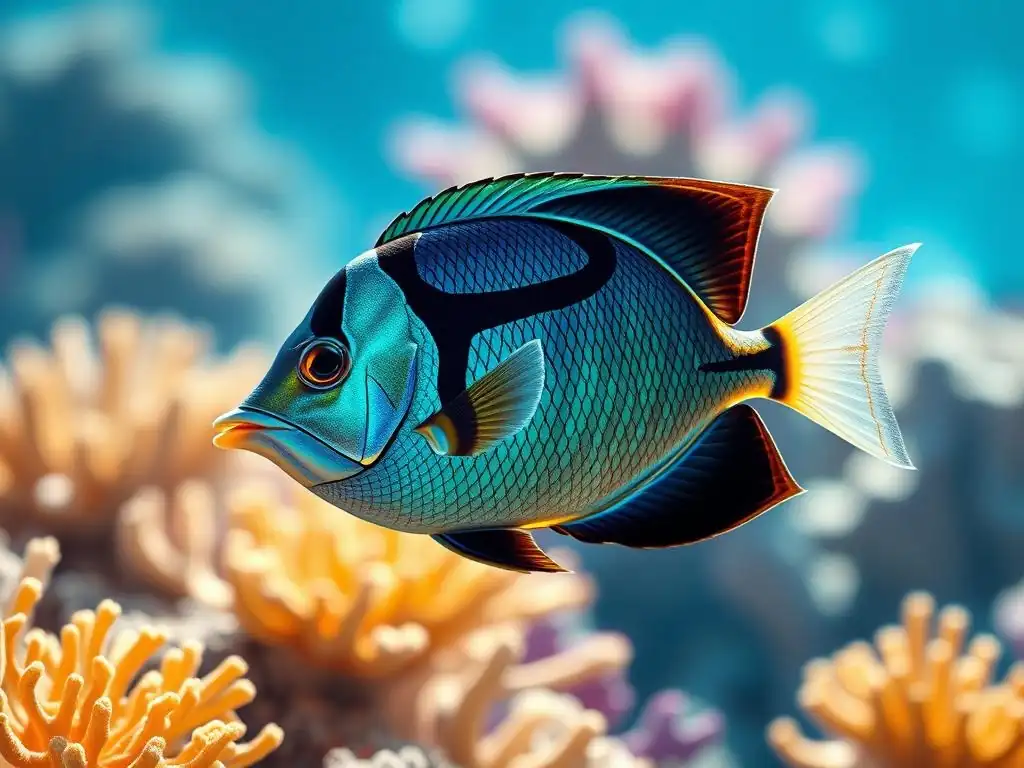
Tangs and surgeonfishes are renowned for their natural ability to graze on algae, making them highly desirable additions to marine aquariums for biological algae control. Their constant foraging behavior helps to keep various forms of nuisance algae in check, contributing to a cleaner and more aesthetically pleasing tank environment. For instance, species like the Yellow Tang and Kole Tang are particularly effective at consuming film algae, diatoms, and some types of hair algae.
A single healthy Yellow Tang in a 100-gallon system can significantly reduce the need for manual glass cleaning and can actively graze on algae growing on live rock, helping to maintain the natural balance of the ecosystem. This natural approach to algae management is a key benefit derived from proper Tang and surgeonfish care.
However, it's crucial to understand that while tangs are excellent grazers, they are not a magic bullet for severe algae problems caused by underlying nutrient imbalances. If a tank is experiencing a rampant outbreak of hair algae due to high nitrates and phosphates, a tang alone may not be able to fully control it. Instead, they act as a valuable component of an integrated algae management strategy that also includes nutrient export (e.g., protein skimming, refugiums, GFO), proper lighting schedules, and judicious feeding.
Utilizing tangs for algae management is most effective when they are healthy and well-fed, as stressed or malnourished fish will not graze efficiently. Therefore, a holistic approach to Tang and surgeonfish care supports their natural role in maintaining a balanced, algae-controlled aquarium.
Maintaining a Balanced Ecosystem
Beyond their direct role in algae control, tangs and surgeonfishes contribute to maintaining a balanced ecosystem in a marine aquarium through their continuous activity and grazing patterns. Their constant movement helps circulate water around live rock, preventing stagnant spots where detritus can accumulate. As they graze, they also help to prune and manage the growth of beneficial macroalgae in a reef setting, preventing it from overgrowing corals.
For example, in a mature reef tank, a healthy tang population can contribute to the overall cleanliness and vitality of the system by disturbing algal mats and making them more accessible to other detritivores. This active participation in the tank's ecology underscores the importance of integrating Tang and surgeonfish care into broader aquarium management strategies.
However, it's vital to remember that a balanced ecosystem is not solely dependent on the presence of algae-eating fish. It requires a comprehensive approach that includes robust filtration, regular water changes, appropriate lighting, and careful feeding practices. Overfeeding, insufficient nutrient export, or excessive light periods can easily overwhelm a tang's grazing capacity, leading to an imbalance.
Therefore, while tangs are invaluable tools for algae management, they are best viewed as part of a larger, synergistic system. Successful long-term Tang and surgeonfish care ensures that these fish are not just surviving, but thriving, and in turn, actively contributing to the stability and health of the entire aquarium ecosystem.
Advanced Tang and Surgeonfish Care: Long-Term Health
Long-Term Care Strategies for Thriving Tangs and Surgeonfish
Achieving long-term success with tangs and surgeonfishes in a home aquarium requires more than just meeting their basic needs; it demands advanced Tang and surgeonfish care strategies focused on their sustained health and well-being. One critical strategy is consistent water quality monitoring and maintenance. Beyond weekly testing, consider adding automated dosing systems for alkalinity, calcium, and magnesium to maintain ultra-stable parameters, especially in large reef tanks.
Regular, perhaps bi-weekly, 10-15% water changes are more beneficial than less frequent, larger changes, as they minimize parameter swings and replenish trace elements more consistently. Using a high-quality salt mix and RO/DI water is non-negotiable.
Another key strategy is providing a highly varied and nutrient-dense diet throughout their lifespan. While their primary diet is algae, supplementing with various types of marine flakes, pellets, and frozen foods (e.g., spirulina-enriched brine shrimp, mysis shrimp, or specialized herbivore blends) prevents nutritional deficiencies. Offering different forms of dried seaweed (nori) daily, sometimes soaked in vitamin supplements like Selcon, ensures a constant supply of essential vitamins and fatty acids, crucial for preventing conditions like HLLE.
Furthermore, minimizing stress through appropriate tank size, compatible tank mates, ample hiding spots, and a stable environment is paramount. Long-term Tang and surgeonfish care also involves proactive observation for early signs of illness, allowing for prompt intervention and treatment, ultimately leading to decades of enjoyment from these magnificent marine fish.
Frequently Asked Questions
What are the basic needs of Tangs and Surgeonfish in an aquarium?
Tangs and Surgeonfish require a large tank with plenty of swimming space and high water quality. They are also herbivores and need a diet rich in algae and plant matter.
What are some common health problems that affect Tangs and Surgeonfish?
Common health problems include ich (white spot disease), lateral line erosion (HLLE), and nutritional deficiencies. Proper quarantine and a varied diet are crucial for preventing these issues.
How do I choose the right Tang or Surgeonfish for my aquarium?
Consider the tank size requirements of the specific species, as some grow very large. Also, research their temperament to ensure they are compatible with other fish in your aquarium.
What is the best way to maintain water quality for Tangs and Surgeonfish?
Regular water changes are essential, along with a powerful filtration system to remove waste. Maintaining stable parameters, like salinity and pH, is also critical.
What type of food should I feed my Tangs and Surgeonfish?
Their diet should consist primarily of marine algae sheets and high-quality vegetable-based flakes or pellets. Supplement with occasional meaty foods for a balanced diet, though algae should be the main component.
Final Reflection: The Enduring Allure of the Reef
The vibrant world of Tangs and Surgeonfish, as we've explored, is not just a spectacle of color and form, but a delicate ecosystem demanding our respect and understanding. Their survival in our aquariums, and indeed in the wild, hinges on responsible stewardship and informed care. The principles of diligent observation, appropriate environment, and mindful feeding, outlined throughout this article, are not merely guidelines, but a commitment to preserving the beauty and biodiversity of our oceans, one tank at a time.
The allure of these reef inhabitants extends beyond the aesthetic; it speaks to a deeper connection with the natural world. My own fascination with Tangs and Surgeonfish began with a simple childhood visit to an aquarium, sparking a lifelong appreciation for the intricate balance of marine life. In the end, we will conserve only what we love; we will love only what we understand; and we will understand only what we are taught.
- Baba Dioum. This quote encapsulates the very essence of responsible aquarism: education, understanding, and ultimately, conservation.
As you close this article, I invite you to reflect on your own role in the future of these magnificent creatures. Consider the choices you make, the information you seek, and the actions you take, both within your aquarium and beyond. Let the graceful graze of the Tang and Surgeonfish remind you of the interconnectedness of all life, and inspire you to become a champion for the health and vitality of our oceans.
Dive Deeper: Transform Your Aquarium Experience!
Thank you for exploring the captivating world of Tangs and Surgeonfish with us. We hope this introduction has sparked a new appreciation for these graceful grazers and their unique needs. Now, let's turn that knowledge into action!
Here's how you can continue your journey:
- Prioritize responsible fishkeeping: If you're considering adding a Tang or Surgeonfish to your aquarium, research their specific size requirements, dietary needs, and temperament to ensure a suitable environment.
- Explore the diversity: Delve into detailed profiles of different Tang and Surgeonfish species to discover the perfect fit for your existing aquarium ecosystem.
- Share the wonder: Post your favourite Tang or Surgeonfish to your social media, using #AquariumMastery, and tell us why you love these fish.
What fascinating fact about Tangs or Surgeonfish surprised you the most, and how will it influence your aquarium practices?