
Wrasse Communication: The Subtle Art of Body Language and Color Changes


Welcome to Aquarium Mastery!
Ever wondered what your Wrasse is really trying to tell you? Dive into our comprehensive guide, " Wrasse Communication: The Subtle Art of Body Language and Color Changes," and unlock the secrets behind those vibrant colors and fascinating movements. Understanding Wrasse body language signals is key to a thriving saltwater aquarium. Ready to decode the underwater conversation? Let's get started!
- Cleaner Wrasse Communication: The Subtle Art of Tactile and Visual Signals
- Understanding Cleaner Wrasse Communication in the Reef Aquarium
- Cleaner Wrasse Body Language Signals: A Detailed Guide
- Specific Cleaner Wrasse Species and Their Unique Communication Styles
- Environmental Factors Affecting Cleaner Wrasse Communication
- Identifying Stress Signals in Cleaner Wrasses: What to Look For
- Promoting Healthy Communication in Your Cleaner Wrasse Aquarium
- Advanced Techniques for Observing Cleaner Wrasse Communication
- Conclusion: The Fascinating World of Cleaner Wrasse Communication
-
Frequently Asked Questions
- What are some common body language signals exhibited by wrasse fish?
- How do color changes play a role in wrasse communication?
- What might it mean if a wrasse is darting around the aquarium erratically?
- How can I interpret wrasse behavior in a community aquarium setting?
- What resources are available to learn more about specific wrasse species' body language?
- Final Reflection: Decoding the Underwater Dialogue
- Unleash the Secrets: Connect with Your Fish Today!
Cleaner Wrasse Communication: The Subtle Art of Tactile and Visual Signals
Understanding Cleaner Wrasse Communication in the Reef Aquarium
Decoding Cleaner Wrasse Behavior: An Introduction to their Communication Methods
Cleaner wrasses are among the most fascinating inhabitants of coral reefs, known for their unique symbiotic relationship with other fish species. Their survival hinges on intricate communication, allowing them to attract "client" fish and provide essential cleaning services. This involves a complex interplay of visual cues, specific movements, and even tactile interactions, forming a sophisticated system of wrasse body language signals that is vital for their ecological role.
These highly specialized behaviors are not merely instinctive; they are learned and refined within the dynamic reef environment. From the moment a cleaner wrasse establishes its cleaning station, it continuously broadcasts its presence and intent through a series of unmistakable gestures. Understanding these fundamental communication methods is the first step for any aquarist seeking to appreciate the complexity of these remarkable creatures.
The Importance of Recognizing Cleaner Wrasse Signals in Reef Tank Care
For aquarists, discerning cleaner wrasse communication is paramount for successful husbandry and maintaining a harmonious reef tank. The subtle wrasse body language signals can provide early warnings of stress, disease, or incompatibility within the aquarium environment, allowing for timely intervention. For instance, a healthy cleaner wrasse, such as Labroides dimidiatus, actively solicits clients for a significant portion of its waking hours, often engaging in dozens of cleaning interactions daily.
Recognizing these signals helps ensure the well-being of the cleaner wrasse and its tank mates. A wrasse that exhibits typical cleaning behaviors and vibrant coloration is likely thriving, whereas one showing signs of lethargy or dullness may be experiencing stress due to poor water quality, aggression from tank mates, or illness. Observing these cues empowers aquarists to proactively adjust tank conditions or re-evaluate compatibility, contributing to the overall health of the entire reef ecosystem within the aquarium.
Cleaner Wrasse Body Language Signals: A Detailed Guide
Posture and Movement: Interpreting Cleaner Wrasse Body Language
Posture and movement form the bedrock of cleaner wrasse communication, conveying everything from an invitation to clean to a warning against rivals. These fish utilize their entire bodies to create distinct visual signals that are universally understood by a wide array of client fish. The precision of these movements allows for clear communication in a bustling reef environment, where misinterpretations could be costly.
At their established cleaning stations, cleaner wrasses adopt specific postures that immediately signal their availability. This intricate wrasse body language is a cornerstone of their symbiotic relationships, ensuring that client fish feel secure enough to approach and allow the wrasse to remove parasites and dead tissue. Even subtle shifts in fin position or body orientation carry significant meaning in their interactions.
"Dancing" Behavior: Advertising Services
One of the most iconic displays of cleaner wrasse body language is the "dancing" or "solicitation" behavior. When a potential client fish approaches a cleaning station, the cleaner wrasse often performs a distinctive, undulating swim, moving its body in a rapid up-and-down or side-to-side motion. This energetic display is a clear advertisement of its cleaning services, signaling to the client that it is ready and willing to perform its duties.
This characteristic dance is remarkably effective in attracting a diverse range of client fish, from small damselfish to much larger groupers. The visual prominence of this wrasse body language signal helps to distinguish the cleaner wrasse from potential predators, reassuring the client fish that it is safe to approach and present itself for cleaning. Studies have indicated that this display significantly increases the approach rate of client fish compared to a stationary posture.
Body Postures: Appeasement and Eliciting Cleaning
Beyond advertising, cleaner wrasses employ specific body postures for appeasement and to encourage clients to present for cleaning. When a larger, potentially predatory fish approaches, the wrasse may adopt a submissive posture, sometimes involving a slight quiver of the body or a head-down orientation. This reduces the client's apprehension and signals non-aggression, fostering trust within the interaction.
To elicit cleaning, particularly from reluctant clients or to access difficult areas, wrasses may gently peck at the host's fins or body. They can even bravely swim into the host's mouth or gill covers, a remarkable display of trust from both parties. This tactile communication, combined with precise wrasse body language signals, encourages the host fish to open its mouth or flare its gills, allowing the cleaner wrasse to perform its vital service.
Color Changes in Cleaner Wrasses: More Than Just Pretty Patterns
Cleaner wrasses possess the remarkable ability to rapidly alter their coloration, a sophisticated form of communication that goes far beyond mere aesthetics. These changes are facilitated by specialized pigment cells called chromatophores and light-reflecting iridophores, allowing for dramatic shifts in hue and intensity. These color changes serve crucial communication purposes, conveying information about identity, emotional state, and reproductive readiness.
The patterns and intensity of their colors are integral to their social interactions and survival. For example, a cleaner wrasse might darken its entire body, intensify specific stripes, or display blotches depending on the context. These dynamic color shifts are a critical component of their wrasse body language, providing immediate visual cues to both conspecifics and client fish about their current status or intentions.
Understanding the Role of Color in Species Recognition
One of the most vital roles of color in cleaner wrasse communication is species recognition. The distinct color patterns, such as the prominent longitudinal blue stripe of Labroides dimidiatus against a darker body, act as a universally recognized "uniform." This visual signal immediately identifies the fish as a cleaner, allowing client fish to distinguish them from predatory species which might have similar body shapes.
This interspecies communication relies heavily on these fixed, yet sometimes modifiable, color signals. The consistent pattern reassures client fish that the approaching wrasse is a cleaner, not a threat, thereby establishing the necessary trust for the cleaning symbiosis to occur efficiently. Without this clear visual identification, the cleaning relationship, a cornerstone of reef health, would be severely hampered.
Color as a Signal: Maturity and Territory
Beyond species recognition, color changes in cleaner wrasses also serve as signals for maturity, reproductive status, and territorial defense. As some wrasse species mature, their colors may intensify or new patterns may emerge, signaling readiness to potential mates during breeding seasons. For instance, males might display brighter, more vibrant hues to attract females.
In territorial disputes, particularly over cleaning stations, cleaner wrasses can intensify their colors or display specific patterns to warn off rivals. An individual defending its territory might exhibit a darker, more imposing coloration or emphasize specific stripes to communicate aggression and dominance. This aggressive color display is a key aspect of their wrasse body language, helping to resolve conflicts without direct physical confrontation.
Specific Cleaner Wrasse Species and Their Unique Communication Styles
Labroides dimidiatus: Communication Cues and Meanings
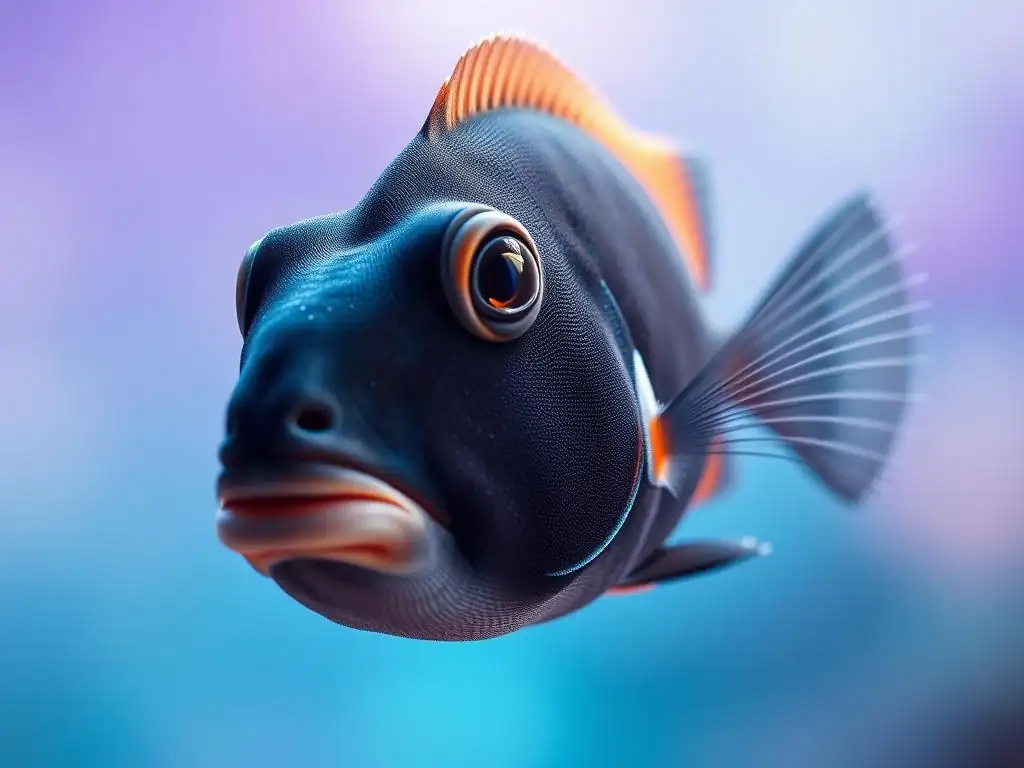
Labroides dimidiatus, commonly known as the Blue-streak Cleaner Wrasse, is perhaps the most well-known and extensively studied cleaner species. It is a quintessential example of a highly communicative fish, whose survival depends entirely on its ability to interact effectively with a diverse array of client fish. Its widespread presence across Indo-Pacific reefs underscores the efficacy of its communication repertoire.
This species employs a rich vocabulary of wrasse body language signals, beyond just the "dancing" display. It uses subtle fin movements, precise body orientations, and even momentary pauses to interact with clients ranging from small reef dwellers to large pelagic fish. Its communication is highly adaptable, allowing it to adjust its approach based on the size, species, and receptiveness of the host.
Tail Flicking: Signaling Readiness to Clean
A specific and effective communication cue observed in Labroides dimidiatus is tail flicking. When a potential client fish approaches, the cleaner wrasse will often perform a rapid, side-to-side movement of its caudal (tail) fin, frequently accompanied by a slight quiver of its entire body. This distinct wrasse body language signal is a clear invitation for the host to approach and present itself for cleaning.
This tail-flicking behavior is a critical component of their "advertising" strategy, signaling immediate readiness and non-aggression. It is highly effective in attracting clients, as it provides an unambiguous visual cue of the wrasse's cleaning intent. The consistency and clarity of this signal minimize hesitation from client fish, facilitating the swift initiation of the cleaning process.
While technically a goby, Elacatinus evelynae, the Sharknose Goby, functions as a cleaner fish in a manner strikingly similar to cleaner wrasses and exhibits its own complex communication behaviors. Despite its smaller size (typically less than 2 inches), it plays a significant role in Caribbean reef ecosystems. Unlike many cleaner wrasse species which are solitary or pair-bonded, E. evelynae often forms small colonies or aggregates.
This social structure necessitates a different set of communication cues, particularly for intraspecific interactions. They utilize subtle color changes, changes in proximity, and specific fin displays to coordinate activities within their group and to interact with client fish. Understanding their unique wrasse body language signals (or cleaner goby equivalent) is essential for their successful integration into a reef aquarium.
Shared Cleaning Stations: Cooperative Behavior
Elacatinus evelynae is notable for its tendency to establish and share cleaning stations, often with other individuals of its own species or even other cleaner gobies. This cooperative behavior, where multiple cleaners operate from a single prominent location, allows for a higher volume of clients to be serviced efficiently. It also potentially provides safety in numbers, as larger groups may deter predators.
The communication at these shared stations is often less aggressive than typical territorial displays. Instead, E. evelynae might use subtle nudges, changes in body orientation, or strategic positioning to manage client flow and avoid conflict with co-cleaners. Their wrasse body language signals, though perhaps less dramatic than those of larger wrasses, are adapted for these group interactions, emphasizing coordination and efficiency.
Environmental Factors Affecting Cleaner Wrasse Communication
Water Quality and Its Impact on Wrasse Behavior and Color
Pristine and stable water quality is not just essential for cleaner wrasse health; it directly impacts their ability to communicate effectively. Poor water parameters, such as elevated nitrates (e.g., above 20 ppm), fluctuating pH (outside the optimal 8.1-8.4 range), or improper salinity (outside 1.023-1.026), can induce severe stress. This stress often manifests as lethargy, reduced activity, and a significant decline in cleaning behavior.
Visually, stressed wrasses frequently display duller coloration, losing the vibrant hues that are crucial for their communication. For instance, the characteristic blue stripe of Labroides dimidiatus may appear faded or grayish. These changes in wrasse body language and color are direct indicators of physiological distress, hindering their ability to attract clients and perform their vital symbiotic role, making water quality monitoring critical.
Reef Structure and Its Influence on Cleaning Station Establishment
The physical structure of the reef, or in an aquarium, the live rock aquascaping, profoundly influences cleaner wrasse communication by dictating the establishment of cleaning stations. Cleaner wrasses require prominent, easily identifiable locations—such as large rocks, coral heads, or ledges—from which to operate and advertise their services. A well-structured tank provides multiple such strategic points.
Conversely, an inadequate or poorly arranged reef structure can severely disrupt communication. Without clear, elevated cleaning stations (typically at least 15 cm from the substrate), wrasses may struggle to attract clients, leading to reduced feeding opportunities and increased stress. The accessibility and visibility of these stations are paramount for the wrasse to effectively broadcast its wrasse body language signals to passing fish.
The Role of Host Fish in Shaping Cleaner Wrasse Communication
Cleaner wrasse communication is inherently a two-way street, with the behavior of host fish significantly shaping the wrasse's communicative responses. The presence, abundance, and diversity of compatible host fish in an aquarium are crucial for encouraging natural cleaning behaviors and communication patterns. A tank with a wide array of potential clients fosters a more dynamic and active cleaning environment.
Host fish also provide specific cues that wrasses interpret and respond to. For example, a host fish presenting itself with open gill covers, a specific fin posture, or a slight tremor will elicit a particular cleaning response from the wrasse. The cleaner wrasse continually adapts its wrasse body language signals and cleaning approach based on the host's receptiveness and needs, showcasing a sophisticated level of interspecies understanding.
Identifying Stress Signals in Cleaner Wrasses: What to Look For
Recognizing Signs of Distress Through Body Language
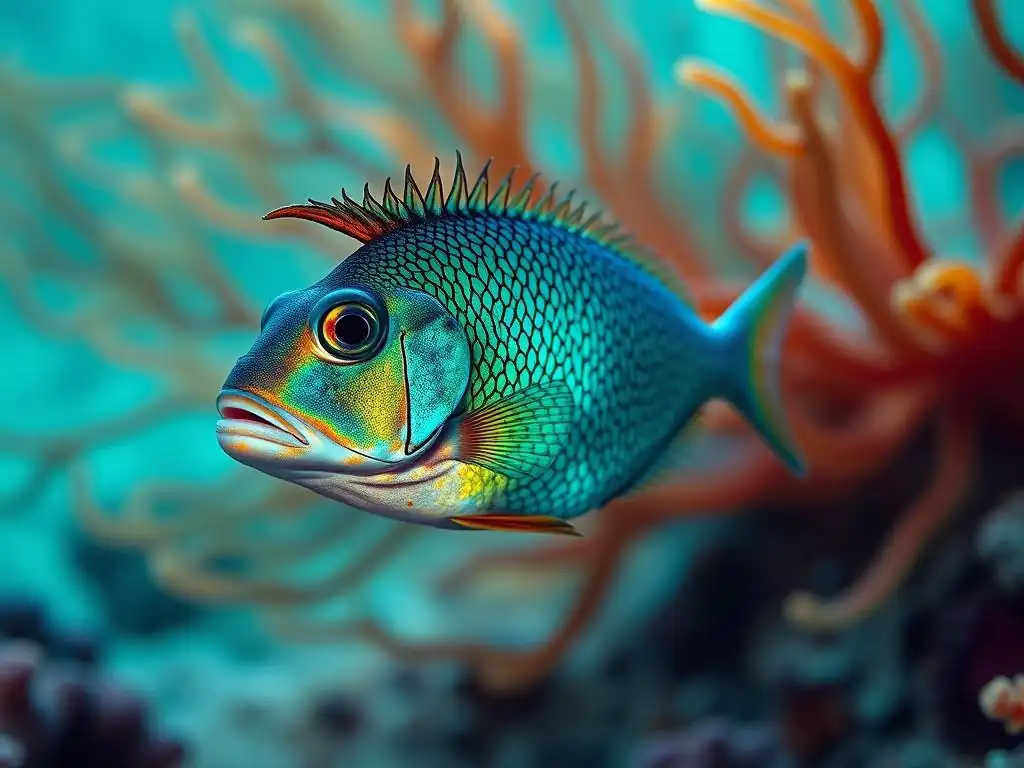
Stress in cleaner wrasses often manifests clearly through altered wrasse body language signals, deviating significantly from their natural, active demeanor. Instead of actively soliciting clients with their characteristic "dance," a stressed wrasse might exhibit clamped fins, indicating discomfort, or rapid operculum movement (breathing), potentially exceeding 100 beats per minute, signaling respiratory distress.
These changes are critical indicators for the attentive aquarist. A healthy cleaner wrasse is typically vibrant, inquisitive, and constantly engaged in its environment. Persistent hiding, a complete refusal to engage in cleaning activities, or erratic, darting movements that appear panicked are strong signs of distress. Such behaviors warrant immediate investigation into tank conditions, potential aggression from tank mates, or the onset of illness.
Reduced Cleaning Activity and Hiding Behavior
One of the most prominent signs of stress or poor health in a cleaner wrasse is a significant reduction in, or complete cessation of, its cleaning activity. While a healthy cleaner wrasse typically services numerous clients throughout the day, a stressed individual will often ignore potential hosts, even those directly presenting themselves for cleaning. This lack of engagement is a clear red flag.
Accompanying this reduced activity, an increase in hiding behavior is another key indicator of distress. Instead of remaining visible at its cleaning station, a stressed wrasse will spend excessive time hidden among the live rock or substrate, only emerging reluctantly. This contrasts sharply with their natural, exposed behavior, and signifies a deep-seated discomfort or illness that requires prompt attention.
Color Changes as Indicators of Stress or Illness
Color changes are often among the earliest and most visually apparent cues of stress or illness in cleaner wrasses. A healthy cleaner wrasse maintains vibrant, distinct colors that are integral to its communication and identification. Any fading, dullness, or the appearance of patchy discoloration is a significant red flag that should prompt immediate investigation.
Illnesses, particularly parasitic infestations like marine ich (Cryptocaryon irritans), can cause specific changes in coloration, such as a dusty appearance or white spots, in addition to physical symptoms. Monitoring these subtle shifts in wrasse body language and coloration is crucial for early detection, allowing for timely intervention and treatment before conditions worsen.
Dull Colors or Increased Irregularities
For a species like Labroides dimidiatus, which typically boasts a vivid blue stripe against a darker posterior body, stress often leads to a noticeable dulling of these colors. The signature blue stripe may appear faded, grayish, or less defined, losing its characteristic vibrancy. The overall body coloration might also become muted, indicating a general decline in health or well-being.
Furthermore, the appearance of irregular dark patches or blotches on the body, especially if they are not part of the wrasse's natural color pattern, can signal internal stress, parasitic infestations, or bacterial infections. These visual wrasse body language signals should prompt immediate water quality checks, close observation for other symptoms, and consideration of appropriate treatments to restore the wrasse's health and natural communicative abilities.
Promoting Healthy Communication in Your Cleaner Wrasse Aquarium
Creating a Suitable Environment for Natural Behaviors
To foster healthy communication and natural behaviors in your cleaner wrasse, it is paramount to create an environment that closely mimics their natural reef habitat. This includes maintaining stable and optimal water parameters: salinity between 1.023 and 1.026 specific gravity, a consistent temperature range of 74-82°F (23-28°C), and a pH between 8.1 and 8.4. Appropriate lighting and sufficient water flow are also crucial for their well-being.
A well-established tank, ideally over 100 gallons for a cleaner wrasse, with mature live rock and a diverse community of compatible fish, will encourage a dynamic and engaging environment. Such a setup allows cleaner wrasses to thrive, exhibit their full range of wrasse body language signals, and engage in their vital cleaning symbiosis, contributing to a vibrant and healthy reef aquarium.
Providing Adequate Reef Structure and Hiding Places
Providing ample reef structure with live rock is essential for cleaner wrasses. While these fish spend much of their day out in the open, actively seeking clients, they require secure crevices, caves, and overhangs for retreating when feeling threatened or for sleeping at night. These hiding places offer a sense of security, reducing stress and promoting natural behaviors.
Strategic placement of live rock can also create multiple potential cleaning stations. This is particularly beneficial in larger tanks or if housing multiple cleaner wrasses, as it can reduce competition and provide various options for client fish. A general guideline is to provide at least 1 pound of live rock per gallon of tank volume to create a rich and complex environment.
Introducing New Wrasses: Minimizing Competition and Promoting Harmony
When introducing new wrasses, especially of the same or similar species, exercise extreme caution and observe their wrasse body language signals closely for signs of aggression. Cleaner wrasses can be territorial, and conflicts may arise, manifesting as chasing, nipping, or intensified colors during confrontations. Slow acclimation, over at least 30 minutes using a drip method, is crucial to minimize initial stress.
It is often advisable to introduce multiple cleaner wrasses simultaneously if planning a group, as this can diffuse aggression by preventing one individual from establishing sole dominance. Alternatively, if adding to an existing cleaner, introduce a smaller, less dominant individual to an established one to reduce territorial disputes. Providing ample space and multiple cleaning stations can also help mitigate competition and promote harmony.
Advanced Techniques for Observing Cleaner Wrasse Communication
Monitoring Cleaning Rates and Interactions
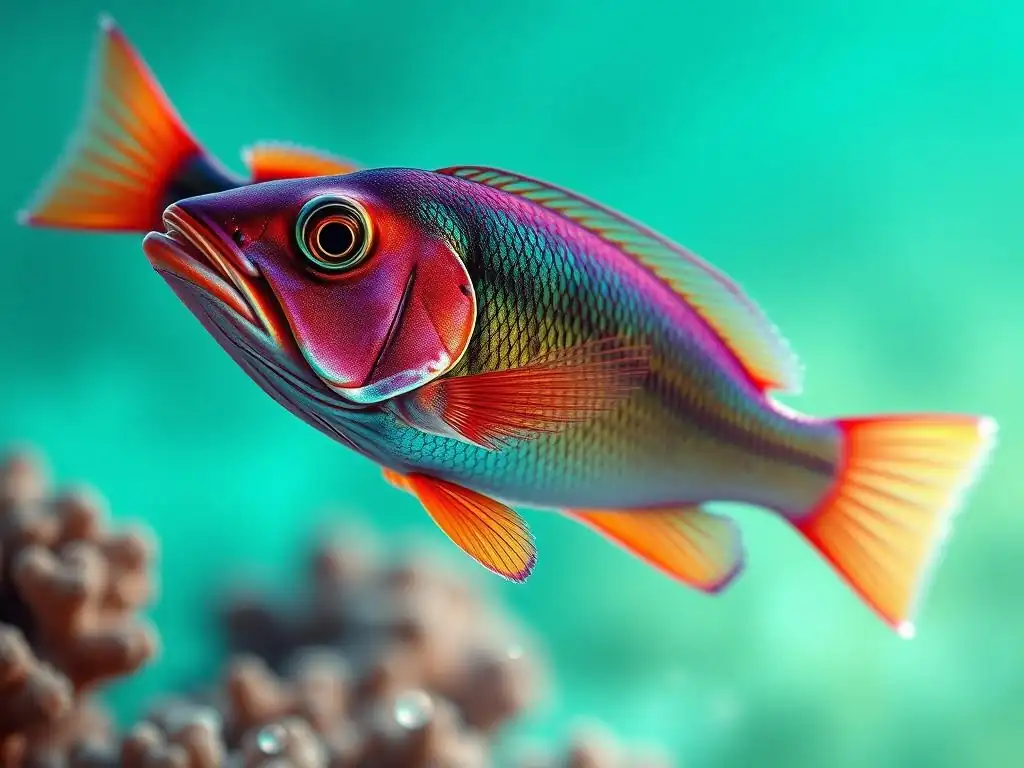
For the dedicated aquarist, monitoring the frequency and duration of cleaning interactions can provide profound insights into the cleaner wrasse's health, effectiveness, and overall well-being. A healthy and thriving cleaner wrasse, for example, may engage in dozens of cleaning events per hour during peak periods of client activity, especially after feeding times for the tank's inhabitants.
Observe not only the wrasse but also the host fish's reactions. Do client fish readily approach the wrasse? Do they display characteristic postures, such as flaring their gills, opening their mouths wide, or remaining still? These reciprocal wrasse body language signals confirm a successful and beneficial symbiotic relationship, indicating a well-adjusted and active cleaner in your aquarium.
Understanding the Benefits of Cleaning Symbiosis
The cleaning symbiosis facilitated by cleaner wrasses is a cornerstone of reef health, both in the wild and in a well-maintained aquarium. Wrasses meticulously remove ectoparasites, such as trematodes and isopods, as well as dead tissue from host fish. This vital service contributes significantly to the overall well-being of the host fish, reducing disease transmission and promoting skin and fin health within the aquarium ecosystem.
For the cleaner wrasse, this relationship is a vital food source. A single cleaner wrasse can remove hundreds of ectoparasites daily, illustrating the efficiency and importance of their role. This mutually beneficial relationship, orchestrated by intricate wrasse body language signals, highlights the ecological significance of these fascinating fish and their contribution to the delicate balance of marine life.
Conclusion: The Fascinating World of Cleaner Wrasse Communication
Appreciating the Complexity of Cleaner Wrasse Body Language
The world of cleaner wrasse communication is a truly fascinating realm, characterized by a sophisticated interplay of visual and tactile signals. Their ability to convey specific intentions and information across species, through an elaborate vocabulary of wrasse body language, color changes, and precise movements, is a testament to their remarkable evolutionary adaptation. This intricate communication system underpins their ecological success as essential cleaners.
For the aquarist, developing an understanding and appreciation for these subtle wrasse body language signals enriches the entire aquarium keeping experience. It transforms passive observation into active engagement, allowing for a deeper connection with these intelligent and vital marine inhabitants. This knowledge significantly improves the chances of maintaining healthy, thriving cleaner wrasses in a reef aquarium, fostering a balanced and engaging ecosystem.
Further Research and Resources for Reef Aquarium Enthusiasts
The journey into understanding cleaner wrasse communication is ongoing, and there is always more to learn. Aquarists are encouraged to delve deeper into specific species profiles, scientific studies on cleaner wrasse behavior, and advanced reefkeeping resources. These detailed accounts often provide nuanced insights into the variations in wrasse body language among different species and their specific ecological roles.
Ultimately, the observation of these intricate interactions in a home aquarium offers a unique and privileged window into the complexities of marine biology. By continuously learning and applying knowledge about wrasse communication, enthusiasts can foster a deeper appreciation for the delicate balance of reef ecosystems and contribute to the successful husbandry of these indispensable marine creatures.
Frequently Asked Questions
What are some common body language signals exhibited by wrasse fish?
Wrasse communicate through a variety of signals, including fin displays, body posture, and color changes. These can indicate aggression, courtship, or general well-being.
How do color changes play a role in wrasse communication?
Wrasse are known for their vibrant colors, which can change rapidly to express emotions or signal breeding readiness. These color shifts are crucial for social interaction.
What might it mean if a wrasse is darting around the aquarium erratically?
Erratic darting can indicate stress, illness, or aggression. Observe other tank mates and water parameters to determine the cause.
How can I interpret wrasse behavior in a community aquarium setting?
Consider the context of the environment. Are there other fish present? Is there competition for food or territory? Observe interactions to understand the communication.
What resources are available to learn more about specific wrasse species' body language?
AquariumMastery.com offers detailed profiles on various wrasse species. These profiles often include information about their specific behaviors and communication methods.
Final Reflection: Decoding the Underwater Dialogue
The intricate world of wrasse communication, explored through their fascinating body language and vibrant color changes, is not just a scientific curiosity; it's a powerful reminder of the complexity and beauty of non-verbal communication in all its forms. Understanding these subtle signals, as we've seen, unlocks a deeper appreciation for the interconnectedness of life and the hidden conversations happening all around us, even beneath the waves.
This exploration of wrasse body language has profoundly influenced how I perceive communication, extending far beyond the marine environment. It underscores the importance of observation, patience, and empathy in understanding the nuances of interaction, whether between humans or other species. The greatest communication is felt, not heard.
This quote, though often attributed to human interaction, resonates deeply with the silent language of the wrasse, reminding us that true understanding lies in perceiving the unspoken.
Now, consider the lessons learned from the wrasse and apply them to your own interactions. Can you become more attuned to the subtle cues in your own relationships? Can you decipher the unspoken needs and desires of those around you? Embrace the challenge of decoding the underwater dialogue, and you may find that you unlock a richer, more meaningful connection with the world, and the people, around you.
Unleash the Secrets: Connect with Your Fish Today!
Thanks for diving deep into the fascinating world of wrasse communication! We hope you found the subtle nuances of their body language and color changes as captivating as we do. Now, it's time to take your appreciation a step further.
Here are a few ways to engage with this newfound knowledge:
- Become an Observer: Dedicate some time each day to watch your wrasse carefully. Note any changes in behavior or coloration, and see if you can decipher what they're communicating.
- Share your discoveries! Post a picture or video of your wrasse on your favorite aquarium forum and describe what you think they're saying. Let's learn from each other!
- Research Similar Species:Delve deeper and compare the communication methods of different wrasse species. How does body language vary across the genus?
What's one thing you noticed about your wrasse after reading this article that you hadn't noticed before?