
The Greenwater Technique Unveiled: Mastering Phytoplankton in Larval Rearing

Welcome to Aquarium Mastery!
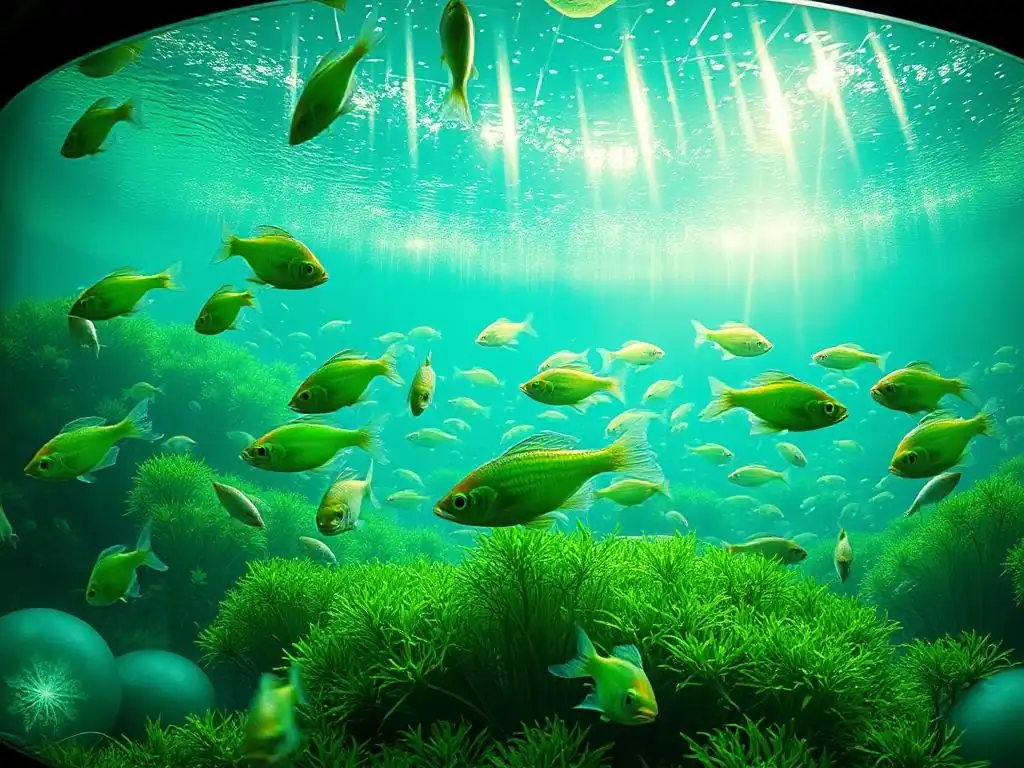
Ever wondered how seasoned aquarists achieve stunning success with delicate saltwater fish larvae? Dive into the fascinating world of the Greenwater Technique and unlock the secrets to successful larval rearing. This comprehensive guide unveils the power of phytoplankton and provides the key steps to nurturing your future reef inhabitants. Ready to transform your approach to breeding? Let's explore the Greenwater Technique together!
- The Greenwater Technique: Optimizing Larval Fish Culture
- Understanding Greenwater in Larval Fish Culture
- Establishing a Greenwater System
- Implementing Greenwater in Larval Rearing
- Feeding Strategies with Greenwater
- Troubleshooting Greenwater Larval Rearing
- Advanced Techniques for Greenwater Management
- Case Studies: Greenwater Application in Fish Larval Rearing
- Conclusion: The Future of Greenwater in Marine Fish Larval Rearing
-
Frequently Asked Questions
- How does the Greenwater technique benefit larval rearing in aquariums?
- What exactly is "Greenwater" in the context of larval rearing?
- What types of phytoplankton are commonly used in the Greenwater technique for larval rearing?
- How do I maintain a stable Greenwater culture for larval rearing?
- What are some potential challenges associated with using the Greenwater technique for larval rearing?
- Final Reflection: Cultivating Life's Foundation
- Ignite Your Larval Rearing Journey!
The Greenwater Technique: Optimizing Larval Fish Culture
Understanding Greenwater in Larval Fish Culture
Greenwater Technique: Definition and Application in Aquaculture
The greenwater technique involves the controlled cultivation and introduction of microscopic algae, known as phytoplankton, directly into larval rearing tanks. This method is a cornerstone in marine fish and invertebrate aquaculture, mimicking the plankton-rich environments where many larval stages naturally develop. The phytoplankton serve multiple critical roles: they act as a direct food source for the smallest larvae, contribute to water quality stabilization by consuming metabolic wastes, and enhance the nutritional profile of live feeds such as rotifers and copepods through bio-encapsulation.
Historically, the implementation of the greenwater technique revolutionized the commercial breeding of numerous marine species, including popular aquarium inhabitants like clownfish ( Amphiprion ocellaris) and various gobies. Its application extends beyond fish to the rearing of shrimp and other crustaceans, demonstrating its broad utility. The technique's success lies in its ability to provide a stable, nutrient-rich, and visually stimulating environment that supports the delicate early life stages of aquatic organisms, which often struggle in clear water systems due to specific feeding requirements and sensitivity to water parameters.
Advantages of Greenwater in Larval Rearing
One of the primary advantages of the greenwater technique in larval rearing is its multifaceted nutritional contribution. For newly hatched larvae with tiny mouthparts, phytoplankton can serve as the first ingestible food source, bridging the gap before they can consume larger live feeds.
Beyond direct consumption, the phytoplankton actively consume ammonia and nitrite, thereby stabilizing water quality and reducing the toxicity stress on vulnerable larvae. Furthermore, when live feeds like rotifers consume phytoplankton, they become nutritionally enriched with essential fatty acids (e.g., DHA and EPA) and vitamins, which are then passed to the larvae, promoting healthier development and stronger immune systems.
Beyond nutrition and water quality, greenwater offers significant benefits for larval well-being and survival. The presence of phytoplankton creates a more naturalistic environment, providing visual cues, a sense of security, and reducing larval stress by offering shade and reducing aggression.
Studies have consistently demonstrated that the greenwater technique can lead to significantly improved survival rates and faster growth in various marine fish species. For instance, in the early days of aquaculture, the adoption of greenwater for species like red snapper larvae saw survival rates increase from negligible levels to over 50%, highlighting its profound impact on the viability of marine fish larval rearing.
Greenwater vs. Clear Water: Comparative Analysis
The choice between greenwater and clear water systems for larval rearing presents distinct trade-offs. Clear water systems, characterized by high clarity and often vigorous filtration, allow for precise monitoring of larval health and feeding activity. However, they demand extremely diligent water quality management, as any overfeeding or accumulation of waste can rapidly lead to toxic conditions. Larvae in clear water systems rely entirely on externally provided feeds, requiring precise timing and quantity to prevent starvation or water fouling.
In contrast, the greenwater technique offers a more forgiving environment due to the inherent water quality buffering provided by the phytoplankton. The continuous presence of phytoplankton offers a constant, albeit low-density, food source and helps mitigate fluctuations in ammonia and nitrite. While monitoring individual larvae can be more challenging in greenwater, the overall stability often translates to higher survival rates for delicate species.
Historically, many marine species that were once considered impossible to breed in captivity became viable candidates with the adoption of the greenwater technique larval rearing. While advancements in clear water technology, such as sophisticated filtration and specialized enrichment diets, have narrowed the gap, greenwater remains a preferred method for numerous species, particularly those with highly sensitive or protracted larval stages.
Establishing a Greenwater System
Selecting Phytoplankton Species for Greenwater
The success of a greenwater system hinges significantly on the judicious selection of phytoplankton species. The chosen species must not only be nutritionally appropriate for the target larvae but also amenable to stable culture under controlled conditions. Key considerations include the cell size, which must be small enough for larval ingestion, and the biochemical composition, specifically the presence of essential fatty acids like docosahexaenoic acid (DHA) and eicosapentaenoic acid (EPA), which are crucial for larval development and pigmentation.
Recommended Phytoplankton Species for Marine Larvae
Several phytoplankton species are commonly utilized in marine larval rearing due to their favorable characteristics. Nannochloropsis oculata is a widely popular choice due to its small cell size (2-4 microns), high EPA content, and robust culture characteristics, making it an excellent direct feed for very small larvae and an efficient enricher for rotifers. Isochrysis galbana (often the T-ISO strain) is highly valued for its exceptional DHA content, making it a premium enrichment feed for rotifers and copepods.
Other notable species include Chaetoceros muelleri, a diatom rich in DHA and EPA, which is also beneficial for rotifer enrichment, and Tetraselmis suecica, a larger (6-10 microns) and hardy green alga often used for initial greenwater turbidity or for larger live feeds. Often, a blend of two or more species is used to provide a more comprehensive nutritional profile and enhance culture stability.
Phytoplankton Selection Criteria: Size, Nutritional Profile, and Culture Stability
When selecting phytoplankton for the greenwater technique larval rearing, size is paramount. Larvae have very small mouthparts during their earliest stages; for example, newly hatched clownfish larvae typically require particles smaller than 5-10 microns. The nutritional profile must provide essential fatty acids, amino acids, and vitamins crucial for rapid larval growth and development. Deficiencies in these areas can lead to deformities, poor pigmentation, and high mortality.
Finally, culture stability is a practical necessity. Species that are easy to grow, resistant to crashes, and tolerant of minor fluctuations in temperature, salinity, and light are preferred for consistent production and reliable supply to larval tanks. Avoiding species known to produce toxins or those that are difficult to digest (e.g., some heavily silicified diatoms) is also critical.
Culturing Phytoplankton for Greenwater Systems
Successful implementation of the greenwater technique relies on a consistent and high-quality supply of phytoplankton. This necessitates a dedicated phytoplankton culture system, where sterile techniques and precise control over environmental parameters are paramount to prevent contamination and ensure robust growth. These cultures can range from small batch systems for hobbyists to large-scale continuous culture setups in commercial hatcheries.
Essential Nutrients for Phytoplankton Growth
Phytoplankton, being autotrophic organisms, require specific nutrients for photosynthesis and growth. The most commonly used nutrient formulation for marine phytoplankton is F/2 media, a modified version of Guillard's f/2 medium. This balanced solution provides all necessary macro- and micronutrients.
Macronutrients include nitrates (e.g., 88.2 mg/L NaNO3), phosphates (e.g., 6.2 mg/L NaH2PO4·H2O), and in some cases, silicates for diatoms. Micronutrients, often provided in a trace metal solution, include chelated iron, manganese, zinc, cobalt, copper, and molybdenum, which are vital for enzymatic functions. Additionally, vitamins such as B12 (cobalamin), thiamine (B1), and biotin are essential cofactors for many metabolic processes within the phytoplankton cells, and are typically included in the F/2 formulation at concentrations like 0.5 µg/L for B12.
Maintaining Optimal Water Parameters for Phytoplankton Cultures
Maintaining stable and optimal water parameters is crucial for preventing phytoplankton culture crashes. Salinity should match that of the marine larval rearing tanks, typically ranging from 25 to 35 parts per thousand (ppt), as sudden shifts can stress or kill the cells. Temperature is species-specific but generally falls within 20-25°C (68-77°F); temperatures outside this range can inhibit growth or cause cultures to crash.
Light is the energy source for photosynthesis; continuous illumination or a 16:8 hour light/dark cycle is common, with intensity often around 50-100 µmol photons m⁻² s⁻¹ (PAR) provided by cool white fluorescent or LED lights. Gentle aeration is necessary to ensure adequate gas exchange (CO2 supply and O2 removal) and prevent cell settling, but excessive bubbling can damage delicate cells. The pH of a healthy culture typically remains stable between 8.0 and 8.4 due to the consumption of CO2 during photosynthesis.
Implementing Greenwater in Larval Rearing
Calculating Phytoplankton Density for Larval Feeding Regimes
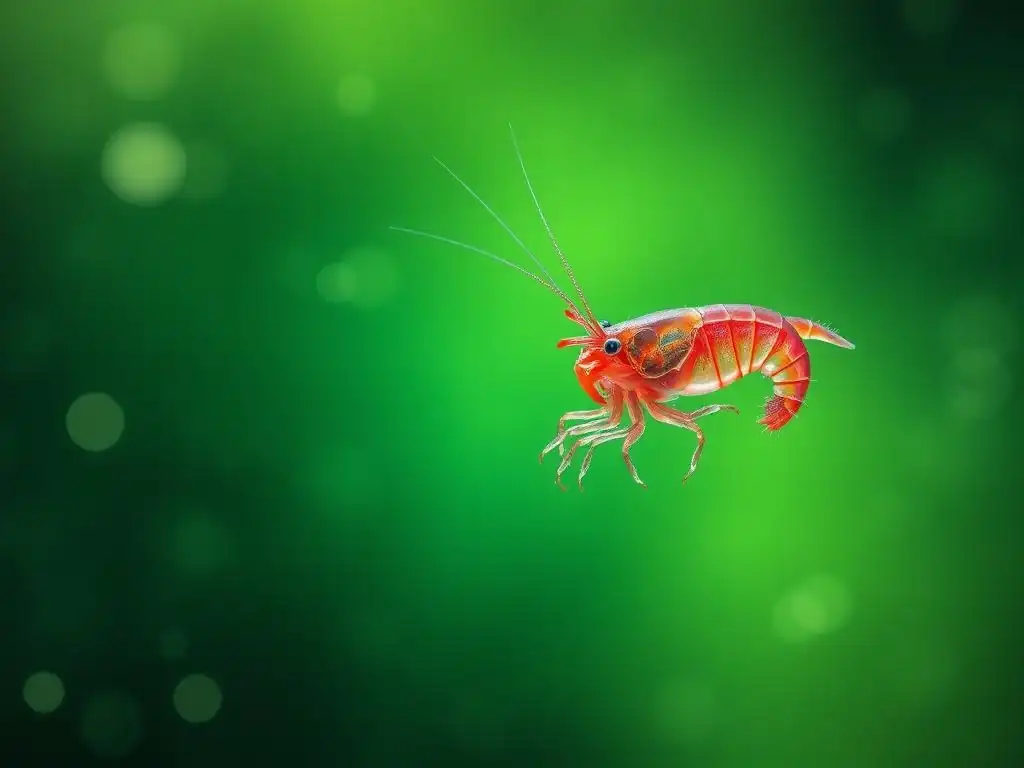
Accurate calculation of phytoplankton density is essential for effective implementation of the greenwater technique larval rearing. The required density varies significantly based on the larval species, their developmental stage, and whether the phytoplankton is serving as a primary food source or primarily for water conditioning and live feed enrichment. Initial densities for very small larvae can range from 50,000 to 200,000 cells/mL.
For example, early-stage clownfish larvae often benefit from a continuous concentration of Nannochloropsis at around 100,000 cells/mL. These densities are typically measured using a hemocytometer under a microscope, which allows for direct cell counting, or with more advanced automated cell counters for high-throughput operations. The goal is to maintain a consistent "greenness" without allowing the tank to become overly dense, which could lead to oxygen depletion.
Introduction of Greenwater to Larval Tanks: Best Practices
The introduction of greenwater to larval tanks requires careful management to ensure larval well-being and system stability. Gradual acclimatization is key; avoid sudden large additions that could shock delicate larvae with changes in water parameters or light penetration. Dosing can be performed daily, with a portion of the tank water removed and replaced with fresh greenwater, or through continuous drip systems for more stable conditions.
For instance, a common practice involves replacing 20-30% of the tank volume with fresh greenwater daily. Gentle mixing within the larval tank is important to ensure even distribution of the phytoplankton without creating excessive turbulence that could stress or injure the larvae. The aim is to maintain a consistent phytoplankton density throughout the day, ensuring a continuous food source and stable water quality.
Monitoring Water Quality and Phytoplankton Dynamics in Greenwater
Effective monitoring of water quality and phytoplankton dynamics is paramount to the success of the greenwater technique larval rearing, preventing system crashes and ensuring optimal larval health. Regular checks are necessary to track the health of both the phytoplankton population and the larval environment.
Measuring Phytoplankton Density: Methods and Tools
Several methods exist for measuring phytoplankton density, ranging from simple visual assessments to sophisticated laboratory techniques. Visual inspection, while rudimentary, can provide a quick indication of major changes in bloom density, such as a crashing culture becoming clear. A Secchi disk, a simple black and white disk lowered into the water, can estimate turbidity and thus phytoplankton biomass, particularly useful in larger volumes.
For precise cell counts, a hemocytometer used with a microscope is the gold standard, providing direct cell per milliliter counts. More advanced facilities may utilize spectrophotometers or fluorometers, which measure chlorophyll-a concentrations, providing a quantitative proxy for phytoplankton biomass. Regular cell counts (e.g., daily or every other day) allow aquarists to adjust dosing rates and predict potential bloom crashes.
Addressing Common Issues: Bloom Instability and Water Clarity
Bloom instability is a frequent challenge in greenwater systems. A "crashing" bloom, characterized by a sudden loss of green color and rapid water clarity, is often caused by nutrient depletion, contamination (e.g., by protozoa or rotifers), or sudden shifts in temperature or pH. Addressing this requires immediate partial water changes and re-dosing with fresh, healthy phytoplankton culture.
Conversely, if the water becomes too clear too quickly, it indicates insufficient phytoplankton density, necessitating increased dosing. An overly dense bloom can lead to oxygen depletion, particularly overnight when photosynthesis ceases and respiration consumes oxygen; this requires partial water changes, reduced light intensity, or increased aeration. Contamination by unwanted organisms like ciliates can decimate phytoplankton cultures rapidly, emphasizing the need for strict sterile practices in culture maintenance.
Feeding Strategies with Greenwater
Integrating Greenwater with Complementary Larval Feeds
While the greenwater technique provides crucial benefits, it is rarely the sole food source for marine fish larvae throughout their development. For most species, greenwater serves as the initial feed and water conditioner, but larvae quickly outgrow their ability to thrive solely on phytoplankton. As larvae develop, their mouthparts enlarge, and their nutritional requirements diversify. This necessitates the introduction of progressively larger and more complex live feeds, such as rotifers ( Brachionus plicatilis) and various species of copepods (e.g., Tisbe, Apocyclops). The greenwater continues to play a vital role by feeding and enriching these live prey items, ensuring they deliver a complete nutritional package to the growing larvae. For instance, clownfish larvae, after consuming greenwater for a few days, transition to rotifers by day 3-5, and later to enriched Artemia nauplii by day 8-10, with greenwater often maintained in the rearing tank to support the live feeds and water quality.
Enhancing Phytoplankton Nutritional Value for Improved Larval Growth
The nutritional value of phytoplankton, particularly regarding essential fatty acids like DHA and EPA, can significantly impact larval growth, survival, and pigmentation. To optimize this, a strategy known as "nutritional boosting" or "enrichment" is employed. This involves adding specific lipid emulsions or enrichment diets, which are rich in these crucial fatty acids, to the phytoplankton cultures 12-24 hours before they are fed to the larvae or live feeds.
The phytoplankton cells then absorb and store these lipids. When these enriched phytoplankton are consumed by rotifers or copepods, the fatty acids are transferred up the food chain, making the live feeds significantly more nutritious for the larvae. This bio-encapsulation process is critical for species with high DHA requirements, such as many marine finfish larvae, leading to improved larval development, reduced deformities, and higher survival rates, sometimes boosting DHA levels in live feeds by over 50%.
Adjusting Greenwater Density Based on Larval Development and Species
The optimal greenwater density is not static but must be adjusted according to the larval stage and the specific requirements of the fish species being reared. In the earliest larval stages, particularly for species with very small mouths or those that directly consume phytoplankton, a higher density of phytoplankton (e.g., 100,000-200,000 cells/mL) is often maintained to ensure a constant food supply. As larvae grow and transition to larger live feeds like rotifers and Artemia, the primary role of greenwater may shift from direct nutrition to maintaining water quality and providing a suitable environment for the live feeds.
For some species, such as certain seahorses, a consistent, albeit lower, greenwater density may be beneficial throughout much of their larval development to provide a "hunting ground" effect and reduce stress. For others, like many gobies, the greenwater can be gradually phased out once larvae are robustly consuming larger prey. Careful observation of larval gut fullness, activity levels, and overall water clarity provides crucial cues for adjusting the greenwater density.
If guts appear empty or larvae are lethargic, an increase in food (either phytoplankton or live feeds) may be necessary. Conversely, if water quality degrades, a reduction in food input or an increase in water changes might be warranted.
Troubleshooting Greenwater Larval Rearing
Preventing Bacterial Blooms in Greenwater Systems
Bacterial blooms are a significant threat in greenwater larval rearing systems, often leading to rapid larval mortality. These blooms typically arise from excessive organic loading due to overfeeding, dying phytoplankton, or poor hygiene. Prevention is key: maintaining strict sanitation protocols, using sterile techniques for phytoplankton culture, avoiding overfeeding, and ensuring adequate aeration are crucial.
Regular water changes help dilute bacterial loads and remove accumulated organic waste. If a bacterial bloom occurs, characterized by cloudy water (distinct from phytoplankton turbidity) and often a foul odor, immediate partial water changes (e.g., 50% or more) are necessary. In severe cases, UV sterilization of incoming water or the use of specific probiotics can help manage bacterial populations without resorting to antibiotics, which can harm beneficial bacteria and potentially impact larval health.
Managing Algae Overgrowth in Greenwater Tanks
While the greenwater technique larval rearing relies on beneficial phytoplankton, unwanted algae overgrowth can become a problem. Filamentous algae, diatoms coating tank surfaces, or even uncontrolled growth of the desired phytoplankton species can compete for nutrients, reduce visibility, and potentially lead to oxygen depletion at night. Prevention involves careful control of light intensity and duration, as excessive light can fuel unwanted algal growth.
Maintaining proper nutrient levels in the larval tank, ensuring that phytoplankton consume most of the available nutrients, also helps. If overgrowth occurs, manual removal of filamentous algae and regular scrubbing of tank walls are effective. In some instances, a temporary reduction in light intensity or a brief blackout period can help control nuisance algae, though care must be taken not to stress the larvae or crash the beneficial phytoplankton bloom.
Addressing Larval Mortality: Identifying Potential Causes in Greenwater Cultures
High larval mortality in greenwater cultures can be attributed to a complex interplay of factors, and identifying the root cause is critical for successful rearing.
- Water Quality: Sudden spikes in ammonia, nitrite, or nitrate, incorrect pH or salinity, or critically low dissolved oxygen (often due to a crashing phytoplankton bloom overnight) are common culprits. Regular monitoring of these parameters is essential.
- Nutrition: Insufficient food quantity (starvation), poor nutritional quality (e.g., lack of essential fatty acids like DHA), or inappropriate feed size can lead to high mortality. Larval gut fullness should be observed regularly.
- Disease: Bacterial infections (e.g., Vibrio species) or protozoan parasites can decimate larval populations. Good biosecurity, sterile practices, and sometimes a brief microscopic examination of dead larvae can help identify pathogens.
- Physical Stress: Over-aeration, sudden temperature fluctuations, rough handling during transfers, or even excessive light can physically stress and kill delicate larvae.
- Genetic Factors: Poor broodstock health or genetic defects can result in weak larvae with low viability, regardless of culture conditions.
A systematic approach, including daily observations of larval behavior, gut fullness, and water parameters, coupled with records of feeding and culture conditions, is vital for diagnosing and rectifying mortality issues in greenwater systems.
Advanced Techniques for Greenwater Management
Utilizing Continuous Culture Systems for Phytoplankton Production
Traditional batch culture, where phytoplankton are grown in discrete volumes and harvested entirely, can lead to inconsistent supply and variable quality. Advanced greenwater technique larval rearing often employs continuous culture systems, which offer significant advantages. In a continuous culture, a portion of the phytoplankton culture is harvested regularly (e.g., daily), and an equal volume of fresh nutrient media is added, maintaining the culture in its exponential growth phase.
This method ensures a consistent and high-quality supply of phytoplankton, as the cells are always in their most active growth stage. Systems like chemostats and turbidostats automate this process by regulating nutrient flow or light intensity based on culture density, providing even greater stability and yield, though they require a higher initial investment and more technical expertise to operate.
Implementing Automated Dosing Systems for Greenwater Management
Manual dosing of greenwater into larval tanks is labor-intensive and prone to inconsistencies, which can lead to fluctuations in phytoplankton density and water quality. Advanced greenwater management often integrates automated dosing systems. These systems typically utilize peristaltic pumps connected to timers or controllers to deliver precise volumes of greenwater to larval tanks at pre-set intervals throughout the day.
This provides a constant and stable supply of phytoplankton, significantly improving water quality stability and ensuring a continuous food source for the larvae. The benefits include reduced labor costs, more consistent phytoplankton levels, and potentially higher larval survival rates due to the optimized environment. Some sophisticated setups can even link dosing systems to real-time turbidity sensors in larval tanks, allowing for dynamic adjustments based on actual phytoplankton concentrations.
Integrating Greenwater with Live Feed Cultures
The greenwater technique larval rearing is not an isolated process but rather a foundational component of a holistic live feed production system. Phytoplankton, the core of greenwater, serves as the primary food source for many essential live feeds used in aquaculture, particularly rotifers and copepods. By producing high-quality, nutritionally enriched phytoplankton, aquarists can, in turn, produce superior live feeds.
This integration creates a synergistic cycle: healthy phytoplankton cultures feed rotifer cultures, which are then harvested and fed to larval fish. Often, the larval tanks themselves maintain a low density of greenwater, providing a continuous food source for any remaining rotifers or copepods, thereby further enriching the larval diet. This interconnected approach maximizes efficiency and ensures that larvae receive a complete and balanced diet from the earliest stages of development, leading to robust growth and higher survival rates.
Case Studies: Greenwater Application in Fish Larval Rearing
Rearing Amphiprion ocellaris (Clownfish) Larvae with Greenwater
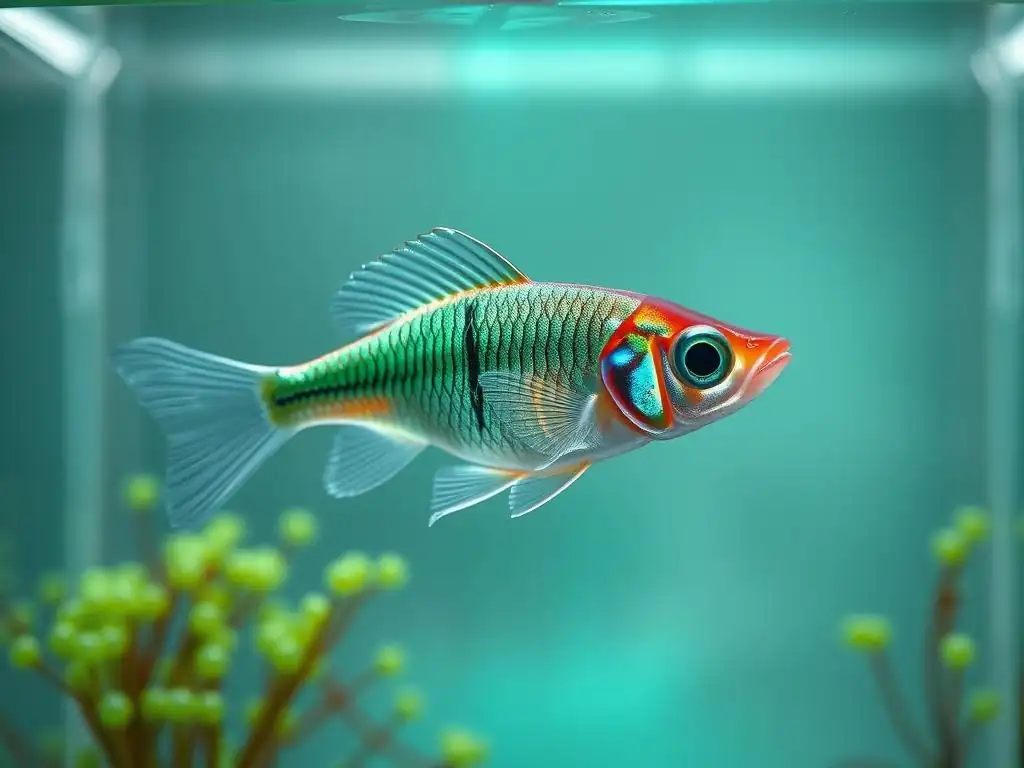
The successful captive breeding of Amphiprion ocellaris, the Ocellaris Clownfish, is a classic example of the efficacy of the greenwater technique larval rearing. Newly hatched clownfish larvae are extremely small, measuring approximately 3-4 mm, with tiny mouths. In the first 2-3 days post-hatch, a high density of small-celled phytoplankton, such as Nannochloropsis oculata (maintained at 100,000-200,000 cells/mL), is crucial. This greenwater provides direct nutrition for the larvae and, more importantly, stabilizes water quality by consuming larval metabolic wastes, preventing ammonia and nitrite spikes.
By day 3-5, enriched rotifers ( Brachionus plicatilis), bio-encapsulated with high-DHA phytoplankton like Isochrysis galbana or commercial enrichment products, are introduced. The greenwater is typically maintained in the larval tank to ensure the rotifers remain healthy and nutritionally complete, even as larvae transition to consuming them. This multi-stage feeding strategy, heavily reliant on greenwater, often yields survival rates of 70-90% to metamorphosis.
Greenwater Application for Hippocampus kuda (Spotted Seahorse) Larval Development
Rearing seahorse larvae, such as Hippocampus kuda, presents unique challenges due to their delicate nature, slow growth, and specific feeding behaviors. The greenwater technique larval rearing has proven indispensable for significantly improving their survival rates. Unlike many fish larvae, seahorse fry do not actively hunt plankton in open water; instead, they often "snick" prey from surfaces or within the water column.
Greenwater provides a crucial "hunting ground" effect, creating turbidity that reduces stress on the larvae and makes their primary live feed (typically enriched Artemia nauplii or copepods) more visible and accessible. The phytoplankton also contribute to water quality by consuming nitrates and phosphates and may provide a beneficial biofilm for grazing.
Seahorse larvae often benefit from a continuous, low-density greenwater presence throughout their early development, sometimes for several weeks or even months, which contributes to a more stable environment and improved feeding success compared to clear water systems. This application has been vital in establishing successful captive breeding programs for various seahorse species, contributing to their conservation.
Conclusion: The Future of Greenwater in Marine Fish Larval Rearing
Optimizing Greenwater Techniques for Sustainable Aquaculture
The greenwater technique has been a cornerstone of marine fish larval rearing for decades, and its continued optimization is vital for the sustainability and expansion of aquaculture. Future advancements will likely focus on identifying and culturing novel phytoplankton species with even superior nutritional profiles, particularly those rich in specific fatty acids and pigments crucial for larval health and market value. Development of more efficient, automated, and energy-saving phytoplankton culture systems will reduce operational costs and labor, making captive breeding more economically viable for a wider range of species.
Furthermore, integrating the greenwater technique with emerging probiotic approaches can further enhance larval gut health, improve disease resistance, and reduce reliance on antibiotics. As aquaculture strives for greater sustainability, refining the greenwater technique larval rearing remains a key area of research and development, enabling the captive production of diverse marine species for both food security and conservation.
Resources for Phytoplankton and Larval Rearing
For aquarists and professionals seeking to master the greenwater technique and marine fish larval rearing, a wealth of resources is available. Academic institutions and research laboratories specializing in aquaculture often publish cutting-edge research and offer workshops or courses. Commercial aquaculture supply companies provide essential materials, including starter cultures of various phytoplankton species, specialized nutrient media (like F/2), and a wide range of equipment such as culture vessels, air pumps, lighting, and testing kits.
Online forums and dedicated communities for aquarists and professional breeders offer invaluable platforms for sharing experiences, troubleshooting, and staying updated on best practices. Finally, a robust body of scientific literature, including books and peer-reviewed journals on marine aquaculture and larval husbandry, provides in-depth knowledge and foundational principles for successful implementation of the greenwater technique larval rearing. Practical, hands-on experience, coupled with continuous learning, remains the most effective path to success in this challenging yet rewarding field.
Frequently Asked Questions
How does the Greenwater technique benefit larval rearing in aquariums?
The Greenwater technique provides a natural food source for larvae. It also helps to improve water quality and provides a stable environment for delicate larvae.
What exactly is "Greenwater" in the context of larval rearing?
"Greenwater" refers to water that has been cultured to contain a high density of phytoplankton, typically single-celled algae. This nutrient-rich water is essential for larval development.
What types of phytoplankton are commonly used in the Greenwater technique for larval rearing?
Commonly used phytoplankton include Nannochloropsis, Isochrysis, and Tetraselmis. These species are chosen for their small size, nutritional value, and ease of culture.
How do I maintain a stable Greenwater culture for larval rearing?
Maintain a stable culture by providing adequate light, nutrients, and consistent water parameters. Regular monitoring and adjustments are crucial to prevent crashes and ensure a continuous food supply.
What are some potential challenges associated with using the Greenwater technique for larval rearing?
Challenges include culture crashes, contamination, and maintaining optimal phytoplankton density. Careful monitoring and proactive management are key to overcoming these obstacles.
Okay, here's a final reflection crafted for your article, "The Greenwater Technique Unveiled: Mastering Phytoplankton in Larval Rearing," optimized for the keyword "Greenwater technique larval rearing" and following your requested structure:
Final Reflection: Cultivating Life's Foundation
The intricacies of the Greenwater technique, as explored throughout this article, are not merely historical relics; they represent a vital link to sustainable aquaculture practices in the face of growing global food demands. Understanding and mastering phytoplankton cultivation in larval rearing is more crucial than ever, offering a pathway to healthier, more resilient aquatic ecosystems and a more secure food supply for future generations.
The Greenwater technique, though seemingly simple, underscores the profound interconnectedness of life in aquatic environments. My own fascination with this technique stems from its elegant simplicity and its powerful impact on larval survival. It reminds us that even the smallest organisms play a critical role in the larger web of life. As the renowned marine biologist Rachel Carson wisely stated: In nature, nothing exists alone.
This quote encapsulates the essence of the Greenwater technique, highlighting the symbiotic relationship between phytoplankton and larval organisms, a relationship that is fundamental to successful aquaculture.
Now, I invite you, the reader, to consider the implications of this knowledge. How can you, whether you are a seasoned aquaculturist, a budding marine biologist, or simply a curious individual, contribute to the advancement and responsible application of the Greenwater technique? Let us all strive to cultivate not only phytoplankton, but also a deeper understanding and appreciation for the delicate balance of our aquatic ecosystems, ensuring a thriving future for all.
Ignite Your Larval Rearing Journey!
Thank you for diving into the world of phytoplankton and the Greenwater Technique! We hope you've found valuable insights to elevate your larval rearing success. Now, let's put that knowledge into action and watch your fry thrive!
Here are some actionable steps you can take right now:
- Start your own phytoplankton culture! This will give you hands-on experience with the Greenwater Technique and ensure a consistent food source for your larvae.
- Explore other innovative larval rearing methods. Dive deep into different techniques such as rotifer cultures or enriched artemia.
- Share your triumphs (and challenges!) with other aquarists in our community forum. Your experiences can help others on their own larval rearing journey.
What’s the first step you’ll take to implement the Greenwater Technique in your own larval rearing efforts? Share your plans in the comments below!