
Hormonal Intervention: An Expert Guide to Induced Spawning in Saltwater Aquaria

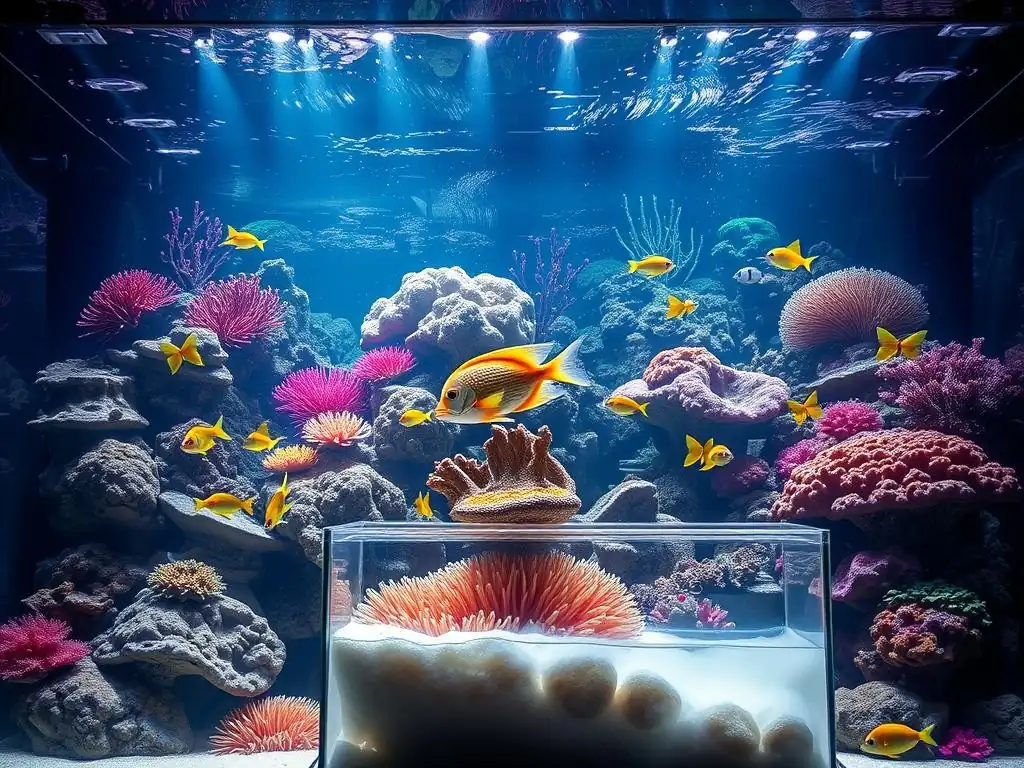
Welcome to Aquarium Mastery!
Ever wondered how professional aquarists achieve seemingly impossible breeding feats with their saltwater fish? Delve into the fascinating world of hormonal intervention with our expert guide to induced spawning in saltwater aquaria. Uncover the secrets behind successful breeding and unlock a new level of Aquarium Mastery. Ready to witness the miracle of life in your own saltwater tank? Let's explore the intricacies of the "Saltwater fish spawning guide" and begin!
- Understanding Induced Spawning in Saltwater Fish: An Introduction
- Selecting Candidate Fish for Induced Spawning: A Crucial First Step
- Hormones Used for Induced Spawning: Types and Mechanisms
- Preparing for Hormonal Intervention: Setting Up Your Spawning Tank
- Step-by-Step Guide to Hormonal Injection for Saltwater Fish
- Post-Spawning Care: Egg Collection, Incubation, and Larval Rearing
- Troubleshooting Common Issues in Induced Spawning
- Case Studies: Successful Induced Spawning in Saltwater Species
- Alternatives to Hormonal Intervention for Saltwater Fish Spawning
- The Future of Induced Spawning in Saltwater Aquaria
- Resources for Saltwater Fish Breeders
-
Frequently Asked Questions
- How does hormonal intervention induce spawning in saltwater fish in aquariums?
- What are the main hormones used in saltwater fish spawning, and how are they administered?
- What are the potential risks and ethical considerations of using hormonal intervention in saltwater fish spawning?
- Is hormonal intervention always necessary for successful saltwater fish spawning in aquariums?
- What factors should aquarists consider before attempting hormonal intervention for saltwater fish spawning?
- Final Reflection: The Promise of Rebirth in Saltwater Aquaria
- Ignite the Spark: Unlock Breeding Success!
Understanding Induced Spawning in Saltwater Fish: An Introduction
The Need for Hormonal Intervention in Saltwater Fish Breeding
Breeding saltwater fish in a captive environment often presents significant challenges that natural conditions easily overcome. Many marine species, particularly those with complex reproductive behaviors or specific environmental triggers, simply will not spawn naturally in the confines of an aquarium. This reproductive reluctance stems from factors such as insufficient space, lack of appropriate social cues, or the inability to perfectly replicate natural seasonal or lunar cycles. Hormonal intervention provides a crucial tool to bypass these limitations, initiating and synchronizing gamete maturation and release.
Furthermore, the demand for captive-bred marine ornamental fish is growing, driven by conservation concerns over wild collection and the desire for hardier, disease-resistant specimens. For many commercially important species, natural spawning in aquaculture settings is either inconsistent or non-existent, making induced spawning an indispensable technique. This comprehensive saltwater fish spawning guide highlights how controlled hormonal induction allows aquarists and breeders to overcome reproductive barriers, contributing to sustainable aquaculture and the preservation of wild populations.
Benefits of Controlled Spawning in Saltwater Aquariums
The ability to induce spawning offers numerous advantages for both hobbyist aquarists and commercial breeders. Foremost among these is the predictability of spawning events, allowing for precise planning of egg collection, incubation, and larval rearing. This control significantly increases the yield of offspring compared to sporadic or unpredictable natural spawning, making large-scale production feasible. For instance, a single induced spawning event can yield hundreds to thousands of eggs, depending on the species, which would be challenging to achieve consistently through natural means.
Moreover, controlled spawning facilitates genetic management, enabling selective breeding programs aimed at enhancing desirable traits such as color, disease resistance, or growth rate. This precision is invaluable for developing robust captive populations and reducing the pressure on wild stocks. A well-executed saltwater fish spawning guide emphasizes these benefits, demonstrating how induced breeding can turn rare or difficult-to-breed species into viable aquaculture subjects, thereby supporting both the aquarium trade and conservation efforts by providing alternatives to wild-caught specimens.
Ethical Considerations for Hormonal Induction in Aquarium Fish
While hormonal induction is a powerful tool, it is imperative to approach it with a strong ethical framework that prioritizes the welfare of the fish. The process involves handling and injection, which can be stressful for the broodstock. Therefore, minimizing stress through proper handling techniques, using appropriate dosages, and ensuring a clean, quiet environment before and after treatment is paramount. Overdosing or improper injection techniques can lead to adverse effects, including tissue damage, physiological stress, or even mortality, undermining the very purpose of the intervention.
Any responsible saltwater fish spawning guide must address these ethical implications, advocating for careful consideration of the fish's health and comfort. Breeders should ensure that only healthy, well-conditioned fish are subjected to hormonal treatment and that protocols are meticulously followed. For example, ensuring the correct needle size and injection depth can significantly reduce post-injection complications. The long-term health and reproductive viability of the broodstock should always be a primary concern, ensuring that the benefits of induced spawning outweigh any potential risks to the individual animals.
Selecting Candidate Fish for Induced Spawning: A Crucial First Step
Identifying Mature Saltwater Fish Ready for Spawning
Successfully inducing spawning begins with the careful selection of mature and reproductively ready broodstock. Identifying these individuals often involves observing a combination of visual cues, behavioral changes, and understanding species-specific life cycles. Mature female saltwater fish, for instance, may display a noticeably distended abdomen due to the development of eggs, while both sexes might exhibit intensified coloration or changes in their genital papilla. For species like the common clownfish (Amphiprioninae), females are typically larger than males, and a bonded pair will often begin cleaning a potential spawning site, signaling their readiness, usually around 1.5 to 2 years of age.
Beyond physical signs, observing courtship behaviors such as fin displays, chasing, or specific swimming patterns can indicate a pair's readiness to spawn. A critical step in any saltwater fish spawning guide is the accurate identification of mature broodstock, as immature fish will not respond to hormonal treatment. It is also important to consider the age and size of the fish; while some species mature quickly, others may require several years to reach reproductive maturity, making patience and long-term conditioning key to success.
Assessing Fish Health and Suitability for Hormonal Treatment
Only the healthiest and most robust specimens should be considered for hormonal treatment. Fish undergoing induced spawning will experience a degree of stress from handling and the physiological demands of reproduction, so their baseline health must be impeccable. This assessment includes checking for any signs of disease, parasites, fin rot, or unusual lethargy. A thorough quarantine period for new fish is essential to prevent the introduction of pathogens that could compromise the health of the entire breeding program.
This saltwater fish spawning guide stresses that only healthy specimens should undergo hormonal treatment, as compromised individuals are less likely to respond effectively and may suffer adverse health consequences. Furthermore, the nutritional status of the broodstock is paramount; well-fed fish on a high-quality, varied diet rich in essential vitamins and fatty acids will have the energy reserves necessary for gamete production and recovery.
Fish exhibiting signs of lateral line erosion or internal parasites, which can reduce nutrient absorption by up to 30%, are poor candidates, as their physiological reserves are already compromised, potentially leading to poor spawning success or even mortality.
Species-Specific Considerations for Spawning Induction
The success of induced spawning hinges significantly on understanding the unique reproductive biology of each saltwater fish species. Different species exhibit varying responses to hormones, requiring tailored dosages and specific environmental cues. For example, some species may be pelagic spawners, releasing eggs into the water column, while others are demersal, laying adhesive eggs on a substrate. This difference impacts not only the hormone protocol but also the design of the spawning tank and egg collection methods.
A detailed saltwater fish spawning guide always includes species-specific advice, recognizing that a "one-size-fits-all" approach is rarely effective. Researching the natural breeding cycles, preferred spawning temperatures, salinity levels, and photoperiods for your target species is crucial. While a common dose of Gonadotropin-Releasing Hormone analog (GnRHa) might be effective for a wide range of marine teleosts, some species like certain gobies or blennies might require lower doses or specific hormone combinations, or even a pre-treatment with dopamine antagonists, to achieve successful ovulation. Understanding these nuances is vital for optimizing spawning success and ensuring the well-being of the broodstock.
Hormones Used for Induced Spawning: Types and Mechanisms
Human Chorionic Gonadotropin (HCG): Application in Saltwater Fish
Human Chorionic Gonadotropin (HCG) is a glycoprotein hormone commonly used in fish breeding due to its luteinizing hormone (LH)-like activity. In fish, HCG acts by directly stimulating the gonads to produce sex steroids, which in turn trigger the final maturation of oocytes (eggs) in females and promote spermiation (sperm release) in males. It is particularly effective in species where the pituitary gland's release of gonadotropins might be insufficient or inhibited in captive conditions, or for those species with a less developed pituitary-gonad axis.
HCG is often administered via intramuscular or intraperitoneal injection. Dosages typically range from 1,000 to 10,000 International Units (IU) per kilogram of body weight, depending on the species and its reproductive state. This widely recognized hormone in any comprehensive saltwater fish spawning guide has proven successful in inducing spawning in various marine species, including groupers, snappers, and some types of sea bream, where it provides a potent stimulus for final gamete maturation and ovulation within 24-72 hours.
Gonadotropin-Releasing Hormone Analogs (GnRHa): Benefits and Usage
Gonadotropin-Releasing Hormone analogs (GnRHa) are synthetic versions of the natural Gonadotropin-Releasing Hormone (GnRH) produced by the hypothalamus. Unlike HCG, GnRHa acts on the pituitary gland, stimulating it to release its own gonadotropins (FSH and LH). These released gonadotropins then act on the gonads to induce final maturation and spawning. GnRHa are favored for their higher potency and longer-lasting effects compared to natural GnRH, as they are less susceptible to enzymatic degradation in the fish's body.
Many advanced saltwater fish spawning guides favor GnRHa for its efficacy across a broad spectrum of marine teleosts. Common forms include D-Ala6, Pro9-Net-GnRH, or des-Gly10-[D-Ala6]-LH-RH ethylamide. These analogs can be administered through injection (intramuscular or intraperitoneal), but also via slow-release implants (e.g., cholesterol pellets) that provide a sustained hormonal stimulus over several days, mimicking a more natural hormonal surge. Doses typically range from 20 to 200 µg/kg body weight, and successful applications have been reported in species such as wrasses, parrotfish, and various commercially cultured marine fish.
Luteinizing Hormone-Releasing Hormone (LHRH): A Detailed Explanation
Luteinizing Hormone-Releasing Hormone (LHRH) is the natural peptide hormone produced in the hypothalamus that stimulates the pituitary gland to release Luteinizing Hormone (LH) and Follicle-Stimulating Hormone (FSH). These gonadotropins are crucial for the final maturation of eggs and sperm. While LHRH is the endogenous hormone, its natural form has a relatively short half-life in the bloodstream due to rapid enzymatic breakdown, making it less practical for widespread use in induced spawning compared to its synthetic analogs.
Although superseded by more potent and stable GnRHa forms, LHRH was historically used in early research on fish reproduction and still holds a place in some specific saltwater fish spawning guide protocols or research settings. It helped establish the fundamental understanding of the hypothalamic-pituitary-gonadal axis in fish. When used, doses typically ranged around 50-100 µg/kg body weight. Its primary limitation remains its instability and the need for multiple injections or continuous infusion to achieve sustained effects, which is why GnRHa have become the preferred choice for most practical applications.
Other Hormones and Their Role in Saltwater Fish Reproduction
Beyond HCG and GnRHa, several other compounds play significant roles in saltwater fish reproduction and can be used in conjunction with primary hormones or for specific purposes. Dopamine antagonists, such as Domperidone or Pimozide, are frequently used to enhance the effectiveness of GnRHa. In many fish species, dopamine acts as an inhibitory neurotransmitter, suppressing the release of gonadotropins from the pituitary. By blocking dopamine receptors, these antagonists remove the inhibition, allowing GnRH or its analogs to exert a stronger effect on gonadotropin release.
A complete saltwater fish spawning guide might also touch upon supplementary hormones or compounds. Steroid hormones, like 17α-methyltestosterone for sex reversal or 17β-estradiol for promoting female maturation, are sometimes employed, though less commonly for direct spawning induction. Prostaglandins are also involved in the final stages of ovulation and spawning behavior, and research continues to explore their potential for fine-tuning reproductive processes. Dopamine antagonists, typically administered at 5-10 mg/kg, are crucial for species like the European sea bass (Dicentrarchus labrax) where dopamine can inhibit gonadotropin release, thereby enhancing the effectiveness of GnRHa treatments by up to 40% in some trials.
Preparing for Hormonal Intervention: Setting Up Your Spawning Tank
Water Quality Parameters for Successful Spawning
Pristine and stable water quality is the bedrock of successful induced spawning and subsequent egg and larval development. Temperature, salinity, and pH must be maintained within the optimal range for the specific species, often mimicking their natural breeding environment. For many tropical marine species, a temperature range of 25-28°C is ideal, with minimal daily fluctuations (ideally less than 0.5°C). Salinity should be stable, typically between 1.023 and 1.026 specific gravity, and pH maintained consistently between 8.0 and 8.4.
Optimal water quality is paramount for any successful saltwater fish spawning guide, as even slight deviations can stress broodstock and reduce egg viability. Ammonia and nitrite levels must be undetectable, and nitrates kept at very low concentrations (e.g., below 10 ppm). Adequate alkalinity (7-12 dKH) and calcium (400-450 ppm) are also crucial for egg development and overall fish health. Maintaining stable parameters is crucial; even minor fluctuations in temperature (e.g., more than 1°C variation daily) or salinity (e.g., drops below 1.020 SG) can stress fish and inhibit spawning, leading to reduced egg viability by as much as 50%.
Setting Up a Dedicated Spawning Tank: Key Considerations
A dedicated spawning tank is often essential for maximizing success and simplifying egg collection. The size and shape of the tank should be appropriate for the species; for pelagic spawners (those that release eggs into the water column), a round or oval tank with a central drain is often preferred, as it prevents eggs from settling in corners and facilitates their gentle collection. For demersal spawners (those that lay adhesive eggs on a surface), a smaller, bare-bottom tank with a suitable spawning substrate (e.g., a terracotta pot, a piece of PVC pipe, or a flat rock) is more appropriate.
A dedicated setup is a cornerstone of this saltwater fish spawning guide. Filtration in a spawning tank should be gentle but effective, often utilizing sponge filters, airlift filters, or a low-flow sump system to avoid damaging delicate eggs or larvae. Strong water currents should be avoided.
Lighting should be controlled, mimicking natural photoperiods (e.g., 14 hours light, 10 hours dark) to encourage natural reproductive rhythms. For pelagic spawners, a cylindrical tank with a central drain is ideal for egg collection, allowing up to 90% collection efficiency. For demersal spawners like clownfish, a 10-20 gallon tank with a terracotta pot provides a suitable spawning site, often yielding clutches of 300-1000 eggs.
Conditioning Fish Before Hormonal Treatment
The success of hormonal intervention is significantly enhanced by proper conditioning of the broodstock prior to treatment. Nutritional conditioning is critical; fish should be fed a high-quality, varied diet rich in proteins, lipids, and essential vitamins (particularly A, C, and E) and highly unsaturated fatty acids (HUFA). Live foods such as enriched Mysis shrimp, brine shrimp, or blackworms can provide additional nutritional benefits and stimulate appetite. This robust diet ensures that fish have the necessary energy reserves and nutrient profiles for optimal gamete production.
Pre-treatment conditioning is a vital, often overlooked, aspect of a comprehensive saltwater fish spawning guide. Beyond diet, environmental conditioning plays a crucial role. Maintaining stable water parameters, an appropriate photoperiod, and a stress-free environment for several weeks or months before planned hormonal intervention prepares the fish physiologically.
For some species, isolating or pairing individuals in the spawning tank beforehand can reduce aggression and encourage bonding, further increasing the likelihood of successful spawning. Broodstock conditioned on diets with 50-60% protein content and enriched with essential fatty acids (e.g., DHA/EPA ratios of 2:1) often exhibit higher reproductive success rates and produce eggs with better viability (up to 20% improvement) compared to unconditioned fish.
Step-by-Step Guide to Hormonal Injection for Saltwater Fish
Calculating the Correct Hormone Dosage for Different Species
Precise dosage calculation is paramount for the safe and effective application of hormones in saltwater fish. The correct dose is typically determined by the fish's body weight and the specific hormone being used, with significant variations between species. It is crucial to consult reliable scientific literature or experienced breeders for species-specific recommendations, as a dose effective for one species might be ineffective or harmful to another. For example, Gonadotropin-Releasing Hormone analogs (GnRHa) are commonly dosed in micrograms per kilogram (µg/kg) of body weight, while Human Chorionic Gonadotropin (HCG) is measured in International Units per kilogram (IU/kg).
Accurate dosage calculation is a cornerstone of this saltwater fish spawning guide. Once the appropriate dosage range is identified, the fish must be weighed accurately to determine the exact amount of hormone needed. For instance, if a species requires 50 µg/kg of GnRHa, a 1-kilogram fish would receive 50 µg, whereas a 10-gram (0.01 kg) fish would receive only 0.5 µg. This requires highly precise scales and careful dilution of concentrated hormone solutions. Always double-check calculations and err on the side of caution with dosages, as overdosing can lead to adverse effects or even mortality.
Preparing the Hormone Solution: A Detailed Protocol
The preparation of hormone solutions requires meticulous attention to sterility and accuracy to ensure efficacy and prevent contamination. Hormones typically come in powder form and must be reconstituted with a sterile diluent, most commonly physiological saline (0.9% sodium chloride) or sterile distilled water. The diluent should be sterile and pyrogen-free to prevent bacterial infections at the injection site. Using a precision scale for measuring the hormone powder and sterile syringes and needles for reconstitution is essential.
This saltwater fish spawning guide provides a meticulous protocol for hormone preparation. First, accurately weigh the hormone powder. Then, add the sterile diluent in a precise volume to achieve the desired concentration (e.g., 100 µg/mL). Mix the solution thoroughly but gently to avoid denaturing the hormone.
Once prepared, the solution should be used immediately or stored according to the manufacturer's instructions, typically refrigerated or frozen in small aliquots to maintain potency. For example, most GnRHa powders are supplied in milligram quantities and need to be diluted to a working concentration, such as 100 µg/mL, using sterile physiological saline. This ensures a precise delivery of micrograms per microliter, crucial for accurate dosing, especially for small fish where 0.01 mL can be a significant volume.
Injection Techniques: Intramuscular vs. Intraperitoneal
There are two primary injection techniques used for administering hormones to fish: intramuscular (IM) and intraperitoneal (IP). The choice of technique often depends on the species, the type of hormone, and the individual's preference, though specific protocols may recommend one over the other. Intramuscular injections are typically performed into the dorsal musculature, just below the dorsal fin, avoiding the lateral line. This method is generally considered easier and carries a lower risk of internal organ damage. The needle (e.g., 27-30 gauge, 0.5-1 inch long for larger fish) is inserted at a 45-degree angle into the muscle.
Proper injection technique is detailed in this saltwater fish spawning guide for optimal results. Intraperitoneal injections involve inserting the needle into the abdominal cavity, typically just anterior to the vent and slightly off-center to avoid the midline and internal organs. IP injections allow for faster absorption of the hormone and direct exposure to the gonads, which can be advantageous. However, they carry a higher risk of puncturing vital organs if not performed carefully.
Regardless of the chosen method, gentle handling of the fish, swift execution, and sterile technique are paramount to minimize stress and prevent infection. For IM injections, a 27-30 gauge needle, 0.5-1 inch long, inserted at a 45-degree angle into the dorsal musculature is typical for fish over 50 grams. For IP injections, the needle is inserted just anterior to the vent, aiming slightly towards the head to avoid vital organs, often at a shallower angle.
Monitoring Fish Post-Injection: Identifying Spawning Readiness
Following hormonal injection, diligent monitoring of the fish is crucial to identify signs of spawning readiness and to ensure the success of the intervention. The timing of spawning varies by species and hormone used, but most fish will respond within 24 to 72 hours. Key indicators include behavioral changes such as increased activity, intensified courtship rituals, chasing, or aggressive nest-cleaning behaviors. Females may exhibit a noticeably more distended abdomen as their eggs undergo final maturation, and their genital papilla may become more prominent and swollen.
A critical section of this saltwater fish spawning guide involves diligent post-injection monitoring. For pelagic spawners, observing the release of eggs into the water column is the ultimate sign. For demersal spawners, the female will typically begin laying eggs on the designated substrate, often followed by the male fertilizing them. For species like the marine betta (Calloplesiops altivelis), spawning typically occurs within 48-60 hours after a single GnRHa injection. Careful observation during this period allows for timely egg collection and transition to the next phase of larval rearing.
Post-Spawning Care: Egg Collection, Incubation, and Larval Rearing
Collecting Saltwater Fish Eggs After Induced Spawning
Once spawning has occurred, the immediate collection of eggs is crucial to ensure their viability and protect them from predation or fouling. The method of collection depends largely on whether the species is a pelagic (free-floating eggs) or demersal (adhesive eggs) spawner. For pelagic eggs, which typically float at the surface or are suspended in the water column, a gentle overflow system or a specialized egg collector can be used. This involves designing the spawning tank so that surface water, carrying the eggs, gently flows into a fine mesh net or collection sump.
Efficient egg collection is a key component of this saltwater fish spawning guide. For demersal eggs, which are laid on a substrate (e.g., rocks, pots, or even tank glass), careful removal of the entire spawning surface or gentle siphoning of the eggs into a separate container is necessary.
It is vital to handle the eggs as little as possible to avoid damage. After collection, the eggs should be quickly transferred to an incubation tank, and any unfertilized or damaged eggs, which often appear opaque or white, should be removed to prevent fungal growth that could spread to healthy eggs.
For pelagic spawners, a simple overflow system into a fine mesh net can collect over 90% of viable eggs. For demersal spawners, eggs on a terracotta pot can be gently fanned off with a turkey baster, or the entire substrate moved to an incubation tank, ensuring minimal handling to maintain viability, often 80-95% when done carefully.
Incubating Saltwater Fish Eggs: Maintaining Optimal Conditions
Proper incubation conditions are critical for successful hatching and larval development. The incubation tank should be set up with pristine, stable water parameters identical to those in the spawning tank, particularly temperature and salinity. Many marine fish eggs, like those of clownfish, hatch within 6-8 days at 26-27°C. Maintaining a stable temperature within a 0.5°C range is vital, as fluctuations can significantly reduce hatch rates, sometimes by as much as 30-40%.
This saltwater fish spawning guide emphasizes precise incubation conditions. Gentle aeration or very subtle water movement is necessary to ensure oxygenation and prevent fungal growth on the eggs, but strong currents must be avoided as they can damage delicate embryos. An air stone placed a few inches away from the eggs, providing a gentle stream of bubbles, is often sufficient.
While some breeders use mild fungicides like methylene blue (1-2 ppm), maintaining excellent water quality and removing unfertilized eggs promptly is usually the preferred method to prevent fungal issues. For some species, a period of darkness during incubation may be beneficial or even necessary for proper embryonic development.
Larval Rearing Techniques: Feeding and Water Quality Management
The transition from egg to free-swimming larva is a highly vulnerable stage for marine fish, with high mortality rates if not managed meticulously. The "first feeding" stage is particularly critical, as newly hatched larvae often have very small mouths and specific nutritional requirements. For many marine species, rotifers (Brachionus plicatilis), enriched with highly unsaturated fatty acids (HUFA), are the standard first food.
They are typically fed at densities of 5-15 rotifers/mL for newly hatched larvae. As larvae grow, usually after 7-10 days, they can be transitioned to larger live foods such as newly hatched Artemia nauplii, fed at densities of 0.5-2 nauplii/mL.
Successful larval rearing is the ultimate goal of any saltwater fish spawning guide, and it demands constant attention to feeding and water quality. Live feed cultures must be maintained to provide a continuous supply of appropriate-sized and nutritionally complete food. Water quality management involves frequent, small water changes (e.g., 10-20% daily) to remove uneaten food and waste products, preventing ammonia and nitrite buildup, which are lethal to larvae even at low concentrations (e.g., 0.05 ppm ammonia).
Proper lighting intensity and photoperiod are also important for larval development and feeding behavior. Early larval mortality rates can be as high as 80-90% without meticulous feeding and water quality management.
Troubleshooting Common Issues in Induced Spawning
Failure to Spawn: Identifying and Addressing Potential Causes
One of the most frustrating challenges in induced spawning is the failure of fish to spawn after hormonal treatment. This can stem from several factors, often requiring a systematic review of the entire process. Incorrect hormone dosage or the use of an inappropriate hormone type for the specific species is a common culprit.
For instance, some species might require a combination of hormones or a different delivery method (e.g., slow-release implant versus single injection). Additionally, poor fish health or inadequate conditioning prior to treatment can result in a lack of response; fish that are stressed, malnourished, or diseased simply may not have the physiological reserves to undergo successful reproduction.
This saltwater fish spawning guide addresses common pitfalls, including spawning failure. Environmental stress, such as unstable water parameters, improper photoperiod, or a suboptimal spawning tank setup, can also inhibit spawning. Lastly, incorrect sex identification or incompatible pairs can lead to failure; ensuring you have a true male and female, and that they are compatible, is fundamental.
If fish fail to spawn within the expected 72 hours post-injection, re-evaluating the initial conditioning (e.g., ensuring protein content in diet is above 50%) or confirming sex (some species like wrasses can be difficult to sex externally) are crucial steps. Sometimes, a second, slightly higher dose of hormone (e.g., 25% increase) can be considered after a recovery period of 7-10 days.
Egg Quality Problems: Prevention and Solutions
Even if spawning is successfully induced, problems with egg quality can severely impact overall success. Common issues include a low percentage of fertilized eggs, malformed embryos, or poor hatch rates. Low fertilization rates often point to issues with the male, such as insufficient sperm quantity or quality, or a lack of synchronization between male and female gamete release. Nutritional deficiencies in the broodstock are a major cause of malformed eggs or low viability; deficiencies in essential fatty acids (HUFA) or vitamins (especially A, C, and E) can directly impair egg development.
Ensuring high egg quality is a key challenge highlighted in this saltwater fish spawning guide. Poor water quality during incubation, particularly sudden temperature fluctuations or high levels of ammonia/nitrite, can also lead to low hatch rates and increased deformities. Prevention is primarily focused on rigorous broodstock conditioning with a high-quality, varied, and enriched diet for several weeks or months prior to spawning.
Supplementing broodstock diet with Vitamin E (e.g., 100-200 mg/kg feed) and selenium can improve sperm motility and egg quality, potentially increasing hatch rates by 15-20%. Maintaining pristine and stable water conditions throughout the incubation period, along with gentle aeration to prevent fungal growth, is also vital for maximizing egg viability and hatch rates.
Larval Mortality: Common Causes and Mitigation Strategies
High larval mortality is arguably the most significant hurdle in saltwater fish breeding, often leading to substantial losses even after successful spawning and hatching. The "first feeding" stage is particularly vulnerable, as newly hatched larvae are highly sensitive to environmental conditions and require specific, often live, foods that match their tiny mouthparts. Starvation due to insufficient food density or inappropriate food type is a primary cause of mortality. For instance, if rotifer densities drop below 5 rotifers/mL, newly hatched larvae can starve within hours.
Minimizing larval mortality is a critical focus of any advanced saltwater fish spawning guide. Poor water quality, characterized by ammonia spikes from uneaten food or waste, bacterial blooms, or insufficient oxygenation, is another major killer. Implementing frequent, small water changes (10-15% daily) and meticulous siphoning of tank bottoms to remove detritus helps prevent toxic buildups. Disease, often bacterial or viral, can also decimate larval cultures rapidly.
Strict biosecurity measures and maintaining optimal conditions to boost larval immunity are crucial. The "first feeding" stage is notoriously high-risk, with mortality rates often exceeding 50% in the first week if rotifer densities drop below 5 rotifers/mL. Implementing daily small water changes (10-15%) and siphoning out uneaten food helps prevent ammonia buildup, which can be lethal to larvae even at levels as low as 0.05 ppm.
Case Studies: Successful Induced Spawning in Saltwater Species
Case Study 1: Clownfish (Amphiprioninae) Breeding Success
Clownfish, particularly species like the Ocellaris Clownfish (Amphiprion ocellaris), are among the most commonly bred marine ornamental fish in captivity. While they often spawn naturally in well-maintained home aquariums, induced spawning techniques have been explored to synchronize spawning in large breeding colonies or to encourage reluctant pairs. Breeders have successfully utilized environmental conditioning, such as specific photoperiods (e.g., 14 hours light, 10 hours dark) and consistent water parameters (26-27°C, 1.024 SG), combined with a high-quality diet rich in protein and HUFAs, to achieve consistent spawning.
This saltwater fish spawning guide draws lessons from established successes, such as clownfish. Hormonal intervention, though less common for routine clownfish breeding, has been used in research settings to induce spawning or improve egg quality in specific instances. One successful project achieved consistent bi-weekly spawning from optimized pairs, yielding over 500 eggs per clutch with a 90% hatch rate. This consistency, supported by meticulous larval rearing protocols using enriched rotifers and Artemia, has significantly contributed to the commercial availability of captive-bred clownfish, demonstrating the potential for sustainable aquaculture of popular ornamental species.
Case Study 2: Banggai Cardinalfish (Pterapogon kauderni) Overcoming Challenges
The Banggai Cardinalfish (Pterapogon kauderni) presents a unique case study in captive breeding due to its endangered status and specific reproductive biology, particularly male mouthbrooding. While not typically induced for spawning in the same manner as pelagic spawners, controlled environmental conditions and careful pairing are crucial. The challenge lies in ensuring successful brooding by the male and the subsequent survival of the fry once released. Hormonal studies have explored synchronizing broodstock to maximize yields, though the focus remains on optimizing natural processes within a controlled environment.
The Banggai Cardinalfish case study offers unique insights in this saltwater fish spawning guide. Successful breeding programs for this species emphasize large, well-structured tanks to reduce aggression, consistent water quality, and a diet rich in live foods. The male's health during the brooding period is paramount, as he abstains from eating.
Breeders have achieved survival rates of 70% or more for juveniles once released from the male's mouth by providing appropriate nursery environments and suitable first foods, a significant improvement over wild populations. These efforts demonstrate that even species with complex reproductive strategies can be successfully bred with tailored approaches, contributing to their conservation.
Lessons Learned from Successful Induced Spawning Projects
Across various successful induced spawning projects, several key lessons consistently emerge, providing invaluable guidance for future endeavors. Firstly, the paramount importance of meticulous record-keeping cannot be overstated. Detailed logs of broodstock health, conditioning diets, hormone dosages, environmental parameters, and spawning outcomes allow breeders to identify correlations, refine protocols, and learn from both successes and failures. This data-driven approach is critical for continuous improvement.
This saltwater fish spawning guide synthesizes key takeaways from real-world applications. Secondly, adaptability and a willingness to adjust protocols based on observed responses are vital. Fish are living organisms, and what works for one individual or batch may not work for another.
Being prepared to fine-tune dosages, modify environmental cues, or experiment with different feeding regimens is essential. Lastly, the value of collaboration and sharing knowledge within the aquaculture community is immense. Successful projects often arise from the collective experience of many, highlighting that consistency in environmental parameters (e.g., temperature stable within 0.2°C) and high-quality broodstock nutrition (e.g., daily feeding with varied, enriched foods) consistently correlate with higher spawning frequencies and egg viability, often leading to a 20-30% increase in overall larval production.
Alternatives to Hormonal Intervention for Saltwater Fish Spawning
Environmental Manipulation: Temperature and Light Cycles
While hormonal intervention provides a direct and powerful stimulus for spawning, many saltwater fish can be induced to reproduce through careful manipulation of their environment, mimicking natural seasonal or daily cues. Temperature changes, for instance, can simulate the onset of breeding seasons. A gradual increase or decrease in water temperature by 1-2°C, within the species' comfortable range, can often trigger reproductive readiness in species that respond to thermal shifts.
While hormonal methods are powerful, this saltwater fish spawning guide also explores natural alternatives. Similarly, adjusting the photoperiod (duration of light and dark) to simulate longer days of summer or shorter days of winter can cue fish to spawn. For many species, a photoperiod of 14 hours light and 10 hours dark is effective.
Even more subtly, simulating lunar cycles with dim blue LED lighting during the new or full moon phases can induce spawning in species that naturally synchronize their reproduction with lunar rhythms, such as certain damselfish or wrasses, potentially increasing spawning frequency by up to 30%. Large, cool water changes can also mimic rainfall events, a known spawning trigger for some brackish or estuarine species.
Dietary Changes: Promoting Natural Spawning Triggers
The nutritional status of broodstock plays a pivotal role in their reproductive success, often serving as a natural trigger for spawning even without hormonal intervention. Providing a high-quality, varied diet rich in essential nutrients can significantly enhance gamete production and overall reproductive health. Increasing the protein and lipid content of the diet, especially with sources high in highly unsaturated fatty acids (HUFA) like DHA and EPA, is crucial for developing viable eggs and sperm.
A well-rounded saltwater fish spawning guide considers the power of diet. Furthermore, supplementing the diet with specific vitamins, particularly Vitamin A, C, and E, which are known to influence reproductive physiology and antioxidant protection, can promote readiness to spawn.
Conditioning fish with live foods, such as enriched brine shrimp, Mysis shrimp, or blackworms, often stimulates their natural feeding instincts and provides superior nutritional profiles that can directly promote natural spawning behaviors. Feeding broodstock a diet rich in HUFAs (e.g., DHA content > 1.5% of dry weight) and Vitamin C (e.g., 200 mg/kg feed) for several weeks prior to the desired spawning period can significantly improve egg quality and fertilization rates by up to 25%, even without hormonal intervention.
The social environment within an aquarium can profoundly influence the reproductive behavior of saltwater fish. For many species, the presence of appropriate tank mates, the formation of stable pairs, or the establishment of a specific social hierarchy is a prerequisite for natural spawning. Providing the correct male-to-female ratio, such as a single male with multiple females for haremic species like some wrasses, can encourage natural breeding behaviors. Conversely, aggression between tank mates can inhibit spawning, necessitating careful selection and management of the community.
Understanding social cues is a subtle yet effective aspect of any complete saltwater fish spawning guide. Beyond social interactions, providing suitable spawning substrates or nesting sites is critical for demersal spawners. This might include flat rocks, clay pots, PVC pipes, or specific types of sand, depending on the species' natural preferences.
For many wrasses, the presence of a larger, dominant male and multiple females in a sufficiently large tank (e.g., 100+ gallons for a harem) is crucial for natural spawning. Providing specific spawning sites, such as a sandy substrate or a large flat rock, can increase the likelihood of natural spawning by up to 40% for demersal egg layers. Reducing overall stress by providing ample hiding spots and maintaining a calm environment also contributes significantly to promoting natural breeding behaviors.
The Future of Induced Spawning in Saltwater Aquaria
Advancements in Hormone Delivery Systems
The field of induced spawning is continuously evolving, with significant research focused on developing less invasive and more efficient hormone delivery systems. Traditional methods involving injections, while effective, can cause stress to the fish and require skilled handling. Future advancements are exploring oral delivery methods, where hormones are incorporated into feed, often encapsulated to protect them from degradation in the digestive tract. This approach could drastically reduce handling stress and simplify large-scale breeding operations.
The future of this saltwater fish spawning guide points towards innovative delivery. Furthermore, nano-delivery systems are being investigated for their potential to provide highly targeted and controlled release of hormones directly to reproductive tissues, maximizing efficacy while minimizing systemic side effects. While still largely in experimental stages for marine species, these technologies promise to make induced spawning more accessible and less stressful for broodstock.
Research into oral delivery of GnRHa, for instance, has shown promise in some freshwater species, achieving up to 70% spawning success rates without the stress of injection. This could significantly reduce handling stress and simplify large-scale breeding operations in marine aquaculture.
Research on New Hormones and Their Applications
Ongoing scientific research is continually identifying new hormones and neurochemicals that play crucial roles in fish reproduction, opening doors for novel applications in induced spawning. Scientists are exploring various peptides and proteins that influence the hypothalamic-pituitary-gonadal axis, such as Kisspeptin, which directly stimulates GnRH neurons. Understanding these complex interactions allows for the development of more sophisticated and species-specific hormone cocktails that can fine-tune the reproductive process.
Ongoing research is continually refining the science behind this saltwater fish spawning guide. The goal is to move beyond broad-spectrum hormones to more personalized approaches, tailoring hormonal treatments based on the specific physiological state of individual fish and the unique requirements of different species. This could involve combining existing hormones with newly discovered compounds or developing entirely new synthetic analogs with enhanced potency and specificity. Early trials in some aquaculture species have shown that Kisspeptin injections can induce ovulation with efficacy comparable to GnRHa, potentially offering alternative or supplementary treatments in the future.
Sustainable Breeding Practices for Saltwater Fish
The advancements in induced spawning are inextricably linked to the broader goal of promoting sustainable breeding practices for saltwater fish. By improving the efficiency and success rates of captive breeding programs, induced spawning reduces the reliance on wild-caught broodstock, thereby alleviating pressure on natural marine ecosystems. This is particularly critical for vulnerable or over-exploited species, where captive breeding can play a vital role in conservation efforts.
Ultimately, this saltwater fish spawning guide contributes to sustainable aquaculture. Future developments will also focus on optimizing genetic diversity within captive populations to prevent inbreeding and maintain the long-term health and viability of the species. The global ornamental fish trade relies heavily on wild capture, with estimates suggesting over 25 million marine fish traded annually.
Expanding successful induced spawning techniques for just 10-15 key ornamental species could significantly reduce wild collection pressure, potentially shifting 20-30% of the market to captive-bred sources within the next decade. By mastering induced spawning, aquarists and commercial breeders contribute significantly to the responsible stewardship of marine resources and the future of the aquarium hobby.
Resources for Saltwater Fish Breeders
Recommended Reading on Saltwater Fish Reproduction
For those seeking to master saltwater fish spawning, a wealth of resources exists, ranging from academic journals to comprehensive textbooks. Key academic journals such as "Aquaculture," "Journal of the World Aquaculture Society," and "Aquaculture Research" regularly publish the latest scientific findings on marine fish reproduction, hormone applications, and larval rearing techniques. These peer-reviewed publications offer detailed protocols and data from cutting-edge research.
Beyond scientific journals, several invaluable books serve as foundational texts for aspiring and experienced breeders. Titles like "Marine Ornamental Fish: Collection, Culture & Conservation" or "The Complete Illustrated Guide to the Breeding & Rearing of Marine Aquarium Fishes" provide extensive practical information and theoretical knowledge on various aspects of saltwater fish breeding, including detailed sections on hormonal induction and post-spawning care. Online databases and university extension publications also offer accessible, research-based information.
Online Forums and Communities for Aquarium Breeders.
Connecting with fellow enthusiasts is an invaluable part of your saltwater fish spawning guide journey, offering practical advice, shared experiences, and troubleshooting support. Online forums and dedicated communities for aquarium breeders provide a platform for aquarists of all levels to interact, ask questions, and share their successes and challenges. Websites like Reef2Reef, Marine Breeders Collective, or specialized Facebook groups for marine aquaculture are excellent places to find real-time assistance and learn from the collective knowledge of the community.
These platforms often feature experienced hobbyists and professional breeders who can offer insights into species-specific protocols, suggest alternative approaches, or help diagnose issues related to spawning or larval rearing. Participating in these communities allows breeders to stay updated on new techniques, compare results, and contribute to the growing body of knowledge surrounding saltwater fish reproduction. The collaborative nature of these online spaces fosters a supportive environment essential for navigating the complexities of advanced marine fish breeding.
Frequently Asked Questions
How does hormonal intervention induce spawning in saltwater fish in aquariums?
Hormonal intervention involves administering hormones to simulate natural spawning triggers, prompting the fish to release eggs and sperm. This technique bypasses the need for specific environmental conditions that may be difficult to replicate in captivity, focusing on internal hormonal control of the spawning process.
What are the main hormones used in saltwater fish spawning, and how are they administered?
Common hormones include human chorionic gonadotropin (HCG) and gonadotropin-releasing hormone analogs (GnRHa). These are typically administered via injection, although oral delivery can sometimes be effective, influencing gamete maturation and release.
What are the potential risks and ethical considerations of using hormonal intervention in saltwater fish spawning?
Risks include potential stress and physical harm to the fish from handling and injections. Ethically, questions arise regarding the impact on fish welfare and the potential for over-exploitation of wild populations if used irresponsibly.
Is hormonal intervention always necessary for successful saltwater fish spawning in aquariums?
No, many saltwater fish species will spawn naturally in well-maintained aquariums with appropriate environmental conditions. Hormonal intervention is typically reserved for species that are difficult to breed in captivity or when natural spawning fails.
What factors should aquarists consider before attempting hormonal intervention for saltwater fish spawning?
Aquarists should consider the species-specific spawning requirements, the potential risks to the fish, and their own level of experience and expertise. Consulting with a veterinarian or experienced fish breeder is strongly recommended before attempting this procedure.
Final Reflection: The Promise of Rebirth in Saltwater Aquaria
The intricate dance of life, so often hidden beneath the waves, is now, thanks to advancements in hormonal intervention, becoming increasingly accessible to aquarists. This newfound ability to induce spawning in saltwater fish represents a significant leap forward in our understanding and stewardship of marine ecosystems. It's a responsibility we must embrace with both enthusiasm and a deep respect for the delicate balance of nature.
This journey into the world of induced spawning has not only expanded our technical capabilities but has also profoundly impacted the cultural landscape of aquariculture. Witnessing the miracle of life unfold in our own tanks fosters a deeper connection to the ocean and its inhabitants. In the end, we will conserve only what we love; we will love only what we understand; and we will understand only what we are taught.
- Baba Dioum. This quote reminds us that by understanding and appreciating the complexities of saltwater fish reproduction, we become better custodians of their future.
As you close this guide, consider the power you now hold. The knowledge of induced spawning is not merely a technical skill, but a tool for conservation, education, and a deeper appreciation for the wonders of the marine world. Let this understanding inspire you to not only successfully spawn saltwater fish, but to also advocate for the health and preservation of our oceans, ensuring that future generations can witness the beauty and complexity of life beneath the waves.
Ignite the Spark: Unlock Breeding Success!
Thank you for diving into the world of hormonal intervention for saltwater aquaria! We hope you’ve gained valuable insights into this advanced technique. Now, let's put that knowledge into action.
- Dive deeper: Research the specific hormonal needs of your target species.: (Primary Action)
- Explore our community forum at Aquarium Mastery to share your breeding plans and connect with experienced aquarists.
- Experiment with small-scale trials and meticulously document your observations for future breakthroughs.
What unique insights have you gleaned that will transform your approach to induced spawning?