
The Hidden Intelligence of Wrasses: Tool Use and ProblemSolving Behaviors

Welcome to Aquarium Mastery!
Ever wondered if your saltwater fish are smarter than you think? Dive in and prepare to be amazed! Discover the fascinating world of Wrasse tool use behavior and unlock the secrets behind these intelligent creatures. Is your wrasse capable of more than just swimming? Let's find out together, and explore the surprising problem-solving skills hidden within your aquarium.
- Understanding Wrasse Intelligence: Beyond the Colorful Scales
- Wrasse Tool Use Behavior: A Surprising Discovery
- Problem-Solving Skills in Wrasses: Adaptability in Action
- The Evolutionary Significance of Wrasse Intelligence
- Factors Influencing Wrasse Cognitive Abilities
- Enhancing Wrasse Well-being Through Cognitive Challenges
- The Future of Wrasse Intelligence Research
- Frequently Asked Questions
- Final Reflection: Unveiling the Depths of Wrasse Ingenuity
- Unleash Your Inner Wrasse Expert!
Understanding Wrasse Intelligence: Beyond the Colorful Scales
Exploring Cognitive Abilities in Wrasses
Wrasses, known for their vibrant coloration and active swimming patterns, possess a remarkable array of cognitive abilities that extend far beyond their aesthetic appeal. These marine fish exhibit complex behaviors indicative of advanced intelligence, including spatial memory, individual recognition, and sophisticated communication. Studies have shown that many wrasse species, such as the Bluestreak Cleaner Wrasse ( Labroides dimidiatus), can remember the locations of multiple cleaning stations and the specific needs of various "client" fish species, demonstrating a nuanced understanding of their environment and social dynamics.
Their cognitive prowess is further evidenced by their adaptability to diverse habitats, ranging from coral reefs to rocky intertidal zones. Wrasses often display intricate foraging strategies, including overturning rocks to expose prey or skillfully navigating dense reef structures. This adaptability requires significant learning and memory capabilities, allowing them to optimize their food acquisition and evade predators effectively. The capacity for learning and memory is a cornerstone of advanced intelligence, and wrasses consistently demonstrate these traits in both wild and controlled environments.
Why Study Wrasse Behavior and Intelligence?
Studying wrasse behavior and intelligence offers profound insights into the cognitive evolution of fish and the intricate dynamics of marine ecosystems. Understanding the mechanisms behind wrasse tool use behavior and their problem-solving skills can inform conservation efforts, particularly for reef ecosystems that are highly dependent on the ecological roles wrasses play, such as parasite removal by cleaner wrasses. Documenting these behaviors helps us appreciate the complexity of marine life and highlights the importance of preserving biodiversity.
Furthermore, for the aquarium hobbyist, comprehending wrasse intelligence provides invaluable guidance for creating enriching and stimulating captive environments. Recognizing their need for mental engagement can lead to better husbandry practices, reducing stress and promoting healthier, more natural behaviors in home aquariums. This knowledge encourages aquarists to move beyond simply providing food and shelter, instead fostering an environment that challenges and develops the inherent cognitive abilities of these fascinating fish, ultimately enhancing their well-being and longevity in captivity.
Wrasse Tool Use Behavior: A Surprising Discovery
What Qualifies as Tool Use in Wrasses?
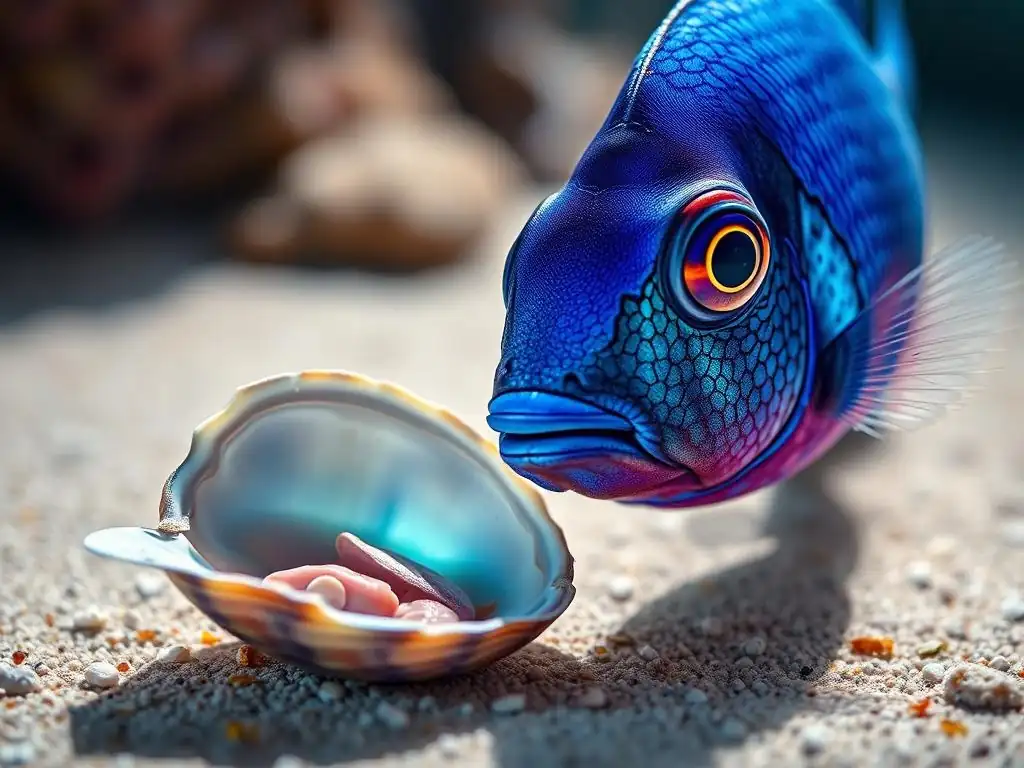
In ethology, tool use is generally defined as the use of an external object as a means to modify the form, position, or condition of another object, organism, or the user itself, when the user holds or carries the tool during or just prior to use. This definition distinguishes true tool use from incidental manipulation or simple interaction with objects. For wrasses, this often involves picking up and manipulating hard objects to break open mollusk shells or crustacean exoskeletons, revealing the soft tissue inside.
This behavior is particularly notable because it requires a degree of foresight and understanding of cause and effect. The wrasse must recognize a suitable "tool" (like a rock), grasp it, and then apply it with force against its prey. This complex sequence of actions, often repeated with precision, clearly fits the criteria for tool use, challenging previous assumptions about the cognitive limits of fish and underscoring the sophistication of wrasse tool use behavior.
Examples of Wrasse Tool Use in the Wild
Rock Bashing: Cracking Shells with Precision
One of the most compelling examples of wrasse tool use behavior in the wild is observed in species like the Blackspot Tuskfish ( Bodianus mesothorax) and the Orange-dotted Tuskfish ( Choerodon anchorago). These wrasses are known to forage for hard-shelled prey such as clams, snails, and crabs.
When they encounter prey too tough to crush with their powerful pharyngeal teeth, they employ a remarkable strategy: rock bashing. The fish will pick up the shelled prey in its mouth, swim to a nearby rock or coral outcrop, and repeatedly smash the prey against the hard surface until the shell breaks, allowing access to the edible contents.
Observations in the Indo-Pacific have documented this behavior occurring frequently, with individual wrasses showing preferred "anvils" or smashing sites. This isn't a random act; the wrasse demonstrates precision and persistence, often returning to the same rock to process multiple prey items. This specific wrasse tool use behavior highlights an advanced problem-solving strategy for accessing otherwise unavailable food sources, demonstrating a sophisticated understanding of their environment and the properties of objects within it.
Using Anvils: A Learned Skill?
The consistent use of specific "anvils" or smashing sites by wrasses suggests that this wrasse tool use behavior might be a learned skill rather than a purely innate one. While the predisposition to manipulate objects might be inherent, the refinement of technique and the selection of optimal smashing surfaces could be acquired through experience and potentially observation. For instance, a wrasse might learn which types of rocks are most effective for cracking shells based on their hardness and stability.
In some documented instances, younger wrasses have been observed in the vicinity of older, more experienced individuals engaging in rock bashing, hinting at a potential social learning component. While direct evidence of observational learning in wrasse tool use behavior is still an active area of research, the consistency and efficiency with which these fish employ anvils point towards a level of cognitive flexibility and adaptive learning that is truly remarkable among fish species.
Documented Cases of Wrasse Tool Use in Aquarium Settings
While direct "rock bashing" wrasse tool use behavior is less frequently documented in typical home aquarium settings due to the type of prey offered and tank setup, wrasses in aquariums still exhibit significant problem-solving and adaptive behaviors that mirror their wild intelligence. For example, many wrasses will learn to manipulate tank decor or even equipment to gain access to food or hiding spots. Some aquarists have observed wrasses attempting to dislodge snails from rocks by repeatedly nudging them against the substrate or glass, showcasing a rudimentary form of environmental manipulation to achieve a goal.
In public aquariums, where larger, more complex exhibits can simulate natural environments, advanced wrasse behaviors are more commonly observed. For instance, a Choerodon anchorago in a large display might learn to use a specific piece of live rock as an anvil if presented with shelled prey. These instances, though perhaps not as dramatic as wild rock-bashing, still demonstrate the inherent problem-solving capacity and adaptability of wrasses, indicating that their intelligence persists and adapts to captive conditions, making "wrasse tool use behavior" an area of fascinating observation for dedicated aquarists.
Problem-Solving Skills in Wrasses: Adaptability in Action
Wrasses exhibit exceptional spatial memory and navigational abilities, crucial for their survival in complex reef environments. They are known to have specific home ranges, often returning to the same sleeping spots each night, sometimes burying themselves in the sand. This requires a detailed mental map of their territory, including the locations of food sources, hiding places, and potential threats. For instance, a single wrasse might patrol an area of several square meters, remembering dozens of distinct landmarks and the precise pathways between them.
This sophisticated navigation is not merely instinctual; it involves continuous learning and adaptation. If a part of their environment changes—perhaps a coral head collapses or a new predator appears—the wrasse quickly adjusts its routes and behaviors. This adaptability demonstrates a flexible intelligence, allowing them to thrive in dynamic marine ecosystems where environmental conditions are constantly shifting.
Innovative Foraging Techniques and Strategies
Beyond tool use, wrasses employ a variety of innovative foraging techniques that showcase their problem-solving prowess. Many species are opportunistic feeders, capable of exploiting diverse food sources. Some wrasses, like the Bird Wrasse ( Gomphosus varius), use their elongated snouts to probe crevices and extract small invertebrates that are inaccessible to other fish. Others, such as the Hogfish (a type of wrasse in the Lachnolaimus maximus genus), are known to dig extensively in the sand using their powerful fins and mouths to uncover buried crustaceans and mollusks.
Perhaps one of the most intriguing foraging strategies is the "herding" behavior observed in some larger wrasse species. These fish may subtly guide smaller, less agile prey into confined spaces before ambushing them. This requires not only an understanding of the prey's movement patterns but also the ability to strategically manipulate the environment, highlighting a level of tactical thinking that underscores their advanced cognitive abilities.
Cleaner Wrasse: Client Species Recognition and Service Prioritization
The Cleaner Wrasse ( Labroides dimidiatus) is a prime example of wrasse intelligence applied to a unique ecological niche. These wrasses operate "cleaning stations" where they remove parasites and dead tissue from a wide array of "client" fish species, including large predators. Their problem-solving skills are evident in their ability to recognize individual client fish, even those they haven't encountered for several days. They can distinguish between hundreds of different species, and even individual fish within those species.
Furthermore, cleaner wrasses exhibit service prioritization. They often attend to "cheaters" (predatory fish that might eat them) with extra care to avoid being consumed, demonstrating an understanding of risk assessment and social negotiation. They also learn to prioritize clients based on their perceived needs or patience levels, sometimes offering tactile stimulation to calm agitated clients. This complex social intelligence and adaptive behavior are critical for their survival and the functioning of the cleaning symbiosis.
Kobudai ( Semicossyphus reticulatus): Nest Building and Defense Strategies
The Asian Sheepshead Wrasse, or Kobudai ( Semicossyphus reticulatus), provides another compelling example of wrasse problem-solving skills, particularly in the context of reproduction. During spawning season, male Kobudai construct elaborate nests, often by clearing areas of rubble or sand and sometimes using their powerful jaws to move larger stones. This nest-building is a complex task requiring significant effort and spatial planning, demonstrating an ability to modify their environment for a specific purpose.
Once a nest is constructed, the male Kobudai actively defends it from rivals and potential predators. This defense involves strategic maneuvers, including aggressive displays and direct confrontation. Their ability to assess threats, strategize defensive actions, and persist in protecting their offspring showcases a high level of problem-solving and environmental manipulation, essential for successful reproduction in a competitive marine setting.
The Evolutionary Significance of Wrasse Intelligence
Cognitive Development and Survival Strategies
The advanced cognitive development observed in wrasses, including their wrasse tool use behavior and problem-solving skills, plays a crucial role in their survival strategies. Their ability to learn, remember, and adapt allows them to exploit diverse food sources, navigate complex and changing environments, and avoid predation more effectively. For instance, species that can use tools to access otherwise unavailable prey gain a significant advantage in resource acquisition, which directly contributes to their fitness and propagation.
This cognitive flexibility enables wrasses to thrive in a wide range of habitats, from highly structured coral reefs to more open sandy bottoms. Their capacity for individual recognition and complex social interactions, as seen in cleaner wrasses, also enhances survival by facilitating symbiotic relationships and intricate social structures. These cognitive traits are not merely incidental; they are fundamental adaptations that have driven the evolutionary success of the wrasse family.
Comparing Wrasse Intelligence to Other Fish Species
While many fish species exhibit fascinating behaviors, wrasse intelligence, particularly their documented wrasse tool use behavior, places them among the most cognitively advanced. For example, cichlids are known for their parental care and complex social structures, and some sharks display impressive problem-solving in hunting. However, the consistent and intentional use of external objects as tools, such as the rock-bashing behavior of tuskfish, is a rarity in the aquatic world, more commonly associated with certain birds and mammals.
This unique ability sets wrasses apart and challenges the traditional view of fish as creatures driven purely by instinct. Their capacity for learning, memory, and adaptive behavior suggests a level of neural sophistication that warrants further investigation, positioning them as key species for understanding the full spectrum of cognitive evolution within vertebrates.
The Role of Tool Use in Wrasse Evolution
The emergence of wrasse tool use behavior is a significant evolutionary development, likely driven by ecological pressures and the availability of specific prey. For species that specialize in consuming hard-shelled mollusks and crustaceans, the ability to use tools to crack open these shells would have opened up a vast, otherwise inaccessible food source. This could have led to a diversification of diet and reduced competition with other reef dwellers.
Over generations, individuals with a greater propensity for manipulative behavior and learning would have had higher survival and reproductive rates, leading to the selection and refinement of tool-using capabilities. This co-evolution between dietary specialization and cognitive adaptation highlights how intelligence, specifically wrasse tool use behavior, can be a powerful driver of evolutionary success, allowing these fish to occupy unique ecological niches and flourish in competitive marine environments.
Factors Influencing Wrasse Cognitive Abilities
Diet and its Impact on Brain Development
The diet of a wrasse significantly influences its brain development and overall cognitive abilities. Like all complex organisms, wrasses require a balanced intake of essential nutrients, including proteins, fats (especially Omega-3 fatty acids like DHA), and vitamins, for optimal neurological function. For instance, DHA is a crucial component of brain tissue, and a deficiency can impair cognitive processes such as learning and memory.
In the wild, wrasses consume a diverse array of invertebrates, small fish, and algae, providing a rich spectrum of nutrients. In captivity, providing a varied diet that mimics their natural intake—including high-quality pellets, frozen foods like mysis shrimp and brine shrimp, and occasional live foods—is essential. A nutritionally robust diet supports the growth and maintenance of brain cells, thereby fostering their inherent wrasse tool use behavior and problem-solving capacities.
Social interactions play a vital role in the development and expression of wrasse cognitive abilities. Many wrasse species are highly social, exhibiting complex hierarchies and communication patterns. Through interaction with conspecifics and other reef inhabitants, wrasses can learn new behaviors, including foraging techniques, predator avoidance strategies, and even the nuances of cooperative behaviors like those seen in cleaner wrasses.
Observational learning, where one wrasse learns by watching another, is particularly important. For instance, a younger wrasse might observe an older one performing wrasse tool use behavior and subsequently attempt to replicate it. This social learning enhances their adaptability and allows for the transmission of successful behaviors through a population, contributing to the overall intelligence and resilience of the species.
Environmental Enrichment and Cognitive Stimulation in Aquariums
For wrasses in aquarium settings, environmental enrichment is crucial for cognitive stimulation and maintaining their mental well-being. A barren tank can lead to boredom and stress, potentially inhibiting the expression of natural behaviors. Providing a complex aquascape with ample live rock, caves, and crevices mimics their natural habitat and offers opportunities for exploration and spatial learning.
Introducing novel elements, such as different types of substrate (e.g., a sand bed for burying species), varying feeding methods (e.g., hiding food, using target feeders), and rotating decor, can provide ongoing cognitive challenges. Such enrichment encourages wrasses to engage their problem-solving skills, explore their environment, and potentially even exhibit rudimentary wrasse tool use behavior if suitable objects and prey are provided. A stimulating environment is key to a healthy, active, and intelligent wrasse.
Enhancing Wrasse Well-being Through Cognitive Challenges
Providing Opportunities for Problem Solving in Aquariums
To truly enhance the well-being of wrasses in an aquarium, aquarists should actively provide opportunities for problem-solving that tap into their natural intelligence. This can involve presenting food in ways that require effort or strategy to obtain, rather than simply scattering it on the surface. For instance, burying small pieces of frozen food within the sand bed encourages natural foraging and digging behaviors, mimicking their wild habits of uncovering hidden prey.
Another method is to place food within a small, transparent container with a narrow opening, forcing the wrasse to figure out how to access it. While direct wrasse tool use behavior might be rare in this context, the act of persistent manipulation and strategic thinking to retrieve the food provides significant mental stimulation. Such challenges prevent boredom and encourage the wrasse to utilize its innate cognitive abilities, leading to a more active and engaged fish.
Designing Aquariums to Stimulate Natural Behaviors
An aquarium designed with wrasse cognitive stimulation in mind goes beyond basic requirements. It should feature a diverse and complex aquascape that provides ample hiding spots, exploration routes, and varied textures. For burying species, a deep, soft sand bed (at least 3-4 inches) is essential, allowing them to engage in natural burrowing behaviors for sleep and security. Live rock formations with numerous nooks and crannies encourage foraging and spatial navigation.
Varying water flow patterns, while ensuring appropriate conditions for the specific species, can also add an element of environmental dynamism that stimulates exploration. Introducing diverse substrate types in different areas of the tank can further encourage varied behaviors. By mimicking the complexity of their natural reef habitats, aquarists can create an environment where wrasses can fully express their intelligent behaviors, including their natural wrasse tool use behavior if applicable to the species.
The Importance of Observation and Understanding Individual Wrasse Personalities
Every wrasse, even within the same species, possesses a unique personality and set of preferences. Close observation is paramount for understanding these individual nuances and tailoring enrichment strategies accordingly. Some wrasses might be more exploratory, quickly adapting to new challenges, while others might be shyer and require more time to engage. By carefully watching how a wrasse interacts with its environment and new enrichment items, aquarists can discern what types of challenges are most appealing and beneficial to that specific fish.
Understanding individual wrasse personalities allows for a more personalized approach to care, ensuring that enrichment is genuinely stimulating rather than stressful. This attentiveness fosters a deeper connection between the aquarist and the fish, promoting optimal health and allowing for the appreciation of the subtle, yet profound, displays of wrasse intelligence and problem-solving skills.
The Future of Wrasse Intelligence Research
Unanswered Questions and Areas for Further Study
Despite significant advancements in understanding wrasse intelligence, many questions remain unanswered. For instance, the precise mechanisms of learning and memory in wrasses, particularly regarding their wrasse tool use behavior, require further neurobiological investigation. How do they process information to select the right tool or anvil? What are the neurological correlates of their spatial memory and individual recognition abilities?
Another key area for future study is the extent of social learning among wrasses. While observations suggest it, controlled experiments are needed to confirm how knowledge, such as complex foraging techniques or tool use, is transmitted within wrasse populations. Research into their communication methods, beyond simple visual cues, could also reveal more sophisticated forms of information exchange, further shedding light on their remarkable cognitive capabilities.
Advancements in Understanding Wrasse Cognitive Abilities
Future advancements in understanding wrasse cognitive abilities will likely be driven by a combination of cutting-edge technology and innovative experimental designs. Miniaturized underwater cameras and tracking devices could provide unprecedented detail on wrasse foraging patterns, social interactions, and tool use in their natural habitats. Advanced genetic sequencing and brain imaging techniques will also offer insights into the neurological underpinnings of their intelligence.
Furthermore, controlled laboratory experiments, designed to test specific cognitive functions like problem-solving, planning, and abstract reasoning, will continue to refine our understanding. The integration of ethology, neurobiology, and comparative psychology will be crucial in building a more complete picture of wrasse intelligence, including the full spectrum of wrasse tool use behavior and its implications.
Implications for Wrasse Conservation and Aquarium Care
The ongoing research into wrasse intelligence has profound implications for both their conservation and their care in aquariums. A deeper understanding of their cognitive needs and complex behaviors can inform more effective conservation strategies, particularly for species threatened by habitat degradation or overfishing. Recognizing their intelligence underscores their ecological value and the importance of protecting their natural environments.
For aquarium care, these advancements will lead to even more sophisticated and species-appropriate husbandry guidelines. As we learn more about their mental capacities, aquarists can implement increasingly refined enrichment programs, creating environments that not only sustain wrasses physically but also stimulate them cognitively. This will result in healthier, more active, and truly thriving wrasses, ensuring that these intelligent and beautiful fish continue to fascinate and educate for generations to come.
Frequently Asked Questions
How common is tool use among wrasse species?
While not universal, tool use has been documented in several wrasse species. This behavior demonstrates a level of cognitive complexity previously underestimated in these fish.
What types of tools do wrasses typically use?
Wrasses primarily utilize rocks or anvils to crack open shelled prey. They have also been observed using coral fragments to dislodge food items.
What is the purpose of tool use for wrasses?
The primary purpose is to access hard-to-reach food sources. This allows them to expand their diet and compete more effectively for resources.
Besides tool use, what other intelligent behaviors have been observed in wrasses?
Wrasses exhibit impressive problem-solving skills, such as remembering the location of food sources and navigating complex environments. They also demonstrate social learning, observing and imitating the behavior of other wrasses.
Does aquarium keeping impact the tool use behavior of wrasses?
Aquarium keeping can both limit and potentially enhance tool use behavior in wrasses. A well-designed aquarium with appropriate substrate and food items can provide opportunities for natural behaviors, but limited space or unsuitable environments may suppress these behaviors.
Final Reflection: Unveiling the Depths of Wrasse Ingenuity
The exploration of wrasse tool use behavior, as we've seen, is not just an academic exercise; it's a testament to the remarkable cognitive abilities hidden within the animal kingdom. These seemingly simple fish are challenging our preconceived notions about intelligence, forcing us to reconsider the boundaries of problem-solving and adaptation in the natural world.
This journey into the world of wrasses has profoundly impacted our understanding of marine life, revealing a level of sophistication previously unimagined. Witnessing these creatures strategically employ tools to access food sources underscores the interconnectedness of intelligence and survival. As Charles Darwin wisely stated: It is not the strongest of the species that survives, nor the most intelligent that survives. It is the one that is most adaptable to change.
The wrasse, in its ingenious use of tools, embodies this very principle.
Now, as we conclude this exploration, I invite you to reflect on the implications of these discoveries. Consider how the wrasse's hidden intelligence challenges our anthropocentric views and inspires us to appreciate the diverse forms of intelligence that exist around us. Let us strive to protect these fascinating creatures and their delicate ecosystems, ensuring that future generations can continue to marvel at the ingenuity of the wrasse and learn from the hidden depths of their world.
Unleash Your Inner Wrasse Expert!
Thank you for diving into the fascinating world of wrasses and their incredible intelligence! We hope you've enjoyed learning about their tool use and problem-solving abilities. Now, it's time to take your newfound knowledge to the next level.
Here are a few ways you can further explore the amazing intelligence of wrasses:
- Observe Carefully: The next time you're at an aquarium or even snorkeling, dedicate at least 15 minutes to simply observing wrasses. Note any unusual behaviors, interactions with their environment, or attempts at problem-solving. You might just witness something extraordinary!
- Share the Wonder: Help spread the word about these brilliant fish! Share this article with fellow aquarium enthusiasts and spark conversations about the intelligence of marine life.
- Consider designing an enrichment toy for wrasses based on your observations from an aquarium visit. How might you challenge their problem-solving skills in a safe and stimulating way?
What's one specific, unexpected behavior you'd hope to witness in a wrasse during your next aquarium visit, and how would that change your perception of fish intelligence?