
Identifying Male and Female Wrasses: A Practical SpeciesSpecific Guide

Welcome to Aquarium Mastery!
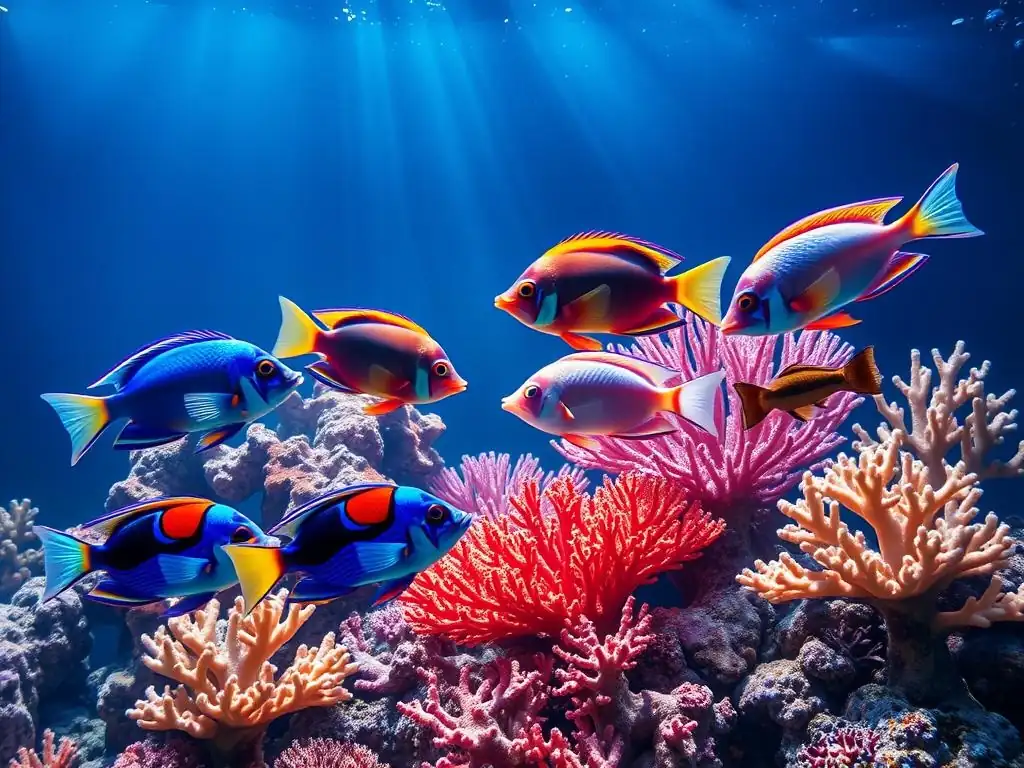
Ever wondered why some wrasses boast vibrant, breathtaking colors while others seem more… subdued? Dive into our guide to understanding the fascinating world of male wrasse color differences and unlock the secrets to identifying male and female wrasses, species by species. Prepare to be amazed by the diversity within the saltwater aquarium world – let's explore!
- Introduction: Understanding Wrasse Sexual Dimorphism
- General Indicators of Sex in Wrasses
- Male Wrasse Color Differences: Key Identification Features
- Species-Specific Identification Guides: Wrasse Color and Morphology
- Behavioral Differences Between Male and Female Wrasses
- Potential Challenges in Wrasse Sex Identification
- Conclusion: Mastering Wrasse Sex Identification for Aquarium Success
- Frequently Asked Questions
- Final Reflection: Unveiling the Rainbow Within
- Unlock the Secrets: Become a Wrasse ID Master!
Introduction: Understanding Wrasse Sexual Dimorphism
What is Sexual Dimorphism in Wrasses?
Sexual dimorphism refers to distinct differences in appearance between males and females of the same species, beyond their reproductive organs. In the world of wrasses, this phenomenon is particularly pronounced, often manifesting through variations in size, body shape, and, most notably, coloration. These visual distinctions are crucial for species recognition within their natural habitats and serve as key indicators for aquarists aiming to understand and manage their aquarium populations effectively. The degree of dimorphism can vary significantly between different wrasse species, with some exhibiting subtle nuances while others display dramatic transformations as they mature or transition sex.
Many wrasse species are protogynous hermaphrodites, meaning they begin life as females and can later transition into males, often triggered by social cues or the absence of a dominant male. This sex change frequently accompanies a dramatic shift in appearance, known as terminal phase (TP) coloration, which is typically far more vibrant and striking than the initial phase (IP) coloration seen in females and sub-dominant males. Understanding these biological underpinnings is essential for accurate identification and appreciating the dynamic nature of wrasse morphology.
Why Accurate Identification Matters for Aquarium Keeping
Accurate identification of male and female wrasses is paramount for successful aquarium keeping, impacting various aspects from tank compatibility to breeding attempts. For instance, knowing the sex of your wrasses helps prevent potential aggression issues, as some male wrasses, especially those in their terminal phase, can be highly territorial and aggressive towards other males or even similar-looking species. Incorrectly pairing two dominant male wrasses in a confined space can lead to stress, injury, or even death for one or both individuals.
Furthermore, precise sex identification is indispensable for aquarists interested in breeding wrasses. Many species require specific male-to-female ratios or the presence of a dominant terminal phase male to initiate spawning. Without the ability to differentiate between sexes, breeding efforts become a shot in the dark. Moreover, understanding the typical male wrasse color differences allows aquarists to monitor the health and social hierarchy within their tank, as color intensity and patterns can sometimes indicate stress, illness, or changes in social status.
General Indicators of Sex in Wrasses
Size Differences Between Male and Female Wrasses
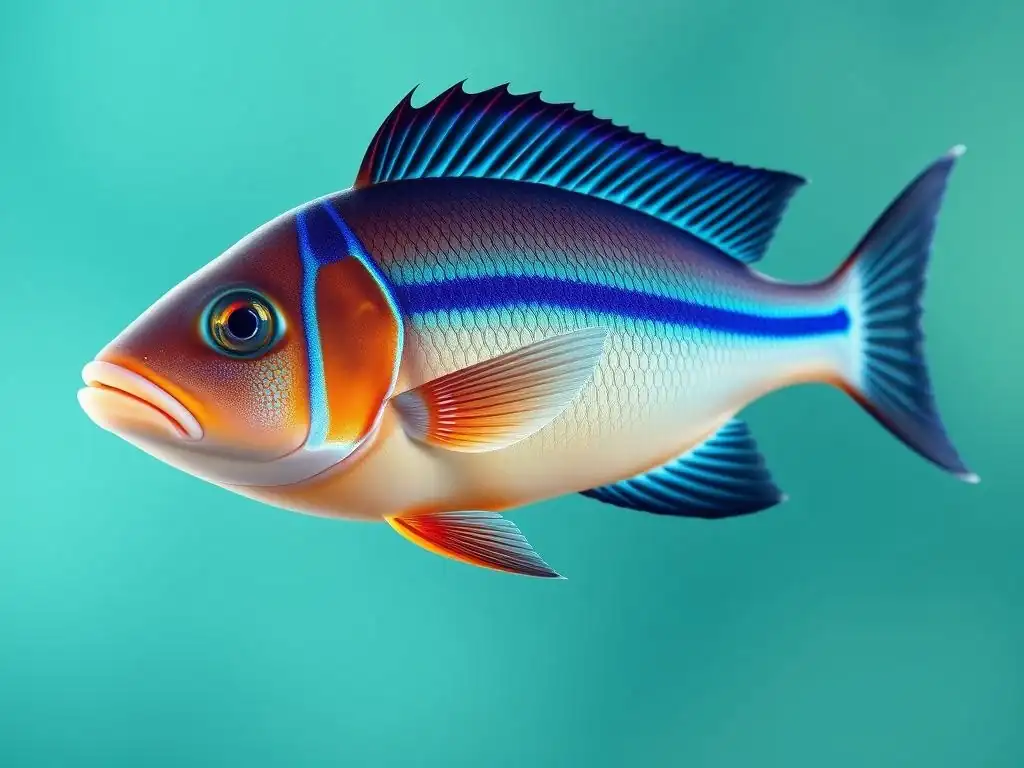
In many wrasse species, size is a reliable, albeit not always definitive, indicator of sex. Terminal phase males, having undergone a sex change and often being older, tend to grow significantly larger than initial phase females or sub-dominant males. For example, in species like the Green Bird Wrasse ( Gomphosus varius), a mature male can reach up to 12 inches (30 cm) in length, while females typically remain smaller, around 8 inches (20 cm). This size disparity is often linked to the male's role in establishing dominance and defending territory, requiring a larger physical presence.
However, relying solely on size can be misleading, especially with juvenile specimens or species where dimorphism is less pronounced. A large female might sometimes be mistaken for a smaller male, or a young male may not yet have reached its full size potential. Therefore, while size provides a general clue, it should always be considered in conjunction with other identifying features for a more accurate assessment.
Body Shape Variations in Wrasses: Male vs. Female
Beyond overall length, subtle differences in body shape can also hint at a wrasse's sex. While wrasses generally share an elongated, torpedo-like body plan, mature males of certain species may exhibit a more robust or muscular build, particularly around the head and anterior dorsal region. This is often associated with their more active roles in courtship displays and territorial defense. For instance, some male wrasses develop a more pronounced nuchal hump or a broader head profile compared to their female counterparts.
Conversely, females, especially those mature enough for spawning, might appear slightly plumper in the abdominal area due to the presence of developing eggs. This distinction is most noticeable during breeding seasons. However, these body shape variations are often subtle and can be influenced by feeding regimes and general health, making them less definitive than color or fin morphology for accurate sex identification.
Fin Shape and Length as Indicators
Fin morphology provides another valuable set of clues for distinguishing between male and female wrasses. In many sexually dimorphic species, terminal phase males develop elongated or more elaborate fins, particularly the dorsal, anal, and caudal fins. These exaggerated fins are often used in courtship displays to attract females and intimidate rivals. For example, male Flasher Wrasses ( Paracheilinus spp.) are renowned for their spectacular fin extensions, which they "flash" during their elaborate courtship rituals, a feature typically absent or much less pronounced in females.
The shape of the caudal (tail) fin can also differ. Some male wrasses develop a more pointed, lyre-shaped, or even truncated caudal fin, while females might retain a rounded or truncate tail. Observing the length and shape of these fins, especially in comparison to known examples of both sexes, can significantly aid in determining the sex of your wrasse. However, fin nipping by tank mates or past injuries can sometimes alter fin appearance, necessitating careful observation.
Male Wrasse Color Differences: Key Identification Features
Dominant Male Wrasse Coloration: A Visual Guide
The most striking and often definitive characteristic for identifying male wrasses, particularly terminal phase males, is their vibrant and distinct coloration. These male wrasse color differences are typically far more intense and complex than those found in females or juvenile wrasses. Dominant males often display a kaleidoscope of iridescent blues, greens, reds, and yellows, frequently arranged in intricate patterns, stripes, or spots that are unique to their sex and species. For example, a male Coris Wrasse might exhibit brilliant blue-green hues with striking red markings, while its female counterpart remains a more subdued orange.
This flamboyant coloration serves multiple purposes in their natural environment: attracting mates, signaling dominance to other males, and establishing territorial boundaries. Aquarists can leverage this visual guide, comparing their wrasse's current coloration against established descriptions and photographs of known male and female patterns for the specific species. It's crucial to note that the full expression of dominant male coloration may only appear once the male has fully transitioned and established its social dominance within the aquarium.
Color Changes During Mating Season: Temporary Transformations
Wrasse coloration is not always static; it can undergo temporary transformations, particularly during mating seasons or when individuals are actively engaged in courtship. During these periods, the male wrasse color differences can become even more pronounced, with colors intensifying dramatically and certain patterns becoming more vivid. For instance, a male Flasher Wrasse might display an almost electric blue or green sheen, along with heightened fin extensions, as it attempts to attract a female. These temporary color enhancements are part of the male's display repertoire, designed to impress potential mates and signal readiness to spawn.
These transient color changes can sometimes make identification challenging if one is only observing the fish during such dynamic moments. It's important to observe the fish over time and in various contexts (e.g., during feeding, resting, or social interactions) to distinguish between their baseline coloration and temporary display colors. Females, while not undergoing such dramatic shifts, may also show subtle changes in their coloration or appear plumper during spawning readiness.
Distinguishing Juvenile Coloration from Female and Male Patterns
Distinguishing juvenile wrasse coloration from that of adult females and males is another critical aspect of accurate identification. Many wrasse species exhibit a distinct juvenile coloration that differs significantly from both adult female and male patterns. This juvenile phase often serves as camouflage or a signal to older fish that they are not a threat. For example, juvenile Yellow Coris Wrasses are a striking orange with white spots and a prominent black ocellus, a stark contrast to the adult female's predominantly orange-red body or the male's blue-green and red patterns.
As juveniles mature, they gradually transition through various color phases until they reach their adult female or initial phase male coloration. If a female transitions to a terminal phase male, another dramatic color shift occurs. This progression means an aquarist must be aware of the species' full lifecycle color spectrum to avoid misidentifying a young wrasse as an adult female or a sub-dominant male. Patience and observation over time are often necessary to accurately determine the sex of younger specimens as they develop their true adult hues.
Species-Specific Identification Guides: Wrasse Color and Morphology
Identifying Male and Female Yellow Coris Wrasses ( Coris gaimard )
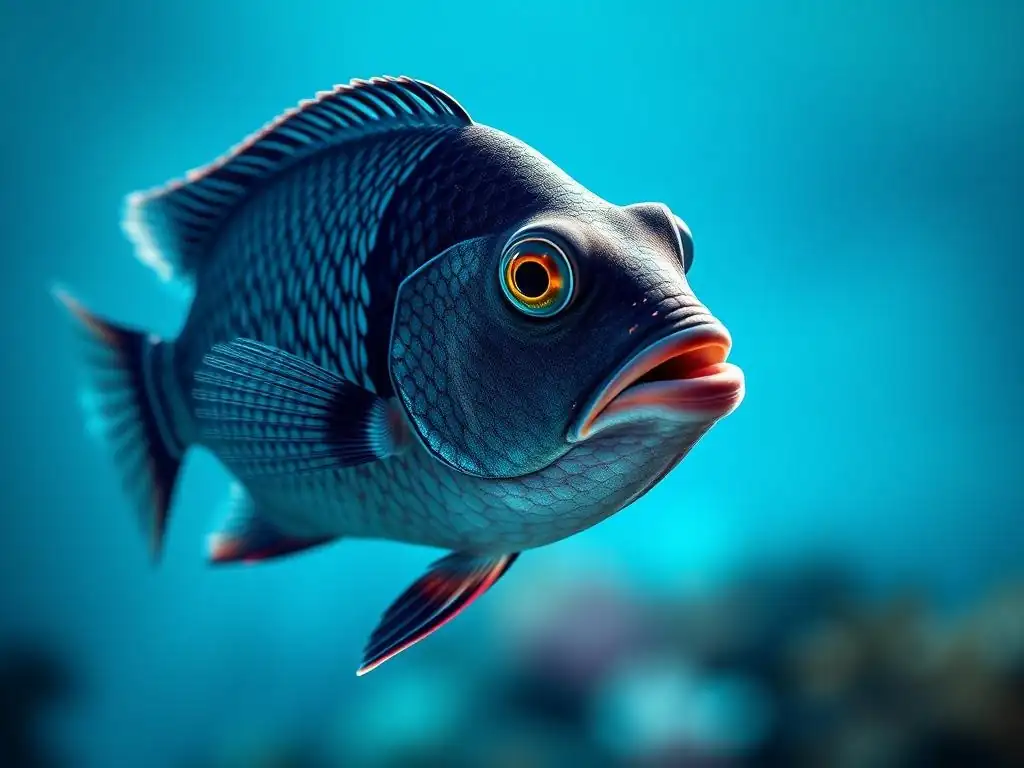
The Yellow Coris Wrasse, scientifically known as Coris gaimard, is a popular and relatively large wrasse species exhibiting clear sexual dimorphism, particularly in its coloration. Understanding these distinctions is key to successful long-term care in a spacious aquarium. Their dynamic color changes throughout their life stages provide a fascinating case study in wrasse identification.
Yellow Coris Wrasse Male Color Patterns and Markings
Terminal phase male Yellow Coris Wrasses display a striking and unmistakable coloration. Their bodies are predominantly a deep, iridescent blue-green, often with a series of reddish-orange bands or spots along the flanks. A defining feature is their bright yellow caudal (tail) fin, which provides a vivid contrast to their body color. The head may also show complex patterns of blue, green, and red markings. This vibrant male wrasse color difference is a clear indicator of their sex and mature status.
Furthermore, some males may exhibit elongated rays in their dorsal and anal fins, adding to their impressive appearance. The intensity of their colors can fluctuate based on mood, health, and social interactions, becoming particularly brilliant during courtship displays or when asserting dominance over other tank inhabitants. A fully mature male Coris gaimard is a truly magnificent specimen, easily distinguishable from its female counterpart.
Yellow Coris Wrasse Female Color Patterns and Markings
Female Yellow Coris Wrasses, or those in their initial phase, present a markedly different appearance compared to the terminal phase males. Their primary body color is a bright orange-red, adorned with several prominent white spots or blotches distributed across their body and fins. These spots are often outlined in black, enhancing their visibility. The caudal fin of the female is typically orange-red, matching the body, without the distinct yellow seen in males.
Juvenile Yellow Coris Wrasses share some similarities with females but are even more distinctly marked. They are bright orange with several large, white, black-edged spots and a prominent black ocellus (eyespot) on the dorsal fin, which fades as they mature. As they grow, females maintain the orange-red body with white spots, though the spots may become less defined than in juveniles. This clear distinction in coloration makes identifying female Coris gaimard relatively straightforward once their juvenile markings have faded.
Identifying Male and Female Flame Wrasses ( Cirrhilabrus jordani )
The Flame Wrasse, Cirrhilabrus jordani, is highly sought after by aquarists for its stunning coloration and peaceful temperament. Like many Cirrhilabrus species, it exhibits pronounced sexual dimorphism, with males showcasing significantly more vibrant hues, especially during display. Their identification relies heavily on observing these specific color patterns and intensities.
Flame Wrasse Male Color Variations and Intensities
Male Flame Wrasses are renowned for their intense, fiery red coloration, which covers the majority of their body. This vibrant red often extends into their fins. A key identifying feature for males is the presence of a distinct blue or purple margin along the edges of their dorsal, anal, and sometimes caudal fins. This contrasting blue serves to highlight the brilliant red body. During courtship or when excited, the male's colors become even more saturated and brilliant, sometimes appearing almost iridescent.
In some instances, males may also display subtle horizontal banding or blotches of darker red or orange, particularly when stressed or resting, but their dominant display coloration is overwhelmingly bright red with blue fin margins. The male wrasse color differences in Cirrhilabrus jordani are a prime example of how striking sexual dimorphism can be in this genus, making the male a truly captivating addition to a reef aquarium.
Flame Wrasse Female Color Variations and Intensities
Female Flame Wrasses, while still attractive, are noticeably less vibrant than their male counterparts. Their overall body coloration is a more subdued orange-red or reddish-pink, lacking the intense fiery red and prominent blue fin margins characteristic of males. They typically do not exhibit the same level of iridescence or the dramatic color intensification seen in males during display. Their fins are generally translucent or a muted reddish hue, without the distinct blue edging.
Occasionally, females may show faint, indistinct horizontal banding or a slightly paler ventral area. While attractive, their appearance is designed for camouflage and less for visual display. The absence of the brilliant red and the distinctive blue fin margins is the most reliable indicator for identifying a female Cirrhilabrus jordani, making the contrast between the sexes quite evident to the discerning aquarist.
Identifying Male and Female Melanurus Wrasses ( Halichoeres melanurus )
The Melanurus Wrasse, Halichoeres melanurus, also known as the Tail Spot Wrasse, is a popular and active reef inhabitant. It displays clear sexual dimorphism, primarily through differences in the vibrancy and distinctness of its characteristic markings. Identifying males and females involves observing the development and intensity of their body patterns and the namesake tail spot.
Melanurus Wrasse Male Color Development and Markings
Terminal phase male Melanurus Wrasses exhibit a more intense and complex coloration than females. Their bodies are typically a vibrant mix of green and blue, often with distinct orange or yellow horizontal stripes running along their flanks. The head may feature intricate green and blue reticulated patterns. A prominent black spot, often ringed with yellow or blue, is located at the base of the caudal fin (the "tail spot"), which tends to be larger and more defined in males.
As males mature, their colors deepen, and the patterns become more pronounced. Some males may also develop subtle filamentous extensions on their dorsal and anal fins. The overall impression of a male Halichoeres melanurus is one of greater vibrancy and intricate detail compared to the female, with the vivid striped pattern and the well-defined tail spot being key indicators of their sex.
Melanurus Wrasse Female Color Development and Markings
Female Melanurus Wrasses, or those in their initial phase, generally have a more subdued coloration compared to the males. Their body is typically a lighter green or yellowish-green, with less distinct or more muted orange-yellow horizontal stripes. While they also possess a black spot at the base of the caudal fin, it is usually smaller, less intensely colored, and may lack the prominent yellow or blue ring seen in males.
The patterns on the head are also less intricate and vibrant in females. Their fins are generally translucent or a pale green, without the intense coloration or potential extensions seen in males. The overall appearance of a female Halichoeres melanurus is one of more uniform and less striking coloration, providing a clear contrast to the more flamboyant male. The less pronounced striped pattern and a smaller, less defined tail spot are reliable indicators for identifying females.
Identifying Male and Female Carpenter's Flasher Wrasses ( Paracheilinus carpenteri )
Carpenter's Flasher Wrasse, Paracheilinus carpenteri, is highly prized for the males' spectacular "flashing" displays, where they rapidly intensify their colors and extend their fins. This behavior, coupled with distinct morphological differences, makes sex identification relatively straightforward. The dramatic male wrasse color differences are a primary reason for their popularity.
Carpenter's Flasher Wrasse Male Color Display and Fin Extensions
Male Carpenter's Flasher Wrasses are renowned for their breathtaking color displays. Their base coloration is typically a mix of reddish-brown and orange, but during their "flashing" displays, they erupt with iridescent blues, greens, and purples, particularly along their dorsal and anal fins. These fins are significantly elongated and filamentous, sometimes extending well beyond the caudal fin, and are covered in brilliant blue or purple markings. The caudal fin often develops a lyre shape with extended outer rays.
During display, the male's body may also show distinct horizontal stripes or blotches of iridescent blue or red. The intensity and rapid changes of these colors, combined with the elaborate fin extensions, are unmistakable indicators of a male Paracheilinus carpenteri. These visual cues are part of their courtship ritual, designed to attract females and establish dominance.
Carpenter's Flasher Wrasse Female Color Display and Fin Extensions
Female Carpenter's Flasher Wrasses are considerably less flamboyant than their male counterparts. Their base coloration is a more uniform reddish-brown or orange, lacking the vibrant iridescent flashes and intricate patterns seen in males. Their dorsal and anal fins are much shorter and lack the dramatic filamentous extensions. The caudal fin is typically rounded or truncate, without the lyre shape or elongated rays characteristic of males.
While females may exhibit subtle variations in their base coloration depending on mood or stress, they do not possess the capacity for the rapid, intense color changes or the prominent fin displays that define the males. The absence of these exaggerated fins and the brilliant flashing colors are the most reliable features for identifying a female Paracheilinus carpenteri, making the distinction between the sexes quite clear.
Behavioral Differences Between Male and Female Wrasses
Male Wrasse Aggression and Territoriality
Beyond visual cues, behavioral patterns can also provide insights into a wrasse's sex. Male wrasses, especially those in their terminal phase, often exhibit higher levels of aggression and territoriality compared to females. This behavior is typically directed towards other males of the same or similar species, as they compete for mates or defend a specific territory within the aquarium. This can manifest as chasing, nipping, or displaying dominance by flaring fins and intensifying colors.
For instance, a dominant male Cirrhilabrus species might actively patrol a section of the tank, chasing away any perceived rivals. Observing such aggressive displays, particularly when coupled with vibrant male wrasse color differences, can strongly suggest the presence of a male. It's crucial for aquarists to be aware of these potential behavioral traits to ensure proper tank mate selection and prevent undue stress on other fish.
Female Wrasse Nesting and Spawning Behaviors
While less conspicuous than male aggression, female wrasses also exhibit distinct behaviors, particularly around spawning. In species that lay demersal eggs (eggs that sink), females may participate in preparing a spawning site, such as clearing a patch of substrate or a rock crevice. In pelagic spawners (eggs that float), females will typically release eggs into the water column during the spawning event.
Observing a female's body shape becoming noticeably plumper with eggs, or witnessing her engaging in pre-spawning behaviors alongside a displaying male, can confirm her sex. While actual spawning events are less commonly observed in home aquariums, the readiness to spawn or the interaction during courtship can be a strong indicator of a female.
Observing Courtship Rituals for Sex Identification
Perhaps the most definitive behavioral indicator of sex, especially for males, is the observation of courtship rituals. Male wrasses often engage in elaborate displays to attract females, which can include rapid color changes, fin flaring, rapid swimming patterns (the "flashing" behavior of Paracheilinus wrasses), and leading the female to a potential spawning site. These rituals are synchronized dances where the male actively solicits the female's attention.
For example, a male Flame Wrasse might repeatedly swim above a female, displaying his intensified red and blue colors, while a male Melanurus Wrasse might circle a female, showing off his striped patterns. If an aquarist observes one wrasse consistently performing these courtship displays towards another, it is a strong indication that the displaying fish is a male and the recipient is a female, providing invaluable real-time sex identification.
Potential Challenges in Wrasse Sex Identification
Color Variations Due to Diet and Water Quality
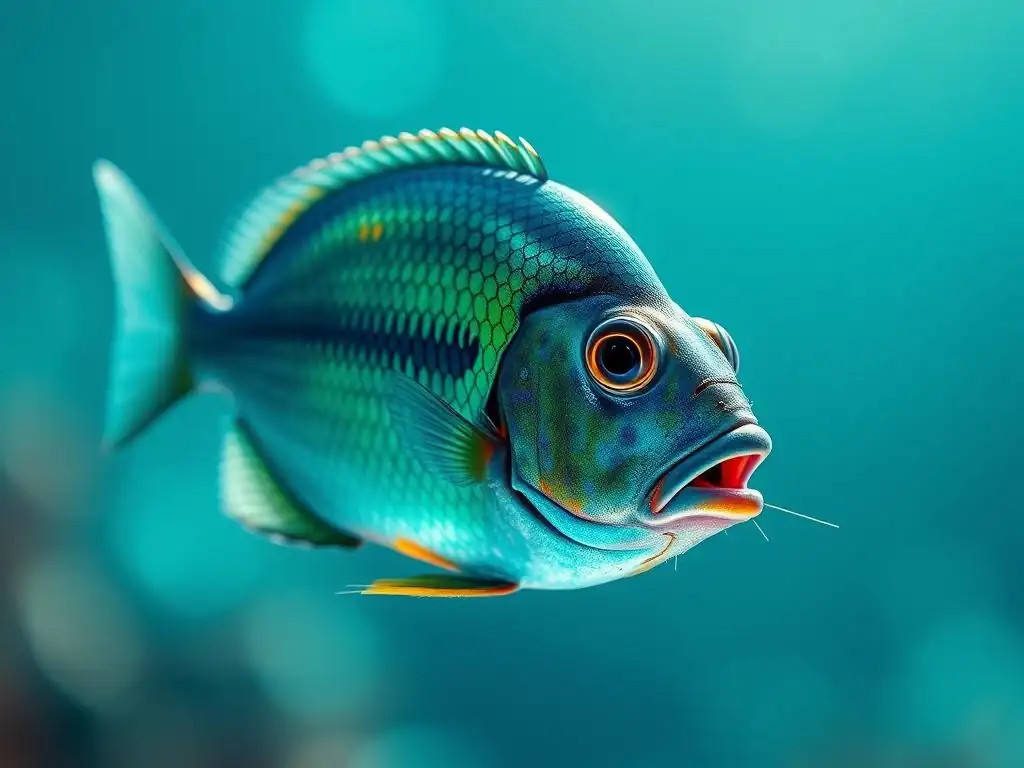
While coloration is a primary indicator of wrasse sex, it is not always a static feature and can be influenced by environmental factors. A poor diet lacking essential nutrients, particularly carotenoids, can lead to duller colors in both sexes, potentially masking the vibrant male wrasse color differences that define them. Similarly, suboptimal water quality parameters, such as elevated nitrates or incorrect pH, can stress wrasses, causing them to lose their vibrant hues and appear washed out.
Therefore, relying solely on color without considering the fish's overall health and tank conditions can lead to misidentification. Aquarists should ensure their wrasses receive a high-quality, varied diet rich in color-enhancing foods and maintain pristine water parameters to allow the fish to express their full, natural coloration. A healthy, well-fed wrasse will display its true colors, making sex identification much more reliable.
Stress-Induced Color Changes Masking Sex
Stress is a significant factor that can temporarily alter a wrasse's coloration, potentially obscuring its true sexual identity. When wrasses are stressed due to incompatible tank mates, inadequate hiding spots, poor water quality, or recent introduction to a new environment, they may exhibit muted colors, develop stress bars, or even completely change their patterns. This stress-induced dullness can make it difficult to discern the typical vibrant male wrasse color differences or the characteristic markings of females.
For example, a male wrasse that typically displays brilliant colors might appear drab and nondescript if it is being constantly harassed by a more dominant tank mate. To accurately identify sex, it's essential to observe the fish when it is comfortable and unstressed in its environment. Allowing a newly introduced wrasse time to acclimate (typically several days to weeks) before attempting a definitive sex identification based on color is a recommended practice.
Hybridization and Atypical Coloration
Hybridization, while less common in the typical home aquarium, can pose a significant challenge to accurate wrasse sex identification. In some cases, different wrasse species, particularly those within the same genus (e.g., Cirrhilabrus or Halichoeres), can interbreed, producing offspring with atypical color patterns that do not conform to the standard descriptions of either parent species. These hybrid wrasses may exhibit a mix of color traits from both parents, making it extremely difficult to determine their sex based solely on visual cues.
Furthermore, individual genetic variations within a species can sometimes lead to slightly atypical coloration, even without hybridization. While rare, a wrasse might display a unique pattern or intensity that deviates from the norm, complicating identification for even experienced aquarists. In such challenging cases, observing behavioral cues, particularly courtship displays, might offer the most reliable path to sex determination, as behavior is less likely to be affected by subtle color anomalies.
Conclusion: Mastering Wrasse Sex Identification for Aquarium Success
Key Takeaways for Identifying Male and Female Wrasses
Mastering the identification of male and female wrasses is an invaluable skill for any dedicated aquarist, directly contributing to the health, harmony, and potential breeding success of a saltwater aquarium. The most reliable approach involves a comprehensive assessment, combining multiple indicators rather than relying on a single trait. Key takeaways include prioritizing the distinct male wrasse color differences, which are often the most striking indicators, especially in terminal phase males. Observe for the vibrant, often iridescent hues and complex patterns that differentiate males from the more subdued females and juveniles.
Beyond coloration, pay close attention to fin morphology; elongated or elaborate fins are often a hallmark of males, particularly in species known for their courtship displays. While less definitive, size and subtle body shape variations can offer supplementary clues. Finally, behavioral observations, such as territorial aggression in males or courtship rituals, provide dynamic confirmation of sex. By integrating these visual and behavioral insights, aquarists can confidently identify their wrasses.
Further Resources for Wrasse Identification and Care
For those seeking to deepen their understanding of wrasse identification and care, a wealth of resources exists beyond this guide. Reputable online forums and communities dedicated to marine aquaria often feature experienced aquarists who share real-world examples and insights into wrasse dimorphism and behavior. These platforms can provide valuable peer-to-peer advice and photo comparisons.
Specialized fish identification guides and scientific literature focusing on specific wrasse genera or families offer detailed morphological descriptions and often include illustrations or photographs of both sexes across various life stages. Consulting these authoritative sources can provide the nuanced information needed for less common or more challenging species. Continuously observing your own wrasses, documenting their color changes and behaviors over time, will also build your personal expertise in identifying and caring for these fascinating and diverse marine fish.
Frequently Asked Questions
How do male wrasses differ in color from female wrasses?
Male wrasses often exhibit more vibrant and intense colors than females. This difference can be a key indicator of sex, especially during breeding seasons.
Why are male wrasses often more colorful?
The brighter coloration in male wrasses serves as a display to attract females. It’s a form of sexual selection, showcasing their fitness and desirability.
Are there exceptions to the color difference rule in wrasses?
Yes, some wrasse species show minimal color dimorphism. In these cases, observing behavioral differences or examining genital papillae may be necessary for accurate sexing.
Does the environment influence the color of male wrasses?
Water quality, diet, and social hierarchy can influence the intensity of a male wrasse's coloration. Maintaining optimal conditions promotes vibrant colors.
How can I use color differences to identify male wrasses in my aquarium?
Carefully observe the color patterns of your wrasses and compare them to species-specific guides. Note that juveniles may not display adult coloration, making identification challenging.
Final Reflection: Unveiling the Rainbow Within
The vibrant world of wrasses, once a blur of similar shapes, now reveals itself in a spectrum of distinct male and female color differences. This guide, born from a desire to clarify these distinctions, arrives at a time when understanding biodiversity and the nuances of the natural world is more crucial than ever. The ability to accurately identify male wrasses based on their coloration isn't just academic; it's a vital step towards informed conservation efforts and a deeper appreciation for the intricate beauty of our oceans.
The journey of understanding these subtle yet significant color variations has profoundly impacted how we perceive the underwater realm. It's a reminder that even within seemingly homogenous groups, incredible diversity thrives, waiting to be discovered. This knowledge empowers us to become better observers, more responsible stewards, and more engaged participants in the ongoing story of life on Earth. The real voyage of discovery consists not in seeking new landscapes, but in having new eyes.
- Marcel Proust. This quote perfectly encapsulates the shift in perspective that comes with truly understanding the male wrasse color differences.
Now, armed with this knowledge, I invite you to look closer. Observe the world around you with a newfound appreciation for the subtle cues that reveal hidden stories. Whether you're a seasoned diver, a budding marine biologist, or simply a curious observer, let this guide inspire you to seek out the beauty in the details, to champion the importance of biodiversity, and to protect the vibrant tapestry of life that surrounds us. The ocean's secrets are waiting to be unveiled, one colorful wrasse at a time.
Unlock the Secrets: Become a Wrasse ID Master!
Thanks for diving into the world of wrasse identification! We hope you've gained valuable insights into distinguishing between male and female wrasses. Now, it's time to put that knowledge to the test.
Here's how you can take your wrasse expertise to the next level:
- Start identifying! Begin observing wrasses in your local aquarium or during dives. Pay close attention to color patterns and body shapes.
- Share your findings: Contribute to the Aquarium Mastery community by posting your wrasse ID photos and observations in our forum.
- Dive Deeper: Explore lesser-known wrasse species and attempt to document sexual dimorphism where information is lacking. Who knows, you might discover something new!
What's the most surprising difference you've observed between male and female wrasses? Share your insights in the comments below!