
Ideal Tank Size for Large Saltwater Angelfish: Don't Skimp on Space!

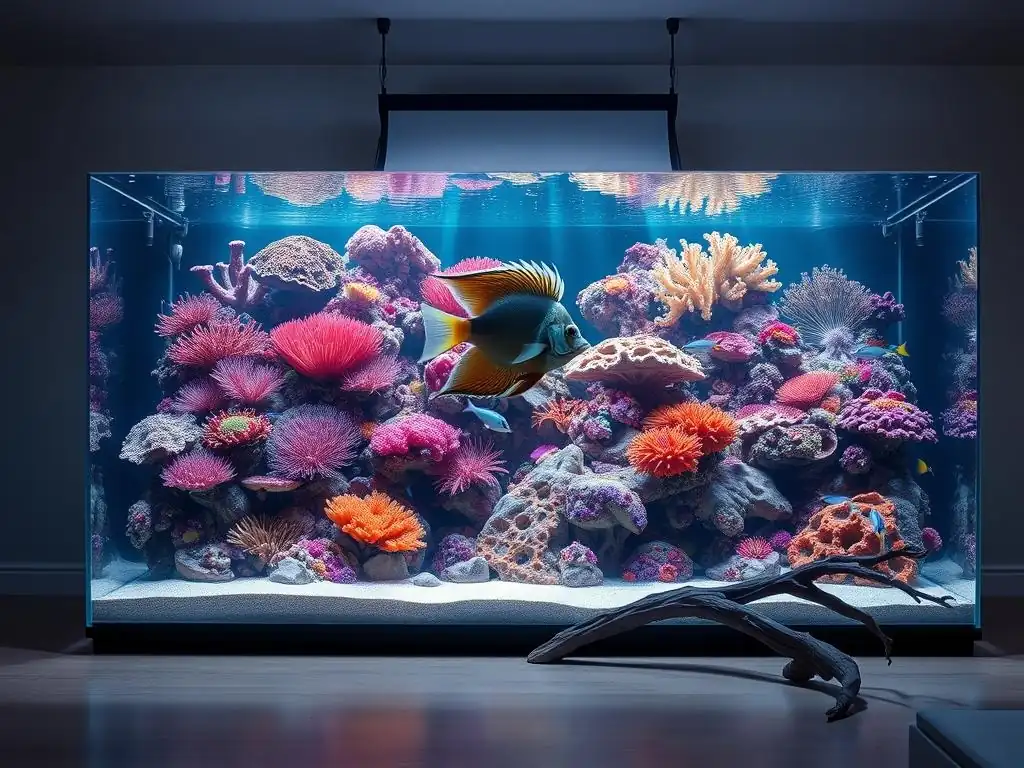
Welcome to Aquarium Mastery, where your aquatic dreams come to life! Ever wondered if your tank is truly big enough for a majestic saltwater angelfish? Dive into our ultimate guide on large saltwater angelfish tank size and unlock the secrets to providing these stunning creatures with the space they need to thrive. Discover everything you need to know to create the perfect underwater paradise and avoid common pitfalls. Ready to transform your aquarium? Let's get started!
- Understanding the Space Requirements of Large Saltwater Angelfish
- The Minimum Tank Size for Large Angelfish Species
- Factors Beyond Tank Size: Creating a Suitable Angelfish Habitat
- Upgrading Your Tank: Recognizing When Your Angelfish Needs More Space
- Alternatives to Large Tanks: Are There Any?
- Investing in the Right Tank: Long-Term Benefits for Your Angelfish
- Conclusion: Providing Optimal Space for Thriving Large Saltwater Angelfish
-
Frequently Asked Questions
- What is the minimum tank size recommended for a large saltwater angelfish?
- Why is tank size so important for large saltwater angelfish?
- What are the consequences of keeping a large saltwater angelfish in a tank that is too small?
- Besides tank size, what other factors should I consider when setting up a tank for a large saltwater angelfish?
- Can I keep multiple large saltwater angelfish together in a single tank if it's large enough?
- Final Reflection: The Boundless Ocean Within
- Unlock the Secrets to Happy Angelfish!
Understanding the Space Requirements of Large Saltwater Angelfish
Why Tank Size Matters for Angelfish Health and Well-being
Providing an appropriately sized habitat is paramount for the long-term health and well-being of large saltwater angelfish. Insufficient space can lead to a cascade of negative effects, including chronic stress, stunted growth, increased aggression towards tank mates, and a weakened immune system. For instance, a cramped environment often results in higher levels of cortisol, the stress hormone, which can significantly reduce a fish's lifespan and make it far more susceptible to common diseases like marine ich or bacterial infections.
Moreover, the psychological impact of inadequate space is profound. Large angelfish are active swimmers by nature, and denying them ample room can manifest as lethargy, loss of appetite, and dull coloration. Observations in the aquarium hobby frequently show a significant increase in aggressive encounters—sometimes by as much as 40%—in confined spaces compared to adequately sized environments. This underscores why the correct large saltwater angelfish tank size is not just a recommendation but a critical requirement for these magnificent creatures to truly thrive.
Defining "Large" Saltwater Angelfish: Species and Growth Potential
When discussing "large" saltwater angelfish, we are primarily referring to species that typically reach an adult size of 10 inches (25 cm) or more. This group includes some of the most iconic and visually stunning fish in the marine aquarium hobby.
Prominent examples include the Emperor Angelfish ( Pomacanthus imperator), which can grow up to 15 inches (38 cm), the majestic Queen Angelfish ( Holacanthus ciliaris) often reaching 18 inches (45 cm), and the robust French Angelfish ( Pomacanthus paru), also commonly observed at 15 inches (38 cm) in length. Other notable mentions are the Blueface Angelfish ( Pomacanthus xanthometopon) and the Annularis Angelfish ( Pomacanthus annularis), both capable of attaining similar dimensions.
It is crucial to understand that these angelfish species exhibit considerable growth potential, often growing rapidly from their juvenile stages. A small juvenile Emperor Angelfish, for example, might be only 3-4 inches when purchased, but it can quickly double or triple in size within its first year if provided with optimal conditions. Therefore, choosing the appropriate large saltwater angelfish tank size must account for their full adult size, not just their current dimensions, to ensure a healthy life for decades.
The Minimum Tank Size for Large Angelfish Species
Specific Tank Size Recommendations for Popular Large Angelfish
Tank Size for Emperor Angelfish (Pomacanthus imperator)
The Emperor Angelfish, renowned for its dramatic color transformation from juvenile to adult, requires substantial space to flourish. With an adult size commonly reaching 15 inches (38 cm), a minimum tank size of 180 gallons (approximately 680 liters) is generally recommended for a single specimen. This volume provides sufficient linear swimming space and water stability, which is vital for a fish of this size and activity level.
While a 180-gallon system can house an adult Emperor, many experienced aquarists advocate for even larger systems, such as 240 gallons or more, especially if the intention is to include other large, active tank mates. The additional volume in a larger large saltwater angelfish tank size reduces the concentration of waste products and provides a more stable environment, mitigating potential stress and promoting better long-term health for this magnificent species.
Tank Size for Queen Angelfish (Holacanthus ciliaris)
The Queen Angelfish is one of the largest and most active angelfish species commonly kept in home aquariums, capable of reaching an impressive 18 inches (45 cm) in length. Due to their substantial adult size and active swimming patterns, a 200-250 gallon (750-950 liters) tank is often considered the bare minimum for a single adult Queen Angelfish. Their constant movement requires considerable open swimming space to prevent stress and promote natural behaviors.
The larger volume of a 250-gallon large saltwater angelfish tank size also aids significantly in maintaining stable water parameters, which is crucial for the health of such a large and sensitive fish. Providing ample room helps to minimize territorial aggression, allowing the Queen Angelfish to coexist more peacefully with appropriate tank mates and display its full vibrant coloration and personality.
Tank Size for French Angelfish (Pomacanthus paru)
French Angelfish are robust and striking members of the large angelfish group, typically maturing to about 15 inches (38 cm). For a single adult French Angelfish, a minimum tank size of 180 gallons (680 liters) is recommended. These fish are known for their hardiness but still require considerable space to accommodate their large body size and active foraging habits within the rockwork.
While a 180-gallon system provides the fundamental space, a 200-gallon large saltwater angelfish tank size offers an even more comfortable environment, especially if the aquascape includes intricate rock structures. The additional room can help reduce potential territorial disputes with other fish, fostering a more harmonious display and ensuring the long-term vitality of this beautiful species.
Tank Size for Blueface Angelfish (Pomacanthus xanthometopon)
The Blueface Angelfish, another captivating species, typically reaches an adult length of around 15 inches (38 cm). Similar to other large Pomacanthus species, a minimum tank size of 180 gallons (680 liters) is necessary to provide adequate space for a single adult Blueface Angelfish. Their impressive size and need for stable water conditions make a generous tank volume essential.
Providing a sufficiently large saltwater angelfish tank size allows the Blueface Angelfish ample room to swim, explore, and establish its territory without feeling confined. This larger environment contributes significantly to their overall health, reducing stress and supporting their vibrant coloration and natural behaviors over many years in captivity.
The Impact of Insufficient Space on Angelfish Behavior
Keeping a large saltwater angelfish in a tank that is too small can profoundly alter its natural behavior, often leading to detrimental outcomes. One of the most immediate impacts is increased aggression. Confined angelfish, especially larger species, will often exhibit heightened territoriality, relentlessly harassing or even killing tank mates. They may also display erratic swimming patterns, such as pacing nervously along the glass, and can become excessively skittish or, conversely, overly aggressive towards human interaction.
Beyond aggression, insufficient space can lead to stunted growth, where the fish's internal organs continue to grow but its external body remains small, leading to a shortened lifespan and chronic health issues. Observations consistently show that angelfish in undersized tanks are more prone to listlessness, loss of appetite, and a general decline in their vibrant coloration. This chronic stress not only makes them unhappy but also significantly compromises their immune system, making them more susceptible to parasitic infections, bacterial diseases, and fin rot, turning what should be a rewarding hobby into a constant battle against illness.
Factors Beyond Tank Size: Creating a Suitable Angelfish Habitat
Water Quality and Filtration for Large Angelfish Tanks
Maintaining pristine water quality is absolutely critical for large saltwater angelfish, especially given their substantial bioload. These fish produce a significant amount of waste, necessitating a robust and efficient filtration system. A high-quality protein skimmer is indispensable, capable of removing up to 80% of dissolved organic waste before it breaks down into harmful nitrates. Complementing this, a sump system with adequate biological filtration media, such as live rock and bio-balls, is essential for converting ammonia and nitrites into less toxic nitrates. Many advanced hobbyists also incorporate refugiums to help manage nutrient levels naturally.
Regular and consistent water changes are another cornerstone of excellent water quality for a large saltwater angelfish tank size. For a tank housing a large angelfish, a 15-20% weekly or bi-weekly water change is often recommended to dilute nitrates and replenish essential trace elements. Consistent monitoring of water parameters—including salinity (1.023-1.026 SG), temperature (75-80°F or 24-27°C), pH (8.1-8.4), and alkalinity (8-12 dKH)—is paramount to ensure a stable and healthy environment, preventing stress-related illnesses in these sensitive fish.
Rockwork and Aquascaping: Providing Shelter and Hiding Places
Beyond the sheer volume of water, the internal architecture of the large saltwater angelfish tank size, or its aquascaping, plays a vital role in their well-being. Large angelfish, despite their size, require ample rockwork to provide both aesthetic appeal and crucial functional elements. Live rock is highly recommended, not only for its biological filtration benefits—aiming for 1 to 1.5 pounds of live rock per gallon for optimal biofiltration—but also for creating a natural, stimulating environment.
The aquascape should be designed with numerous caves, overhangs, and swim-throughs. These structures serve as essential hiding places where the angelfish can retreat when feeling stressed, threatened, or simply for resting during the night. A well-structured aquascape can significantly reduce stress by providing clear territories and escape routes, potentially reducing aggressive interactions by up to 30%. It also allows the angelfish to display more natural behaviors, such as grazing on algae that grows on the rockwork and exploring their environment.
Choosing the Right Tank Mates for Large Saltwater Angelfish
Selecting appropriate tank mates for a large saltwater angelfish is a critical consideration that goes hand-in-hand with providing the correct large saltwater angelfish tank size. Due to their potential for territoriality and semi-aggressive nature, large angelfish generally fare best with other similarly sized, robust, and non-timid fish that can hold their own. Avoid very small, delicate, or overtly peaceful species, as they are likely to be harassed or outcompeted for food.
Successful pairings often include other large, active fish such as various tang species (e.g., Yellow Tangs, Powder Blue Tangs), larger wrasses, or even certain triggerfish, though the latter requires careful observation. For instance, many hobbyists find success pairing a large angelfish with a similarly sized tang in a 250+ gallon system, ensuring ample swimming room for both. It is generally not recommended to keep multiple large angelfish of the same genus together in a typical home aquarium unless it is an exceptionally large, multi-thousand-gallon system, as severe aggression and dominance issues are highly likely to arise.
Upgrading Your Tank: Recognizing When Your Angelfish Needs More Space
Signs Your Angelfish is Stressed Due to Limited Space
Recognizing the signs of stress in your large saltwater angelfish is crucial for their long-term survival and indicates a potential need for a larger habitat. One of the most common indicators is erratic or repetitive swimming patterns, such as constantly pacing back and forth along the front glass or swimming in tight circles. A healthy angelfish will be active and curious, exploring its environment, whereas a stressed fish may become lethargic, hiding excessively, or conversely, appear frantic and overly exposed.
Other visible signs include faded or dull coloration, which is a stark contrast to the vibrant hues of a healthy angelfish. Physical symptoms like clamped fins, rapid gill movement (often over 60 breaths per minute when at rest), or even stunted growth (where the fish remains significantly smaller than its typical adult size) are strong indicators of chronic stress due to an insufficient large saltwater angelfish tank size. Increased aggression towards tank mates, or even a lack of appetite, should prompt immediate investigation into the adequacy of their living space.
Planning and Executing a Tank Upgrade for Your Angelfish
Once you've identified that your large saltwater angelfish requires a tank upgrade, careful planning and execution are essential to minimize stress and ensure a smooth transition. The first step involves acquiring and setting up the new, larger saltwater angelfish tank size, along with all necessary filtration and equipment. It is absolutely critical that the new tank undergoes a complete nitrogen cycle, which can take anywhere from 4 to 8 weeks, before any fish are introduced. Rushing this process can lead to dangerous ammonia and nitrite spikes, which are highly toxic.
Once the new tank is fully cycled and its water parameters—salinity, temperature, pH, and alkalinity—are identical to those of the old tank, the transfer can begin. Minimize stress by dimming the lights, gently netting the angelfish, and transferring it quickly to the new system. Some aquarists opt to transfer a portion of the established live rock or filter media from the old tank to the new one to help seed beneficial bacteria, ensuring a more stable environment from day one in the larger habitat.
Alternatives to Large Tanks: Are There Any?
Considerations for Experienced Aquarists Only: Very Large Public Aquariums or Specialized Systems
For those who dream of keeping multiple large angelfish or highly specialized setups, the only truly viable alternatives to standard large home aquariums are very large public aquariums or custom-built, multi-thousand-gallon systems. Public aquariums, for instance, often house magnificent Emperor Angelfish in exhibits ranging from 5,000 to 20,000 gallons, allowing for diverse communities of large marine fish. These environments provide the immense space necessary for multiple large, territorial species to coexist without undue stress or aggression.
Similarly, some highly experienced private aquarists or commercial facilities might invest in custom-designed systems that exceed 500 or even 1,000 gallons. These specialized systems typically involve complex sumps, automated water change systems, and industrial-grade filtration to manage the immense bioload. However, these are far beyond the scope and budget of the vast majority of home hobbyists and require a deep understanding of marine biology, advanced plumbing, and significant financial investment.
Why "Smaller" Tanks Are Generally Not Recommended for Beginners
For beginners, or indeed any aquarist, attempting to keep large saltwater angelfish in tanks typically considered "smaller" (i.e., anything less than the recommended 180-250 gallons) is strongly discouraged. The primary reason is the immediate and severe compromise to the fish's welfare. A smaller large saltwater angelfish tank size makes it incredibly difficult to maintain stable water parameters, as the bioload of a large fish quickly overwhelms the limited water volume, leading to rapid fluctuations in ammonia, nitrite, and nitrate levels.
Furthermore, the behavioral issues stemming from insufficient space are amplified in smaller tanks. Aggression, stress, and stunted growth become almost inevitable outcomes, leading to a significantly higher rate of fish mortality. Aquarists attempting to house large angelfish in tanks under 150 gallons often report a significantly higher rate of fish mortality—potentially 30-50% higher within the first year—compared to those in appropriately sized systems. This makes the experience frustrating for the hobbyist and unethical for the fish, underscoring why responsible fishkeeping for these species begins with the appropriate large saltwater angelfish tank size.
Investing in the Right Tank: Long-Term Benefits for Your Angelfish
The Cost of Larger Tanks vs. The Cost of Angelfish Health Issues
While the initial investment for a suitable large saltwater angelfish tank size can seem substantial, it is a crucial long-term benefit that often outweighs the alternative. A 180-gallon aquarium, complete with a stand, sump, and essential equipment like a protein skimmer and lighting, can easily cost anywhere from $1,500 to $5,000 or more. This upfront expenditure, however, pales in comparison to the recurring costs and emotional toll of trying to maintain a large angelfish in an undersized system.
An angelfish suffering from chronic stress due to limited space is highly susceptible to various diseases, requiring expensive medications that can range from $20 to $100 per treatment. If the fish succumbs to illness, replacing a large angelfish can cost upwards of $150 to $500, not to mention the frustration and disappointment. Investing wisely in the correct large saltwater angelfish tank size from the outset significantly reduces the likelihood of these health issues, saving money on treatments and replacements, and ultimately ensuring a thriving, vibrant display that brings joy for years.
Choosing a Reputable Tank Manufacturer and Supplier
When making the significant investment in a large saltwater angelfish tank size, the choice of manufacturer and supplier is paramount. The structural integrity of a large aquarium, holding hundreds of gallons of water, is non-negotiable. Look for manufacturers with a strong reputation for quality craftsmanship, specifically in terms of glass or acrylic thickness, the precision of silicone seams, and robust bracing. A reputable manufacturer will often offer a comprehensive warranty, typically covering leaks for several years, which provides crucial peace of mind.
Researching reviews and seeking recommendations from experienced aquarists can guide your decision. Whether purchasing from a local fish store or an online retailer, ensure they have a proven track record of safe delivery and excellent customer service. A tank failure, such as a burst seam, can lead to hundreds or thousands of gallons of water damage, potentially costing tens of thousands of dollars in repairs to your home. Therefore, prioritizing quality and reliability in your large saltwater angelfish tank size purchase is an investment in both your fish's future and your property's safety.
Conclusion: Providing Optimal Space for Thriving Large Saltwater Angelfish
The message is clear: providing an optimal large saltwater angelfish tank size is not merely a recommendation, but a fundamental requirement for the health, longevity, and vibrant display of these magnificent marine creatures. Undersized habitats lead to chronic stress, stunted growth, increased aggression, and a higher susceptibility to disease, ultimately diminishing the joy of the hobby for the aquarist.
By choosing a tank that meets or exceeds the minimum size recommendations—such as 180-250 gallons for popular species like Emperors, Queens, and French Angelfish—you are investing in a stable, enriching environment. This commitment, coupled with diligent water quality management, thoughtful aquascaping, and careful tank mate selection, ensures that your large saltwater angelfish will thrive, displaying their full natural beauty and fascinating behaviors for many years to come. Responsible fishkeeping truly begins with providing ample space.
Frequently Asked Questions
What is the minimum tank size recommended for a large saltwater angelfish?
The absolute minimum tank size is 180 gallons. However, for the long-term health and well-being of the angelfish, a larger tank is highly recommended. Consider a tank of 250 gallons or more.
Why is tank size so important for large saltwater angelfish?
Large saltwater angelfish require ample space to swim freely and establish territories. Insufficient space can lead to stress, aggression, and poor health. They need room to explore and reduce competition in the tank.
What are the consequences of keeping a large saltwater angelfish in a tank that is too small?
Keeping a large angelfish in a smaller-than-recommended tank can lead to stunted growth, increased susceptibility to disease, and aggressive behavior towards tank mates. This results in a lower quality of life for the fish.
Besides tank size, what other factors should I consider when setting up a tank for a large saltwater angelfish?
Consider water quality, including proper filtration and regular water changes. Also important is adequate rockwork for hiding and establishing territories, and compatible tank mates.
Can I keep multiple large saltwater angelfish together in a single tank if it's large enough?
While possible in very large tanks (500+ gallons), it's generally not recommended to keep multiple large angelfish together. They can be highly territorial and aggressive towards each other, even in large spaces.
Final Reflection: The Boundless Ocean Within
The information presented throughout this article underscores a crucial point: providing adequate space for large saltwater angelfish is not merely a suggestion, but an ethical imperative. In today's world, where the allure of exotic marine life often overshadows responsible husbandry, understanding and adhering to appropriate tank sizes is paramount to ensuring the well-being and longevity of these magnificent creatures. The health and happiness of these fish directly correlates with the environment we create for them, and neglecting this responsibility has far-reaching consequences.
This topic has profoundly influenced, and continues to influence, the saltwater aquarium hobby. The shift towards prioritizing animal welfare over aesthetic appeal is a testament to a growing awareness and empathy within the community. It's a journey towards understanding that these fish are not decorations, but complex living beings deserving of respect and care. The greatness of a nation and its moral progress can be judged by the way its animals are treated.
- Mahatma Gandhi. This quote resonates deeply, reminding us that our treatment of these animals reflects our own humanity.
Therefore, let us all commit to a higher standard of care. Reflect on the knowledge shared within this article and ask yourself: Am I truly providing the best possible environment for my angelfish, or am I compromising their well-being for my own convenience? Let's strive to create miniature oceans that not only captivate the eye but also nurture the spirit of these incredible creatures, ensuring their vibrant presence in our aquariums for years to come.
Unlock the Secrets to Happy Angelfish!
Thanks for diving into the world of large saltwater angelfish! We hope you've gained valuable insights into their specific needs. Now, let's transform that knowledge into action and create the best possible environment for these majestic creatures.
Here are a few ways to get started:
- Commit to researching the exact tank size requirements for your chosen angelfish species. Every species is different.
- Share this article with fellow aquarists! Help spread awareness about responsible angelfish keeping.
- Explore other articles on Aquarium Mastery to discover more about creating a thriving saltwater ecosystem for all your aquatic pets.
What are you most excited about implementing to improve your angelfish's habitat?