
Large Pomacanthus Angelfish: Comparing the Gentle Giants for Your Big Tank

Welcome to Aquarium Mastery!
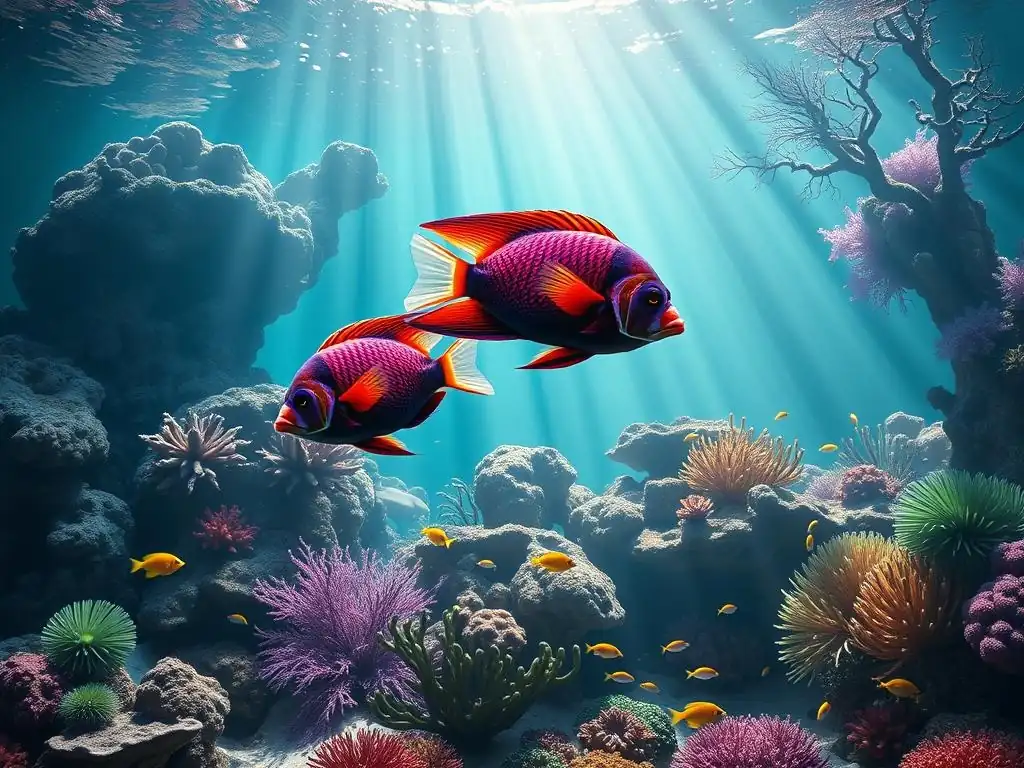
Ever wondered if your large saltwater aquarium could house one of those breathtaking Pomacanthus angelfish? These majestic creatures, often referred to as gentle giants, demand specialized care. Dive into our in-depth guide to understand the specific Pomacanthus angelfish care requirements and discover if you're ready to welcome one of these stunning beauties into your underwater world. Let's explore the nuances of their environment, diet, and compatibility – are you prepared for the challenge and the reward?
- Introduction to Pomacanthus Angelfish for Saltwater Aquariums
- Pomacanthus Angelfish Species Spotlight: A Comparative Overview
- Pomacanthus Angelfish Care Requirements: A Detailed Guide
- Social Compatibility and Tank Mates for Pomacanthus Angelfish
- Pomacanthus Angelfish Health and Disease Prevention
- Ensuring Long-Term Success with Your Pomacanthus Angelfish
- Pomacanthus Angelfish: Reef Safe or Reef Risky?
- Purchasing a Pomacanthus Angelfish: What to Look For
- Conclusion: Enjoying the Beauty of Pomacanthus Angelfish in Your Aquarium
-
Frequently Asked Questions
- How large do Pomacanthus angelfish typically grow in an aquarium?
- What are the essential water parameters for successfully keeping Pomacanthus angelfish?
- What types of food should I feed my Pomacanthus angelfish to ensure its health and vibrancy?
- Are Pomacanthus angelfish reef safe, and what precautions should I take if keeping them in a reef tank?
- What size aquarium is recommended for keeping a Pomacanthus angelfish, considering their large adult size?
- Final Reflection: The Enduring Allure of Angelfish
- Dive Deeper: Start Your Angelfish Adventure Now!
Introduction to Pomacanthus Angelfish for Saltwater Aquariums
Why Choose a Large Pomacanthus Angelfish?
Choosing a large Pomacanthus angelfish for a saltwater aquarium is an aspiration for many seasoned aquarists, primarily due to their unparalleled visual impact and engaging personalities. These magnificent fish can grow to impressive sizes, with some species reaching up to 20 inches in length, making them true centerpieces in spacious display tanks.
Their vibrant and often dramatic color changes from juvenile to adult stages offer a dynamic aesthetic appeal, transforming the aquarium environment as they mature. Furthermore, these species are known for their longevity, with many living for 10 to 15 years, or even longer, under optimal Pomacanthus angelfish care requirements, providing a long-term companion for dedicated hobbyists.
Beyond their striking appearance, large Pomacanthus angelfish exhibit fascinating behaviors and a level of intelligence that distinguishes them from many other marine species. They often recognize their owners, display unique swimming patterns, and interact with their environment in captivating ways. The commitment to providing the extensive Pomacanthus angelfish care requirements for these "gentle giants" is rewarded with a truly majestic and interactive aquatic display, making them a highly desirable choice for those with the resources and dedication to house them appropriately.
Understanding the Appeal of These Majestic Fish
The allure of large Pomacanthus angelfish stems from a combination of their majestic presence, intricate coloration, and the challenge and reward associated with their specialized care. Their graceful swimming motions, often gliding effortlessly through the water column, create a serene yet powerful focal point in any large marine setup. Many species, such as the Emperor Angelfish ( Pomacanthus imperator), exhibit a stunning metamorphosis from their strikingly patterned juvenile forms to their regal adult livery, offering a continuous visual evolution within the aquarium. This transformation is a significant draw, allowing aquarists to witness a natural wonder unfold over time.
Moreover, the appeal is deepened by the specific Pomacanthus angelfish care requirements that necessitate a well-established, large-volume aquarium, typically 120 gallons or more, depending on the species. Successfully maintaining these fish signifies a high level of aquaristic skill and dedication, providing a sense of accomplishment for the hobbyist. Their robust nature, when provided with pristine water quality and a balanced diet, further enhances their desirability, offering a resilient and long-lived inhabitant that can thrive for over a decade in a carefully managed environment.
Pomacanthus Angelfish Species Spotlight: A Comparative Overview
Emperor Angelfish (Pomacanthus imperator): Care and Characteristics
The Emperor Angelfish, Pomacanthus imperator, is arguably one of the most iconic and sought-after marine angelfish, renowned for its spectacular color transformation. Juveniles display a dark blue body adorned with concentric white and electric blue rings, while adults transition to a striking pattern of horizontal yellow and blue stripes, a dark mask over the eyes, and a bright yellow tail.
These fish can reach an impressive adult size of up to 15 inches (approximately 38 cm) in captivity, making their Pomacanthus angelfish care requirements significant. Their typical lifespan ranges from 10 to 15 years, with some individuals living even longer under optimal conditions.
Regarding temperament, Emperor Angelfish are considered semi-aggressive, particularly towards other angelfish or similarly shaped fish. They require a minimum tank size of 120-180 gallons to accommodate their adult size and provide ample swimming space and territories. Providing plenty of live rock with caves and overhangs is crucial for their well-being, offering both hiding spots and grazing opportunities. Maintaining Pomacanthus angelfish care requirements for this species involves stable water parameters, a varied diet rich in spirulina, marine algae, and meaty foods, and robust filtration to handle their bioload.
Blueface Angelfish (Pomacanthus xanthometopon): Temperament and Tank Size
The Blueface Angelfish, Pomacanthus xanthometopon, is another majestic member of the Pomacanthus genus, easily identifiable by its distinctive bright blue face, contrasting with a yellow body that often features a darker blotch or reticulated pattern. Like the Emperor, juveniles display a different coloration, usually dark blue with white and light blue vertical stripes, before transitioning to their adult form. Adult Blueface Angelfish can grow up to 15 inches (around 38 cm) in length, and their lifespan typically spans 10 to 12 years in a well-maintained aquarium.
In terms of temperament, the Blueface Angelfish is generally considered less aggressive than the Emperor, though it can still be territorial, especially towards conspecifics or other large angelfish. A minimum tank size of 120-180 gallons is essential to meet the Pomacanthus angelfish care requirements for this species, providing adequate space for swimming and establishing territories. They thrive in environments with abundant live rock for grazing and shelter. A varied diet, consistent water quality, and careful selection of tank mates are paramount for the long-term health and vibrancy of the Blueface Angelfish.
Koran Angelfish (Pomacanthus semicirculatus): Juvenile vs. Adult Coloration
The Koran Angelfish, Pomacanthus semicirculatus, is famed for one of the most dramatic and captivating transformations from its juvenile to adult coloration. Juveniles are striking, featuring a dark blue or black body adorned with swirling white and electric blue lines, resembling fingerprints or semicircles. As they mature, these intricate patterns gradually give way to a more subdued adult coloration, typically greenish-brown to grey with numerous small blue spots and a yellow-edged tail. Adult Koran Angelfish can reach sizes of up to 14 inches (approximately 35 cm) and have a lifespan of 10 to 15 years.
This species requires a spacious aquarium, with a minimum tank size of 180 gallons recommended to accommodate its adult size and active swimming habits. Providing ample live rock is vital, as the Koran Angelfish is an active grazer. Meeting its specific Pomacanthus angelfish care requirements involves maintaining pristine water conditions, offering a diverse diet of high-quality angelfish preparations, spirulina, and various meaty foods. While generally peaceful for an angelfish, they can become territorial as they mature, necessitating careful consideration of tank mates to ensure a harmonious environment.
Maculosus Angelfish (Pomacanthus maculosus): The Arabian Angelfish
The Maculosus Angelfish, also known as the Arabian Angelfish, Pomacanthus maculosus, is distinguished by its unique coloration and impressive size, often growing larger than other Pomacanthus species. Adults typically display a beautiful blue-grey body with a prominent, irregular yellow blotch on their flank, often accompanied by a bright yellow tail and blue-edged fins.
Juveniles exhibit a similar pattern to other Pomacanthus species, with dark blue bodies and light blue or white vertical stripes, which gradually transition to the adult form. This species can reach an imposing length of up to 20 inches (approximately 50 cm), making it one of the largest angelfish commonly kept in home aquariums.
Due to its considerable adult size, the Maculosus Angelfish has among the most demanding Pomacanthus angelfish care requirements in terms of tank volume. A minimum tank size of 200 to 250 gallons is highly recommended to provide sufficient swimming space and accommodate its significant bioload. Lifespan is typically 10 to 15+ years. They are generally robust and adaptable, but require stable water parameters, a diverse diet, and plenty of rockwork for grazing and shelter. While generally peaceful for its size, careful consideration of tank mates is crucial to prevent aggression, particularly with other large angelfish.
Pomacanthus Angelfish Care Requirements: A Detailed Guide
Tank Size and Setup for Large Angelfish Species
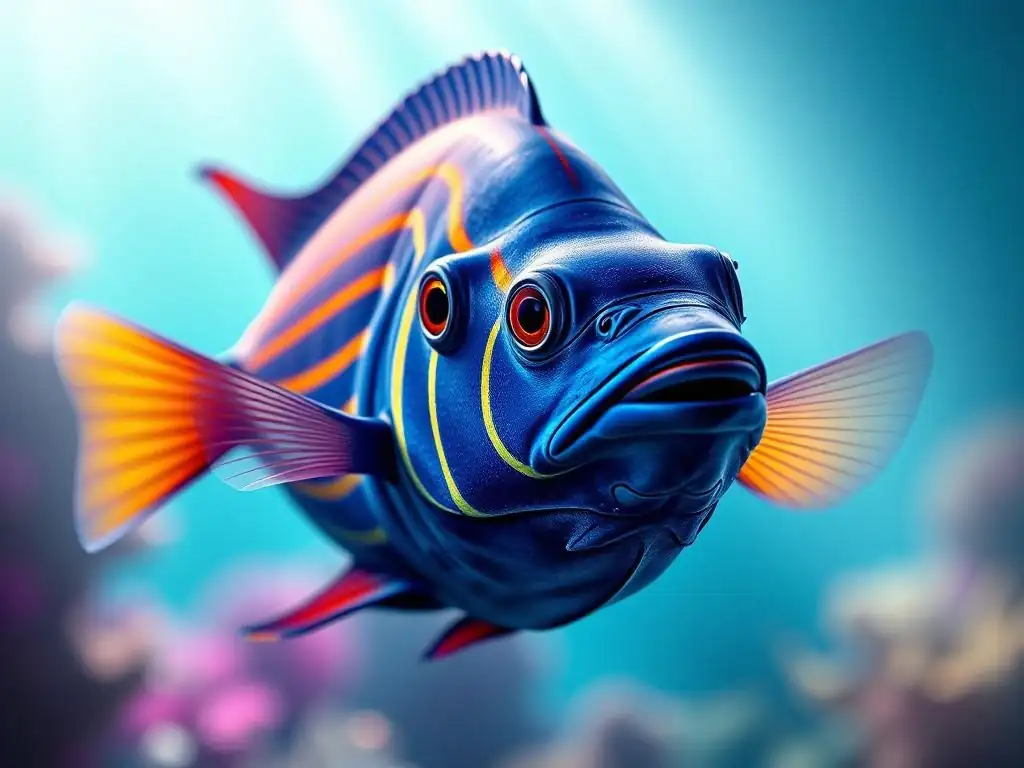
Meeting the Pomacanthus angelfish care requirements for large species begins with providing an appropriately sized aquarium. For most Pomacanthus angelfish, such as the Emperor, Blueface, and Koran, a minimum tank size of 120 to 180 gallons (approximately 450-680 liters) is essential to accommodate their adult size, which can range from 14 to 15 inches (35-38 cm).
Species like the Maculosus Angelfish, which can grow up to 20 inches (50 cm), necessitate even larger tanks, ideally 200 to 250 gallons (750-950 liters) or more, to ensure ample swimming space and reduce stress. Insufficient space can lead to stunted growth, increased aggression, and diminished health over time.
The tank setup should mimic their natural reef environment, providing a balance of open swimming areas and complex live rock structures. Live rock is not only crucial for biological filtration but also provides numerous caves, crevices, and overhangs for the angelfish to explore, hide in, and graze upon. Aim for at least 1.5 to 2 pounds of live rock per gallon of tank volume.
A sand bed, preferably fine to medium grain, can also be included. Ensuring a secure lid is vital, as these powerful fish can jump when startled. Proper Pomacanthus angelfish care requirements emphasize a well-designed aquascape that offers both security and stimulation.
Water Parameters and Quality for Optimal Health
Maintaining pristine and stable water parameters is paramount for the long-term health and vibrancy of Pomacanthus angelfish. These fish are highly sensitive to fluctuations and poor water quality, making consistent monitoring and maintenance critical for their Pomacanthus angelfish care requirements. The ideal salinity range should be maintained between 1.020 and 1.025 specific gravity, closely mimicking natural ocean conditions. The pH level should consistently fall within 8.1 to 8.4, and water temperature should be kept stable between 74-80°F (23-27°C).
Crucially, ammonia and nitrite levels must always be at zero (0 ppm), as even trace amounts can be highly toxic to marine fish. Nitrate levels should be kept as low as possible, ideally below 10-20 ppm, through regular water changes and efficient filtration. Regular testing with reliable test kits is indispensable to ensure these parameters are met. A stable environment reduces stress on the fish, bolstering their immune system and making them less susceptible to common diseases. Adherence to these water quality standards forms a cornerstone of effective Pomacanthus angelfish care requirements.
Diet and Nutrition: What to Feed Your Pomacanthus Angelfish
Proper diet and nutrition are fundamental Pomacanthus angelfish care requirements for ensuring their vibrant coloration, robust health, and longevity. These angelfish are omnivores with a significant herbivorous component, naturally grazing on algae and small invertebrates in the wild. A varied diet is crucial to prevent nutritional deficiencies and promote optimal growth. High-quality marine flake and pellet foods formulated for angelfish should form the base of their diet, providing essential vitamins and minerals.
Supplementing dry foods with a variety of frozen options is highly recommended. Offer frozen mysis shrimp, brine shrimp (preferably vitamin-enriched), spirulina-enriched foods, and various marine preparations containing algae, krill, and squid. Fresh greens, such as dried nori seaweed sheets (clipped to the tank glass) and blanched spinach, should be offered regularly to satisfy their herbivorous needs. Feeding 2-3 times per day in small portions is generally ideal, ensuring all food is consumed within a few minutes to avoid polluting the water.
Essential Foods for Healthy Growth and Vibrant Colors
To foster healthy growth and maintain the stunning, vibrant colors characteristic of Pomacanthus angelfish, their diet must be diverse and nutrient-rich. Key components of their feeding regimen should include high-quality marine angelfish pellets and flakes that contain spirulina or other algae as primary ingredients. These provide the necessary plant-based nutrients that are vital for their digestive health and coloration. For instance, many commercial angelfish formulas contain over 30% spirulina, which significantly enhances blue and yellow pigments.
Beyond prepared foods, a wide array of frozen foods is essential. Mysis shrimp and enriched brine shrimp offer crucial protein and fatty acids. Consider specialized frozen foods designed for marine omnivores, often containing a blend of seafood, algae, and vitamins. Regularly offering sheets of dried nori (Japanese seaweed, unseasoned) is paramount for their grazing habits, mimicking their natural diet and helping to prevent issues like Lateral Line Erosion (LLE). Some aquarists also provide finely chopped fresh seafood, such as shrimp or clam, as an occasional treat.
Avoiding Nutritional Deficiencies in Pomacanthus Angelfish
Preventing nutritional deficiencies is a critical aspect of Pomacanthus angelfish care requirements to ensure these fish thrive and avoid common health issues. A common concern is Lateral Line Erosion (LLE), often linked to poor nutrition, lack of proper vitamins (especially Vitamin C and A), and inadequate water quality.
To mitigate this, ensure their diet is consistently varied and includes foods fortified with essential vitamins. Many high-quality frozen foods are pre-enriched, but supplementing with liquid vitamin solutions (e.g., Vitamin C drops or a broad-spectrum marine vitamin supplement) soaked into dry or frozen foods a few times a week can be highly beneficial.
Avoid feeding only one type of food, as this invariably leads to deficiencies over time. For example, relying solely on brine shrimp, which are often poor in nutrients unless gut-loaded, can lead to stunted growth and faded colors. Instead, rotate between various flakes, pellets, and frozen foods, ensuring a balanced intake of proteins, lipids, carbohydrates, and micronutrients. Observing the fish's coloration, activity levels, and overall appearance will help indicate if their dietary needs are being met, allowing for adjustments to their feeding regimen as necessary.
Lighting and Filtration Considerations
Effective lighting and robust filtration are integral Pomacanthus angelfish care requirements that directly impact the health and stability of their large aquarium environment. For a fish-only-with-live-rock (FOWLR) system, which is common for large angelfish due to their potential to nip at corals, moderate lighting is generally sufficient.
This can be provided by LED fixtures or T5 fluorescent lights that enhance the fish's coloration and support the growth of beneficial macroalgae on the live rock. If the tank is intended to house some hardy corals that might tolerate angelfish grazing, more intense lighting suitable for those specific corals would be necessary, but this decision comes with inherent risks.
Filtration for large Pomacanthus angelfish must be exceptionally robust to handle their significant bioload and maintain pristine water quality. A large sump-based filtration system is highly recommended, incorporating a powerful protein skimmer capable of processing twice the tank's volume. Protein skimming effectively removes organic waste before it breaks down into nitrates.
Additionally, a strong biological filtration component, such as ample live rock and bio-media in the sump, is crucial for converting ammonia and nitrite. Mechanical filtration (filter socks or sponges) should be used and cleaned or replaced frequently to remove particulate matter and prevent nitrate buildup. High flow rates, achieved with powerheads or wavemakers, are also beneficial for oxygenation and preventing dead spots within the aquarium.
Choosing Compatible Tank Mates
Careful selection of tank mates is a crucial aspect of Pomacanthus angelfish care requirements, as these species can be territorial and semi-aggressive, especially as they mature. The general rule is to choose fish that are equally robust and active, but not overly aggressive, and that occupy different swimming levels or niches within the aquarium.
Good candidates often include large tangs (such as Yellow Tangs, Blue Tangs, or Sailfin Tangs), larger wrasses (like Hogfish or certain large Fairy Wrasses), and some less aggressive triggers (e.g., the Clown Trigger, with caution, or the Niger Trigger). Avoid very small, delicate, or shy species that could be intimidated or outcompeted for food.
Introducing tank mates strategically can also help minimize aggression. It's often best to introduce the Pomacanthus angelfish last or at the same time as other large, assertive fish, allowing them all to establish territories simultaneously. Providing ample hiding spots and visual barriers with live rock aquascaping can help diffuse potential conflicts. Monitoring interactions closely during the initial weeks is vital. If severe aggression occurs, be prepared to separate fish or re-evaluate the tank's stocking plan.
Avoiding Aggression and Territorial Disputes
Aggression and territorial disputes are common challenges in managing large Pomacanthus angelfish, and proactive measures are key Pomacanthus angelfish care requirements to prevent them. One primary cause of aggression is insufficient space; a cramped environment exacerbates territorial instincts. Ensuring the tank is adequately sized, as discussed (120-250+ gallons depending on species), provides enough room for each fish to establish its own territory without constant encroachment.
Furthermore, avoid housing multiple large angelfish of the same genus or similar appearance, as this nearly guarantees conflict. While some Pomacanthus species can be kept together in exceptionally large aquariums (500+ gallons) with careful planning and simultaneous introduction, it is generally not recommended for typical home setups.
Aquascaping plays a significant role in mitigating aggression. Create numerous caves, overhangs, and visual barriers using live rock to break up sight lines and provide multiple hiding spots. This allows submissive fish to retreat and reduces direct confrontations. Introducing less aggressive fish first, allowing them to establish themselves before adding the angelfish, can sometimes help. However, for a Pomacanthus angelfish, it's often more effective to introduce them simultaneously with other large, robust tank mates to distribute aggression evenly. Always observe new additions closely for several days to a week for signs of excessive bullying or stress.
Creating a Peaceful Community Aquarium
Creating a truly peaceful community aquarium with large Pomacanthus angelfish requires careful planning, adherence to strict Pomacanthus angelfish care requirements, and ongoing observation. The foundation lies in selecting appropriately sized tank mates that are compatible in temperament and dietary needs. Opt for fish that are robust enough to hold their own but not overtly aggressive themselves. Examples include various species of tangs, certain large wrasses, and even some non-aggressive triggerfish if the tank is very large. Avoid delicate or very slow-moving species that may be easily stressed or outcompeted for food.
Beyond species selection, maintaining a stable and enriched environment is crucial. Ensure the aquarium offers plenty of open swimming space alongside complex rock formations that provide numerous hiding spots and visual breaks. This allows fish to establish territories without constant direct confrontation. A consistent feeding schedule with varied, high-quality foods ensures all inhabitants are well-fed, reducing food-related aggression.
Regularly monitoring the fish's behavior for any signs of stress, bullying, or illness is essential. If aggression becomes a persistent problem, rearranging the rockwork can sometimes disrupt established territories and alleviate tensions. In severe cases, removing the aggressor or the targeted fish may be necessary.
Pomacanthus Angelfish Health and Disease Prevention
Common Diseases Affecting Pomacanthus Angelfish
Despite their robust nature, Pomacanthus angelfish are susceptible to several common marine aquarium diseases, making disease prevention a critical component of their Pomacanthus angelfish care requirements. Ich ( Cryptocaryon irritans), or white spot disease, is perhaps the most prevalent, appearing as small white spots resembling salt grains on the fish's body and fins. Marine Velvet ( Amyloodinium ocellatum) is another highly contagious parasitic infection, often more lethal than Ich, manifesting as a dusty, yellowish or brownish film on the fish. Both parasites can rapidly spread and cause significant respiratory distress.
Beyond external parasites, Pomacanthus angelfish can suffer from bacterial infections, which may appear as fin rot, cloudy eyes, or open sores, often secondary to stress or poor water quality. Nutritional deficiencies can lead to conditions like Lateral Line Erosion (LLE), characterized by pitting and erosion along the fish's lateral line and head, and Pop-Eye. Internal parasites are also a concern, although less visibly apparent. Vigilance and proactive measures are key to addressing these health challenges.
Recognizing Early Signs of Illness
Early recognition of illness is crucial for successful treatment and forms an important part of Pomacanthus angelfish care requirements. Aquarists should observe their angelfish daily for any changes in behavior, appearance, or appetite. One of the first signs of stress or disease is a change in swimming patterns; a healthy angelfish will swim actively and gracefully, while a sick one may appear lethargic, hover in one spot, or exhibit rapid, labored breathing (gilling). Clamped fins, where the fins are held close to the body rather than spread out, are another clear indicator of discomfort.
Physical signs to look for include visible spots (white for Ich, dusty for Marine Velvet), frayed or rotting fins, cloudy eyes, open sores, or unusual growths. A loss of appetite or a refusal to eat is a significant warning sign that requires immediate attention. Changes in coloration, such as fading or darkening, can also indicate stress or illness. Any deviation from the fish's normal behavior or appearance should prompt further investigation and potentially intervention, ideally in a separate quarantine tank.
Quarantine Procedures and Treatment Options
Implementing a strict quarantine procedure for all new Pomacanthus angelfish and other tank inhabitants is the single most effective disease prevention strategy and a non-negotiable Pomacanthus angelfish care requirement. A separate quarantine tank (QT) of at least 20-30 gallons, equipped with its own heater, filter, and minimal PVC hiding spots, should be set up. New fish should be acclimated and then housed in the QT for a minimum of 3-4 weeks.
During this period, they can be observed for signs of disease, treated if necessary, and conditioned to eat prepared foods. This prevents the introduction of pathogens into the main display tank, protecting established inhabitants.
For common parasitic infections like Ich and Marine Velvet, copper-based medications (e.g., Chelated Copper, Copper Sulfate) are effective treatments in a quarantine setting, carefully dosed and monitored. Hyposalinity (reducing salinity to 1.008-1.010) is an alternative for Ich but requires precise monitoring. Bacterial infections may require broad-spectrum antibiotics, often administered via medicated food or as a bath treatment, under veterinary guidance if possible. Always follow medication instructions precisely and remove carbon filtration during treatment. Ensuring optimal water quality and nutrition throughout the treatment process is vital for recovery.
Ensuring Long-Term Success with Your Pomacanthus Angelfish
Maintaining a Stable Aquarium Environment
Maintaining a stable aquarium environment is perhaps the most critical Pomacanthus angelfish care requirement for their long-term success and well-being. Fluctuations in water parameters, temperature, or lighting can cause significant stress, weakening the fish's immune system and making them susceptible to disease. Consistency is key: aim for minimal daily swings in pH (no more than 0.2 units), temperature (within 1-2°F), and salinity. This is best achieved through robust filtration, reliable heating and cooling equipment, and a consistent maintenance schedule.
Beyond chemical parameters, a stable physical environment is also important. Avoid sudden changes in aquascaping unless absolutely necessary, as this can disrupt territories and cause stress. A consistent feeding routine, at the same times each day, helps the fish feel secure and reduces anxiety. A well-established nitrogen cycle is fundamental; never introduce a large Pomacanthus angelfish into a new, uncycled tank. Allowing the aquarium to mature for several months before introducing sensitive species provides a more stable biological foundation.
Regular Water Changes and Maintenance
Regular water changes and diligent maintenance are indispensable Pomacanthus angelfish care requirements for maintaining the pristine water quality these fish demand. Large angelfish produce a significant bioload, meaning they generate a considerable amount of waste, which can quickly degrade water quality if not managed. A typical recommendation is a 10-20% water change weekly or bi-weekly, depending on the tank's bioload and filtration efficiency. This process replenishes essential trace elements, removes accumulated nitrates and other undesirable compounds, and helps maintain stable water chemistry.
Beyond water changes, routine maintenance tasks are crucial. This includes siphoning detritus from the substrate, cleaning the protein skimmer collection cup daily or every few days, rinsing or replacing mechanical filter media (like filter socks or sponges) regularly, and cleaning powerheads to ensure optimal flow. Periodically testing water parameters (salinity, pH, ammonia, nitrite, nitrate) is also part of this routine, allowing for early detection of any imbalances. Neglecting these maintenance tasks can lead to a gradual decline in water quality, stressing the fish and increasing their susceptibility to illness, ultimately undermining long-term Pomacanthus angelfish care requirements.
Monitoring Behavior and Adjusting Care as Needed
Continuous monitoring of your Pomacanthus angelfish's behavior and appearance is a fundamental, ongoing Pomacanthus angelfish care requirement. Daily observation allows aquarists to quickly identify subtle changes that could indicate stress, illness, or incompatibility issues before they escalate into serious problems. Pay close attention to their appetite; a healthy angelfish will eagerly accept food. Any prolonged refusal to eat, or a significant decrease in appetite, is a major red flag. Observe their swimming patterns: are they active and graceful, or are they lethargic, hiding excessively, or displaying abnormal movements?
Changes in coloration, such as fading or dullness, can signal stress, poor nutrition, or disease. Watch for any physical signs of illness like spots, frayed fins, or cloudy eyes. Also, monitor their interactions with tank mates; increased aggression or becoming overly reclusive could indicate social stress. Based on these observations, adjust their care as needed. This might involve increasing water change frequency, modifying their diet, adjusting tank parameters, or even re-evaluating tank mates or aquascaping. Proactive adjustments based on careful monitoring are key to ensuring the long-term health and well-being of your Pomacanthus angelfish.
Pomacanthus Angelfish: Reef Safe or Reef Risky?
Understanding the Grazing Habits of Pomacanthus Angelfish
Understanding the natural grazing habits of Pomacanthus angelfish is crucial when considering their compatibility with a reef aquarium, as this directly impacts their "reef safe" status. In their natural habitat, these large angelfish are omnivores with a significant herbivorous component. They spend a considerable amount of time grazing on algae, detritus, and various small invertebrates found on live rock and coral surfaces. This natural inclination to pick and graze translates directly into their aquarium behavior. While this grazing can be beneficial for controlling nuisance algae, it also poses a substantial risk to sessile invertebrates and corals.
Their strong, bristle-like teeth and robust mouths are perfectly adapted for nipping and picking at surfaces. This means that even if they are well-fed on prepared foods, their instinct to graze on live rock often extends to nipping at corals, sponges, and other invertebrates. The extent of this nipping varies significantly between individual fish, even within the same species, making it difficult to predict with certainty. Some individuals might only occasionally pick, while others might systematically destroy coral colonies, making comprehensive Pomacanthus angelfish care requirements in a reef environment challenging.
Potential Damage to Corals and Invertebrates
The potential for damage to corals and invertebrates is a significant concern when housing Pomacanthus angelfish in a reef aquarium, making them generally considered "reef risky" rather than "reef safe." Their grazing habits, while natural, often lead to them nipping at the polyps of Large Polyp Stony (LPS) corals such as Favia, Blastomussa, and Acanthastrea, which they may perceive as food or simply enjoy picking at. Zoanthids and Palythoa colonies are also frequently targeted, often leading to their closure, retraction, or even complete destruction over time.
Clams, especially Tridacna species, are particularly vulnerable; Pomacanthus angelfish are notorious for nipping at their mantle, causing the clam to retract and eventually starve or succumb to infection. Feather dusters, sponges, and other soft-bodied invertebrates are also at high risk of being picked apart.
While Small Polyp Stony (SPS) corals like Acropora and Montipora are sometimes considered less appealing to angelfish, even these can be nipped, leading to stress, tissue recession, or outright death of polyps. Due to these potential destructive behaviors, many aquarists choose to keep large Pomacanthus angelfish in Fish-Only-With-Live-Rock (FOWLR) setups, where the Pomacanthus angelfish care requirements can be met without risking expensive or beloved corals.
Strategies for Minimizing Reef Damage
While no Pomacanthus angelfish can be guaranteed "reef safe," several strategies can minimize potential damage to corals and invertebrates if an aquarist chooses to attempt a mixed reef setup. One of the most important Pomacanthus angelfish care requirements in this context is to provide an exceptionally diverse and abundant diet. Regularly offering multiple feedings of high-quality, varied foods, including spirulina-rich flakes, pellets, frozen marine preparations, and especially dried nori seaweed sheets (clipped to the glass), can help satiate their grazing instincts and reduce their desire to pick at corals.
Another strategy involves careful species selection for the corals themselves. Choose hardier, less palatable corals that are known to be more resistant to angelfish nipping, such as certain types of leather corals or mushrooms, rather than delicate LPS or SPS. However, even these are not entirely immune.
Ensuring the tank is very large (e.g., 250+ gallons) provides more space and potentially dilutes the angelfish's grazing pressure across a broader area. Ultimately, despite these efforts, there is always an inherent risk, and aquarists must be prepared for potential coral damage or the need to rehome the angelfish if it becomes too destructive. Many experienced aquarists conclude that the best approach to Pomacanthus angelfish care requirements in a reef setting is to avoid it altogether for the sake of the corals.
Purchasing a Pomacanthus Angelfish: What to Look For
Identifying Healthy Specimens
Identifying a healthy Pomacanthus angelfish before purchase is a crucial step in ensuring long-term success and fulfilling Pomacanthus angelfish care requirements. A healthy specimen will exhibit clear, bright eyes without any cloudiness or haziness. Its fins should be fully intact, without any signs of fraying, tears, or clamped appearance. The body should be plump and full, not emaciated or sunken, indicating consistent feeding and good health. Look for vibrant, unfaded coloration characteristic of the species; dull colors can be a sign of stress or illness.
Observe the fish's behavior in the dealer's tank. A healthy angelfish should be active and alert, swimming freely and exploring its environment. It should react positively to food offered, demonstrating a strong appetite. Avoid fish that are lethargic, hiding excessively, breathing rapidly, or exhibiting any visible spots, lesions, or unusual growths on their body. Inquire about how long the fish has been at the facility; a fish that has been stable and eating well for at least a week or two is generally a better choice than a brand-new arrival.
Avoiding Wild-Caught vs. Captive-Bred Concerns
When purchasing a Pomacanthus angelfish, understanding the distinction between wild-caught and captive-bred specimens is an important consideration for Pomacanthus angelfish care requirements and ethical aquaristics. Captive-bred fish are generally preferred as they are often hardier, already accustomed to aquarium life and prepared foods, and typically carry fewer parasites. Their collection has no impact on wild populations, promoting sustainable practices. However, large Pomacanthus angelfish species are complex to breed in captivity, and truly captive-bred specimens are still relatively rare and command a higher price.
The vast majority of large Pomacanthus angelfish available in the hobby are wild-caught. While these fish can thrive, they often arrive stressed, may carry parasites, and can be more challenging to acclimate to aquarium life and prepared foods. Choosing a wild-caught specimen requires a more rigorous quarantine process and a greater commitment to careful acclimation. When opting for wild-caught, inquire about the collection methods if possible, and always prioritize fish that appear robust and have been given time to recover and feed at the retailer's facility.
Acclimation Process for New Angelfish
Proper acclimation is a vital Pomacanthus angelfish care requirement to minimize stress and shock when introducing a new specimen to its quarantine tank. The goal is to slowly equalize the water parameters (temperature, salinity, pH) between the transport bag and the new tank. The drip acclimation method is highly recommended for sensitive marine fish like angelfish. Begin by floating the sealed bag in the quarantine tank for 15-20 minutes to equalize temperature.
After temperature equalization, open the bag, roll down the edges to create an air pocket, and secure it to the side of the tank. Using airline tubing, create a siphon from the quarantine tank to the bag, tying a knot in the tubing or using a control valve to regulate the drip rate to about 2-3 drops per second. Allow water to slowly drip into the bag until the volume of water in the bag has quadrupled (this typically takes 30-60 minutes, or longer for very sensitive species).
Once acclimated, gently net the angelfish from the bag and place it into the quarantine tank, discarding the water from the bag. Keep the lights dim for the first few hours to further reduce stress.
Conclusion: Enjoying the Beauty of Pomacanthus Angelfish in Your Aquarium
The Rewards of Keeping These Magnificent Fish
The journey of keeping large Pomacanthus angelfish is undoubtedly demanding, but the rewards are profound, making the diligent adherence to Pomacanthus angelfish care requirements well worth the effort. These fish are true living jewels, transforming from often wildly patterned juveniles to breathtakingly majestic adults, providing a dynamic and captivating focal point in any large marine aquarium. Their intelligence, personality, and graceful swimming add a layer of interaction and beauty that few other marine species can match. Witnessing their long-term growth and vibrant health under your care provides a deep sense of accomplishment and connection to the aquatic world.
Beyond their aesthetic appeal, the challenge of providing optimal Pomacanthus angelfish care requirements pushes aquarists to refine their skills in water chemistry, nutrition, and tank management. Successfully maintaining these "gentle giants" for their full lifespan, often 10-15 years or more, is a testament to an aquarist's dedication and knowledge. They become long-term companions, each with a unique character, bringing immense joy and a constant source of fascination to the home aquarium.
Contributing to Responsible Aquaristics
Choosing to keep large Pomacanthus angelfish responsibly is a significant contribution to the broader field of aquaristics. By committing to the extensive Pomacanthus angelfish care requirements, including providing appropriately sized tanks (e.g., 120-250+ gallons), maintaining pristine water quality, and offering a diverse, nutritious diet, aquarists set a positive example for the hobby. This responsible approach ensures the well-being of these magnificent creatures, promoting their longevity and health rather than treating them as disposable decorations.
Furthermore, making informed choices, such as prioritizing captive-bred specimens when available, or supporting reputable suppliers who employ sustainable collection practices for wild-caught fish, directly contributes to the conservation of marine ecosystems. Educating others about the specific needs of these large angelfish, and discouraging impulse purchases without adequate preparation, helps elevate the standards of the hobby. Ultimately, responsible aquaristics with Pomacanthus angelfish is about appreciating their beauty while respecting their needs, ensuring that these iconic fish can thrive for generations to come.
Frequently Asked Questions
How large do Pomacanthus angelfish typically grow in an aquarium?
Pomacanthus angelfish, often referred to as gentle giants, can reach impressive sizes in captivity. Most species can grow to over 12 inches, with some exceeding 18 inches in length.
What are the essential water parameters for successfully keeping Pomacanthus angelfish?
Maintaining optimal water quality is crucial. This includes stable salinity levels (around 1.025 specific gravity), a pH between 8.1 and 8.4, and low levels of nitrates and ammonia. Regular water changes are also necessary.
What types of food should I feed my Pomacanthus angelfish to ensure its health and vibrancy?
A varied diet is essential for Pomacanthus angelfish. They thrive on a mix of high-quality flake food, frozen preparations, and live foods such as brine shrimp and mysis shrimp. It's important to include algae-based foods in their diet.
Are Pomacanthus angelfish reef safe, and what precautions should I take if keeping them in a reef tank?
Generally, Pomacanthus angelfish are not considered reef safe. They are known to nip at corals and invertebrates. If kept in a reef tank, careful observation and selection of hardy corals are essential.
What size aquarium is recommended for keeping a Pomacanthus angelfish, considering their large adult size?
Due to their substantial size, Pomacanthus angelfish require a very large aquarium. A tank with a minimum volume of 250 gallons is recommended, with larger tanks being preferable to provide ample swimming space.
Okay, here's a final reflection designed for your article "Large Pomacanthus Angelfish: Comparing the Gentle Giants for Your Big Tank," optimized for the keyword "Pomacanthus angelfish care requirements," and following your specified structure:
Final Reflection: The Enduring Allure of Angelfish
The detailed comparisons presented in this article highlight that responsible reef keeping, particularly when it comes to majestic creatures like Pomacanthus angelfish, demands more than just admiration. It requires a deep understanding of their specific needs and a commitment to providing the appropriate environment. Ignoring these crucial care requirements can lead to devastating consequences for both the fish and the delicate ecosystem of your aquarium.
The captivating beauty of these angelfish has undoubtedly fueled their popularity, but true appreciation lies in recognizing the responsibility that comes with their care. We must move beyond simply wanting these magnificent creatures and embrace the dedication needed to ensure their well-being. In the end, we will conserve only what we love; we will love only what we understand; and we will understand only what we are taught.
- Baba Dioum. This quote perfectly encapsulates the journey of responsible aquarists, urging us to learn, understand, and ultimately, protect these incredible animals.
As you consider adding a Pomacanthus angelfish to your large tank, remember that you are not just acquiring a pet, but becoming a steward of a complex life. Let the information shared here guide you in making informed decisions, ensuring that your passion for these gentle giants translates into a thriving and sustainable environment for them. Embrace the challenge, deepen your understanding, and create a haven where these magnificent fish can truly flourish.
Dive Deeper: Start Your Angelfish Adventure Now!
Thank you for exploring the world of majestic Pomacanthus Angelfish with us! We hope you've gained valuable insights into choosing the perfect gentle giant for your aquarium. Now, let's turn that knowledge into action!
- Begin researching ethical breeders and reputable suppliers of Pomacanthus Angelfish to ensure you source a healthy and responsibly obtained fish.
- Share this guide with fellow aquarium enthusiasts who are considering adding a large angelfish to their collection.
- Brainstorm creative and enriching tank setups that cater specifically to the needs of your chosen Pomacanthus species – consider unique rock formations or innovative feeding strategies!
What specific habitat enrichment are you most excited to experiment with to create the ultimate angelfish paradise?