
Mastering Pygmy Angelfish (Centropyge argi) Care: Tiny Marvels, Big Impact

Welcome to Aquarium Mastery!
Intrigued by the dazzling world of saltwater aquariums? Then you're in the right place! Dive in and discover everything you need to know about caring for these miniature reef inhabitants, starting with our essential Pygmy Angelfish Care Guide. Uncover the secrets to keeping these tiny marvels thriving in your own slice of the ocean – are you ready to unlock the full potential of your reef tank? Let's get started!
- Introduction to Pygmy Angelfish: A Complete Care Guide for Centropyge argi
- Understanding the Pygmy Angelfish: Natural Habitat and Behavior
- Setting Up the Ideal Pygmy Angelfish Tank: A Detailed Guide
- Pygmy Angelfish Care: Diet and Feeding Strategies
- Pygmy Angelfish Compatibility: Choosing the Right Tank Mates
- Maintaining Pygmy Angelfish Health: Disease Prevention and Treatment
- Pygmy Angelfish Breeding: Challenges and Possibilities
- Troubleshooting Common Pygmy Angelfish Care Issues
- Advanced Pygmy Angelfish Care Techniques
- Conclusion: Thriving with Your Pygmy Angelfish
- Frequently Asked Questions
- Final Reflection: Embracing the Delicate Balance
- Unleash the Vibrant Beauty of Your Reef Tank!
Introduction to Pygmy Angelfish: A Complete Care Guide for Centropyge argi
The Pygmy Angelfish, scientifically known as Centropyge argi, is a captivating and popular choice for many saltwater aquarists. Despite its small stature, typically reaching only about 3 inches (7.5 cm) in length, this species brings a vibrant splash of color and engaging personality to the marine aquarium. Its striking blue and orange coloration, coupled with its relatively peaceful disposition compared to larger angelfish species, makes it a desirable inhabitant for smaller reef tanks.
This comprehensive Pygmy angelfish care guide is designed to equip both novice and experienced aquarists with the knowledge required to successfully keep these magnificent dwarf angelfish. From understanding their natural habitat and dietary needs to setting up the ideal aquarium and managing common health issues, we will delve into every aspect of Centropyge argi care. Our aim is to ensure your tiny marvels not only survive but truly thrive, showcasing their full beauty and behavioral repertoire in your home aquarium.
Understanding the Pygmy Angelfish: Natural Habitat and Behavior
Origin and Distribution of the Cherub Angelfish
The Cherub Angelfish, another common name for Centropyge argi, originates from the warm, tropical waters of the Western Atlantic Ocean. Their natural distribution spans a significant area, including the Caribbean Sea, the Gulf of Mexico, and extends as far north as the Florida Keys and Bermuda, and south to the coast of Brazil. These vibrant fish are typically found in shallow to moderately deep reef environments, ranging from depths of approximately 5 meters (16 feet) down to 80 meters (260 feet), though they are most commonly observed between 15-30 meters (50-100 feet).
Within these diverse habitats, Centropyge argi prefers areas with abundant coral growth, rocky outcrops, and rubble zones, which provide numerous crevices and caves for shelter and foraging. They are often seen darting amongst the intricate structures of the reef, utilizing these hiding spots to evade predators and establish their territories. Understanding this natural preference for sheltered, complex environments is crucial for replicating an ideal habitat in a home aquarium, forming a cornerstone of effective Pygmy angelfish care.
Natural Diet of Centropyge argi in the Wild
In their wild habitat, Pygmy Angelfish are primarily omnivorous, with a significant portion of their diet consisting of various forms of marine algae and detritus. They are active grazers, constantly picking at live rock and coral surfaces to consume microscopic organisms, algal films, and organic debris. This continuous grazing behavior helps them maintain a healthy digestive system and ensures a steady intake of essential nutrients.
Beyond plant matter, their diet also includes a variety of small invertebrates. These can range from tiny copepods and amphipods that live on the reef structure to small worms and other benthic organisms. This varied natural diet highlights the importance of offering a diverse range of foods in captivity, including both high-quality vegetable-based preparations and meaty foods, to meet their complete nutritional requirements for optimal Centropyge argi health.
Typical Behavior Patterns of Pygmy Angelfish in Reef Environments
Pygmy Angelfish exhibit a fascinating array of behaviors in their natural reef environments. They are generally considered peaceful towards other fish species, particularly those that do not resemble them or compete directly for resources. However, Centropyge argi can display territorial tendencies, especially towards conspecifics (other Pygmy Angelfish) or other dwarf angelfish species. In the wild, they are often observed solitary or in loose pairs, sometimes forming small harems consisting of one male and several females within a defined territory.
These fish are highly active during the day, spending their time foraging and exploring the intricate reef structure. They are known for their inquisitive nature, constantly picking at surfaces and investigating new areas. At night, they seek refuge within the rockwork, retreating into crevices to sleep and protect themselves from nocturnal predators. Replicating a tank environment that supports these natural behaviors, with ample hiding spots and foraging opportunities, is a key aspect of successful Pygmy angelfish care.
Setting Up the Ideal Pygmy Angelfish Tank: A Detailed Guide
Choosing the Right Aquarium Size for Pygmy Angelfish
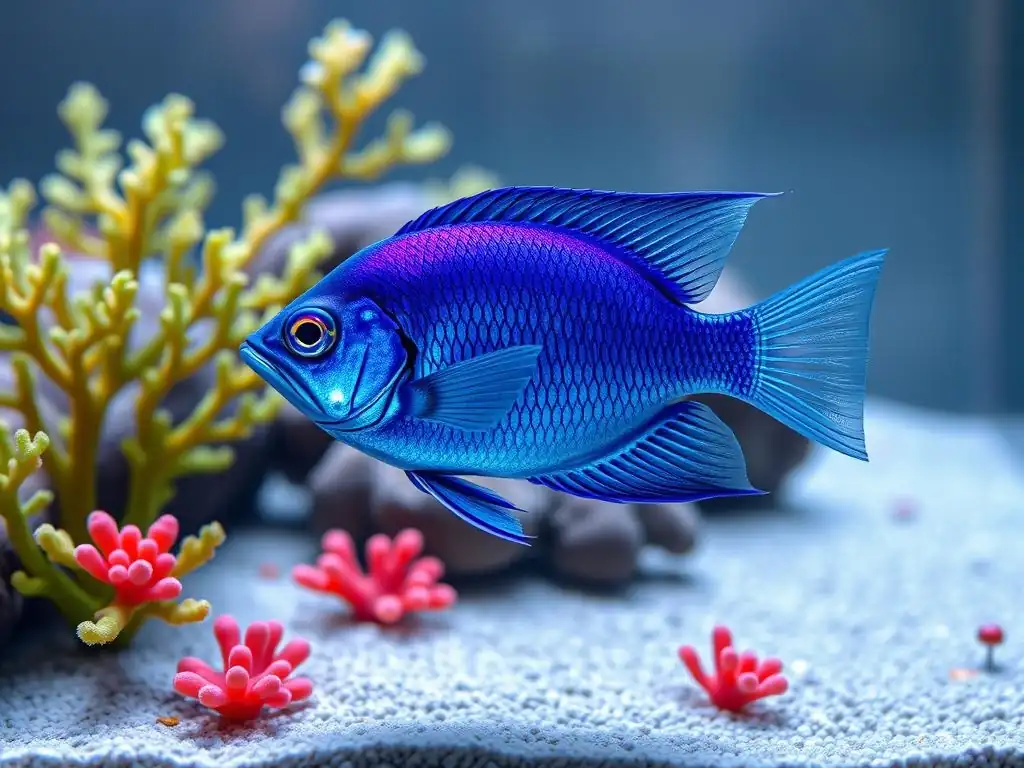
Selecting the appropriate aquarium size is a critical first step in providing optimal Pygmy angelfish care. While their small adult size might suggest suitability for very tiny tanks, a minimum of 30 gallons (approximately 115 liters) is generally recommended for a single Pygmy Angelfish. This volume provides sufficient swimming space and, more importantly, allows for the creation of a stable environment with adequate live rock for hiding and grazing.
For keeping a pair of Centropyge argi or housing them in a community tank with other small, peaceful species, a larger aquarium of 50 gallons (approximately 190 liters) or more is highly advisable. Larger tanks dilute waste products more effectively, offer greater stability in water parameters, and provide more territory and visual barriers, which can significantly reduce aggression, especially between conspecifics. A larger footprint, rather than just height, is beneficial, allowing for more extensive aquascaping and horizontal swimming room.
Essential Equipment for a Healthy Centropyge argi Habitat
Filtration Needs for Maintaining Water Quality
Maintaining pristine water quality is paramount for the health and longevity of your Pygmy Angelfish. Robust filtration is essential, typically involving a combination of mechanical, biological, and chemical filtration. A high-quality protein skimmer is a cornerstone of marine filtration, effectively removing organic waste before it breaks down into harmful nitrates. For a 30-gallon tank, a skimmer rated for 50-75 gallons provides ample overhead, ensuring efficient nutrient export.
In addition to a skimmer, supplementary filtration such as a hang-on-back filter or a sump system equipped with filter socks, biological media (like bio-balls or ceramic rings), and activated carbon is highly recommended. Mechanical filtration removes particulate matter, biological media converts ammonia and nitrite into less toxic nitrate, and chemical media like activated carbon removes dissolved organic compounds and yellowing agents. Aim for a moderate water flow rate within the tank, typically 10-20 times the tank volume per hour, to ensure adequate oxygenation and waste removal without creating overly turbulent conditions that stress the fish.
Lighting Requirements for Pygmy Angelfish Health
Pygmy Angelfish do not have specialized or demanding lighting requirements for their direct health. Moderate intensity lighting, typical for a mixed-reef or fish-only-with-live-rock (FOWLR) setup, is generally sufficient. If you plan to keep corals alongside your Centropyge argi, the lighting choice will primarily be dictated by the needs of the corals.
For a display tank, a standard LED reef light system operating on a 10-12 hour photoperiod with a dawn-to-dusk cycle is appropriate. While the angelfish themselves don't require intense light, ensuring there are shaded areas created by live rock formations is beneficial, allowing them places to retreat and feel secure. This consideration for their comfort under lighting conditions is an often-overlooked aspect of comprehensive Pygmy angelfish care.
Maintaining Proper Water Parameters for Centropyge argi
Consistent and stable water parameters are perhaps the most critical factor in successful Pygmy angelfish care. These fish thrive within a narrow range of specific conditions that mimic their natural marine environment. The ideal temperature range should be maintained between 74-82°F (23-28°C), with a stable target of 76-78°F (24-25.5°C). Salinity is crucial and should be kept between 1.023 and 1.026 specific gravity, or 32-35 parts per thousand (ppt).
The pH level must be consistently maintained between 8.1 and 8.4, and alkalinity (dKH) should be stable within the range of 8-12 dKH. Ammonia and nitrite levels must always be undetectable (0 ppm), as even trace amounts can be highly toxic. Nitrate levels should be kept as low as possible, ideally below 10-20 ppm, through regular water changes (e.g., 10-20% weekly or bi-weekly) and efficient nutrient export methods. Routine testing of these parameters using reliable test kits is essential for proactive maintenance and early detection of potential issues.
Creating a Reef-Safe Environment for Your Pygmy Angelfish
Live Rock Placement and Aquascaping for Dwarf Angelfish
The strategic placement of live rock is fundamental to creating an enriching and secure environment for your dwarf angelfish. Aim to incorporate at least 1 to 1.5 pounds of live rock per gallon of tank water, building structures that offer numerous caves, crevices, and overhangs. These formations serve multiple purposes: they provide essential hiding spots where the Pygmy Angelfish can retreat when stressed or sleep at night, and they offer ample surfaces for grazing on natural algae and detritus, which is a vital part of their diet.
When aquascaping, consider creating visual barriers if you plan to keep more than one fish, especially if they are of the same or similar species. This helps to break up sightlines and reduce potential territorial aggression. Ensure that all live rock structures are stable and securely placed to prevent collapses, which can injure fish or damage the tank. A well-designed aquascape not only enhances the aesthetic appeal of your aquarium but also significantly contributes to the psychological well-being and natural behavior of your Centropyge argi.
Substrate Selection for Optimal Water Chemistry
The choice of substrate plays a role in supporting optimal water chemistry for your Pygmy Angelfish. Aragonite-based sand or crushed coral is the preferred substrate for marine aquariums, including those housing Centropyge argi. These calcium carbonate-based materials naturally help to buffer the pH of the water, assisting in maintaining the stable alkaline conditions (pH 8.1-8.4) that saltwater fish require.
A substrate bed of 1 to 3 inches (2.5-7.5 cm) deep is generally sufficient. While deeper sand beds can facilitate denitrification, they require careful maintenance to prevent the accumulation of detritus and the formation of anaerobic pockets, which can release harmful substances. For most home aquariums focusing on Pygmy angelfish care, a shallower bed is easier to manage and still provides adequate buffering capacity and a natural appearance that mimics their native reef environment.
Pygmy Angelfish Care: Diet and Feeding Strategies
What to Feed Your Pygmy Angelfish: A Nutritional Breakdown
A varied and nutritionally rich diet is crucial for the long-term health and vibrant coloration of your Pygmy Angelfish. As omnivores, their diet should encompass both vegetable matter and meaty foods. High-quality marine algae, such as spirulina flakes or nori sheets, should form a significant portion of their diet. This helps prevent nutritional deficiencies and conditions like Head and Lateral Line Erosion (HLLE), which are often linked to poor diet and water quality.
In addition to plant-based foods, include a variety of meaty options. These can consist of finely chopped frozen mysis shrimp, brine shrimp (preferably enriched with spirulina or vitamins), and specialized angelfish preparations. Supplementing their diet with vitamin-enriched foods, such as those soaked in products like Selcon, can further boost their immune system and overall vitality. A balanced nutritional approach is a cornerstone of effective Pygmy angelfish care guide principles.
Best Food Options for Centropyge argi: Flakes, Frozen, and Live Foods
To ensure a comprehensive diet for your Centropyge argi, offer a rotation of high-quality foods from various categories. For dry foods, select premium marine flake or pellet foods specifically formulated for angelfish or omnivorous marine fish. Brands like Omega One, New Life Spectrum, or Spectrum Thera-A are often recommended for their balanced nutritional profiles and inclusion of spirulina.
Frozen foods are highly beneficial and should be a regular part of their feeding regimen. Excellent choices include frozen mysis shrimp, which are highly palatable and nutritious, spirulina-enriched brine shrimp, and various frozen marine angelfish food blends that typically contain a mix of plankton, algae, and other beneficial ingredients. While not a daily staple, live foods such as copepods or enriched Artemia nauplii can be offered occasionally as a treat or to stimulate feeding in new or finicky specimens. These live options also mimic their natural foraging behavior.
Feeding Schedule and Portion Control for Optimal Health
Establishing a consistent feeding schedule and practicing proper portion control are vital aspects of Pygmy angelfish care. It is generally recommended to feed your Pygmy Angelfish 2 to 3 times per day, offering small amounts of food at each feeding. The quantity provided should be consumed completely within 2 to 3 minutes. This approach ensures that all the food is eaten, minimizing waste that can quickly degrade water quality and contribute to elevated nitrate levels.
Overfeeding is a common mistake that can lead to a host of problems, including poor water quality, algae blooms, and digestive issues for the fish. Observe your angelfish during feeding to ensure they are actively eating and getting enough food without leaving excess. If you notice uneaten food settling on the substrate, reduce the portion size for the next feeding. A disciplined feeding routine is key to maintaining a healthy aquarium environment and a robust Centropyge argi.
Preventing Nutritional Deficiencies in Dwarf Angelfish
Preventing nutritional deficiencies in your dwarf angelfish hinges on providing a highly varied and balanced diet, as outlined above. Relying on just one type of food, even a high-quality one, can lead to a lack of essential vitamins, minerals, or specific macronutrients over time. For instance, a diet lacking sufficient vegetable matter can predispose Centropyge argi to conditions like Head and Lateral Line Erosion (HLLE), which manifests as pitting and erosion around the head and lateral line system.
To actively prevent such issues, ensure that at least 50% of their diet consists of marine-based vegetable matter, such as spirulina flakes, nori, or algae wafers. Soaking frozen or dry foods in vitamin supplements (e.g., Selcon, Vita-Chem) a few times a week can provide an extra layer of nutritional security. Furthermore, a well-established live rock aquascape allows the angelfish to graze on natural microalgae and detritus, supplementing their prepared diet and mimicking their natural foraging behaviors, which is a crucial element of comprehensive Pygmy angelfish care.
Pygmy Angelfish Compatibility: Choosing the Right Tank Mates
Suitable Tank Mates for Pygmy Angelfish in a Reef Aquarium
When planning a community aquarium, selecting suitable tank mates is paramount for the peaceful coexistence of your Pygmy Angelfish. Centropyge argi generally exhibits a peaceful temperament towards a wide variety of small, non-aggressive marine fish. Excellent choices include various species of gobies (such as Watchman Gobies or Yellow Watchman Gobies), blennies (like the Two-Spot Blenny or Tailspot Blenny), and small, peaceful cardinalfish. Certain species of clownfish, particularly Ocellaris or Percula Clownfish, can also make good companions.
Small, schooling fish like Chromis viridis (Blue Green Chromis) can add movement and vibrancy without posing a threat. Most invertebrate clean-up crew members, including various snails (e.g., Nassarius, Trochus), hermit crabs, and shrimp (e.g., Peppermint Shrimp, Skunk Cleaner Shrimp), are typically safe additions. While Pygmy Angelfish are generally considered "reef-safe with caution," they are among the safest dwarf angels for mixed reef tanks, often coexisting well with soft corals, most LPS (Large Polyp Stony) corals like Euphyllia and Blastomussa, and zoanthids. Close observation is always recommended, as individual personalities can vary.
Fish to Avoid Keeping with Centropyge argi
To ensure the well-being of your Pygmy Angelfish, it is crucial to avoid introducing tank mates that are either overly aggressive or share similar dietary and territorial needs. Large, boisterous, or overtly aggressive species such as triggerfish, large angelfish (e.g., Emperor Angelfish, Queen Angelfish), puffers, and some larger wrasses can intimidate or actively bully a small Centropyge argi, leading to chronic stress or injury.
Perhaps the most important category of fish to avoid, especially in tanks under 75 gallons, are other dwarf angelfish species ( Centropyge genus) or even multiple Pygmy angelfish unless introduced simultaneously as a known male-female pair in a very spacious, well-aquascaped system (100+ gallons). Pygmy Angelfish can be highly territorial towards similar-looking fish, often resulting in relentless aggression and even death of the weaker specimen. Similarly, avoid fish that are extremely fast or competitive feeders, as they may outcompete the shy Pygmy Angelfish for food, leading to malnutrition.
Minimizing Aggression and Territorial Disputes in a Community Tank
Even with careful selection of tank mates, aggression and territorial disputes can sometimes arise. Several strategies can help minimize these issues and promote a harmonious community. Always introduce the Pygmy Angelfish into the tank either first (after the tank has fully cycled) or after more docile, non-territorial species have been established. Introducing more aggressive or larger fish last allows the smaller, shyer fish to acclimate without immediate intimidation.
Providing an abundance of live rock with numerous caves, overhangs, and visual barriers is paramount. This allows fish to establish their own territories and retreat when feeling threatened. If aggression occurs, consider rearranging the aquascape to disrupt established territories, which can sometimes reset the pecking order. In severe cases, using a temporary acclimation box to isolate the aggressor or the target fish for a few days can help. Consistent observation of your fish's behavior is the most effective tool in early detection and resolution of potential conflicts, an essential part of a thorough Pygmy angelfish care guide.
Maintaining Pygmy Angelfish Health: Disease Prevention and Treatment
Common Diseases Affecting Pygmy Angelfish and Their Symptoms
Pygmy Angelfish, like all marine fish, are susceptible to various diseases, particularly if water quality is poor or they are stressed. One of the most common ailments is Marine Ich ( Cryptocaryon irritans), characterized by small, white spots resembling salt grains on the fish's body, fins, and gills. Symptoms often include rapid breathing, flashing (rubbing against tank decor), and clamped fins. Another prevalent parasitic infection is Marine Velvet ( Amyloodinium ocellatum), which presents as a fine, dusty, yellowish-brown coating on the fish, accompanied by extreme rapid breathing, lethargy, and sometimes cloudy eyes.
Head and Lateral Line Erosion (HLLE) is a common non-infectious condition in angelfish, manifesting as pitting and erosion around the head, face, and along the lateral line. While its exact cause is debated, it is strongly linked to poor water quality (e.g., high nitrates, presence of heavy metals), nutritional deficiencies (especially Vitamin C and marine algae), and sometimes stray voltage from tank equipment. Bacterial infections can also occur, leading to symptoms like fin rot (frayed fins), cloudy eyes, body sores, and general lethargy. Recognizing these symptoms early is crucial for effective Pygmy angelfish care.
Quarantine Procedures for New Additions to Your Aquarium
Implementing a strict quarantine procedure for all new Pygmy Angelfish and other tank inhabitants is arguably the most effective measure against introducing diseases into your main display tank. A separate quarantine tank (QT) of 10-20 gallons (approx. 38-75 liters) is ideal. New fish should be housed in the QT for a minimum of 4-6 weeks, allowing time for any latent diseases to manifest and be treated before transfer to the main system.
During the quarantine period, closely observe the fish for any signs of illness, such as those mentioned above. The QT should be equipped with a simple sponge filter or small power filter, a heater, and PVC pipes or non-porous decorations for hiding spots. Avoid using substrate or live rock in the QT to facilitate easy cleaning and medication.
Regular water changes in the QT, using water from the main display if parameters match, will help maintain stability. This proactive step significantly reduces the risk of wiping out your established aquarium inhabitants and is a cornerstone of responsible Pygmy angelfish care.
Effective Treatments for Pygmy Angelfish Diseases
Should your Pygmy Angelfish contract a disease, prompt and appropriate treatment is essential. For parasitic infections like Marine Ich or Velvet, treatments typically involve transferring the affected fish to a quarantine tank for medication. Copper-based medications (e.g., Cupramine, Copper Power) are effective against these parasites, but must be administered carefully following manufacturer instructions and regularly tested for concentration. Alternatively, hyposalinity (gradually lowering salinity to 1.009-1.010 specific gravity) can be used to treat Ich, but it requires precise monitoring and is not effective against Velvet.
HLLE treatment focuses on addressing underlying causes: significantly improving water quality through increased water changes and robust filtration, ensuring a highly varied diet rich in marine algae and vitamin supplements, and checking for stray voltage in the tank using a grounding probe. Bacterial infections usually respond to broad-spectrum antibiotics, also administered in a quarantine tank. Never medicate the main display tank unless absolutely necessary and all invertebrates have been removed, as many medications are harmful to corals and invertebrates. Always research and understand the specific treatment protocol for the identified disease.
Maintaining Optimal Water Quality to Prevent Disease Outbreaks
The single most important factor in preventing disease outbreaks and ensuring the long-term health of your Pygmy Angelfish is maintaining consistently optimal water quality. Stable water parameters (temperature, salinity, pH, alkalinity) within their ideal ranges minimize stress on the fish's immune system, making them more resilient to pathogens. Regular partial water changes, typically 10-20% weekly or bi-weekly, are crucial for replenishing essential trace elements and removing accumulated nitrates and other undesirable compounds.
Beyond water changes, effective nutrient export mechanisms like a properly sized protein skimmer are vital. Avoiding overfeeding, which leads to excess organic waste, and performing routine tank maintenance such as siphoning detritus from the substrate and cleaning filter media, all contribute to a pristine environment. Consistent monitoring of water parameters with reliable test kits allows for early detection of any deviations, enabling corrective action before stress levels rise and disease takes hold. These preventative measures are foundational to any successful Pygmy angelfish care guide.
Pygmy Angelfish Breeding: Challenges and Possibilities
Understanding the Breeding Behavior of Centropyge argi
Breeding Pygmy Angelfish ( Centropyge argi) in captivity is a rare but documented achievement, primarily by advanced aquaculturists. These fish are protogynous hermaphrodites, meaning they are born female and can change sex to male later in life, typically when they become the dominant individual in a group or pair.
In their natural habitat, they usually form monogamous pairs or small harems consisting of one male and several females. Spawning typically occurs at dusk, with the pair engaging in a "spawning rush" where they ascend rapidly in the water column, releasing gametes (eggs and sperm) at the apex of their ascent.
The eggs of Centropyge argi are pelagic, meaning they are buoyant and float freely in the water column, drifting with the currents. They are extremely small, making them highly challenging to collect and rear. Sexing Pygmy Angelfish visually is very difficult outside of observing actual spawning behavior. While some anecdotal reports suggest males might be slightly larger or more vibrantly colored, these are not reliable indicators. Understanding this complex reproductive biology highlights the significant hurdles in a captive breeding program.
Creating a Suitable Breeding Environment for Pygelfish Angelfish
For those ambitious aquarists interested in attempting to breed Pygmy Angelfish, creating a dedicated breeding environment is essential. A separate breeding tank, ideally 40-50 gallons (approx. 150-190 liters), provides a stable and controlled setting. The tank should be equipped with mature filtration, a stable temperature (around 78-80°F or 25.5-26.5°C), and gentle water circulation. Dim, naturalistic lighting with a dawn-to-dusk cycle may help encourage spawning.
Plenty of live rock with numerous hiding spots should be provided to make the pair feel secure and to offer potential spawning sites or territories. Conditioning the prospective breeding pair with a highly nutritious and varied diet, including live foods such as copepods, enriched brine shrimp, and finely chopped meaty foods, is crucial to promote gonadal development and spawning readiness. While challenging, providing optimal conditions is the first step in any attempt at captive Pygmy angelfish care for breeding purposes.
Challenges and Considerations for Breeding Pygmy Angelfish in Captivity
The primary challenge in breeding Pygmy Angelfish in captivity lies in the extremely delicate and demanding nature of larval rearing. The pelagic eggs hatch into incredibly tiny larvae, often less than 2mm in length. These larvae require specific, microscopic live food sources immediately upon hatching, typically rotifers (e.g., L-type Brachionus plicatilis) and then progressively larger copepod nauplii as they grow. Culturing these live foods in sufficient quantities and maintaining their nutritional value is a specialized skill.
Furthermore, the larvae are highly susceptible to changes in water quality and flow, and their survival rates are typically very low, even in professional aquaculture facilities. Metamorphosis from larval stage to juvenile fish is a complex process with many potential pitfalls. Due to these significant challenges, captive breeding of Centropyge argi remains largely the domain of dedicated research institutions or highly experienced hobbyists with specialized equipment and a deep understanding of marine larval husbandry. For the average home aquarist, the focus of Pygmy angelfish care will primarily be on maintaining a healthy display specimen.
Troubleshooting Common Pygmy Angelfish Care Issues
Addressing Fin Nipping and Aggression in Pygmy Angelfish
Fin nipping and aggression are common behavioral issues in Pygmy Angelfish, particularly when kept with conspecifics or other dwarf angelfish. While generally peaceful towards dissimilar species, Centropyge argi can be highly territorial. If you observe fin nipping, typically ragged or torn fins on the target fish, or overt chasing and bullying, immediate action is warranted. The first step is to assess the tank size; if the tank is too small (e.g., under 50 gallons for a pair), increasing the tank volume can often reduce aggression by providing more territory.
Secondly, evaluate your aquascaping. Ensure there are ample hiding spots, caves, and visual barriers created by live rock. This allows the bullied fish to retreat and break sightlines, reducing stress. If the aggression persists, consider temporarily removing the aggressor or the target fish to a separate tank for a few days to "reset" territorial boundaries. Sometimes, introducing new fish using an acclimation box can help prevent aggression by allowing the established fish to get used to the newcomer's presence without direct confrontation. Persistent aggression might necessitate rehoming one of the fish.
Resolving Feeding Problems and Picky Eating Habits
Pygmy Angelfish, especially new additions, can sometimes be shy or picky eaters, leading to concerns about their nutritional intake. If your Centropyge argi is not eating or shows little interest in food, first verify that water parameters are pristine, as poor water quality can suppress appetite. Observe whether other, more assertive tank mates are outcompeting it for food. If so, try feeding at multiple locations simultaneously or using a feeding ring to ensure the angelfish gets its share.
To entice a reluctant eater, offer a variety of highly palatable foods. Frozen mysis shrimp are often irresistible to Centropyge argi. Soaking foods in appetite stimulants like garlic extract or vitamin supplements (e.g., Selcon) can also encourage feeding. If the fish is still not eating after a few days, consider offering live foods such as copepods or enriched brine shrimp, which can stimulate a strong feeding response. Patience and persistence with varied offerings are key to resolving picky eating habits and ensuring proper Pygmy angelfish care.
Diagnosing and Treating Common Health Problems
Prompt and accurate diagnosis is critical when your Pygmy Angelfish shows signs of illness. Regularly observe your fish for any changes in behavior, appetite, coloration, or physical symptoms like spots, lesions, or rapid breathing. Early detection significantly increases the chances of successful treatment. If you notice symptoms, consult reliable marine fish disease diagnostic charts and resources to identify the most probable ailment.
Once a diagnosis is made, the fish should ideally be moved to a dedicated quarantine or hospital tank for treatment. This prevents medication from affecting your main display tank's beneficial bacteria, corals, or invertebrates, many of which are sensitive to common fish medications. Always follow the medication instructions precisely regarding dosage and duration. For example, treating Marine Ich with copper requires careful monitoring of copper levels. Remember that maintaining optimal water quality and a nutritious diet are the best preventative measures, reducing the likelihood of your Centropyge argi succumbing to common health problems.
Advanced Pygmy Angelfish Care Techniques
Implementing Advanced Filtration Methods
For aquarists seeking to provide the absolute best Pygmy angelfish care, implementing advanced filtration methods can significantly enhance water quality stability and overall tank health. Beyond standard protein skimming and mechanical/biological filtration, consider techniques like biopellet reactors or carbon dosing. Biopellets provide a carbon source for nitrate and phosphate-reducing bacteria, effectively transforming these nutrients into bacterial biomass that can then be skimmed out. Similarly, carbon dosing (e.g., with vodka or vinegar) fuels a bacterial bloom that consumes nitrates and phosphates.
Another effective advanced method is the use of an algae scrubber (ATS). An ATS promotes the growth of nuisance algae on a controlled surface, effectively exporting nitrates and phosphates from the water as the algae grows. When the algae is harvested, these nutrients are permanently removed from the system. These advanced techniques, while requiring careful monitoring and understanding, can lead to exceptionally clean water, reducing the frequency of large water changes and creating a more stable, pristine environment for your Centropyge argi.
Utilizing Refugiums to Enhance Water Quality
Integrating a refugium into your aquarium system is an excellent advanced technique that benefits your Pygmy Angelfish and the entire reef ecosystem. A refugium is a separate, dimly lit chamber (often part of a sump) where macroalgae (e.g., Chaetomorpha or Caulerpa) and microfauna (like copepods and amphipods) are cultivated. The macroalgae actively absorbs nitrates and phosphates from the water, acting as a natural and continuous nutrient export mechanism, leading to cleaner and more stable water parameters.
Moreover, a refugium provides a safe haven for the proliferation of beneficial microfauna. Copepods and amphipods, which are natural prey for many marine fish, will reproduce in the refugium and then periodically enter the main display tank. This provides a continuous, natural food source for your Centropyge argi, encouraging natural foraging behaviors and supplementing their diet with highly nutritious live organisms. A well-established refugium significantly contributes to the overall health, vitality, and natural behavior of your dwarf angelfish.
Fine-Tuning Water Parameters for Optimal Coloration and Health
For aquarists aiming for vibrant coloration and peak health in their Pygmy Angelfish, fine-tuning water parameters beyond just the basic ranges can make a noticeable difference. While maintaining ammonia, nitrite, and nitrate at optimal levels is foundational, focusing on parameters like alkalinity, calcium, and magnesium is also important, especially if you house corals. Regular testing with high-quality test kits (e.g., Salifert, Hanna Instruments) is crucial for precision.
Aim to keep alkalinity (dKH) stable around 8-9 dKH, calcium between 400-450 ppm, and magnesium between 1250-1350 ppm. Consistent levels contribute to the overall stability of the system and the health of the live rock, which in turn supports the angelfish.
While trace element supplementation is often covered by regular water changes with a high-quality salt mix, some advanced hobbyists might test for specific trace elements and supplement cautiously if deficiencies are identified. Optimal and stable parameters directly influence the Centropyge argi's immune system, metabolic functions, and the intensity of its natural coloration, showcasing the true beauty of these remarkable fish.
Conclusion: Thriving with Your Pygmy Angelfish
The Rewarding Experience of Keeping Centropyge argi
Keeping Pygmy Angelfish ( Centropyge argi) is a truly rewarding experience for any saltwater aquarist. Despite their small size, these "tiny marvels" possess a captivating beauty with their striking blue and orange hues, an engaging personality, and a lively presence that can bring immense joy to your home aquarium.
When provided with meticulous Pygmy angelfish care, they can thrive for many years, often living 5-7 years or even longer in captivity. Their relatively peaceful nature, compared to larger angelfish, makes them an excellent choice for smaller reef setups, allowing aquarists to enjoy the charisma of an angelfish without the need for a massive tank.
The journey of providing optimal care for your Centropyge argi involves a commitment to understanding their specific needs, from maintaining pristine water quality and offering a diverse diet to providing a stimulating and secure environment. Witnessing their natural behaviors—grazing among the live rock, darting through crevices, and interacting with suitable tank mates—is a testament to the success of your efforts. The vibrant health and active demeanor of a well-cared-for Pygmy Angelfish are the ultimate rewards for the dedicated aquarist.
Resources for Further Learning About Pygmy Angelfish Care
The world of marine aquariums is constantly evolving, and continuous learning is key to becoming a proficient aquarist. To further enhance your Pygmy angelfish care guide knowledge, numerous resources are available. Engaging with the broader aquarium community, through online forums and local fish clubs, provides invaluable opportunities to learn from experienced hobbyists and share your own insights. These communities often discuss specific challenges and innovative solutions for Centropyge argi and other marine species.
Dedicated online resources and comprehensive marine aquarium books offer in-depth information on water chemistry, fish disease diagnosis, nutrition, and advanced husbandry techniques. Staying updated on the latest research and best practices in marine aquaculture can help you refine your care strategies and address any emerging issues. Remember that every fish is an individual, and ongoing observation and adaptation to your Pygmy Angelfish's specific needs will always be the most effective path to ensuring its long-term health and vitality.
Frequently Asked Questions
What are the essential water parameters for keeping Pygmy Angelfish healthy?
Pygmy Angelfish require stable water conditions. Aim for a specific gravity of 1.023-1.025, a pH of 8.1-8.4, and a temperature between 72-78°F (22-26°C).
What is the ideal tank size for a Pygmy Angelfish?
A minimum tank size of 30 gallons is recommended for a single Pygmy Angelfish. Larger tanks are preferable as they provide more swimming space and help maintain water stability.
What do Pygmy Angelfish eat, and how often should they be fed?
Pygmy Angelfish are omnivores, and their diet should consist of high-quality marine flake food, frozen foods (like mysis shrimp and brine shrimp), and algae. Feed them 2-3 times daily in small portions.
Are Pygmy Angelfish reef safe?
Pygmy Angelfish are considered semi-reef safe. While some individuals might not bother corals, others may nip at certain soft corals and clam mantles. Careful observation is key.
What are some common health problems that affect Pygmy Angelfish?
Common health problems include marine ich, velvet disease, and internal parasites. Maintaining excellent water quality and providing a stress-free environment are crucial for preventing diseases.
Final Reflection: Embracing the Delicate Balance
The journey of understanding and caring for the Pygmy Angelfish (Centropyge argi), as we've explored, is more than just a technical exercise in aquarium keeping; it’s a testament to our ability to appreciate and protect the delicate ecosystems these tiny marvels represent. Their vibrant presence in our home aquariums serves as a constant reminder of the beauty and fragility of coral reefs worldwide, urging us to consider the broader implications of our actions.
This exploration of Pygmy Angelfish care has profoundly underscored the importance of responsible reef keeping and the interconnectedness of all living things. It's not just about providing the right water parameters or food; it's about fostering an environment where these creatures can thrive, mirroring their natural habitat as closely as possible. In the end, we will conserve only what we love; we will love only what we understand; and we will understand only what we are taught.
- Baba Dioum. This quote perfectly encapsulates the responsibility we bear as custodians of these miniature ecosystems.
Now, as you close this guide, consider how you can translate this newfound knowledge into action. Let the vibrant colors and captivating behaviors of the Pygmy Angelfish inspire you to become a more conscious and responsible steward of our planet's oceans. Whether it's supporting sustainable fishing practices, reducing your carbon footprint, or simply educating others about the importance of coral reef conservation, every small step contributes to a larger movement. Embrace the challenge, and let's work together to ensure that future generations can marvel at these tiny wonders in both our aquariums and their natural homes.
Unleash the Vibrant Beauty of Your Reef Tank!
Thank you for diving into the world of Pygmy Angelfish! We hope you’ve discovered the secrets to keeping these stunning creatures thriving. Now, it's time to put your knowledge into action.
Here are a few ways to make a real difference in your reef tank:
- Prioritize creating a meticulously planned environment that focuses on the Pygmy Angelfish natural requirements.
- Share your newly gained wisdom with fellow reef keepers – spread the word about responsible care for these miniature marvels!
- Dive deeper! Research compatible tank mates to create a harmonious and thriving community.
What specific adaptation will you make to your aquarium's aquascape based on what you've learned today to better suit your Pygmy Angelfish?