
Keeping FilterFeeding Invertebrates Alive: The Secrets to Success

Welcome to Aquarium Mastery!
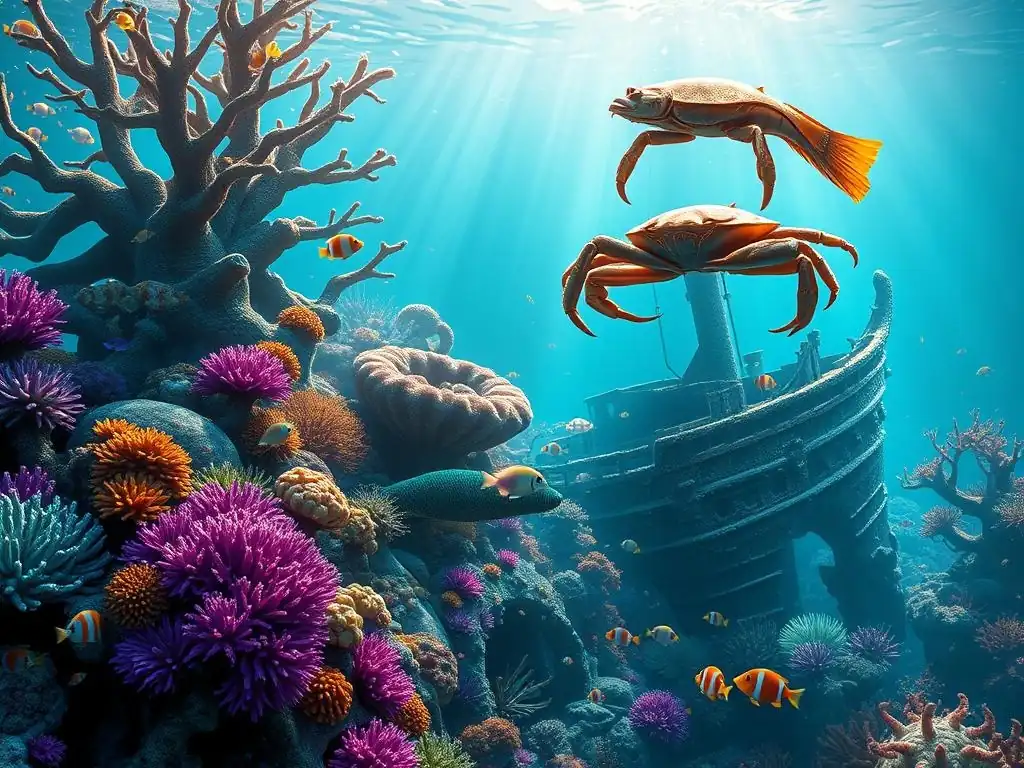
Ever wondered how to unlock the secrets to a thriving saltwater aquarium, especially when it comes to those delicate filter feeding invertebrates? Dive in! We're passionate about helping you create a stunning and sustainable aquatic ecosystem. This article will provide you with vital survival tips and answer your most pressing questions about keeping these fascinating creatures happy and healthy. Ready to master the art of filter feeding invertebrate care? Let's get started!
- Understanding Filter-Feeding Invertebrates in Reef Aquariums
- Essential Water Quality for Filter-Feeding Invertebrate Survival
- Feeding Strategies for Healthy Filter-Feeding Invertebrates
- Optimizing Tank Conditions for Filter Feeder Health
- Protecting Filter-Feeding Invertebrates from Predators and Pests
- Recognizing and Addressing Common Problems in Filter Feeders
- Advanced Techniques for Filter Feeder Care
- Long-Term Filter-Feeding Invertebrate Survival Tips: A Summary
-
Frequently Asked Questions
- How important is proper water flow for filter-feeding invertebrates?
- What types of food are best suited for filter-feeding invertebrates in an aquarium?
- How often should I perform water changes when keeping filter-feeding invertebrates?
- What water parameters are most critical for the survival of filter-feeding invertebrates?
- What are some common signs that my filter-feeding invertebrates are not thriving?
- Final Reflection: Nurturing the Ocean's Cleaners
- Unlock the Secrets to a Thriving Reef Aquarium!
Understanding Filter-Feeding Invertebrates in Reef Aquariums
The Vital Role of Filter Feeders in a Healthy Reef Ecosystem
Filter-feeding invertebrates are indispensable components of a thriving reef aquarium, acting as natural water purifiers and nutrient recyclers. These organisms actively strain microscopic particles, including phytoplankton, zooplankton, detritus, and suspended organic matter, directly from the water column. By consuming these particles, they significantly contribute to water clarity, reduce nuisance algae growth by competing for dissolved nutrients, and maintain the overall biological balance of the tank. For instance, a healthy colony of sponges can filter hundreds of liters of water daily, effectively removing particulate waste that might otherwise contribute to elevated nitrate and phosphate levels.
Beyond their mechanical filtration capabilities, filter feeders serve as crucial indicators of water quality and contribute substantially to the biodiversity and aesthetic appeal of a mature reef system. Their presence often signifies a stable and well-maintained environment, as they are highly sensitive to fluctuations in water parameters. Successfully keeping these delicate creatures alive is a testament to an aquarist's dedication and knowledge, making their thriving presence a key filter feeding invertebrate survival tip for the entire ecosystem's well-being.
Common Types of Filter-Feeding Invertebrates for Saltwater Tanks
Sponges: Natural Water Filters for Aquariums
Sponges are among the most ancient and efficient filter feeders, relying on a system of pores and canals lined with specialized cells called choanocytes to draw water through their bodies and capture food particles. They are sessile organisms, meaning they attach to a surface, and can filter remarkably large volumes of water for their size; some species are estimated to filter up to 20,000 times their body volume daily. In an aquarium, they help remove fine particulate matter, dissolved organic compounds, and even some bacteria, significantly contributing to water clarity and nutrient export.
For optimal filter feeding invertebrate survival tips for sponges, stable water parameters are paramount, along with specific flow patterns that prevent detritus accumulation while delivering food. They primarily consume bacterioplankton, picoplankton, and dissolved organic matter, often requiring supplemental feeding with very fine particulate foods (less than 50 microns) or liquid invertebrate diets. Examples commonly found in aquariums include various colorful encrusting sponges or tube sponges, which add unique texture and biological filtration.
Feather Duster Worms: Delicate and Efficient Feeders
Feather duster worms, belonging to the Polychaeta class, are captivating filter feeders characterized by their elaborate, feathery crowns (radioles) that extend into the water column. These crowns are not only beautiful but highly functional, equipped with cilia that create currents to draw in water and trap suspended food particles like phytoplankton, zooplankton, and fine detritus. When disturbed, they can rapidly retract their crown into their protective, often parchment-like, tube.
Successful filter feeding invertebrate survival tips for feather duster worms revolve around providing gentle, laminar water flow and a consistent supply of fine particulate food. They are sensitive to strong, direct currents which can damage their delicate crowns or prevent effective feeding. Regular broadcast feeding with high-quality liquid or powdered phytoplankton and zooplankton (particle size generally 5-50 microns) is essential to meet their nutritional needs. Species like the Hawaiian Feather Duster ( Sabellastarte spectabilis) are popular due to their vibrant colors and graceful movements.
Bivalves: Clams and Oysters in Reef Tanks
Tridacna clams (e.g., Maxima, Crocea, Derasa) and various oyster species are prominent filter-feeding bivalves in reef aquariums, known for their powerful siphoning capabilities. They draw in water through an incurrent siphon, filter out food particles, and expel waste through an excurrent siphon. Many popular clam species, particularly the Tridacna, also host symbiotic zooxanthellae within their mantle tissue, deriving a significant portion of their energy from photosynthesis, much like corals.
For photosynthetic clams, intense lighting (e.g., PAR levels often ranging from 200-500+ depending on species) is crucial to support their zooxanthellae, while all bivalves benefit from a consistent supply of phytoplankton in the water column. Maintaining stable calcium (400-450 ppm) and alkalinity (8-12 dKH) levels is vital for their shell growth, as a 6-inch Tridacna clam can filter several gallons per hour while actively growing. Ensuring these specific conditions is a critical filter feeding invertebrate survival tip for their long-term health and vibrant coloration.
Sea Squirts: Unique Filter Feeders for Advanced Aquarists
Sea squirts, or tunicates, are fascinating and often overlooked filter feeders that belong to the subphylum Urochordata. These sessile invertebrates filter water through two siphons: an incurrent siphon that draws water into a basket-like pharynx, and an excurrent siphon that expels filtered water. They are highly efficient at consuming very fine particulate matter, including bacteria, picoplankton, and dissolved organic carbon, contributing to the overall cleanliness of the water.
While less common in home aquariums due to their specific needs, sea squirts can be rewarding for advanced aquarists. Their care typically demands pristine water quality, extremely stable parameters, and a continuous, high-density supply of ultra-fine planktonic food (less than 10 microns). They are highly sensitive to poor water conditions and lack of appropriate nutrition, making dedicated feeding and meticulous tank maintenance key filter feeding invertebrate survival tips for these unique and delicate organisms.
Essential Water Quality for Filter-Feeding Invertebrate Survival
Maintaining Pristine Water Parameters: The Key to Success
The cornerstone of filter feeding invertebrate survival tips lies in maintaining consistently pristine water parameters. Unlike mobile fish that can seek out more favorable conditions, sessile filter feeders are constantly bathed in and process the aquarium water. Even minor fluctuations in temperature, salinity, or pH can induce significant stress, leading to a compromised immune system, reduced feeding, or even tissue necrosis. For instance, a sudden temperature swing of just 2-3°C (3.6-5.4°F) can severely impact their metabolic processes and lead to shock.
Therefore, consistency is not just desirable but absolutely critical. The cumulative effect of sustained suboptimal conditions will inevitably lead to decline. Regular testing, adherence to a strict maintenance schedule, and immediate correction of any deviations are paramount. Aim for stable conditions, typically within a narrow range: temperature between 24-26°C (75-79°F) and specific gravity between 1.025-1.026, ensuring that the environment is as stable as possible to minimize physiological stress on these delicate organisms.
The Importance of Stable Salinity, pH, and Alkalinity
Stability in salinity, pH, and alkalinity is non-negotiable for the long-term health of filter-feeding invertebrates. Salinity directly impacts their osmotic balance; rapid changes can cause osmotic shock, leading to cellular damage. A target specific gravity of 1.025-1.026 is ideal, mimicking natural ocean conditions. pH, which should ideally be maintained between 8.1 and 8.4, affects vital enzymatic functions and the calcification processes essential for shell and skeleton growth in organisms like clams and some tube worms.
Alkalinity, typically measured in dKH (degrees of carbonate hardness), acts as the primary buffer for pH, preventing drastic swings, and is a crucial component for calcification. A range of 8-12 dKH is generally recommended. Insufficient alkalinity can lead to stunted growth and weakened shells, making filter feeders vulnerable. Regular testing (at least weekly) and precise supplementation with calcium, alkalinity, and magnesium are critical filter feeding invertebrate survival tips to ensure these parameters remain within their optimal, stable ranges.
Controlling Nitrates and Phosphates: Preventing Algae Blooms
High levels of nitrates and phosphates, while products of the natural nitrogen cycle and food breakdown, are detrimental to filter-feeding invertebrates and can severely impede their survival. These compounds act as fertilizers for nuisance algae, which can rapidly proliferate and smother sessile invertebrates, blocking their access to light and food, or even causing tissue irritation. Elevated nutrient levels also indicate poor water quality, which directly stresses filter feeders.
Target levels for a healthy reef tank housing filter feeders should be very low: nitrates typically below 10 ppm (ideally less than 5 ppm) and phosphates below 0.03 ppm. Achieving these low levels requires a multi-faceted approach, including judicious feeding, efficient protein skimming, regular water changes, ample live rock for biological filtration, and potentially the use of phosphate-removing media (like GFO) or a refugium. Maintaining ultra-low nutrient levels is a vital filter feeding invertebrate survival tip to ensure a clean, healthy environment conducive to their well-being.
Regular Water Changes: Replenishing Essential Trace Elements
Regular water changes are fundamental for maintaining pristine water quality and are a cornerstone among filter feeding invertebrate survival tips. This practice serves a dual purpose: it effectively removes accumulated pollutants, such as nitrates, phosphates, and dissolved organic compounds that escape protein skimming, and simultaneously replenishes vital trace elements that are constantly depleted by the metabolic processes and growth of corals, invertebrates, and macroalgae. Elements like iodine, strontium, and molybdenum, though needed in minute quantities, are critical for various biological functions, including shell formation and cellular health.
A typical recommended schedule involves replacing 10-20% of the tank water weekly or bi-weekly, depending on the bioload and individual tank characteristics. It is crucial to use high-quality RODI (Reverse Osmosis Deionized) water mixed with a reputable marine salt mix that replicates natural seawater parameters. This consistent replenishment ensures that filter feeders have access to all the necessary building blocks for growth and repair, preventing deficiencies that can lead to stress or decline.
Feeding Strategies for Healthy Filter-Feeding Invertebrates
Natural Food Sources for Filter Feeders: Phytoplankton and Zooplankton
In their natural habitats, filter-feeding invertebrates primarily subsist on a diverse array of microscopic organisms suspended in the water column, mainly phytoplankton and zooplankton. Phytoplankton are microscopic, photosynthetic algae that form the base of the marine food web, while zooplankton are tiny animals that feed on phytoplankton and smaller zooplankton. This continuous natural supply provides a complete and balanced diet, rich in essential fatty acids, proteins, and carbohydrates, which are vital for the growth, coloration, and overall health of filter feeders.
Replicating this constant, natural food source in a closed aquarium system is challenging, as these microscopic organisms are rapidly consumed or removed by filtration. Therefore, while good water flow and mature live rock can encourage some natural plankton production, supplementation is almost always necessary to ensure adequate nutrition. Understanding the specific particle size and nutritional requirements of different filter feeders is a crucial filter feeding invertebrate survival tip for providing them with a diet that closely mimics their natural intake.
Supplementing with Commercial Filter Feeder Foods
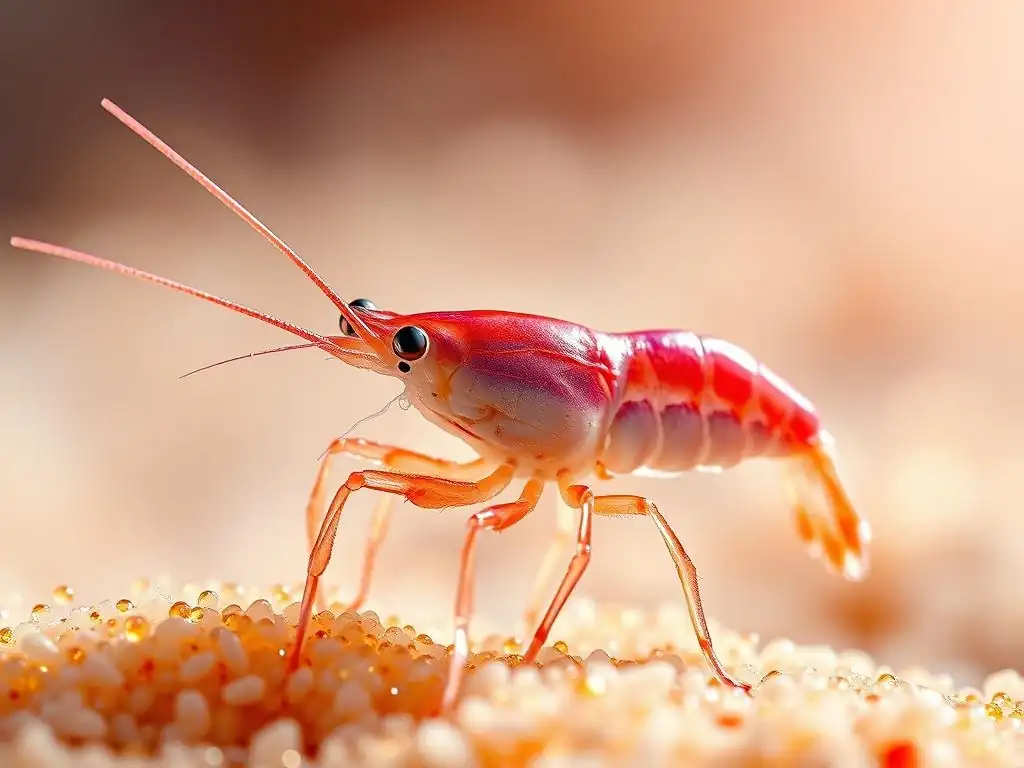
Given the difficulty of maintaining a naturally dense plankton population in a home aquarium, supplementing with commercial filter feeder foods becomes essential for the long-term filter feeding invertebrate survival tips. The market offers a wide range of products, including liquid phytoplankton cultures (e.g., Nannochloropsis, Tetraselmis), powdered zooplankton (e.g., rotifers, copepods), and specialized mixed invertebrate diets. These products are formulated to provide the necessary particle sizes, ranging from a few microns up to several hundred, and nutritional profiles that cater to the diverse feeding mechanisms of various filter feeders.
When selecting commercial foods, it's important to choose high-quality, reputable brands that provide clear information about their product's composition and particle size. Start with small, consistent doses and observe your invertebrates' response to avoid overfeeding, which can quickly degrade water quality. Many aquarists find success with a combination of different food types to ensure a broad nutritional spectrum, mimicking the natural diversity of their diet.
Target Feeding Techniques for Specific Invertebrates
Target feeding is a refined method of delivering food directly to specific filter-feeding invertebrates, minimizing waste and ensuring that the intended recipient receives adequate nutrition. This technique is particularly beneficial for less competitive or highly specialized feeders that might not thrive on broadcast feeding alone, where food can be quickly consumed by fish or lost to filtration. It allows for precise control over the amount and type of food delivered, optimizing absorption and reducing nutrient spikes in the main water column.
By focusing the food delivery, aquarists can cater to the unique needs of individual species, ensuring that even the most delicate or slow-feeding invertebrates receive their share. This approach is a significant filter feeding invertebrate survival tip for achieving optimal health and growth, especially for species with very specific dietary requirements or those located in areas of lower water flow within the tank.
Feeding Sponges: Direct Injection of Liquid Food
Sponges, due to their sessile nature and unique internal structure, benefit greatly from direct injection feeding. This method involves using a long pipette or syringe to gently squirt liquid food directly into the water column immediately adjacent to the sponge's incurrent pores or near its oscula (excurrent openings). The goal is to create a localized cloud of food particles that the sponge can efficiently draw into its filtering system.
When performing direct injection, it is crucial to apply the food slowly and gently to avoid startling the sponge or causing it to retract. Feeding small amounts frequently (e.g., once or twice a day) is generally more effective than large, infrequent doses, as it provides a continuous supply of nutrition without overwhelming the water quality. This precise delivery method is a vital filter feeding invertebrate survival tip for ensuring sponges receive the fine particulate matter they require for sustained health.
Feeding Feather Duster Worms: Broadcast Feeding Fine Particulate Matter
Feather duster worms primarily feed by extending their feathery crowns to capture drifting particles from the water column. For these organisms, broadcast feeding with very fine particulate matter is often the most effective method. This involves dispersing a liquid or powdered food evenly into the tank water, allowing the food to drift naturally through the water column where the worm's radioles can efficiently trap it.
To maximize feeding efficiency, it's advisable to temporarily turn off powerheads or reduce water flow for about 10-15 minutes during broadcast feeding, preventing the food from being immediately swept into filtration. Use food with a particle size typically ranging from 5 to 50 microns to ensure it is easily captured by the worm's delicate crown. Consistent, daily broadcast feeding is a key filter feeding invertebrate survival tip for maintaining the vibrant health and full extension of these beautiful worms.
Feeding Clams: Maintaining Sufficient Phytoplankton Density
For clams, especially non-photosynthetic species or to supplement photosynthetic ones, maintaining a sufficient density of phytoplankton in the water column is paramount. This often requires regular, small doses of liquid phytoplankton throughout the day, rather than a single large dose, to ensure a constant supply. While photosynthetic clams derive much of their energy from light, supplementing with phytoplankton ensures they receive a complete nutritional profile that light alone cannot provide.
The challenge lies in providing enough phytoplankton to feed the clams without causing nutrient spikes or clouding the water. Observing the clam's mantle extension and overall vitality is a good indicator of whether it is receiving adequate nutrition. Some advanced aquarists even monitor phytoplankton density, but for most, consistent, measured dosing based on observation is sufficient. Ensuring a steady supply of appropriate phytoplankton is a crucial filter feeding invertebrate survival tip for the long-term success of Tridacna and other bivalve species.
Optimizing Tank Conditions for Filter Feeder Health
Providing Adequate Water Flow and Circulation
Adequate water flow and circulation are absolutely critical for the health and filter feeding invertebrate survival tips of sessile filter feeders. Proper flow serves multiple essential functions: it continuously delivers food particles to the invertebrates, ensures efficient removal of metabolic waste products, and prevents detritus from settling on their delicate tissues, which can lead to smothering or infection. Without sufficient flow, filter feeders effectively starve or become suffocated by their own waste or accumulated debris.
Different filter feeders have varying preferences for flow patterns. Sponges and feather duster worms generally thrive in gentle, laminar, indirect flow that allows food particles to drift past their filtering structures without causing physical stress. Conversely, some clams can tolerate stronger, yet still indirect, flow. Understanding and replicating the appropriate flow for each species is vital; too much or too little flow can be equally detrimental, disrupting their feeding mechanisms and overall well-being.
Ensuring Proper Lighting for Photosynthetic Filter Feeders
For photosynthetic filter feeders, most notably Tridacna clams, ensuring proper lighting is as critical as providing food, as it directly impacts their primary energy source. These invertebrates host symbiotic zooxanthellae within their tissues, which perform photosynthesis to produce energy. Without adequate light, the zooxanthellae cannot thrive, and the clam will effectively starve, even if other food sources are available.
Lighting requirements vary significantly by species. For example, a Maxima clam might require high PAR (Photosynthetically Active Radiation) levels, typically ranging from 200-400, while a Crocea clam often needs even higher intensity, perhaps 300-500+ PAR. It's crucial to provide the correct light spectrum, intensity, and duration (typically 10-12 hours per day) that mimics their natural environment. Inadequate lighting is a common cause of decline, making appropriate illumination a critical filter feeding invertebrate survival tip for these light-dependent organisms.
Substrate Considerations: Creating a Suitable Environment
The choice and maintenance of substrate play a significant, though often overlooked, role in the health and filter feeding invertebrate survival tips of many filter feeders. Some species, like certain tube worms, naturally embed themselves in a sand bed or within crevices of live rock, requiring a stable and appropriate substrate for attachment and protection. Others, such as many sponges, prefer to attach to hard, clean surfaces free from accumulating detritus.
Regardless of the specific needs, a clean and stable substrate is paramount. Accumulating detritus in the sand bed can lead to nutrient spikes and anaerobic pockets, both of which are harmful to filter feeders. For species that burrow or attach, the substrate must be of the correct depth and grain size to allow for proper establishment. Regular siphoning of the sand bed (if appropriate for the tank setup) and ensuring robust water flow over live rock can prevent harmful detritus buildup, contributing to a healthier environment for all sessile invertebrates.
Protecting Filter-Feeding Invertebrates from Predators and Pests
Identifying and Removing Potential Threats
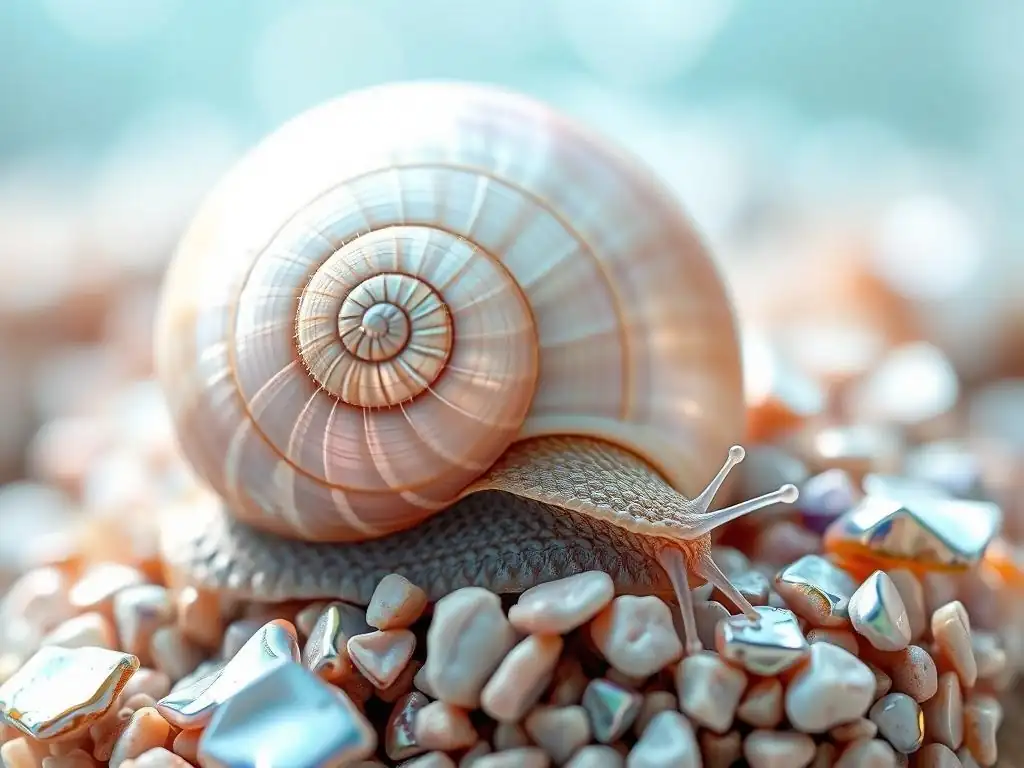
Protecting filter-feeding invertebrates from predators and pests is a crucial aspect of their filter feeding invertebrate survival tips. Many common aquarium inhabitants, or unwanted hitchhikers, can pose a significant threat. Predatory crabs, such as gorilla crabs or even some larger emerald crabs, can nip at or consume delicate filter feeders. Certain predatory snails, while often beneficial detritivores, can also become opportunistic predators if food is scarce. Even some seemingly innocuous fish might occasionally nip at the delicate plumes of feather duster worms or the mantles of clams.
Vigilance is key. Regularly inspect your tank for any unusual activity or new, unidentified organisms. If a potential predator is identified, swift action is necessary. This can involve manual removal, setting up traps, or, in some cases, rehoming the offending organism. Early identification and removal of threats are paramount to preventing irreversible damage to your vulnerable filter feeders.
Avoiding Fish and Invertebrates That Prey on Filter Feeders
One of the most effective filter feeding invertebrate survival tips is to avoid introducing tank mates known to prey on or harass filter feeders from the outset. Thorough research into the compatibility of any new addition is essential before it enters your display tank. For instance, certain species of butterflyfish (e.g., Copperband Butterflyfish, while beautiful, can sometimes nip at feather dusters or clam mantles), larger angelfish, triggerfish, and some wrasses are notorious for their invertebrate-picking habits.
Even seemingly reef-safe fish can develop a taste for filter feeders if not adequately fed or if their natural diet includes such items. Always prioritize the long-term safety of your filter feeders when selecting tank inhabitants. Opt for well-documented reef-safe fish and invertebrate species, and be prepared to rehome any animal that shows signs of aggression or predatory behavior towards your delicate filter feeders.
Quarantine Procedures for New Arrivals: Preventing Disease
Implementing a rigorous quarantine procedure for all new fish and invertebrates is a non-negotiable filter feeding invertebrate survival tip for preventing the introduction of diseases, parasites, and unwanted pests into your established reef aquarium. Many common marine parasites (e.g., Cryptocaryon irritans (Ich), Oodinium ocellatum (Velvet)) and diseases can decimate a sensitive invertebrate population. Furthermore, unwanted hitchhikers like predatory flatworms, Aiptasia anemones, or even small, aggressive crabs can come in on live rock or coral frags.
A dedicated quarantine tank allows you to observe new arrivals for signs of illness or pests for a period of typically 4-6 weeks, and to treat them if necessary, without exposing your main display tank inhabitants. This isolation period also helps new invertebrates acclimate to your water parameters gradually. This proactive measure significantly reduces the risk of introducing pathogens or predators that could otherwise devastate your delicate filter feeder collection.
Recognizing and Addressing Common Problems in Filter Feeders
Identifying Signs of Stress or Disease
Recognizing the subtle signs of stress or disease in filter-feeding invertebrates is a crucial filter feeding invertebrate survival tip that allows for early intervention and improves the chances of recovery. Unlike fish, invertebrates often don't show overt symptoms until a problem is advanced. Common indicators of distress include: prolonged retraction or failure to extend (for feather dusters and clams), loss of vibrant coloration, shrinking or "melting" of tissue (especially in sponges), unusual lesions or white patches, or a general lack of response to typical stimuli.
For a feather duster worm, consistently remaining retracted or abandoning its tube are red flags. For a clam, a receding mantle that exposes the shell, or a failure to gape normally, indicates significant stress. Daily observation of your invertebrates, noting their normal appearance and behavior, is paramount. Any deviation from the norm should prompt an immediate investigation into water parameters, food availability, and potential stressors.
Addressing Common Issues: Sponge Necrosis, Worm Tube Regression, Clam Mantle Recession
Specific issues often manifest in filter feeders, requiring targeted solutions for filter feeding invertebrate survival tips. Sponge Necrosis (tissue death) typically appears as white, decaying patches and is often caused by poor water quality, lack of appropriate food, or exposure to air during tank maintenance. Immediate action involves improving water quality through large water changes and ensuring consistent, appropriate feeding.
Worm Tube Regression, where feather duster worms shrink or abandon their tubes, is commonly due to starvation, significant water quality fluctuations, or predation. Ensuring a consistent supply of fine particulate food and eliminating any predatory tank mates is vital. Clam Mantle Recession, where the clam's mantle pulls back and exposes the shell, can be triggered by inadequate lighting (for photosynthetic clams), poor water quality, or predatory nipping from fish or crabs. Addressing the specific underlying cause—whether it's adjusting lighting, performing water changes, or removing a problematic tank mate—is essential for the clam's recovery.
Treating and Preventing Infections
Treating infections in filter-feeding invertebrates presents a significant challenge, as many medications designed for fish are highly toxic to them. Therefore, the primary focus for filter feeding invertebrate survival tips against infections should always be prevention through maintaining optimal water quality and implementing strict quarantine procedures for all new arrivals. A stable, clean environment significantly reduces the likelihood of bacterial or fungal infections taking hold.
If an infection is suspected, isolating the affected invertebrate in a dedicated hospital tank might be necessary. Some broad-spectrum antibiotics or specialized dips may be used, but only with extreme caution and thorough research into their safety for invertebrates. Often, simply improving the environmental conditions—such as performing large water changes, optimizing flow, and ensuring adequate nutrition—can allow the invertebrate's natural immune system to fight off minor infections. Always prioritize creating a robust, healthy environment as the best defense.
Advanced Techniques for Filter Feeder Care
Setting Up a Refugium for Natural Food Production
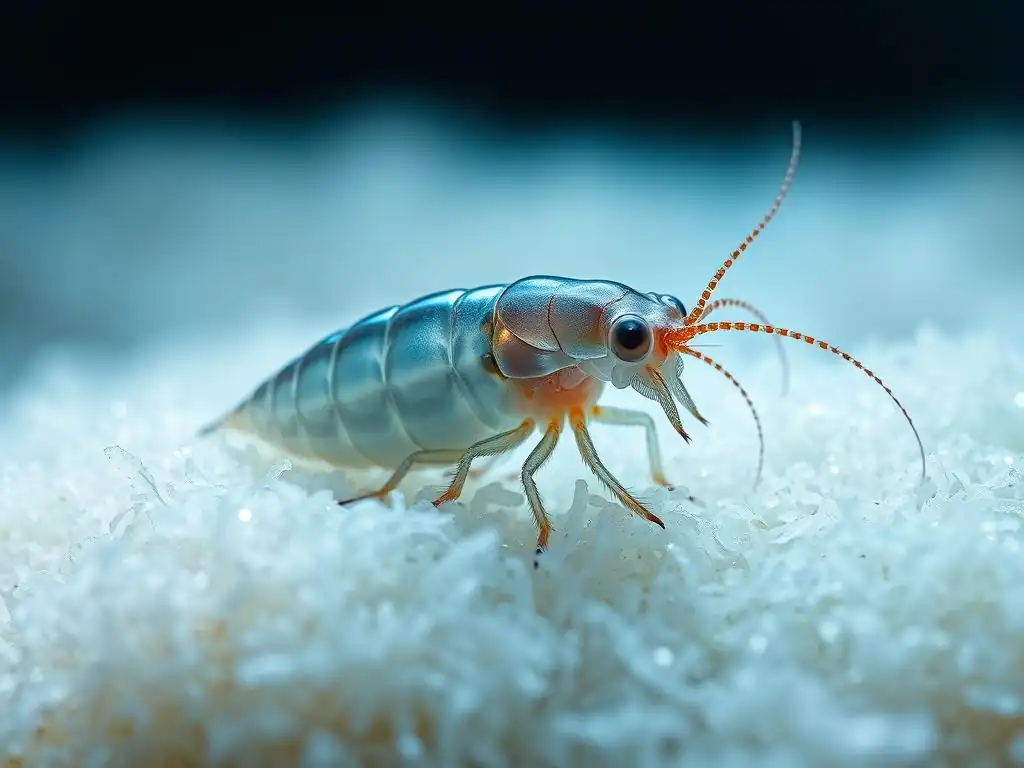
Setting up a refugium is an advanced yet highly effective filter feeding invertebrate survival tip for providing a continuous, natural food source for filter feeders. A refugium is a separate, often smaller, sump-like tank plumbed into the main display system, designed to cultivate beneficial organisms without the threat of predation from fish. It typically houses macroalgae (like Chaetomorpha or Caulerpa) and a rich population of copepods, amphipods, and other micro-crustaceans.
As these micro-crustaceans reproduce in the refugium, their larvae and adults are periodically flushed into the main display, providing a constant, diverse supply of live phytoplankton and zooplankton. This natural food source is highly nutritious and mimics the continuous planktonic drift found in natural reef environments, significantly benefiting filter feeders like sponges, feather dusters, and clams by supplementing their diet with live, motile prey.
Utilizing a Protein Skimmer for Waste Removal
A well-maintained protein skimmer is an indispensable piece of equipment for any reef aquarium, serving as a critical filter feeding invertebrate survival tip by efficiently removing organic waste before it can break down into nitrates and phosphates. Protein skimmers work by creating a dense foam of fine air bubbles to which dissolved organic compounds (proteins, amino acids, carbohydrates) adhere. These organic-laden bubbles rise to the surface and collect in a removable cup, effectively exporting pollutants from the water column.
For filter feeders, which are highly sensitive to elevated nutrient levels and dissolved organic carbon, a high-quality protein skimmer is paramount. It ensures that the water remains pristine and low in pollutants, reducing the stress on their delicate systems and preventing the proliferation of nuisance algae that can compete with or smother them. A skimmer that consistently produces dark, thick skimmate is a clear indicator of efficient waste removal.
Monitoring and Adjusting Trace Element Levels
While regular water changes replenish some trace elements, advanced aquarists often employ precise monitoring and adjustment of specific trace element levels as a key filter feeding invertebrate survival tip. Elements such as iodine, strontium, molybdenum, and manganese, though present in very small concentrations, are vital for the growth, coloration, and overall health of filter-feeding invertebrates, influencing processes like calcification, enzyme function, and cellular repair. These elements are rapidly depleted by biological processes and skimmer activity.
Advanced testing methods, such as ICP-OES (Inductively Coupled Plasma – Optical Emission Spectrometry) analysis, allow for highly accurate measurement of these elements. Based on the test results, aquarists can then precisely dose individual trace elements to maintain them within optimal ranges (e.g., iodine around 0.06 ppm, strontium around 8 ppm). This meticulous approach ensures that filter feeders receive all the micro-nutrients necessary for long-term thriving, going beyond what general water changes alone can provide.
Long-Term Filter-Feeding Invertebrate Survival Tips: A Summary
Maintaining a Consistent Routine for Optimal Health
The single most impactful filter feeding invertebrate survival tip for long-term success is the unwavering commitment to a consistent routine. This encompasses regular water testing (at least weekly for key parameters like salinity, pH, alkalinity, calcium, nitrates, and phosphates), maintaining a stable feeding schedule, performing water changes on a fixed timetable, and conducting routine equipment maintenance (e.g., cleaning protein skimmer, powerheads). Invertebrates, especially filter feeders, are highly sensitive to environmental fluctuations.
Consistency minimizes stress, reduces the likelihood of sudden parameter shifts, and creates a predictable and stable environment in which these delicate creatures can thrive. Sporadic care, even if well-intentioned, often leads to cumulative stress that can manifest as disease or decline. A well-documented and adhered-to routine is the backbone of a successful reef aquarium housing filter feeders.
Observing and Adapting to the Needs of Your Invertebrates
Beyond routine maintenance, the ultimate filter feeding invertebrate survival tip is the aquarist's ability to observe diligently and adapt proactively. Each invertebrate in your tank is an individual, and while general care guidelines apply, their specific needs can vary based on species, size, and even location within the tank. Daily observation allows you to learn the normal appearance, behavior, and feeding patterns of each filter feeder.
Subtle signs of stress, such as a slight retraction, reduced feeding response, or a change in coloration, can be detected early if you are attuned to your invertebrates' normal state. Being able to interpret these signals and adapt your care strategy—whether by adjusting flow, increasing target feeding, or performing an extra water change—is critical for preventing minor issues from escalating into major problems. Continuous learning and a responsive approach are key to the long-term vitality of your filter-feeding invertebrates.
Frequently Asked Questions
How important is proper water flow for filter-feeding invertebrates?
Proper water flow is absolutely crucial for these creatures. It ensures they receive a constant supply of food and removes waste products efficiently, preventing buildup of harmful substances.
What types of food are best suited for filter-feeding invertebrates in an aquarium?
A varied diet is essential. Provide a mix of phytoplankton, zooplankton, and commercially available filter-feeding foods. Size matters; ensure the particles are small enough for them to capture.
How often should I perform water changes when keeping filter-feeding invertebrates?
Regular water changes are vital for removing dissolved organic compounds and maintaining water quality. Aim for 10-20% water changes every one to two weeks, depending on your tank's bioload.
What water parameters are most critical for the survival of filter-feeding invertebrates?
Stable water parameters are key. Pay close attention to salinity, pH, alkalinity, and calcium levels. Inconsistent conditions can cause significant stress and mortality.
What are some common signs that my filter-feeding invertebrates are not thriving?
Signs of distress can include reduced feeding activity, retracted tentacles, or tissue loss. These symptoms often indicate poor water quality, inadequate food, or stress from tank mates.
Final Reflection: Nurturing the Ocean's Cleaners
The insights shared throughout this article highlight the critical importance of understanding and replicating natural environments for filter-feeding invertebrates in captivity. These delicate creatures, often overlooked, play a vital role in maintaining water quality and overall ecosystem health, both in our aquariums and in the vast oceans they call home. Ignoring their specific needs leads to inevitable failure, underscoring the responsibility we bear when bringing these organisms into our care.
This journey into the world of filter feeders has undoubtedly deepened our appreciation for the intricate balance of aquatic ecosystems. The ongoing struggle to maintain these animals in aquariums serves as a microcosm of the larger challenges facing our oceans, reminding us that even small actions can have significant consequences. We are tied to the ocean. And when we go back to the sea, whether it is to sail or to watch it, we are going back from whence we came.
- John F. Kennedy. This quote resonates deeply, emphasizing our inherent connection to the marine world and the urgent need to protect its inhabitants.
As you consider the information presented, I encourage you to reflect on your own practices and how you can contribute to the well-being of these vital organisms. Whether you're an experienced aquarist or simply a curious observer, remember that every effort to understand and support filter-feeding invertebrates is a step towards a healthier, more vibrant future for our oceans. Let's all strive to be responsible stewards of these delicate creatures, ensuring their survival for generations to come.
Unlock the Secrets to a Thriving Reef Aquarium!
Thank you for exploring the fascinating world of filter-feeding invertebrates! We hope you’ve gained valuable insights into keeping these delicate creatures healthy and vibrant. Now, let's put that knowledge into action and create an even more flourishing aquarium environment.
Here’s how you can take the next step:
- Immediately review your current feeding schedule. Is it optimized for your filter feeders or are you unknowingly starving them? Make small, incremental adjustments over the next week, observing carefully for positive changes.
- Share this article with a fellow reef enthusiast who's struggling with their filter feeders. Spreading knowledge helps everyone!
- Consider setting up a quarantine tank to observe new invertebrates before introducing them to your main display tank. This simple step can prevent devastating problems.
What specific aspect of filter-feeder care are you most curious to delve deeper into next? Share your thoughts in the comments below!