
The Midnight Shift: Observing Nocturnal Behaviors of Different Wrasse Species


Welcome to Aquarium Mastery!
Ever wondered what your wrasse gets up to after the lights go out? Dive into the fascinating hidden world of nocturnal wrasse behavior in our latest article. "The Midnight Shift" unveils secrets you never knew about these vibrant saltwater fish. Ready to discover what makes them tick – even in the dark? Let's explore!
- Introduction: Unveiling the Secret Nightlife of Wrasses
- Wrasse Species and Their Unique Nocturnal Behaviors
- Setting Up Your Aquarium for Nocturnal Wrasse Behavior Observation
- Techniques for Nocturnal Wrasse Behavior Observation
- Common Nocturnal Wrasse Behaviors Explained
- Potential Problems and Solutions During Nocturnal Wrasse Observation
- The Benefits of Understanding Wrasse Nighttime Behaviors
- Conclusion: Embracing the Night with Your Wrasses
-
Frequently Asked Questions
- How does the nocturnal behavior of wrasses differ between freshwater and saltwater aquariums?
- What are some common signs of stress in wrasses that might be more apparent during their nocturnal rest periods?
- How can I optimize the lighting in my aquarium to better observe the nocturnal behaviors of my wrasses without disturbing them?
- What types of substrate are best suited for wrasses that exhibit burying behavior during their nocturnal rest periods?
- Are there any specific wrasse species known for particularly interesting or unique behaviors during their nocturnal rest periods?
- Final Reflection: Unveiling the Secrets of the Night
- Dive Deeper: Uncover the Mysteries of Wrasse Behavior!
Introduction: Unveiling the Secret Nightlife of Wrasses
The Importance of Understanding Wrasse Nightly Habits in Aquariums
Understanding the nocturnal habits of wrasses is paramount for their long-term health and well-being in a captive environment. When aquarists are aware of specific behaviors, such as burrowing into sand or wedging into rock crevices for sleep, they can proactively design an aquarium setup that caters to these innate needs. Failing to provide adequate substrate for a burrowing wrasse, for instance, can lead to chronic stress, physical injury from attempts to dig in unsuitable material, and a compromised immune system, making the fish susceptible to diseases.
Moreover, accurate nocturnal wrasse behavior observation allows aquarists to differentiate between normal resting states and signs of distress or illness. A wrasse that typically burrows but remains exposed at night, or one that constantly darts around after lights out, might be experiencing stress due to inappropriate tank mates, poor water quality, or an insecure environment. Recognizing these deviations from typical nocturnal wrasse behavior observation patterns enables timely intervention, ensuring the fish's comfort and preventing potential health crises.
Addressing Misconceptions About Wrasse Sleep Patterns
A common misconception among aquarists is that all wrasses sleep in the same manner, often assuming they all burrow into the sand. In reality, wrasse sleep patterns are highly diverse, reflecting their varied natural habitats and predator avoidance strategies. While many Halichoeres and Coris species are indeed sand-burrowers, others, like many Labroides (cleaner wrasses) or Pseudocheilinus (six-line wrasses), seek refuge within tight rock crevices or under ledges, remaining exposed but secure.
Furthermore, fish "sleep" is not identical to mammalian sleep. Wrasses enter a state of reduced metabolic activity and responsiveness, but they typically retain some level of awareness of their surroundings, particularly for detecting predators. This state, often lasting for 8-12 hours during the dark cycle, is crucial for their physiological restoration. Correcting these misconceptions through careful nocturnal wrasse behavior observation ensures that aquarists provide species-specific resting accommodations, fostering a truly natural and stress-free environment for their aquatic inhabitants.
Wrasse Species and Their Unique Nocturnal Behaviors
The Sleep Habits of the Cleaner Wrasse ( Labroides dimidiatus)
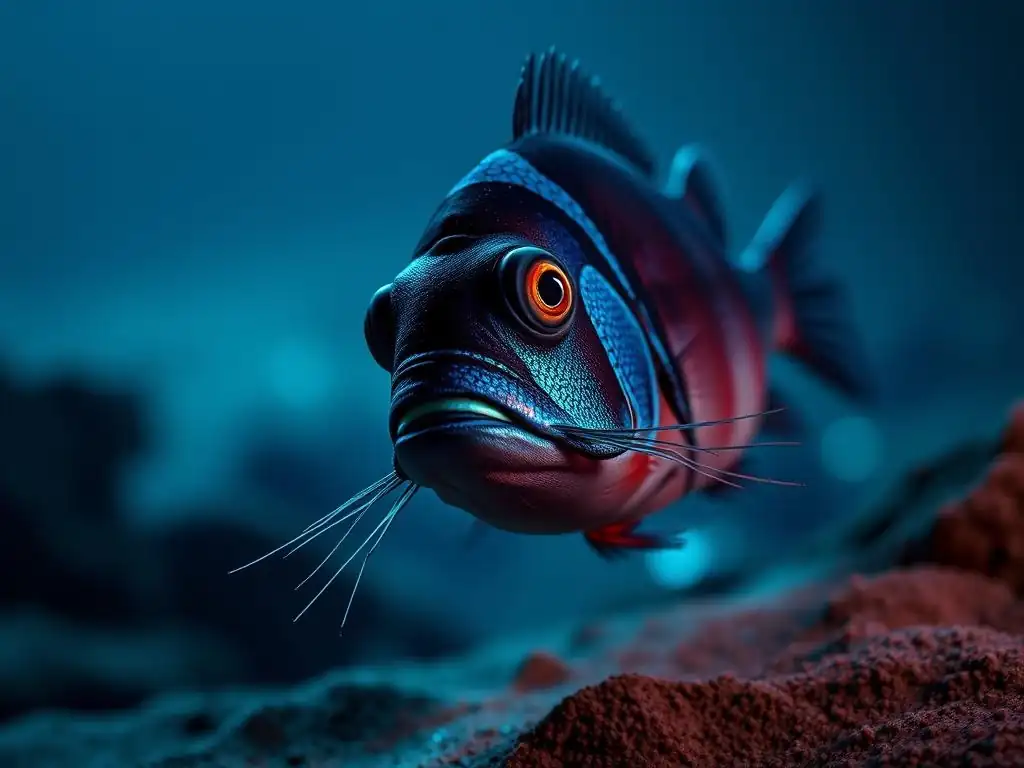
The Cleaner Wrasse ( Labroides dimidiatus) exhibits distinct nocturnal habits that diverge significantly from burrowing species. As the aquarium lights dim, these wrasses will actively seek out a specific, tight crevice or small cave within the live rock structure, often one they use consistently night after night. They typically position themselves head-down or sideways, wedging their bodies firmly into the chosen spot, becoming almost motionless for the duration of the dark cycle, which can last 8-10 hours. This predictability makes nocturnal wrasse behavior observation of their resting habits quite straightforward.
Unlike some related species, Cleaner Wrasses do not burrow into the sand or create mucus cocoons for protection. Their primary defense mechanism at night relies purely on physical concealment within the intricate rockwork. This reliance on tight spaces highlights the importance of providing ample, stable live rock formations with numerous small hiding spots in an aquarium housing these beneficial fish, ensuring they have secure retreats for their nightly rest and optimal nocturnal wrasse behavior observation.
Cleaner Wrasse Nighttime Retreats and Sleeping Spots
For Cleaner Wrasses, the ideal nighttime retreat is a secure, snug crevice within the live rock aquascape. These spots are typically small enough to allow the wrasse to wedge itself tightly, making it difficult for larger, nocturnal predators like certain crabs or moray eels to access them. Aquarists should ensure their rockwork has a variety of such small, dark pockets, ideally at different levels within the tank, to allow the wrasse to choose its preferred sleeping location.
Observations indicate that a Cleaner Wrasse may occasionally change its sleeping spot if it feels threatened or if its primary spot is disturbed. However, they generally exhibit strong site fidelity, returning to the same crevice each night, which simplifies nocturnal wrasse behavior observation. Providing multiple secure options prevents stress and ensures the wrasse can consistently find a safe haven for its vital resting period, promoting its overall health and longevity in the aquarium.
Observing the Nocturnal Activities of the Six-Line Wrasse ( Pseudocheilinus hexataenia)
The Six-Line Wrasse ( Pseudocheilinus hexataenia) is another species that relies on the live rock structure for its nocturnal refuge. As the aquarium transitions into darkness, this small, agile wrasse will quickly dart into a tight crevice, a small cave, or even a narrow gap between rocks. They are incredibly adept at squeezing into surprisingly small spaces, often disappearing from view within seconds of the lights dimming.
During their nocturnal period, Six-Line Wrasses remain largely motionless, entering a state of reduced activity. While they do not burrow or form cocoons, their choice of a snug, secure hiding spot is crucial for their safety. Observing their transition from active foraging to seeking refuge offers valuable insights into their natural protective instincts and underscores the importance of a well-structured live rock environment for successful nocturnal wrasse behavior observation.
Six-Line Wrasse: Predator Avoidance Strategies at Night
The primary predator avoidance strategy for the Six-Line Wrasse at night is effective concealment within the complex architecture of live rock. Their small, torpedo-shaped bodies and remarkable agility allow them to penetrate deep into the rockwork, reaching areas that are inaccessible to larger, nocturnal hunters. This reliance on physical barriers makes them exceptionally secure once settled into their chosen crevice.
Furthermore, while their six vibrant stripes are prominent during the day, their overall coloration can offer a degree of camouflage in the low light conditions of night. They become less conspicuous against the dark background of the rock, adding another layer of defense. This combination of deep concealment and subtle camouflage is key to their survival during their nocturnal wrasse behavior observation period, minimizing their vulnerability to predation.
Yellow Wrasse ( Halichoeres chrysus) and Its Burrowing Behavior
The Yellow Wrasse ( Halichoeres chrysus) is a prime example of a wrasse species that relies heavily on burrowing into the substrate for its nocturnal rest. As the aquarium lights begin to dim, a Yellow Wrasse will typically hover near the sand bed, and once darkness truly sets in, it will rapidly dive headfirst into the sand. This behavior is swift and decisive, often taking only a few seconds for the fish to completely disappear from sight.
Once buried, the Yellow Wrasse remains completely submerged in the sand for the entire dark period, which can span 8-12 hours depending on the photoperiod. They typically bury themselves to a depth of 2-4 inches (approximately 5-10 cm), creating a small depression with vigorous tail wags before settling into a motionless state. This deep burrowing is a critical aspect of their nocturnal wrasse behavior observation and survival strategy.
Yellow Wrasse: Sand Burrowing and Protection from Predators
The act of sand burrowing serves as the Yellow Wrasse's primary and most effective defense mechanism against nocturnal predators. By completely immersing themselves in the substrate, they become virtually invisible and inaccessible to potential threats such as moray eels, larger crabs, or opportunistic fish that hunt at night. The sand acts as a physical barrier, providing unparalleled protection during their vulnerable resting phase.
For aquarists keeping Yellow Wrasses, providing a deep, fine-grained sand bed (at least 3-4 inches or 7.5-10 cm of sugar-fine aragonite or oolitic sand) is absolutely essential. Coarse or sharp substrates can abrade their delicate skin and fins, leading to injury and stress, or even prevent them from burrowing effectively, leaving them exposed and anxious. Ensuring the correct substrate is crucial for successful nocturnal wrasse behavior observation and their overall well-being.
The Moon Wrasse ( Thalassoma lunare) After Dark: A Different Perspective
The Moon Wrasse ( Thalassoma lunare), a larger and more active species during the day, adopts a distinct resting strategy at night. Unlike burrowing wrasses, the Moon Wrasse typically does not dive into the sand. Instead, as darkness falls, it seeks out a secure, often tight-fitting crevice or a sheltered spot deep within the live rock structure. They often wedge themselves firmly into these spots, sometimes at an unusual angle, relying on the physical confines for security.
A fascinating aspect of the Moon Wrasse's nocturnal behavior is its dramatic change in coloration. During the day, they exhibit vibrant blues, greens, and yellows. At night, these colors often fade significantly, becoming paler or developing more subdued, blotchy patterns. This physiological change is believed to serve as a form of camouflage, making them less conspicuous to nocturnal predators during their resting period, enhancing the insights gained from nocturnal wrasse behavior observation.
Moon Wrasse: Nighttime Color Changes and Resting Locations
The color transformation of the Moon Wrasse at night is quite striking. Their brilliant blue and yellow hues often give way to a duller, more mottled appearance, sometimes featuring vertical bands or a general paling of their vibrant tones. This change is thought to be a stress-reduction mechanism or a form of cryptic coloration, helping them blend into the dark background of the rockwork and make them less visible to predators that might patrol at night.
Their chosen resting locations are predominantly tight, secure crevices or under ledges within the live rock. These spots provide physical protection and a sense of security, allowing the Moon Wrasse to remain largely motionless for the duration of the dark cycle, typically 6-10 hours. Providing ample, stable rockwork with various hiding options is essential for facilitating their natural nocturnal wrasse behavior observation and ensuring their comfort and safety.
Setting Up Your Aquarium for Nocturnal Wrasse Behavior Observation
Creating a Night-Friendly Environment for Wrasses
Creating an aquarium environment conducive to natural nocturnal wrasse behavior observation involves more than just turning off the lights. It requires thoughtful aquascaping that caters to the specific nocturnal needs of your wrasse species. For burrowing wrasses, this means a substantial, fine sand bed, ideally 3-4 inches (7.5-10 cm) deep, providing ample space for them to completely submerge themselves without encountering sharp objects or the tank bottom.
For wrasses that hide in rockwork, such as cleaner wrasses or six-lines, the aquascape should include numerous stable rock formations with a variety of tight crevices, small caves, and overhangs. These hiding spots should be secure and free from sharp edges. A well-structured environment not only offers safety but also reduces stress, allowing wrasses to exhibit their natural nocturnal wrasse behavior observation patterns without inhibition.
Using Moonlight LEDs to Observe Wrasses Without Disturbing Them
To effectively conduct nocturnal wrasse behavior observation without causing undue stress or disrupting their natural sleep cycles, the use of very low-intensity blue LED "moonlights" is highly recommended. These lights mimic the natural ambient light of the moon, which is largely outside the primary visual spectrum of many fish, particularly wrasses. This allows aquarists to observe their fish's nighttime activities with minimal disturbance, as the wrasses typically remain in their resting state.
When setting up moonlight LEDs, it is crucial to ensure they are dim enough to not trigger a 'daylight' response from the fish. Many modern aquarium light fixtures include a moonlight setting or offer programmable dawn/dusk cycles that gradually dim the lights to this low blue spectrum. This gentle transition helps wrasses settle into their nocturnal rhythm, making observation of nocturnal wrasse behavior observation more accurate and less stressful for the fish.
Choosing the Right Substrate for Burrowing Wrasses
For wrasse species that exhibit burrowing behavior, such as many Halichoeres or Coris species, the choice of substrate is paramount for their health and safety. The ideal substrate is a fine-grained sand, often referred to as "sugar-fine" or "oolitic" aragonite sand, with individual grain sizes typically less than 1 mm. This fine texture prevents abrasion of the wrasse's delicate skin and fins as it dives into and moves within the sand.
Furthermore, the depth of the sand bed is equally critical. A minimum depth of 3-4 inches (approximately 7.5-10 cm) is generally recommended to allow these wrasses to fully submerge themselves and feel secure. Insufficient depth or overly coarse substrate can lead to chronic stress, physical injury, and an inability to perform a vital natural behavior, highlighting its importance for successful nocturnal wrasse behavior observation.
Techniques for Nocturnal Wrasse Behavior Observation
Direct Observation Methods for Wrasse Nighttime Activities
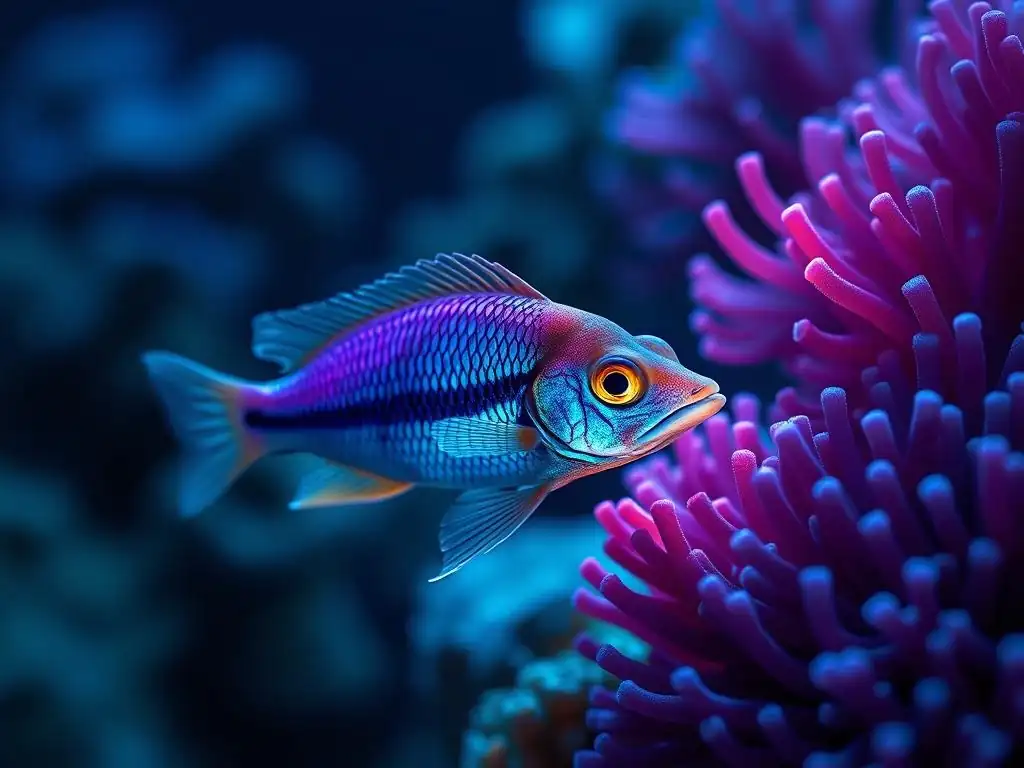
Direct nocturnal wrasse behavior observation can be achieved with minimal disturbance by employing specific techniques. The most effective method involves using a red-filtered flashlight or a flashlight covered with red cellophane. Many fish species, including wrasses, have limited sensitivity to red light, perceiving it as much dimmer or not at all, which allows for observation without startling them into a waking state.
When conducting direct observation, patience is key. Approach the tank slowly and quietly, and illuminate the area where you expect to find your wrasse's resting spot. Keep the light beam focused and avoid sweeping it rapidly across the entire tank. Brief, focused observations of 5-10 minutes are less disruptive than prolonged scrutiny. Repeating these observations at consistent times each night can help establish patterns in nocturnal wrasse behavior observation.
Using Infrared Cameras to Record Wrasse Behavior
For truly undisturbed nocturnal wrasse behavior observation, particularly for shy or easily startled species, an infrared (IR) camera is an invaluable tool. These cameras capture images and video in complete darkness by detecting infrared light, which is invisible to the human eye and, crucially, to the wrasses themselves. This means you can record their entire nightly routine without emitting any visible light that might alter their natural behavior.
Many modern aquarium cameras or even simple home security cameras equipped with night vision capabilities can be adapted for this purpose. Position the camera to cover the wrasse's known resting area or a general section of the tank where it is likely to settle. The recorded footage can then be reviewed at your leisure, allowing for detailed analysis of subtle behaviors, precise timings of burrowing or emergence, and confirmation of resting patterns, greatly enhancing nocturnal wrasse behavior observation.
Analyzing Wrasse Behavior Based on Environmental Factors [Temperature, Water Chemistry]
Accurate nocturnal wrasse behavior observation is intrinsically linked to stable and optimal environmental conditions within the aquarium. Temperature, for instance, plays a critical role; most reef wrasses thrive in a stable range of 76-78°F (24.5-25.5°C). Fluctuations outside this range can induce stress, manifesting as erratic behavior, refusal to settle, or unusual hiding spots at night, disrupting natural sleep patterns. Documenting temperature alongside behavioral observations can help identify correlations.
Similarly, pristine water chemistry is paramount. Elevated levels of ammonia, nitrite, or nitrate, or significant swings in pH or salinity, can cause severe stress and illness in wrasses. A stressed wrasse may not exhibit its typical nocturnal wrasse behavior observation patterns, potentially remaining active when it should be resting, or appearing lethargic and unresponsive even during the day. Regular testing and maintenance of water parameters are essential to ensure that observed behaviors are natural and not a symptom of environmental distress.
Common Nocturnal Wrasse Behaviors Explained
Sleeping Patterns and Rest Cycles in Wrasses
The "sleep" observed in wrasses, like most fish, is a state of reduced activity and responsiveness, rather than the deep unconsciousness associated with mammalian sleep. During this period, their metabolism slows down, respiration rate decreases, and they often adopt a fixed, motionless posture. This restorative phase is vital for their physiological well-being, allowing their bodies to repair and conserve energy for the active foraging and social interactions of the day.
Wrasses typically enter this resting state as the lights dim and remain in it for the entire dark cycle, which for many species in a captive environment, is around 8-12 hours. While some wrasses, particularly burrowers, may appear completely unresponsive, others in crevices might still show slight fin movements or react minimally to very strong stimuli. This natural rhythm is a key aspect of healthy nocturnal wrasse behavior observation.
Burrowing and Hiding Behaviors of Wrasses at Night
Burrowing and hiding are the primary protective behaviors exhibited by wrasses during their nocturnal period. For species like the Yellow Wrasse ( Halichoeres chrysus), burrowing involves a rapid, headfirst dive into the sand bed, often accompanied by vigorous tail wags to displace the substrate. They can disappear completely within seconds, creating a small, often barely visible, depression where they settled. This behavior is instinctual and a critical defense mechanism.
For non-burrowing species, such as the Six-Line Wrasse ( Pseudocheilinus hexataenia), hiding involves seeking out the tightest available crevices, small caves, or secure overhangs within the live rock. They will wedge their bodies into these spaces, often at odd angles, to maximize their concealment and minimize their exposure to nocturnal predators. Both strategies are fundamental to their survival and are fascinating aspects of nocturnal wrasse behavior observation.
Predator Avoidance Strategies Exhibited by Wrasses
Wrasses employ a range of sophisticated predator avoidance strategies during the night to ensure their safety while they rest. The most prominent strategies include physical concealment through burrowing into the sand, as seen in Halichoeres species, or by hiding deep within the intricate structures of live rock, a common behavior for Labroides and Pseudocheilinus wrasses. These methods render them virtually invisible or inaccessible to nocturnal hunters.
Beyond physical hiding, some wrasses exhibit physiological changes, such as dramatic shifts in coloration, becoming paler or developing cryptic patterns to better blend into their surroundings in low light. While less common in aquarium wrasses, related species like parrotfish can also secrete a mucus cocoon, a transparent envelope that masks their scent and provides an additional physical barrier. These combined strategies underscore the complexity of nocturnal wrasse behavior observation and their adaptation to evade predation during their vulnerable resting phase.
Nocturnal Feeding Habits in Select Wrasse Species
While the vast majority of wrasse species are strictly diurnal feeders, meaning they forage exclusively during daylight hours, there are rare instances or specific species where opportunistic nocturnal feeding might occur. This is typically limited to scavenging for very small invertebrates that emerge from the sand or rockwork during the night. However, it is not their primary mode of feeding, and sustained activity after lights out usually indicates stress or an environmental issue rather than a natural feeding behavior.
Aquarists should not expect or encourage nocturnal feeding for most wrasses. Their primary nocturnal activity is rest and protection, and any significant foraging behavior after dark suggests they are not getting sufficient food during the day, or that they are being disturbed. Observing wrasses actively hunting at night during nocturnal wrasse behavior observation should prompt a review of their daytime feeding regimen and overall tank conditions.
Potential Problems and Solutions During Nocturnal Wrasse Observation
Addressing Stress in Wrasses During Observation
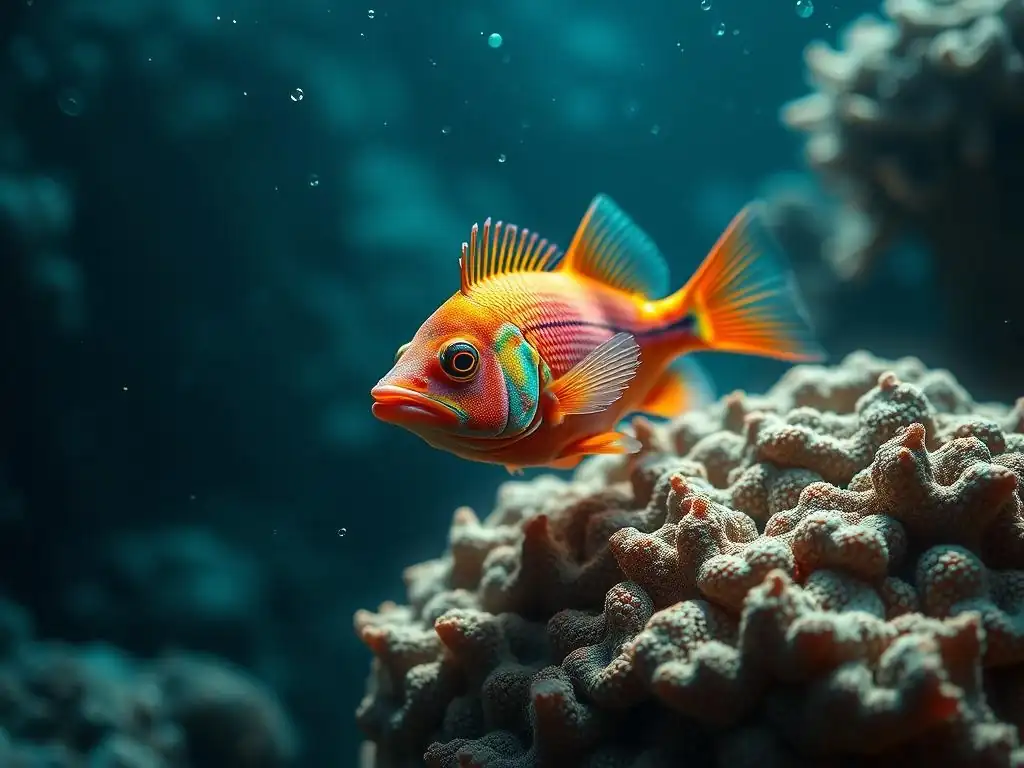
One of the primary concerns during nocturnal wrasse behavior observation is inadvertently causing stress to the fish. Signs of stress include erratic darting, rapid breathing, refusal to settle into their usual resting spot, or remaining exposed and agitated. The most common cause of stress during observation is the sudden introduction of bright white light or sudden movements near the tank.
To mitigate stress, always use a red-filtered flashlight or infrared camera for observation. Avoid prolonged direct illumination, limiting observation sessions to brief periods (e.g., 5-10 minutes). Ensure the room is quiet and dark before beginning, and make no sudden movements. If a wrasse consistently appears stressed during observation, reduce the frequency or duration of your monitoring, prioritizing the fish's well-being over detailed nocturnal wrasse behavior observation.
Preventing Disturbances to Wrasses While Monitoring Nightly Activities
Preventing disturbances is crucial for accurate and ethical nocturnal wrasse behavior observation. Beyond avoiding bright lights, aquarists should ensure the observation environment is as stable and quiet as possible. This means refraining from loud noises, sudden vibrations, or tapping on the aquarium glass. Any such disturbance can startle the wrasse, causing it to abandon its resting spot and potentially disrupt its vital sleep cycle.
It is also beneficial to allow a buffer period after the main aquarium lights turn off (e.g., 30-60 minutes) before attempting any nocturnal wrasse behavior observation. This allows the wrasses ample time to settle into their chosen resting spots and enter their state of reduced activity. Consistency in observation times and methods will help minimize any potential impact on the wrasses' natural nocturnal routines.
Dealing with Equipment Malfunctions During Nighttime Monitoring
When utilizing technology like infrared cameras for nocturnal wrasse behavior observation, equipment malfunctions can disrupt data collection. Common issues include power failures, camera fogging due to humidity, lens obstruction, or recording failures. A sudden loss of power to an IR camera, for instance, could mean a gap in continuous observation, losing valuable data on the wrasse's activity throughout the night.
To address these issues, always ensure cameras are powered by reliable sources, preferably with a backup battery or uninterruptible power supply (UPS) for extended monitoring. For fogging, ensure proper ventilation around the camera or consider using anti-fogging solutions. Regularly check the camera's lens for obstructions and verify that recording settings are correct before starting a long session. Having a contingency plan for common malfunctions ensures more consistent and reliable nocturnal wrasse behavior observation.
The Benefits of Understanding Wrasse Nighttime Behaviors
Improved Wrasse Care and Tank Management
Understanding the specific nocturnal wrasse behavior observation patterns of your wrasses directly translates into significantly improved care and tank management. Knowing whether a wrasse burrows, hides in crevices, or forms a mucus cocoon allows you to provide the precise substrate depth, rockwork structure, and overall environment necessary for their natural resting habits. This proactive approach prevents stress, reduces the likelihood of injury, and promotes a stronger immune system, leading to healthier and more robust fish.
Furthermore, recognizing normal nocturnal behaviors enables aquarists to quickly identify deviations that might signal stress, illness, or an unsuitable environment. For example, if a burrowing wrasse consistently fails to bury itself, it could indicate substrate issues, a parasitic infection, or general discomfort. This knowledge empowers the aquarist to make informed adjustments, such as adding more fine sand, adjusting water parameters, or reconsidering tank mates, thereby enhancing the overall quality of care.
Enhancing the Overall Aquarium Ecosystem
A deep understanding of nocturnal wrasse behavior observation contributes significantly to the health and harmony of the entire aquarium ecosystem. When wrasses are able to perform their natural nighttime behaviors without stress or disturbance, they are more likely to thrive during the day. Healthy, unstressed wrasses contribute positively to the tank's biological balance, whether through their pest control activities (e.g., consuming flatworms or pyramid snails) or their general activity which helps aerate the water and stir up detritus.
Moreover, knowing how your wrasses rest allows for better compatibility planning with other tank inhabitants. For instance, pairing a burrowing wrasse with a large, aggressive nocturnal predator might lead to predation if the wrasse's burrowing is insufficient or if it is constantly disturbed. Conversely, understanding their sleep patterns helps ensure that other fish don't inadvertently harass resting wrasses, fostering a more peaceful and stable community for all inhabitants.
Contributing to Scientific Knowledge of Wrasse Behavior
While primarily for the benefit of individual aquarists, detailed and systematic nocturnal wrasse behavior observation in captivity can collectively contribute to a broader understanding of these fascinating fish. Hobbyists often keep species that are less studied in their natural habitats or observe behaviors that are difficult to document in the wild. Sharing these observations, particularly through online forums or dedicated community platforms, can build a valuable anecdotal dataset.
This collective knowledge can help refine general care guidelines, identify species-specific quirks, and even highlight potential new behaviors previously unrecorded. By meticulously documenting their findings, aquarists become citizen scientists, fostering a deeper appreciation for the complex lives of their aquarium inhabitants and continually expanding the collective understanding of wrasse behavior, both in captivity and in their natural environments.
Conclusion: Embracing the Night with Your Wrasses
Frequently Asked Questions
How does the nocturnal behavior of wrasses differ between freshwater and saltwater aquariums?
Wrasses are primarily saltwater fish. Freshwater wrasses don't exist, so this question is irrelevant. The nocturnal behavior of different saltwater wrasse species varies greatly.
What are some common signs of stress in wrasses that might be more apparent during their nocturnal rest periods?
Increased erratic movements or failure to bury in the substrate could indicate stress. Additionally, watch for rapid gill movement or an inability to settle down.
How can I optimize the lighting in my aquarium to better observe the nocturnal behaviors of my wrasses without disturbing them?
Use a moonlight LED or a very dim blue light to provide minimal illumination. Avoid sudden changes in light intensity to minimize stress. Observing with red light is also beneficial.
What types of substrate are best suited for wrasses that exhibit burying behavior during their nocturnal rest periods?
Fine, sandy substrate is ideal for burying wrasses. Ensure it's deep enough for them to completely cover themselves, typically at least 2-3 inches.
Are there any specific wrasse species known for particularly interesting or unique behaviors during their nocturnal rest periods?
The Banana Wrasse is known to bury itself. The Leopard Wrasse is also known for its unique sleeping patterns, including burrowing and producing a mucous cocoon.
Final Reflection: Unveiling the Secrets of the Night
The exploration of nocturnal wrasse behavior, as detailed in this article, isn't merely an academic exercise; it's a crucial step in understanding the fragile balance of our marine ecosystems. By shedding light on the hidden lives of these vibrant fish, we gain invaluable insights into their ecological roles and the potential impacts of environmental changes on their survival.
This journey into the underwater night has profoundly underscored the interconnectedness of life and the importance of diligent observation. Witnessing the diverse strategies wrasses employ to navigate the darkness, from seeking refuge to engaging in unique feeding behaviors, has deepened my appreciation for the complexity of the natural world. In the end, we will conserve only what we love; we will love only what we understand; and we will understand only what we are taught.
- Baba Dioum. This quote resonates deeply, highlighting the vital role research like this plays in fostering a deeper understanding and, ultimately, the conservation of these fascinating creatures.
Now, I invite you to consider the implications of these nocturnal wrasse behavior observations. How can we, as individuals and as a society, translate this knowledge into meaningful action? Let us strive to be more mindful of our impact on marine environments, supporting sustainable practices and advocating for the protection of these hidden worlds. The future of these wrasses, and indeed the health of our oceans, depends on our collective commitment to understanding and preserving the wonders that lie beneath the surface.
Dive Deeper: Uncover the Mysteries of Wrasse Behavior!
Thank you for exploring the fascinating world of wrasse with us! We hope this glimpse into their nocturnal habits has sparked your curiosity and deepened your appreciation for these vibrant fish. Now, it's time to take your interest a step further.
Here's how you can continue your wrasse journey:
- Document your own observations: Next time you are near an aquarium at night, dim the lights and watch. Note down any changes in behavior.
- Share your newfound knowledge: Spread the word by discussing these unique behaviors with fellow aquarists and inspire them to appreciate the unseen world of wrasse.
- Research further: Explore academic databases like Google Scholar to find published articles on wrasse behavior and contribute to the scientific understanding of these fascinating creatures.
What surprising nocturnal behavior have you witnessed in your own aquarium? Share your stories in the comments below!