
Recognizing Stress Signals in Your Saltwater Angelfish Before It's Too Late

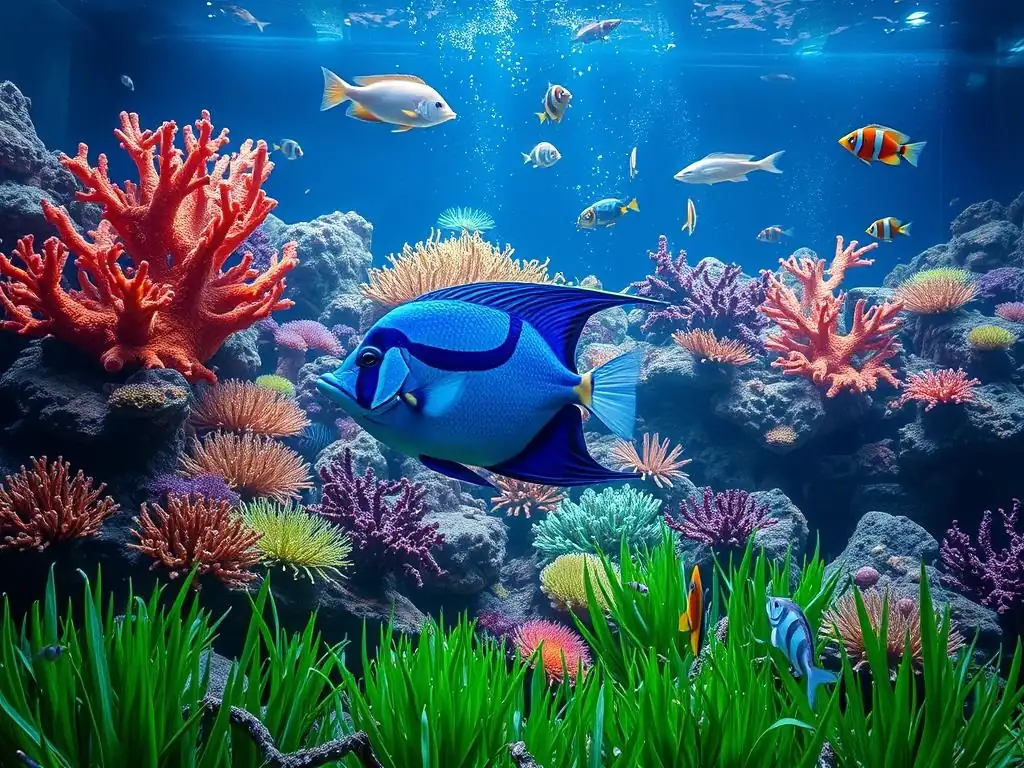
Welcome to Aquarium Mastery!
Ever wondered if your magnificent saltwater angelfish is truly thriving? Unlocking the secrets to their well-being starts with understanding the subtle signs of stress. Dive in to discover how to recognize saltwater angelfish stress symptoms before they become critical, ensuring a healthy and vibrant life for your aquatic companion. Let's explore!
- Understanding Saltwater Angelfish Behavior and Stress
- Identifying Early Stress Symptoms
- Advanced Stress Symptoms to Watch For
- Distinguishing Stress from Illness
- Addressing the Root Causes of Stress
- Preventing Future Stress
- Conclusion: Protecting Your Angelfish Through Vigilance
-
Frequently Asked Questions
- How can I identify early stress symptoms in my saltwater angelfish?
- What are some common causes of stress in saltwater angelfish within a home aquarium?
- What specific water parameters are crucial to maintaining a stress-free environment for saltwater angelfish?
- Can diet contribute to stress in saltwater angelfish, and how can I ensure they receive proper nutrition?
- What steps should I take immediately if I notice my saltwater angelfish exhibiting signs of stress?
- Final Reflection: Protecting the Delicate Beauty of Angelfish
- Safeguard Your Angelfish: Act Now!
Understanding Saltwater Angelfish Behavior and Stress
The Importance of Observing Your Saltwater Angelfish
Observing your saltwater angelfish closely is paramount to their well-being. These magnificent marine inhabitants, often living for 5-10 years in optimal conditions, are highly sensitive to changes in their environment. Early detection of any deviation from their normal behavior can be the critical difference between a minor adjustment and a severe health crisis, as saltwater angelfish stress symptoms can escalate rapidly if left unaddressed. Vigilance allows aquarists to identify subtle cues before they manifest into serious illness or chronic angelfish stress.
Understanding what constitutes "normal" behavior for your specific angelfish species is the first step in recognizing saltwater angelfish stress symptoms. A healthy angelfish, whether a vibrant Flame Angelfish or a majestic Emperor Angelfish, typically exhibits active swimming, curiosity, and a consistent appetite. They will often establish a territory within the tank, interact with their environment, and display their full, vivid coloration. Any departure from these established patterns, such as unusual hiding, erratic swimming, or a sudden disinterest in food, should immediately signal potential saltwater angelfish stress.
Factors Contributing to Stress in Saltwater Angelfish
Several factors commonly contribute to stress in saltwater angelfish, impacting their health and longevity. Poor water quality is a primary culprit, with elevated ammonia, nitrite, or nitrate levels, unstable pH (ideally 8.1-8.4), or incorrect salinity (1.023-1.026) creating a toxic environment. Inadequate tank size also plays a significant role; a Dwarf Angelfish like a Coral Beauty needs at least 70 gallons, while larger species such as the Queen Angelfish require 180 gallons or more to thrive, and anything less can lead to severe saltwater angelfish stress symptoms over time.
Beyond water parameters and tank volume, social dynamics and diet also induce angelfish stress. Aggressive tank mates, particularly if the angelfish cannot escape or establish its own territory, can lead to constant harassment. Conversely, a lack of suitable hiding spots can cause a naturally shy angelfish, like a Bellus Angelfish, to feel perpetually exposed and stressed. Furthermore, a diet lacking essential nutrients, or inconsistent feeding schedules, can weaken the immune system and contribute significantly to overall saltwater angelfish stress.
Identifying Early Stress Symptoms
Changes in Feeding Habits: A Key Indicator
One of the earliest and most reliable saltwater angelfish stress symptoms is a noticeable change in feeding habits. A healthy angelfish is typically an enthusiastic eater, readily accepting a varied diet of spirulina flakes, mysis shrimp, and marine pellets multiple times a day. When a fish experiences angelfish stress, it may suddenly lose its appetite, refuse familiar foods, or take food into its mouth only to spit it out. Even a slight reduction in their usual voraciousness can be a significant warning sign.
It is crucial to monitor how much and how eagerly your angelfish eats. A healthy angelfish should consume its portion within 2-3 minutes. If an angelfish, which previously ate well, goes for more than 24-48 hours without showing interest in food, it is a strong indicator of underlying saltwater angelfish stress or the onset of illness. This particular symptom often precedes more overt physical signs and provides a narrow window for intervention.
Color Changes as a Sign of Distress
The vibrant coloration of saltwater angelfish is not only aesthetically pleasing but also a vital indicator of their health and emotional state. When a saltwater angelfish is healthy and content, its colors are typically bright, bold, and consistent. Conversely, one of the most common saltwater angelfish stress symptoms is a noticeable dulling or fading of their natural hues, or the appearance of unusual blotches or dark patches. For instance, a brilliant red Flame Angelfish might appear washed out, or an Emperor Angelfish could lose the intensity of its blues and yellows.
While some angelfish species might exhibit temporary color changes due to excitement, aggression, or even during sleep, persistent dullness or abnormal patterns are clear signs of distress. If the angelfish's colors remain muted or uneven for an extended period, it strongly suggests chronic saltwater angelfish stress. These changes are often a direct result of the fish's physiological response to environmental stressors, signaling that its immune system is under pressure.
Erratic Swimming Patterns and Behavior
Normal swimming patterns for saltwater angelfish are typically graceful, deliberate, and purposeful, with the fish exploring its environment. However, saltwater angelfish stress symptoms often manifest as significant deviations from these patterns. Erratic movements, such as darting frantically around the tank, constantly scraping its body against rocks or substrate (known as "flashing"), or exhibiting rapid, jerky movements, are clear indicators of discomfort. A stressed angelfish might also hover listlessly near the bottom, at the surface, or in a secluded corner, displaying an unusual lack of energy.
Beyond simple erratic movements, other behavioral shifts can signify angelfish stress. This includes prolonged periods of hiding, even for species that are typically outgoing, or swimming frantically against the glass as if trying to escape the tank. Some stressed angelfish may also display unusual "shimmies" or twitching motions, which are often attempts to dislodge perceived irritants or are a sign of general malaise. These behaviors reflect the fish's high level of discomfort and highlight the need to identify and alleviate the sources of saltwater angelfish stress.
Breathing Difficulties in Stressed Angelfish
Observing your angelfish's respiration rate is crucial, as breathing difficulties are critical saltwater angelfish stress symptoms. A healthy angelfish typically exhibits slow, steady gill movements. However, if you notice your angelfish breathing rapidly, laboring for air, or constantly gasping at the water surface or near powerheads, it indicates significant respiratory distress. Flared gills, where the gill covers are held wider than usual, are another visual cue that the fish is struggling to oxygenate itself.
These breathing difficulties can stem from various sources of angelfish stress, including poor water quality (e.g., high ammonia or nitrite, low dissolved oxygen), extreme temperatures, or the presence of gill parasites. Regardless of the underlying cause, any noticeable and sustained increase in respiration rate warrants immediate investigation into the environmental factors contributing to the saltwater angelfish stress. Addressing the root cause promptly can prevent further physiological damage.
Advanced Stress Symptoms to Watch For
Clamped Fins and Listlessness
When saltwater angelfish stress symptoms progress, you will often observe more pronounced physical signs, such as clamped fins and general listlessness. Clamped fins refer to the fish holding its fins tightly against its body, rather than spread out naturally. This is a common defensive posture adopted by stressed or sick fish, as it helps them conserve energy and potentially reduce surface area for parasites. A normally active angelfish, like a Coral Beauty, that suddenly remains in one corner with its fins clamped is in significant distress.
Listlessness, or extreme lethargy, often accompanies clamped fins and indicates a severe level of angelfish stress. The fish may hover motionless near the substrate, at the surface, or in a specific spot, showing little to no interest in its surroundings or food. This behavior suggests that the angelfish is expending all its energy simply trying to cope with its environment, leaving little for normal activities. This advanced stage of saltwater angelfish stress makes the fish highly vulnerable to secondary infections.
Development of Diseases Due to Stress
Chronic saltwater angelfish stress severely weakens the fish's immune system, making it highly susceptible to opportunistic infections and common aquarium diseases. What might start as environmental angelfish stress can quickly escalate into a full-blown disease outbreak. Common ailments that often emerge in stressed angelfish include Ich (white spot disease), Marine Velvet (Amyloodinium ocellatum), and various bacterial infections such as fin rot or cloudy eyes.
For example, a stressed Emperor Angelfish, enduring prolonged poor water quality, might develop a secondary bacterial infection that manifests as cloudy eyes or ragged fins. Similarly, a Dwarf Angelfish under constant saltwater angelfish stress from aggressive tank mates is far more likely to contract Ich when exposed to the parasite, as its immune defenses are compromised. Recognizing that disease onset can be a direct consequence of unmanaged saltwater angelfish stress is crucial for effective treatment and prevention.
Increased Aggression or Hiding
While some angelfish species are naturally territorial, a marked increase in aggression towards tank mates, or conversely, constant and excessive hiding, can be significant saltwater angelfish stress symptoms. These behavioral shifts often occur when the fish feels overwhelmed, threatened, or uncomfortable in its environment. An angelfish that was previously peaceful might suddenly begin harassing other fish, or one that was outgoing might retreat permanently into the rockwork.
Consider a previously bold French Angelfish that now constantly hides behind rocks, or a Cherub Angelfish that suddenly becomes unusually aggressive towards smaller, peaceful tank mates. These changes are not just personality quirks; they are often direct responses to underlying saltwater angelfish stress stemming from overcrowding, incompatible tank mates, or a perceived lack of adequate space or security. Understanding these behavioral cues helps identify the source of the angelfish stress and allows for appropriate adjustments to the aquarium setup.
Distinguishing Stress from Illness
Common Diseases Mimicking Stress Symptoms [Ich, Marine Velvet, Brooklynellosis]
It is crucial for aquarists to differentiate between general saltwater angelfish stress symptoms and the early signs of specific diseases, as some ailments can mimic stress. Ich (Cryptocaryon irritans) presents as tiny white spots resembling salt grains on the fish's body and fins, often accompanied by flashing and rapid breathing. While flashing can be a stress symptom, the visible white spots confirm Ich. Marine Velvet (Amyloodinium ocellatum) appears as a fine, dusty, yellowish-brown coating, often causing severe respiratory distress and lethargy, similar to angelfish stress but with a distinct parasitic appearance.
Brooklynellosis (Brooklynella hostilis) is another highly contagious protozoan infection that can be mistaken for severe saltwater angelfish stress. It causes excessive mucus production, leading to a cloudy appearance on the skin, rapid respiration, and severe lethargy. While a stressed fish may also be lethargic, the presence of a thick, white, or cloudy slime coat is a strong indicator of Brooklynellosis. Careful observation for these specific physical signs, rather than just behavioral changes, is essential for accurate diagnosis and timely treatment, as these diseases require targeted medications beyond simply alleviating saltwater angelfish stress.
Ruling Out Water Quality Issues as a Cause
When confronted with saltwater angelfish stress symptoms, the very first diagnostic step must always be a comprehensive test of your aquarium's water parameters. High levels of ammonia (should be 0 ppm) and nitrite (should be 0 ppm) are acutely toxic and will cause immediate angelfish stress, leading to gasping, lethargy, and clamped fins. Elevated nitrates (ideally below 20 ppm) can cause chronic saltwater angelfish stress over time, weakening the immune system.
Furthermore, ensuring stable pH (8.1-8.4), salinity (1.023-1.026), and temperature (typically 76-80°F for most angelfish) is paramount. Even slight fluctuations outside these ideal ranges can induce significant saltwater angelfish stress. For instance, a sudden drop in pH or a temperature swing of more than 2-3 degrees Fahrenheit can be highly detrimental. By systematically testing and correcting any water quality deficiencies, you can often alleviate many saltwater angelfish stress symptoms and rule out environmental factors as the primary cause of distress.
Addressing the Root Causes of Stress
Improving Water Quality
Performing Regular Water Changes
Performing regular water changes is perhaps the single most effective action an aquarist can take to mitigate saltwater angelfish stress and maintain a healthy environment. A consistent schedule of 10-20% water changes weekly or bi-weekly, depending on your tank's bioload, dilutes accumulated nitrates and other pollutants while replenishing essential trace elements that are consumed by the aquarium's inhabitants and biological processes. This proactive approach significantly reduces the physiological burden on your angelfish, preventing chronic saltwater angelfish stress symptoms.
When performing water changes, it is crucial to use properly mixed and temperature-matched saltwater. Always prepare new saltwater using a high-quality marine salt mix and RO/DI water, ensuring the salinity matches that of your display tank precisely (e.g., using a refractometer for accuracy). Introducing water with significantly different parameters can cause osmotic shock, leading to acute angelfish stress. Consistency in water parameters is the cornerstone of preventing saltwater angelfish stress.
Optimizing Filtration
Optimizing your aquarium's filtration system is fundamental to maintaining pristine water quality and preventing saltwater angelfish stress. A robust filtration setup should incorporate mechanical, biological, and chemical components. Mechanical filtration (e.g., filter socks, sponges) removes particulate matter, preventing it from decaying and contributing to angelfish stress. Biological filtration (live rock, bio-media) is critical for converting toxic ammonia and nitrite into less harmful nitrate, preventing two of the most potent causes of saltwater angelfish stress symptoms.
Chemical filtration, such as activated carbon or granular ferric oxide (GFO), removes dissolved organic compounds, phosphates, and other pollutants that can accumulate and contribute to saltwater angelfish stress. Ensuring adequate flow rates (e.g., 10-20 times tank volume per hour for overall circulation) and regular cleaning or replacement of filter media are also vital. An undersized or poorly maintained filtration system will inevitably lead to declining water quality, causing chronic saltwater angelfish stress over time.
Reducing Tank Mate Aggression
Choosing Compatible Tank Mates
Careful selection of compatible tank mates is essential to prevent saltwater angelfish stress stemming from aggression. Angelfish, particularly larger species like the Emperor Angelfish or Queen Angelfish, can be territorial, and some dwarf angelfish may also display aggression towards similar-looking species or smaller, more passive fish. Researching the adult size, temperament, and specific needs of all potential inhabitants before introduction is paramount. Avoiding species known for aggression towards angelfish, or introducing angelfish last in a well-established tank, can help mitigate conflicts.
For instance, pairing a territorial angelfish with a similarly sized or shaped angelfish in a tank that is too small (e.g., less than 200 gallons for multiple large angels) will almost certainly lead to constant saltwater angelfish stress and potential injury. Conversely, selecting peaceful species like certain gobies, blennies, or compatible clownfish can create a harmonious environment. Proactive planning of your aquarium's community prevents unnecessary saltwater angelfish stress symptoms arising from social conflicts.
Providing Adequate Space and Hiding Places
Even with compatible tank mates, providing adequate space and ample hiding places is crucial for minimizing saltwater angelfish stress. A lack of sufficient swimming room can lead to overcrowding, increasing competition for resources and territory, which directly contributes to angelfish stress. For example, a single medium-sized angelfish like a Coral Beauty needs a minimum of 70 gallons to truly thrive, allowing it room to explore and establish its own space.
Furthermore, a well-aquascaped tank with plenty of live rock formations, caves, and crevices offers essential retreats for angelfish when they feel threatened or simply need a break from tank mates. Shy species, or angelfish that are being introduced to an existing community, particularly benefit from these safe havens. Without adequate hiding spots, angelfish can experience constant saltwater angelfish stress due to perceived threats, leading to chronic anxiety and a decline in health.
Proper Diet and Nutrition
Offering a Varied and Balanced Diet
A varied and balanced diet is fundamental to preventing saltwater angelfish stress and ensuring their long-term health. Many angelfish are omnivores, requiring a mix of meaty and herbivorous foods. High-quality marine flakes or pellets, rich in spirulina and marine proteins, should form the base. Supplement this with frozen foods such as mysis shrimp, brine shrimp enriched with vitamins, and finely chopped seafood. For herbivorous angelfish or those that graze, offering sheets of dried seaweed (nori) clipped to the tank glass provides essential roughage and nutrients.
Nutritional deficiencies can severely weaken an angelfish's immune system, making them highly susceptible to saltwater angelfish stress and opportunistic diseases. A diet lacking essential vitamins, minerals, or fatty acids can lead to faded colors, lethargy, and a general decline in vitality, all of which are angelfish stress symptoms. By providing a diverse array of high-quality foods, you ensure your angelfish receives all the necessary building blocks for a robust immune system and resilience against environmental stressors.
Avoiding Overfeeding
While providing proper nutrition is vital, avoiding overfeeding is equally important in preventing saltwater angelfish stress. Excess food that goes uneaten quickly decays in the aquarium, leading to a rapid increase in ammonia, nitrite, and nitrate levels. These pollutants directly degrade water quality, creating a toxic environment that is a significant source of angelfish stress. Overfeeding also contributes to an unsightly buildup of detritus and can overwhelm your filtration system, leading to chronic water quality issues.
It is recommended to feed your angelfish small amounts multiple times a day (e.g., 2-3 times) rather than one large meal. Only offer what your fish can consume entirely within 2-3 minutes. This approach ensures that all food is eaten, minimizing waste and preventing the rapid decline in water quality that contributes to saltwater angelfish stress symptoms. Consistent, measured feeding practices are a simple yet effective way to maintain a healthy and stress-free aquarium environment.
Minimizing Tank Disturbances
Gradual Acclimation of New Fish
The acclimation process for new fish, especially saltwater angelfish, is a critical period where significant angelfish stress can occur if not handled properly. Rapid changes in water parameters such as pH, salinity, or temperature between the transport bag and the aquarium can cause severe osmotic shock, leading to immediate saltwater angelfish stress symptoms, illness, or even death. A gradual acclimation method, such as drip acclimation, is highly recommended.
With drip acclimation, water from the display tank is slowly introduced into the container holding the new fish over a period of 30-60 minutes, or even longer for very sensitive species. This allows the fish to slowly adjust to the new water chemistry, minimizing the physiological shock. Proper, slow acclimation significantly reduces the initial saltwater angelfish stress upon introduction to their new home, setting them up for a smoother transition and better long-term health.
Avoiding Sudden Changes in Lighting or Temperature
Consistency in the aquarium environment is key to preventing saltwater angelfish stress. Sudden or drastic fluctuations in lighting or temperature are major stressors for marine fish. For instance, leaving aquarium lights on for excessively long periods (e.g., 24/7) or having an erratic photoperiod can disrupt the fish's natural circadian rhythms, leading to chronic angelfish stress. Similarly, a malfunctioning heater that causes rapid temperature swings of more than 2-3 degrees Fahrenheit can be highly detrimental.
To minimize these disturbances, always use a reliable timer for your aquarium lighting, maintaining a consistent photoperiod of typically 10-12 hours. Ensure your heater is properly sized and functioning correctly to maintain a stable temperature within the ideal range (e.g., 76-80°F). Avoiding sudden, large-scale changes to the tank's environment, such as major aquascaping overhauls without allowing time for adjustment, also helps prevent unnecessary saltwater angelfish stress. Stability is crucial for preventing saltwater angelfish stress symptoms.
Preventing Future Stress
Maintaining a Stable and Healthy Aquarium Environment
The cornerstone of preventing future saltwater angelfish stress is maintaining a consistently stable and healthy aquarium environment. This encompasses a holistic approach: regularly testing and maintaining optimal water parameters (ammonia 0, nitrite 0, nitrates <20 ppm, stable pH and salinity), ensuring your angelfish has adequate tank size for its species, and implementing robust and well-maintained filtration. Proactive maintenance, rather than reactive problem-solving, prevents the gradual accumulation of stressors that lead to saltwater angelfish stress symptoms.
A stable environment means fewer fluctuations in water chemistry, temperature, and lighting. It also means providing a biologically mature tank that can handle the bioload of its inhabitants without sudden spikes in toxins. By adhering to a strict maintenance schedule and understanding the specific needs of your angelfish species, you create a resilient habitat that significantly reduces the likelihood of saltwater angelfish stress developing. This foundational stability is critical for long-term health.
Regular Observation and Early Intervention
Regular, attentive observation of your saltwater angelfish is the most powerful tool in preventing future angelfish stress. By spending a few minutes each day, or even multiple times a day, simply watching your fish, you become intimately familiar with their normal behaviors, feeding patterns, and coloration. This familiarity allows you to immediately recognize the earliest and most subtle saltwater angelfish stress symptoms before they escalate into severe health problems.
Early intervention is key. If you notice a slight change in appetite, a hint of dullness in color, or a minor shift in swimming behavior, address it promptly. This might involve a small water change, adjusting a tank parameter, or simply reducing tank mate aggression. Acting quickly at the first sign of saltwater angelfish stress can prevent minor issues from becoming chronic conditions, saving your fish from prolonged suffering and potentially extending its life.
Creating a Stress-Free Habitat
Ultimately, the goal for any angelfish enthusiast is to create a truly stress-free habitat where these magnificent fish can thrive, not just survive. This involves a comprehensive approach that integrates all aspects of their care: providing compatible tank mates to minimize social angelfish stress, offering a varied and nutritious diet to support their immune system, and ensuring ample hiding spots and swimming space to alleviate environmental pressures. The physical layout of the tank, with appropriate live rock structures, contributes significantly to their sense of security.
Minimizing external disturbances, through gradual acclimation of new inhabitants and consistent environmental parameters, also plays a crucial role. When all these elements are meticulously managed, the saltwater angelfish can display its full natural behaviors, vibrant colors, and robust health, free from the debilitating effects of saltwater angelfish stress symptoms. A truly stress-free habitat leads to a longer, more fulfilling life for your prized angelfish.
Conclusion: Protecting Your Angelfish Through Vigilance
Frequently Asked Questions
How can I identify early stress symptoms in my saltwater angelfish?
Look for changes in behavior like hiding more than usual, a decrease in appetite, or rapid gill movement. These are often early indicators of stress.
What are some common causes of stress in saltwater angelfish within a home aquarium?
Common causes include poor water quality, aggressive tank mates, and sudden changes in the aquarium environment.
What specific water parameters are crucial to maintaining a stress-free environment for saltwater angelfish?
Maintaining stable salinity, pH, and temperature is essential. Regular water changes are also important to prevent toxin buildup.
Can diet contribute to stress in saltwater angelfish, and how can I ensure they receive proper nutrition?
Yes, an inappropriate diet can cause stress. Offer a varied diet of high-quality flake food, frozen foods, and live foods suitable for angelfish.
What steps should I take immediately if I notice my saltwater angelfish exhibiting signs of stress?
First, test your water parameters and perform a partial water change if needed. Then, observe your fish for any signs of disease or aggression from tank mates.
Final Reflection: Protecting the Delicate Beauty of Angelfish
The information presented throughout this article highlights the crucial need for proactive observation and understanding when caring for saltwater angelfish. Recognizing subtle stress signals early on isn't just about maintaining a beautiful aquarium; it's about ensuring the well-being of these magnificent creatures and preventing potentially devastating consequences. The ability to identify these symptoms is now more vital than ever, as the increasing popularity of reef keeping places greater demands on both hobbyists and the delicate ecosystems from which these fish originate.
The responsibility we bear as aquarists extends beyond simply providing food and water. It requires a deep empathy and a commitment to creating an environment where these angelfish can thrive, not just survive. This understanding is paramount, especially considering the challenges these fish face in the wild due to habitat loss and overfishing. The greatness of a nation and its moral progress can be judged by the way its animals are treated.
- Mahatma Gandhi. This quote, though broad, resonates deeply when considering the ethical implications of keeping any animal, including the stunning, yet sensitive, saltwater angelfish.
As you continue your journey in the captivating world of saltwater aquariums, remember the lessons shared here. Let your observations be guided by compassion, and your actions driven by a desire to provide the best possible life for your angelfish. Take the time to truly see your fish, to understand their individual personalities and needs. By doing so, you not only enhance their lives but also enrich your own, fostering a deeper connection with the natural world and contributing to the responsible stewardship of these incredible creatures.
Safeguard Your Angelfish: Act Now!
Thank you for taking the time to understand the subtle signs of stress in your saltwater angelfish. Now that you're equipped with this knowledge, it's time to translate awareness into action and ensure your angelfish thrives in its aquatic environment.
- Immediately implement any necessary changes to improve your angelfish's environment based on the stress signals you've identified. Whether it's adjusting the water parameters, reducing tank aggression, or improving filtration, prompt action is key.
- Share this crucial information with fellow aquarium enthusiasts to spread awareness about angelfish welfare. Let's work together to create healthier and happier aquarium communities.
- Document your angelfish's behavior and tank conditions for the next week and compare it to the previous one. Use this as a way to refine your care routine and better understand their needs.
What specific environmental adjustment will you prioritize to reduce stress in your angelfish today?