
Red Sea Raccoon Butterflyfish (Chaetodon fasciatus): Regional Beauty, Global Care Standards

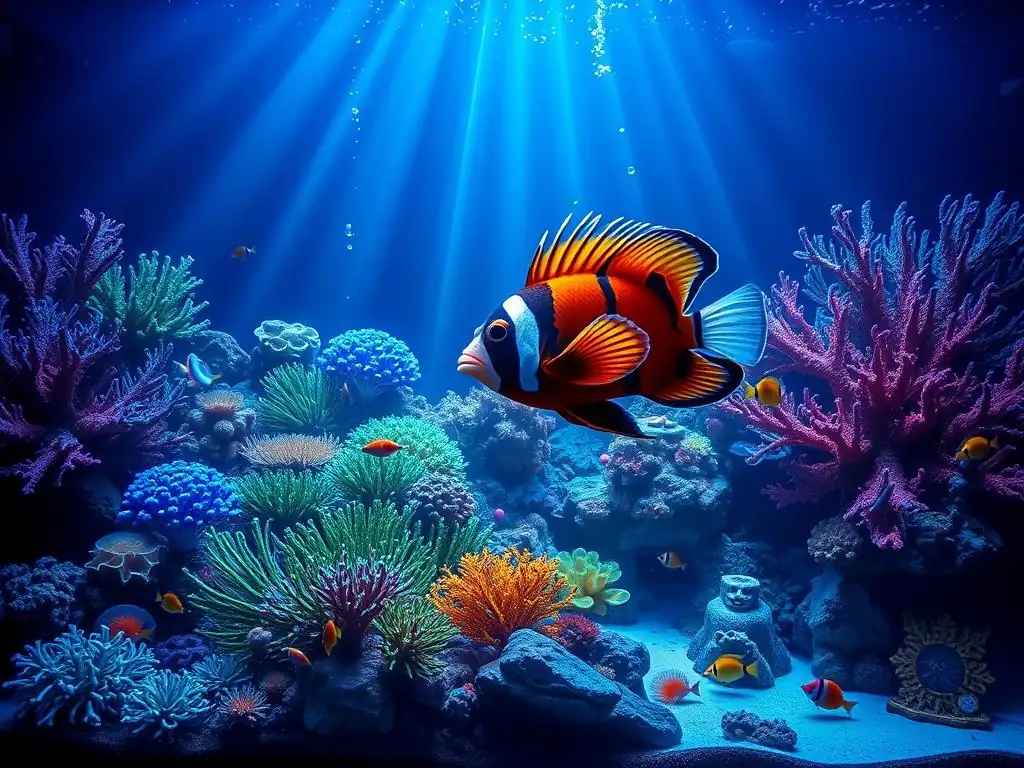
Welcome to Aquarium Mastery!
Ever been captivated by the vibrant beauty of the Red Sea Raccoon Butterflyfish? Dive in with us as we unravel the secrets to successfully keeping this stunning species in your home aquarium. Discover the nuances of Red Sea Raccoon Butterflyfish care, from optimal tank conditions to compatible tank mates, and unlock the key to ensuring a thriving, healthy life for your Chaetodon fasciatus. Ready to learn more?
- Introduction to the Red Sea Raccoon Butterflyfish
- Understanding the Red Sea Raccoon Butterflyfish: Species Profile
- Red Sea Raccoon Butterflyfish Care: Essential Guidelines
- Maintaining a Healthy Red Sea Raccoon Butterflyfish
- Breeding Red Sea Raccoon Butterflyfish: Challenges and Possibilities
- The Red Sea Raccoon Butterflyfish in the Aquarium Trade
- Advanced Red Sea Raccoon Butterflyfish Care Tips
- Conclusion: Mastering the Art of Red Sea Raccoon Butterflyfish Care
-
Frequently Asked Questions
- How difficult is it to care for a Red Sea Raccoon Butterflyfish?
- What is the ideal tank size for a Red Sea Raccoon Butterflyfish?
- What type of diet does a Red Sea Raccoon Butterflyfish require?
- Are Red Sea Raccoon Butterflyfish reef safe?
- What are some common health issues that affect Red Sea Raccoon Butterflyfish?
- Final Reflection: Preserving the Red Sea's Striped Jewel
- Dive Deeper: Ignite Your Reef Tank Passion!
Introduction to the Red Sea Raccoon Butterflyfish
Unveiling the Chaetodon fasciatus: A Striking Aquarium Addition
The Red Sea Raccoon Butterflyfish, scientifically known as Chaetodon fasciatus, stands out as a truly captivating inhabitant of saltwater aquariums. Originating exclusively from the vibrant coral reefs of the Red Sea, this species is prized for its distinctive coloration and elegant swimming patterns, making it a highly sought-after addition for experienced marine aquarists. Its unique "masked" appearance, reminiscent of a raccoon, gives it an immediate visual appeal that draws the eye in any well-maintained display tank.
Beyond its aesthetic allure, the Chaetodon fasciatus represents a rewarding challenge for those dedicated to advanced marine fishkeeping. While their hardiness is generally good once acclimated, providing optimal Red Sea Raccoon Butterflyfish care requires a deep understanding of their specific environmental, dietary, and social needs. Successfully housing this species demonstrates an aquarist's commitment to mimicking a natural reef environment, ensuring the fish not only survives but thrives.
Why Choose a Red Sea Raccoon Butterflyfish for Your Saltwater Tank?
Choosing a Red Sea Raccoon Butterflyfish for your saltwater tank offers a compelling blend of visual splendor and the satisfaction of mastering specialized care. Their striking yellow-orange body, adorned with numerous vertical dark bands and a prominent black band across the eye, creates a dynamic focal point in a large marine setup. This vibrant display brings a piece of the unique Red Sea ecosystem directly into the home aquarium, enriching the visual experience for any enthusiast.
Furthermore, the process of providing comprehensive Red Sea Raccoon Butterflyfish care is an educational journey, deepening an aquarist's knowledge of marine biology and water chemistry. Successfully maintaining Chaetodon fasciatus demonstrates a higher level of expertise, as it requires meticulous attention to water parameters, a diverse feeding regimen, and careful consideration of tank mates. For those seeking to elevate their marine aquarium hobby, this species offers a rewarding and beautiful challenge.
Understanding the Red Sea Raccoon Butterflyfish: Species Profile
Origin and Natural Habitat: Endemic to the Red Sea
The Red Sea Raccoon Butterflyfish is, as its name suggests, endemic to the Red Sea, including the Gulf of Aqaba and the Gulf of Suez. This means it is found nowhere else in the world's oceans naturally, making it a unique regional species. In its natural environment, Chaetodon fasciatus typically inhabits coral-rich areas of outer reef slopes and lagoons, often found at depths ranging from 3 to 25 meters (approximately 10 to 80 feet).
These fish are commonly observed either solitarily, in pairs, or occasionally in small groups, gracefully navigating the intricate structures of the coral reef. Their natural diet in the wild consists primarily of coral polyps, small invertebrates, and various benthic organisms, which is a critical consideration for providing proper Red Sea Raccoon Butterflyfish care in captivity. Understanding their native habitat helps aquarists create a more suitable and stable environment within their home aquariums.
Physical Characteristics: Identifying the Raccoon Butterflyfish
The Red Sea Raccoon Butterflyfish is instantly recognizable by its distinct physical characteristics. Adults typically reach a maximum size of about 22 centimeters (approximately 8.7 inches) in length, making them a moderately sized butterflyfish suitable for larger home aquariums. Their body shape is laterally compressed and disc-like, characteristic of most butterflyfish species, allowing for agile maneuvering through reef structures.
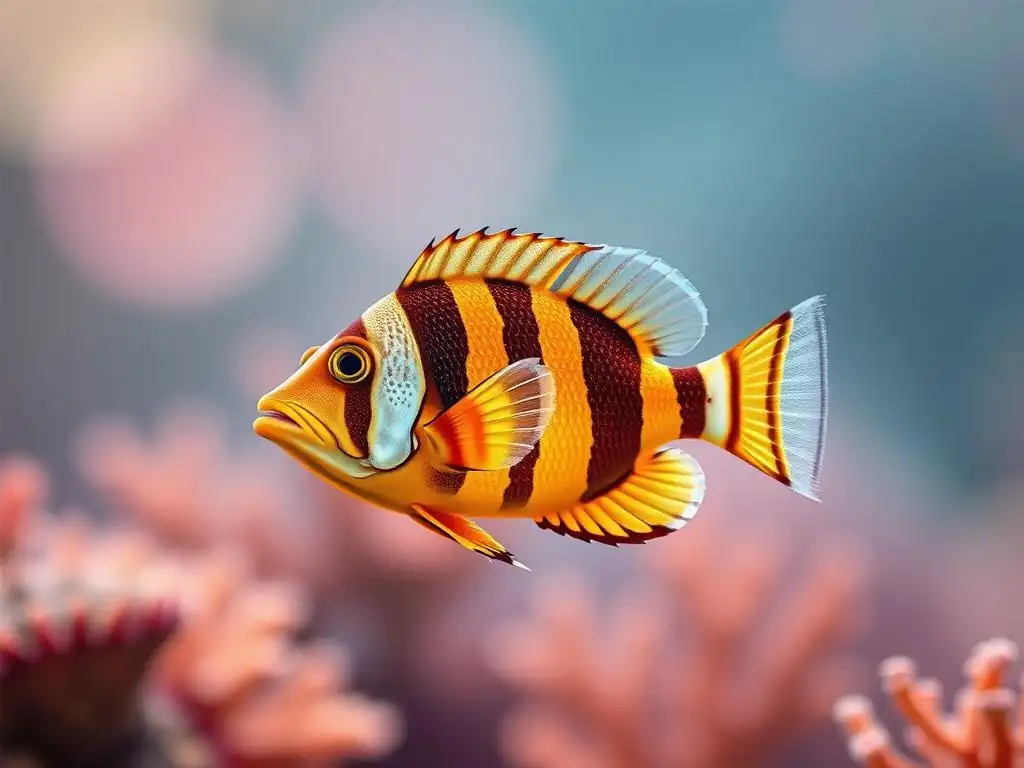
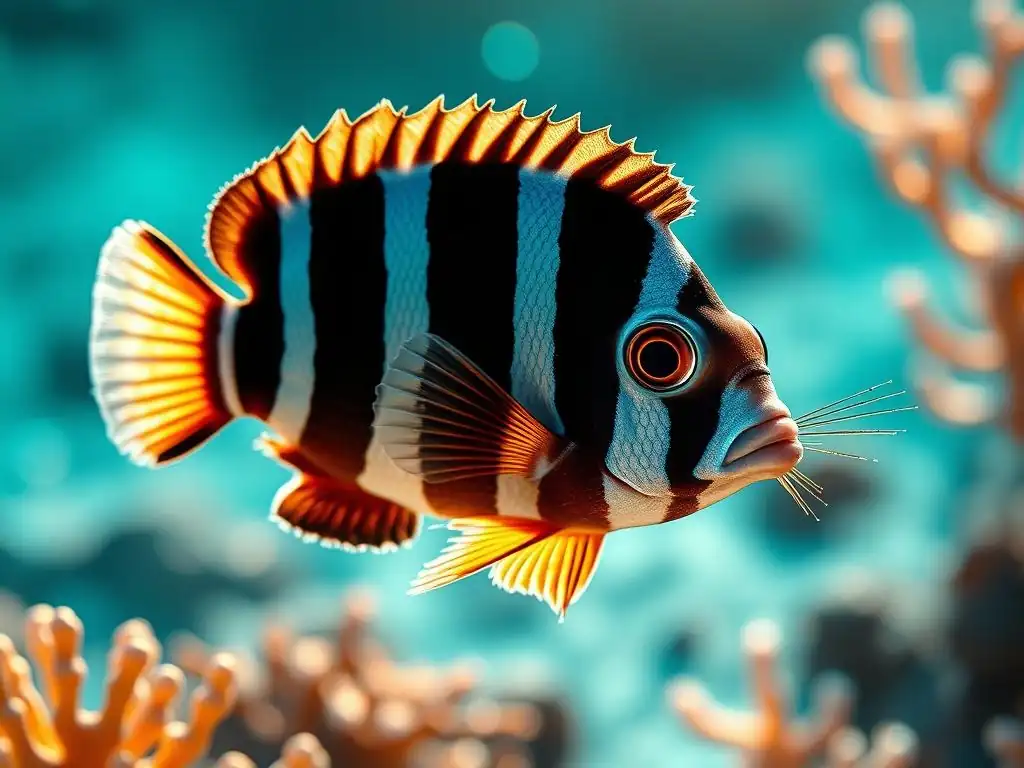
The most striking feature of Chaetodon fasciatus is its color pattern: a vibrant yellow to orange-yellow body adorned with 10 to 12 narrow, dark vertical bands that extend from the dorsal fin down to the belly. A prominent black band, often edged with white, runs vertically through the eye, resembling a "raccoon mask" and giving the fish its common name. The caudal fin is typically yellow, and a small black spot may be present on the soft dorsal fin. These markings serve both as camouflage and as a warning to potential predators in their natural habitat.
Behavior and Temperament: What to Expect in Your Aquarium
In the aquarium environment, the Red Sea Raccoon Butterflyfish generally exhibits a peaceful temperament, though it can display territorial behavior towards other butterflyfish, especially those of similar size or appearance. They are active swimmers and require ample open space to explore, often seen gracefully gliding through the middle and upper water columns of the tank. Despite their peaceful nature, they are not typically shy and will readily swim out into the open, especially during feeding times.
A key behavioral trait to consider for comprehensive Red Sea Raccoon Butterflyfish care is their natural inclination to nip at corals. While they are not obligate corallivores in captivity, their wild diet includes coral polyps, and this instinct often carries over to the home aquarium. Therefore, they are generally not considered reef-safe and are best kept in fish-only or FOWLR (Fish Only With Live Rock) systems where corals are not present. Their constant grazing behavior also contributes to keeping live rock clean of undesirable algae and small organisms.
Red Sea Raccoon Butterflyfish Care: Essential Guidelines
Setting Up the Ideal Aquarium Environment
Providing an optimal environment is paramount for successful Red Sea Raccoon Butterflyfish care. These delicate beauties thrive in stable, well-established systems that closely mimic their natural Red Sea habitat. Meticulous attention to tank size, water parameters, and aquascaping ensures their long-term health and vibrant display.
Tank Size Requirements for Raccoon Butterflyfish
Due to their active swimming nature and potential adult size, the Red Sea Raccoon Butterflyfish requires a spacious aquarium. A minimum tank size of 75 gallons (approximately 284 liters) is recommended for a single adult specimen to provide adequate swimming room and contribute to stable water parameters. For keeping a pair or in a community setup with other large, active fish, a tank of 100 gallons (approximately 378 liters) or more is highly advisable.
Larger tanks not only offer more physical space but also provide greater water volume, which helps to dilute waste products and maintain more consistent water chemistry. This stability is a critical component of effective Red Sea Raccoon Butterflyfish care, reducing stress and susceptibility to disease. Ensuring ample space allows the fish to establish territories and reduces aggression, especially if other non-butterflyfish species are present.
Water Parameters: Maintaining Stability for Chaetodon fasciatus
Maintaining pristine and stable water parameters is the cornerstone of Red Sea Raccoon Butterflyfish care. These fish are sensitive to fluctuations and poor water quality, which can quickly lead to stress and disease. The ideal temperature range for Chaetodon fasciatus is between 74-80°F (23-27°C). Salinity should be kept stable at a specific gravity (SG) of 1.020-1.025, mimicking natural ocean conditions.
Furthermore, pH levels should be maintained within a range of 8.1-8.4. Ammonia and nitrite levels must be undetectable (0 ppm), and nitrates should be kept as low as possible, ideally below 10-20 ppm. Regular testing with reliable kits is essential to monitor these parameters, and consistent partial water changes (e.g., 10-20% weekly or bi-weekly) are crucial for replenishing trace elements and removing accumulated nitrates. A stable environment significantly contributes to the longevity and health of your Red Sea Raccoon Butterflyfish.
Substrate and Aquascaping for Optimal Well-being
For the Red Sea Raccoon Butterflyfish, the choice of substrate is less critical than the overall aquascaping, though a sand bed or fine gravel is generally preferred. The primary focus should be on providing ample live rock formations that mimic a natural reef environment. These structures serve multiple purposes, offering numerous hiding spots where the fish can retreat when feeling stressed or needing to rest.
Beyond hiding, live rock provides crucial grazing surfaces for the fish, as they will constantly pick at the rock for microfauna and algae, which supplements their diet. The aquascaping should also incorporate open swimming areas, allowing the active Chaetodon fasciatus plenty of space to cruise. Creating a balance between intricate rockwork and clear swimming lanes is key to designing an environment that promotes both security and activity, essential elements of comprehensive Red Sea Raccoon Butterflyfish care.
Diet and Feeding: Ensuring Proper Nutrition
Proper nutrition is a vital aspect of Red Sea Raccoon Butterflyfish care, as these fish can be particular eaters, especially when newly introduced to an aquarium. Their natural diet includes coral polyps and various benthic invertebrates, which must be replicated as closely as possible in captivity to prevent nutritional deficiencies. A varied and consistent feeding regimen is crucial for their long-term health and vibrant coloration.
What to Feed Your Red Sea Raccoon Butterflyfish
The diet for your Red Sea Raccoon Butterflyfish should be diverse and high-quality. While they may nip at corals, they cannot subsist on them alone in an aquarium setting. Offer a variety of meaty foods such as frozen mysis shrimp, brine shrimp (enriched), finely chopped clam, squid, and other seafood. Specialized frozen foods formulated for marine omnivores or butterflyfish, often containing sponge material, are also highly beneficial.
It is also important to offer high-quality flake and pellet foods designed for marine fish, though some individuals may be hesitant to accept them initially. Supplementing their diet with marine algae and spirulina, either through flakes or by offering sheets of nori, can provide essential vitamins and fiber. Ensuring a comprehensive and varied diet is fundamental to successful Red Sea Raccoon Butterflyfish care, promoting strong immune systems and preventing common nutritional deficiencies.
Feeding Frequency and Techniques
To ensure optimal nutrition and minimize waste, the Red Sea Raccoon Butterflyfish should be fed multiple small meals throughout the day rather than one large feeding. Aim for 2-3 feedings per day, providing only what the fish can consume within a few minutes. This approach helps maintain water quality by preventing uneaten food from decaying and contributing to nutrient buildup.
When introducing new foods or dealing with a shy specimen, target feeding can be beneficial. Using a long feeding stick or pipette to deliver food directly to the fish's vicinity can encourage it to eat. Observing their feeding behavior is also important; a healthy Red Sea Raccoon Butterflyfish should be an eager and active feeder. Consistent and appropriate feeding practices are a cornerstone of effective Red Sea Raccoon Butterflyfish care.
Tank Mates: Compatibility Considerations
Selecting appropriate tank mates is a critical aspect of Red Sea Raccoon Butterflyfish care, as their peaceful yet sometimes territorial nature necessitates careful planning. While generally non-aggressive towards dissimilar species, conflicts can arise if tank space is limited or if incompatible species are introduced. The goal is to create a harmonious community where all inhabitants can thrive without undue stress.
Suitable Tank Mates for Raccoon Butterflyfish
Suitable tank mates for the Red Sea Raccoon Butterflyfish include a variety of peaceful to semi-aggressive marine fish that are not overly boisterous or predatory. Good choices often include:
- Peaceful Tangs: Such as Yellow Tangs ( Zebrasoma flavescens) or Kole Tangs ( Ctenochaetus strigosus), which are active grazers and occupy different parts of the tank.
- Clownfish: Various species of clownfish ( Amphiprion spp.) are generally compatible due to their docile nature and preference for anemones or host corals.
- Gobies and Blennies: Small, bottom-dwelling species like Watchman Gobies ( Cryptocentrus cinctus) or Starry Blennies ( Salarias ramosus) typically pose no threat and occupy different niches.
- Certain Wrasses: Many peaceful wrasse species, such as Cleaner Wrasses ( Labroides dimidiatus) or various fairy wrasses ( Cirrhilabrus spp.), can coexist peacefully.
The key is to select species that are not known for aggression, do not compete directly for food or territory, and are of a similar size to prevent intimidation. This thoughtful selection is a vital part of comprehensive Red Sea Raccoon Butterflyfish care.
Fish to Avoid: Aggression and Competition
When planning for Red Sea Raccoon Butterflyfish care, it is equally important to identify species that should be avoided as tank mates. Certain fish can pose a threat either through direct aggression, excessive competition for food, or by being natural predators.
- Aggressive Predators: Large predatory fish such as Triggerfish ( Balistidae family), Lionfish ( Pterois spp.), and larger Groupers ( Epinephelinae) should be avoided as they may view the butterflyfish as prey.
- Other Butterflyfish: While some aquarists attempt to keep multiple butterflyfish, it is generally not recommended to house more than one Chaetodon fasciatus unless in a very large aquarium (300+ gallons) with ample space and hiding spots. Other butterflyfish species can lead to territorial disputes and aggression.
- Puffers and Filefish: These species, while sometimes peaceful, can be fin-nippers or aggressive eaters that outcompete the butterflyfish for food.
- Corals: As previously mentioned, Red Sea Raccoon Butterflyfish are notorious coral nippers and should not be kept in reef tanks with live corals, especially LPS (Large Polyp Stony) and SPS (Small Polyp Stony) corals.
Careful consideration of tank mate compatibility ensures a stress-free environment, which is crucial for the long-term health and well-being of your Red Sea Raccoon Butterflyfish.
Maintaining a Healthy Red Sea Raccoon Butterflyfish
Recognizing and Treating Common Diseases
Even with the best Red Sea Raccoon Butterflyfish care, marine fish can occasionally fall ill. Early recognition of disease symptoms and prompt treatment are crucial for recovery. Being familiar with common marine ailments and having a plan for quarantine and treatment can significantly improve outcomes.
Common Diseases: Marine Ich (White Spot Disease), Velvet Disease, Uronema Marinum
Marine Ich ( Cryptocaryon irritans), often referred to as White Spot Disease, is one of the most common external parasitic infections in marine aquariums. Symptoms include small white spots resembling salt grains on the body and fins, rapid breathing, and flashing against tank decor. Treatment often involves copper-based medications, hyposalinity (lowering salinity), or the transfer of fish to a fallow tank to break the parasite's life cycle.
Velvet Disease ( Amyloodinium ocellatum) is another highly contagious and dangerous parasitic infection. It appears as a fine, dusty, yellowish or brownish coating on the fish's body, often accompanied by rapid breathing, lethargy, and clamped fins. Velvet progresses much faster than Ich and requires immediate treatment, typically with copper or formalin-based medications in a hospital tank.
Uronema marinum is a ciliate parasite that can cause severe skin and fin erosion, often appearing as red lesions, open sores, or a "fuzzy" appearance. It frequently affects stressed or newly introduced fish. Treatment typically involves freshwater dips, formalin baths, or specific antiparasitic medications, often combined with improving water quality and reducing stress. Prompt action is key for all these conditions when providing Red Sea Raccoon Butterflyfish care.
Quarantine Procedures for New Additions
Implementing a strict quarantine procedure for all new fish, including the Red Sea Raccoon Butterflyfish, is perhaps the most effective preventative measure in Red Sea Raccoon Butterflyfish care. A separate quarantine tank (QT) of at least 20-30 gallons should be set up with basic filtration, a heater, and PVC pipes for hiding. New fish should remain in the QT for a minimum of 30 days, or longer if a disease is suspected or being treated.
During the quarantine period, observe the fish closely for any signs of disease, such as spots, abnormal swimming, clamped fins, or refusal to eat. This period also allows the fish to acclimate to captive conditions and diet without the stress of immediate introduction to an established display tank. Prophylactic treatments for common parasites might be considered during this time. By quarantining, you protect your existing tank inhabitants from potential pathogens and ensure the new Red Sea Raccoon Butterflyfish is healthy before joining the main display.
Water Quality Management: Preventing Health Issues
Consistent and meticulous water quality management is the backbone of successful Red Sea Raccoon Butterflyfish care, directly influencing their health and disease resistance. Poor water quality is a primary stressor for marine fish, making them susceptible to various ailments. Proactive measures are far more effective than reactive treatments.
Regular partial water changes are paramount. A common recommendation is to perform a 10-20% water change weekly or bi-weekly using high-quality salt mix and RO/DI (Reverse Osmosis/Deionized) water. This replenishes essential trace elements, removes accumulated nitrates, and helps maintain stable alkalinity and calcium levels.
A robust filtration system, including a high-efficiency protein skimmer, live rock, and potentially a refugium, is also essential for removing organic waste and maintaining biological filtration. Consistent monitoring of key water parameters—ammonia, nitrite, nitrate, pH, temperature, and salinity—with accurate test kits allows for early detection of issues. By maintaining pristine and stable water conditions, aquarists can significantly reduce stress on their Red Sea Raccoon Butterflyfish, promoting a strong immune system and a vibrant, healthy life.
Breeding Red Sea Raccoon Butterflyfish: Challenges and Possibilities
The Difficulties of Breeding in Captivity
Breeding the Red Sea Raccoon Butterflyfish ( Chaetodon fasciatus) in captivity is exceedingly rare and presents significant challenges, making it an endeavor largely beyond the scope of even advanced hobbyists. Like many other butterflyfish species, Chaetodon fasciatus are pelagic spawners in the wild, meaning they release eggs and sperm into the open water column, where fertilization occurs. The fertilized eggs then drift as part of the plankton before hatching into microscopic larvae.
Replicating the precise environmental cues necessary to trigger spawning in a captive environment is exceptionally difficult. These cues often involve specific light cycles, water currents, temperature fluctuations, and the presence of suitable mates, all of which are hard to control accurately in an aquarium. Furthermore, even if spawning occurs, the subsequent challenge of rearing the larvae is often insurmountable for most aquarists.
Breeding Attempts: Limited Successes, Focus on Larval Rearing Challenges
Documented successful breeding of the Red Sea Raccoon Butterflyfish in captivity is virtually non-existent in the hobbyist community and remains a significant hurdle even for professional aquaculture facilities. The primary difficulty, even when spawning is induced, lies in the larval rearing phase. Butterflyfish larvae are incredibly small, often less than a millimeter upon hatching, and require microscopic live feeds that are often smaller than newly hatched brine shrimp.
These larvae also have highly specific nutritional requirements and are extremely sensitive to water quality changes and currents. Developing appropriate feeding protocols and maintaining pristine water conditions for such delicate fry presents a monumental challenge. While there is ongoing research into the captive breeding of various marine ornamental fish, widespread success with the Red Sea Raccoon Butterflyfish remains a distant goal, emphasizing that most specimens in the trade are wild-caught.
The Red Sea Raccoon Butterflyfish in the Aquarium Trade
Sourcing Ethical and Healthy Specimens
When acquiring a Red Sea Raccoon Butterflyfish, sourcing ethical and healthy specimens is a crucial aspect of responsible Red Sea Raccoon Butterflyfish care. Since captive breeding is not yet viable for this species, almost all Chaetodon fasciatus available in the aquarium trade are wild-caught from their native Red Sea habitat. It is imperative to purchase from reputable and responsible fish suppliers who adhere to sustainable collection practices and prioritize the welfare of the fish during transit.
When selecting a specimen, look for signs of good health: the fish should be active, alert, and curious. Its fins should be intact and spread, not clamped. The eyes should be clear and bright, and there should be no visible lesions, parasites (like white spots), or abnormal breathing. Avoid fish that are listless, appear emaciated, or have cloudy eyes, as these are indicators of stress or underlying health issues that may prove difficult to remedy. A healthy start is paramount for long-term Red Sea Raccoon Butterflyfish care.
Acclimation Process: Introducing Your New Fish to the Tank
Proper acclimation is a critical step in Red Sea Raccoon Butterflyfish care, minimizing stress and ensuring a smooth transition into its new environment. Abrupt changes in water parameters (temperature, pH, salinity) can be fatal to delicate marine fish. The drip acclimation method is highly recommended for this species.
Begin by floating the sealed bag in your aquarium for 15-20 minutes to equalize temperature. Then, open the bag and, using an airline tube and a drip valve, slowly drip water from your display tank into the bag. Aim for a drip rate that allows the volume of water in the bag to double over a period of 45-60 minutes.
Once the volume has doubled, carefully net the fish (avoiding transferring the bag water into your tank) and release it into the aquarium. Dimming the aquarium lights during and immediately after introduction can also help reduce stress. This careful process significantly improves the chances of successful acclimation and long-term health for your Red Sea Raccoon Butterflyfish.
Advanced Red Sea Raccoon Butterflyfish Care Tips
Advanced Aquascaping Techniques: Creating a Natural Reef Environment with Live Rock
For those looking to provide truly advanced Red Sea Raccoon Butterflyfish care, refining your aquascaping with live rock can significantly enhance their well-being. Beyond simply providing hiding spots, advanced aquascaping focuses on creating a complex, multi-layered environment that mimics the intricate structures of their natural Red Sea coral reefs. This involves stacking live rock to form caves, overhangs, and swim-through tunnels, offering varied territories and exploration opportunities.
Consider incorporating different sizes and shapes of live rock to create diverse micro-habitats. Ensure there are plenty of crevices where the fish can pick at algae and small invertebrates, supporting their natural grazing behaviors. A well-designed aquascape reduces boredom, provides visual barriers if multiple fish are kept, and contributes to a more stable biological filtration system. This thoughtful approach to tank design is a cornerstone of exceptional Red Sea Raccoon Butterflyfish care.
Supplementation Strategies: Vitamin and Amino Acid Supplementation for Enhanced Color
To truly optimize Red Sea Raccoon Butterflyfish care and ensure vibrant coloration and robust health, advanced aquarists often employ supplementation strategies. While a varied diet is essential, supplementing frozen foods with high-quality vitamin and amino acid preparations can provide an extra boost. Products like Selcon or Vita-Chem, which are rich in highly unsaturated fatty acids (HUFA) and essential vitamins (e.g., Vitamin C, Vitamin E), can be soaked into frozen mysis shrimp or other meaty foods before feeding.
These supplements aid in boosting the fish's immune system, improving disease resistance, and enhancing the intensity and clarity of their natural colors. Vitamin A and carotenoids, for instance, are crucial for maintaining the brilliant yellow and orange hues of Chaetodon fasciatus. Regular, but not excessive, supplementation ensures that your Red Sea Raccoon Butterflyfish receives all the necessary micronutrients for peak health and aesthetic appeal.
Conclusion: Mastering the Art of Red Sea Raccoon Butterflyfish Care
The Rewards of Dedicated Care: A Thriving Specimen
Mastering Red Sea Raccoon Butterflyfish care is a testament to an aquarist's dedication and understanding of complex marine systems. While these captivating fish present specific challenges, the rewards of providing optimal care are immense. A well-cared-for Chaetodon fasciatus will display its vibrant coloration and distinctive patterns with striking intensity, becoming a dynamic and engaging centerpiece in any large saltwater aquarium.
With consistent attention to water quality, a varied and appropriate diet, careful tank mate selection, and a thoughtfully aquascaped environment, a Red Sea Raccoon Butterflyfish can thrive for many years. Healthy specimens are known to live for 5 to 7 years, and sometimes even longer, in captivity. Their graceful movements and curious nature bring a unique piece of the Red Sea's beauty directly into your home, making every effort invested in their care truly worthwhile.
Resources for Further Learning about Chaetodon fasciatus
For aquarists committed to providing the best possible Red Sea Raccoon Butterflyfish care, continuous learning is key. The marine aquarium hobby is constantly evolving, with new insights into species-specific needs and advancements in equipment and husbandry techniques. Engaging with online forums and communities dedicated to marine fishkeeping can provide invaluable peer support and practical advice from experienced aquarists who specialize in butterflyfish.
Consulting comprehensive marine aquarium reference books and scientific articles on butterflyfish behavior and physiology can deepen your understanding of Chaetodon fasciatus's unique requirements. Attending local aquarium club meetings or workshops, if available, can also offer opportunities to learn from experts and share experiences. By actively seeking out and utilizing these resources, you can ensure that your Red Sea Raccoon Butterflyfish care practices remain current, effective, and tailored to the specific needs of this magnificent species.
Frequently Asked Questions
How difficult is it to care for a Red Sea Raccoon Butterflyfish?
Red Sea Raccoon Butterflyfish are considered moderately difficult to care for. They require a well-established tank with excellent water quality and can be picky eaters.
What is the ideal tank size for a Red Sea Raccoon Butterflyfish?
A minimum tank size of 125 gallons is recommended for a single Red Sea Raccoon Butterflyfish. This provides ample swimming space and adequate hiding places.
What type of diet does a Red Sea Raccoon Butterflyfish require?
They need a varied diet including frozen foods, live foods, and high-quality flake food specifically formulated for butterflyfish. Introducing them to food early and often is crucial.
Are Red Sea Raccoon Butterflyfish reef safe?
No, Red Sea Raccoon Butterflyfish are generally not considered reef safe. They may nip at corals and invertebrates, making them unsuitable for reef aquariums.
What are some common health issues that affect Red Sea Raccoon Butterflyfish?
They are susceptible to common aquarium diseases like ich (white spot disease) and marine velvet. Maintaining excellent water quality and quarantining new arrivals are essential for prevention.
Final Reflection: Preserving the Red Sea's Striped Jewel
The delicate beauty of the Red Sea Raccoon Butterflyfish, as we've explored, is not just a visual delight, but a stark reminder of the interconnectedness of our global ecosystems. The increasing demand for these vibrant creatures in the aquarium trade underscores the urgent need for responsible sourcing and meticulous care standards. Ignoring these principles risks not only the well-being of individual fish, but also the health and biodiversity of their native Red Sea reefs.
This journey into the world of Chaetodon fasciatus has highlighted the profound impact our choices have on distant environments. The vibrant stripes of this butterflyfish serve as a constant reminder of the beauty we stand to lose if we fail to prioritize ethical practices and sustainable aquarium keeping. We are tied to the ocean. And when we go back to the sea, whether it is to sail or to watch it, we are going back from whence we came.
- John F. Kennedy. This quote resonates deeply when considering the responsibility we bear towards the marine life that enriches our planet.
As you consider adding a Red Sea Raccoon Butterflyfish to your aquarium, or simply admire its image, remember the delicate balance it represents. Let this article serve as a call to action: research thoroughly, support ethical breeders, and commit to providing the highest standard of care. By embracing responsible practices, you can contribute to the preservation of this striped jewel and ensure that future generations can marvel at the beauty of the Red Sea.
Dive Deeper: Ignite Your Reef Tank Passion!
Thanks for exploring the captivating world of the Red Sea Raccoon Butterflyfish with us! We hope you’ve gained valuable insights into its unique needs and how to contribute to its responsible care. Now, let's put that knowledge into action.
- Advocate for sustainable sourcing: Actively seek out and support aquarium stores that prioritize ethically sourced fish. This is the most crucial step in ensuring the well-being of this species.
- Join a local aquarium club: Share your knowledge and experiences with other enthusiasts. Sometimes just talking about these things can really help and who knows maybe you even end up adopting one of these fish.
- Research reef-safe alternatives: Look into sustainable and captivating fish or invertebrate that are known to be reef-safe.
What specific steps will you take this week to advocate for responsible aquarium practices regarding the Red Sea Raccoon Butterflyfish?