
Choosing the Right Anemone Size for Your Clownfish and Tank Dynamics

Welcome to Aquarium Mastery!
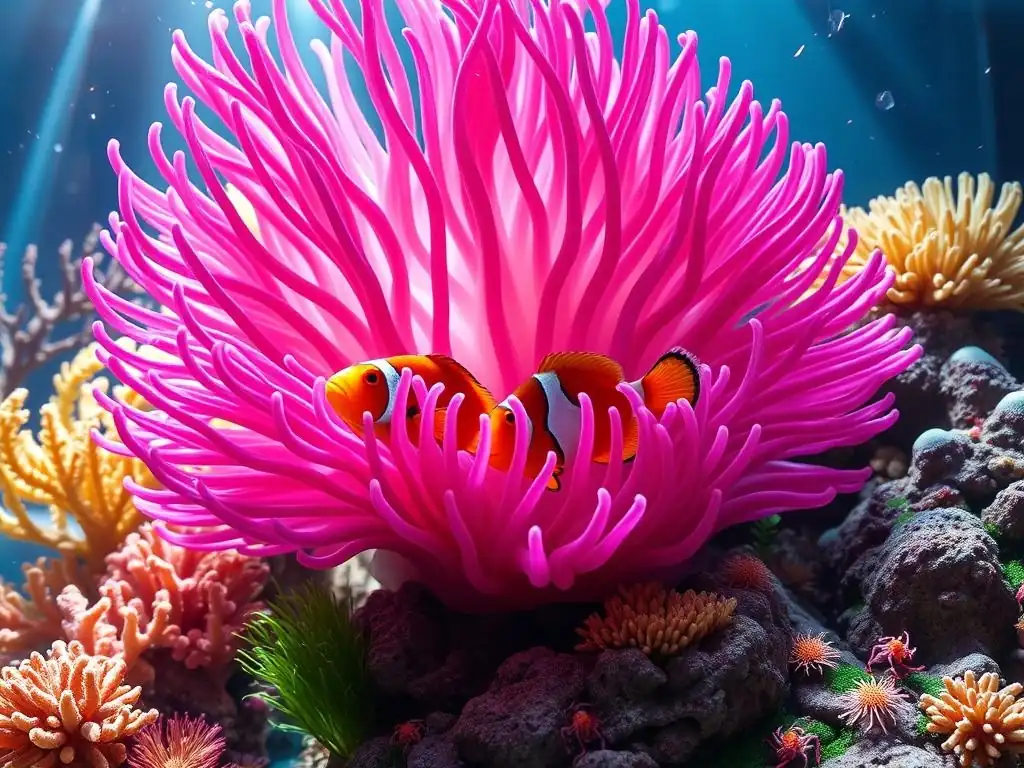
Ever wondered if your clownfish has enough room in its anemone home? Dive in and explore our comprehensive guide, "Choosing the Right Anemone Size for Your Clownfish and Tank Dynamics." We'll unravel the secrets to clownfish anemone size compatibility, ensuring a happy and healthy reef environment. Intrigued? Let's get started!
- Understanding Clownfish-Anemone Symbiosis and Size Compatibility
- Factors Influencing Anemone Size Selection for Clownfish
- Matching Anemone Size to Clownfish: A Species-Specific Guide
- Avoiding Common Mistakes in Anemone Size Selection
- How to Introduce Clownfish to Their New Anemone
- Maintaining a Healthy Anemone for Optimal Clownfish Health
- Troubleshooting Anemone-Clownfish Compatibility Issues
- Alternative Anemone Hosts and Their Size Considerations
- Conclusion: Achieving a Balanced Ecosystem Through Proper Anemone Size Selection
- Frequently Asked Questions
- Final Reflection: Nurturing Harmony in the Reef
- Transform Your Tank: Nurture a Thriving Clownfish & Anemone Bond!
Understanding Clownfish-Anemone Symbiosis and Size Compatibility
The Natural Relationship: Why Clownfish Need Anemones
Clownfish and sea anemones share one of the most iconic mutualistic relationships in the marine world. In this symbiosis, the clownfish gains protection from predators by hiding among the anemone's stinging tentacles, which it is immune to thanks to a specialized mucus layer on its skin. In return, the clownfish defends the anemone from potential predators like butterflyfish, cleans detritus from its tentacles, and may even provide nutrients through its waste. This natural bond is fundamental to the well-being of many clownfish species in their native habitats.
While captive-bred clownfish can survive without an anemone, providing a suitable host significantly enhances their quality of life, reducing stress and encouraging natural behaviors such as territorial defense and breeding. The presence of a healthy, appropriately sized anemone offers a secure refuge, allowing the clownfish to exhibit its full range of behaviors, from darting among tentacles to tending to its host. This natural interaction is a primary reason many aquarists seek to establish this symbiotic pair in their home aquariums.
Defining Clownfish Anemone Size Compatibility: A Crucial Factor
Clownfish anemone size compatibility refers to the critical balance needed between the dimensions of the clownfish and its chosen anemone to ensure a healthy, sustainable symbiosis. It's not just about the anemone being present; it must be large enough to comfortably shelter the clownfish without being so overwhelmingly large that it dominates the entire aquarium or poses a threat to other inhabitants. A general rule of thumb suggests the anemone's disk diameter should be at least 1.5 to 2 times the adult length of the clownfish, though this varies by species.
Poor clownfish anemone size compatibility can lead to several problems. If the anemone is too small, the clownfish may feel exposed and stressed, constantly trying to force itself into an inadequate shelter. Conversely, an excessively large anemone in a small tank can quickly outgrow its space, potentially stinging neighboring corals or even stressing a smaller clownfish by its sheer bulk. Achieving this balance is paramount for the long-term health and stability of both the clownfish and the anemone.
Factors Influencing Anemone Size Selection for Clownfish
Tank Size and Anemone Growth Potential
The overall volume of your aquarium is a primary determinant when considering anemone size, largely due to the anemone's significant growth potential. A Bubble Tip Anemone (BTA), for example, commonly purchased at 3-4 inches in diameter, can easily expand to 12-18 inches or more when fully mature and healthy in a suitable environment. Introducing such a specimen into a smaller tank, like a 20-gallon or 30-gallon system, is often unsustainable as it will quickly consume all available space, overshadowing other inhabitants and potentially stinging them.
Larger tanks, typically 50 gallons or more, provide the necessary real estate for an anemone to grow without overwhelming the system. A 75-gallon tank offers ample room for a large BTA and a pair of medium-sized clownfish, allowing for adequate swimming space and separation from other corals. Furthermore, larger tanks generally provide greater stability in water parameters, which is crucial for the long-term health and expansion of an anemone, directly impacting its ability to host clownfish effectively.
Clownfish Species and Preferred Anemone Size
Different clownfish species vary significantly in their adult size and, consequently, their requirements for clownfish anemone size compatibility. For instance, a common Ocellaris clownfish (Amphiprion ocellaris) typically reaches an adult length of 3-4 inches, while a Maroon clownfish (Premnas biaculeatus) can grow to 6 inches or more and possesses a much more robust build. These size differences necessitate different anemone dimensions to provide adequate shelter and comfort.
For smaller species like Ocellaris or Percula clownfish, an anemone with an adult disk diameter of 6-10 inches, such as a medium-sized Bubble Tip Anemone, is generally sufficient. However, a large Maroon clownfish would likely find a 6-inch anemone inadequate and would require a much larger host, perhaps a Magnificent Anemone or a very large Bubble Tip Anemone exceeding 12 inches in diameter, to feel secure and fully retreat into its tentacles. Matching the anemone's potential adult size to the clownfish's adult size is vital for success.
Water Parameters and Anemone Health: Impact on Clownfish
Maintaining pristine and stable water parameters is absolutely critical for anemone health, which in turn directly impacts the clownfish's well-being. Anemones are highly sensitive to fluctuations in water quality. Optimal parameters include a specific gravity of 1.024-1.026, alkalinity between 8-12 dKH, calcium levels of 400-450 ppm, and magnesium between 1250-1350 ppm. Nitrate levels should be kept below 10 ppm, and phosphates below 0.03 ppm. Deviations from these ranges can cause severe stress, shrinking, or even the death of the anemone.
A stressed or unhealthy anemone will not only fail to provide adequate shelter for its clownfish but can also pose a threat to the entire aquarium ecosystem. An anemone that shrinks, detaches, or begins to bleach due to poor water quality will leave its clownfish exposed and vulnerable, leading to increased stress for the fish. In extreme cases, a dying anemone can release toxins that harm other tank inhabitants. Therefore, consistent monitoring and maintenance of water chemistry are foundational to achieving successful clownfish anemone size compatibility.
Matching Anemone Size to Clownfish: A Species-Specific Guide
Small Clownfish Species: Ideal Anemone Dimensions
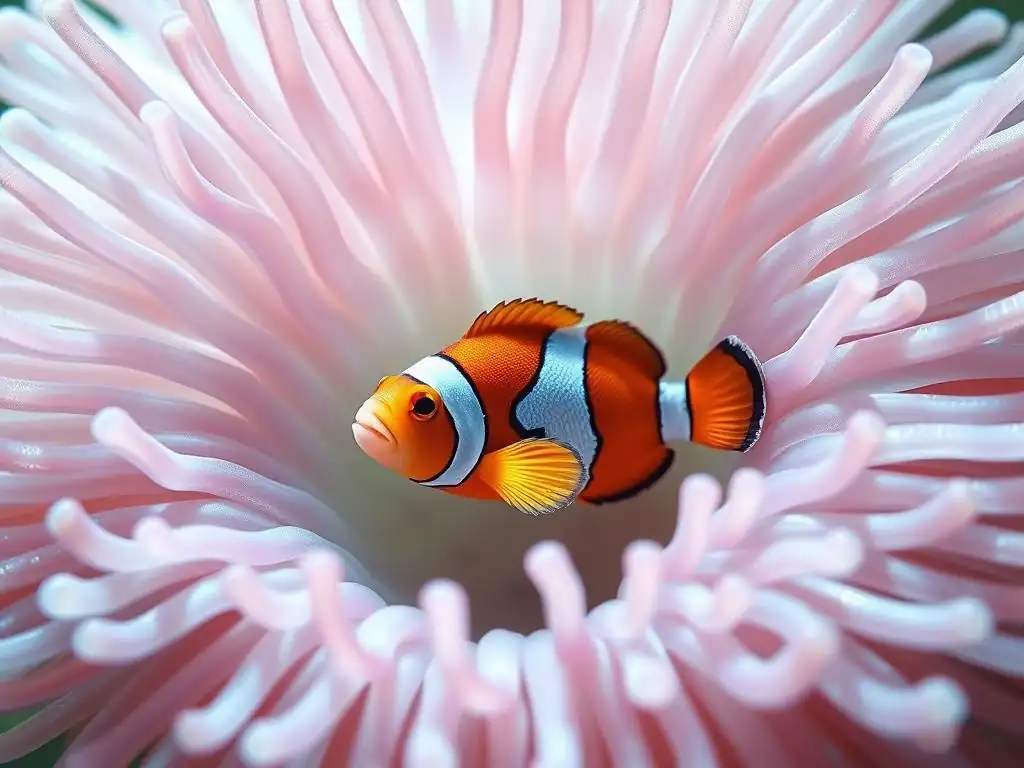
For smaller clownfish species, such as the widely popular Ocellaris (Amphiprion ocellaris) and Percula (Amphiprion percula), which typically mature to lengths of 3-4 inches, selecting an appropriately sized anemone is crucial. Ideal host anemones include the Bubble Tip Anemone (Entacmaea quadricolor) or the Sebae Anemone (Heteractis crispa). When acquiring these anemones, aim for specimens that are initially 4-6 inches in diameter. This allows for comfortable hosting as the clownfish grows to its adult size, while also accounting for the anemone's own expansion.
The goal for these smaller species is to provide a host where the clownfish can comfortably "disappear" within the tentacles, feeling fully protected. For a 3.5-inch Ocellaris clownfish, an anemone that can expand to 5-7 inches in disk diameter generally offers excellent clownfish anemone size compatibility. Over time, as the anemone matures and potentially doubles in size, it will continue to provide ample shelter without overwhelming the average 30-50 gallon aquarium typically housing these clownfish.
Medium Clownfish Species: Anemone Size Recommendations
Medium-sized clownfish species, including the Pink Skunk (Amphiprion perideraion), Clarkii (Amphiprion clarkii), and Tomato (Amphiprion frenatus), generally reach adult sizes of 4-5 inches. These species are more robust and require a larger, more substantial host anemone to feel secure. Suitable choices often include larger specimens of the Bubble Tip Anemone, or the Magnificent Anemone (Heteractis magnifica), which can grow quite large. When selecting, look for anemones that are already 6-8 inches in diameter.
These clownfish species are more active and can be more assertive with their hosts, necessitating an anemone that can withstand frequent interaction without becoming stressed. For a 4.5-inch Clarkii clownfish, an anemone capable of fully expanding to 8-10 inches provides the ideal dimensions for clownfish anemone size compatibility. This ensures the clownfish has ample space to move within the tentacles and feels adequately protected, preventing undue stress on both the fish and its host.
Large Clownfish Species: Selecting Appropriate Anemones
For the largest clownfish species, such as the Maroon (Premnas biaculeatus) and Cinnamon (Amphiprion melanopus), which can grow to 5-6 inches or even larger, selecting an appropriately robust and massive anemone is paramount. These powerful and often territorial clownfish require very substantial hosts. Prime candidates include very large specimens of the Bubble Tip Anemone, Magnificent Anemone, or the Giant Carpet Anemone (Stichodactyla gigantea). These anemones can easily exceed 12 inches in diameter, with some carpet anemones reaching over 24 inches.
The sheer size and strength of these clownfish demand an anemone that can not only accommodate their physical presence but also endure their constant activity. For a 6-inch Maroon clownfish, an anemone with a minimum disk diameter of 10-12 inches, with the potential to grow larger, is often necessary to provide adequate shelter and prevent the clownfish from overwhelming the host. Achieving clownfish anemone size compatibility for these larger species often means dedicating a significant portion of a larger aquarium (e.g., 75 gallons or more) to the anemone.
Avoiding Common Mistakes in Anemone Size Selection
Oversized Anemones: Potential Risks for Clownfish and Tank
While the focus is often on an anemone being too small, an oversized anemone can pose significant problems for both the clownfish and the overall aquarium ecosystem. In a smaller tank, an anemone that grows too large, for example, a 15-inch Bubble Tip Anemone in a 40-gallon tank, will quickly consume a disproportionate amount of space.
This can lead to it stinging nearby corals, sessile invertebrates, or even other fish as it expands or moves across the rockwork. Anemones also release toxins into the water, and a very large specimen can contribute to a significant bioload, potentially overwhelming the tank's filtration capacity.
Furthermore, an excessively large anemone might paradoxically stress a very small clownfish, making it difficult for the fish to navigate or find food within the vast expanse of tentacles. The sheer volume of an oversized anemone requires substantial water flow and intense lighting, which might not be suitable for all other tank inhabitants. Careful consideration of the anemone's potential adult size relative to the tank's volume is essential to avoid these issues and ensure proper clownfish anemone size compatibility.
Undersized Anemones: Inadequate Shelter and Stress for Clownfish
One of the most common mistakes is introducing an anemone that is too small for the clownfish it is intended to host. An anemone with a disk diameter of only 2-3 inches for a 4-inch adult Ocellaris clownfish offers insufficient protection. The clownfish cannot fully retreat into the tentacles, leaving it exposed to perceived threats or aggressive tankmates. This lack of adequate shelter prevents the clownfish from exhibiting its natural hiding behaviors and can lead to chronic stress.
A perpetually stressed clownfish is more susceptible to disease, exhibits muted colors, and may display abnormal behaviors like constant pacing or hiding in corners of the tank. The clownfish might also persistently prod or harass the undersized anemone, attempting to make it expand or provide more coverage, which further stresses the anemone itself. This imbalance severely compromises clownfish anemone size compatibility and can lead to a breakdown in the symbiotic relationship, ultimately harming both organisms.
Considering Anemone Movement and Placement in the Aquarium
Anemones are motile creatures and will move around the aquarium until they find a spot with optimal lighting, water flow, and a secure attachment point for their foot. This movement is often unpredictable and can be problematic. A large anemone, perhaps 10-12 inches in diameter, moving across a densely aquascaped tank can cause significant damage by stinging or smothering corals, displacing rockwork, or even becoming lodged in powerheads.
When planning for an anemone, it is crucial to anticipate its potential movement. Provide ample clear space around its initial placement, especially from sensitive corals. Many aquarists dedicate a specific area of the tank, often on an isolated rock island, to their anemone to minimize potential damage. Ensuring a stable, well-established rock structure for the anemone to anchor itself is also vital, as a dislodged anemone can be highly stressed and potentially dangerous to other tank inhabitants.
How to Introduce Clownfish to Their New Anemone
Gradual Acclimation: Minimizing Stress for Both Species
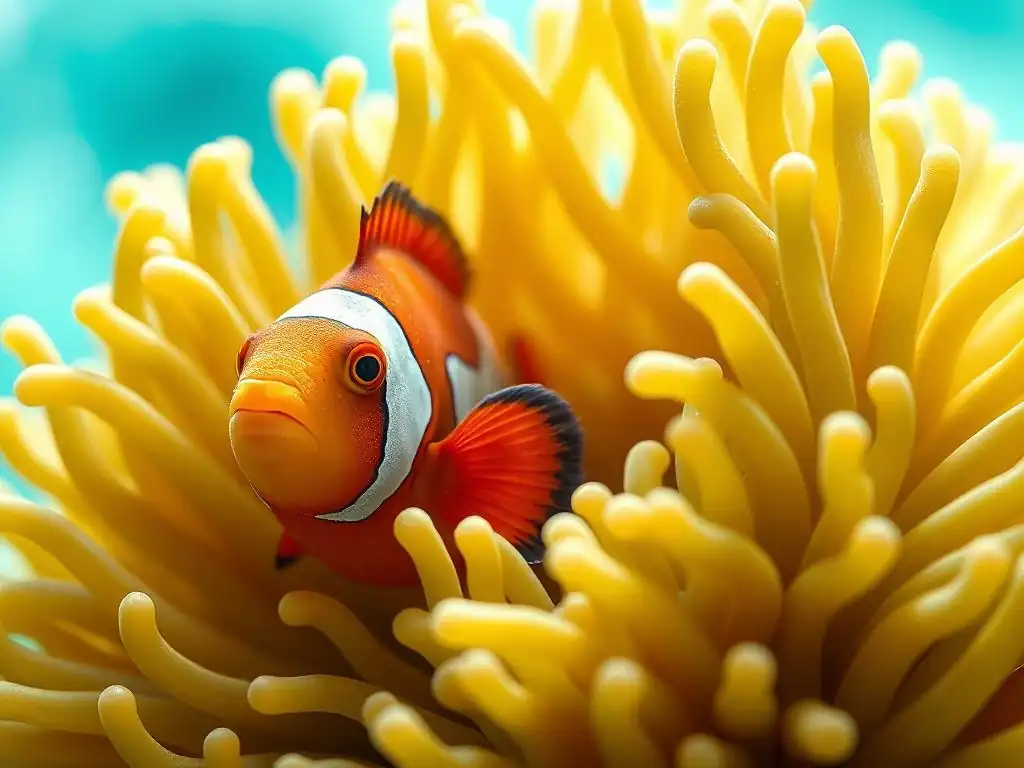
The successful introduction of both clownfish and their anemone into a new aquarium, or the introduction of one to the other, hinges on gradual acclimation. Both species are highly sensitive to changes in water parameters. It is recommended to drip acclimate both the anemone and the clownfish over a period of 60-90 minutes to slowly adjust them to the new tank's specific gravity, temperature, and pH. The anemone should ideally be introduced first and allowed to settle in its chosen spot for several days, or even a week, before the clownfish is added.
Once the anemone is established and fully expanded, the clownfish can be introduced. Some aquarists find success by temporarily placing the clownfish in a small, breathable container (like a specimen cup with holes) near the anemone for 15-30 minutes. This allows the clownfish to visually inspect the anemone without direct contact, potentially encouraging it to approach the anemone more readily once released into the main tank. However, this method should be used cautiously to avoid undue stress on the clownfish.
Observing Initial Interactions: Ensuring Compatibility
After the clownfish is introduced, close observation of its initial interactions with the anemone is vital. The clownfish may initially be wary, but curiosity often leads it to tentatively approach, nip, or gently rub against the anemone's tentacles. This behavior is normal as the clownfish's mucus layer adjusts to the anemone's stinging cells. Look for signs of the clownfish becoming comfortable, such as darting in and out of the tentacles or settling within them.
Conversely, monitor for any signs of distress in either animal. If the anemone shrinks significantly, remains closed for prolonged periods, or attempts to detach and move away immediately after clownfish interaction, it could indicate stress or a potential incompatibility. While rare for commonly hosted species, if the clownfish shows signs of being stung (e.g., rapid, erratic swimming, sudden darting away, or hiding in a corner), it might suggest a compromised mucus layer. In such cases, separation may be necessary to allow both animals to recover.
Monitoring Anemone Health After Introduction
Once the clownfish begins to host, continuous monitoring of the anemone's health is crucial for long-term clownfish anemone size compatibility. A hosted anemone might appear slightly more "bunched" or "folded" in the areas where the clownfish frequently resides, but it should remain fully expanded and exhibit vibrant coloration. Signs of a healthy anemone include a firm foot attachment, a closed mouth (except during feeding), and consistent expansion during the day.
Any significant changes in the anemone's appearance, such as prolonged shrinking, loss of color (bleaching), a gaping mouth, or repeated detachment, warrant immediate investigation of water parameters and tank conditions. While the clownfish's activity might stir up some detritus, requiring diligent maintenance, a healthy anemone should be robust enough to handle the interaction. Prompt attention to any signs of distress in the anemone is essential to ensure the continued well-being of both symbiotic partners.
Maintaining a Healthy Anemone for Optimal Clownfish Health
Proper Lighting and Water Flow for Anemones
Maintaining optimal lighting and water flow is paramount for the health and longevity of most host anemones, directly impacting their ability to sustain clownfish anemone size compatibility. The majority of host anemones, such as Bubble Tip Anemones, rely heavily on their symbiotic zooxanthellae for nutrition through photosynthesis. This necessitates strong, stable lighting, typically within the PAR range of 150-300, depending on the species. High-quality LED fixtures with a full spectrum are often recommended to provide the necessary intensity and color rendition.
In addition to lighting, moderate, turbulent water flow is essential. Too little flow can lead to detritus accumulating around the anemone's base, while excessive direct flow can prevent it from fully expanding or even dislodge it. Powerheads should be strategically placed to create broad, indirect flow patterns that bring nutrients to the anemone and carry away waste, mimicking natural reef conditions. A healthy flow ensures the anemone's tentacles are gently swaying, allowing for optimal gas exchange and food capture.
Feeding Your Anemone: Essential Nutrients
While photosynthetic, most host anemones greatly benefit from supplemental feeding, especially in a home aquarium where light alone might not provide all necessary nutrients. Regular target feeding helps promote growth, vibrant coloration, and overall robustness, making them better hosts for clownfish. Offer small, meaty foods such as finely chopped silversides, shrimp, or mysis shrimp 2-3 times a week. For a 6-inch Bubble Tip Anemone, a piece of food roughly the size of a quarter-inch cube is usually sufficient.
Target feeding ensures the anemone directly receives the nutrients. Use a turkey baster or feeding stick to gently place the food near its mouth, located in the center of its oral disk. Observe the anemone's tentacles drawing the food in. Overfeeding should be avoided as it can lead to excess nutrients in the water, contributing to poor water quality and potential algae issues. A well-fed anemone is stronger and more resilient, providing a more stable home for its clownfish.
Preventing and Treating Anemone Diseases
Anemones are sensitive invertebrates and often serve as early indicators of declining water quality or other tank issues. Preventing disease primarily involves maintaining pristine and stable water parameters, as sudden fluctuations or poor conditions are the most common stressors. Regular water changes, robust filtration, and consistent monitoring of specific gravity, alkalinity, calcium, and nitrates are critical. Quarantining new fish or corals before adding them to the main display can also prevent the introduction of pathogens that might harm the anemone.
If an anemone shows signs of distress—such as prolonged shrinking, a gaping mouth, bleaching (loss of color), or repeated detachment—the first step is to thoroughly test all water parameters. If parameters are optimal, the issue might be related to flow, lighting, or an internal problem. While specific treatments for anemone diseases are limited and often risky in a reef tank, ensuring ideal environmental conditions and addressing any underlying stressors are the most effective strategies. A healthy environment is the best defense against disease, preserving the clownfish anemone size compatibility.
Troubleshooting Anemone-Clownfish Compatibility Issues
Clownfish Ignoring the Anemone: Possible Causes and Solutions
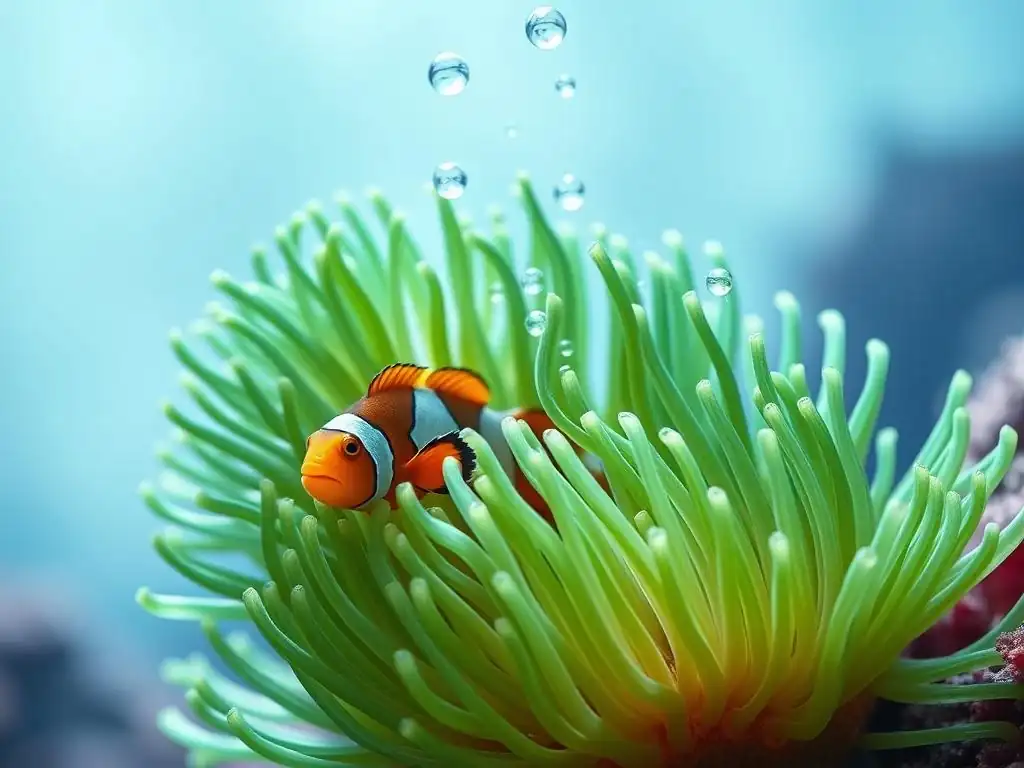
It is a common scenario for captive-bred clownfish, especially Ocellaris, to initially ignore a newly introduced anemone. Many clownfish sold in the hobby have never encountered a host in their lives. The primary solution for this is patience; it can take days, weeks, or even several months for a clownfish to recognize and begin hosting in an anemone. Avoid forcing the interaction, as this can stress both animals.
To encourage hosting, ensure the anemone is healthy and fully expanded, presenting an appealing refuge. Sometimes, placing a small piece of live rock or a host coral (like a toadstool leather) near the anemone can pique the clownfish's curiosity and encourage exploration. If, after several months, the clownfish still shows no interest, it's possible it simply won't host. While most clownfish eventually do, some individuals never develop the hosting instinct, and this is a natural variation.
Anemone Rejection: Understanding and Addressing the Problem
Anemone rejection occurs when the anemone actively shrinks, moves away, or attempts to detach and hide after a clownfish tries to host. This is a clear sign that the anemone is stressed by the interaction. Possible causes include a compromised clownfish mucus layer (making the clownfish's stings irritating to the anemone), the anemone being unhealthy or stressed from other factors, or in rare cases, a genuine species incompatibility between the specific clownfish and anemone.
Immediately check all water parameters to ensure they are pristine and stable, as poor water quality is a leading cause of anemone stress. Ensure the anemone has adequate lighting and flow. If the problem persists, temporarily separating the clownfish from the anemone might be necessary to allow the anemone to recover. Once the anemone regains its health and full expansion, reintroduce the clownfish cautiously. If repeated attempts fail, the pairing might not be viable, and alternative hosts should be considered.
Anemone Overwhelmed by Large Clownfish: Signs and Solutions
An anemone being overwhelmed by a large or overly aggressive clownfish is a significant clownfish anemone size compatibility issue. This often happens when a large species like a Maroon clownfish is paired with an undersized or weaker anemone. Signs that the anemone is being overwhelmed include it not fully expanding, shrinking significantly, retracting its tentacles persistently, or repeatedly detaching and attempting to move away from the clownfish. The clownfish's constant burrowing or aggressive movements can physically stress the anemone's foot and body.
If an anemone is consistently overwhelmed, it will eventually decline in health and may die. The most effective solution is to either upgrade to a significantly larger and more robust anemone that can comfortably accommodate the clownfish's size and activity level, or to rehome one of the animals. Attempting to maintain an overwhelmed anemone will lead to chronic stress for the anemone and potentially for the clownfish if its host dies. Prioritizing correct clownfish anemone size compatibility from the outset is crucial to prevent this problem.
Alternative Anemone Hosts and Their Size Considerations
Toadstool Leather Coral (Sarcophyton): A Hardy Alternative
For aquarists seeking a more forgiving and less demanding host for their clownfish, the Toadstool Leather Coral (Sarcophyton sp.) is an excellent alternative. While not a true anemone, many clownfish, particularly Ocellaris and Percula, will readily host in these soft corals. Toadstool leathers are significantly hardier than true anemones, tolerant of a wider range of water parameters, and do not move around the tank, eliminating the risk of stinging other corals.
A medium-sized Toadstool Leather Coral, with a cap diameter of 4-6 inches, can comfortably provide shelter for a pair of small to medium clownfish. They are a great choice for beginner reef keepers or those with smaller tanks (e.g., 20-40 gallons) where a large, demanding anemone might not thrive. Although the symbiosis isn't as biologically complex as with a true anemone, the clownfish gains a sense of security and exhibits similar hosting behaviors, making it a visually appealing and practical solution for clownfish anemone size compatibility.
Bubble Tip Anemone (Entacmaea quadricolor): A Common Choice
The Bubble Tip Anemone (Entacmaea quadricolor), often simply called BTA, is arguably the most popular and widely available host anemone for clownfish in the aquarium trade. Known for its distinctive bulbous tips (though not all specimens will develop them) and a variety of color morphs including rose, green, and rainbow, the BTA is generally considered one of the hardier true host anemones. Its popularity stems from its willingness to host a wide range of clownfish species and its relatively robust nature compared to other anemones.
In terms of clownfish anemone size compatibility, BTAs are quite versatile. They can be found in sizes ranging from small 3-inch specimens to massive 18-inch giants. A single medium-sized BTA (6-10 inches) can comfortably host a pair of Ocellaris or Percula clownfish. For larger clownfish species like Maroons, a very sizable BTA (12+ inches) is often required. Aquarists must be mindful of their rapid growth potential and ensure adequate space, lighting, and water flow to accommodate a fully mature BTA.
Conclusion: Achieving a Balanced Ecosystem Through Proper Anemone Size Selection
Key Takeaways for Clownfish and Anemone Success
Achieving a thriving symbiotic relationship between clownfish and their anemone in a home aquarium hinges critically on selecting the right anemone size. This involves a careful consideration of the clownfish's adult dimensions, the anemone's growth potential, and the overall volume and stability of the aquarium environment. An anemone that is too small leads to chronic stress for the clownfish, while an oversized anemone can dominate the tank and negatively impact other inhabitants.
Success also relies on maintaining pristine and stable water parameters, providing appropriate lighting and water flow, and offering supplemental feeding for the anemone. Patience during introduction, close observation of initial interactions, and prompt troubleshooting of any compatibility issues are equally vital. By prioritizing proper clownfish anemone size compatibility and providing optimal care, aquarists can cultivate a beautiful, natural, and harmonious marine display that benefits both the clownfish and its host.
Further Resources for Clownfish and Anemone Care
For those looking to deepen their understanding of clownfish and anemone husbandry, a wealth of information is available. Detailed care guides on specific clownfish species, such as Ocellaris, Percula, or Maroon clownfish, can provide nuanced insights into their unique needs and behaviors. Similarly, comprehensive resources dedicated to the various host anemone species—including Bubble Tip, Sebae, and Magnificent Anemones—offer in-depth information on their specific lighting, flow, and feeding requirements.
Exploring articles on advanced reef tank maintenance, water chemistry, and common marine aquarium diseases can further equip aquarists to prevent and troubleshoot issues that might affect their clownfish and anemone. Engaging with experienced aquarists in online forums or local reef club meetings can also provide invaluable practical advice and real-world examples to enhance your success in maintaining these fascinating symbiotic pairs.
Frequently Asked Questions
What is Clownfish anemone size compatibility and why is it important?
Clownfish anemone size compatibility refers to the appropriate size relationship between the anemone and the clownfish it hosts. Choosing the right size ensures the anemone isn't overwhelmed and the clownfish can properly host without causing damage.
How do I determine the ideal anemone size for my clownfish?
Generally, the anemone should be significantly larger than the clownfish. A good rule of thumb is that the anemone's oral disc should be at least twice the size of the clownfish.
What happens if the anemone is too small for the clownfish?
A small anemone can be overwhelmed and stressed by a larger clownfish. This can lead to the anemone's decline in health and even death, as it struggles to cope with the clownfish's presence.
While less common, a vastly oversized anemone might not be ideal as the clownfish might not be able to properly defend its territory. It is important that the clownfish is able to move around the anemone without difficulty.
Besides size, what other factors should I consider when choosing an anemone for my clownfish?
Beyond size, consider the anemone's specific needs (lighting, water flow, water parameters) and whether your tank can accommodate them. Also, ensure the anemone is a compatible species that clownfish will readily host.
Final Reflection: Nurturing Harmony in the Reef
The delicate balance of a reef aquarium, as we've explored, hinges on understanding the symbiotic relationship between clownfish and anemones. This isn't just about aesthetics; it's about creating a thriving ecosystem where each inhabitant can flourish. The principles of clownfish anemone size compatibility, therefore, extend beyond mere guidelines – they represent a commitment to responsible reef keeping and the well-being of these fascinating creatures.
This journey into the world of anemones and clownfish has underscored the profound impact of informed decisions on the health and vitality of our aquatic environments. The careful consideration of anemone size, species compatibility, and tank dynamics is not simply a technical exercise, but a reflection of our dedication to ethical aquarium keeping. In nature, nothing exists alone.
- Rachel Carson. This quote perfectly encapsulates the interconnectedness we strive to replicate in our home aquariums, reminding us that every choice has a ripple effect.
As you embark on, or continue, your reef-keeping journey, remember that knowledge is your most powerful tool. Let the principles of clownfish anemone size compatibility guide your decisions, fostering not just a visually stunning tank, but a vibrant and harmonious ecosystem. Embrace the responsibility of creating a thriving environment, and watch as the beauty and wonder of the reef unfold before your very eyes.
Transform Your Tank: Nurture a Thriving Clownfish & Anemone Bond!
Thank you for diving deep into the world of anemone and clownfish compatibility! We hope this has given you a clearer understanding of how to create a harmonious underwater environment. Now, let's put that knowledge into action!
Here are a few ways to take your aquarium journey to the next level:
- Visit your local fish store and carefully observe the anemones they have available, noting their size and health. Compare them to the measurements you’ve calculated for your tank.
- Share your newfound expertise! Teach a friend or fellow hobbyist about the importance of proper anemone selection for clownfish.
- What are your current challenges in creating the perfect anemone-clownfish habitat? Share your tank size, clownfish species, and desired anemone in the comments below!