
"Reef Safe With Caution" Wrasses: Understanding and Mitigating the Risks Involved

Welcome to Aquarium Mastery!
Ever wondered if those vibrant, captivating wrasses are truly reef safe? Dive into our comprehensive guide, "Reef Safe With Caution" Wrasses: Understanding and Mitigating the Risks Involved, and unlock the secrets to keeping your reef thriving while enjoying the beauty of these fascinating fish. This article will help you navigate the nuances of reef safe wrasses care, revealing potential pitfalls and providing expert advice to ensure a harmonious aquatic ecosystem. Ready to master the art of responsible wrasse keeping? Let's explore!
- Wrasses in Reef Aquariums: A Guide to Compatibility
- Introduction: The Allure and Challenges of Keeping Wrasses in Reef Tanks
- Defining Reef-Safe Wrasses: Key Characteristics
- Wrasses Requiring Careful Consideration: Potential Reef Threats
- Mitigating Risks with Potentially Problematic Wrasses
- Specific Wrasse Species Profiles: Compatibility and Care
- Preparing Your Reef Tank for Wrasses
- Troubleshooting Common Problems
- Long-Term Care for Wrasses in Reef Tanks
- Conclusion: Making Informed Decisions
-
Frequently Asked Questions
- What are the benefits of keeping reef-safe wrasses in my aquarium?
- What are the potential risks associated with keeping wrasses in a reef aquarium?
- How can I determine if a particular wrasse species is truly reef-safe?
- What precautions should I take before introducing a wrasse to my reef tank?
- What if my reef-safe wrasse starts exhibiting problematic behavior in my aquarium?
- Final Reflection: Navigating the Wrasse Reefscape
- Ignite Your Reef Journey: Start Responsibly!
Wrasses in Reef Aquariums: A Guide to Compatibility
Introduction: The Allure and Challenges of Keeping Wrasses in Reef Tanks
Understanding the Appeal of Wrasses
Wrasses are among the most sought-after fish in the marine aquarium hobby, captivating aquarists with their dazzling array of colors, active swimming patterns, and intriguing behaviors. Species from genera like Halichoeres and Macropharyngodon, for instance, are not only visually stunning but also offer practical benefits such as natural pest control, diligently consuming nuisance flatworms, pyramid snails, and other small invertebrates that can plague reef tanks. Their constant foraging and vibrant displays add significant dynamism and visual interest to any saltwater setup.
Beyond their aesthetic appeal, many wrasses exhibit fascinating behaviors that enrich the aquarium experience. Some species are known to bury themselves in the sand at night or when startled, while others engage in elaborate courtship displays. Their diverse feeding habits, from picking parasites off other fish to meticulously sifting through sand for microfauna, highlight their ecological importance and contribute to a healthier, more balanced reef environment. This blend of beauty, activity, and utility makes them a highly desirable addition for many aquarists committed to comprehensive reef safe wrasses care.
Addressing Compatibility Concerns
Despite their undeniable appeal, the decision to introduce wrasses into a reef aquarium is often accompanied by significant compatibility considerations. The term "reef safe with caution" frequently applies to a broad spectrum of wrasse species, indicating that while many can coexist peacefully with corals and invertebrates, others possess predatory instincts that could pose a threat to delicate reef inhabitants such as ornamental shrimp, crabs, snails, or even certain coral polyps. This nuanced compatibility requires aquarists to delve deep into the specific needs and behaviors of individual wrasse species.
Successfully integrating wrasses into a thriving reef environment hinges on meticulous research and a proactive approach to tank management. Understanding the potential risks and implementing strategies to mitigate them is paramount to maintaining a harmonious ecosystem. This includes selecting appropriate species, providing an optimal habitat, and adapting feeding routines to ensure that the wrasse's natural foraging instincts do not compromise the well-being of other valuable reef inhabitants. Effective reef safe wrasses care necessitates a thorough understanding of these potential challenges.
Defining Reef-Safe Wrasses: Key Characteristics
Diet and Its Impact on Reef Inhabitants
The primary determinant of a wrasse's reef compatibility is its natural diet. Truly reef-safe wrasses, such as most Cirrhilabrus (Flasher and Fairy Wrasses), predominantly feed on zooplankton, copepods, amphipods, and other minute invertebrates found free-swimming in the water column or foraging on live rock and sand surfaces. Their small mouths and specialized feeding behaviors are generally unsuited for consuming larger, desirable invertebrates or nipping at coral polyps. These species are often observed meticulously picking at detritus and microfauna, contributing to the tank's cleanliness without harming its aesthetic inhabitants.
In contrast, wrasses that pose a risk to reef inhabitants often have a diet that naturally includes larger crustaceans, mollusks, or even small fish in their wild habitats. While their captive diet can be supplemented, their innate predatory instincts can sometimes override this, leading them to target ornamental shrimp, snails, or small crabs. Understanding this distinction is crucial for effective reef safe wrasses care; a wrasse that thrives on a varied diet of frozen foods may still instinctively hunt if its natural predatory drive is strong or if it perceives tank inhabitants as potential prey.
Temperament and Behavior
The temperament and behavioral patterns of wrasses also play a significant role in their reef compatibility. Generally, reef-safe wrasses exhibit a peaceful to semi-aggressive temperament, primarily directing their aggression towards conspecifics or similar-looking species rather than other fish or invertebrates. Many are active diurnal swimmers, constantly exploring the rockwork and sand bed, adding vibrancy to the tank. Species like the Paracheilinus (Flasher Wrasses) are renowned for their spectacular, albeit brief, display behaviors, which are usually harmless to other tank inhabitants.
Conversely, some wrasse species can be highly territorial or aggressive, especially towards smaller, more docile fish or new additions to the tank. For example, the Pseudocheilinus hexataenia (Six Line Wrasse), while effective at pest control, is known for its potential aggression towards other small, peaceful fish, particularly in smaller tanks (under 30 gallons). Understanding these behavioral nuances, including their typical adult size and social structure, is essential for selecting tank mates that can coexist harmoniously, forming a critical component of successful reef safe wrasses care.
Identifying Reef-Safe Species
Identifying genuinely reef-safe wrasse species requires careful research, as the term can be broadly applied. The Cirrhilabrus genus, encompassing Flasher and Fairy Wrasses, is widely regarded as among the safest choices for a reef aquarium due to their planktivorous diet and peaceful nature. These species, such as the Cirrhilabrus exquisitus (Exquisite Wrasse) or Cirrhilabrus rubrisquamis (Ruby-red Wrasse), typically reach sizes of 3-5 inches and are excellent additions to tanks of 50 gallons or more, provided they have ample swimming space and suitable hiding spots.
Another group often considered generally safe for reef tanks includes certain Halichoeres species, such as Halichoeres melanurus (Melanurus Wrasse) and Halichoeres chrysus (Yellow Coris Wrasse). These wrasses are valued for their effectiveness in controlling nuisance flatworms and pyramid snails, and while they can occasionally show interest in very small ornamental invertebrates, they are largely non-destructive to corals.
They require a sand bed for burrowing at night, typically reaching 5-6 inches, making them suitable for tanks of 75 gallons and up. Proper reef safe wrasses care for these species involves providing a deep, fine sand bed and a varied diet to minimize any potential opportunistic predation.
Wrasses Requiring Careful Consideration: Potential Reef Threats
Predatory Behavior: Invertebrate Concerns
Some wrasse species, by their very nature, possess a strong predatory drive that can pose a significant threat to the delicate invertebrate population of a reef aquarium. This behavior is deeply ingrained, stemming from their natural diet in the wild, which often includes a variety of crustaceans, mollusks, and small worms. Even if well-fed in captivity, these instincts can manifest as opportunistic predation, leading to the disappearance of desirable clean-up crew members or ornamental invertebrates. For example, larger wrasses from the Coris or Cheilinus genera are notorious for their invertebrate-eating habits.
The risk of predation is further amplified if the wrasse is underfed or if its natural dietary needs are not met through supplemental feeding. A hungry wrasse will actively search for food, and expensive ornamental shrimp, snails, or small crabs become easy targets. Even species typically considered "reef safe with caution" can develop problematic behaviors if their environment is not stimulating enough or if their caloric intake is insufficient. This highlights the critical importance of understanding a wrasse's specific dietary requirements as a cornerstone of effective reef safe wrasses care.
Vulnerable Invertebrates
A wide array of invertebrates commonly kept in reef aquariums are highly susceptible to predation by certain wrasse species. This includes a substantial portion of the clean-up crew, such as various types of snails (Nassarius, Trochus, Turbo snails), small hermit crabs, and ornamental shrimp (Peppermint Shrimp, Cleaner Shrimp, Sexy Shrimp). These small, often slow-moving creatures are easy targets for wrasses with a penchant for crustaceans and mollusks. For instance, a mature Coris gaimard (Clown Coris Wrasse) can systematically decimate a snail population in a matter of days.
Beyond mobile invertebrates, certain corals can also be at risk. While less common, some wrasses may nip at the polyps of LPS (Large Polyp Stony) corals or soft corals, mistaking them for food or pests. This behavior is typically seen in wrasses that are either underfed, exploring new food sources, or have a natural inclination to pick at surfaces. Therefore, aquarists must be vigilant when introducing any wrasse, especially those with a "cautionary" label, and monitor their interactions with all tank inhabitants, particularly the most vulnerable ones, as part of their reef safe wrasses care strategy.
Wrasse Species Known to Prey on Invertebrates
Several wrasse species are commonly cited as potentially problematic for reef aquariums due to their predatory tendencies. The Coris genus, particularly larger species like Coris aygula (Clown Coris Wrasse) or Coris julis (Mediterranean Rainbow Wrasse), are known for their voracious appetites for snails, crabs, and other invertebrates once they mature. While small juveniles might appear harmless, they can grow rapidly, sometimes reaching over 12 inches, and quickly become a significant threat to a clean-up crew in an average home aquarium.
Another example is the Pseudocheilinus hexataenia (Six Line Wrasse), which, despite its small size (around 3 inches), can occasionally pick at small ornamental shrimp or snails. While often kept in reef tanks for pest control, its individual temperament can vary, with some specimens being more prone to opportunistic predation than others. Similarly, the Macropharyngodon genus, while generally considered safer for corals, can sometimes develop a taste for snails.
Larger Cheilinus species, such as Cheilinus undulatus (Humphead Wrasse), are almost universally unsuitable for home reef aquariums due to their immense size (up to 7 feet in the wild) and highly predatory nature. Careful selection and ongoing observation are paramount for effective reef safe wrasses care.
Mitigating Risks with Potentially Problematic Wrasses
Quarantine and Observation
A crucial step in mitigating risks associated with "reef safe with caution" wrasses is the implementation of a robust quarantine protocol. A dedicated quarantine tank (QT) of at least 10-20 gallons, outfitted with a heater, filter, and PVC pipes for hiding, allows for at least 4-6 weeks of observation before introduction to the main reef system. During this period, the wrasse's feeding habits can be closely monitored, and any signs of aggression or predatory interest in small, introduced feeder shrimp or snails can be assessed, providing invaluable insight into its true reef compatibility.
Beyond disease prevention, the quarantine period serves as a critical behavioral assessment stage. Offer a varied diet of frozen mysis shrimp, brine shrimp, and high-quality pellets to ensure the wrasse is well-fed and accustomed to captive foods. Observe if it attempts to pick at the tank glass, equipment, or any small organisms that might appear. This proactive observation minimizes the risk of introducing a wrasse that might unexpectedly decimate your clean-up crew or nip at prized corals, making it an indispensable part of responsible reef safe wrasses care.
Feeding Strategies
Effective feeding strategies are paramount to reducing the likelihood of a wrasse preying on desirable reef inhabitants. Wrasses, being highly active fish with fast metabolisms, require frequent and varied meals. Offering small amounts of high-quality frozen foods (such as mysis shrimp, enriched brine shrimp, finely chopped seafood, or copepods) 2-3 times a day can significantly curb their natural foraging instincts for live invertebrates in the display tank. This consistent nourishment ensures they are satiated and less inclined to seek out alternative food sources.
It is also beneficial to provide a diverse diet to meet all nutritional requirements and prevent boredom. Incorporate a mix of meaty foods, flakes, and pellets specifically designed for marine fish. Some aquarists even target-feed specific areas of the tank to ensure all fish receive adequate food, preventing competitive feeding issues. A well-fed wrasse is less likely to become problematic, making a consistent and varied feeding regimen a cornerstone of effective reef safe wrasses care.
Habitat Design
Thoughtful habitat design can play a significant role in minimizing risks associated with potentially problematic wrasses. Providing ample live rock with numerous crevices, caves, and overhangs offers both security for the wrasse and crucial refuge for vulnerable invertebrates. Complex rock structures allow smaller snails, crabs, and shrimp to hide from potential predators. For burrowing wrasse species, a sufficiently deep sand bed (at least 3-4 inches of fine aragonite sand) is absolutely essential for their well-being and natural sleeping habits.
Strategically placing more delicate or expensive invertebrates is another key aspect of habitat design. Position them in areas of the tank with strong water flow or intricate rockwork where a wrasse might have difficulty reaching them. For instance, small hermit crabs or desirable snails can be placed deep within rock crevices. Creating a varied and stimulating environment can also reduce boredom, which can sometimes lead to undesirable behaviors. A well-designed tank provides both safety and comfort, enhancing overall reef safe wrasses care.
Tank Mate Selection
Careful tank mate selection is critical when introducing any wrasse, especially those requiring caution. Avoid pairing potentially aggressive wrasses with very small, slow-moving, or overly docile fish that could be easily bullied or stressed. Similarly, consider the size and defensive capabilities of your existing invertebrate clean-up crew. Larger, more robust emerald crabs or conch snails might be less vulnerable than tiny hermit crabs or soft-bodied nudibranchs.
When introducing a wrasse, it is often advisable to add it as one of the last fish to the tank, particularly if it's known for territorial behavior. This minimizes the likelihood of it establishing dominance over existing inhabitants. Always research the adult size and specific temperament of the wrasse species you intend to acquire, and select tank mates that are either too large to be considered prey, too fast to be caught, or possess defensive mechanisms. This proactive approach to tank mate selection is a vital component of successful reef safe wrasses care.
Specific Wrasse Species Profiles: Compatibility and Care
Halichoeres chrysus (Yellow Coris Wrasse)
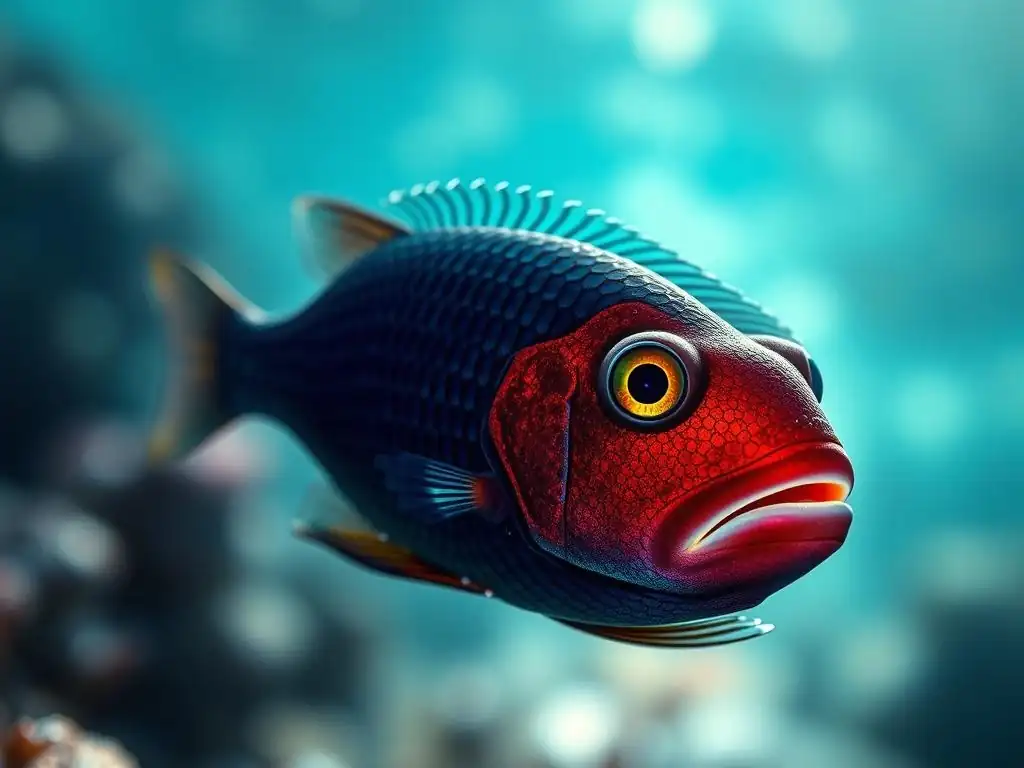
The Halichoeres chrysus, commonly known as the Yellow Coris Wrasse or Canary Wrasse, is a popular choice for reef aquariums due to its vibrant yellow coloration and generally peaceful demeanor. This species is highly valued for its natural pest control abilities, actively consuming nuisance flatworms, pyramid snails (which prey on tridacna clams), and other small vermin found on live rock and sand.
It typically grows to an adult size of about 5 inches (12-13 cm) and requires a sand bed of at least 3 inches deep for burrowing at night or when startled, making it suitable for tanks of 75 gallons or more.
While largely considered reef-safe, the Yellow Coris Wrasse can occasionally show interest in very small ornamental shrimp or snails, especially if underfed or if the tank lacks sufficient natural microfauna. However, this behavior is usually minimal and manageable with a consistent, varied feeding regimen of frozen mysis shrimp, brine shrimp, and high-quality pellets. Its active foraging behavior makes it an engaging addition, and with proper reef safe wrasses care, it rarely poses a significant threat to established reef inhabitants.
Pseudocheilinus hexataenia (Six Line Wrasse)
The Pseudocheilinus hexataenia, or Six Line Wrasse, is a small, active wrasse distinguished by its six horizontal orange lines on a purplish body. It is often sought after for its effectiveness in controlling nuisance flatworms, bristleworms, and pyramid snails. Growing to an average size of about 3 inches (7-8 cm), it is suitable for tanks 30 gallons and larger, provided there are ample hiding spots within the rockwork. Unlike many other wrasses, it typically does not bury in the sand at night, preferring to find a crevice to sleep in.
Despite its small size and utility in pest control, the Six Line Wrasse can exhibit surprisingly territorial and aggressive behavior, particularly towards smaller, more peaceful fish, other small wrasses, or new additions to the tank. It may also occasionally pick at small ornamental shrimp or snails, though this is not its primary diet.
Due to its potential for aggression, it is best introduced as the last fish in a community tank or into a larger setup with more robust tank mates. Careful observation of its behavior is crucial for effective reef safe wrasses care, particularly in crowded or smaller environments.
Labroides dimidiatus (Cleaner Wrasse)
The Labroides dimidiatus, commonly known as the Cleaner Wrasse, is instantly recognizable by its distinctive blue and black stripe, and is famous for its symbiotic relationship with other fish, from which it removes external parasites and dead tissue. In the wild, these wrasses establish "cleaning stations" where other fish visit for grooming. They typically reach an adult size of about 4.5 inches (11-12 cm).
While the Cleaner Wrasse is not predatory on corals or invertebrates, its highly specialized diet makes it exceptionally challenging to keep in a home aquarium long-term. They rely almost exclusively on consuming parasites from other fish, a food source that is rarely sufficient in a typical reef tank, even one with a diverse fish population. As a result, most Cleaner Wrasses, despite initial appearances of health, slowly starve to death within a few months of introduction.
Due to these ethical considerations and the high mortality rate, they are generally not recommended for the average aquarist, despite their "reef safe" label for corals and invertebrates. True, long-term reef safe wrasses care is almost impossible for this species in captivity.
Halichoeres melanurus (Melanurus Wrasse)
The Halichoeres melanurus, often referred to as the Melanurus Wrasse or Tail Spot Wrasse, is a highly attractive and generally peaceful wrasse species that makes an excellent addition to most reef aquariums. Characterized by its striking green body with horizontal pink or orange stripes and a prominent black spot on its tail fin, it grows to an average adult size of around 5 inches (12-13 cm). Like other Halichoeres species, it requires a fine sand bed of at least 3-4 inches for nightly burrowing and when startled.
The Melanurus Wrasse is highly regarded for its effectiveness in controlling various nuisance pests, including pyramid snails, flatworms, and bristleworms, making it a valuable member of the clean-up crew. Its diet primarily consists of small invertebrates found within the sand and rockwork, and it is considered very safe with most corals and ornamental invertebrates.
Instances of it bothering ornamental shrimp or snails are rare, especially when provided with a consistent and varied diet of frozen foods. Its robust nature and beneficial foraging habits make it a top recommendation for aquarists seeking effective reef safe wrasses care in a community reef tank.
Preparing Your Reef Tank for Wrasses
Assessing Your Existing Ecosystem
Before introducing any wrasse, especially those designated "reef safe with caution," a thorough assessment of your existing reef ecosystem is paramount. Begin by identifying all current inhabitants, paying particular attention to small, vulnerable invertebrates such as tiny ornamental shrimp (e.g., Sexy Shrimp), small hermit crabs (e.g., Dwarf Blue Leg Hermits), and various snail species (e.g., Nassarius, Trochus). Document their numbers and observe their hiding spots, as these are the creatures most likely to be targeted by an opportunistic wrasse.
Additionally, evaluate the overall temperament and size of your existing fish population. A very aggressive fish might persistently harass a new, smaller wrasse, leading to stress and disease. Conversely, a new wrasse, particularly a territorial species, could intimidate or bully very timid tank mates. Understanding these dynamics helps in predicting potential conflicts and ensuring a smooth integration, forming a critical component of proactive reef safe wrasses care.
Adjusting Feeding and Observation
Once a wrasse has successfully completed its quarantine period and is introduced into the main display tank, it is essential to adjust your feeding regimen to meet its increased metabolic demands. Wrasses are active foragers and require frequent, small meals throughout the day. Aim to feed high-quality frozen foods (like mysis shrimp, brine shrimp, or finely chopped seafood) 2-3 times daily to ensure the wrasse is well-fed and less inclined to actively hunt for live invertebrates in the tank.
During the initial weeks following introduction, diligent observation is key. Spend extra time watching the wrasse's behavior, particularly around your corals and invertebrates. Look for any signs of nipping at coral polyps, chasing small shrimp, or picking at snails. Note any sudden disappearances of clean-up crew members. Early detection of problematic behaviors allows for timely intervention, such as increasing feeding frequency, providing more hiding spots, or, if necessary, considering rehoming the wrasse or the vulnerable invertebrates. This continuous monitoring is a vital aspect of ongoing reef safe wrasses care.
Monitoring Invertebrate Health
Ongoing monitoring of your invertebrate population's health and presence is a critical aspect of preparing for and maintaining wrasses in a reef tank. Establish a baseline count for your snails, crabs, and shrimp before introducing the wrasse. After introduction, regularly inspect your corals for any signs of polyp retraction, tissue damage, or unusual behavior that might indicate nipping. Pay close attention to the tips of stony corals and the polyps of soft corals.
Periodically recount your clean-up crew members, especially the smaller or more vulnerable ones. A gradual or sudden decrease in their numbers could be an indicator of predation by the wrasse. If you notice a decline, review your feeding strategy and the wrasse's behavior. This proactive approach to monitoring helps ensure that the introduction of a wrasse enhances, rather than detracts from, the overall health and biodiversity of your reef ecosystem, underscoring the importance of vigilant reef safe wrasses care.
Troubleshooting Common Problems
Identifying Stress and Aggression
Identifying signs of stress and aggression in wrasses is crucial for maintaining a healthy reef environment. A stressed wrasse may exhibit faded coloration, rapid breathing, clamped fins, or excessive hiding, even during feeding times. They might also refuse to eat or display unusual swimming patterns. Aggression, on the other hand, can manifest as constant chasing, nipping at other fish's fins, or defending a specific territory within the tank, particularly noticeable with other wrasses or smaller, more docile tank mates.
If a wrasse is showing signs of stress, investigate potential causes such as poor water quality, inadequate hiding spots, or bullying from other fish. Addressing these environmental factors, such as performing a water change or rearranging rockwork, can often alleviate the stress. For aggression, assess tank size and stocking levels. Overcrowding often exacerbates territorial disputes. Sometimes, introducing a new piece of rockwork or rearranging existing structures can disrupt established territories and reduce aggression, contributing to better reef safe wrasses care.
Addressing Predation
When a wrasse is observed actively preying on desired invertebrates, immediate action is necessary to prevent further losses. The first step is to intensify your feeding regimen. Increase the frequency of feedings to 3-4 times a day, offering a diverse array of high-quality frozen foods like mysis shrimp, enriched brine shrimp, and finely chopped seafood. Ensure the wrasse is getting enough to eat and is not underfed, as hunger is a primary driver of opportunistic predation.
If increased feeding does not deter the predatory behavior, or if the wrasse is consistently targeting valuable invertebrates, you may need to consider more drastic measures. This could involve relocating the most vulnerable invertebrates to a separate refugium or another tank where they are safe. As a last resort, if the wrasse continues to be a persistent threat to your reef ecosystem, capturing and rehoming the fish may be the only viable option. While difficult, prioritizing the overall health of the reef tank is paramount for responsible reef safe wrasses care.
Maintaining Water Quality
Pristine water quality is absolutely paramount for the long-term health and well-being of wrasses and the entire reef ecosystem. Poor water parameters can lead to stress, weakened immune systems, and increased susceptibility to disease in wrasses. Regular water changes, typically 10-20% bi-weekly or 5-10% weekly, are essential to keep nitrates, phosphates, and other undesirable compounds at minimal levels. Consistent monitoring of key parameters is also vital.
Maintain stable salinity levels between 1.025 and 1.026 specific gravity, and keep the temperature within a consistent range of 75-78°F (24-26°C). Regular testing for alkalinity (7-11 dKH), calcium (400-450 ppm), and magnesium (1250-1350 ppm) ensures optimal conditions for coral growth and overall reef stability. Fluctuations in these parameters can cause stress to both fish and invertebrates. A stable, high-quality aquatic environment is a fundamental pillar of successful reef safe wrasses care, preventing issues before they arise.
Long-Term Care for Wrasses in Reef Tanks
Regular Observation and Maintenance
Long-term reef safe wrasses care hinges on consistent, daily observation and routine maintenance. Daily checks should include monitoring the wrasse's feeding behavior, activity levels, and overall appearance for any signs of stress, disease, or aggression. Note if it is burying properly at night and emerging promptly in the morning. Weekly maintenance should involve testing water parameters, cleaning the aquarium glass, and inspecting filtration equipment to ensure everything is functioning optimally.
Beyond immediate health, also observe the wrasse's interactions with its tank mates and the invertebrates. A wrasse that was initially well-behaved might, over time, develop problematic tendencies if its needs change or if it becomes bored. Consistent observation allows for early detection of any issues, enabling swift intervention before minor problems escalate into significant challenges for the reef ecosystem. This proactive approach ensures the long-term well-being of the wrasse and the entire tank.
Adapting Care Strategies
As wrasses mature, their dietary needs, territorial behaviors, and overall impact on the reef ecosystem can evolve, necessitating adaptive care strategies. A juvenile wrasse that was perfectly "reef safe" might develop stronger predatory instincts as it grows into an adult, potentially becoming more interested in larger clean-up crew members. Be prepared to adjust feeding amounts and frequency, potentially offering more substantial meals or a wider variety of foods to keep the wrasse satiated.
Similarly, a wrasse's temperament can change with age or tank dynamics. A previously peaceful wrasse might become more territorial if new fish are introduced or if it feels overcrowded. In such cases, consider rearranging rockwork to break up territories or, if necessary, re-evaluating tank mate compatibility. Flexible and responsive reef safe wrasses care means being attuned to these changes and willing to modify environmental conditions or feeding routines to maintain harmony.
Maintaining a Balanced Reef Environment
The long-term success of keeping wrasses in a reef tank relies heavily on maintaining a balanced and stable reef environment. This involves ensuring that the bioload (the total amount of living organisms in the tank) is appropriate for the tank size and the capacity of the filtration system. Overstocking can lead to increased waste, compromised water quality, and heightened stress levels among all inhabitants, potentially triggering aggression or disease.
Continue to provide a diverse and high-quality diet, ample hiding spots, and stable water parameters (salinity, temperature, alkalinity, calcium, magnesium) to promote the continuous well-being of your wrasse and the entire reef. A thriving, balanced ecosystem minimizes stress and maximizes the likelihood that your wrasse will remain a healthy, peaceful, and beneficial addition to your reef for many years to come. This holistic approach to reef safe wrasses care ensures enduring success.
Conclusion: Making Informed Decisions
Weighing Benefits and Risks
The allure of wrasses in a reef aquarium is undeniable, offering vibrant colors, active behaviors, and often valuable pest control benefits. However, the "reef safe with caution" designation for many species underscores the critical need for aquarists to thoroughly weigh these benefits against the potential risks. While some wrasses are genuinely harmless to corals and most invertebrates, others possess inherent predatory instincts that could lead to the loss of expensive clean-up crew members or even delicate coral polyps.
Ultimately, the decision to introduce such a wrasse should be based on a comprehensive understanding of the specific species' adult size, dietary needs, and typical temperament. It also requires an honest assessment of your existing tank's inhabitants, its overall size, and your commitment to diligent observation and adaptive care. Responsible reef safe wrasses care means acknowledging that not every wrasse is suitable for every reef tank, and that a beautiful fish should not come at the expense of a thriving, harmonious ecosystem.
Emphasizing Responsible Reef Keeping
Responsible reef keeping extends beyond simply acquiring beautiful fish; it encompasses a commitment to providing optimal conditions and prioritizing the well-being of all tank inhabitants. When considering a "reef safe with caution" wrasse, this means investing time in thorough research, understanding its specific requirements, and being prepared to implement proactive measures such as quarantine, tailored feeding strategies, and thoughtful habitat design.
The journey of keeping wrasses in a reef tank is a continuous learning process. It requires ongoing observation, a willingness to adapt care strategies as the fish matures, and the readiness to troubleshoot problems should they arise. By making informed decisions and embracing a truly responsible approach to reef safe wrasses care, aquarists can successfully integrate these captivating fish into their ecosystems, ensuring they enhance the beauty and vitality of their reef without compromising its delicate balance.
Frequently Asked Questions
What are the benefits of keeping reef-safe wrasses in my aquarium?
Reef-safe wrasses can provide several benefits including pest control by consuming unwanted invertebrates, adding vibrant color and activity to your reef tank, and contributing to the overall health of the ecosystem.
What are the potential risks associated with keeping wrasses in a reef aquarium?
Some wrasses, even those considered reef-safe, may prey on small invertebrates like shrimp or crabs, or disturb sand beds while hunting, potentially impacting other inhabitants or causing a cloudy tank environment.
How can I determine if a particular wrasse species is truly reef-safe?
Research the specific species extensively. Check reliable sources like AquariumMastery.com and other respected aquarium websites. Consider anecdotal evidence from other hobbyists and observe the wrasse's behavior in a quarantine tank before introduction.
What precautions should I take before introducing a wrasse to my reef tank?
Quarantine the wrasse for several weeks to observe its behavior and ensure it's healthy. Carefully acclimate the wrasse to your tank's water parameters and monitor its interactions with other inhabitants closely after introduction.
What if my reef-safe wrasse starts exhibiting problematic behavior in my aquarium?
If the wrasse is harming other inhabitants, you may need to re-home it to a different tank or to another aquarist. Consider adjusting your feeding schedule or providing more hiding places to reduce aggressive behaviors.
The delicate balance of a reef aquarium hinges on informed choices, and as we've explored, the seemingly simple question of reef safe wrasses is anything but. Understanding the nuances of their behavior and dietary needs is not just about keeping fish alive; it's about preserving the intricate ecosystem we strive to replicate within our glass boxes. The potential for both beauty and disruption underscores the responsibility we bear as aquarists.
This journey into the world of wrasses has highlighted the importance of diligent research and careful observation. The long-term health of our reefs, both captive and wild, depends on our commitment to responsible aquascaping and livestock selection. In the end, we will conserve only what we love; we will love only what we understand; and we will understand only what we are taught.
- Baba Dioum. This quote resonates deeply, reminding us that knowledge is the foundation of conservation.
As you consider adding a wrasse to your reef, remember that your choices have ripple effects. Let this knowledge guide you towards creating a thriving, balanced ecosystem, one where beauty and responsibility coexist. Reflect on the potential impact of your decisions, and strive to be a steward of the reef, not just a spectator.
Ignite Your Reef Journey: Start Responsibly!
Thanks for diving into the world of wrasses with us! We hope you found valuable insights to help you make informed decisions for your reef aquarium. Now, let's turn that knowledge into action.
Here's how you can take your reef-keeping journey to the next level:
- Plan before you purchase! Use our compatibility chart provided in the article, and research extensively before introducing a wrasse into your reef. A well-researched decision is always the best decision.
- Share your findings! Contribute to the reef community by sharing your wrasse-keeping experience on our Aquarium Mastery forums, whether it is success or failure, your advice can help others.
- Think outside the tank! Explore sustainable aquaculture efforts that can provide a reef-safe wrasse without harming natural reef ecosystems.
What are your biggest concerns about introducing a wrasse into your reef, and what preventative measures are you planning to take?