
Unlocking the Secrets to Cardinalfish Longevity in Your Home Aquarium

Welcome to Aquarium Mastery!
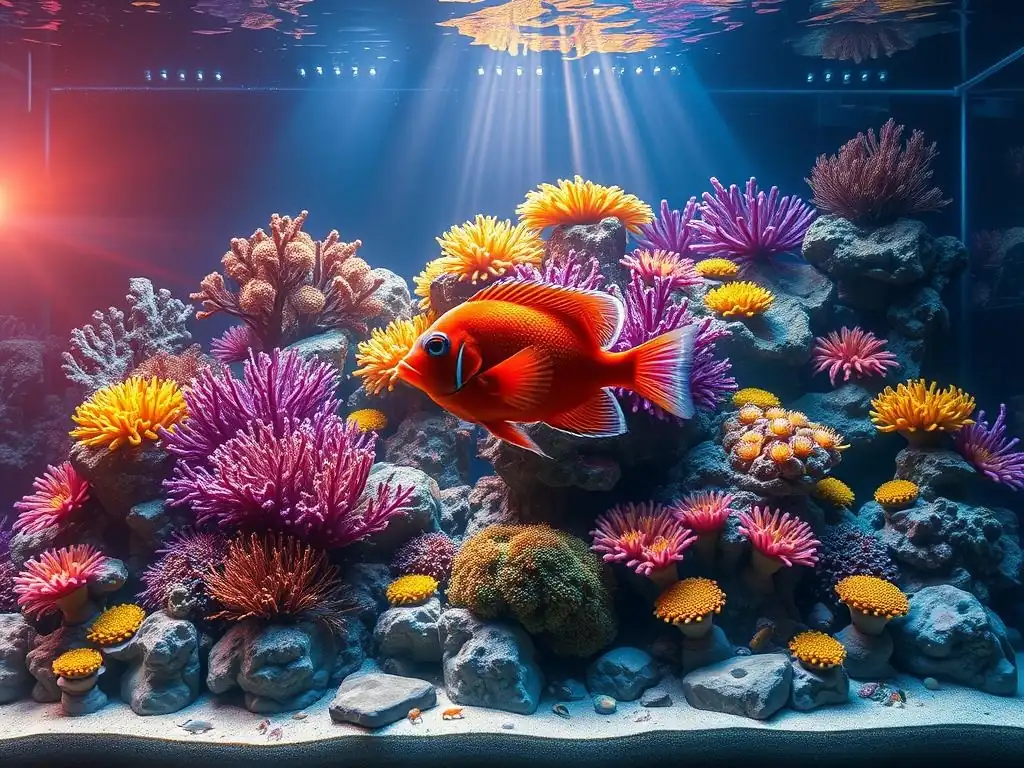
Ever wondered how to truly unlock the secrets to a long and vibrant life for your Cardinalfish? These captivating little gems can thrive in your saltwater aquarium for years with the right approach. Dive into our article on Cardinalfish lifespan tips aquarium to discover essential insights into their care, from optimal water conditions to the perfect tank mates, and learn how to ensure your Cardinalfish enjoy a happy and healthy existence. Curious to know more? Let's get started!
- Understanding Cardinalfish: A Key to Extended Lifespan in Captivity
- Optimizing Your Aquarium for Cardinalfish Health and Longevity
- Cardinalfish Nutrition: Diet and Feeding Strategies for a Longer Life
- Preventing and Managing Diseases to Extend Cardinalfish Lifespan
- Cardinalfish Compatibility: Selecting the Right Tank Mates for a Peaceful Community
- Advanced Cardinalfish Care Tips for Maximum Lifespan
- Troubleshooting Cardinalfish Health Issues: A Quick Guide
- Cardinalfish Lifespan Tips: A Summary Checklist
-
Frequently Asked Questions
- How long do Cardinalfish typically live in a home aquarium?
- What are the most crucial water parameters for extending a Cardinalfish's lifespan?
- What kind of diet promotes a long and healthy life for Cardinalfish?
- What common aquarium diseases can shorten a Cardinalfish's lifespan, and how can I prevent them?
- How does tank mate selection affect the lifespan of Cardinalfish?
- Final Reflection: Embracing the Cardinalfish's Enduring Beauty
- Ignite Your Cardinalfish Journey!
Understanding Cardinalfish: A Key to Extended Lifespan in Captivity
What are Cardinalfish and Why Their Lifespan Matters to Aquarists?
Cardinalfish are a diverse family of small, often schooling, marine fish highly prized in the aquarium hobby for their vibrant colors, peaceful demeanor, and fascinating social behaviors. They are commonly found in coral reefs and seagrass beds across tropical and subtropical waters, making them excellent candidates for reef aquariums. Their popularity stems from their relatively modest size, ability to thrive in well-maintained tanks, and their unique nocturnal habits, though many adapt to daytime activity in captivity.
For aquarists, understanding and maximizing the cardinalfish lifespan is paramount. A long-lived cardinalfish is a clear indicator of a healthy, stable, and appropriately maintained aquarium environment. When these fish thrive for many years, it signifies that all critical parameters—from water quality and diet to tank mates and stress levels—are optimally managed. Conversely, a short lifespan often points to underlying issues that need immediate attention, impacting not only the cardinalfish's well-being but potentially the entire aquarium ecosystem. Achieving extended cardinalfish longevity is a true measure of an aquarist's success.
Common Cardinalfish Species and Their Expected Lifespans in Aquariums
Several cardinalfish species are popular choices for home aquariums, each with slightly different care requirements and typical lifespans. One of the most iconic is the Banggai Cardinalfish ( Pterapogon kauderni), known for its striking black and white stripes and unique mouth-brooding behavior. In a well-cared-for aquarium, Banggai Cardinalfish can live for approximately 3 to 5 years, though some dedicated aquarists report individuals living up to 7 years. Their lifespan is heavily influenced by stable water parameters and a stress-free environment.
Another favorite is the Pajama Cardinalfish ( Sphaeramia nematoptera), easily recognized by its distinctive yellow eyes, red mid-body stripe, and polka-dotted rear. These peaceful fish are excellent for community tanks and generally have a lifespan of 2 to 4 years in captivity. Similarly, the Ocellated Cardinalfish ( Apogon ocellatus) and the Spotted Cardinalfish ( Apogon maculatus) are also common, typically living for 2 to 3 years under optimal conditions. Providing the correct Cardinalfish lifespan tips aquarium enthusiasts need involves tailoring care to these species' specific needs, ensuring they receive the best possible environment to reach their full potential lifespan.
Optimizing Your Aquarium for Cardinalfish Health and Longevity
Ideal Tank Parameters for Cardinalfish: Water Quality, Temperature, and Salinity
Maintaining precise and stable water parameters is the cornerstone of cardinalfish longevity. These marine fish are sensitive to fluctuations, and consistent water quality directly impacts their immune system and overall health. For temperature, a range of 72°F to 78°F (22°C to 25.5°C) is generally ideal, mimicking their natural tropical reef habitats. Extreme temperature swings can cause significant stress, weakening their resistance to disease.
Salinity is equally critical, with a specific gravity of 1.023 to 1.025 being the optimal range. This translates to approximately 32-35 parts per thousand (ppt) of dissolved salts. Deviations outside this range, particularly sudden drops, can lead to osmotic stress, impacting gill function and internal organ health.
Furthermore, pristine water quality is non-negotiable: ammonia and nitrite levels must consistently remain at 0 ppm, as even trace amounts are highly toxic. Nitrate levels should be kept below 10-20 ppm to prevent chronic stress and disease. Regular testing with reliable kits is essential to monitor these parameters, providing vital Cardinalfish lifespan tips aquarium keepers can act on immediately.
Choosing the Right Tank Size and Aquascape for Cardinalfish Well-being
The size of the aquarium plays a crucial role in providing adequate space and stability for cardinalfish, directly influencing their potential lifespan. While some smaller cardinalfish species, like a pair of Pajama Cardinalfish, can comfortably inhabit a 20-gallon long aquarium, a 30-gallon or larger tank is generally recommended for a small school or for species like the Banggai Cardinalfish. Larger tanks offer greater stability in water parameters due to increased water volume, making it easier to maintain consistent conditions and dilute waste products.
The aquascape, or the internal layout of the tank, is equally vital for cardinalfish well-being. These fish, especially Banggai Cardinals, appreciate plenty of hiding spots and sheltered areas among live rock formations, caves, and even branching corals. Providing ample cover reduces stress by allowing them to retreat when feeling threatened or simply needing a secure place to rest. A well-structured aquascape with vertical elements and open swimming spaces caters to their natural schooling behavior and territorial tendencies, contributing significantly to their comfort and, by extension, their longevity.
Essential Equipment for Maintaining a Healthy Cardinalfish Habitat
Outfitting your cardinalfish aquarium with the right equipment is fundamental to ensuring a stable and healthy environment that promotes extended lifespans. A robust filtration system is paramount, typically involving a sump with a protein skimmer, live rock for biological filtration, and potentially a refugium. A high-quality protein skimmer efficiently removes organic waste before it breaks down into harmful nitrates, significantly contributing to water clarity and low nutrient levels. Live rock provides extensive surface area for beneficial bacteria, which are crucial for the nitrogen cycle and maintaining zero ammonia and nitrite.
Beyond filtration, a reliable heater with an accurate thermostat is necessary to maintain the stable temperature range cardinalfish require. Powerheads or wavemakers are also important to create gentle to moderate water flow, mimicking their natural reef environment and preventing dead spots where detritus can accumulate. While cardinalfish do not have high lighting requirements, appropriate lighting for any corals or invertebrates in a reef setup should also be considered. Investing in quality equipment from the outset provides the foundational Cardinalfish lifespan tips aquarium enthusiasts need for long-term success.
Cardinalfish Nutrition: Diet and Feeding Strategies for a Longer Life
The Importance of a Varied Diet for Cardinalfish Health
A diverse and nutrient-rich diet is a critical factor in extending the cardinalfish lifespan. In their natural habitat, cardinalfish are opportunistic carnivores, feeding on small crustaceans and zooplankton. Replicating this varied diet in the aquarium is essential to prevent nutritional deficiencies that can compromise their immune system, stunt growth, and ultimately shorten their lives. A monotonous diet, even if seemingly high in protein, often lacks the complete spectrum of vitamins, minerals, and essential fatty acids necessary for robust health.
Offering a variety of foods ensures that cardinalfish receive all the necessary building blocks for strong bones, vibrant coloration, healthy organs, and a resilient immune response. For example, a diet solely of brine shrimp, while accepted, is not nutritionally complete. Incorporating different food types provides different nutrient profiles; for instance, Mysis shrimp are rich in protein and fatty acids, while certain prepared foods are fortified with vitamins. This holistic approach to nutrition is one of the most impactful Cardinalfish lifespan tips aquarium keepers can implement.
Best Food Choices for Cardinalfish: Live, Frozen, and Prepared Foods
To provide a comprehensive and varied diet for cardinalfish, a combination of live, frozen, and high-quality prepared foods is ideal. Frozen foods should form the staple of their diet, with excellent choices including Mysis shrimp, enriched brine shrimp, finely chopped krill, and small pieces of clam or fish flesh. Mysis shrimp are particularly beneficial due to their high protein and fatty acid content, making them a superb choice for growth and vitality. Ensure frozen foods are thawed thoroughly before feeding to prevent digestive issues.
Live foods, such as newly hatched brine shrimp or copepods, can be offered as occasional treats. While not always nutritionally complete on their own, they stimulate natural hunting behaviors and provide essential enrichment. For convenience and to ensure a broad spectrum of nutrients, high-quality marine-specific pellets and flakes are also valuable. Look for brands that list marine proteins as the primary ingredients and are fortified with vitamins, especially Vitamin C, which supports immune function. Rotating these food types daily or weekly provides the best nutritional foundation for a long cardinalfish lifespan.
Feeding Frequency and Avoiding Overfeeding in Cardinalfish Aquariums
Establishing an appropriate feeding schedule is as important as the food itself for cardinalfish longevity. Cardinalfish generally benefit from small, frequent feedings rather than large, infrequent ones. Feeding them 2 to 3 times a day, in small portions that can be consumed within a few minutes, mimics their natural grazing behavior and ensures they receive a steady supply of nutrients without overwhelming the filtration system. This approach also allows less dominant fish to get their share.
Crucially, avoiding overfeeding is one of the most vital Cardinalfish lifespan tips aquarium owners must master. Overfeeding is a common mistake that leads to several detrimental issues. Excess uneaten food decomposes, rapidly increasing ammonia, nitrite, and nitrate levels, which directly stress and poison fish. It also contributes to algae blooms and can lead to obesity in the fish themselves, making them more susceptible to disease and reducing their overall lifespan. Monitor how much food your cardinalfish consume and adjust quantities accordingly, ensuring no excess food remains in the tank after a few minutes.
Preventing and Managing Diseases to Extend Cardinalfish Lifespan
Recognizing Common Cardinalfish Diseases: Symptoms and Diagnosis
Early detection of disease is paramount to preserving cardinalfish longevity. Cardinalfish, like all marine fish, are susceptible to various ailments, particularly if stressed by poor water quality or incompatible tank mates. One of the most common external parasites is Marine Ich ( Cryptocaryon irritans), characterized by small white spots resembling salt grains on the body and fins, rapid breathing, and scratching against decor. Another prevalent issue is Marine Velvet ( Amyloodinium ocellatum), which appears as a dusty, yellowish-gold coating, often accompanied by labored breathing and lethargy.
Bacterial infections can manifest as fin rot (frayed or decaying fins), cloudy eyes, or red sores on the body. Fungal infections, though less common in saltwater, might present as cotton-like growths. Internal parasites can lead to emaciation despite regular feeding, or abnormal feces. Observing your cardinalfish daily for changes in behavior (e.g., hiding excessively, loss of appetite, erratic swimming), physical appearance (e.g., discoloration, lesions, clamped fins), or breathing patterns is crucial for prompt diagnosis and intervention, directly impacting their potential lifespan.
Effective Treatments for Cardinalfish Ailments
Once a disease is identified, prompt and appropriate treatment is essential to extend the cardinalfish lifespan. For external parasites like Marine Ich or Velvet, options include copper-based medications, hyposalinity (reducing salinity to 1.008-1.010 for a period), or the use of specific anti-parasitic medications. However, caution is advised with copper in reef tanks, as it is toxic to invertebrates. For bacterial infections, broad-spectrum antibiotics, often administered via food or as a bath, may be necessary. Always follow medication instructions precisely and consider treating in a separate hospital tank to avoid harming the main display's beneficial bacteria or invertebrates.
Freshwater dips (for 3-5 minutes, with pH and temperature matched) can provide temporary relief for some external parasites by shocking them off the fish, but this is not a standalone cure. For internal parasites, medicated foods containing anthelmintics are usually required. The most effective Cardinalfish lifespan tips aquarium keepers can follow for treatment is to accurately diagnose the problem, select the least invasive yet effective treatment, and maintain impeccable water quality during the recovery period. Stress reduction during treatment is also key.
Quarantine Procedures to Prevent Disease Outbreaks in Your Aquarium
The single most effective strategy for preventing disease outbreaks and ensuring cardinalfish longevity is implementing a strict quarantine procedure for all new arrivals. A dedicated quarantine tank (QT) of at least 10-20 gallons, equipped with its own heater, air stone, and filter (sponge filter or hang-on-back filter with cycled media), is indispensable. All new fish, corals, and even invertebrates should spend a minimum of 4-6 weeks in this QT before being introduced to the main display tank.
During the quarantine period, observe the new cardinalfish closely for any signs of illness. This is also the ideal time to administer preventative treatments, such as a prophylactic copper treatment for parasites or a series of freshwater dips, if deemed necessary. This proactive approach ensures that no pathogens are introduced into your established display tank, protecting your existing fish and significantly reducing the risk of widespread disease that could drastically shorten the lifespan of your cardinalfish and other inhabitants. This preventative measure is a non-negotiable Cardinalfish lifespan tips aquarium experts advocate.
Cardinalfish Compatibility: Selecting the Right Tank Mates for a Peaceful Community
Understanding the natural temperament and social behaviors of cardinalfish is crucial for selecting appropriate tank mates and ensuring their long-term well-being. Most cardinalfish species are known for their relatively peaceful and shy nature, making them excellent additions to a community reef aquarium. Many species, particularly Pajama and Ocellated Cardinalfish, are schooling fish and thrive when kept in groups of 3 to 6 or more, which provides them with security and reduces individual stress. Observing them school together is also a visually appealing aspect of their behavior.
However, it's important to note that while generally peaceful, some cardinalfish species, like the Banggai Cardinalfish, can exhibit territoriality towards conspecifics, especially in smaller tanks or if pairs are formed. If planning to keep multiple Banggai Cardinals, ensure ample space and plenty of hiding spots to mitigate aggression. Recognizing these nuances of their social dynamics—whether they are best kept singly, in pairs, or in schools—is a fundamental Cardinalfish lifespan tips aquarium enthusiasts must consider to create a harmonious environment and prevent stress-related health issues.
Choosing Compatible Fish and Invertebrates for Your Cardinalfish Tank
Selecting the right tank mates is paramount to promoting cardinalfish longevity. Due to their peaceful and somewhat timid nature, cardinalfish thrive alongside other similarly placid fish species that will not bully or outcompete them for food. Excellent choices include small gobies (e.g., watchman gobies, clown gobies), blennies (e.g., lawnmower blennies, tailspot blennies), certain docile damselfish (e.g., chromis, though watch for aggression in some species), and firefish. These fish share similar temperament and dietary needs, minimizing stress and competition.
When it comes to invertebrates, cardinalfish are generally reef-safe and pose no threat to corals, snails, crabs, or shrimp. In fact, many invertebrates like cleaner shrimp can be beneficial, offering cleaning services to the fish. Avoid any large, predatory, or overly aggressive invertebrates that might see the cardinalfish as prey or competition. Ensuring that all tank mates are compatible in terms of size, temperament, and environmental needs is a key Cardinalfish lifespan tips aquarium owners should prioritize to foster a low-stress, thriving community.
Avoiding Aggressive Tank Mates That Stress Cardinalfish
One of the most significant threats to cardinalfish longevity is the presence of aggressive or overly boisterous tank mates. Stress is a major contributor to weakened immune systems and susceptibility to disease, and constant harassment from dominant fish can severely shorten a cardinalfish's life. Therefore, it is crucial to avoid introducing fish species known for their aggressive tendencies, territoriality, or predatory behavior.
Examples of fish to avoid include large angelfish, triggerfish, pufferfish, large groupers, and many species of aggressive damselfish (e.g., three-stripe damselfish, yellowtail damselfish). Even seemingly small but highly territorial fish can cause chronic stress. Fish that grow very large or have mouths big enough to consume a cardinalfish should also be excluded. Prioritizing a peaceful community by carefully researching potential tank mates and understanding their adult size and temperament is an essential Cardinalfish lifespan tips aquarium hobbyists must heed to ensure their cardinalfish thrive for years.
Advanced Cardinalfish Care Tips for Maximum Lifespan
Maintaining Proper Water Chemistry: Ammonia, Nitrite, Nitrate, pH, Alkalinity, and Regular Testing
Beyond the basic parameters, meticulous attention to comprehensive water chemistry is crucial for maximizing cardinalfish longevity. Ammonia and nitrite must always be undetectable (0 ppm), as even slight elevations are highly toxic and cause irreversible damage. Nitrate, while less toxic, should be kept below 10-20 ppm; higher levels indicate poor maintenance and contribute to chronic stress. Regular water changes and efficient biological filtration are key to managing these.
pH stability is also vital, ideally maintained between 8.1 and 8.4. Fluctuations can stress fish and impact their biological processes. Alkalinity (KH), typically measured in dKH, should be stable between 8-12 dKH, as it buffers pH and supports calcification for any corals. Calcium levels (400-450 ppm) are also important for reef health. Regular testing, ideally weekly for key parameters and bi-weekly for others, using accurate test kits, allows for proactive adjustments. This consistent monitoring and adjustment of water chemistry is a foundational Cardinalfish lifespan tips aquarium experts consistently recommend.
Implementing Regular Water Changes and Filtration Techniques
Regular water changes are arguably the most impactful maintenance practice for promoting cardinalfish longevity. While filtration systems remove physical debris and convert toxic nitrogenous wastes, they do not remove everything. Over time, nitrates accumulate, trace elements are depleted, and dissolved organic compounds build up. Performing weekly or bi-weekly water changes of 10-20% of the tank's volume replenishes essential minerals, reduces nitrate levels, and removes pollutants that filtration alone cannot. Always use properly mixed and conditioned saltwater, matching salinity and temperature to the display tank.
Beyond water changes, optimizing filtration techniques is critical. A robust mechanical filter (filter socks or sponges) should be cleaned or replaced frequently, at least weekly, to prevent trapped detritus from breaking down. Biological filtration, primarily live rock and a protein skimmer, is the backbone of the system. Chemical filtration, such as activated carbon or GFO (granular ferric oxide), can be used intermittently to remove dissolved organics and phosphates, further enhancing water clarity and purity. A well-executed filtration and water change regimen is among the most effective Cardinalfish lifespan tips aquarium owners can implement.
Monitoring and Addressing Potential Problems Early On
Proactive monitoring is a hallmark of advanced cardinalfish care and directly contributes to their maximum lifespan. This involves more than just checking water parameters; it means daily observation of your fish. Pay close attention to their behavior: Are they swimming normally? Are they eating eagerly? Are they interacting with tank mates as expected? Look for any subtle changes in coloration, fin condition, or body shape. For instance, a cardinalfish constantly hiding when it usually swims openly, or refusing food for more than a day, warrants investigation.
Addressing potential problems early can prevent minor issues from escalating into life-threatening conditions. If you notice a fish scratching, immediately check water parameters and consider isolating the fish for closer observation. If a fish appears lethargic, investigate possible causes such as temperature fluctuations or aggressive tank mates. Early intervention, whether it's a water change, a parameter adjustment, or the start of a quarantine period, is far more effective than waiting until symptoms are severe. This vigilant approach to monitoring is a critical Cardinalfish lifespan tips aquarium keepers should integrate into their daily routine.
Troubleshooting Cardinalfish Health Issues: A Quick Guide
Identifying Signs of Stress or Illness in Cardinalfish
Recognizing the subtle signs of stress or illness in cardinalfish is the first step in effective troubleshooting and vital for their longevity. Healthy cardinalfish typically exhibit vibrant coloration, active swimming (often schooling), clear eyes, and a strong appetite. Any deviation from these norms should be a red flag. Common indicators of stress include:
- Clamped fins: Fins held tightly against the body, rather than spread out.
- Rapid breathing: Gills moving quickly, indicating respiratory distress.
- Hiding excessively: Spending unusual amounts of time in hiding spots.
- Loss of appetite: Refusing to eat or spitting out food.
- Pale or darkened coloration: A change from their usual vibrant hues.
- Erratic swimming: Jerky movements, darting, or rubbing against decor.
- Isolation: Separating from the school or other tank mates.
Physical signs of illness might include white spots (Ich), a dusty film (Velvet), frayed fins (fin rot), cloudy eyes, or visible lesions. Prompt identification of these signs is a crucial Cardinalfish lifespan tips aquarium owners must master.
Common Problems and Solutions for Cardinalfish Keepers
When troubleshooting cardinalfish health issues, several common problems arise, each with specific solutions aimed at promoting their recovery and extending their lifespan.
- Problem: White spots on body/fins (Ich) or dusty film (Velvet).
- Solution: Immediately isolate affected fish in a hospital tank. Treat with appropriate medications (e.g., copper-based solutions for Ich, specific anti-parasitic medications for Velvet) following dosage instructions carefully. Ensure stable water parameters in the hospital tank.
- Problem: Frayed fins, red sores, or cloudy eyes (Bacterial infection).
- Solution: Improve water quality drastically with a large water change. If severe, treat in a hospital tank with broad-spectrum antibiotics as per veterinary or product instructions.
- Problem: Lethargy, hiding, or refusing food without visible external signs.
- Solution: First, test all water parameters (ammonia, nitrite, nitrate, pH, salinity, temperature). Correct any imbalances immediately. Observe tank mates for aggression. Provide a varied diet. Consider adding a vitamin supplement to food.
- Problem: Emaciation despite eating well (Internal parasites).
- Solution: Administer medicated food specifically designed to treat internal parasites. This often requires a separate feeding container or hospital tank to ensure only the affected fish consumes the medication.
These immediate actions and targeted solutions are vital Cardinalfish lifespan tips aquarium enthusiasts can employ to turn the tide against illness.
When to Seek Professional Help for Your Cardinalfish
While many common cardinalfish health issues can be managed by experienced aquarists, there are instances where seeking professional help is the best course of action to protect your cardinalfish and ensure their longevity. If you have accurately identified symptoms but your chosen treatments are not yielding results after a reasonable period (e.g., 3-5 days), it's time to consult an expert. This could be a local fish veterinarian, a highly experienced marine aquarium store specialist, or an online forum with reputable, knowledgeable members.
Professional help is particularly advisable when:
- The diagnosis is unclear, and you are unsure of the specific ailment.
- The fish's condition is rapidly deteriorating despite your efforts.
- You are dealing with a severe or widespread outbreak affecting multiple fish.
- You suspect a rare or complex disease that requires specialized knowledge or medications.
- You are hesitant to use certain strong medications (e.g., copper) in your display tank due to the presence of corals or invertebrates.
A professional can offer a more precise diagnosis, recommend specific treatment protocols, or even prescribe medications not readily available to the public. Knowing when to escalate your troubleshooting efforts is a critical Cardinalfish lifespan tips aquarium owners should understand for the ultimate well-being of their fish.
Cardinalfish Lifespan Tips: A Summary Checklist
Ensuring Optimal Conditions for Cardinalfish Longevity
Achieving a long and healthy life for your cardinalfish in a home aquarium hinges on a few core principles. By consistently adhering to these Cardinalfish lifespan tips aquarium owners can provide an environment where these beautiful fish truly thrive.
- Stable Water Parameters: Maintain consistent temperature (72-78°F), salinity (1.023-1.025 SG), and pristine water quality (Ammonia/Nitrite 0 ppm, Nitrate <20 ppm, pH 8.1-8.4, Alkalinity 8-12 dKH).
- Appropriate Tank Size & Aquascape: Provide sufficient space (minimum 20-30 gallons for a pair/small school) and ample hiding spots within a well-structured live rock aquascape.
- Robust Filtration System: Utilize a high-quality protein skimmer, live rock, and regular mechanical/chemical filtration to keep water clean and clear.
- Varied and Nutritious Diet: Feed 2-3 times daily with a mix of high-quality frozen foods (Mysis shrimp, enriched brine shrimp), finely chopped seafood, and fortified pellets/flakes. Avoid overfeeding.
- Strict Quarantine Protocol: Isolate all new fish in a separate quarantine tank for 4-6 weeks before introduction to the main display.
- Compatible Tank Mates: Choose peaceful, similarly sized fish and reef-safe invertebrates. Avoid aggressive or predatory species.
- Regular Maintenance: Perform weekly/bi-weekly 10-20% water changes and clean mechanical filters frequently.
- Daily Observation: Monitor fish behavior, appetite, and physical appearance for early signs of stress or illness.
Key Takeaways for Maximizing Cardinalfish Health and Lifespan
The journey to maximizing cardinalfish health and lifespan in your aquarium is a continuous one, built on vigilance, knowledge, and consistent care. The ultimate goal is to replicate their natural environment as closely as possible while mitigating the unique stressors of captivity.
- Consistency is King: Stability in water parameters, feeding, and routine maintenance is more important than achieving "perfect" numbers for a single day. Small, consistent efforts compound over time, significantly extending the cardinalfish lifespan.
- Prevention Over Cure: Implementing robust quarantine procedures and maintaining impeccable water quality are your best defenses against disease, far more effective than treating an outbreak.
- Observe and Adapt: Your cardinalfish will communicate their well-being through their behavior. Pay attention to these subtle cues and be prepared to adjust your care routine or troubleshoot issues promptly.
- Knowledge is Power: Continuously educate yourself on cardinalfish specific needs, common ailments, and advanced husbandry techniques. The more you understand, the better equipped you are to provide optimal Cardinalfish lifespan tips aquarium care.
By committing to these practices, you can enjoy your beautiful cardinalfish thriving in your home aquarium for many years, a testament to your dedication and skill as an aquarist.
Frequently Asked Questions
How long do Cardinalfish typically live in a home aquarium?
Cardinalfish lifespan in a home aquarium can vary, but with proper care, they can live for 5-8 years. Factors like water quality and diet significantly influence their longevity.
What are the most crucial water parameters for extending a Cardinalfish's lifespan?
Maintaining stable water parameters is vital. Key parameters include a temperature of 72-78°F, a specific gravity between 1.023-1.025, and stable pH levels.
What kind of diet promotes a long and healthy life for Cardinalfish?
A varied diet is essential. Offer a mix of high-quality flake food, frozen foods like mysis shrimp, and small live foods to ensure they receive all necessary nutrients.
What common aquarium diseases can shorten a Cardinalfish's lifespan, and how can I prevent them?
Ich (white spot disease) and marine velvet are common threats. Quarantine new fish and maintain excellent water quality to prevent outbreaks and ensure your Cardinalfish live a long life.
How does tank mate selection affect the lifespan of Cardinalfish?
Cardinalfish are peaceful and can be stressed by aggressive tank mates. Choose compatible, non-aggressive species to avoid stress and ensure a longer lifespan for your Cardinalfish.
Final Reflection: Embracing the Cardinalfish's Enduring Beauty
The journey of understanding and extending the lives of cardinalfish in our home aquariums is more than just a technical pursuit; it's a testament to our commitment to responsible fishkeeping. By prioritizing their specific needs and creating optimal environments, we not only enhance their lifespan but also deepen our appreciation for the delicate balance of the aquatic world. This dedication resonates profoundly in a time where ethical considerations in pet ownership are paramount.
This exploration into cardinalfish longevity has profoundly shaped my perspective on aquarium keeping, transforming it from a hobby into a mindful practice. Witnessing these vibrant creatures thrive under our care is a deeply rewarding experience, underscoring the importance of continuous learning and adaptation. The best way to observe a fish is to become a part of its world.
This quote perfectly encapsulates the dedication required to truly understand and cater to the needs of these fascinating creatures.
Now, armed with these insights into cardinalfish lifespan tips for your aquarium, I invite you to reflect on your own practices. Consider how you can further refine your approach to create a truly thriving environment for these captivating fish. Let us all strive to be not just keepers, but stewards of their well-being, ensuring that the beauty and wonder of cardinalfish grace our aquariums for years to come.
Ignite Your Cardinalfish Journey!
Thanks for diving deep into the fascinating world of Cardinalfish! We hope you've uncovered valuable insights to enhance their lives in your aquarium. Now, let's take that knowledge and turn it into action!
Here are a few simple steps to elevate your Cardinalfish care:
- Prioritize aquarium stability. Even small fluctuations can significantly impact your cardinalfish health, perform regular tests and adjust your water parameters accordingly.
- Share your newfound cardinalfish wisdom! Help fellow aquarists by sharing this article on social media or in relevant forums.
- Think outside the box:Dedicate 15 minutes this week to researching a new, unusual food that mimics their natural diet and could boost their vitality.
Ready to create the best possible environment for your Cardinalfish? What specific aspect of their care will you focus on improving this week?