
Selecting Corals for a Tank with Potentially Nipping Angelfish

Welcome to Aquarium Mastery!
Ever wondered if you can really keep those stunning corals you've always dreamed of when you've got potentially nippy angelfish in your saltwater tank? The answer isn't always a simple yes or no. Dive into our guide on nipping angelfish coral selection and discover the strategies and coral species that will help you create a vibrant reef and keep your angelfish happy. Ready to unlock the secrets to a harmonious underwater world? Let's get started!
- Understanding Angelfish Nipping Behavior and Reef Compatibility
- Strategies for Reef Keeping with Angelfish: Minimizing Coral Damage
- Coral Selection Guide: Choosing Hardy Corals for Angelfish Tanks
- Coral Placement and Protection: Maximizing Survival
- Alternative Reef Tank Inhabitants: Diversifying Your Ecosystem
- Alternative Approaches to Reef Keeping with Angelfish
- Nipping Angelfish and Coral Health: Recognizing and Addressing Damage
- Summary: Successful Reef Keeping with Angelfish Demands Careful Planning and Coral Selection
-
Frequently Asked Questions
- How do I determine if an angelfish is likely to nip at corals?
- What types of corals are generally considered "angelfish-resistant"?
- Can I introduce corals into a tank with an angelfish, or should I wait?
- What strategies can I use to discourage angelfish from nipping at corals?
- What should I do if I observe my angelfish nipping at my corals?
- Final Reflection: Navigating the Reef with Caution
- Ignite Your Reef: Choose Angelfish-Proof Corals Now!
Understanding Angelfish Nipping Behavior and Reef Compatibility
Why Do Angelfish Nip at Corals? Exploring the Reasons
Angelfish, particularly larger species and even some dwarf angelfish, possess an innate curiosity and a diet that, in the wild, often includes sponges, tunicates, and various forms of algae. This natural inclination can sometimes translate into nipping at coral polyps in a captive reef environment. Reasons for this behavior can range from simple curiosity or boredom to a genuine search for food, especially if their captive diet is insufficient in variety or quantity.
Furthermore, stress, territoriality, or a lack of appropriate enrichment in the aquarium can exacerbate nipping behavior. An angelfish in a cramped tank, or one without sufficient hiding places and varied rockwork, might redirect its stress or pent-up energy towards the nearest corals. Even angelfish typically considered "reef-safe" can develop nipping habits under specific, unfavorable conditions, making careful nipping angelfish coral selection crucial.
Identifying Angelfish Species Known for Coral Nipping
When considering nipping angelfish coral selection, it's essential to distinguish between species. Large angelfish from the Pomacanthidae family, such as the Emperor Angelfish ( Pomacanthus imperator) or Queen Angelfish ( Holacanthus ciliaris), are almost universally considered not reef-safe. Their natural diet heavily includes sponges and tunicates, leading them to aggressively nip at most corals.
Dwarf angelfish from the Centropyge genus are more variable in their reef compatibility. Species like the Lemonpeel Angelfish ( Centropyge flavissima) and Coral Beauty Angelfish ( Centropyge bispinosa) are frequently reported as coral nippers. Others, such as the Flame Angelfish ( Centropyge loriculus) and Cherub Angelfish ( Centropyge argi), are often considered "reef-safe with caution," meaning they might nip occasionally but usually do not cause significant damage if well-fed and provided with ample space.
Assessing the Risk: How to Determine if Your Angelfish Will Nip
Determining if your specific angelfish will nip at corals requires careful observation and a proactive approach. One method is to introduce a small, inexpensive frag of a common soft coral, like a mushroom or zoanthid, and closely monitor the angelfish's reaction over several days. If the angelfish shows persistent interest or visible nipping marks appear on the coral, it's a strong indicator of potential problems with more sensitive corals.
The overall environment also plays a significant role. A well-fed angelfish, receiving multiple small meals throughout the day, is less likely to nip out of hunger. Tank size is also critical; a dwarf angelfish needs at least a 50-gallon tank, while larger species require 120 gallons or more. Adequate space reduces stress and territorial aggression, which can otherwise manifest as coral nipping. A diverse diet, rich in spirulina, mysis shrimp, and specialized angelfish formulas, can satisfy their nutritional needs and minimize their desire to graze on corals.
Strategies for Reef Keeping with Angelfish: Minimizing Coral Damage
Creating a Well-Fed Environment to Reduce Nipping
A foundational strategy for minimizing coral nipping in angelfish tanks is to ensure the fish are consistently and adequately fed. Offering a varied diet multiple times a day, perhaps 2-3 small feedings, can significantly reduce their inclination to graze on corals out of hunger or boredom. The diet should include high-quality flakes or pellets, various frozen foods like mysis shrimp, brine shrimp (preferably spirulina-enriched), and vegetable matter such as nori or spirulina flakes.
For larger angelfish species, incorporating sponge-based angelfish formulas is particularly beneficial, as sponges constitute a significant part of their natural diet. For Centropyge species, a mix of high-quality pellets (e.g., New Life Spectrum, Hikari Marine S) combined with frozen preparations like Rod's Food or similar nutrient-dense blends can keep them satiated. A consistently full stomach often translates to less interest in coral polyps, making it a key factor in successful nipping angelfish coral selection.
Providing Ample Hiding Places and Rockwork for Angelfish
A complex and well-structured aquascape with ample live rock is crucial for minimizing angelfish stress and providing natural enrichment. Caves, overhangs, and swim-throughs offer essential hiding places, allowing the angelfish to retreat when feeling threatened or simply to rest. This reduces overall stress levels, which can often be a root cause of undesirable behaviors like coral nipping.
In a tank with 75-100 pounds of live rock for a medium-sized angelfish, the fish has defined territories and ample exploration opportunities, which can divert its attention away from corals. The presence of numerous nooks and crannies also provides surfaces for algae growth, offering an additional natural grazing opportunity that can further reduce the likelihood of the angelfish picking at corals.
Introduction Techniques: Easing Angelfish into the Reef Tank
Careful introduction techniques can significantly influence an angelfish's reef compatibility. It is advisable to introduce angelfish to a well-established reef tank where corals are already settled and thriving. Quarantining new fish for a period of 2 to 4 weeks before introduction is paramount, not only for disease prevention but also to observe their feeding habits and temperament in isolation.
When introducing the angelfish, ensure it is well-fed just prior to release into the main display tank. Some aquarists even float a piece of nori or offer a small feeding immediately after release to distract the fish and encourage it to associate the tank with readily available food, rather than seeking out coral polyps. Allowing the angelfish to settle for a few weeks before adding new, tempting corals can also be beneficial, helping to solidify successful nipping angelfish coral selection.
Coral Selection Guide: Choosing Hardy Corals for Angelfish Tanks
Soft Corals: A Safer Bet for Angelfish Reefs
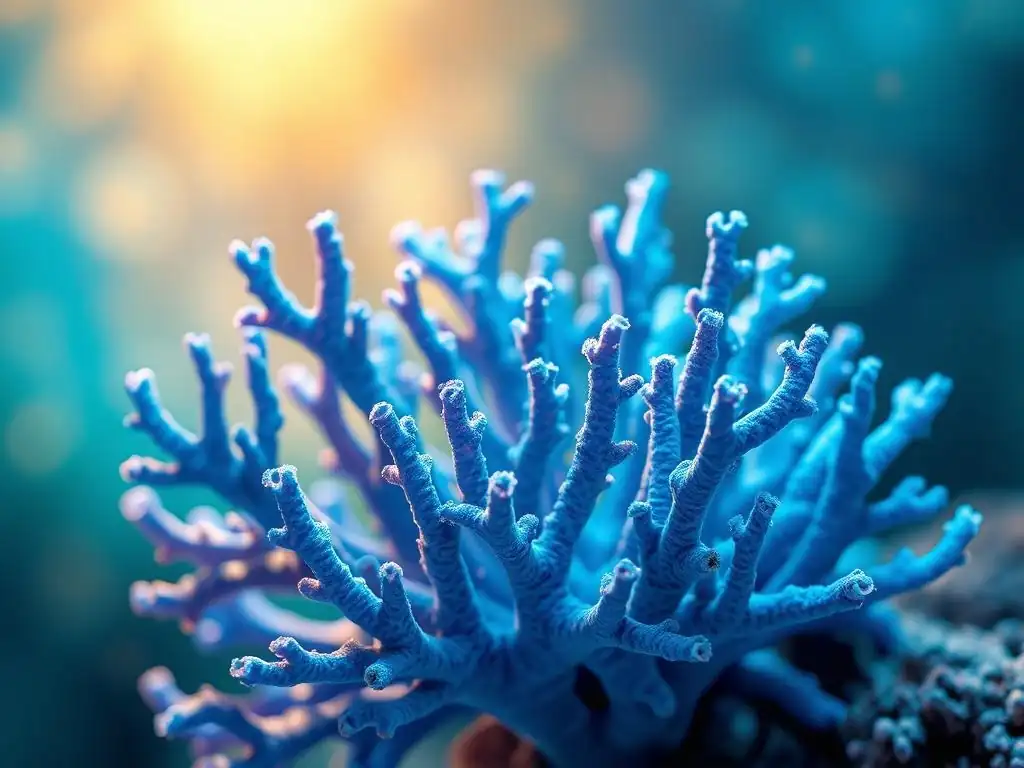
Soft corals are generally the most resilient and forgiving options for tanks with potentially nipping angelfish. Their fleshy polyps, rapid growth, and often unpalatable textures make them less desirable targets or more capable of recovering from minor damage.
Leather Corals (Sarcophyton, Lobophytum): Tolerant Options
Leather corals, such as Toadstool Leathers ( Sarcophyton elegans) and Devil's Hand Leathers ( Lobophytum sp.), are excellent choices due to their leathery texture and potential chemical defenses that deter grazing. They are exceptionally robust and can often regrow tissue even if subjected to occasional nipping. Their resilience extends to a broader range of water parameters compared to SPS or some LPS corals, making them forgiving additions.
These corals are known for their hardiness and ability to thrive in various conditions, which benefits them when faced with a curious angelfish. A typical Toadstool Leather can grow to a significant size, often exceeding 10-12 inches in diameter, and minor nips on its surface are usually quickly repaired by the coral's regenerative capabilities.
Mushroom Corals (Discosoma, Rhodactis): Hardy and Less Palatable
Mushroom corals ( Discosoma and Rhodactis species) are another resilient soft coral option. Their tough, often slimy texture and ability to retract fully make them less appealing targets for angelfish. Even if a mushroom is nipped, its robust nature and tendency to reproduce rapidly through budding mean that the colony can often recover quickly or even proliferate despite minor damage.
These corals are also relatively inexpensive and widely available, making them ideal candidates for experimenting with nipping angelfish coral selection. A small cluster of Discosoma mushrooms can quickly expand into a carpet, with new individuals budding off even if some are occasionally disturbed by fish.
Xenia: Fast-Growing and Can Outpace Nipping
Xenia species, particularly the pulsing Xenia ( Xenia elongata), are known for their incredibly fast growth rates. While some angelfish might occasionally sample Xenia, its prolific nature means that it can often outgrow minor nipping damage. Its rapid propagation can be both a blessing and a curse, as it can quickly spread if not managed.
If an angelfish only occasionally nips at Xenia, the coral's ability to regenerate and spread new polyps means the overall colony health is rarely jeopardized. It's a low-cost option that provides movement and interest in the tank, making it a viable choice for those attempting nipping angelfish coral selection with a higher risk tolerance.
LPS Corals: Proceed with Caution and Careful Selection
Large Polyp Stony (LPS) corals present a higher risk than soft corals in angelfish tanks, but some species can be considered with extreme caution and careful observation. Their fleshy polyps can be tempting targets, and damage to their skeletal structure or tissue can be severe.
Bubble Coral (Plerogyra sinuosa): Consider Placement and Angelfish Temperament
Bubble corals ( Plerogyra sinuosa) have large, fluid-filled polyps that could be tempting to an angelfish. However, they also possess potent stinging cells (nematocysts) that can deter some fish. Success with Bubble corals largely depends on the individual angelfish's temperament and strategic placement.
Positioning a Bubble Coral in an area with less direct angelfish access, perhaps within a crevice or higher on the rockwork, can help. A healthy Bubble Coral can expand significantly, reaching 6-8 inches across, and its stinging capabilities can act as a natural deterrent, though persistent nipping can still cause damage.
Open Brain Coral (Trachyphyllia geoffroyi): Monitor Closely for Damage
Open Brain Corals ( Trachyphyllia geoffroyi) are beautiful LPS corals with large, fleshy polyps. While their hard skeleton offers some underlying protection, any tissue damage from nipping can lead to infections and recession. These corals are slower growing and more expensive than many soft corals, making them a higher-risk investment.
Close monitoring is crucial for Trachyphyllia corals. Signs of tissue recession, especially around the edges of the skeleton, or visible nips should prompt immediate action. These corals are particularly susceptible to secondary bacterial infections if their tissue is compromised.
Torch Coral (Euphyllia glabrescens): May Be Targeted, Observe Closely
Torch corals ( Euphyllia glabrescens) are highly sought after for their long, flowing polyps. Unfortunately, their appearance also makes them attractive targets for nipping angelfish. Despite possessing a strong sting, persistent angelfish may still cause significant damage to the polyps, leading to tissue loss and potential colony death.
Many hobbyists report that Euphyllia species, including Torch corals, are among the first LPS corals to be sampled by curious angelfish. If an angelfish develops a taste for them, recovery is difficult, and the colony may decline. This makes Torch corals a high-risk choice for nipping angelfish coral selection.
SPS Corals: Generally Not Recommended with Nipping Angelfish
Small Polyp Stony (SPS) corals are almost universally not recommended for tanks with potentially nipping angelfish. Their delicate polyps, thin tissue, and slow growth rates make them extremely vulnerable to even minor grazing.
Acropora: High Risk of Nipping and Tissue Damage
Acropora species are the pinnacle of many reef tanks but are highly susceptible to damage from angelfish. Their tiny polyps are easily grazed upon, and the thin tissue layer over their skeleton offers minimal protection. Even a single persistent nip can expose the skeleton, leading to rapid tissue necrosis (RTN) and the demise of the colony.
Given their high light, pristine water quality, and stable parameter requirements, Acropora corals are already demanding. Adding the stress of potential nipping makes them an extremely poor choice for nipping angelfish coral selection, as recovery from damage is often impossible.
Montipora: Susceptible to Angelfish Grazing
Montipora corals, including plating, branching, and encrusting forms, have small polyps that are easily grazed by angelfish. While some aquarists have had limited success with certain Montipora species in angelfish tanks, they remain highly susceptible to tissue loss.
Many Centropyge species, in particular, have been observed grazing on Montipora surfaces, leading to unsightly bare spots and potential colony decline. Their relatively thin tissue means that even light grazing can cause significant and lasting damage, making them a risky choice for nipping angelfish coral selection.
Birdsnest Coral (Seriatopora hystrix): Fragile Branches Easily Damaged
Birdsnest corals ( Seriatopora hystrix) are characterized by their thin, delicate branches and small polyps. This fragile structure makes them incredibly vulnerable to physical damage from nipping angelfish. Not only can the polyps be grazed, but the branches themselves can be easily broken.
Recovery from physical damage to the skeleton is slow, if not impossible, for Seriatopora. Their sensitivity to stress and physical disturbance means that even exploratory nips can lead to the loss of entire sections of the colony, making them generally unsuitable for tanks housing angelfish known for nipping.
Coral Placement and Protection: Maximizing Survival
Strategic Coral Placement to Avoid Angelfish Attention
Strategic coral placement can significantly impact their survival in a tank with potentially nipping angelfish. More sensitive or expensive corals should be placed in areas that are less accessible to the angelfish. This might include higher points on the rockwork, deep within crevices, or in areas with strong water flow that the angelfish tends to avoid.
Conversely, hardier corals can be placed in more exposed areas, acting as "sacrificial" pieces that might divert the angelfish's attention from more prized specimens. Creating a complex aquascape with multiple hiding spots and visual barriers can also help in breaking up lines of sight, making it harder for the angelfish to consistently target a single coral. For instance, positioning a Montipora frag within a protected overhang can reduce its visibility and accessibility.
Using Coral Cages or Frag Plugs for Initial Protection
For particularly valuable or new coral frags, temporary physical barriers can provide crucial protection during the initial acclimation period. Small, clear plastic mesh cages can be fashioned to enclose a frag, allowing water flow and light penetration while preventing fish access. These cages can be removed once the angelfish's behavior towards that specific coral type has been observed and deemed safe, usually after 1-2 weeks.
Using larger frag plugs or securing corals firmly to the rockwork can also make them less susceptible to being dislodged or easily nipped. Some hobbyists even use small, clear acrylic boxes with strategically placed openings to allow water exchange but restrict fish entry, particularly useful for growing out very sensitive frags before full exposure.
Monitoring Coral Health and Angelfish Behavior
Consistent and diligent monitoring is paramount for successful reef keeping with angelfish. Daily observation of corals for signs of stress or damage, such as tissue recession, exposed skeleton, polyps that fail to extend, or unusual slime production, is essential. Nips often appear as small, irregular white spots where coral tissue has been removed.
Simultaneously, observe the angelfish's behavior. Note if it repeatedly visits a specific coral, if its stomach appears perpetually empty despite regular feedings, or if nipping occurs more frequently at certain times of the day. Documenting these observations can help identify patterns and inform future decisions regarding nipping angelfish coral selection or tank adjustments.
Alternative Reef Tank Inhabitants: Diversifying Your Ecosystem
Introducing Cleaner Shrimp and Other Invertebrates
Diversifying the tank's invertebrate population can contribute to a healthier ecosystem and potentially offer distractions for angelfish. Cleaner shrimp species, such as Skunk Cleaner Shrimp ( Lysmata amboinensis) or Peppermint Shrimp ( Lysmata wurdemanni), are generally ignored by angelfish and provide valuable cleaning services by removing parasites from fish. They add activity and interest to the tank without becoming targets.
Other invertebrates like various snail species (e.g., Nassarius snails, Turbo snails, Trochus snails) and hermit crabs are excellent detritivores and algae eaters. While larger angelfish might occasionally bother smaller hermit crabs, these invertebrates typically contribute positively to tank maintenance and are not a primary focus for coral nipping.
Considering Other Fish Species that May Deter Nipping (Carefully)
Introducing other fish species to deter an angelfish from nipping corals is a high-risk strategy and generally not recommended for most hobbyists. While a more dominant or territorial fish might distract or intimidate an angelfish, it often leads to increased overall aggression, stress, and potential harm to other tank inhabitants. This approach can create more problems than it solves.
In very large aquariums (e.g., 200+ gallons) and with careful research, some aquarists might consider adding a well-established, non-coral-eating fish that is known to be more assertive, such as certain tangs or even a very specific type of triggerfish if their temperament is known to be compatible. However, this is an advanced technique that requires extensive knowledge of fish behavior and ample tank space to prevent widespread aggression and stress among the entire fish population.
Alternative Approaches to Reef Keeping with Angelfish
The "Angelfish-Only" with Live Rock Approach
For hobbyists who prioritize keeping angelfish without the constant worry of coral damage, a Fish Only With Live Rock (FOWLR) tank is an excellent and often more successful alternative. This setup allows for the enjoyment of angelfish, including larger, less reef-safe species, without the inherent conflict of introducing delicate corals.
A FOWLR tank still provides a natural-looking and biologically active environment. The live rock offers ample surface area for beneficial bacteria, contributing to water quality, and creates numerous caves, crevices, and swimming spaces that mimic the angelfish's natural habitat. This approach completely eliminates the challenges and compromises associated with nipping angelfish coral selection.
Dedicated Coral Propagation Tanks: Growing Out Frags
Another viable alternative for those who wish to enjoy both angelfish and a wider variety of corals is to establish a separate, dedicated coral propagation tank (often called a "frag tank"). This allows hobbyists to grow out corals in a controlled, fish-free environment where they can thrive without the risk of nipping.
Frags can be grown to a larger, more resilient size in the propagation tank. While introducing these larger corals to the angelfish display tank still carries a risk of nipping, the increased size and robustness of the coral might make it less appealing or better able to withstand minor grazing. This approach offers the best of both worlds, enabling the enjoyment of both angelfish and a diverse coral collection, albeit in separate systems.
Nipping Angelfish and Coral Health: Recognizing and Addressing Damage
Identifying Signs of Coral Nipping and Stress
Prompt identification of coral damage is crucial for their recovery and for adjusting your nipping angelfish coral selection strategy. Look for distinct signs of nipping, which often appear as small, irregular white patches of exposed skeleton where tissue has been removed. Other indicators of stress or damage include polyps that refuse to extend fully, dull or receding coloration, and excessive slime production.
For example, a healthy Acropora coral will typically display fully extended polyps and vibrant coloration, whereas one subjected to nipping might show stark white spots where polyps are missing or a general paling of tissue. LPS corals like Euphyllia may show shrunken polyps or torn tissue, while soft corals might appear deflated or exhibit localized tissue necrosis.
Treating Damaged Corals and Promoting Recovery
If a coral is significantly damaged, immediate action can sometimes promote recovery. For smaller frags or sections of a larger colony, consider fragging the healthy portions to save them from further decline. Dipping damaged corals in an iodine-based coral dip (e.g., Seachem Reef Dip) for the recommended duration can help prevent secondary bacterial infections that often set in after tissue damage.
Beyond direct treatment, ensuring optimal and stable water parameters is paramount for coral recovery. Maintaining consistent alkalinity (8-10 dKH), calcium (400-450 ppm), and magnesium (1300-1400 ppm) levels provides the building blocks for tissue regeneration and skeletal growth. Increasing water flow around the damaged area can also help keep it clean and prevent detritus buildup, further aiding recovery.
Adjusting Tank Parameters to Support Coral Resilience
To enhance coral resilience and their ability to recover from potential nips, maintaining consistently stable and optimal tank parameters is essential. Fluctuations in alkalinity, calcium, or magnesium can severely weaken corals, making them more susceptible to both physical damage and disease. Regular testing (e.g., 2-3 times per week for alkalinity, calcium, and magnesium) and precise dosing are critical.
Furthermore, ensure stable salinity (specific gravity of 1.025-1.026) and temperature (76-78°F or 24-25.5°C). Adequate lighting, tailored to the specific needs of your corals, and appropriate nutrient levels (nitrate typically below 10 ppm, phosphate below 0.05 ppm) will promote robust coral health and growth. A healthy, thriving coral is far more likely to withstand and recover from minor nipping than one already stressed by suboptimal conditions.
Summary: Successful Reef Keeping with Angelfish Demands Careful Planning and Coral Selection
Keeping corals in a tank with potentially nipping angelfish is a challenging but achievable endeavor that demands meticulous planning and a strategic approach to nipping angelfish coral selection. While some angelfish species are inherently more prone to nipping, their behavior can often be mitigated through environmental enrichment and a diverse, generous feeding regimen.
The key to success lies in understanding individual angelfish temperament, providing ample space and hiding places, and making informed choices regarding coral species. Prioritizing hardy soft corals, exercising extreme caution with LPS, and generally avoiding delicate SPS corals are crucial steps. Consistent monitoring of both angelfish behavior and coral health, coupled with the readiness to adapt tank parameters or even consider alternative tank setups, will maximize the chances of a thriving, harmonious reef aquarium.
Frequently Asked Questions
How do I determine if an angelfish is likely to nip at corals?
Observe the angelfish's feeding behavior in the aquarium. Look for signs of grazing on rocks or other surfaces, which can indicate a higher propensity to nip at corals. Also, research the species' typical behavior in a reef environment.
What types of corals are generally considered "angelfish-resistant"?
Leathery corals and mushroom corals are often good choices, as they tend to be less palatable to angelfish. Avoid delicate branching corals, which are more susceptible to damage from nipping.
Can I introduce corals into a tank with an angelfish, or should I wait?
It's generally recommended to introduce hardier corals first to observe the angelfish's reaction. This allows you to assess the risk before investing in more delicate and expensive species.
What strategies can I use to discourage angelfish from nipping at corals?
Ensure the angelfish is well-fed with a varied diet including algae-based foods. Providing plenty of grazing opportunities can also help reduce their interest in corals.
What should I do if I observe my angelfish nipping at my corals?
If nipping is observed, consider removing the offending angelfish to a separate tank. Alternatively, you might need to re-evaluate your coral selection and choose more resilient species.
Okay, here's a final reflection designed to conclude your article "Selecting Corals for a Tank with Potentially Nipping Angelfish," optimized for the keyword "Nipping angelfish coral selection" and following the structure you provided:
The challenge of keeping corals thriving alongside potentially nipping angelfish remains a crucial consideration for reef tank enthusiasts today. Understanding the delicate balance between fish behavior and coral vulnerability is not just about aesthetics; it's about responsible reef keeping and ensuring the long-term health of our aquatic ecosystems. Ignoring this dynamic can lead to frustration, coral loss, and ultimately, a less rewarding experience for the aquarist.
This dance between fish and coral has profoundly shaped the reef-keeping hobby, forcing us to become more observant and adaptable. The constant learning and adjustments required to maintain a harmonious reef environment have deepened my appreciation for the complexity of these ecosystems. In the end, we will conserve only what we love; we will love only what we understand; and we will understand only what we are taught.
- Baba Dioum. This quote reminds us that understanding the needs of both our fish and corals is paramount to successful and ethical reef keeping.
Now, armed with the knowledge of coral selection and angelfish behavior, I encourage you to reflect on your own reef-keeping journey. What steps can you take to create a more peaceful and thriving environment for your corals, even with the presence of potentially nipping angelfish? Consider your tank's inhabitants, their individual personalities, and the specific needs of your chosen corals. By embracing careful observation, informed decision-making, and a commitment to continuous learning, you can cultivate a reef that is both beautiful and sustainable.
Ignite Your Reef: Choose Angelfish-Proof Corals Now!
Thanks for diving into the world of angelfish-safe corals! We hope this guide has empowered you with the knowledge to create a thriving reef aquarium despite the nipping tendencies of some angelfish. Now, let's put that knowledge into action.
Here are a few things you can do to continue on your reef-keeping journey:
- Take the plunge and select at least one of the hardy coral species discussed for your tank. Observing how your angelfish interact with it will provide invaluable insights for future additions.
- Explore local reefing forums or clubs to share your experiences and learn from others who have successfully kept angelfish with corals. Perhaps even offer frags of your resilient corals!
- Consider experimenting with alternative feeding strategies for your angelfish to minimize their interest in corals, like introducing a refugium or offering nori multiple times a day.
What specific coral will you choose first, and what precautions will you take to protect it from your angelfish?