
Dwarf Angelfish Compatibility: Choosing Friends, Not Foes in Your Reef

Welcome to Aquarium Mastery!
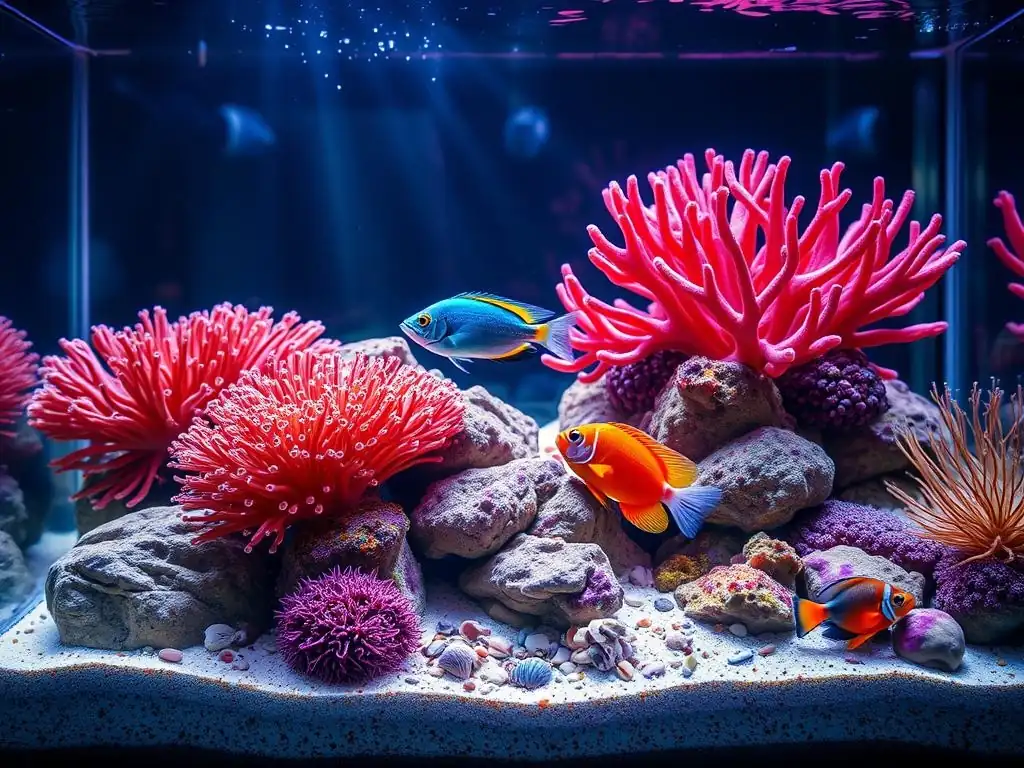
Ever wondered if your vibrant reef could be home to both dazzling dwarf angelfish and a community of equally captivating companions? Choosing the right dwarf angelfish tank mates can be a delicate dance, and we're here to guide you through it. Dive into our comprehensive guide below to discover the secrets to a harmonious and thriving saltwater aquarium, where everyone gets along swimmingly! Intrigued? Let's explore!
- Understanding Dwarf Angelfish Temperament for Successful Reef Keeping
- Dwarf Angelfish Tank Mates: A Guide to Compatible Species
- Creating a Harmonious Reef Environment for Dwarf Angelfish
- Selecting the Right Dwarf Angelfish for Your Reef
- Specific Dwarf Angelfish Species and Their Tank Mate Compatibility
- Monitoring and Maintaining a Peaceful Reef Community
- The Importance of Quarantine: Protecting Your Reef from Disease
- Troubleshooting Common Compatibility Issues with Dwarf Angelfish
- Long-Term Success: Maintaining a Thriving Reef with Dwarf Angelfish
-
Frequently Asked Questions
- What makes choosing tank mates for dwarf angelfish challenging?
- What are some generally good tank mate choices for dwarf angelfish?
- Are there any specific types of fish that should always be avoided as tank mates?
- How large of a tank is generally recommended for keeping dwarf angelfish with other fish?
- How should I introduce new fish to a tank with a dwarf angelfish already established?
- Final Reflection: Harmony in the Reef
- Ignite Your Reef: Nurture a Harmonious Angelfish Community!
Understanding Dwarf Angelfish Temperament for Successful Reef Keeping
The Personality of Dwarf Angelfish: Are They Right for Your Reef?
Dwarf angelfish, primarily species from the Centropyge genus, are renowned for their vibrant colors and relatively compact size, making them popular choices for home reef aquariums. While generally considered semi-aggressive, their temperament can vary significantly between species and even individual fish. They are often territorial, especially towards other angelfish or fish of similar shape and size, and will establish their own space within the rockwork. This territoriality stems from their natural behaviors in the wild, where they inhabit rocky crevices and coral formations, fiercely defending their foraging grounds.
A crucial aspect of their personality is their potential to nip at corals and clam mantles. Although many dwarf angelfish are labeled "reef safe with caution," this caution is paramount. Species like the Flame Angelfish ( Centropyge loriculus) or Potter's Angelfish ( Centropyge potteri) are more frequently observed nipping at large polyp stony (LPS) corals, soft corals, or zoanthids compared to others like the Coral Beauty Angelfish ( Centropyge bispinosa). This behavior is often linked to their diet and natural grazing habits, but it can also be a sign of insufficient food or boredom in the aquarium.
Key Considerations Before Adding a Dwarf Angelfish
Before introducing a dwarf angelfish to your reef, the size and maturity of your aquarium are critical factors. A minimum tank size of 50-70 gallons is generally recommended for a single dwarf angelfish to provide adequate swimming space and allow for the establishment of territories. Smaller tanks can intensify territorial disputes and stress levels, making harmonious dwarf angelfish tank mates difficult to achieve. A mature tank, established for at least six months, offers the stable water parameters and abundant microfauna that dwarf angelfish thrive on, contributing to their overall health and reduced aggression.
Equally important is a thorough evaluation of your existing tank inhabitants. Assess the current fish population for their aggression levels and potential for competition. Introducing a dwarf angelfish into a tank already housing highly aggressive species, such as some triggerfish or large predatory wrasses, can lead to chronic stress, fin nipping, and even death for the angelfish. Conversely, adding a semi-aggressive dwarf angelfish to a tank of overly timid species might result in the angelfish becoming the dominant bully. Careful research into potential dwarf angelfish tank mates is essential to predict interactions.
Dwarf Angelfish Tank Mates: A Guide to Compatible Species
Ideal Reef Tank Companions for Dwarf Angelfish
Peaceful Fish Species That Thrive with Dwarf Angelfish
Selecting appropriate dwarf angelfish tank mates is crucial for a peaceful reef environment. Peaceful fish species that typically coexist well with dwarf angelfish include various types of clownfish (e.g., Ocellaris and Percula clownfish), which tend to occupy their own anemone or host coral, minimizing direct interaction.
Gobies, such as Watchman Gobies ( Cryptocentrus cinctus) or Diamond Watchman Gobies ( Valenciennea puellaris), are excellent choices as they are primarily bottom-dwellers and sand sifters, occupying a completely different niche. Similarly, blennies, like the Lawnmower Blenny ( Salarias fasciatus) or Two-Spot Blenny ( Ecsenius bimaculatus), are often peaceful grazers that do not compete directly with dwarf angelfish for space or food.
Other compatible dwarf angelfish tank mates include certain peaceful tangs (e.g., Yellow Tangs, Zebrasoma flavescens, in larger tanks of 90 gallons or more), cardinalfish (e.g., Banggai Cardinalfish, Pterapogon kauderni), and some smaller wrasses (e.g., Fairy Wrasses, Cirrhilabrus spp., or Flasher Wrasses, Paracheilinus spp.). These species generally have different swimming patterns and dietary preferences, reducing competition. For instance, cardinalfish are often mid-water column dwellers, while dwarf angelfish prefer to cruise among the rockwork. This spatial separation helps to prevent territorial disputes and allows all inhabitants to thrive.
Invertebrates That Coexist Harmoniously with Dwarf Angels
Many common reef invertebrates can serve as harmonious dwarf angelfish tank mates. Most species of snails, such as Turbo Snails ( Turbo fluctuosa), Nassarius Snails ( Nassarius vibex), and Cerith Snails ( Cerithium atratum), are excellent clean-up crew members and are generally ignored by dwarf angelfish. Similarly, hermit crabs, including Blue Leg ( Clibanarius tricolor) and Red Leg Hermit Crabs ( Paguristes cadenati), are also typically safe additions. Shrimp species like Peppermint Shrimp ( Lysmata wurdemanni) and Skunk Cleaner Shrimp ( Lysmata amboinensis) are usually not bothered by dwarf angelfish and can even provide cleaning services.
Regarding corals, many SPS (small polyp stony) corals like Acropora and Montipora are generally safe with dwarf angelfish. Soft corals such as mushrooms ( Rhodactis spp., Discosoma spp. ), zoanthids ( Palythoa spp., Zoanthus spp. ), and leather corals ( Sarcophyton spp.) are also often compatible, though caution is always advised. It is important to remember that individual dwarf angelfish can develop a taste for certain corals, even those generally considered safe. Observing their behavior closely after introduction is key, especially with LPS corals like Euphyllia (Hammer, Frogspawn, Torch corals) or clam mantles, which are more frequently targeted.
Fish to Avoid: Incompatible Tank Mates for Dwarf Angelfish
Aggressive Fish Species That May Bully Dwarf Angelfish
When considering dwarf angelfish tank mates, it's crucial to identify species that can pose a threat. Highly aggressive fish, such as large triggerfish (e.g., Clown Triggerfish, Balistoides conspicillum), puffers, or certain large groupers, are generally unsuitable companions. These predators can view dwarf angelfish as food or simply bully them relentlessly, leading to extreme stress, physical injury, and ultimately, death. Even some larger, more boisterous tangs (e.g., Sohal Tang, Acanthurus sohal, in tanks under 180 gallons) or very aggressive damselfish (e.g., Domino Damselfish, Dascyllus trimaculatus) can intimidate and harass smaller dwarf angelfish, outcompeting them for food and territory.
The consequences of housing dwarf angelfish with aggressive tank mates can be severe. Constant harassment leads to chronic stress, which suppresses the angelfish's immune system, making it highly susceptible to diseases like marine ich or bacterial infections. Fin nipping is a common sign of bullying, and severe cases can result in the angelfish refusing to eat, hiding constantly, or exhibiting faded coloration. The stress can also lead to a complete breakdown of their natural behavior, preventing them from thriving in the reef environment.
Fish with Similar Niches That Cause Competition
One of the most common pitfalls in dwarf angelfish compatibility is attempting to house multiple Centropyge species in a single aquarium, especially in tanks under 100-120 gallons. Most dwarf angelfish are highly territorial towards their own kind or other angelfish species, leading to intense inter-species aggression and competition for food and hiding spots. Even if different species, their similar body shapes and dietary needs often trigger territorial disputes. For instance, a Flame Angelfish and a Coral Beauty in a 75-gallon tank are highly likely to clash, with one fish often dominating and stressing the other.
Beyond other angelfish, fish that occupy very similar feeding niches can also cause competition, even if not overtly aggressive. For example, if you have multiple species that primarily graze on algae or pick at rockwork, and the tank's natural food supply is limited, this can lead to subtle but persistent competition. While dwarf angelfish predominantly graze on algae and detritus, they also consume small invertebrates.
If other tank mates, such as certain blennies or wrasses, also heavily rely on these specific food sources in a constrained environment, it can lead to stress and reduced foraging opportunities for the angelfish. Ensuring a diverse diet and sufficient food availability is key to mitigating such issues.
Creating a Harmonious Reef Environment for Dwarf Angelfish
Providing Ample Swimming Space and Hiding Places
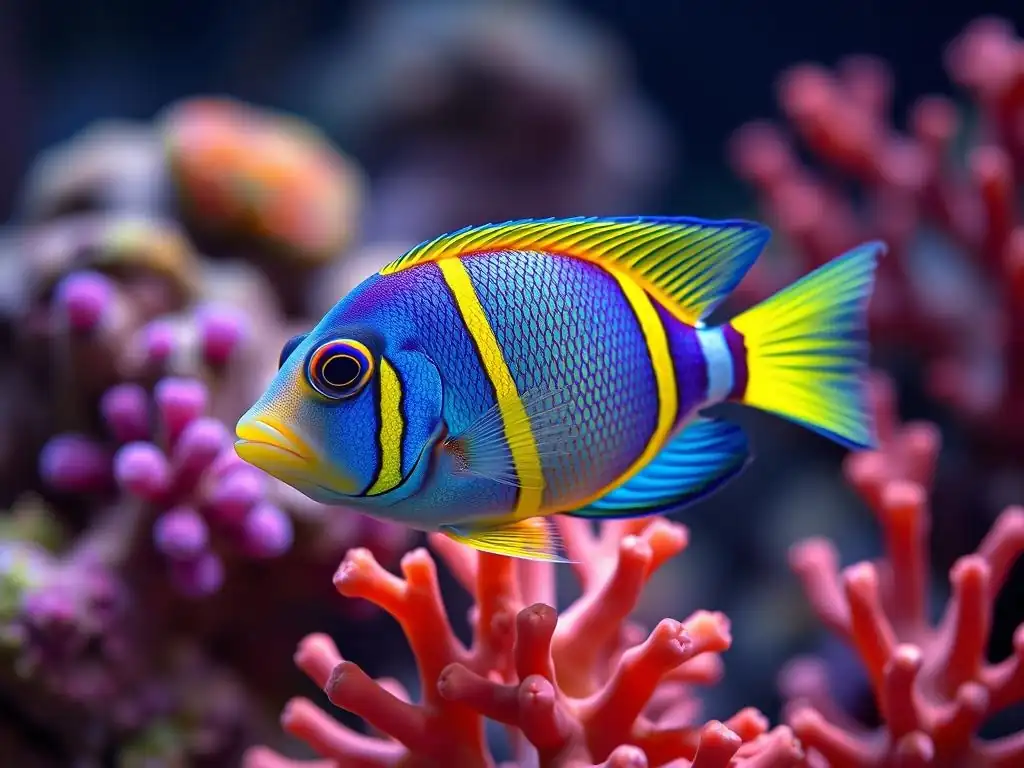
The physical layout of your reef tank plays a pivotal role in the success of dwarf angelfish compatibility. A tank size of at least 50-70 gallons for a single dwarf angelfish is crucial, and larger tanks (100+ gallons) are highly recommended if you plan to keep multiple non-angelfish dwarf angelfish tank mates or if you have a particularly active species. Ample swimming space helps to dissipate aggression, as fish have more room to escape confrontations and establish their own territories without constant overlap. It also allows for more diverse aquascaping, which is vital for their well-being.
Effective aquascaping involves creating a complex environment with numerous caves, overhangs, and swim-throughs using live rock. These structures serve as essential hiding places, allowing dwarf angelfish to retreat when feeling threatened or to rest undisturbed. More importantly, a well-designed aquascape can break up line of sight, preventing constant visual contact between tank inhabitants, which significantly reduces territorial disputes. Aim for multiple distinct "territories" within the rockwork, giving each fish a sense of personal space, which is especially important for semi-aggressive species like dwarf angelfish.
Feeding Strategies to Minimize Aggression and Competition
Ensuring All Tank Inhabitants Receive Adequate Nutrition
Proper feeding strategies are fundamental to minimizing aggression and competition among dwarf angelfish tank mates. Dwarf angelfish, being omnivores with a strong inclination towards grazing, require a varied diet. Feeding 2-3 times a day with small, high-quality portions of spirulina-based flakes, marine pellets, mysis shrimp, and brine shrimp ensures that all inhabitants receive adequate nutrition. Underfed fish are more likely to become aggressive over food sources or to pick at corals in search of sustenance. A consistent feeding schedule also helps to establish a routine, reducing stress.
To further minimize food-related aggression, disperse food widely across the tank rather than concentrating it in one spot. This allows less dominant fish, including the dwarf angelfish, to access food without being outcompeted by more aggressive or faster eaters.
For example, if feeding frozen foods, thaw and rinse them, then broadcast them over a larger area of the water surface. For grazing dwarf angelfish, providing a continuous supply of high-quality marine algae sheets (nori) clipped to a rock or an algae clip can satisfy their grazing needs throughout the day, reducing the urge to nip at corals or compete for other food items.
Selecting the Right Dwarf Angelfish for Your Reef
Identifying Healthy and Well-Adjusted Dwarf Angelfish
Observing Behavior and Physical Characteristics
When selecting a dwarf angelfish, keen observation of its behavior and physical characteristics in the fish store is paramount. A healthy dwarf angelfish should exhibit vibrant, clear coloration, free from dullness or blotches. Its eyes should be bright and clear, not cloudy or sunken. Check for intact fins; torn or clamped fins can indicate stress, disease, or bullying from other fish in the display tank. The fish should also have a full, rounded belly, suggesting it is eating well, rather than a pinched or sunken abdomen, which can be a sign of malnourishment or internal parasites.
Beyond physical appearance, observe the dwarf angelfish's behavior. A well-adjusted specimen should be active and alert, swimming freely and curiously exploring its environment. It should readily accept food when offered by the store staff, demonstrating a healthy appetite. Avoid fish that are hiding excessively, gasping at the surface, scratching against objects, or showing any signs of external parasites like white spots (Ich) or a dusty appearance (Velvet). These are indicators of stress or disease that could easily spread to your established reef and compromise the health of your existing dwarf angelfish tank mates.
Introducing a New Dwarf Angelfish to Your Existing Reef Tank
Acclimation Techniques and Monitoring
Introducing a new dwarf angelfish to your existing reef tank requires careful acclimation to minimize stress and potential shock. The drip acclimation method is highly recommended, as it slowly equalizes the water parameters (pH, salinity, temperature) between the transport bag and your aquarium. This process should ideally take 30-60 minutes, or longer for very sensitive species, by slowly dripping tank water into the fish's transport container using airline tubing. Dimming the aquarium lights during and immediately after introduction can further reduce stress by providing a calmer environment.
Once the dwarf angelfish is introduced, continuous monitoring for the first few days to a week is crucial. Observe its interactions with existing dwarf angelfish tank mates, looking for signs of aggression (chasing, nipping) or bullying.
Also, monitor the new angelfish for signs of stress, such as hiding excessively, clamped fins, rapid breathing, or refusal to eat. If severe aggression occurs, or if the new fish shows prolonged signs of stress, be prepared to intervene by rearranging aquascaping to break up lines of sight, or, as a last resort, by removing the problematic fish to a separate quarantine or hospital tank.
Specific Dwarf Angelfish Species and Their Tank Mate Compatibility
Flame Angelfish (Centropyge loriculus) Tank Mate Recommendations
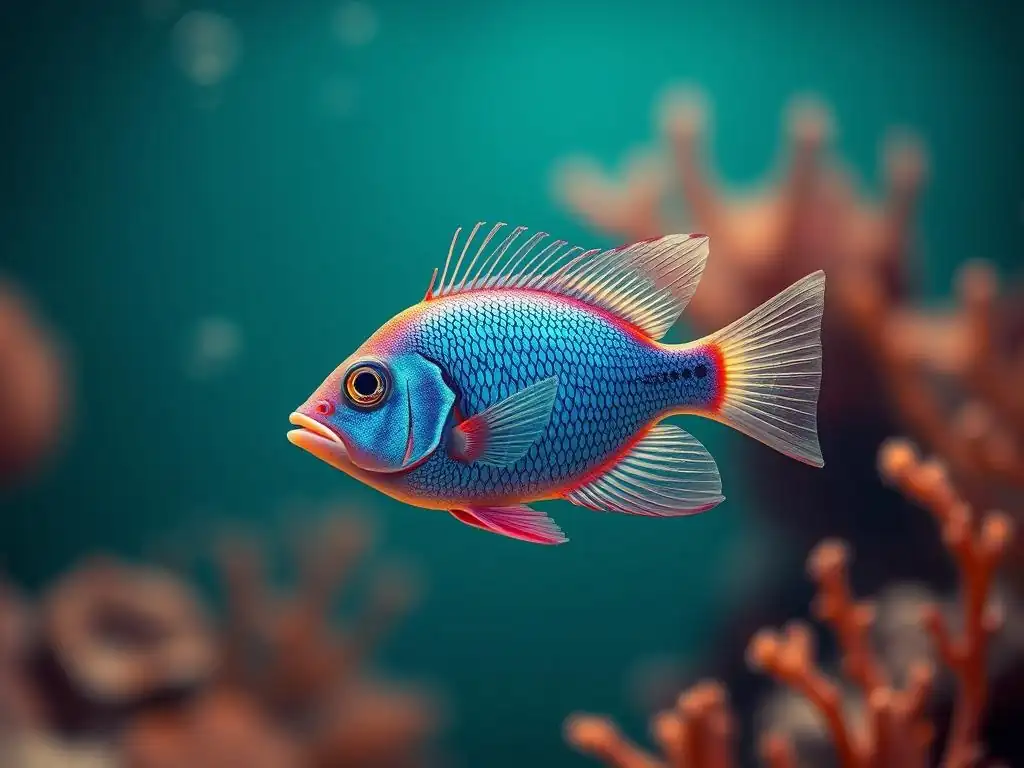
The Flame Angelfish ( Centropyge loriculus) is arguably the most popular dwarf angelfish due to its striking red-orange coloration and electric blue highlights. They are generally compatible with peaceful to semi-aggressive dwarf angelfish tank mates. Good companions include clownfish, gobies (like the Yellow Watchman Goby, Cryptocentrus cinctus), blennies (such as the Midas Blenny, Ecsenius midas), and peaceful tangs in larger systems (e.g., Yellow Tang, Zebrasoma flavescens). They can be territorial, especially towards other dwarf angelfish or fish of similar size and shape, so single specimens are usually recommended in tanks under 100 gallons.
Regarding reef safety, Flame Angelfish are considered "reef safe with caution." While many individuals will ignore corals, some have a propensity to nip at large polyp stony (LPS) corals, clam mantles, or certain soft corals like zoanthids. This behavior is often individual-specific and can be mitigated by providing a varied diet rich in spirulina and marine algae, along with ample live rock for natural grazing. Ensuring they are well-fed and have sufficient space can reduce the likelihood of them developing an interest in your corals.
Coral Beauty Angelfish (Centropyge bispinosa) Tank Mate Recommendations
The Coral Beauty Angelfish ( Centropyge bispinosa) is another highly sought-after dwarf angelfish, known for its vibrant purple-blue body fading to orange-red. It is generally considered one of the more peaceful and adaptable dwarf angelfish species, making it an excellent choice for a community reef tank. Compatible dwarf angelfish tank mates include most peaceful community fish like cardinalfish (e.g., Pajama Cardinalfish, Sphaeramia nematoptera), chromis (e.g., Green Chromis, Chromis viridis), royal grammas ( Gramma loreto), and smaller wrasses (e.g., Six-Line Wrasse, Pseudocheilinus hexataenia). They are less prone to overt aggression towards non-angelfish species.
In terms of reef safety, the Coral Beauty is often cited as one of the "safer" dwarf angelfish for mixed reef tanks. While the "with caution" caveat still applies to all Centropyge species, individual Coral Beauties are less frequently reported to nip at corals compared to Flame Angelfish or Lemonpeel Angelfish. They primarily graze on algae and detritus. To further reduce any potential for coral nipping, ensure a consistent and varied diet that includes plenty of vegetable matter like spirulina flakes and nori, alongside meaty foods.
Pygmy Angelfish (Centropyge argi) Tank Mate Recommendations
The Pygmy Angelfish ( Centropyge argi), also known as the Cherub Angelfish, is one of the smallest dwarf angelfish, typically reaching only about 3 inches in length. Its small size makes it suitable for nano reef tanks (minimum 30 gallons), but it also means it can be easily intimidated by larger, more boisterous tank mates. Ideal dwarf angelfish tank mates for the Pygmy Angelfish are very peaceful and similarly sized species.
This includes small gobies (e.g., Clown Gobies, Gobiodon spp. ), dartfish (e.g., Firefish Goby, Nemateleotris magnifica), and small clownfish. Avoid any fish that are overtly aggressive, very large, or fast swimmers that might outcompete it for food.
Due to their diminutive size and natural diet primarily consisting of algae and small invertebrates, Pygmy Angelfish are generally considered one of the most reef-safe dwarf angelfish species. They are less likely to bother corals compared to their larger Centropyge cousins. However, their small size means they require ample hiding spots within the rockwork to feel secure. A tank with plenty of live rock crevices and caves will allow them to thrive and exhibit their natural behaviors without stress.
Potter's Angelfish (Centropyge potteri) Tank Mate Recommendations
The Potter's Angelfish ( Centropyge potteri) is a beautiful dwarf angelfish endemic to Hawaii, characterized by its unique orange and blue striped pattern. They tend to be more shy and reclusive than some other dwarf angelfish species, requiring a peaceful environment with plenty of hiding places. Suitable dwarf angelfish tank mates include tranquil species such as Firefish ( Nemateleotris magnifica), Royal Grammas ( Gramma loreto), smaller wrasses (e.g., Possum Wrasses, Wetmorella spp. ), and blennies. Avoid highly active or aggressive fish that might stress or outcompete this more delicate angelfish.
Like the Flame Angelfish, Potter's Angelfish are considered "reef safe with caution." While their natural diet includes algae and detritus, individual specimens can develop a propensity for nipping at corals, particularly zoanthids and some LPS corals. Consistent and varied feeding is crucial to satisfy their grazing instincts and reduce the likelihood of coral nipping. Providing a stable and mature reef environment with abundant live rock for grazing will help keep them healthy and less inclined to bother corals.
Monitoring and Maintaining a Peaceful Reef Community
Recognizing Signs of Stress or Aggression in Dwarf Angelfish
Maintaining a peaceful reef community with dwarf angelfish requires diligent observation. Recognizing signs of stress or aggression early can prevent widespread issues. Look for physical indicators like clamped fins, faded or patchy coloration, rapid or labored breathing, and torn fins. Behavioral cues include excessive hiding (beyond normal resting periods), refusal to eat, constant scratching against rocks, or a noticeable change in swimming patterns. If your dwarf angelfish is constantly being chased or is the one doing the chasing and nipping, these are clear signs of compatibility problems with its dwarf angelfish tank mates.
Pay particular attention during feeding times, as this is often when hierarchical issues or food competition become most apparent. Note if certain fish are consistently unable to get food, or if one fish dominates the feeding frenzy. Observing the overall dynamic of the tank will reveal if the dwarf angelfish is thriving or merely surviving. A healthy dwarf angelfish should be active, curious, and exhibit its natural behaviors, including grazing on rockwork and exploring the tank.
Adjusting Tank Conditions to Promote Harmony
If signs of stress or aggression appear, adjusting tank conditions can often promote harmony among dwarf angelfish tank mates. One effective strategy is to rearrange the aquascaping. Moving live rock can disrupt established territories and create new hiding spots or visual barriers, which can significantly reduce direct confrontations. Adding more live rock can also provide additional shelter and grazing surfaces, reducing competition for resources. Sometimes, simply adding a dither fish – a fast-moving, peaceful fish that signals safety to more timid species – can alleviate stress.
If food competition is the primary issue, increase the frequency of feedings or disperse food more widely to ensure all inhabitants receive adequate nutrition. Sometimes, temporary removal of the aggressor or the bullied fish to a separate quarantine tank can allow the main tank's dynamics to reset.
After a few days or weeks, reintroducing the fish (often the aggressor first, or the bullied fish after the aggressor has been removed) can sometimes lead to a more peaceful integration. However, in severe or persistent cases, permanent removal of an incompatible fish may be the only solution to maintain a thriving reef.
The Importance of Quarantine: Protecting Your Reef from Disease
Preventing the Introduction of Parasites and Infections
The importance of quarantining new dwarf angelfish cannot be overstated. A dedicated quarantine tank (QT) is your primary defense against introducing devastating diseases and parasites into your established reef system. New fish, even those appearing healthy, can carry a host of pathogens, including common marine ich ( Cryptocaryon irritans), marine velvet ( Amyloodinium ocellatum), Brooklynella, or various bacterial infections. These diseases can quickly spread to and decimate an entire reef tank, leading to significant financial losses and emotional distress, especially when considering the investment in corals and existing dwarf angelfish tank mates.
A proper quarantine protocol isolates new arrivals, allowing you to observe them for signs of illness and treat them proactively without exposing your main display tank. This preventive measure saves countless hours of troubleshooting, expensive medication treatments for the entire tank, and the heartbreak of losing beloved inhabitants. It's a small, temporary setup that offers immense long-term benefits for the health and stability of your entire reef ecosystem.
Quarantine Procedures for New Dwarf Angelfish
Setting up a quarantine tank for a new dwarf angelfish is relatively simple. A 10-20 gallon bare-bottom tank with a heater, a small power filter (or sponge filter), and some PVC pipes or inert plastic decorations for hiding spots is usually sufficient. Avoid using substrate, as it can harbor parasites and make cleaning difficult. The quarantine period should last a minimum of 3-4 weeks, during which the new dwarf angelfish is observed daily for any signs of disease. If symptoms appear, the quarantine period should be extended, and appropriate treatments administered.
During quarantine, it's crucial to maintain stable water parameters similar to your main display tank. Feed the dwarf angelfish a varied, high-quality diet to build its strength and immune system. Many aquarists opt for a prophylactic treatment for common parasites like Ich during quarantine, even if no symptoms are present. This ensures that the fish is completely parasite-free before being introduced to your main reef. Only when the dwarf angelfish is eating well, active, and shows no signs of illness should it be transferred to the display tank to join its new dwarf angelfish tank mates.
Troubleshooting Common Compatibility Issues with Dwarf Angelfish
Dealing with Fin-Nipping or Bullying Behavior
Fin-nipping or bullying behavior is a common compatibility issue in reef tanks, and dwarf angelfish can be either the perpetrator or the victim. If your dwarf angelfish is the aggressor, first assess if the tank is too small, if there's enough live rock to establish territories, or if it's consistently underfed, which can lead to increased aggression. Sometimes, introducing new dwarf angelfish tank mates can trigger territorial disputes. If the dwarf angelfish is being bullied, identify the aggressor – it could be another angelfish, a more dominant tang, or even a particularly aggressive clownfish.
Solutions vary depending on the cause. If the tank is too small or lacks sufficient hiding places, adding more live rock or rearranging the existing aquascaping to break up lines of sight can help. Increasing feeding frequency and ensuring a varied diet can reduce food-related aggression.
For persistent bullying, consider temporarily removing the aggressor to a separate tank for a few days to reset the hierarchy, or if the problem persists, permanent removal may be necessary. In some cases, adding a "dither fish" – a fast-moving, peaceful fish like a Green Chromis – can distract an aggressor and make timid fish feel safer.
Solutions for Excessive Algae Consumption
While dwarf angelfish are natural grazers on algae and detritus, "excessive" consumption that leads to coral nipping is a common concern. This behavior often indicates that the angelfish's natural dietary needs are not being fully met, or that it is exploring alternative food sources due to boredom or stress. It's important to distinguish between natural grazing on nuisance algae (which is beneficial) and targeted nipping at specific corals, especially LPS corals, zoanthids, or clam mantles.
The primary solution is to provide a consistent and abundant supply of alternative food sources. Supplement their diet with high-quality spirulina flakes, marine pellets formulated for angelfish, and daily offerings of dried marine algae (nori) clipped to a rock or an algae clip.
Ensuring they receive a varied diet that includes both vegetable and meaty foods (like mysis shrimp) can satisfy their nutritional requirements and reduce the urge to graze on corals. If, despite these efforts, a specific dwarf angelfish continues to relentlessly nip at corals, it may unfortunately be an individual that is not suitable for a mixed reef environment, and rehoming might be the only option to protect your corals.
Long-Term Success: Maintaining a Thriving Reef with Dwarf Angelfish
Consistent Observation and Proactive Management
Long-term success in maintaining a thriving reef with dwarf angelfish hinges on consistent observation and proactive management. Regularly spending time observing your aquarium daily allows you to pick up on subtle changes in behavior, coloration, or interaction dynamics among your dwarf angelfish and its tank mates. Early detection of stress, aggression, or disease symptoms can make the difference between a minor adjustment and a major crisis. Pay attention to how the angelfish interacts with other fish during feeding times, how it uses the aquascape, and whether it exhibits its natural foraging behaviors.
A reef ecosystem is dynamic and constantly evolving. What works perfectly today might require adjustments months down the line as fish grow, territories shift, or new inhabitants are introduced. Be prepared to adapt your aquascaping, feeding routines, or even your stocking list if compatibility issues arise over time. Proactive management also involves understanding the specific needs and potential temperamental quirks of your chosen dwarf angelfish species and planning your tank accordingly from the outset.
Regular Water Testing and Maintenance Schedules
Stable and pristine water quality is the bedrock of a healthy and peaceful reef environment for dwarf angelfish and their tank mates. Regular water testing (e.g., weekly or bi-weekly) for key parameters such as temperature, salinity, pH, alkalinity, calcium, magnesium, nitrates, and phosphates is essential. Fluctuations or poor water quality can lead to increased stress, weakened immune systems, and heightened aggression in fish. For instance, high nitrates can stress fish and even promote nuisance algae growth, which some dwarf angelfish might excessively graze on, potentially leading to coral nipping.
Adhering to a consistent maintenance schedule, including regular water changes (e.g., 10-20% bi-weekly), filter cleaning, and equipment checks, prevents problems before they escalate. A clean and stable environment reduces stress on all inhabitants, making them less prone to disease and less likely to exhibit aggressive behaviors. When the water parameters are consistently within optimal ranges, your dwarf angelfish will be healthier, more vibrant, and significantly more likely to coexist harmoniously with their reef companions.
Frequently Asked Questions
What makes choosing tank mates for dwarf angelfish challenging?
Dwarf angelfish can be territorial and nippy, especially towards other fish with similar body shapes or those that are slower moving. Careful consideration is needed to avoid aggression and ensure a peaceful reef environment.
What are some generally good tank mate choices for dwarf angelfish?
Good options often include faster-moving, peaceful fish that occupy different areas of the tank. Examples include certain types of dartfish, chromis, and some smaller wrasses.
Are there any specific types of fish that should always be avoided as tank mates?
Avoid aggressive fish, larger angelfish, and fish with flowing fins, as these can become targets for nipping. Also, avoid fish that compete for the same food source.
How large of a tank is generally recommended for keeping dwarf angelfish with other fish?
A larger tank is always preferable, ideally 75 gallons or more, to provide ample space and reduce territorial disputes. This allows for more hiding spots and reduces stress.
How should I introduce new fish to a tank with a dwarf angelfish already established?
Use a gradual introduction process, such as a quarantine tank or acclimation box, to minimize stress and allow the dwarf angelfish to adjust to the new additions. Observe carefully for any signs of aggression.
Final Reflection: Harmony in the Reef
The delicate balance of a reef ecosystem, as we've explored in the context of dwarf angelfish compatibility, is not merely an academic exercise but a vital consideration for responsible reef keeping. Understanding the nuances of species interaction is paramount, not just for the health of our miniature underwater worlds, but also as a microcosm reflecting the broader need for mindful coexistence in all aspects of life.
The journey of selecting appropriate dwarf angelfish tank mates underscores the profound impact our choices have on the lives of other beings. This careful consideration, this empathy extended to creatures within our care, resonates far beyond the confines of a glass tank. The greatness of a nation and its moral progress can be judged by the way its animals are treated.
- Mahatma Gandhi. This quote reminds us that our actions, however small, reflect our values and shape the world around us.
As you contemplate the vibrant tapestry of your own reef, remember that creating a harmonious environment requires patience, observation, and a genuine commitment to understanding the needs of each inhabitant. Let the lessons learned from choosing the right dwarf angelfish tank mates inspire you to cultivate similar understanding and compassion in your interactions with the world, fostering a future where coexistence and respect thrive in all ecosystems, both natural and those we create.
Ignite Your Reef: Nurture a Harmonious Angelfish Community!
Thank you for diving into the world of dwarf angelfish and their reef compatibility! We hope you’ve gained valuable insights into creating a peaceful aquatic haven. Now, let's turn that knowledge into action!
- Craft Your Compatibility Plan: Define your reef's temperament and select a dwarf angelfish known for its gentle nature. This is your primary action – a well-researched choice makes all the difference!
- Explore Compatibility Charts: Delve into lesser-known angelfish species pairings. Discover those surprising matches that could enhance your reef's biodiversity.
- Share Your Experiences: Contribute to the community! What unexpected successes (or challenges) have you faced in introducing dwarf angelfish to your reef?
What unique strategy will you employ to ensure your angelfish coexist peacefully in your reef environment?