
Substrate Choices for Your Angelfish Aquarium: Pros & Cons Revealed

Welcome to Aquarium Mastery!
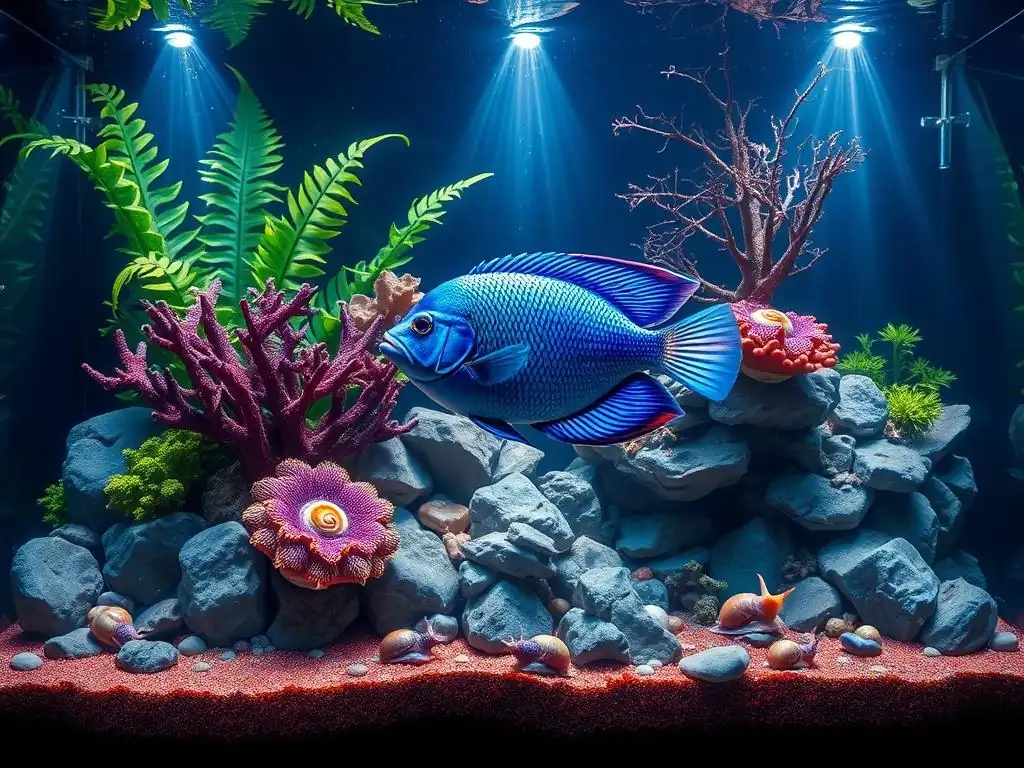
Ever wondered if your angelfish are truly thriving in their environment? The secret might just lie beneath their fins. Dive in to discover the best substrate choices for your angelfish aquarium and unlock a world of vibrant colors and healthy growth. But beware, some options can be detrimental! Read on to learn the pros and cons and find out which substrate will create the perfect underwater paradise for your angelfish.
- Understanding the Importance of Substrate for Saltwater Angelfish
- Angelfish Substrate Best Choices: A Detailed Comparison
- Choosing the Right Substrate Depth for Your Angelfish Tank
- Maintaining Your Angelfish Aquarium Substrate: Best Practices
- Substrate and Angelfish Behavior: What to Consider
- Conclusion: Selecting the Ideal Substrate for Your Angelfish Aquarium
- Frequently Asked Questions
- Final Reflection: Cultivating Harmony Beneath the Surface
- Unleash Your Angelfish Aquarium's Potential!
Understanding the Importance of Substrate for Saltwater Angelfish
The Role of Substrate in Angelfish Tank Ecosystems
The substrate in a saltwater angelfish aquarium is far more than just a decorative element; it forms a foundational component of the tank's delicate ecosystem. It provides essential surface area for the colonization of beneficial bacteria, which are crucial for the nitrogen cycle, breaking down harmful ammonia and nitrites into less toxic nitrates. Beyond its biological role, the substrate can also offer a sense of security and a natural environment for angelfish, mimicking the sandy or rocky bottoms they inhabit in their native reef environments.
Furthermore, the right substrate choice can influence the natural behaviors of angelfish. For instance, some angelfish species, while not primarily sand-sifters, may occasionally browse or rest on the substrate. A soft, fine-grained substrate like aragonite sand can provide a comfortable surface for these activities, reducing stress and promoting overall well-being. This contributes significantly to creating the ideal "Angelfish substrate best choices" environment.
Impact of Substrate on Water Quality for Angelfish
The type of substrate directly impacts the water chemistry of an angelfish aquarium, a critical factor for the health of marine fish. Calcareous substrates, such as aragonite sand and crushed coral, are composed primarily of calcium carbonate. These materials slowly dissolve over time, releasing calcium and carbonate ions into the water, which helps to maintain stable pH levels (typically 8.1-8.4) and alkalinity (7-12 dKH). This buffering capacity is vital for saltwater angelfish, as sudden fluctuations in pH can cause severe stress and health problems.
Conversely, an unsuitable or poorly maintained substrate can negatively affect water quality. Organic detritus, such as uneaten food and fish waste, can accumulate within the substrate bed. As this material decomposes, it releases nitrates and phosphates, which, if allowed to build up, can lead to excessive algae growth and elevated nutrient levels that are detrimental to angelfish health. High nitrate levels, exceeding 20 ppm, can weaken an angelfish's immune system, making them more susceptible to diseases like marine ich.
How Substrate Affects Beneficial Bacteria Colonies in Angelfish Aquariums
Substrate provides the vast majority of surface area for the growth of nitrifying bacteria, the cornerstone of biological filtration in any aquarium. These aerobic bacteria, primarily Nitrosomonas and Nitrobacter species, colonize the top layers of the substrate, converting toxic ammonia (from fish waste and decaying organic matter) into nitrites, and then nitrites into nitrates. A substrate with a high surface area, like porous aragonite sand, can support a robust population of these bacteria, ensuring efficient waste processing.
In deeper substrate beds, particularly those exceeding 4 inches (10 cm), anaerobic conditions can develop. These oxygen-deprived zones support denitrifying bacteria, which convert nitrates into harmless nitrogen gas that dissipates from the water. This natural process helps in reducing overall nitrate levels, a significant advantage for maintaining optimal water quality for angelfish. The effectiveness of this process is heavily dependent on the substrate type and depth, making it a key consideration for "Angelfish substrate best choices" when aiming for advanced biological filtration.
Angelfish Substrate Best Choices: A Detailed Comparison
Aragonite Sand: The Reef-Safe Standard for Angelfish Tanks
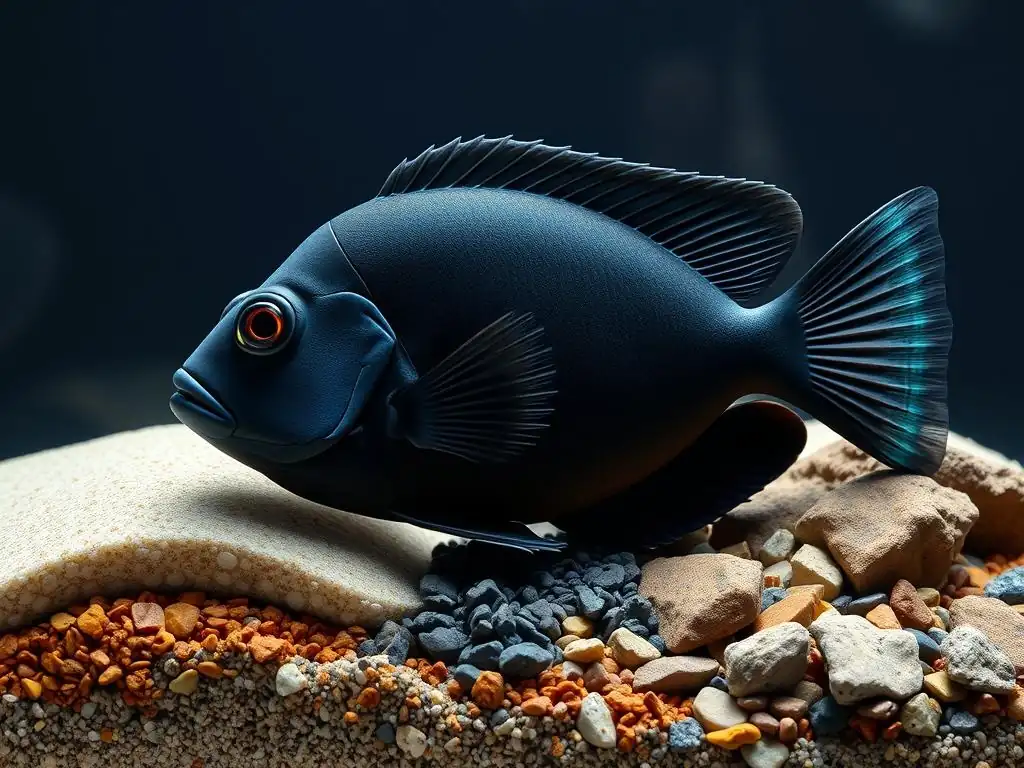
Aragonite sand is widely considered the gold standard for marine aquariums, including those housing angelfish. It is a natural form of calcium carbonate, typically harvested from ancient seabeds, and comes in various grain sizes, from very fine sugar-sized to coarser grades. Its natural origin and chemical composition make it an ideal choice for mimicking the sandy bottoms and reef environments where many saltwater angelfish species thrive.
Beyond its aesthetic appeal, aragonite sand plays a crucial role in water chemistry. Its buffering capabilities are highly valued in saltwater setups, contributing to the stability required for sensitive marine inhabitants like angelfish. Many aquarists find that aragonite sand provides the most natural and beneficial foundation for their angelfish habitat, making it a top contender when considering "Angelfish substrate best choices".
Pros of Aragonite Sand for Angelfish: Buffering Capacity & Natural Look
- Buffering Capacity: Aragonite sand actively helps maintain stable pH and alkalinity (dKH) levels, which are critical for saltwater angelfish health. As it slowly dissolves, it releases calcium and carbonate ions, buffering the water against harmful pH swings. For example, a well-established aragonite sand bed can help maintain a consistent pH of 8.2-8.3, essential for the long-term well-being of marine angelfish.
- Natural Look: Its fine, white to off-white grains provide a beautiful, natural aesthetic that closely resembles the sandy areas adjacent to coral reefs, a common habitat for many angelfish species. This natural appearance can reduce stress and encourage more natural behaviors in your angelfish.
- Soft on Fish: The smooth, rounded grains of aragonite sand are gentle on the delicate barbels and fins of angelfish, especially if they occasionally sift through it or rest on the bottom. This minimizes the risk of abrasions or injuries, which is a key factor in "Angelfish substrate best choices".
Cons of Aragonite Sand: Potential for Nitrate Buildup & Cleaning Requirements
- Potential for Nitrate Buildup: Due to its fine grain size, aragonite sand can easily trap detritus, such as uneaten food and fish waste, deep within the bed. If not regularly disturbed or vacuumed, this accumulated organic matter can decompose anaerobically, leading to a build-up of nitrates and potentially harmful hydrogen sulfide gas in very deep, unoxygenated pockets.
- Cleaning Requirements: While beneficial, the fine nature of aragonite sand means that vacuuming requires a delicate touch. Too vigorous vacuuming can stir up fine particles, clouding the water and potentially disrupting established bacterial colonies. Regular, gentle spot-vacuuming is necessary to prevent excessive detritus accumulation.
- Flow Impairment: In very deep or compacted beds, the fine grains can impede water flow through the substrate, potentially leading to dead spots where beneficial aerobic bacteria cannot thrive, further contributing to anaerobic conditions.
Crushed Coral: A Coarser Option for Angelfish Aquariums
Crushed coral is another popular calcareous substrate used in saltwater aquariums, often as an alternative or in combination with aragonite sand. It consists of larger, irregularly shaped pieces of coral skeleton, providing a coarser texture compared to fine sands. Like aragonite, its calcium carbonate composition offers buffering benefits, making it suitable for maintaining stable water parameters essential for angelfish.
While it shares the buffering properties of aragonite, its distinct texture and particle size present both advantages and disadvantages. It can be a good option for aquarists seeking a more rugged look or those with specific filtration needs, but careful consideration is needed regarding its potential impact on delicate angelfish.
Pros of Crushed Coral Substrate: Improved Water Flow & Biological Filtration
- Improved Water Flow: The coarser, irregular grains of crushed coral create larger interstitial spaces within the substrate bed. This allows for better water circulation through the substrate, reducing the likelihood of detritus becoming trapped and minimizing the formation of anaerobic pockets compared to very fine sands.
- Biological Filtration: Crushed coral offers a significant amount of surface area for nitrifying bacteria to colonize. Its porous nature can provide ample habitat for these beneficial microorganisms, contributing to a robust biological filter that effectively processes ammonia and nitrites.
- Buffering Capacity: Similar to aragonite, crushed coral is rich in calcium carbonate and excels at buffering pH and alkalinity, helping to stabilize critical water parameters for saltwater angelfish. This makes it a viable "Angelfish substrate best choice" for maintaining a stable environment.
Cons of Crushed Coral Substrate: Sharp Edges & Potential for Trapped Debris
- Sharp Edges: One of the primary drawbacks of crushed coral is its irregular and often sharp edges. These can potentially abrade or injure the delicate fins, barbels, or skin of angelfish, especially species that may rest on the bottom or attempt to sift through the substrate. This risk is a significant consideration for angelfish health.
- Potential for Trapped Debris: While its coarser nature allows for better water flow than compacted fine sand, the larger gaps in crushed coral can still trap significant amounts of detritus. This trapped organic matter can degrade over time, leading to elevated nitrate levels if not regularly cleaned.
- Aesthetics: For some aquarists, the coarser, less uniform appearance of crushed coral may not provide the same natural aesthetic as fine aragonite sand, which more closely mimics many angelfish's natural sandy habitats.
Bare Bottom Tanks: An Alternative for Angelfish Keepers?
A bare bottom tank, as the name suggests, features no substrate at all, leaving the bottom glass of the aquarium exposed. While this setup deviates significantly from a natural angelfish environment, it is sometimes chosen for specific reasons, particularly in systems with very high bio-loads, quarantine tanks, or breeding setups where ease of cleaning and waste removal are paramount.
For angelfish, especially larger species or those known to be messy eaters, a bare bottom tank can simplify maintenance significantly. However, it comes with its own set of trade-offs regarding the fish's natural behavior and the overall aesthetic and biological balance of the aquarium.
Pros of Bare Bottom Tanks: Easy Cleaning & Reduced Nitrate Issues
- Easy Cleaning: The most significant advantage of a bare bottom tank is the unparalleled ease of cleaning. All detritus, uneaten food, and fish waste settle directly on the tank bottom, making it incredibly simple to siphon out during routine maintenance. This can reduce the time spent on cleaning by up to 50% compared to deep sand beds.
- Reduced Nitrate Issues: With no substrate to trap decaying organic matter, the primary source of nitrate accumulation is significantly reduced. This often results in lower, more stable nitrate levels, which is highly beneficial for the long-term health of angelfish and can prevent issues associated with high nutrient loads.
- Disease Control: In a bare bottom tank, it's easier to spot and remove parasites or external pathogens that might settle on the tank floor. This can be particularly advantageous in hospital or quarantine tanks, allowing for more effective treatment protocols.
Cons of Bare Bottom Tanks: Lack of Natural Environment & Stress on Angelfish
- Lack of Natural Environment: A bare bottom tank does not mimic the natural habitat of most angelfish species, which typically inhabit areas with sandy bottoms, rubble, or live rock. This unnatural environment can potentially cause stress in some angelfish, leading to subdued behavior or a lack of comfort.
- Aesthetics: From an aesthetic perspective, many aquarists find bare bottom tanks less visually appealing compared to those with a natural-looking substrate. The exposed glass can reflect light unnaturally and detract from the overall beauty of a display tank.
- No Denitrification: Without a substrate, there are no deep anaerobic zones to support denitrifying bacteria, which naturally convert nitrates into nitrogen gas. This means nitrate reduction relies entirely on water changes and other filtration methods, making it less of an "Angelfish substrate best choice" for natural nitrate removal.
Live Sand: Cultivating a Thriving Angelfish Reef Environment
Live sand is essentially pre-cycled substrate, consisting of aragonite sand that has been seeded with beneficial bacteria and a diverse array of micro-organisms, including copepods, amphipods, and other beneficial microfauna. It is typically packaged in water to keep these organisms alive and active. The immediate introduction of these living components can significantly jumpstart the biological processes in a new angelfish aquarium.
Choosing live sand can accelerate the establishment of a mature and stable ecosystem, making it an appealing option for aquarists who want to quickly create a thriving environment for their angelfish. It is considered a premium "Angelfish substrate best choice" for those prioritizing rapid biological maturity and biodiversity.
Pros of Live Sand: Enhanced Biological Filtration & Natural Food Source
- Enhanced Biological Filtration: Live sand immediately introduces a robust population of nitrifying bacteria, significantly shortening or even eliminating the initial nitrogen cycling period for a new tank. Studies have shown that tanks using live sand can achieve stable ammonia and nitrite levels up to 70% faster than those using dry sand.
- Natural Food Source: The microfauna present in live sand, such as copepods and amphipods, can serve as a continuous, natural food source for angelfish and other tank inhabitants. This supplements their diet and encourages natural foraging behaviors, contributing to their overall health and vitality.
- Biodiversity: Live sand contributes to the overall biodiversity of the aquarium, establishing a more complex and resilient ecosystem from the outset. This can lead to a more stable environment and better long-term health for your angelfish.
Cons of Live Sand: Higher Initial Cost & Requires Careful Maintenance
- Higher Initial Cost: Live sand is typically more expensive per pound than dry aragonite sand due to the added cost of culturing and packaging the live bacteria and micro-organisms. This can significantly increase the initial setup cost for larger angelfish aquariums.
- Requires Careful Maintenance: To preserve the live properties of the sand, it must be handled carefully during transport and setup. Once in the tank, maintaining its "live" status requires consistent water quality, proper water flow, and avoiding practices that could kill off the beneficial organisms, such as aggressive vacuuming or the use of certain medications.
- Limited Shelf Life: Unlike dry sand, live sand has a limited shelf life and should be used relatively quickly after purchase to ensure the viability of its beneficial inhabitants. This requires careful planning for tank setup.
Gravel: An Inexpensive and Readily Available Option
Gravel, commonly used in freshwater aquariums, is also available for saltwater setups, though it is generally not considered an optimal "Angelfish substrate best choice" for marine angelfish. It typically consists of small, rounded or irregular stones, varying widely in size and color. While it offers a cost-effective and easily accessible option, its chemical inertness and physical properties often make it less suitable for the specific requirements of a saltwater angelfish environment.
Despite its accessibility, aquarists must understand its limitations concerning water chemistry, biological filtration, and the potential impact on sensitive marine fish before considering it for an angelfish tank.
Pros of Gravel: Cost-Effective and Easy to Find
- Cost-Effective: Gravel is generally one of the most inexpensive substrate options available, making it appealing for budget-conscious aquarists. Its lower price point can significantly reduce the initial setup cost of an aquarium compared to specialized marine sands.
- Easy to Find: Gravel is widely available at most pet stores and aquarium suppliers, often in a variety of colors and sizes. This makes it a convenient choice for those looking for a readily accessible substrate.
- Easy to Clean (Surface): The larger grain size of gravel means that most detritus settles on the surface or in the top layers, making it relatively easy to vacuum with a standard gravel vacuum.
Cons of Gravel: Can Trap Debris and Difficult to Clean Thoroughly
- Lack of Buffering: Most types of aquarium gravel are chemically inert and do not contribute to buffering pH or alkalinity. This is a significant drawback for saltwater angelfish, which require stable pH and dKH levels. Aquarists would need to rely entirely on other methods (e.g., kalkwasser, buffer solutions) to maintain these parameters.
- Can Trap Debris Deeply: While surface cleaning is easy, the large gaps between gravel pieces can allow significant amounts of detritus to fall deep into the substrate bed. This trapped organic matter can decompose anaerobically, leading to the accumulation of nitrates and potentially harmful hydrogen sulfide gas, which is toxic to angelfish.
- Unnatural Appearance: Gravel typically does not mimic the natural sandy or rocky reef habitats of saltwater angelfish, potentially creating an unnatural environment that can stress the fish.
- Sharp Edges: Some types of gravel can have sharp or abrasive edges, posing a risk of injury to the delicate fins and barbels of angelfish, especially if they attempt to sift or rest on the substrate.
Choosing the Right Substrate Depth for Your Angelfish Tank
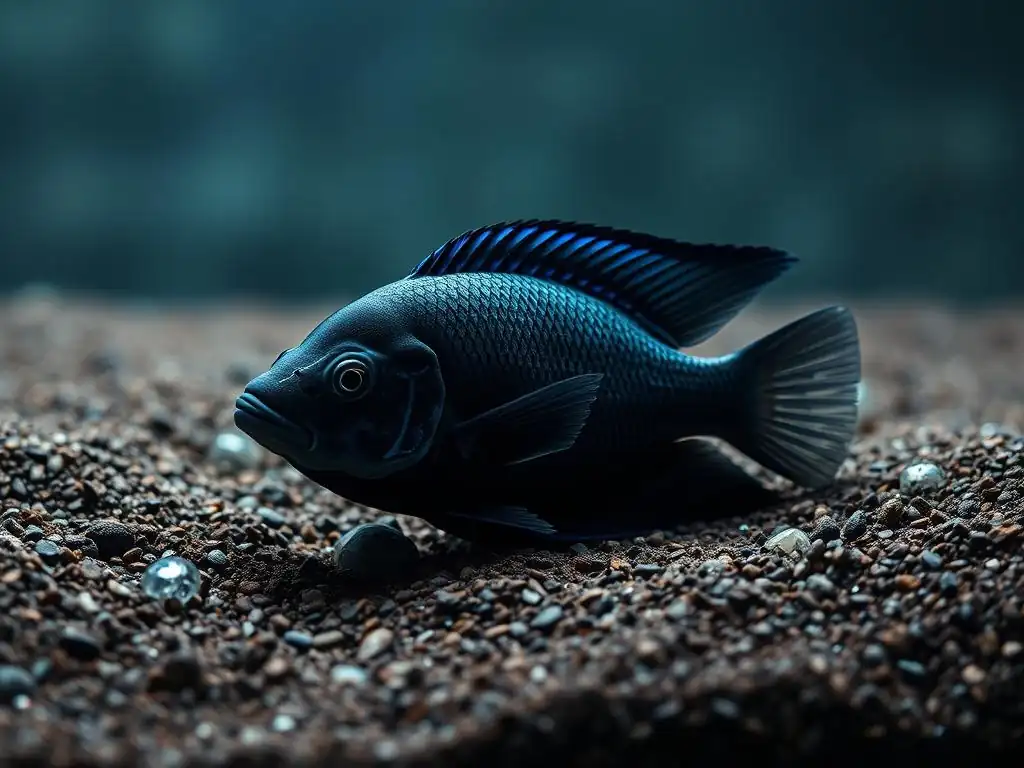
The depth of your chosen substrate is as crucial as the type itself, directly influencing water quality, biological processes, and the overall health of your angelfish. Different depths serve different purposes, from purely aesthetic to highly functional biological filtration. Understanding the implications of shallow versus deep sand beds is key to making an informed decision for your angelfish aquarium.
The ideal depth will depend on a balance of factors, including the specific angelfish species, tank size, and your maintenance philosophy. This decision significantly impacts the long-term stability and health of your marine ecosystem, making it an integral part of selecting the "Angelfish substrate best choices".
Shallow Sand Beds (SSB) vs. Deep Sand Beds (DSB) for Angelfish
Shallow Sand Beds (SSB) typically range from 1 to 2 inches (2.5 to 5 cm) in depth. Their primary benefits lie in providing a natural aesthetic, offering a surface for beneficial aerobic bacteria, and contributing some buffering capacity if using calcareous sand. SSBs are generally easier to maintain, as detritus tends to settle on the surface or in the top layers, making it readily accessible for vacuuming. They are less prone to developing dangerous anaerobic pockets due to better oxygen penetration.
Deep Sand Beds (DSB), on the other hand, are generally 4 inches (10 cm) or deeper. Their main purpose is to foster anaerobic conditions in their lower layers, supporting denitrifying bacteria that convert nitrates into nitrogen gas. This natural nitrate reduction can significantly reduce the need for frequent large water changes. However, DSBs require careful setup and maintenance to prevent the accumulation of toxic hydrogen sulfide, which can be lethal to angelfish if disturbed. For most angelfish-only or mixed-reef tanks, an SSB is often preferred due to its lower maintenance and reduced risks.
Recommended Substrate Depth Based on Angelfish Species & Tank Size
For the majority of saltwater angelfish species, a shallow sand bed (SSB) of 1 to 2 inches (2.5 to 5 cm) is often the recommended depth. This depth provides a natural appearance and a sufficient surface area for aerobic nitrifying bacteria without becoming a significant detritus trap or posing a high risk of developing dangerous anaerobic zones. Most angelfish do not actively burrow or sift deep into the substrate, making a shallower bed perfectly adequate for their behavioral needs.
For larger angelfish species, such as the Emperor Angelfish (Pomacanthus imperator) or Queen Angelfish (Holacanthus ciliaris), housed in spacious tanks (e.g., 120 gallons or more), a slightly deeper SSB of up to 3 inches (7.5 cm) can be considered. This provides a more substantial aesthetic presence while still remaining manageable for cleaning. However, for a general angelfish display tank, prioritizing ease of maintenance and minimizing anaerobic risks by keeping the substrate relatively shallow is usually the "Angelfish substrate best choice".
Maintaining Your Angelfish Aquarium Substrate: Best Practices
Proper substrate maintenance is paramount for the long-term health of your angelfish and the stability of your aquarium ecosystem. Even the "Angelfish substrate best choices" can become problematic if neglected. Without diligent care, any substrate can accumulate detritus, leading to elevated nutrient levels, algae outbreaks, and potentially harmful anaerobic zones.
Implementing a regular maintenance routine ensures that the substrate remains a beneficial component of your filtration system rather than a source of pollutants. This involves a combination of mechanical cleaning, biological control, and careful monitoring to prevent issues before they arise.
Regular Cleaning & Vacuuming of Substrate
Regular substrate cleaning and vacuuming are essential to remove accumulating detritus and prevent nutrient buildup. For most angelfish aquariums with a shallow sand bed, a gentle vacuuming using an aquarium gravel vacuum during weekly or bi-weekly water changes is highly recommended. Focus on vacuuming approximately 25-30% of the substrate surface area during each water change to avoid overly disturbing beneficial bacterial colonies.
When vacuuming sand, insert the siphon only deep enough to lift detritus without sucking up too much sand. For coarser substrates like crushed coral, deeper vacuuming might be necessary to dislodge trapped debris. Consistent removal of uneaten food, fish waste, and decaying organic matter directly reduces the organic load on your system, preventing nitrate spikes and maintaining pristine water quality for your angelfish.
Controlling Algae Growth on Angelfish Tank Substrate
Algae growth on the substrate is a common issue, often indicative of excess nutrients (nitrates and phosphates) and/or an imbalance in lighting. To control algae, start by ensuring your substrate is clean and free of detritus, as this is a primary food source for algae. Regular substrate vacuuming, as described above, is the first line of defense.
Beyond cleaning, consider adjusting your lighting schedule; reducing light duration to 8-10 hours per day can significantly curb algae growth. Introducing a diverse clean-up crew, such as various species of hermit crabs (e.g., Blue Leg Hermit Crabs, Scarlet Hermit Crabs) and snails (e.g., Nassarius snails, Turbo snails), can also help by grazing on algae and sifting through the top layers of the substrate, further preventing detritus accumulation.
Preventing Anaerobic Zones in Your Substrate
Anaerobic zones, areas within the substrate that lack oxygen, are dangerous because they can produce hydrogen sulfide, a highly toxic gas that smells like rotten eggs and is lethal to angelfish. These zones typically form in deep, undisturbed substrate beds where oxygen cannot penetrate.
To prevent anaerobic zones in shallow sand beds, regular, gentle agitation or "sifting" of the top few inches of the substrate can be beneficial, either manually with a sand stirrer or by introducing sand-sifting invertebrates like Nassarius snails or certain gobies (though research compatibility with angelfish first). For deep sand beds (DSBs) specifically designed for denitrification, proper flow and a healthy population of beneficial microfauna are critical to prevent toxic buildup. Avoid disturbing established DSBs unless absolutely necessary, as this can release trapped gases.
Substrate and Angelfish Behavior: What to Consider
The substrate in an angelfish aquarium is not merely a component of the filtration system or a decorative element; it can significantly influence the behavior and well-being of your angelfish. The color, texture, and overall nature of the substrate can impact everything from their perceived safety to their natural coloration and even their physical health.
Understanding these behavioral aspects is crucial when choosing the "Angelfish substrate best choices" for your specific species. A thoughtful selection can promote natural behaviors, reduce stress, and enhance the overall vibrancy of your angelfish.
How Substrate Color and Texture Affect Angelfish
The color of the substrate can have a subtle yet noticeable effect on angelfish coloration. Lighter-colored substrates, such as bright white aragonite sand, can sometimes cause angelfish to "pale" their colors as a form of camouflage, attempting to blend into their surroundings. Conversely, darker substrates can often enhance the vibrancy and depth of an angelfish's natural colors, making them appear more striking. Many aquarists find that a natural, off-white to light tan aragonite sand provides a good balance, enhancing colors without causing paleness.
The texture of the substrate is also important. Fine, smooth sands like aragonite are gentle on angelfish, particularly if they are species that occasionally rest on the bottom or sift through the top layers for detritus. A rough or sharp substrate, like some types of crushed coral or coarse gravel, can potentially cause abrasions or injury to their delicate fins, scales, or barbels, leading to stress or secondary infections.
Substrate and Angelfish Compatibility: Avoiding Injury
When selecting a substrate, compatibility with your angelfish's physical characteristics and natural behaviors is paramount to avoiding injury. Angelfish, while graceful, have delicate fins and can be susceptible to damage from abrasive surfaces. For instance, species that might occasionally browse the substrate for micro-organisms or rest near the bottom could easily injure themselves on sharp-edged materials.
Therefore, for the safety and well-being of your angelfish, the "Angelfish substrate best choices" will always prioritize smooth, fine-grained options like aragonite sand. These soft substrates minimize the risk of cuts, scrapes, or damage to their sensitive barbels, ensuring that your angelfish can comfortably inhabit their environment without the constant threat of physical harm. Always consider the specific species you keep and their natural behaviors when making your substrate selection.
Conclusion: Selecting the Ideal Substrate for Your Angelfish Aquarium
Key Considerations for Angelfish Substrate Selection.
Selecting the ideal substrate for your angelfish aquarium involves a careful balance of biological function, aesthetic appeal, and practical maintenance. The "Angelfish substrate best choices" will always prioritize water quality stability, providing buffering capacity to maintain consistent pH and alkalinity, which are paramount for marine angelfish health. Substrates like aragonite sand excel in this regard, actively contributing to a stable chemical environment.
Furthermore, ease of maintenance is a critical factor. A substrate that traps excessive detritus and is difficult to clean can lead to nutrient accumulation and algae problems, directly impacting the well-being of your angelfish. Finally, compatibility with angelfish behavior and physical safety, ensuring the substrate is gentle on their delicate fins and skin, should always guide your decision, promoting a stress-free and thriving habitat.
Frequently Asked Questions
What is the best substrate for an Angelfish aquarium?
The "best" substrate is subjective, but fine gravel or sand are usually recommended. These substrates are gentle on Angelfish barbels and allow for easy plant rooting, promoting a healthy environment.
Why is substrate choice important for Angelfish?
Substrate impacts water quality, plant growth, and the well-being of your Angelfish. The wrong substrate can harbor harmful bacteria or injure delicate barbels, leading to stress and disease.
Can I use large gravel with Angelfish?
While possible, large gravel isn't ideal. It can trap food and waste, making cleaning difficult. Angelfish may also struggle to forage naturally in large gravel, potentially leading to stress.
What about using a bare-bottom tank for Angelfish?
Bare-bottom tanks are easier to clean but lack the natural benefits of substrate. They can also stress Angelfish as they don't provide a natural environment or encourage beneficial bacteria growth.
How does substrate affect water chemistry in an Angelfish tank?
Certain substrates, like Aragonite, can increase water hardness and pH. This might be unsuitable for Angelfish, which generally prefer slightly acidic and soft water conditions. Choose a substrate that maintains stable and appropriate water parameters.
Okay, here's a final reflection you can use for your article, "Substrate Choices for Your Angelfish Aquarium: Pros & Cons Revealed," designed to rank for the keyword "Angelfish substrate best choices":
Final Reflection: Cultivating Harmony Beneath the Surface
The journey to creating a thriving angelfish aquarium often begins with the seemingly simple decision of substrate. Yet, as we've explored, this choice profoundly impacts the delicate ecosystem within, influencing water quality, plant growth, and ultimately, the well-being of our finned companions. Understanding the nuances of each substrate option is not just about aesthetics; it's about fostering a balanced and healthy environment where angelfish can truly flourish. The information presented here empowers aquarists to make informed decisions, moving beyond mere decoration to embrace responsible and effective aquarium management.
The selection of the right substrate is more than a technical consideration; it's an act of stewardship, shaping the underwater world we create. The subtle interplay between substrate, water chemistry, and the angelfish themselves highlights the interconnectedness of the aquarium ecosystem. This understanding resonates deeply, reminding us that even seemingly small choices have significant ripple effects. The best aquarium is not just a display of fish, but a miniature ecosystem that reflects the balance and beauty of nature.
This quote encapsulates the essence of responsible aquascaping, urging us to consider the holistic impact of our decisions.
Now, armed with this knowledge, I invite you to reflect on your own aquarium aspirations. Consider the specific needs of your angelfish, the aesthetic you envision, and the long-term health of your aquatic environment. Choose wisely, cultivate patiently, and watch as your aquarium transforms into a vibrant testament to the power of informed and compassionate care. Let your substrate selection be the foundation upon which a thriving underwater paradise is built, a place where angelfish not only survive but truly thrive.
Unleash Your Angelfish Aquarium's Potential!
Thanks for diving deep into the world of angelfish substrate! We hope you've gained valuable insights to create the perfect environment for your finned friends. Now, let's put that knowledge into action!
- Choose and install the substrate that best suits your angelfish and your aquarium's needs.
- Share your substrate selection and aquarium setup photos in the comments below!
- Try a 'deep clean' approach on the old substrate you will remove from the tank, to try to recover any eggs or fry.
Ready to transform your angelfish aquarium into a thriving underwater paradise?