
The Surgeonfish Sanctuary: Creating the Ultimate Tank for Health, Diet & Algae Balance

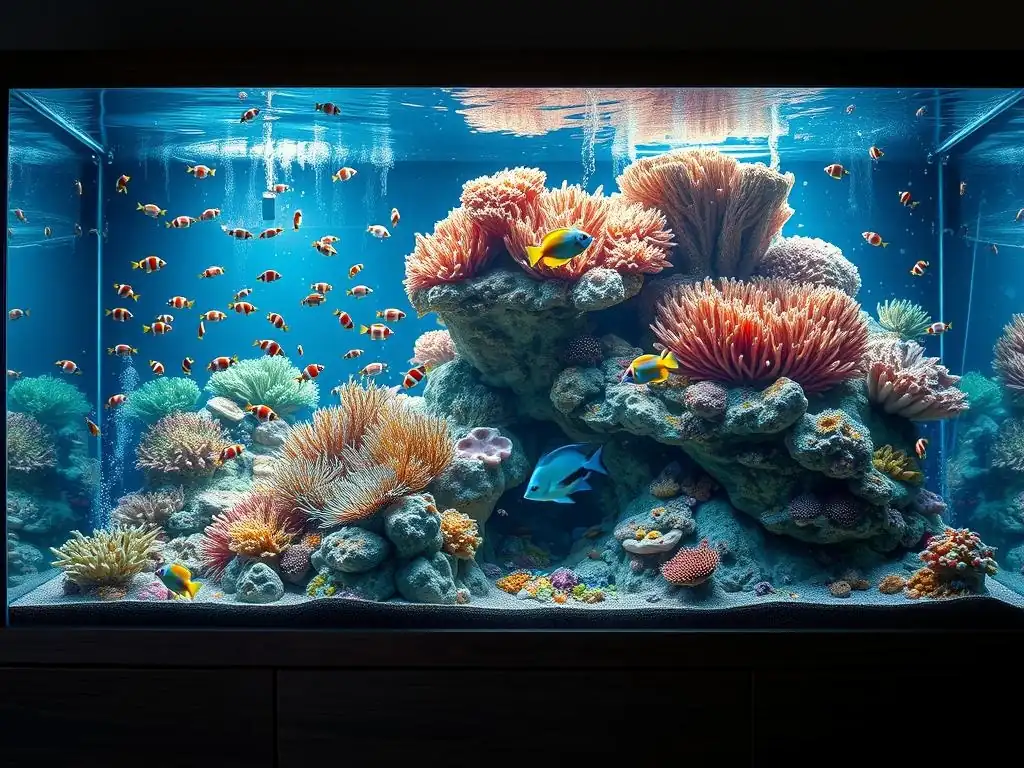
Welcome to Aquarium Mastery!
Ever wondered how to create the perfect saltwater haven where your Surgeonfish not only thrive but also help maintain a vibrant, algae-balanced ecosystem? Dive in! This article explores the secrets to achieving optimal Surgeonfish tank algae balance, ensuring a healthy environment and a happy fish. Get ready to unlock the keys to a truly stunning Surgeonfish sanctuary!
- Surgeonfish Sanctuary: Achieving Health, Diet & Algae Balance in Your Aquarium
- Understanding Surgeonfish Needs for a Thriving Aquarium
- Setting Up Your Surgeonfish Tank: Key Considerations
- Achieving Algae Balance in Your Surgeonfish Tank
- Surgeonfish Diet and Nutritional Needs: Promoting Algae Grazing
- Maintaining a Healthy Surgeonfish Tank Environment
- Troubleshooting Common Surgeonfish Tank Problems
- Advanced Techniques for Algae Control and Well-being
-
Frequently Asked Questions
- How crucial is algae balance in a Surgeonfish tank, and what are the potential consequences of imbalance?
- What type of algae is most beneficial for Surgeonfish and how can I encourage its growth in my aquarium?
- What are some effective methods for controlling excessive algae growth in a Surgeonfish tank without harming the fish?
- Besides algae, what other dietary components are necessary to ensure the optimal health and vibrant colors of Surgeonfish?
- What are some common signs that a Surgeonfish is not getting enough algae in its diet, and how can I quickly address this issue?
- Final Reflection: The Delicate Dance of Ecosystem Harmony
- Dive Deeper: Transform Your Tank into a Surgeonfish Paradise!
Surgeonfish Sanctuary: Achieving Health, Diet & Algae Balance in Your Aquarium
Understanding Surgeonfish Needs for a Thriving Aquarium
Tang Species and Their Specific Tank Requirements
Surgeonfish, commonly known as Tangs, are a diverse group of herbivorous marine fish integral to the health of coral reefs. Their specific tank requirements vary significantly by species, directly impacting the overall Surgeonfish tank algae balance within an aquarium.
For instance, the popular Yellow Tang (Zebrasoma flavescens) typically requires a minimum of 75 gallons due to its active nature, thriving in tanks with ample horizontal swimming space, such as a 48-inch long aquarium. In contrast, larger species like the Blue Tang (Paracanthurus hepatus) or the Achilles Tang (Acanthurus achilles) demand tanks of 100-125 gallons and 180 gallons respectively, to accommodate their adult size and high activity levels, which influences the surface area available for natural algae growth and grazing.
Beyond size, different Tang species exhibit unique grazing behaviors and dietary preferences that are crucial for maintaining an effective Surgeonfish tank algae balance. The Kole Tang (Ctenochaetus strigosus), for example, is an exceptional micro-algae grazer, meticulously cleaning diatoms and film algae from rocks and glass. Conversely, species like the Sailfin Tang (Zebrasoma veliferum) are more inclined to graze on larger macroalgae. Understanding these specific grazing habits allows aquarists to select species that best contribute to the tank's algae control needs, ensuring that the tank's ecosystem remains balanced and the fish receive adequate natural nutrition.
The Importance of Algae Control in Tang Health
Algae control is paramount for the long-term health and well-being of Surgeonfish. While these fish are natural grazers and rely on algae as a primary food source, an uncontrolled proliferation of nuisance algae can lead to significant problems. Excessive algae blooms, particularly of types like hair algae or cyanobacteria, can deplete oxygen levels at night, release toxins, and create unsightly conditions that stress fish. This imbalance directly compromises the Surgeonfish tank algae balance, potentially leading to compromised water quality and increased susceptibility to diseases such as Lateral Line Erosion (HLLE) or bacterial infections.
Moreover, proper algae management directly correlates with disease prevention in Surgeonfish. A tank with a healthy Surgeonfish tank algae balance means that nutrient levels are kept in check, reducing the likelihood of opportunistic pathogens flourishing. Tangs are notoriously susceptible to parasitic infections like marine Ich (Cryptocaryon irritans), and stressed fish in nutrient-rich, algae-choked environments are far more vulnerable. Providing a consistent supply of clean, nutritious algae for grazing, through controlled growth and supplementation, strengthens their immune system, making them more resilient to common ailments and ensuring their overall vitality.
Setting Up Your Surgeonfish Tank: Key Considerations
Tank Size and Dimensions for Optimal Swimming Space
Surgeonfish are highly active swimmers that require considerable horizontal space to thrive, a factor often more critical than sheer water volume. For a single adult Surgeonfish, a tank length of at least 4 feet (approximately 48 inches) is generally recommended, even for smaller species like the Yellow Tang, which ideally needs a 75-gallon tank (48" L x 18" W x 21" H).
This extended swimming lane allows them to exhibit natural behaviors, reduce stress, and actively graze across a larger surface area, directly supporting the Surgeonfish tank algae balance. For larger or multiple Surgeonfish, a tank of 180 gallons or more (e.g., 72" L x 24" W x 24" H) becomes essential.
Adequate tank size significantly impacts the Surgeonfish tank algae balance by providing a larger water volume that dilutes metabolic waste products more effectively. This stability in water parameters discourages rapid nutrient accumulation, which is a primary driver of nuisance algae blooms. Furthermore, a spacious environment allows for more extensive live rock aquascaping, increasing the surface area for beneficial algae to grow and providing consistent grazing opportunities for the Surgeonfish. Overcrowding, conversely, leads to elevated bioloads, rapid nutrient spikes, and increased aggression among tangs, all of which destabilize the delicate Surgeonfish tank algae balance.
Essential Equipment: Filtration, Circulation, and Lighting
Choosing the Right Protein Skimmer for Waste Removal
A protein skimmer is an indispensable piece of equipment for any saltwater aquarium, particularly one housing Surgeonfish, due to their active metabolism and waste production. Its primary function is to remove dissolved organic compounds (DOCs) from the water before they break down into nitrates and phosphates, which are key nutrients for nuisance algae.
For a 100-gallon Surgeonfish tank, it is advisable to select a protein skimmer rated for at least 150-200 gallons, providing sufficient overhead capacity to handle the bioload and ensure efficient waste export. Reputable brands like Bubble Magus, Reef Octopus, and Tunze are popular choices, known for their robust performance in maintaining pristine water quality.
The efficiency of a protein skimmer directly influences the Surgeonfish tank algae balance by keeping nutrient levels consistently low. By effectively removing fish waste, uneaten food, and other organic pollutants, the skimmer prevents the buildup of the very substances that fuel undesirable algae growth, such as diatoms, hair algae, and cyanobacteria. A well-maintained and properly sized skimmer reduces the burden on biological filtration, leading to clearer water and a healthier environment where beneficial algae can thrive without being outcompetied by nuisance species, thus supporting the desired Surgeonfish tank algae balance.
Optimizing Water Flow for Health and Algae Control
Strong, turbulent, and varied water flow is crucial for Surgeonfish, as it replicates their natural reef habitat and contributes significantly to their health and the Surgeonfish tank algae balance. Surgeonfish are powerful swimmers and benefit from currents that keep them active, aid in digestion, and help deter external parasites by making it difficult for them to attach.
Aim for a total flow rate of 20-30 times the tank volume per hour. For a 100-gallon tank, this means powerheads delivering 2000-3000 gallons per hour (GPH) of flow, strategically placed to create random, oscillating currents using devices like Ecotech Marine Vortechs or Tunze Turbelle Stream pumps.
Optimized water flow plays a dual role in maintaining the Surgeonfish tank algae balance. Firstly, it ensures that all areas of the live rock and substrate are adequately oxygenated and free from stagnant spots where detritus can settle and decompose, providing fuel for unwanted algae.
Secondly, robust flow directly inhibits the growth of certain nuisance algae, particularly filamentous types like hair algae, by preventing them from attaching firmly to surfaces and by dislodging spores. This constant movement also encourages the growth of beneficial coralline algae by delivering necessary nutrients and preventing the accumulation of boundary layers, contributing to a robust and natural Surgeonfish tank algae balance.
Selecting Lighting for Algae Growth and Well-being
Lighting selection is a critical factor in managing algae in a Surgeonfish tank, especially if the aquarium also houses corals. For a fish-only or fish-only-with-live-rock (FOWLR) system primarily focused on maintaining a healthy Surgeonfish tank algae balance, less intense lighting is often sufficient to prevent nuisance algae blooms while still supporting the growth of beneficial microalgae.
Full-spectrum LED fixtures (e.g., Kessil A360X, AI Prime 16HD) or T5 HO fluorescent fixtures are popular choices, offering control over spectrum and intensity. A typical lighting schedule might involve 10-12 hours of light per day, including a gradual dawn/dusk period of 2 hours and 8-10 hours of full intensity.
The spectrum and intensity of light directly influence the type and amount of algae that will proliferate. Excessive PAR (Photosynthetically Active Radiation) or an unbalanced spectrum (too much red or green light) can trigger rapid growth of undesirable algae species.
Conversely, proper lighting encourages the growth of beneficial microalgae and macroalgae, which are vital for the Surgeonfish tank algae balance as they serve as a continuous, natural food source. For instance, a light with a higher blue spectrum (ranging from 10,000K to 20,000K) is generally preferred as it is less likely to fuel green hair algae outbreaks compared to warmer, redder spectra, while still supporting the health and vibrant coloration of the Surgeonfish.
Substrate and Aquascaping: Creating a Natural Habitat
Using Live Rock to Promote Natural Algae Growth
Live rock is a cornerstone of a healthy marine aquarium, serving as both the primary biological filtration medium and an essential substrate for natural algae growth, which is crucial for Surgeonfish. A general guideline is to use 1 to 1.5 pounds of live rock per gallon of tank water.
For a 100-gallon tank, this translates to 100-150 pounds of live rock. High-quality, porous live rock, ideally from reputable aquaculture sources, comes pre-colonized with beneficial nitrifying and denitrifying bacteria, as well as various forms of microalgae and coralline algae, providing immediate grazing opportunities for Surgeonfish and contributing to a robust Surgeonfish tank algae balance.
The intricate structure of live rock offers an abundance of surfaces, crevices, and caves, which are ideal for the establishment and growth of diverse microalgae, diatoms, and even some desirable macroalgae. This natural growth provides a continuous, nutrient-rich food source for grazing Surgeonfish, reducing their reliance on prepared foods and encouraging their natural foraging behaviors. Furthermore, the extensive bacterial colonies within the live rock efficiently process nitrogenous waste, preventing the build-up of nitrates and phosphates that would otherwise fuel nuisance algae blooms, thereby directly supporting a stable and beneficial Surgeonfish tank algae balance.
Achieving Algae Balance in Your Surgeonfish Tank
Understanding the Algae Ecosystem
The algae ecosystem within an aquarium is a dynamic and intricate system involving various algal forms, beneficial bacteria, and the cycling of nutrients. Algae are photosynthetic organisms that convert light energy into biomass, consuming nitrates, phosphates, and other trace elements present in the water.
In an optimally managed Surgeonfish tank algae balance, desirable microalgae (such as diatoms in early tank stages or green dust algae) and coralline algae thrive, providing food for grazers and contributing to the tank's aesthetic, while undesirable nuisance algae (like hair algae, bryopsis, or cyanobacteria) are kept in check through nutrient limitation and active grazing pressure.
An imbalance in this delicate algae ecosystem often serves as an early warning sign of underlying issues with water quality, lighting, or husbandry practices. For instance, a sudden and rapid proliferation of green hair algae frequently indicates elevated phosphate levels, whereas the appearance of cyanobacteria (often called red slime algae) commonly points to areas of low water flow combined with high nitrates.
Understanding these specific indicators is paramount for effectively maintaining the desired Surgeonfish tank algae balance. The ultimate objective is not to eradicate all algae, but rather to cultivate a diverse, controlled population that supports the Surgeonfish's natural diet while preventing invasive species from dominating the aquarium environment.
Methods for Controlling Algae Growth: Natural vs. Chemical
The Role of Algae Eaters in Maintaining Tank Balance
Algae eaters, particularly Surgeonfish themselves, are the cornerstone of biological algae control, playing a pivotal role in maintaining a healthy Surgeonfish tank algae balance. Species such as the Yellow Tang (Zebrasoma flavescens) are widely recognized for their voracious appetite for filamentous green algae, diligently stripping it from rocks and glass. The Kole Tang (Ctenochaetus strigosus) excels at consuming diatoms and microalgae films. Beyond Surgeonfish, a diverse clean-up crew of invertebrates, including Turbo Snails (Turbo fluctuosa), Astrea Snails (Astrea tecta), and various hermit crabs, each contribute by targeting different types of algae, from film algae to detritus.
Introducing a robust and varied clean-up crew alongside your Surgeonfish can significantly diminish the reliance on manual removal and chemical treatments, fostering a more stable and self-sustaining Surgeonfish tank algae balance. For example, an aquarium experiencing recurring diatom blooms might benefit from an increased population of Nassarius snails, while a persistent hair algae issue could be mitigated by adding more Mexican Turbo Snails.
However, it is crucial to ensure that these algae eaters have sufficient food and are compatible with the Surgeonfish, as overstocking or insufficient food can lead to starvation, aggression, or a decline in their effectiveness, thereby disrupting the natural balance.
Manual Algae Removal Techniques
Even in tanks with excellent biological control and optimized parameters, manual algae removal remains a necessary and ongoing maintenance task. Regular scraping of the front glass with an acrylic-safe scraper or magnetic cleaner (e.g., Flipper Cleaner, Mag-Float) prevents unsightly algae buildup, ensuring clear viewing.
For stubborn patches on live rock or equipment, a stiff-bristled brush, such as a toothbrush or a dedicated algae brush, can be highly effective. During routine water changes, it is also an ideal opportunity to siphon out any loose algae or accumulated detritus from the substrate, directly impacting the Surgeonfish tank algae balance by physically removing nutrient-laden organic matter.
For more pervasive and persistent outbreaks, such as large colonies of hair algae or bryopsis on live rock, physically removing the affected rock and scrubbing it vigorously outside the tank with a stiff brush can be highly effective. This not only removes the visible algae but also dislodges the nutrients trapped within its structure. While labor-intensive, consistent manual removal, coupled with addressing the underlying cause of the algae bloom (e.g., high nutrients, excessive light), is crucial for regaining and maintaining a healthy Surgeonfish tank algae balance and preserving the aesthetic appeal of the aquarium.
Monitoring Water Parameters for Optimal Algae Control
Testing for Nitrates and Phosphates: Key Indicators of Algae Imbalance
Nitrates and phosphates are the primary limiting nutrients that fuel the growth of nuisance algae, making their regular monitoring absolutely essential for maintaining a desirable Surgeonfish tank algae balance. For a mixed reef or FOWLR (Fish Only With Live Rock) system housing Surgeonfish, target nitrate levels should ideally be kept below 10 ppm, with many advanced aquarists striving for 0-2 ppm. Phosphate levels should be virtually undetectable, ideally below 0.03 ppm. Consistent and accurate testing with reliable test kits (e.g., Salifert, Red Sea, Hanna Instruments) provides critical insights into the nutrient export efficiency of the aquarium system.
Consistently elevated levels of nitrates and phosphates are direct indicators of an underlying nutrient imbalance that will almost certainly lead to explosive nuisance algae blooms, severely disrupting the Surgeonfish tank algae balance. If testing reveals high levels, immediate strategies should be implemented, such as increasing the frequency and volume of water changes, enhancing protein skimming performance, utilizing granular ferric oxide (GFO) for phosphate adsorption, or employing biopellets for nitrate reduction.
Proactive monitoring and swift corrective action are far more effective at preventing and controlling algae outbreaks than attempting to combat a full-blown bloom, ensuring a healthier and more stable environment for your Surgeonfish.
Surgeonfish Diet and Nutritional Needs: Promoting Algae Grazing
The Importance of a Varied Diet
While Surgeonfish are primarily herbivorous and are exceptional grazers, a varied and comprehensive diet is crucial for their long-term health, vibrant coloration, and to promote effective Surgeonfish tank algae balance. Relying solely on tank-grown algae, especially in a well-controlled system with limited nuisance algae, may not provide all the necessary nutrients for optimal health.
Their diet should ideally mimic the diverse algal types found on natural coral reefs, including various forms of green, red, and brown macroalgae, as well as microalgae films. Supplementation with high-quality prepared foods ensures they receive essential vitamins, minerals, and amino acids that may not be abundant in aquarium-grown algae.
A nutritionally complete and varied diet directly impacts the Surgeonfish's immune system, making them more resilient to common diseases. For instance, dietary deficiencies, particularly of Vitamin C, are strongly linked to conditions like Head and Lateral Line Erosion (HLLE).
By offering a strategic mix of natural tank algae, dried seaweed (nori), and vitamin-enriched pellets, aquarists ensure that their Surgeonfish are not only healthy but also active and enthusiastic grazers, diligently consuming available algae from rocks and glass. A well-fed and robust tang is a more effective contributor to the Surgeonfish tank algae balance, preventing excessive algae growth through consistent grazing.
Supplementing Algae with Prepared Foods: Meeting Nutritional Requirements
Choosing the Right Algae-Based Flakes and Pellets
When selecting prepared foods for Surgeonfish, it is paramount to prioritize high-quality, algae-based flakes and pellets specifically formulated for marine herbivores. Scrutinize ingredient lists for prominent inclusion of spirulina, kelp, nori, and other marine algae as the primary ingredients.
Excellent choices often include brands like Ocean Nutrition Formula Two, Hikari Marine Algae Wafers, or New Life Spectrum AlgaeMax, which are renowned for their nutritional profiles. These foods are meticulously formulated to replicate the complex nutritional content of the algae Surgeonfish consume in their natural habitat, providing essential fatty acids (e.g., Omega-3 and Omega-6), crucial vitamins (especially Vitamin C), and vital trace elements necessary for overall health, vibrant coloration, and robust immune function.
These specialized prepared foods serve as a critical dietary supplement, ensuring that Surgeonfish receive a consistent and balanced nutritional intake beyond what is available from tank-grown algae. Providing these high-quality, algae-rich foods helps prevent nutritional deficiencies that can compromise the fish's immune system and lead to chronic health issues. By ensuring optimal nutrition, these prepared foods indirectly contribute to the Surgeonfish tank algae balance by keeping the fish healthy, active, and thus more likely to graze effectively on any available natural algae within the aquarium, reducing the burden of nuisance algae.
Offering Fresh Algae Sheets and Vegetables
Offering fresh algae sheets, specifically unseasoned and unsalted dried seaweed (nori), is an excellent and highly recommended method to supplement a Surgeonfish's diet and actively encourage their natural grazing behavior. A small piece, typically 2x2 inches for a single adult tang, can be secured to an algae clip within the tank, allowing the fish to graze throughout the day.
Nori is rich in essential vitamins and minerals crucial for their health. In addition to nori, blanched vegetables such as broccoli florets, spinach leaves, or romaine lettuce can be offered periodically, providing additional fiber and a broader spectrum of nutrients, further promoting the desired Surgeonfish tank algae balance through continuous consumption.
This method directly promotes the continuous grazing behavior that is vital for the digestive health of Surgeonfish, as their elongated intestinal tracts are adapted for constant processing of fibrous plant matter. Providing fresh greens not only ensures a diverse nutritional intake but also keeps the fish mentally stimulated and physically active. This consistent grazing behavior significantly contributes to the Surgeonfish tank algae balance by providing an alternative and highly palatable food source, which can divert attention from any desirable, slow-growing algae while still satisfying their innate instinct to graze, helping to keep nuisance algae in check.
Feeding Frequency and Portion Control
For Surgeonfish, a feeding regimen of 2-3 times per day is generally recommended, with each portion being small enough to be consumed entirely within a few minutes. This frequency ensures a steady supply of nutrients without overwhelming the aquarium's filtration system.
For example, a typical routine for a single adult tang might involve a small pinch of high-quality flakes or pellets in the morning, followed by a 2x2 inch sheet of nori attached to an algae clip in the afternoon. Overfeeding is a very common cause of elevated nutrient levels (nitrates and phosphates), which directly leads to excessive nuisance algae growth and severely disrupts the delicate Surgeonfish tank algae balance.
Strict portion control is paramount to prevent excess food from decaying and contributing to the nutrient load. Uneaten food quickly breaks down, providing an abundant fuel source for undesirable algae blooms. By feeding smaller, more frequent meals, aquarists can ensure that virtually all food offered is consumed, thereby minimizing waste and nutrient accumulation. This disciplined approach to feeding directly supports water quality stability and plays a crucial role in maintaining the optimal Surgeonfish tank algae balance, ensuring that the tank's nutrient levels remain low enough to inhibit nuisance algae while still providing ample and balanced nutrition for the Surgeonfish.
Maintaining a Healthy Surgeonfish Tank Environment
Regular Water Changes and Their Impact on Algae Levels
Regular water changes are a fundamental and indispensable component of maintaining a healthy Surgeonfish environment, and they directly impact the Surgeonfish tank algae balance. A consistent weekly or bi-weekly water change of 10-20% of the tank volume is highly recommended. For a 100-gallon tank, this translates to replacing 10-20 gallons of water every 1-2 weeks. This essential practice serves multiple critical functions: it replenishes vital trace elements consumed by corals and fish, removes accumulated nitrates, phosphates, and other dissolved organic compounds that protein skimming might miss, and generally refreshes the overall water chemistry.
By consistently removing nutrient-rich water and replacing it with clean, freshly mixed saltwater, water changes effectively export potential fuel for nuisance algae. This proactive approach helps to keep nutrient levels low, thereby preventing explosive algae blooms and supporting the desired Surgeonfish tank algae balance. Furthermore, stable water parameters achieved through regular water changes significantly reduce stress on Surgeonfish, making them more resilient to disease and more active in their natural grazing behaviors. This consistency in water quality is key to a thriving and aesthetically pleasing marine aquarium.
Quarantine Procedures for New Fish: Preventing Disease Introduction
Quarantining all new fish, especially Surgeonfish, for a minimum period of 4-6 weeks in a separate, dedicated quarantine tank (QT) is a non-negotiable best practice for any serious aquarist. This isolation period allows for thorough observation and, if necessary, safe treatment of common marine diseases such as Ich (Cryptocaryon irritans), Velvet (Amyloodinium ocellatum), or Brooklynella, without risking the established inhabitants or invertebrates in the main display tank.
A typical QT setup for a small to medium tang would be a bare-bottom 20-40 gallon tank equipped with a heater, a simple sponge filter, and PVC pipes for hiding spots. Medications like copper-based treatments (e.g., Cupramine, Copper Power) or Chloroquine Phosphate can be administered safely in the QT environment.
The importance of stringent quarantine procedures cannot be overstated for the long-term health and stability of your Surgeonfish and the entire display tank ecosystem. Introducing a diseased fish directly into your main system can lead to a catastrophic outbreak, potentially wiping out all inhabitants. Surgeonfish are particularly susceptible to Ich and often arrive stressed from collection and shipping.
A healthy, disease-free fish is less stressed, more active, and therefore a more effective grazer, contributing positively to the Surgeonfish tank algae balance. Preventing disease introduction saves countless hours of treatment, significant stress on the fish, and potential financial loss from fish mortality.
Common Surgeonfish Diseases and Their Prevention
Recognizing and Treating Ich (White Spot Disease)
Ich, caused by the highly prevalent ectoparasite Cryptocaryon irritans, is one of the most common and often devastating diseases in marine aquariums, frequently manifesting as tiny white spots resembling grains of salt scattered across the fish's body and fins. Surgeonfish are particularly prone to Ich due to their scaleless bodies and the inherent stress of capture and transport.
Other common symptoms include rapid breathing, "flashing" or rubbing against tank decor, clamped fins, and lethargy. Immediate and decisive treatment is crucial, typically involving transferring the infected fish to a quarantine tank for a full course of copper-based medication (e.g., Cupramine, Copper Power) or hyposalinity treatment (gradually reducing salinity to 1.008-1.010 specific gravity).
Prevention remains the most effective strategy against Ich. Adhering to strict quarantine procedures for all new fish, as previously emphasized, is paramount. Additionally, maintaining stable water parameters, providing a balanced and nutritious diet, and ensuring low stress levels (e.g., adequate tank size, appropriate tank mates, and harmonious Surgeonfish tank algae balance) are critical preventative measures. While Ich parasites are endemic in marine environments, a robust and stress-free Surgeonfish with a strong immune system is significantly more resilient to infections, allowing the fish to effectively resist the parasitic life cycle and preventing full-blown outbreaks in the main display tank.
Preventing Head and Lateral Line Erosion (HLLE)
Head and Lateral Line Erosion (HLLE) is a common, often disfiguring condition predominantly affecting Surgeonfish, characterized by pitting, lesions, and a "holey" appearance along the lateral line and around the head, sometimes progressing to significant tissue loss. While the exact etiology of HLLE is still debated, it is widely believed to be multifactorial, strongly linked to nutritional deficiencies (especially a lack of Vitamin C and Omega-3 fatty acids), poor water quality (e.g., chronically elevated nitrates, carbon dust from activated carbon), stray voltage in the aquarium, and chronic stress from an improper environment or incompatible tank mates.
Preventing HLLE requires a comprehensive and proactive approach to husbandry. This includes providing a highly varied diet rich in diverse marine algae and vitamin-enriched prepared foods (such as nori soaked in supplements like Selcon or Vitality). Maintaining pristine water quality through regular water changes, efficient protein skimming, and the use of phosphate-absorbing media (like GFO) is also crucial.
Ensuring adequate tank size, providing appropriate aquascaping for hiding spots, and selecting compatible tank mates to minimize stress are equally important. A dedicated commitment to maintaining a healthy Surgeonfish tank algae balance and an overall stable, low-stress environment significantly reduces the risk of HLLE, allowing Surgeonfish to thrive and display their full beauty.
Troubleshooting Common Surgeonfish Tank Problems
Dealing with Excessive Algae Growth: Identifying the Root Cause
Excessive growth of nuisance algae, such as filamentous green hair algae, diatoms, or cyanobacteria, is a pervasive problem that directly disrupts the desired Surgeonfish tank algae balance. The initial and most crucial step in addressing any algae outbreak is to accurately identify its root cause, as merely treating the symptoms without resolving the underlying issue will inevitably lead to recurring problems. Common culprits include chronically elevated levels of nitrates and phosphates (often from overfeeding, insufficient water changes, or decaying organic matter), excessive or inappropriate lighting (too long duration, incorrect spectrum), and inadequate water flow creating stagnant, nutrient-rich "dead spots."
To effectively pinpoint the cause of excessive algae, a systematic approach is required. Begin by thoroughly testing key water parameters, including nitrates, phosphates, alkalinity, and pH. Review your feeding habits, lighting schedule, and intensity. Critically assess water flow patterns throughout the tank for any stagnant areas.
For instance, if phosphate levels are consistently high, consider increasing protein skimming efficiency or introducing phosphate-absorbing media like GFO. If lighting is too intense or prolonged, reduce its duration or intensity. Increasing the frequency and volume of water changes (e.g., 25% weekly) can also rapidly reduce nutrient levels. Combining these corrective actions with consistent manual removal and ensuring robust Surgeonfish grazing pressure will effectively help restore the desired Surgeonfish tank algae balance.
Addressing Aggression and Compatibility Issues
Surgeonfish, particularly certain species like the Powder Blue Tang (Acanthurus leucosternon) or Achilles Tang (Acanthurus achilles), can exhibit significant aggression, especially towards conspecifics (other tangs) or fish of similar body shape and coloration. This aggression can lead to chronic stress, fin nipping, and even severe injuries or fatalities among tank inhabitants, directly impacting the overall health and well-being of the aquarium. While introducing multiple tangs simultaneously into a very large, well-established tank (e.g., 180 gallons or more) can sometimes help diffuse aggression by spreading it out, this strategy is not guaranteed for all species combinations and requires careful planning.
If aggression becomes a persistent issue, several strategies can be employed. Rearranging live rock to break up sightlines and create new territories can often alleviate tension. Introducing the most aggressive fish last, or adding a "dither" fish (a fast-moving, non-aggressive species that can distract the aggressor), are also common tactics.
In severe or unresolvable cases, the removal of the aggressive fish from the display tank may be the only viable solution to ensure the safety and harmony of the remaining inhabitants. A harmonious, low-stress tank environment reduces stress on Surgeonfish, which in turn strengthens their immune system and ensures they are active grazers, contributing effectively to the Surgeonfish tank algae balance without being overly stressed or causing harm to others.
Maintaining Stable Water Parameters for Long-Term Health
Maintaining unwavering stability in water parameters is arguably more crucial than hitting specific target numbers perfectly for the long-term health of Surgeonfish and the overall Surgeonfish tank algae balance. Key parameters to consistently monitor and maintain within optimal ranges include salinity (1.024-1.026 specific gravity), temperature (76-78°F or 24-25.5°C), pH (8.0-8.4), alkalinity (8-12 dKH), calcium (400-450 ppm), and magnesium (1300-1400 ppm). Daily top-offs with purified RODI (Reverse Osmosis Deionized) water are absolutely essential to compensate for evaporation and prevent salinity fluctuations, which are highly detrimental.
Wild and sudden fluctuations in any of these critical parameters can cause significant physiological stress to Surgeonfish, weakening their immune system and rendering them highly susceptible to disease. For instance, an abrupt drop in pH or alkalinity can inhibit the growth of beneficial coralline algae, which Surgeonfish often graze on, and also stress the fish directly.
Consistent monitoring with reliable test kits and, for more advanced setups, the use of automated dosing systems (for alkalinity, calcium, magnesium) or Kalkwasser can help maintain these parameters within optimal and stable ranges. This meticulous approach ensures a consistently healthy, low-stress environment where Surgeonfish can thrive and actively contribute to the Surgeonfish tank algae balance for many years.
Advanced Techniques for Algae Control and Well-being
Utilizing Refugiums for Natural Algae Filtration
A refugium is an advanced filtration technique involving a separate, connected chamber (often integrated into a sump) specifically designed to cultivate beneficial macroalgae, most commonly Chaetomorpha (Chaeto), under a reverse photoperiod. This setup functions as a highly effective natural nutrient export system.
As the macroalgae grows vigorously within the refugium, it actively absorbs nitrates and phosphates from the water column, thereby directly competing with and starving out nuisance algae in the main display tank and significantly contributing to the Surgeonfish tank algae balance. For example, a refugium for a 100-gallon tank might be 15-20 gallons in size, densely packed with Chaeto and illuminated by a dedicated LED grow light for 10-12 hours during the main tank's dark cycle.
The benefits of a refugium extend beyond mere nutrient removal. It provides a safe, predator-free haven for beneficial micro-crustaceans like copepods and amphipods to breed and multiply. These micro-fauna then migrate into the main display tank, serving as a continuous, natural, and highly nutritious food source for Surgeonfish and other reef inhabitants, enhancing their diet and promoting natural foraging behaviors.
Regular harvesting of the macroalgae (e.g., 25-50% every 1-2 weeks) physically removes the absorbed nutrients from the system, ensuring continuous nutrient export. This mechanism helps maintain ultra-low nitrate and phosphate levels, creating an environment where nuisance algae struggle to thrive, thus promoting a robust and natural Surgeonfish tank algae balance.
Implementing Algae Turf Scrubbers for Nutrient Export
An Algae Turf Scrubber (ATS) represents another advanced and highly effective filtration method that leverages intense light and high water flow to cultivate thick mats of desirable green algae on a textured screen. As this specialized algae grows rapidly on the screen, it consumes substantial quantities of nitrates, phosphates, and other unwanted nutrients directly from the aquarium water.
For example, a compact ATS unit measuring approximately 6x6 inches can effectively manage nutrient export for a 50-75 gallon tank, significantly reducing or even eliminating the need for chemical media or frequent large water changes, thereby dramatically enhancing the Surgeonfish tank algae balance.
The fundamental principle behind an ATS is to provide an optimally lit and highly oxygenated environment where algae can grow at an accelerated rate, then to physically remove that algae (and the trapped nutrients) by scraping the screen clean every 1-2 weeks. This continuous and direct nutrient export mechanism is exceptionally efficient and provides a remarkably stable, low-nutrient environment where nuisance algae in the display tank are effectively starved of their primary fuel sources.
An ATS can be particularly effective in tanks with high bioloads, such as those housing multiple Surgeonfish, helping to maintain pristine water quality and a healthy Surgeonfish tank algae balance by directly competing with and outcompeting undesirable algae for available nutrients.
Exploring Advanced Lighting Options for Algae Control and Coral Growth
For aquarists maintaining mixed reef tanks that house both Surgeonfish and corals, advanced lighting options offer unparalleled precision and control over spectrum and intensity, which is crucial for both optimal coral health and effective Surgeonfish tank algae balance. High-end LED fixtures (e.g., Ecotech Marine Radion, AquaIllumination Hydra, Kessil A500X) provide granular control of individual color channels (e.g., blue, royal blue, white, red, green, UV), enabling users to fine-tune the light output.
This allows for optimization of coral growth and coloration while simultaneously minimizing the proliferation of nuisance algae. For instance, reducing the red and green spectrum and emphasizing the blue/UV spectrum can promote desirable coralline algae and vibrant coral coloration while inhibiting many forms of nuisance algae that thrive under warmer light.
Programmable lighting schedules, featuring capabilities like cloud cover simulations, lunar cycles, and gradual acclimatization modes, further enhance the natural environment for Surgeonfish and corals. By providing a consistent, appropriate light spectrum and intensity that mimics natural conditions, these advanced systems contribute to stable water parameters and a healthier overall ecosystem.
This precise control helps prevent the overgrowth of undesirable algae by limiting their specific light requirements, while still providing sufficient light for the Surgeonfish to graze on beneficial microalgae. This delicate yet robust balance is essential for maintaining a thriving Surgeonfish tank algae balance within a successful mixed reef system.
Frequently Asked Questions
How crucial is algae balance in a Surgeonfish tank, and what are the potential consequences of imbalance?
Algae balance is extremely crucial for Surgeonfish health. An imbalance can lead to nutritional deficiencies if there's not enough algae, or water quality issues if there's too much.
What type of algae is most beneficial for Surgeonfish and how can I encourage its growth in my aquarium?
Green algae and brown diatoms are generally most beneficial. You can encourage growth by providing adequate lighting and maintaining appropriate nutrient levels, but avoid excess nitrates.
What are some effective methods for controlling excessive algae growth in a Surgeonfish tank without harming the fish?
Introducing algae-eating invertebrates like snails and crabs can help. Also, ensure proper lighting schedules and avoid overfeeding to limit excess nutrients.
Besides algae, what other dietary components are necessary to ensure the optimal health and vibrant colors of Surgeonfish?
Surgeonfish require a varied diet including high-quality marine algae sheets, frozen foods, and vegetable matter such as spinach and romaine lettuce.
What are some common signs that a Surgeonfish is not getting enough algae in its diet, and how can I quickly address this issue?
Signs include weight loss, faded coloration, and increased aggression. Immediately supplement their diet with additional algae sheets and assess the tank's algae growth conditions.
Final Reflection: The Delicate Dance of Ecosystem Harmony
The journey of creating a thriving surgeonfish sanctuary, as we've explored, is far more than just assembling a tank; it's about cultivating a delicate ecosystem. The principles of achieving surgeonfish tank algae balance extend beyond the glass walls of an aquarium, mirroring the broader challenges of environmental stewardship we face today. The health and well-being of these vibrant creatures are inextricably linked to the balance we create, a microcosm reflecting the macrocosm of our planet.
This exploration has underscored the profound impact a single individual can have on a contained environment, and by extension, on the larger world. Understanding the nuances of surgeonfish diet and algae control has not only deepened my appreciation for these magnificent fish but also highlighted the interconnectedness of all living things. In nature, nothing exists alone.
- Rachel Carson. This quote perfectly encapsulates the essence of maintaining a healthy surgeonfish tank and serves as a powerful reminder of our responsibility to foster balance in all aspects of our lives.
Now, consider the lessons learned. How can you apply the principles of careful observation, proactive intervention, and sustainable practices to your own life and community? Let the dedication required to maintain a thriving surgeonfish tank inspire you to cultivate balance, promote health, and foster a deeper understanding of the intricate ecosystems that surround you, both seen and unseen. Embrace the challenge, and become a steward of your own environment, nurturing a world where harmony and health prevail.
Dive Deeper: Transform Your Tank into a Surgeonfish Paradise!
Thank you for exploring the secrets to a thriving surgeonfish sanctuary! Now it's time to turn that knowledge into action and watch your surgeonfish flourish.
Here’s how you can start:
- Prioritize algae! Begin culturing your own algae blends today – it’s the cornerstone of a happy, healthy surgeonfish.
- Research sustainable sources for unique rock structures to expand grazing opportunities, and enrich your surgeonfish's natural behavior.
- Share your own experiences and ask questions on the Aquarium Mastery community forum, helping others create their own surgeonfish havens.
What innovative algae-feeding technique will you try first to keep your surgeonfish thriving?