
Tiger Pistol Shrimp & Yellow Watchman Goby: A Nano Drama Unfolds Daily

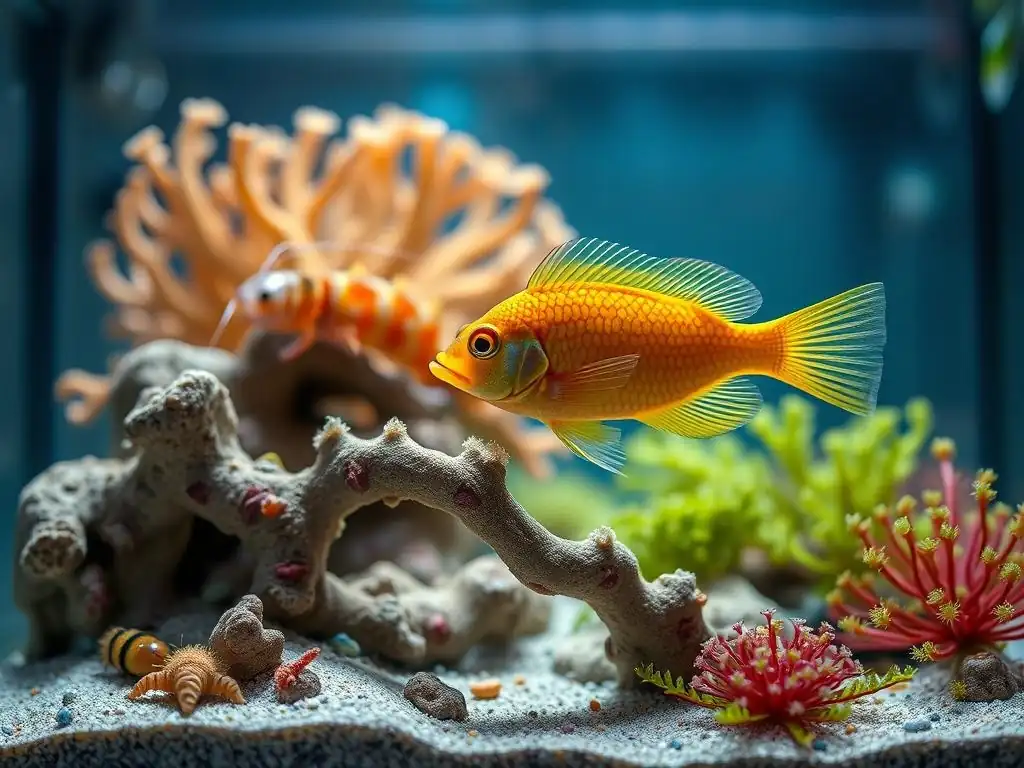
Welcome to Aquarium Mastery!
Ever wondered if the serene world of nano aquariums can handle the dynamic duo of a Tiger Pistol Shrimp and Yellow Watchman Goby? Dive into our latest article, " Tiger Pistol Shrimp & Yellow Watchman Goby: A Nano Drama Unfolds Daily," where we unravel the potential compatibility issues and unexpected challenges of keeping these fascinating creatures in a smaller ecosystem. Prepare to explore the delicate balance and surprising interactions that can make or break your nano saltwater setup!
- Tiger Pistol Shrimp & Yellow Watchman Goby: A Nano Reef Symbiosis
- Nano Aquarium Compatibility: Benefits and Challenges
- Setting Up Your Nano Reef for Success
- Introducing Your New Inhabitants
- Maintaining a Harmonious Environment
- Troubleshooting Common Issues
- Selecting a Compatible Yellow Watchman Goby
- Benefits of a Thriving Symbiosis
- Advanced Techniques for Nano Reef Optimization
-
Frequently Asked Questions
- What is the main compatibility concern when keeping a Tiger Pistol Shrimp and Yellow Watchman Goby in a nano aquarium?
- How does the size of a nano aquarium affect the symbiotic relationship between a Tiger Pistol Shrimp and Yellow Watchman Goby?
- Are there specific water chemistry requirements that are particularly challenging to maintain in a nano aquarium with these two species?
- What are some potential troubleshooting issues that might arise when housing a Tiger Pistol Shrimp and Yellow Watchman Goby in a nano tank?
- Can plant selection mitigate any compatibility issues between a Tiger Pistol Shrimp and Yellow Watchman Goby in a nano aquarium?
- Final Reflection: Symbiosis in Miniature
- Unleash the Tiny Tides!
Tiger Pistol Shrimp & Yellow Watchman Goby: A Nano Reef Symbiosis
The Pistol Shrimp's Role: Burrowing and Territory Creation
The pistol shrimp (e.g., Alpheus bellulus) is an extraordinary invertebrate, renowned for its specialized snapping claw. This claw can create a cavitation bubble that collapses with immense force, generating a shockwave with a sound reaching over 200 decibels and a water jet traveling at approximately 4,500 meters per second. This remarkable ability is primarily utilized for excavating intricate burrow systems within the sand bed. These burrows serve as the primary shelter and territory for both the shrimp and its goby partner, offering vital protection from predators in the reef environment.
The shrimp's continuous activity involves meticulously maintaining and expanding its subterranean network of tunnels and chambers. This constant excavation ensures the burrow remains structurally sound and provides multiple escape routes. The shrimp's survival heavily relies on the goby's external vigilance, as its poor eyesight and reclusive nature make it vulnerable outside the burrow. This co-dependency solidifies the partnership, making the shrimp's burrowing a critical foundation for their shared existence.
The Yellow Watchman Goby ( Cryptocentrus cinctus) acts as the "eyes" of the symbiotic pair. Possessing excellent eyesight, the goby typically perches at the entrance of the shrimp's burrow, keeping a constant lookout for potential threats. At the first sign of danger, such as a predatory fish or even a sudden movement outside the tank, the goby will rapidly flick its tail as a signal and retreat headfirst into the shared burrow, with the shrimp following closely behind. This instinctual warning system is crucial for the shrimp's safety.
The goby, while an adept swimmer, is not a proficient burrower. It benefits immensely from the shrimp's engineering prowess, gaining a secure, readily available refuge from predators. This mutual benefit is a cornerstone of their successful cohabitation, reducing stress for both species. In the confines of a nano aquarium, this shared shelter mechanism effectively mitigates many nano aquarium compatibility issues related to security and space, as they occupy a single, defined territory.
Nano Aquarium Compatibility: Benefits and Challenges
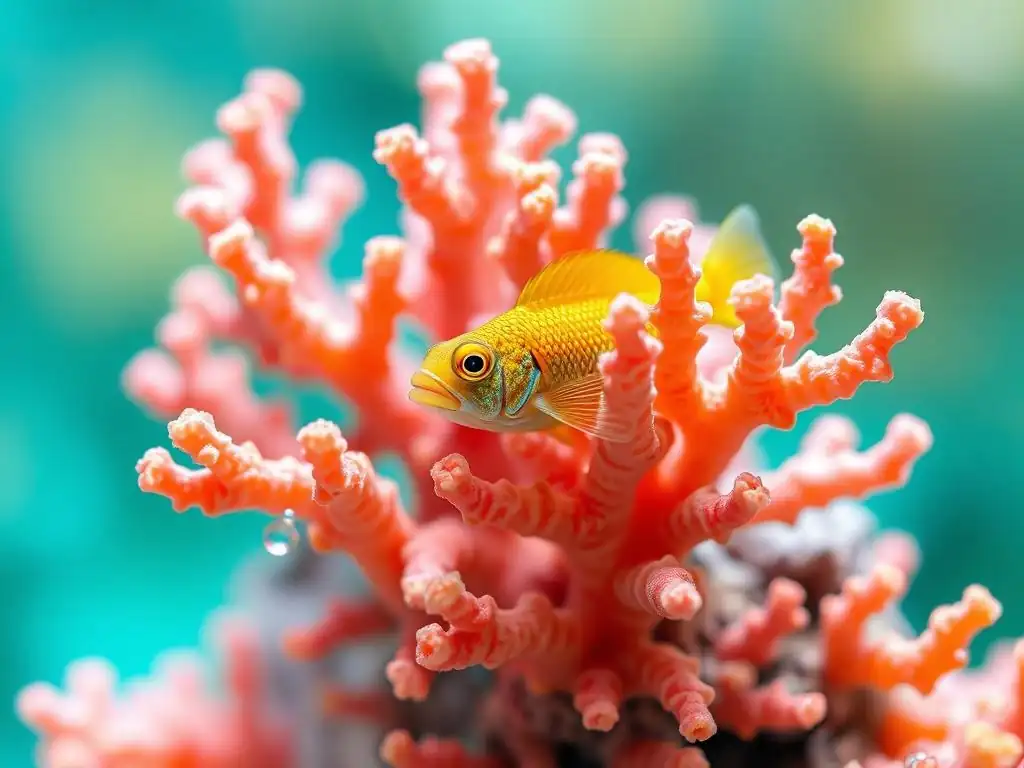
Why This Pair Thrives in Small Reef Systems
The Tiger Pistol Shrimp and Yellow Watchman Goby pair is exceptionally well-suited for nano reef systems, typically ranging from 10 to 30 gallons. Their primary advantage lies in their limited activity range and size; neither species requires extensive swimming space. The symbiotic nature means they naturally co-exist within a small, shared territory—the burrow and its immediate vicinity—minimizing the need for broad exploration. This intrinsic co-dependency significantly reduces the common nano aquarium compatibility issues often encountered with other species that might require larger territories or exhibit aggressive behavior.
Furthermore, their partnership inherently provides a sense of security for both animals, reducing stress levels that can be detrimental in a confined environment. The goby's constant vigilance allows the shrimp to focus on burrow maintenance, while the shrimp's construction provides a safe haven for the goby. This symbiotic arrangement means they are less prone to stress-induced illnesses or territorial disputes that can arise from limited space, making them a remarkably harmonious choice for a small reef system.
Addressing Space Limitations and Resource Competition
Despite their ideal suitability, space limitations in nano aquariums still present challenges that must be addressed to prevent nano aquarium compatibility issues. Even for this pair, the finite volume of water means that proper tank design is paramount to ensure their long-term well-being. Providing adequate substrate depth and stable rockwork is crucial for the shrimp to feel secure and establish a proper burrow, which in turn benefits the goby. Without suitable burrowing conditions, the shrimp may become stressed, potentially leading to the breakdown of the symbiosis.
Resource competition, while less direct between the goby and shrimp due to their distinct feeding habits, becomes a concern if other tank mates are introduced. In a small system, the bioload from even a single additional fish can quickly impact water quality, a significant nano aquarium compatibility issue.
Strategies to mitigate these challenges include ensuring a minimum tank size of 10 gallons for a single pair, providing ample live rock for additional perching spots for the goby, and carefully selecting any other inhabitants to avoid species that are overly active, aggressive, or will outcompete the pair for food and space.
Setting Up Your Nano Reef for Success
Tank Size: Minimum Requirements for Stability
For a single Tiger Pistol Shrimp and Yellow Watchman Goby pair, a 10-gallon (approximately 38 liters) nano reef tank is often considered the absolute minimum. However, a 15 to 20-gallon (57-76 liters) aquarium is highly recommended. The increased water volume in larger nano tanks offers significantly greater stability in water parameters, such as temperature, salinity, and pH, which are prone to rapid fluctuations in smaller systems. This enhanced stability directly reduces stress on the inhabitants and minimizes common nano aquarium compatibility issues that arise from environmental instability.
A larger tank also provides more buffer capacity against the accumulation of waste products, making it easier to maintain pristine water quality. While the goby and shrimp are small, the overall health of their ecosystem benefits immensely from the increased dilution volume. This often translates to less frequent emergency interventions and a more robust environment for the long-term health and vibrant display of the symbiotic pair.
Substrate: Composition and Depth for Burrowing
The choice and depth of substrate are critical for the well-being of the pistol shrimp. A sand bed consisting of fine to medium grain size (e.g., 1-3 mm aragonite sand) is absolutely essential. Coarser substrates, such as crushed coral or large gravel, are unsuitable as they impede the shrimp's ability to construct stable burrows and can even cause injury to its delicate appendages during excavation. The ideal depth for the sand bed should be at least 3 to 4 inches (7.5-10 cm) in areas where the shrimp is expected to burrow.
Insufficient substrate depth is a common cause of stress for the pistol shrimp. Without adequate material, the shrimp cannot create the secure, multi-chambered burrows it needs to feel safe. This lack of security can lead to the shrimp abandoning its goby partner or becoming overly reclusive, directly contributing to nano aquarium compatibility issues within the pair and overall stress levels in the tank.
Rockwork: Creating Caves and Defined Territories
Strategic placement of live rock is crucial in a nano reef setup for this symbiotic pair. Arrange the live rock to create stable structures, caves, and overhangs that can serve as natural anchors for the shrimp's burrow. It is vital to place larger, heavier pieces of rock directly on the bottom glass before adding any sand. This prevents the rocks from shifting or collapsing if the shrimp excavates underneath them, which could injure the inhabitants or damage the tank.
The rockwork also serves to define territories and provide additional shelter options for the goby. Even though the goby primarily uses the shrimp's burrow, having multiple perching spots and shaded areas within the rock structure can reduce stress, especially during the initial acclimation period or if the goby feels threatened. Well-planned rockwork can help prevent nano aquarium compatibility issues by providing clear boundaries and diverse microhabitats, even in a confined space.
Introducing Your New Inhabitants
Acclimation: Drip Acclimation for Sensitive Species
Drip acclimation is the preferred and most effective method for introducing sensitive marine species such as gobies and pistol shrimp to a new aquarium. This slow and gradual process minimizes the shock of sudden changes in water parameters like temperature, salinity, and pH. To perform drip acclimation, place the newly acquired animal, still in its transport bag, into a clean bucket. Then, slowly drip water from your display tank into the bucket using airline tubing and a knot or valve to control the flow rate to about 1-2 drops per second.
Allow this process to continue for at least 1 to 2 hours, or until the volume of water in the bucket has quadrupled. This ensures a very gradual equalization of parameters. After acclimation, gently net the goby and shrimp (avoiding direct handling of the shrimp if possible) and introduce them into the main display tank, discarding the water from the bucket. This meticulous acclimation process significantly reduces stress and the likelihood of nano aquarium compatibility issues or health problems upon introduction.
Observation: Monitoring Initial Interactions
After introducing the goby and shrimp, close and continuous observation is critical during the first few hours and days. Ideally, the goby and shrimp should seek each other out and begin to establish their partnership within a day. The goby will often perch near a potential burrow site, while the shrimp will cautiously begin its excavation work, often venturing out only when the goby is present.
Positive signs include the goby consistently hovering near the shrimp's burrow entrance, and the shrimp periodically emerging to push out substrate while the goby stands guard. Prolonged hiding by either animal, erratic swimming, or any overt aggression between the pair are red flags. If the goby and shrimp do not form a bond or show signs of distress after 24-48 hours, it could indicate underlying nano aquarium compatibility issues related to individual temperament, tank setup, or external stressors. Continued monitoring will help determine if intervention is necessary.
Maintaining a Harmonious Environment
Feeding: Targeted Feeding for Both Species
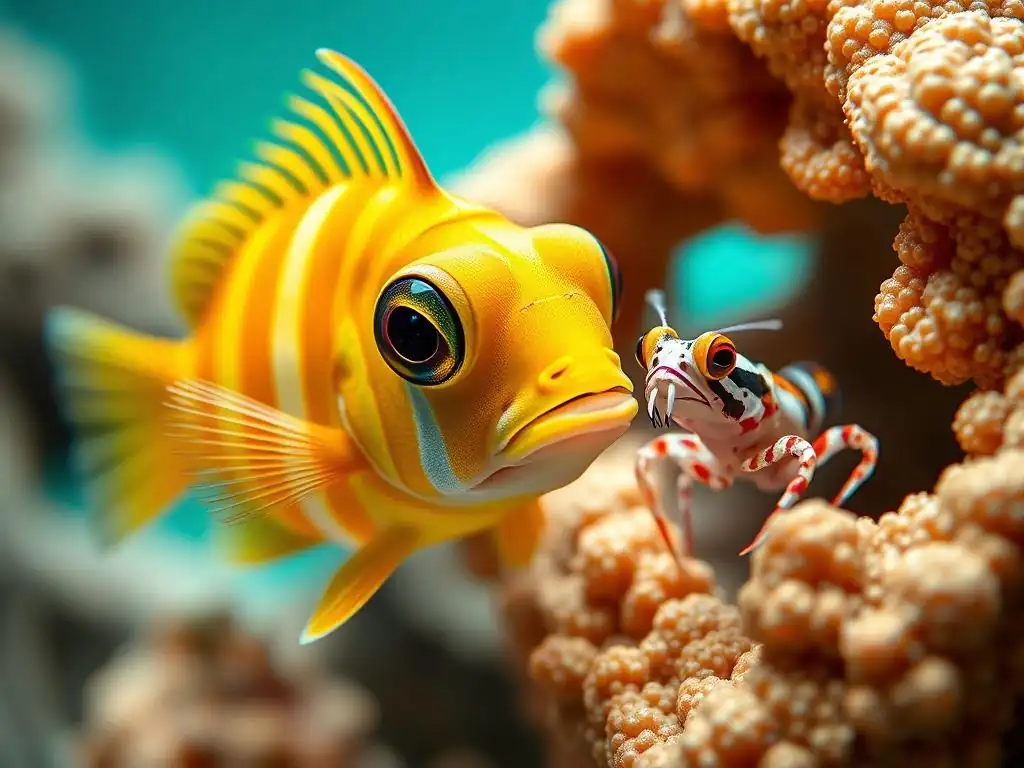
While the Yellow Watchman Goby will readily accept a variety of small meaty foods, such as mysis shrimp, brine shrimp, and finely chopped seafood (e.g., silversides or scallops), the pistol shrimp is more reclusive and may miss out during general feeding. To ensure the shrimp receives adequate nutrition, targeted feeding is often necessary. This can be achieved by using a pipette or a turkey baster to gently direct food specifically towards the burrow entrance, particularly after the tank lights have dimmed or turned off, when the shrimp is more likely to emerge.
The goby often plays a role in feeding the shrimp, sometimes bringing food into the burrow. This shared mealtime can reinforce their bond. Insufficient feeding for the shrimp can lead to it becoming stressed, weakened, or even abandoning its burrow and partner, creating significant nano aquarium compatibility issues for the pair's long-term health and stability. Regular, small feedings multiple times a day are often more beneficial than one large feeding.
Water Quality: Regular Testing and Maintenance
Maintaining pristine and stable water quality is paramount in any nano reef system, and especially crucial for sensitive species like the pistol shrimp and goby. Due to the smaller water volume, parameters can fluctuate rapidly. Weekly testing for essential parameters such as ammonia, nitrite, nitrate, salinity, pH, alkalinity, and calcium is vital. Aim for stable parameters: Salinity 1.024-1.026, pH 8.1-8.4, Alkalinity 8-12 dKH, and Nitrate below 10 ppm.
Regular, small water changes are more effective than large, infrequent ones in nano systems for maintaining stability and diluting accumulated pollutants. A 10-20% weekly or bi-weekly water change using high-quality RODI water mixed with a reputable marine salt mix is generally recommended. Consistent water quality management directly prevents many common health and nano aquarium compatibility issues that stem from environmental stress, ensuring a thriving habitat for your symbiotic pair.
Behavior: Identifying and Addressing Potential Conflicts
Normal behavior for the Tiger Pistol Shrimp and Yellow Watchman Goby pair involves the goby typically perching near the burrow entrance while the shrimp remains largely inside, occasionally emerging to push out sand or forage. They should exhibit a synchronized retreat into the burrow when startled or sensing danger. Occasional minor squabbles over food or territory, especially during initial establishment, are generally normal and resolve quickly.
However, persistent aggression from either animal, one animal constantly hiding for prolonged periods (beyond initial acclimation), or the pair not sharing a burrow after several days are significant red flags. These behaviors indicate underlying nano aquarium compatibility issues that require immediate attention. Potential causes include a mismatch in temperament between the individual animals, an unsuitable tank setup (e.g., insufficient substrate), or external stressors from other tank mates or environmental conditions. Identifying and addressing the root cause is essential for the pair's well-being.
Troubleshooting Common Issues
Shrimp-Goby Separation: Causes and Prevention
The separation of the pistol shrimp and its goby partner is a common and concerning issue for aquarists. This often occurs if the shrimp's burrow collapses, if the shrimp feels insecure due to perceived threats, or if one animal is significantly stressed. Poor water quality, insufficient or improper food for the shrimp, or the introduction of an aggressive or overly active tank mate can all lead to the pair splitting up. Once separated, the shrimp becomes highly vulnerable, and the goby loses its secure refuge.
To prevent separation, ensure the sand bed is deep and stable, and the rockwork is securely placed on the tank bottom. Provide targeted feeding for the shrimp. If separation does occur, identify and eliminate the stressor. Sometimes, carefully isolating one animal in a small acclimation box within the tank for a day, then re-introducing it, can help the pair re-bond. This proactive approach is crucial for resolving this critical nano aquarium compatibility issue and re-establishing their vital partnership.
Resource Competition: Strategies for Equitable Distribution
While the Tiger Pistol Shrimp and Yellow Watchman Goby generally don't compete directly for food due to their different feeding habits and the shrimp's reclusive nature, resource competition can arise if other tank mates are present. More aggressive or faster-feeding fish can easily outcompete the shy goby and prevent the shrimp from getting its share. This can lead to malnourishment and stress, exacerbating nano aquarium compatibility issues within the confined space.
To ensure equitable food distribution, employ targeted feeding strategies. Feed other tank mates on one side of the aquarium first. Then, use a pipette or turkey baster to direct food, such as mysis shrimp or finely chopped seafood, directly to the goby and the shrimp's burrow entrance. Feeding after lights out can also benefit the shrimp. If the goby remains shy, consider using a feeding clip for nori or other foods to draw it out while ensuring the shrimp is also fed.
Goby Hiding: Ensuring Adequate Shelter and Security
Excessive hiding by the Yellow Watchman Goby, even when paired with a shrimp, can indicate stress, a perceived threat, or a lack of adequate shelter options within the tank. This behavior can be triggered by overly bright lighting, the presence of aggressive or overly active tank mates, or simply an environment where the goby does not feel secure enough to venture out, even with its shrimp partner. A constantly hidden goby is a sign of an underlying problem that needs addressing.
To encourage the goby to be more visible, ensure there are ample caves, crevices, and shaded areas within the rockwork where it can retreat while still observing its surroundings. If lighting is excessively intense, consider reducing its duration or intensity, particularly during the acclimation phase. Most importantly, evaluate other tank mates; aggressive fish are a primary cause of goby stress. Addressing these environmental factors will improve the goby's security and mitigate nano aquarium compatibility issues related to its comfort and well-being.
Selecting a Compatible Yellow Watchman Goby
Health: Identifying Signs of a Healthy Specimen
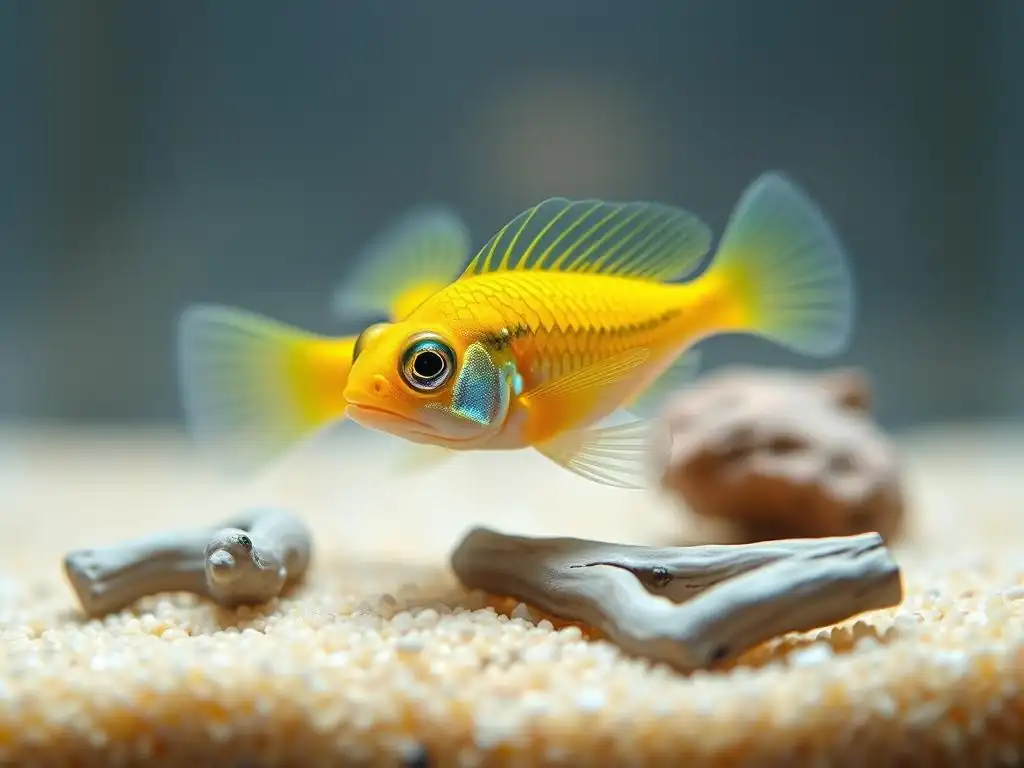
When selecting a Yellow Watchman Goby, it is paramount to choose a healthy specimen to ensure its longevity and successful pairing with a pistol shrimp. Look for clear, bright eyes, intact fins without any tears or signs of fin rot, and a robust body shape without any emaciation or sunken bellies. The goby should be active and alert, not listless or breathing heavily. Its coloration should be vibrant yellow, not faded or patchy, which can indicate stress or illness.
Avoid any gobies that exhibit visible lesions, white spots (indicative of marine ich), or velvet disease, or that are constantly scratching themselves against tank decor. Observe its swimming pattern; it should be smooth and controlled, not erratic or jerky. A healthy specimen is far more likely to acclimate well to your nano reef and form a strong, lasting bond with its shrimp partner, thereby avoiding initial nano aquarium compatibility issues stemming from poor health.
Temperament: Choosing a Peaceful Individual
While Yellow Watchman Gobies are generally known for their peaceful temperament, individual variations can occur. It is important to observe the goby's behavior in the store's display tank for several minutes before purchasing. A suitable individual should appear calm and unbothered by other peaceful tank mates. It should not be constantly darting around erratically or exhibiting any signs of aggression towards other fish in the system.
Selecting a goby with a calm disposition is crucial for a successful symbiosis, especially in a confined nano tank. A stressed or overly timid goby may struggle to bond effectively with the shrimp or may remain hidden, reducing the visual appeal and benefits of the pair. Ensure the goby you choose is not being bullied by other fish in the store tank, as this stress can carry over to your home aquarium and exacerbate potential nano aquarium compatibility issues with its new partner or existing inhabitants.
Tank Mates: Avoiding Aggressive Competitors
In a nano aquarium setting, the careful selection of additional tank mates is critical to prevent nano aquarium compatibility issues for the goby and shrimp pair. Avoid any aggressive or overly active fish that might harass the goby or compete with it for food and territory. Species such as many damselfish, certain dottybacks, or larger clownfish can be highly territorial and stressful in a small environment, leading to the goby hiding excessively or even the breakdown of the symbiosis.
If you choose to add other fish, opt for very small, peaceful species that have a low bioload and will not directly compete with the goby and shrimp. Examples include small, peaceful blennies (e.g., Tailspot Blenny), or a single, small Ocellaris Clownfish. However, it's important to understand that even these additions can increase the overall bioload and potential stress in a highly confined space. Always research the full adult size and temperament of any potential tank mate thoroughly.
Benefits of a Thriving Symbiosis
Substrate Health: Natural Aeration and Detritus Removal
A thriving Tiger Pistol Shrimp provides significant benefits to the overall health of the nano aquarium's substrate. Its constant burrowing and sifting activity naturally aerates the sand bed, preventing the formation of anaerobic pockets. These oxygen-depleted zones can accumulate harmful gases, such as hydrogen sulfide, which are toxic to marine life. The shrimp's continuous excavation helps to release these trapped gases and promote beneficial aerobic bacterial activity, contributing to a more stable and healthy nano aquarium ecosystem.
Furthermore, as the shrimp sifts through the sand, it helps to bring buried detritus and uneaten food particles to the surface. This makes these waste materials more accessible to the aquarium's filtration system for removal, or for consumption by other detritivores and clean-up crew members. This natural "cleaning" action is particularly beneficial in small tanks where waste accumulation can quickly become a significant nano aquarium compatibility issue by degrading water quality.
Visual Appeal: Captivating Behavioral Observations
The symbiotic relationship between the Tiger Pistol Shrimp and Yellow Watchman Goby is one of the most captivating and educationally rewarding interactions to observe in a marine aquarium. The constant interplay—watching the goby stand guard at the burrow entrance while the shrimp meticulously excavates, and their synchronized, lightning-fast retreat into the sand at the first sign of danger—provides endless hours of fascinating behavioral observation. This dynamic makes the nano reef not just a static display but a living, evolving miniature ecosystem.
This unique partnership adds immense visual appeal, transforming a small tank into a vibrant hub of activity. Unlike many reclusive invertebrates or sedentary fish, the goby and shrimp frequently interact in ways that are both endearing and educational. For aquarists, this intrinsic behavioral spectacle often outweighs the physical size limitations of the tank, making the experience highly rewarding and minimizing any perceived nano aquarium compatibility issues related to limited livestock options.
Ecosystem Balance: Natural Pest Control
While not their primary role, some pistol shrimp species may opportunistically contribute to natural pest control within the aquarium. As they constantly sift through the sand bed, they may encounter and consume small nuisance invertebrates, such as tiny bristle worms, amphipods, or other microfauna that could potentially become overpopulated. This minor predation can contribute to the overall cleanliness and balance of the system, though it should not be relied upon as a sole method of pest management.
More broadly, the overall health and stability fostered by a thriving symbiotic pair contribute to a more balanced ecosystem. A well-established nano reef with a stable substrate, reduced stress on its inhabitants, and efficient nutrient cycling is inherently less prone to outbreaks of undesirable algae or diseases. This indirect benefit of a harmonious environment helps to mitigate potential nano aquarium compatibility issues that can arise from an unstable or unhealthy tank, promoting the well-being of all inhabitants.
Advanced Techniques for Nano Reef Optimization
Refugium: Nutrient Export and Pod Production
For optimizing a nano reef, especially one housing sensitive species like the goby and shrimp, incorporating a small refugium can significantly enhance stability. A refugium, which can be a hang-on-back unit or a dedicated chamber in a sump, provides a safe haven for growing macroalgae such as Chaetomorpha. These macroalgae efficiently absorb nitrates and phosphates from the water, acting as a natural form of nutrient export. This constant removal of undesirable nutrients is vital for maintaining pristine water quality in the limited volume of a nano tank, directly addressing a key nano aquarium compatibility issue related to waste accumulation.
Additionally, a refugium provides an ideal breeding ground for copepods and amphipods. These tiny crustaceans serve as a continuous, natural food source for the Yellow Watchman Goby and other reef inhabitants, supplementing their diet and enhancing their vitality. The constant supply of live food can improve the overall health, coloration, and natural behaviors of your fish, mitigating potential nano aquarium compatibility issues related to nutritional deficiencies.
Water Changes: Maintaining Stable Water Parameters
While regular water changes are a fundamental aspect of aquarium husbandry, their consistent and meticulous application is even more critical in nano reef systems. For a 10-20 gallon tank, performing small, frequent water changes (e.g., 10-15% weekly) is often more beneficial than larger, less frequent changes (e.g., 20-25% bi-weekly). This approach minimizes drastic parameter swings, which can be highly stressful for sensitive marine life and exacerbate nano aquarium compatibility issues.
Always use high-quality Reverse Osmosis De-ionized (RODI) water mixed with a reputable marine salt mix. It is crucial to ensure the new saltwater is precisely matched in temperature and salinity to the display tank before adding it. Even minor discrepancies can cause shock to the inhabitants. This meticulous attention to water change protocols is paramount for maintaining the long-term health and stability of your symbiotic goby and shrimp pair.
Alkalinity: Maintaining Stable Carbonate Chemistry
Stable alkalinity, typically maintained between 8-12 dKH (degrees of carbonate hardness), is crucial for the overall health of a reef aquarium, even those with minimal coral inhabitants. Alkalinity acts as a vital buffer, preventing rapid and potentially dangerous swings in pH. In a small nano system, alkalinity can be consumed relatively quickly by calcifying organisms (if present) or through natural biological processes, leading to instability.
Regularly testing alkalinity (e.g., weekly) is therefore highly recommended. If you notice a consistent drop, consider supplementing with a balanced two-part dosing system or kalkwasser to maintain stability. Consistent carbonate chemistry is essential for the health of all marine organisms, including the goby and shrimp, as it reduces physiological stress. Maintaining stable alkalinity prevents a common, yet often overlooked, nano aquarium compatibility issue that can undermine the overall well-being of your reef.
Frequently Asked Questions
What is the main compatibility concern when keeping a Tiger Pistol Shrimp and Yellow Watchman Goby in a nano aquarium?
The primary concern is the limited space within a nano aquarium. This can lead to increased competition for resources and territory, potentially causing stress and aggression between the shrimp and goby.
How does the size of a nano aquarium affect the symbiotic relationship between a Tiger Pistol Shrimp and Yellow Watchman Goby?
In a nano aquarium, the confined environment can disrupt their natural symbiotic behavior. The goby may not be able to adequately protect the shrimp, and the shrimp might not create a sufficient burrow for both due to space constraints.
Are there specific water chemistry requirements that are particularly challenging to maintain in a nano aquarium with these two species?
Yes, water parameters are more volatile in nano aquariums. Maintaining stable levels of ammonia, nitrite, and nitrate is crucial, as even small fluctuations can negatively impact the health of both the shrimp and goby.
What are some potential troubleshooting issues that might arise when housing a Tiger Pistol Shrimp and Yellow Watchman Goby in a nano tank?
Common issues include the goby outcompeting the shrimp for food, the shrimp burying corals or disturbing substrate, and increased aggression due to limited hiding spots.
Can plant selection mitigate any compatibility issues between a Tiger Pistol Shrimp and Yellow Watchman Goby in a nano aquarium?
Carefully selected plants can provide additional hiding places and visual barriers, which might help reduce stress and aggression. However, proper plant maintenance is essential to prevent water quality issues in a nano tank.
Final Reflection: Symbiosis in Miniature
The delicate dance of the Tiger Pistol Shrimp and Yellow Watchman Goby, as explored in this article, isn't just a fascinating observation within the confines of a nano aquarium; it's a microcosm of the larger challenges and rewards of creating balanced ecosystems. Understanding these nano aquarium compatibility issues is crucial, not only for the success of our miniature underwater worlds but also for appreciating the intricate web of life that exists beyond our tanks.
This exploration of symbiotic relationships underscores the profound interconnectedness of all living things. Witnessing this partnership firsthand, even in a small aquarium, fosters a deeper respect for the delicate balance of nature and our responsibility to maintain it. In nature, nothing exists alone.
- Rachel Carson. This quote resonates deeply when observing the Tiger Pistol Shrimp and Yellow Watchman Goby, reminding us that even the smallest creatures play a vital role in the grand scheme of things.
Now, consider the lessons learned from this nano drama. How can you apply the principles of careful observation, thoughtful planning, and respect for natural balance to other aspects of your life? Whether you're a seasoned aquarist or simply someone fascinated by the natural world, let the symbiotic relationship of the Tiger Pistol Shrimp and Yellow Watchman Goby inspire you to cultivate harmony and understanding in all your endeavors.
Unleash the Tiny Tides!
Thank you for diving into the fascinating world of the tiger pistol shrimp and yellow watchman goby symbiosis! Now that you understand the intricacies of their underwater partnership, let’s bring this captivating drama to life.
Here are a few ways to continue your exploration:
- Begin Planning Your Nano Tank Paradise: Seriously consider setting up your own nano aquarium to observe this amazing duo firsthand. Research tank size, filtration, and cycling to create a thriving ecosystem.
- Delve deeper by exploring the specific needs of each species. Research their dietary requirements, preferred substrate, and optimal water parameters to ensure their health and happiness.
- Share your newfound knowledge! Start a discussion with fellow aquarium enthusiasts online or in person, and spread the word about this incredible symbiotic relationship.
What's the first step you'll take to bring this nano drama to your own aquarium or share the wonder with others?