
Tang First Aid Kit: Essential Supplies for Your Fishy Pharmacy Emergencies

Welcome to Aquarium Mastery!
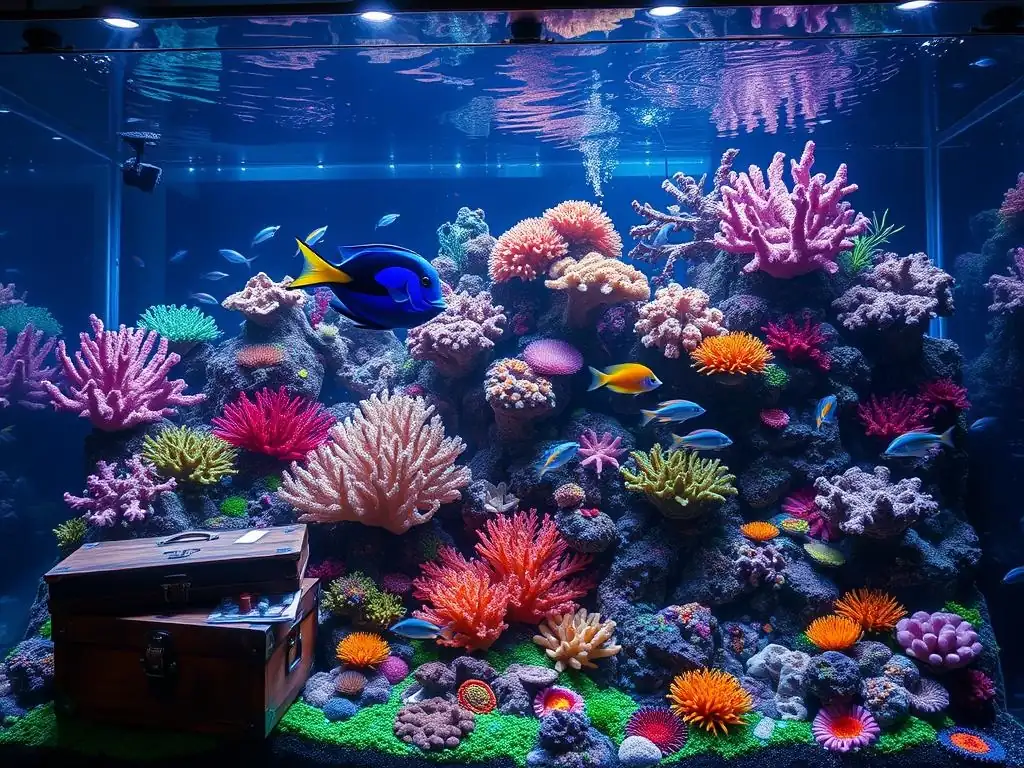
Ever stared into your saltwater tank, a growing worry knotting in your stomach as you suspect something's not quite right with your finned friend? Don't panic! This is where your journey to mastering saltwater fish illness treatment begins. Dive in to discover the essential "Tang First Aid Kit" and empower yourself with the knowledge to keep your aquatic companions healthy and thriving. Ready to build your fishy pharmacy?
- Tang First Aid Kit: Essential Supplies for Reef Aquarium Emergencies
- Understanding Tang Health and Disease in Reef Aquariums
- Building Your Tang First Aid Kit: A Comprehensive Guide
- Step-by-Step Guide to Treating Common Tang Ailments
- Preventing Fish Illness in Tangs: Long-Term Strategies
- Disposing of Medications and Maintaining Your First Aid Kit
-
Frequently Asked Questions
- How can I prevent saltwater fish illnesses in the first place?
- What are some common signs of illness in saltwater Tangs?
- What are the essential supplies for a saltwater fish first aid kit, specifically for Tangs?
- How important is quarantine when treating saltwater fish illnesses?
- Where can I find reliable information on diagnosing and treating specific saltwater fish illnesses?
- Final Reflection: Navigating the Seas of Saltwater Fish Health
- Dive Deeper: Transform Your Aquarium into a Thriving Ecosystem!
Tang First Aid Kit: Essential Supplies for Reef Aquarium Emergencies
Understanding Tang Health and Disease in Reef Aquariums
Recognizing Common Tang Diseases in Reef Aquariums
Tangs, or surgeonfish, are popular inhabitants of reef aquariums, but they are particularly susceptible to certain parasitic diseases, notably Marine Ich ( Cryptocaryon irritans) and Marine Velvet ( Amyloodinium ocellatum). Ich, often appearing as small white spots resembling salt grains, can affect up to 90% of new wild-caught marine fish, frequently manifesting within days or weeks of stress from shipping or acclimation. Marine Velvet, characterized by a fine, dusty golden or brownish film, is even more virulent and can lead to rapid fatality, sometimes within 24-48 hours if left untreated.
Beyond parasites, tangs can also suffer from bacterial infections like fin rot or cloudy eyes, often secondary to stress or poor water quality. Head and Lateral Line Erosion (HLLE) is another common ailment, a chronic condition where tissue erodes around the head and lateral line. While not contagious, HLLE can affect a significant portion of tangs in suboptimal conditions, with estimates suggesting around 30-50% prevalence in tanks with chronic issues like high nitrates or stray voltage. Recognizing these symptoms early is paramount for effective saltwater fish illness treatment.
The Importance of Proactive Reef Keeping for Tang Health
Maintaining optimal water parameters, providing a balanced diet, and minimizing stress are the cornerstones of preventing disease in tangs. Studies and anecdotal evidence suggest that poor water quality accounts for an estimated 70% of aquarium fish deaths, directly correlating to compromised immune systems and increased disease susceptibility. A stable environment, with consistent temperature (typically 76-80°F or 24-27°C), salinity (1.023-1.026 specific gravity), and low nitrates (ideally below 10-20 ppm), significantly reduces the likelihood of an outbreak and the need for intensive saltwater fish illness treatment.
Furthermore, the practice of quarantining new fish for a period of 4-6 weeks is a highly effective proactive measure. This isolation period allows any latent diseases to manifest and be treated in a controlled environment, preventing the introduction of pathogens into the main display tank. A properly executed quarantine protocol can reduce the risk of a widespread disease outbreak in the main tank by an estimated 95%, saving not only fish lives but also the considerable time and expense associated with treating an entire reef system for a marine fish illness.
Building Your Tang First Aid Kit: A Comprehensive Guide
Essential Medications for Reef Safe Treatment
Copper-Free Treatments for Parasitic Infections in Tangs
For parasitic infections like Ich and Marine Velvet, copper-based medications are highly effective but are toxic to corals and invertebrates, making them unsuitable for reef tanks. Therefore, copper-free alternatives are essential for saltwater fish illness treatment in a reef setting. Chloroquine Phosphate is a popular choice, effective against a wide range of protozoan parasites, often dosed at 10mg per gallon. This medication is generally well-tolerated by fish and does not harm corals or invertebrates when used correctly in a hospital tank.
Another viable option is Formalin-based treatments, such as Formalin 37%, used as a bath or dip. These treatments are effective against Ich, Velvet, and Brooklynella, but require careful aeration due to their impact on oxygen levels. For instance, a common Formalin dip involves 1 ml per gallon for 30-60 minutes, with constant observation. These specialized treatments allow aquarists to combat common fish diseases without compromising the delicate balance of their reef ecosystem.
Antibiotics for Bacterial Infections Affecting Reef Fish
Bacterial infections, often presenting as fin rot, cloudy eyes, or body lesions, require targeted antibiotic treatment. Broad-spectrum antibiotics like Furan-2 (nitrofurazone) or Kanaplex (kanamycin) are valuable additions to a tang first aid kit. Kanamycin, for example, is effective against many gram-negative and some gram-positive bacterial infections and is often dosed at 1 scoop per 5 gallons every 48 hours for three doses, typically administered in a hospital tank to prevent harming the display tank's beneficial bacteria.
It is crucial to use antibiotics only when a bacterial infection is strongly suspected, as overuse can lead to resistant strains. Medicated foods containing antibiotics can also be effective for internal bacterial infections, ensuring the medication reaches the target directly. Always follow dosage instructions precisely, as incorrect dosing can be ineffective or harmful. Proper antibiotic use is a critical component of effective saltwater fish illness treatment.
Antifungal Medications for Tangs: When and How to Use Them
While primary fungal infections are less common in marine fish compared to freshwater species, they can occur, often as secondary infections in fish weakened by stress, parasites, or bacterial issues, or those with open wounds. These infections might manifest as cotton-like growths on the skin or fins. Methylene Blue is a versatile chemical that can act as a mild antifungal, antiseptic, and anti-parasitic agent, often used as a short-term bath or dip.
For instance, a Methylene Blue dip can involve 1 teaspoon of a 2.303% solution per 5 gallons for up to 10 minutes, providing a rapid external treatment. True systemic fungal infections are rare and harder to treat, often requiring more specialized veterinary intervention. However, having a general antifungal like Methylene Blue on hand can be beneficial for managing minor external fungal outbreaks or as a supportive measure during other saltwater fish illness treatment protocols.
Diagnostic Tools for Identifying Fish Diseases
Aquarium Test Kits: Monitoring Water Parameters for Reef Health
Comprehensive aquarium test kits are indispensable diagnostic tools, as poor water quality is a primary stressor and cause of disease in tangs. Regularly testing parameters like ammonia, nitrite, nitrate, pH, salinity, alkalinity, calcium, and magnesium provides crucial insights into the tank's health. For example, even low levels of ammonia (above 0 ppm) or nitrite (above 0 ppm) can severely stress fish, compromising their immune systems and making them highly susceptible to infections.
Consistently high nitrates (e.g., above 20 ppm) can also contribute to chronic stress and conditions like HLLE. A sudden drop in pH (e.g., from 8.2 to 7.8) can cause respiratory distress and osmotic shock in tangs, further weakening them. Monitoring these parameters daily or weekly allows aquarists to identify environmental issues before they manifest as full-blown diseases, thus preventing the need for extensive saltwater fish illness treatment.
Magnifying Glass: Detecting External Parasites on Tangs
A good quality magnifying glass (e.g., 10x magnification) is an invaluable, yet often overlooked, diagnostic tool for early detection of external parasites and subtle physical changes on tangs. Many parasitic infections, particularly Marine Velvet, present as extremely fine specks (often 0.1mm in size) that are difficult to discern with the naked eye. Early identification of these tiny parasites can mean the difference between a minor issue and a catastrophic outbreak.
Using a magnifying glass, aquarists can closely examine the fish's skin, fins, and gills for signs like very small white spots (Ich), a fine dusty coating (Velvet), frayed fins, or minor lesions. This detailed inspection allows for prompt and accurate diagnosis, enabling targeted saltwater fish illness treatment before the disease progresses to a more severe stage, where recovery rates significantly decrease.
Quarantine Tank Essentials for Treating Sick Tangs
Setting Up a Hospital Tank for Effective Treatment
A dedicated hospital tank is an absolute necessity for effective saltwater fish illness treatment and prevention. This separate tank, typically 10-40 gallons depending on the size of the tang, should be a bare-bottom setup equipped with a heater, an air stone for oxygenation, and a small hang-on-back filter containing only mechanical filtration (no carbon or biological media that could absorb medications). This sterile environment allows for precise medication dosing without harming corals or invertebrates in the main display tank.
The absence of substrate and live rock simplifies cleaning and prevents the absorption of medications. A hospital tank also provides a stress-free environment for the sick fish, free from competition or aggression from tank mates. This controlled setting is crucial for monitoring the fish's response to treatment, making it an indispensable tool for successful recovery from any marine fish illness.
Maintaining Water Quality in the Quarantine Tank
Maintaining pristine water quality in a hospital tank is paramount for the recovery of sick tangs. Since hospital tanks typically lack the robust biological filtration of a display tank (i.e., live rock or deep sand beds), ammonia and nitrite can quickly accumulate from fish waste and uneaten food. Daily testing for ammonia and nitrite is crucial, and frequent small water changes (e.g., 10-20% daily or every other day) are often necessary to keep these toxins at zero.
Using an ammonia-detoxifying agent can also provide a temporary buffer against ammonia spikes. Some aquarists may opt to seed the hospital tank filter with a small amount of cycled media from the main tank's sump, but this must be done cautiously to avoid transferring pathogens. Consistent water quality reduces stress on the already compromised fish, allowing their immune system to focus on fighting the disease and maximizing the efficacy of any saltwater fish illness treatment.
Supportive Care Items for Aiding Tang Recovery
Vitamin Supplements to Boost Fish Immunity
Vitamin deficiencies can significantly weaken a tang's immune system, making them more susceptible to diseases and hindering recovery. Liquid vitamin supplements, such as Selcon or Vita-Chem, are excellent additions to a first aid kit. These can be soaked into the fish's food (e.g., frozen mysis shrimp or nori) before feeding. For instance, a common practice is to soak food in a few drops of supplement for 15-30 minutes prior to feeding, ensuring the vitamins are ingested.
While not a direct saltwater fish illness treatment, these supplements play a vital supportive role by bolstering the fish's natural defenses. Vitamin C, in particular, is crucial for immune function and tissue repair, and its deficiency can exacerbate conditions like HLLE. Regular supplementation, especially during periods of stress or recovery, can greatly improve a tang's resilience and overall health.
Garlic-Enriched Foods for Sick or Recovering Tangs
Garlic has long been an anecdotal remedy in the aquarium hobby, believed to stimulate appetite and potentially boost the immune system of fish. Products like Seachem Garlic Guard are designed to be soaked into fish food. The strong aroma of garlic can often entice sick or stressed tangs that are reluctant to eat, which is critical for their energy levels and recovery process.
While scientific evidence for garlic's direct therapeutic effects on fish diseases is limited, its role as an appetite stimulant is widely reported by aquarists. Encouraging a sick tang to eat is a significant step towards recovery, as proper nutrition provides the energy needed for their immune system to fight off pathogens. Therefore, garlic-enriched foods serve as an important supportive measure during saltwater fish illness treatment, aiding in the overall well-being and faster healing of the fish.
Step-by-Step Guide to Treating Common Tang Ailments
Treating Ich (White Spot Disease) in Tangs
Identifying and Addressing Ich Early
Marine Ich ( Cryptocaryon irritans) is characterized by small, discrete white spots resembling salt grains (typically 0.5-1.0mm in size) on the fish's body and fins. Tangs with Ich may also exhibit flashing (rubbing against tank decor), rapid breathing, clamped fins, and lethargy. Early detection is paramount because a single Ich trophont (the feeding stage) can reproduce thousands of free-swimming tomonts, rapidly escalating an infestation.
The Ich life cycle involves multiple stages, some of which are resistant to medication, making sustained treatment crucial. Stress, such as poor water quality, overcrowding, or aggression from tank mates, often triggers Ich outbreaks in fish that are already carriers. A tang showing even a few spots or increased flashing should be immediately observed closely, as prompt intervention significantly increases the success rate of saltwater fish illness treatment.
Copper-Free Treatment Protocol for Ich
For Ich treatment in tangs, especially when a reef display tank is involved, a hospital tank and copper-free medications are essential. A common and highly effective protocol involves transferring the infected tang to a bare-bottom hospital tank and treating with Chloroquine Phosphate at 10mg per gallon. This medication should be maintained for a minimum of 21 days to ensure all stages of the Ich life cycle are eliminated.
During treatment, daily water testing and small water changes (e.g., 10-20%) are vital to maintain pristine conditions. The main display tank, now fish-free, should remain fallow for at least 72 days (or 10-12 weeks) to starve out any remaining Ich parasites. This comprehensive approach, combining medication in isolation with a fallow period for the main tank, is considered the most reliable saltwater fish illness treatment for Ich in reef aquariums.
Managing Marine Velvet Disease in Tangs
Recognizing the Symptoms of Marine Velvet
Marine Velvet ( Amyloodinium ocellatum) is a highly contagious and rapidly fatal parasitic disease, often more aggressive than Ich. Its symptoms include a fine, dusty, golden-brownish film covering the fish's body, which can be difficult to see without a strong light or magnifying glass. Affected tangs will also exhibit rapid breathing (gilling), lethargy, cloudy eyes, and may slough skin or develop a hazy appearance.
Velvet parasites are much smaller than Ich, typically around 0.1mm, and can cause significant gill damage, leading to respiratory distress. The disease progresses extremely quickly, often killing fish within 24-48 hours of visible symptoms, especially in high densities. The rapid onset and high mortality rate necessitate immediate and aggressive saltwater fish illness treatment.
Treatment Options for Marine Velvet
Due to the rapid progression and high lethality of Marine Velvet, immediate action in a hospital tank is critical. Chloroquine Phosphate (at 10mg per gallon) is highly effective against Marine Velvet and should be maintained for at least 21 days. Formalin dips (e.g., 1 ml of 37% formalin per gallon for 30-60 minutes with strong aeration) can provide rapid, temporary relief by dislodging parasites, but are not a standalone cure.
Freshwater dips (pH and temperature matched to the tank, for 3-5 minutes) can also offer temporary relief by causing the parasites to swell and burst, but their effect is short-lived. The display tank must be kept fish-free for at least 6-8 weeks to ensure all remaining Velvet parasites in the water column and substrate die off. This multi-pronged approach in a dedicated hospital tank, followed by a fallow period, is the most successful saltwater fish illness treatment for Marine Velvet.
Combating Head and Lateral Line Erosion (HLLE) in Tangs
Understanding the Causes of HLLE
Head and Lateral Line Erosion (HLLE) is a chronic, progressive condition characterized by pits, lesions, and erosion of tissue around the head, face, and lateral line of marine fish, particularly tangs. While not contagious, it is a significant concern for tang owners. Common suspected causes include poor water quality (especially persistently high nitrates, often above 20-40 ppm), nutritional deficiencies (particularly Vitamin C and iodine), activated carbon overuse (leaching phosphates), and stray voltage in the aquarium.
Tangs are especially prone to HLLE, with certain species like Yellow Tangs showing a higher predisposition. The condition often develops slowly over months or even years, reflecting a long-term environmental stressor rather than an acute infection. Addressing the underlying causes is crucial for any successful saltwater fish illness treatment of HLLE.
Dietary and Environmental Solutions for HLLE
Treating HLLE involves a holistic approach focused on improving the fish's environment and diet. Firstly, rigorously maintain optimal water quality: reduce nitrates to below 10 ppm through consistent, large water changes (e.g., 25% weekly) and efficient nutrient export (protein skimming, refugium). Secondly, provide a highly varied and nutritious diet rich in marine algae (nori, spirulina flakes, marine pellets) and high-quality vitamin supplements, especially Vitamin C and iodine.
Discontinue the use of activated carbon if it's suspected of leaching phosphates, and check for stray voltage using a grounding probe. Providing ample grazing opportunities on live rock or algae clips also helps. While recovery can be slow, sometimes taking several months, consistent improvements in diet and water quality can lead to a significant reduction in lesions and, in many cases, complete healing of the affected tissues.
Preventing Fish Illness in Tangs: Long-Term Strategies
Maintaining Optimal Water Quality for Reef Health
The cornerstone of long-term disease prevention in tangs is the unwavering maintenance of optimal water quality. Stable parameters, including temperature (76-80°F), salinity (1.023-1.026), and undetectable levels of ammonia and nitrite, are crucial. Regular water changes, such as 10-20% every two weeks or 25% monthly, are essential to dilute nitrates and replenish trace elements. For instance, maintaining nitrates below 10 ppm significantly reduces stress on tangs and strengthens their natural immune response.
Effective filtration, including a robust protein skimmer, live rock, and potentially a refugium, plays a vital role in processing waste and preventing the buildup of harmful compounds. A well-maintained filtration system and consistent water quality management reduce the physiological stress on tangs, making them far less susceptible to opportunistic pathogens and minimizing the need for reactive saltwater fish illness treatment.
Providing a Balanced Diet to Support Fish Immunity
A balanced and varied diet is fundamental to supporting a tang's immune system and overall health. Tangs are primarily herbivores, and their diet should consist predominantly of marine-based greens. Offer a variety of foods, including high-quality marine algae sheets (nori), spirulina flakes, and specialized herbivore pellets. Supplementing with vitamin-enriched frozen foods (e.g., mysis shrimp soaked in Selcon) 2-3 times per week ensures they receive essential nutrients.
A diet lacking in essential vitamins, particularly Vitamin C, can lead to weakened immune responses and conditions like HLLE. For example, ensuring tangs receive adequate daily portions of nutrient-rich nori can significantly reduce their susceptibility to common ailments. A strong immune system, fortified by proper nutrition, is the first line of defense against disease and reduces the likelihood of needing intensive saltwater fish illness treatment.
Observing Tang Behavior for Early Signs of Disease
Daily, vigilant observation of your tangs' behavior is one of the most effective long-term strategies for early disease detection. Subtle changes in behavior often precede visible physical symptoms. Look for clamped fins, rapid or labored breathing (gilling), scratching or "flashing" against rocks, hiding more than usual, refusal to eat for extended periods (e.g., over 24 hours), or changes in coloration (e.g., becoming pale or darker).
A tang that consistently displays unusual swimming patterns, such as darting or shimmying, or shows any loss of appetite, warrants immediate closer inspection. Early detection allows for prompt intervention, whether it's adjusting water parameters, isolating the fish in a hospital tank, or beginning a specific saltwater fish illness treatment. Catching an issue in its nascent stages significantly increases the chances of a successful recovery and prevents the spread of disease to other tank inhabitants.
Disposing of Medications and Maintaining Your First Aid Kit
Proper Disposal Methods for Expired Medications
Proper disposal of expired or unused aquarium medications is crucial for environmental safety. Never flush medications down the toilet or pour them down the drain, as they can contaminate water systems and harm aquatic ecosystems. The active ingredients in fish medications, even in small quantities, can have detrimental effects on natural wildlife if improperly introduced into the environment.
Instead, check with your local waste management services or pharmacy for specific guidelines on disposing of hazardous waste or unused medications. Many communities offer take-back programs or designated drop-off points for expired pharmaceuticals. If no such program exists, some recommendations suggest mixing the medication with an unpalatable substance (like coffee grounds or kitty litter), sealing it in a plastic bag, and then discarding it in household trash, ensuring it's not easily accessible to children or pets. Responsible disposal is the final step in effective saltwater fish illness treatment.
Regularly Inspecting and Replenishing Your Tang First Aid Kit
A well-maintained and fully stocked tang first aid kit is only useful if its contents are current and potent. It is essential to regularly inspect all medications and supplies, ideally every 6-12 months. Check expiration dates on all liquid and powder medications; expired products can lose their efficacy, rendering them useless during an actual emergency. For instance, a medication that has lost 50% of its potency due to expiration will provide a significantly underdosed saltwater fish illness treatment.
Replenish any used or expired items promptly. Having a comprehensive and up-to-date kit on hand before an emergency strikes allows for immediate action, which can be the difference between life and death for a sick tang. Proactive maintenance of your first aid kit ensures you are always prepared to provide timely and effective care when your marine fish need it most.
Frequently Asked Questions
How can I prevent saltwater fish illnesses in the first place?
Prevention is key! Maintain pristine water quality through regular water changes, proper filtration, and avoiding overcrowding. Also, quarantine new fish to prevent introducing diseases to your established aquarium.
What are some common signs of illness in saltwater Tangs?
Look for changes in behavior such as loss of appetite, lethargy, or flashing against rocks. Physical symptoms can include white spots, fin rot, or cloudy eyes.
What are the essential supplies for a saltwater fish first aid kit, specifically for Tangs?
A well-stocked kit should include a quarantine tank, medications like copper-based treatments, antibiotics, and anti-parasitic medications, as well as water testing kits and a thermometer.
How important is quarantine when treating saltwater fish illnesses?
Quarantine is crucial! It isolates the sick fish, preventing the spread of disease to the rest of the tank. It also allows for targeted treatment and easier monitoring of the affected fish.
Where can I find reliable information on diagnosing and treating specific saltwater fish illnesses?
AquariumMastery.com offers detailed guides on common fish diseases and their treatments. Consult with experienced aquarists or a veterinarian specializing in aquatic animals for complex cases.
The journey through understanding saltwater fish illness treatment is far from over, but the knowledge gained in assembling a Tang First Aid Kit provides a crucial foundation. The principles of early detection, quarantine, and targeted treatment, outlined throughout this article, are not just theoretical; they represent a proactive approach to safeguarding the health and well-being of our aquatic companions, especially given the increasing pressures of climate change and habitat degradation on marine ecosystems.
This exploration into fish health has profoundly impacted my understanding of the delicate balance within our aquariums. It's a constant reminder that responsible fishkeeping extends beyond mere aesthetics and delves into the ethical responsibility of providing optimal care. The greatness of a nation and its moral progress can be judged by the way its animals are treated.
- Mahatma Gandhi. This quote, though often applied to terrestrial animals, resonates deeply with the commitment required to maintain a thriving saltwater aquarium, where every creature's health is intrinsically linked to the overall ecosystem.
Now, armed with the knowledge of essential supplies and treatment protocols, I urge you to reflect on your own role in the health and happiness of your saltwater fish. Consider how you can proactively improve their environment, enhance your observation skills, and be prepared to act swiftly and effectively when illness strikes. Let's cultivate a community of responsible aquarists, dedicated to ensuring the long-term health and vitality of these magnificent creatures, one Tang First Aid Kit at a time.
Dive Deeper: Transform Your Aquarium into a Thriving Ecosystem!
Thank you for exploring the essentials of a Tang first aid kit with us. We hope this has empowered you with the knowledge to keep your aquatic companions healthy and vibrant. Now, let's put that knowledge into action!
Here are a few things you can do to continue your journey:
- Assemble your comprehensive Tang first aid kit tailored to your specific needs and species. This is the single most important thing you can do right now.
- Explore our other articles on AquariumMastery.com to discover advanced techniques for maintaining a balanced and stress-free aquarium environment.
- Share this article with fellow aquarium enthusiasts to help them prepare for potential emergencies!
What's one new item you'll be adding to your first aid kit this week to better protect your Tangs?