
Tangs Demystified: Essential Facts for Every Saltwater Aquarist

Welcome to Aquarium Mastery!
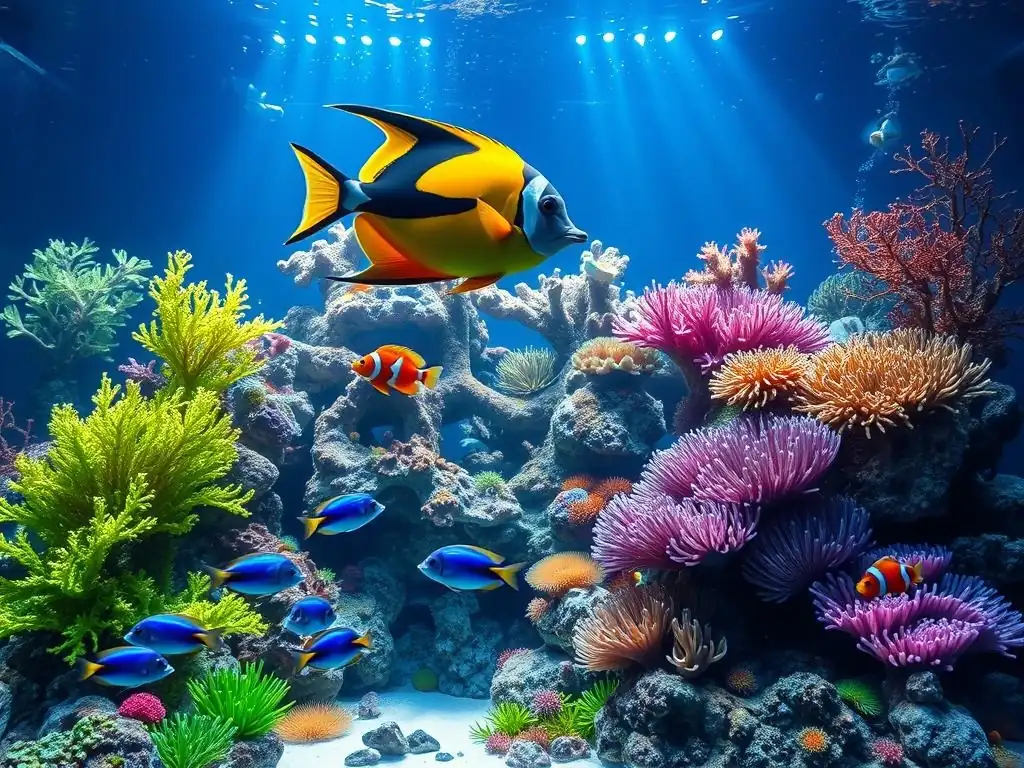
Ever wondered about the secrets to keeping those vibrant, graceful tangs thriving in your saltwater aquarium? Dive in! Our comprehensive Saltwater Tang Care Guide unlocks the mysteries behind these captivating fish, revealing everything you need to know about their unique needs and ensuring a happy, healthy life for them in your reef. Intrigued? Let's explore the world of tangs together...
- Understanding Saltwater Tangs: A Comprehensive Care Guide
- Essential Saltwater Tang Care: Key Considerations
- Selecting the Right Tang for Your Saltwater Aquarium
- Preventing and Treating Diseases in Saltwater Tangs
- Maintaining a Healthy Saltwater Tang Environment
- Advanced Tang Care Tips for Saltwater Aquarists
- The Future of Saltwater Tang Keeping: Sustainability and Conservation
- Conclusion: Mastering Saltwater Tang Care for a Thriving Aquarium
-
Frequently Asked Questions
- What are Tangs and why are they popular in saltwater aquariums?
- What is the ideal tank size for keeping Tangs healthy and happy?
- What are the key water parameters to maintain for optimal Tang health?
- What should I feed my Tang to ensure proper nutrition and vibrant coloration?
- What are some common diseases that affect Tangs, and how can I prevent them?
- Final Reflection: Navigating the Tangled Waters of Tang Care
- Unleash the Tang Expert Within!
Understanding Saltwater Tangs: A Comprehensive Care Guide
Introduction to Tangs and Surgeonfish for the Home Aquarium
Tangs, belonging to the family Acanthuridae, are a diverse group of marine fish also commonly known as surgeonfish due to the scalpel-like spines located on either side of their caudal peduncle (the narrow part of the body to which the tail fin is attached). These fascinating creatures are highly sought after by saltwater aquarists for their vibrant colors, distinctive body shapes, and active swimming patterns. Primarily herbivorous, tangs play a crucial role in their natural coral reef ecosystems by grazing on algae, a behavior that translates beneficially into the home aquarium environment.
The Acanthuridae family encompasses a wide array of species, from the iconic bright yellow of the Yellow Tang ( Zebrasoma flavescens) to the striking blue of the Regal Tang ( Paracanthurus hepatus) and the majestic trailing fins of the Naso Tang ( Naso lituratus). While their beauty is undeniable, successful long-term care of these fish requires a thorough understanding of their specific needs. This comprehensive saltwater tang care guide aims to equip aquarists with the essential knowledge to create a thriving habitat for these magnificent marine inhabitants, covering everything from tank requirements to diet and disease prevention.
Why Tangs are Popular Choices for Saltwater Aquariums
One of the primary reasons for the immense popularity of tangs in saltwater aquariums is their unparalleled aesthetic appeal. Their vivid coloration and graceful swimming add dynamic beauty to any marine setup. For instance, a school of Yellow Tangs provides a vibrant splash of sunshine, while the distinctive shape and bold markings of a Sailfin Tang ( Zebrasoma veliferum) command attention. Their constant activity and curious nature make them engaging subjects for observation, significantly enhancing the visual appeal and liveliness of a reef or fish-only tank.
Beyond their visual allure, tangs offer a significant practical benefit to the home aquarist: natural algae control. As dedicated herbivores, they are highly efficient at grazing on various types of nuisance algae that can plague saltwater aquariums, such as hair algae and film algae. This natural propensity helps maintain a cleaner, healthier tank environment, reducing the need for manual scrubbing and chemical treatments. For many aquarists seeking a balanced and self-sustaining ecosystem, integrating tangs as part of their saltwater tang care strategy is a smart and effective solution.
Essential Saltwater Tang Care: Key Considerations
Tank Size Requirements for Tangs: Providing Adequate Swimming Space
Providing an appropriately sized aquarium is arguably the most critical aspect of successful saltwater tang care. Tangs are highly active swimmers and can grow to considerable sizes, with some species like the Yellow Tang reaching up to 8 inches (20 cm) and larger species such as the Naso Tang exceeding 18 inches (45 cm) in length. Cramping a tang in an undersized tank leads to severe stress, stunted growth, increased aggression, and a heightened susceptibility to diseases like Head and Lateral Line Erosion (HLLE).
For smaller tang species, such as a single Yellow Tang or Kole Tang ( Ctenochaetus strigosus), a minimum tank size of 70-90 gallons (265-340 liters) is often recommended, with an emphasis on horizontal swimming space rather than vertical height. For popular larger species like the Blue Tang or Sailfin Tang, a tank of 125-180 gallons (470-680 liters) or more is essential to allow for proper exercise and reduce stress.
Giant species like the Sohal Tang ( Acanthurus sohal) or Naso Tang require tanks of 250 gallons (945 liters) or larger to truly thrive, making ample space a non-negotiable component of any robust saltwater tang care guide.
Water Parameters for Tangs: Maintaining Optimal Water Quality
Temperature, Salinity, and pH Levels for Tang Health
Maintaining stable and optimal water parameters is fundamental to the health and longevity of saltwater tangs. The ideal temperature range for most tang species is between 75°F and 82°F (24°C to 28°C), with many aquarists aiming for a consistent 78°F (25.5°C). Fluctuations in temperature, especially rapid ones, can cause significant stress to tangs, weakening their immune systems and making them vulnerable to illness. A reliable heater and thermometer are indispensable tools in achieving this stability.
Salinity, measured by specific gravity (SG), should be consistently maintained between 1.023 and 1.026, mimicking natural reef conditions. While tangs can tolerate slight variations, sudden changes can be detrimental to their osmoregulation. The pH level is also critical, ideally remaining within the range of 8.1 to 8.4. Regular testing of these parameters is crucial, as is maintaining appropriate alkalinity and calcium levels, especially in reef setups, to ensure a stable environment that supports overall fish health as part of a comprehensive saltwater tang care regimen.
Understanding Tang Diet: Algae Grazing and Supplemental Feeding
The Importance of Algae in a Tang's Diet
Tangs are primarily herbivorous fish, and algae constitutes the vast majority of their natural diet in the wild. This constant grazing on various types of marine algae provides them with essential nutrients, including vital cellulose, which aids in their digestion and promotes healthy gut function. Without a sufficient and consistent supply of vegetable matter, tangs can suffer from nutritional deficiencies, leading to serious health issues such as Head and Lateral Line Erosion (HLLE), faded coloration, and a weakened immune system.
In the home aquarium, ensuring an adequate supply of algae is paramount for proper saltwater tang care. While some aquarists allow a certain amount of beneficial algae to grow on rocks and tank walls for their tangs to graze upon, this is often insufficient to meet their dietary needs. Therefore, supplemental feeding with high-quality marine algae is absolutely essential. This consistent provision of plant-based food is the cornerstone of preventing malnutrition in these dedicated herbivores.
Recommended Foods for Saltwater Tangs
To ensure a balanced diet for your tangs, a variety of high-quality vegetable-based foods should be offered daily. The most common and highly recommended supplement is dried seaweed, specifically nori, which can be purchased in sheets from Asian markets or aquarium supply stores. This should be offered daily, often clipped to the side of the aquarium using a veggie clip, allowing the tangs to graze naturally throughout the day. Green, purple, and red nori varieties can be rotated to provide dietary diversity.
In addition to nori, high-quality spirulina flakes or pellets formulated specifically for marine herbivores should be a regular part of their diet. These often contain other beneficial ingredients like marine algae, spirulina, and various vitamins. While tangs are primarily herbivorous, some species, particularly Naso Tangs, are more omnivorous and will benefit from occasional offerings of meaty foods such as frozen mysis shrimp or enriched brine shrimp. However, these should be given sparingly as a treat, representing only a small fraction of their overall intake, emphasizing the herbivorous nature of a proper saltwater tang care guide.
Selecting the Right Tang for Your Saltwater Aquarium
Tang Species Profiles: Yellow Tang (Zebrasoma flavescens)
Temperament and Compatibility with Other Fish
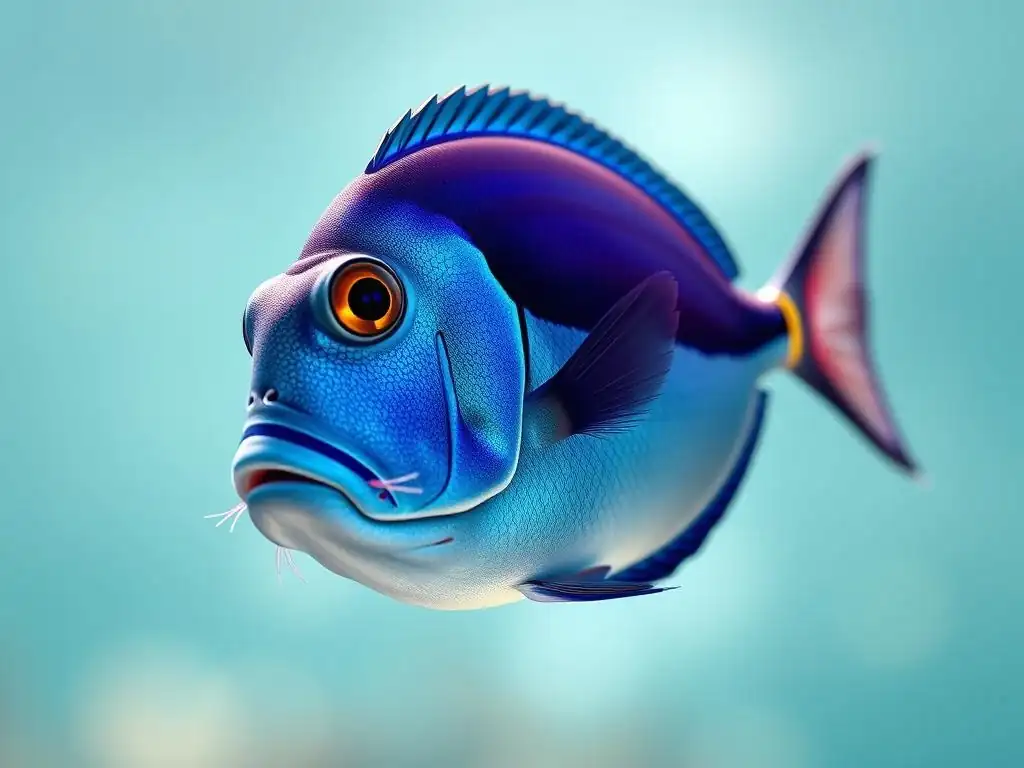
The Yellow Tang ( Zebrasoma flavescens) is one of the most popular and recognizable tangs in the aquarium hobby, prized for its vibrant, uniform yellow coloration. Generally, Yellow Tangs are considered semi-aggressive, particularly towards other tangs or fish of similar body shape and color.
They often do best as the sole tang in a smaller system (e.g., 70-90 gallons) or introduced as the last tang in a larger, well-established tank (125+ gallons) if multiple tangs are desired. They are typically compatible with a wide range of other non-tang marine fish, including clownfish, gobies, blennies, and angelfish, provided there is ample space and hiding spots to diffuse potential territorial disputes.
When considering a Yellow Tang, it's crucial to observe their behavior in the fish store. A healthy Yellow Tang will be active, constantly grazing, and display bright, consistent coloration. While they can be territorial, their aggression is usually limited to fin-nipping or chasing, rarely resulting in serious harm to tank mates if adequate space and appropriate tank mates are chosen. This aspect is vital for effective saltwater tang care, ensuring a peaceful co-existence within the community aquarium.
Size and Growth Rate Considerations
Yellow Tangs can grow to a maximum adult size of approximately 8 inches (20 cm) in length, though most commonly reach about 6-7 inches (15-18 cm) in home aquariums. Their growth rate can vary depending on factors such as diet, tank size, and water quality, but they generally mature within 1 to 2 years. Providing a spacious tank (minimum 70-90 gallons for a single adult) with plenty of room to swim is essential to allow them to reach their full potential size and maintain their health.
Undersized tanks can stunt their growth, leading to a smaller, less healthy specimen prone to stress and disease. For instance, keeping a Yellow Tang in a 40-gallon breeder tank, while seemingly spacious for a juvenile, will severely limit its adult size and overall well-being. A proper saltwater tang care guide emphasizes that anticipating the adult size of the fish and planning your aquarium accordingly is crucial to prevent stress and ensure a long, healthy life for your Yellow Tang.
Avoiding Common Mistakes When Choosing a Tang
One of the most common mistakes aquarists make when selecting a tang is underestimating its adult size and activity level. Many tangs are sold as juveniles, appearing small and harmless in a fish store's display tank.
However, species like the Blue Tang or Sailfin Tang can grow significantly, requiring tanks of 125 gallons or more. Purchasing a tang that will quickly outgrow your current setup often leads to stress for the fish, aggression towards tank mates, and ultimately, the need to upgrade to a larger tank or rehome the fish, which can be stressful for both the fish and the owner.
Another frequent error is failing to research the specific temperament and compatibility of the chosen tang species. While some tangs, like the Kole Tang, are relatively peaceful, others, such as the Sohal Tang or Achilles Tang, are notoriously aggressive and often best kept as the sole tang in a very large, fish-only system.
Introducing an aggressive tang into a community tank without proper planning can result in constant harassment of other fish, leading to stress, injury, and even death. A thorough saltwater tang care guide emphasizes that understanding the individual species' needs and temperament is paramount to avoiding these pitfalls and ensuring a harmonious aquarium.
Preventing and Treating Diseases in Saltwater Tangs
Common Tang Diseases: Identification and Treatment
Marine Ich (White Spot Disease) in Tangs: Prevention and Cure
Marine Ich, caused by the parasite Cryptocaryon irritans, is one of the most prevalent and devastating diseases in saltwater aquariums, and tangs are particularly susceptible due to their often-stressed nature from shipping or inadequate tank conditions. Symptoms include small white spots resembling grains of salt scattered across the fish's body and fins, rapid breathing, flashing (rubbing against tank decor), and lethargy. If left untreated, Ich can quickly overwhelm and kill fish.
Prevention is key, primarily through proper quarantine procedures for all new arrivals. If an outbreak occurs, effective treatments include a therapeutic dose of copper-based medication (e.g., Copper Power, Cupramine) administered in a separate quarantine tank, or the use of the Tank Transfer Method. For example, a common copper treatment involves maintaining a copper level of 0.25-0.5 ppm for at least 14-21 days.
It is crucial to remove carbon filtration during treatment and monitor copper levels daily with a reliable test kit. Fresh garlic extracts in food may also boost the immune system, but are not a cure. This proactive approach is a cornerstone of any effective saltwater tang care guide.
Head and Lateral Line Erosion (HLLE) in Tangs: Causes and Solutions
Head and Lateral Line Erosion (HLLE) is a common and often disfiguring condition in tangs, characterized by pitting and erosion of the skin and flesh around the head, face, and along the lateral line. While the exact cause is complex and not fully understood, it is widely believed to be multifactorial, stemming from poor water quality (especially high nitrates), nutritional deficiencies (lack of proper algae or Vitamin C), insufficient tank size leading to stress, and possibly the use of activated carbon for prolonged periods.
Addressing HLLE requires a multi-pronged approach focused on improving environmental conditions and diet. This includes performing regular, substantial water changes to reduce nitrates (aiming for less than 20 ppm), ensuring a spacious tank environment, and significantly enhancing the tang's diet with a variety of high-quality marine algae, such as nori, and spirulina-enriched foods. Supplementing food with vitamin C (e.g., using a vitamin soak like Selcon) can also aid in recovery.
For example, some aquarists have reported significant improvement in HLLE symptoms within 3-6 months by consistently feeding multiple sheets of nori daily and maintaining pristine water conditions. This holistic strategy is vital for comprehensive saltwater tang care.
Quarantine Procedures for New Tangs: Protecting Your Existing Aquarium
Implementing a strict quarantine procedure for all new tangs before introducing them to your main display tank is arguably the most critical step in preventing disease outbreaks. A dedicated quarantine tank (QT) should be set up with a heater, filter, and basic PVC pipes for hiding, but no substrate or elaborate decor to facilitate cleaning and observation. New tangs should be housed in the QT for a minimum of 4-6 weeks, ideally longer.
During this quarantine period, the tang can be observed for any signs of disease, such as Ich, velvet, or bacterial infections. Prophylactic treatments for common parasites, such as a low-dose copper treatment or Tank Transfer Method, can be administered during this time, even if no symptoms are visible. This prevents the introduction of pathogens into your established aquarium, which can decimate an entire fish population.
For instance, a 4-week quarantine period for a new Yellow Tang typically allows enough time for the Ich life cycle to complete, enabling treatment before the fish ever enters the main system. This diligent practice is a hallmark of responsible saltwater tang care.
Maintaining a Healthy Saltwater Tang Environment
Algae Control Strategies for Tangs: Natural and Mechanical Methods
Effective algae control in a saltwater aquarium with tangs involves both leveraging their natural grazing habits and employing mechanical methods. As discussed, tangs are excellent natural grazers, and providing them with a consistent supply of various macroalgae, like nori, encourages their grazing behavior and helps keep nuisance algae in check. Allowing a thin film of beneficial algae to grow on the rocks and glass between cleanings can provide a continuous food source for your tangs, mimicking their natural foraging environment.
However, tangs alone often cannot completely control severe algae outbreaks. Mechanical methods such as regular manual scrubbing of the tank glass and rocks, siphoning out detritus during water changes, and using high-quality filtration (protein skimmers, refugiums with chaetomorpha algae) are crucial. For example, a robust protein skimmer can remove dissolved organic compounds that fuel algae growth, while a refugium can outcompete nuisance algae for nutrients. Balancing these natural and mechanical approaches is key to a clean, healthy tank as part of a comprehensive saltwater tang care guide.
Proper Filtration and Water Changes for Tang Health
Robust filtration and consistent water changes are indispensable for maintaining the pristine water quality that tangs require. A powerful protein skimmer is highly recommended, as it efficiently removes organic waste before it can break down into nitrates and other undesirable compounds. Biological filtration, typically provided by live rock and sand, is essential for converting ammonia and nitrites into less harmful nitrates. Mechanical filtration, such as filter socks or sponges, should be cleaned or replaced regularly (e.g., every 2-3 days) to prevent them from becoming nitrate factories.
Regular water changes are equally important for diluting nitrates, replenishing essential trace elements, and maintaining stable pH and alkalinity. For a heavily stocked tang tank, a weekly water change of 10-15% is often recommended, or 20-25% bi-weekly. For instance, in a 125-gallon tank, a 15% weekly water change means replacing approximately 19 gallons of water. Using high-quality source water (RO/DI water) and properly mixed saltwater is crucial for these changes, ensuring that you are not introducing impurities into the system. This consistent maintenance forms the backbone of effective saltwater tang care.
Choosing the Right Tank Mates for Tangs: Avoiding Aggression
Selecting compatible tank mates is crucial for a harmonious aquarium when keeping tangs, as many species can exhibit territorial or aggressive behavior, especially towards similar-looking fish. While some tangs, like Yellow Tangs, can be housed with other tangs in very large aquariums (e.g., 200+ gallons) if introduced simultaneously or with significant size differences, it's often safer to keep only one tang per tank unless you have an exceptionally large system. Species like Sohal or Achilles Tangs are often best kept as the sole tang due to their high aggression levels.
Ideal tank mates for tangs are typically fish that occupy different niches in the aquarium and have different body shapes and temperaments. Good choices often include clownfish, gobies, blennies, wrasses, and some types of angelfish (depending on species and size). Avoid housing tangs with slow-moving or timid fish that cannot escape their territorial displays. For example, a robust Blue Tang might stress out a delicate mandarin goby. Researching the specific temperament of your chosen tang species and its potential tank mates is a vital step in any thorough saltwater tang care guide to prevent stress and aggression.
Advanced Tang Care Tips for Saltwater Aquarists
Understanding Tang Behavior: Recognizing Signs of Stress or Illness
Observing your tang's behavior is a key aspect of advanced saltwater tang care, as it provides early indicators of stress or illness. A healthy tang is typically active, constantly grazing, swimming gracefully, and displaying vibrant, consistent coloration. They will often be curious and responsive to their environment. Any deviation from this normal behavior should be a cause for concern.
Signs of stress or illness can include: faded or patchy coloration, clamped fins, rapid or labored breathing, hiding excessively, refusing to eat, scratching or flashing against rocks, white spots (Ich), or stringy white feces. For instance, a Yellow Tang that suddenly appears pale and hides in a corner for prolonged periods, refusing offered food, is likely experiencing significant stress or the onset of disease. Early detection through diligent observation allows for prompt intervention, which can dramatically improve the chances of successful treatment and recovery.
Creating a Tang-Friendly Aquascape: Providing Hiding Places and Grazing Surfaces
A well-designed aquascape is not just aesthetically pleasing; it plays a crucial role in the well-being of your tangs. Tangs are active swimmers and require ample open swimming space, but they also need numerous hiding places and crevices to retreat to when feeling stressed or threatened. Live rock structures with caves, overhangs, and swim-throughs provide essential security and reduce aggression among tank inhabitants.
Furthermore, a tang-friendly aquascape should incorporate surfaces that encourage natural grazing. Live rock, when properly cured and mature, develops a biofilm and microalgae that tangs will constantly graze upon. You can also strategically place algae clips in different areas of the tank to encourage varied grazing patterns. For example, creating a large, open area in the front of the tank for swimming, combined with intricate rockwork along the back and sides, offers both security and freedom, contributing significantly to optimal saltwater tang care.
Breeding Tangs in Captivity
Breeding tangs in captivity is a significant challenge and has historically been achieved only by a handful of specialized aquaculture facilities, not typically by hobbyists. Most tang species are pelagic spawners, meaning they release eggs and sperm into the open water column, where the fertilized eggs drift with currents. The larval stage is often protracted and requires extremely specific feeding regimens with microscopic plankton, which are notoriously difficult to culture in sufficient quantities for large-scale larval rearing.
While there have been breakthroughs, such as the successful captive breeding of Yellow Tangs at the Oceanic Institute of Hawaii Pacific University, these achievements highlight the complexity rather than common feasibility for the home aquarist. The required scale of facilities, precise environmental control, and advanced larval nutrition make it an endeavor beyond the scope of typical hobbyist setups. Therefore, a saltwater tang care guide for the home aquarist primarily focuses on husbandry and health, rather than reproduction.
The Future of Saltwater Tang Keeping: Sustainability and Conservation
Responsible Tang Acquisition: Supporting Sustainable Practices
The vast majority of tangs available in the aquarium trade are wild-caught. Given the increasing demand and environmental concerns, responsible tang acquisition is becoming an increasingly important aspect of saltwater tang care. Aquarists should strive to purchase fish from reputable dealers who source their livestock ethically and sustainably. This often means supporting suppliers who work with collectors employing non-destructive fishing methods, such as hand-netting, rather than cyanide or other harmful practices.
Supporting aquaculture efforts, even though captive-bred tangs are rare and expensive, is another way to contribute to sustainability. As organizations like the Oceanic Institute continue to make strides in breeding tangs like the Yellow Tang in captivity, choosing these specimens, when available, reduces pressure on wild populations. Inquiring about the origin of your fish and choosing suppliers committed to transparency and sustainable practices helps ensure the long-term viability of these beautiful species in the wild.
Contributing to Tang Conservation Efforts
Beyond responsible acquisition, individual aquarists can contribute to tang conservation efforts through various means. Participating in citizen science initiatives, such as reporting observations of marine life or supporting organizations that monitor reef health, can provide valuable data. Donating to or volunteering with marine conservation organizations that focus on coral reef protection and sustainable fisheries also makes a direct impact. Many organizations are actively working to protect the natural habitats of tangs from threats like climate change, pollution, and overfishing.
Furthermore, educating fellow aquarists about the importance of sustainable practices and proper saltwater tang care can create a ripple effect. By promoting responsible aquarium keeping, emphasizing the necessity of large tanks, appropriate diets, and disease prevention, aquarists can collectively contribute to healthier fish populations both in captivity and in the wild. A well-informed community is better equipped to advocate for conservation and ensure that future generations can also appreciate these magnificent fish.
Conclusion: Mastering Saltwater Tang Care for a Thriving Aquarium
Frequently Asked Questions
What are Tangs and why are they popular in saltwater aquariums?
Tangs, also known as surgeonfish, are a family of vibrant and active saltwater fish. They are popular due to their striking colors and their role in controlling algae growth within the aquarium.
What is the ideal tank size for keeping Tangs healthy and happy?
Tangs require large tanks to thrive, generally at least 75 gallons for smaller species, and significantly larger (180 gallons+) for bigger varieties. This is due to their active swimming habits and need for ample space.
What are the key water parameters to maintain for optimal Tang health?
Maintaining stable water parameters is crucial. Key parameters include a specific gravity of 1.024-1.026, a pH of 8.1-8.4, and near-zero levels of ammonia and nitrite. Consistent weekly water changes are also vital.
What should I feed my Tang to ensure proper nutrition and vibrant coloration?
Tangs are primarily herbivores, so their diet should consist mainly of algae and seaweed. Supplement with high-quality flake or pellet food designed for herbivores, and offer occasional meaty treats.
What are some common diseases that affect Tangs, and how can I prevent them?
Common diseases include ich (white spot disease) and marine velvet. Prevention involves quarantining new fish, maintaining excellent water quality, and providing a stress-free environment.
The journey through the world of tangs, as we've explored, is far more than just selecting a beautiful fish for a saltwater aquarium. It's about understanding their intricate needs and committing to providing an environment where they can truly thrive. This commitment to responsible aquascaping and informed fishkeeping is more crucial now than ever, as the demand for these vibrant creatures continues to rise, placing increasing pressure on wild populations and the delicate balance of our marine ecosystems.
The impact of informed aquarists extends far beyond the confines of their tanks. My hope is that this guide empowers hobbyists to make ethical choices, contributing to the sustainability of the hobby and the preservation of these magnificent fish. In the end, we will conserve only what we love; we will love only what we understand; and we will understand only what we are taught.
- Baba Dioum's words resonate deeply, reminding us that education is the cornerstone of conservation.
So, as you embark on, or continue, your saltwater aquascaping journey, remember the lessons we've uncovered. Let this guide not just be a source of information, but a catalyst for responsible action. Consider the long-term impact of your choices, and strive to be a steward of the ocean, one tank at a time. The future of these dazzling tangs, and indeed the health of our reefs, depends on it.
Unleash the Tang Expert Within!
Thanks for diving into the fascinating world of Tangs! We hope you now feel more confident in understanding and caring for these vibrant reef inhabitants. Ready to put your newfound knowledge into action?
Here’s how you can further explore the world of Tangs:
- Commit to meticulous research before adding any Tang to your tank, ensuring compatibility with existing inhabitants and adequate tank size. This is the single most important step!
- Delve deeper by comparing different Tang species side-by-side, noting their specific dietary needs and temperament variations.
- Share this article with fellow aquarists! Helping others understand Tang care is a great way to contribute to responsible reef keeping.
What specific Tang species are you most captivated by, and what challenges do you anticipate in caring for it?