
Understanding Social Hierarchies: Cardinalfish vs. Anthias Group Dynamics Compared


Welcome to Aquarium Mastery, your ultimate guide to creating thriving aquatic ecosystems! Ever wondered about the intricate social lives unfolding beneath the surface of your saltwater aquarium? Dive in and discover the fascinating world of Cardinalfish and Anthias group dynamics. Unravel the secrets of their hierarchies and unlock the key to a harmonious reef environment. Curious to learn more? Let's explore!
- Cardinalfish and Anthias: An Introduction to Reef-Safe Schooling Fish
- Cardinalfish Social Structure: A Detailed Look at Group Dynamics
- Anthias Social Structure: Understanding the Female-Dominated Hierarchy
- Cardinalfish vs. Anthias: A Comparative Analysis of Social Dynamics
- Maintaining a Healthy Social Structure in Your Reef Aquarium
- Troubleshooting Social Issues in Cardinalfish and Anthias
- Conclusion: Optimizing Cardinalfish and Anthias Group Dynamics for a Thriving Reef Aquarium
-
Frequently Asked Questions
- How do Cardinalfish and Anthias differ in their social structures within an aquarium setting?
- What are the key considerations when introducing a group of Cardinalfish to a new aquarium?
- How does the size of the aquarium affect the group dynamics of Anthias?
- What are some signs that the social hierarchy within a Cardinalfish group is unstable?
- Can Cardinalfish and Anthias be kept together in the same aquarium, and what precautions should be taken?
- Final Reflection: Navigating the Depths of Social Connection
- Dive Deeper: Transform Your Aquarium Expertise!
Cardinalfish and Anthias: An Introduction to Reef-Safe Schooling Fish
Exploring the Popularity of Cardinalfish and Anthias in Reef Aquariums
Cardinalfish and Anthias are highly sought-after inhabitants for reef aquariums, primarily due to their vibrant colors, captivating schooling behaviors, and general compatibility with a diverse range of corals and invertebrates. Their presence adds dynamic movement and a splash of natural beauty to the aquatic environment, making them staples in many successful reef setups. The visual appeal of a tightly schooling group of Anthias darting through the water column or a serene shoal of Cardinalfish gracefully navigating rocky overhangs is unparalleled, enhancing the overall aesthetic of the tank.
Beyond their aesthetic appeal, these fish are often chosen for their relatively manageable care requirements compared to some other marine species, provided their specific social and environmental needs are met. Many species of both Cardinalfish and Anthias are considered reef-safe, meaning they typically will not nip at corals or bother sessile invertebrates, which is a crucial consideration for maintaining a thriving mixed-reef aquarium. This compatibility allows aquarists to create complex and biodiverse ecosystems, enriching the experience of observing natural Cardinalfish anthias group dynamics.
Key Differences Between Cardinalfish and Anthias: A Preliminary Overview
While both Cardinalfish and Anthias are celebrated for their schooling tendencies and reef compatibility, they exhibit distinct differences in their natural behaviors, preferred habitats, and especially their social structures. Cardinalfish generally possess a more elongated, somewhat compressed body shape and tend to be more reclusive, often preferring the safety of rocky crevices and overhangs, especially during daylight hours. They are typically less active swimmers, exhibiting a more relaxed, hovering movement.
Conversely, Anthias are renowned for their torpedo-shaped bodies and hyperactive swimming styles, constantly darting and weaving in the open water column above the reef. Their vibrant coloration, particularly in males, is often more pronounced than that of Cardinalfish. Crucially, their social hierarchies differ significantly: Cardinalfish often form loose shoals with subtle dominance, while Anthias establish complex, female-dominated harems, which profoundly influences their Cardinalfish anthias group dynamics in an aquarium setting.
Cardinalfish Hierarchy: Dominance and Submissive Behaviors Explained
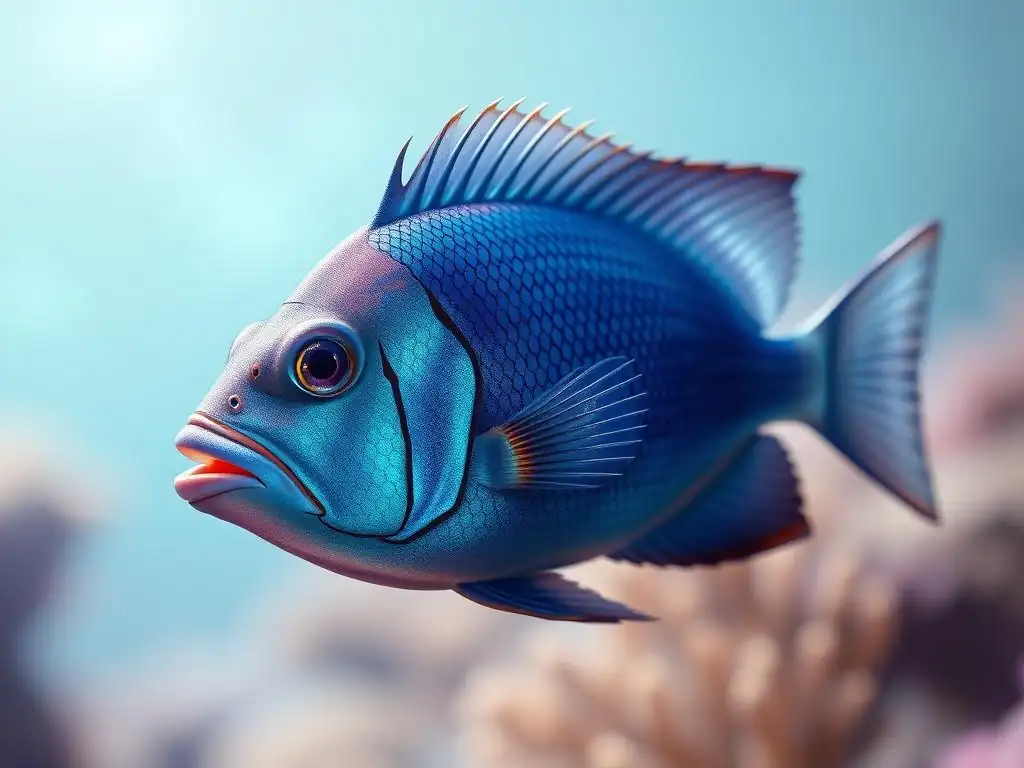
Cardinalfish generally exhibit a relatively subtle and often linear dominance hierarchy within their groups, particularly in species that form true shoals. This hierarchy is typically expressed through minor displays of fin flaring, subtle chasing, or nudging during feeding times or when vying for preferred resting spots. More dominant individuals, usually the largest or most established in the tank, may subtly assert their presence, but overt aggression leading to serious injury is quite rare in a well-maintained system with ample space and appropriate group size.
Submissive behaviors in Cardinalfish are equally understated, often involving simply retreating from a more dominant individual or avoiding direct confrontation. They might hold their fins closer to their bodies or seek refuge in a less exposed area of the tank. Unlike some more aggressive species, these interactions are generally not prolonged or intense, allowing the group to maintain a peaceful coexistence. Understanding these nuanced Cardinalfish anthias group dynamics is key to successful long-term keeping.
For most schooling Cardinalfish species, such as the popular Pajama Cardinalfish ( Sphaeramia nematoptera), maintaining a group of at least 5 to 7 individuals is often recommended to foster natural schooling behavior and diffuse potential aggression. In smaller groups, particularly pairs or trios, one individual may become the target of persistent bullying from a more dominant fish, leading to stress, inhibited feeding, and ultimately, poor health. A larger group helps to spread out any minor aggression, ensuring no single fish bears the brunt of dominant displays.
The benefit of a larger group also lies in the security it provides to individual fish. In numbers, Cardinalfish feel safer and are more likely to exhibit their natural shoaling patterns, which are a highlight of their behavior in a reef aquarium. For example, a group of seven Pajama Cardinalfish in a 30-gallon or larger tank will typically display more confident and cohesive schooling than just two or three individuals, which might remain more reclusive.
Pajama Cardinalfish Social Behavior: Peaceful Temperament and Shoaling Tendencies
The Pajama Cardinalfish ( Sphaeramia nematoptera) is widely celebrated for its peaceful temperament and strong shoaling tendencies, making it an excellent candidate for community reef aquariums. These fish are relatively slow-moving and prefer to hover in the water column, often near rockwork or branching corals, seeking shelter during the day and becoming more active at dusk. They exhibit a loose social structure, where individuals generally coexist without significant conflict, forming a cohesive yet flexible group.
Their placid nature makes them highly compatible with a wide array of other peaceful reef inhabitants, including various gobies, blennies, and other non-aggressive schooling fish. When kept in groups of five or more, Pajama Cardinalfish typically display their most natural and engaging behaviors, contributing a calm and visually appealing dynamic to the aquarium. Their ability to integrate smoothly into diverse communities underscores their value in understanding Cardinalfish anthias group dynamics.
Banggai Cardinalfish Social Behavior: Pair Bonding and Territoriality
In stark contrast to the shoaling Pajama Cardinalfish, the Banggai Cardinalfish ( Pterapogon kauderni) exhibits a unique social structure characterized by strong pair bonding and distinct territoriality. While often marketed as schooling fish, they are, in fact, highly aggressive towards conspecifics outside of their established pair bond. A male and female will typically form a monogamous pair and defend a small territory, especially during breeding periods when the male mouthbroods eggs.
Attempting to keep multiple Banggai Cardinalfish in a smaller aquarium (e.g., less than 75 gallons) without established pairs often results in severe aggression, with dominant individuals relentlessly harassing and potentially killing weaker ones until only a single pair or even a lone fish remains. For this reason, it is generally recommended to keep either a single specimen or a confirmed mated pair in a home aquarium.
Introducing more than one pair or a larger group requires a very spacious tank (e.g., 120 gallons or more) with ample visual barriers to minimize conflict, highlighting the unique challenges within Cardinalfish anthias group dynamics.
Anthias species are renowned for their striking colors and active swimming, but their social structure is perhaps their most fascinating characteristic: a strict, female-dominated harem. In the wild, and ideally in the aquarium, an Anthias group consists of one dominant male presiding over several females. The male is typically larger and more vibrantly colored than the females, and he plays a crucial role in maintaining order and defending the group's territory.
Within the female contingent, there is also a clear pecking order, with the largest and most dominant female often positioned just below the male in the hierarchy. This dominant female is usually the one most likely to undergo a sex change if the male is removed or dies, ensuring the continuity of the harem structure. These intricate Cardinalfish anthias group dynamics require careful consideration for successful aquarium keeping.
Anthias Sex Change: Protogynous Hermaphroditism and its Impact on the Group
A key aspect of Anthias social structure is their protogynous hermaphroditism, meaning all individuals are born female and have the capacity to change sex to male. This remarkable biological trait is directly linked to their harem dynamics. If the dominant male of a group is removed or perishes, the largest and most dominant female in the harem will typically undergo a sex change, developing male coloration and taking on the role of the new dominant male. This process usually takes several weeks.
This sex-change ability has significant implications for aquarists. It means that when introducing Anthias, it is generally best to add a single male along with several smaller females. Attempting to introduce multiple males into a tank without a pre-established, very large territory often leads to intense, often fatal, aggression as the males fight for dominance. Understanding this unique aspect of Anthias social structure is crucial for maintaining a healthy and stable group.
Given their active swimming habits and complex social hierarchies, Anthias require significantly more space than many similarly sized reef fish. For a stable harem of Anthias, such as 1 male and 5-7 females, a tank of at least 120 gallons is often considered a minimum. This provides ample horizontal swimming space, allows for the establishment of individual territories within the group, and offers sufficient room for subordinate individuals to escape aggression if necessary.
Larger groups of Anthias, for example, 10-15 individuals, would necessitate an even more substantial aquarium, typically 180 gallons or more. Inadequate tank size is a primary cause of stress and aggression in Anthias, leading to suppressed immune systems, physical injury, and even death for weaker individuals. Providing a spacious environment is paramount for fostering natural Anthias group dynamics and ensuring the well-being of the entire group.
Lyretail Anthias Social Behavior: Active Swimmers and Social Hierarchy
Lyretail Anthias ( Pseudanthias squamipinnis) are one of the most popular and widely recognized Anthias species, celebrated for their vibrant orange and pink hues and constant, energetic swimming. They are quintessential open-water swimmers, typically inhabiting the upper reaches of the reef in the wild, where they feed on zooplankton. In an aquarium, they maintain their characteristic harem structure, with one male overseeing a group of females.
Their active metabolism necessitates frequent feedings, often 2-3 times per day, to maintain their health and reduce competition-driven aggression. If food is scarce or feeding is infrequent, the dominant male or larger females may hog food, leading to the starvation of smaller or more timid individuals. Providing a consistent and ample food supply is vital for mitigating stress and promoting harmonious Lyretail Anthias group dynamics.
Dispar Anthias Social Behavior: Relatively Peaceful and Suitable for Larger Groups
Dispar Anthias ( Pseudanthias dispar) are generally considered one of the more peaceful Anthias species, making them a suitable choice for aquarists looking to keep a larger school. While they still adhere to the protogynous hermaphroditic harem structure, their overall aggression levels are typically lower than those of larger or more boisterous Anthias species. They are smaller in stature, reaching about 3.5 inches, which also contributes to their suitability for larger groups in appropriately sized tanks.
Despite their relatively peaceful nature, Dispar Anthias still require sufficient space and a proper male-to-female ratio (e.g., 1 male to 8-10 females in a 100+ gallon tank) to thrive. Their high activity levels and constant search for zooplankton in the water column mean they also benefit from multiple daily feedings. When kept in suitable numbers and conditions, they display beautiful schooling behavior, adding a dynamic and peaceful element to the reef aquarium.
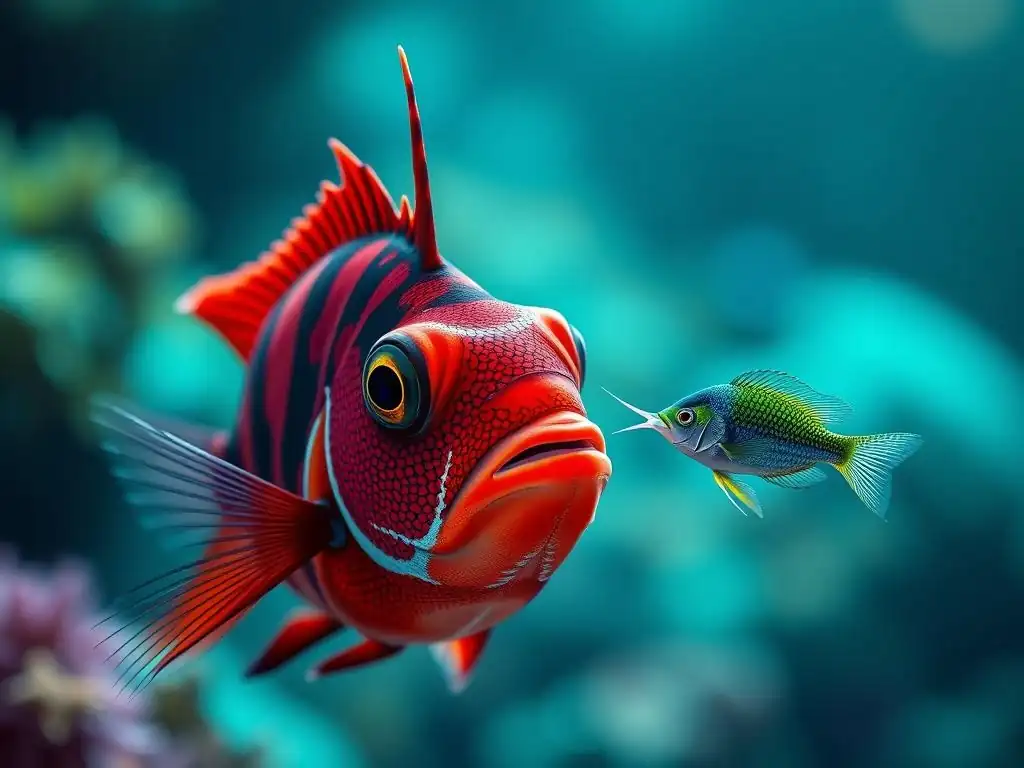
The fundamental difference in Cardinalfish anthias group dynamics lies in their social hierarchy. Cardinalfish, particularly shoaling species like the Pajama Cardinalfish, typically exhibit a loose, linear dominance hierarchy. While there may be subtle pecking orders, aggression is generally low, and individuals can usually escape conflict by simply moving away. This allows for more flexible group compositions and a broader range of tank sizes for successful keeping.
In contrast, Anthias operate under a strict, female-dominated harem system driven by protogynous hermaphroditism. This rigid structure means one male controls multiple females, and severe aggression can occur if multiple males are present or if the hierarchy is disrupted. The social stability of an Anthias group is highly dependent on maintaining this specific male-to-female ratio and providing adequate space for the hierarchy to function without excessive stress.
Tank size plays a critical role in mitigating aggression and promoting healthy Cardinalfish anthias group dynamics. Cardinalfish, being less active and often preferring to hover or hide, can thrive in moderately sized tanks. For instance, a group of 5-7 Pajama Cardinalfish can be comfortably housed in a 30-gallon or 40-gallon breeder tank, given sufficient rockwork. Their lower activity levels mean less horizontal swimming space is required.
Anthias, however, are highly active, open-water swimmers that require significantly more space. A group of 5-7 Lyretail Anthias would ideally need a minimum of a 75-gallon to 100-gallon tank to provide adequate swimming room and dilute aggression among females. Larger Anthias groups or more boisterous species might require 120 gallons or more. Insufficient space intensifies competition for territory and food, leading to heightened stress and aggression, particularly in Anthias.
The distinct feeding habits of Cardinalfish and Anthias also influence their social dynamics. Anthias are typically voracious, planktivorous feeders that require multiple small feedings throughout the day (often 2-3 times or more) to sustain their high metabolism. Inadequate or infrequent feeding can lead to intense competition, where dominant individuals hoard food, causing subordinate fish to starve or become severely stressed, thus disrupting the Anthias group dynamics.
Cardinalfish, while also carnivores, often have a more sedate feeding approach. Many species are crepuscular or nocturnal, meaning they are most active during dawn and dusk. They might not compete as aggressively for food during standard daytime feedings, sometimes requiring food to reach their hiding spots. Ensuring all Cardinalfish get enough food, especially the shyer individuals, is important, though competition is generally less intense than with Anthias.
Aggression Levels: Comparing Cardinalfish and Anthias Aggression within Groups
When comparing Cardinalfish anthias group dynamics, aggression levels within their own groups are markedly different. Cardinalfish typically exhibit low levels of intraspecific aggression. Any conflicts are usually subtle, involving minor chasing or fin nipping, and rarely result in serious injury or death. They are generally peaceful community fish, and their aggression is usually a sign of insufficient group size or inadequate hiding spots.
Anthias, while beautiful, can be prone to significant intraspecific aggression, particularly among females vying for position or if tank conditions are not ideal. This aggression can manifest as relentless chasing, nipping, and even outright physical attacks that can severely injure or kill weaker individuals. The male, while maintaining control, can also be aggressive towards females if the harem is too small or if new females are introduced improperly. This higher potential for aggression makes careful planning essential for Anthias groups.
Introducing New Fish: Minimizing Stress and Aggression
Introducing new fish, especially when adding to existing Cardinalfish or Anthias groups, requires careful planning to minimize stress and aggression. It is highly recommended to quarantine new fish in a separate tank for several weeks to ensure they are healthy and disease-free before introduction. When adding fish to the main display, dimming the aquarium lights can help reduce initial territoriality and allow new inhabitants to acclimate more calmly.
For schooling species like Pajama Cardinalfish or groups of Anthias, adding multiple individuals simultaneously can help diffuse aggression, as the existing fish's attention is spread among several newcomers. Rearranging rockwork slightly can also be beneficial, as it disrupts established territories and forces all fish, old and new, to re-establish their claims, often reducing initial conflicts. Providing ample hiding spots immediately accessible to the new fish is also crucial.
Constant and diligent observation is paramount for maintaining healthy Cardinalfish anthias group dynamics. Aquarists should regularly observe their fish for any signs of stress, aggression, or illness. These signs can include clamped fins, faded coloration, excessive hiding, rapid breathing, refusal to eat, or physical damage like torn fins or body scrapes. Early detection of these issues allows for timely intervention before problems escalate.
If bullying or excessive dominance is observed, identifying both the aggressor and the victim is the first step. Intervention might involve temporary separation of the aggressor or victim into a breeder box or quarantine tank, rearranging tank decor to break up territories, or, in some cases, re-evaluating the group size or composition. Ignoring these signs can lead to chronic stress, weakened immune systems, and susceptibility to diseases within the group.
Pristine water quality and a stable tank environment are foundational to the well-being and social harmony of both Cardinalfish and Anthias. Fluctuating water parameters (e.g., salinity, temperature, pH) or elevated levels of nitrates and phosphates can cause significant stress, which often exacerbates social issues and aggression. Regular water changes, robust filtration, and consistent monitoring of parameters are essential for a low-stress environment.
Beyond water chemistry, the physical tank environment plays a crucial role. For Cardinalfish, ample rockwork with numerous caves, overhangs, and crevices provides essential hiding spots and a sense of security, reducing stress. For Anthias, a large open swimming area combined with plenty of live rock structures for perching and refuge is vital. Appropriate water flow, mimicking their natural habitat, also contributes to their comfort and overall health, thereby supporting stable Cardinalfish anthias group dynamics.
Effective feeding strategies are critical for minimizing competition and maintaining social balance, particularly in Anthias groups. Due to their high metabolism and constant activity, Anthias require frequent, small feedings throughout the day (e.g., 2-3 times daily or even more). This ensures all individuals, especially the more timid ones, have ample opportunity to feed without being outcompeted by dominant fish. Broadcasting food over a wide area can also help distribute it more evenly.
For Cardinalfish, while less prone to feeding aggression, it's important to ensure food reaches them, especially if they are shy or prefer specific areas of the tank. Some Cardinalfish are slower eaters or more nocturnal, so feeding at dusk or ensuring some food remains accessible for later can be beneficial. Offering a varied diet of high-quality frozen and dry foods tailored to their carnivorous needs helps maintain their vigor and reduces stress that could lead to subtle social conflicts.
Identifying Signs of Aggression or Stress in your Fish
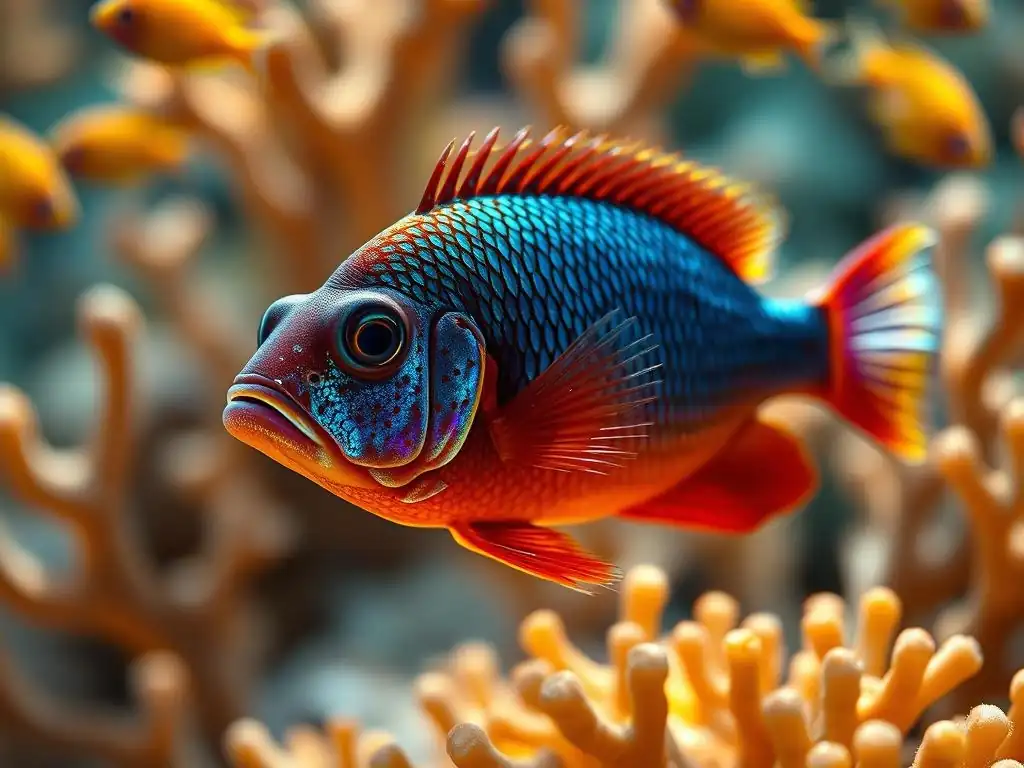
Recognizing the early signs of aggression or stress is crucial for preventing more severe problems within your Cardinalfish and Anthias groups. Common indicators include:
- Physical Damage: Torn fins, missing scales, or body scrapes.
- Behavioral Changes: Excessive hiding, constant fleeing from specific tank mates, clamped fins, rapid breathing, erratic swimming, or refusal to eat.
- Coloration Changes: Faded colors, dark stress bars, or unusual blotches.
- Isolation: A fish being constantly chased or ostracized from the group.
- Weight Loss: Despite eating, a fish might appear emaciated due to chronic stress or lack of access to food.
Observing these signs, especially if persistent, warrants immediate investigation and intervention to protect the affected fish and stabilize the Cardinalfish anthias group dynamics. Chronic stress significantly weakens a fish's immune system, making it highly susceptible to common aquarium diseases like ich or velvet.
Addressing Bullying or Dominance Issues within the Group
Once bullying or dominance issues are identified, several strategies can be employed. For schooling Cardinalfish, if a small group is experiencing aggression, adding more individuals (if tank size allows) can often dilute the aggression by spreading it out among more fish. Rearranging the tank's rockwork and decor can also disrupt established territories and create new hiding spots, often resetting the social order.
For Anthias, ensuring the male-to-female ratio is correct is paramount; there should ideally be only one male in the group unless the tank is exceptionally large (e.g., 200+ gallons with multiple visual barriers). If a male is overly aggressive towards a specific female, sometimes adding one or two more females can help diffuse his attention. Providing ample feeding opportunities throughout the day can also reduce competition and stress. In extreme cases, temporarily removing the aggressor for a "time-out" period (e.g., a few days to a week in a separate tank) can sometimes help reset the hierarchy upon reintroduction.
Separating and Reintroducing Fish: A Last Resort Strategy
Separating an aggressive fish or a severely bullied victim is a last resort strategy, but often necessary to save a fish's life or restore peace to the tank. The separated fish can be placed in a clear acclimation box within the main tank, a quarantine tank, or even a temporary hospital tank. This allows the bullied fish to recover without constant harassment or gives the aggressor a "time-out" from its dominant behavior.
When reintroducing a separated fish, several techniques can increase the chances of success. Rearranging the tank's aquascape before reintroduction can help, as it eliminates established territories. Introducing the fish after the main tank lights have been off for a while or just before they come on can also reduce initial confrontation. Sometimes, adding other, non-aggressive fish simultaneously with the reintroduced fish can distract the existing inhabitants. However, it's important to note that reintroduction is not always successful, and in some cases, a fish may need to be permanently housed elsewhere.
Conclusion: Optimizing Cardinalfish and Anthias Group Dynamics for a Thriving Reef Aquarium
Key Takeaways for Successful Cardinalfish and Anthias Keeping
Successful keeping of Cardinalfish and Anthias in a reef aquarium hinges on a deep understanding of their unique social dynamics and species-specific needs. Key takeaways include recognizing the fundamental difference between Cardinalfish's generally linear, loose shoaling behavior and Anthias's strict, protogynous hermaphroditic harem structure. Providing adequate tank size, which is significantly larger for active Anthias, is crucial for mitigating aggression and allowing natural behaviors to flourish.
Moreover, careful consideration of group size and composition—a larger shoal for Cardinalfish versus a single male with multiple females for Anthias—is paramount. Consistent, appropriate feeding strategies, especially multiple daily feedings for Anthias, are essential to reduce competition and stress. Finally, vigilant observation for signs of aggression or stress, coupled with timely intervention, ensures a stable and thriving social ecosystem, optimizing Cardinalfish anthias group dynamics for the long term.
Understanding the nuanced social behaviors of aquarium fish, particularly species like Cardinalfish and Anthias, is an ongoing learning process that significantly contributes to their well-being and the success of your reef aquarium. While this article provides a comprehensive overview of Cardinalfish anthias group dynamics, the aquatic world is incredibly diverse, and individual fish within a species can exhibit unique personalities and reactions.
For aquarists seeking to deepen their knowledge, consulting reputable aquarium literature, scientific studies on fish ethology, and engaging with experienced hobbyists through forums and local clubs can provide invaluable insights. Continuous learning about species-specific needs, behavioral patterns, and effective intervention strategies will empower you to create a harmonious and thriving aquatic environment for all your fish.
Frequently Asked Questions
Cardinalfish often establish a strict hierarchy dominated by a single male, while Anthias typically form harem-like groups with a dominant female. This difference impacts tank compatibility and overall health.
What are the key considerations when introducing a group of Cardinalfish to a new aquarium?
Introducing multiple Cardinalfish simultaneously can help reduce aggression and establish a more stable hierarchy. Providing ample hiding places is also crucial for their well-being.
How does the size of the aquarium affect the group dynamics of Anthias?
A larger aquarium is essential for Anthias to allow for natural schooling behavior and to minimize competition for resources. Overcrowding can lead to stress and disease.
Signs of instability include excessive aggression, fin nipping, and a subordinate fish being constantly harassed. These behaviors often indicate a need for re-arrangement.
Can Cardinalfish and Anthias be kept together in the same aquarium, and what precautions should be taken?
Keeping them together is possible in larger tanks, but careful consideration of tank size and individual species needs is crucial. Monitor for inter-species aggression and provide ample space for both groups to thrive.
The intricate dance of dominance and submission, so vividly displayed in the complex social structures of Cardinalfish and Anthias, isn't just a fascinating observation of marine life. It's a mirror reflecting the dynamics that shape our own societies, reminding us that understanding these hierarchies is crucial for fostering healthier, more equitable communities, both in the ocean and on land.
This exploration into the underwater world has underscored the profound impact of social structures. Witnessing the subtle cues and power plays within these fish groups has been a humbling reminder of the constant negotiation of relationships that defines our existence. The measure of intelligence is the ability to change.
- Albert Einstein. This quote resonates deeply when considering the adaptability required to navigate the ever-shifting currents of social hierarchies, whether in a school of fish or a human organization.
As we surface from this deep dive into Cardinalfish and Anthias group dynamics, let's carry with us the lessons learned. Consider the subtle ways hierarchies influence your own interactions. How can you contribute to a more balanced and supportive environment, one where individual needs are respected and collective well-being is prioritized? The ocean's wisdom is vast; let it inspire you to create ripples of positive change in your own social ecosystem.
Dive Deeper: Transform Your Aquarium Expertise!
Thank you for exploring the fascinating world of social dynamics in reef aquariums! Now that you've gained insights into the hierarchies of cardinalfish and anthias, it’s time to translate this knowledge into action.
Here's how you can further enhance your aquarium mastery:
- Analyze Your Current Setup: Observe your fish closely for signs of hierarchical behavior – who's the boss? This understanding is crucial for maintaining a peaceful aquarium.
- Consider Introducing a New School of Fish: Armed with your knowledge, carefully plan the introduction of a small school of either cardinalfish or anthias, factoring in tank size and existing inhabitants.
- Share Your Observations: Start a thread in an online aquarium forum describing your observations and asking for advice. You might be surprised by the insights you receive!
Ready to apply these insights and elevate your aquarium keeping skills? What specific behavior have you noticed in your fish that suggests a social hierarchy, and what adjustments are you considering making?