
Tomini Tangs: Small Size, Big Algae Appetite & Disease Resilience Insights

Welcome to Aquarium Mastery!
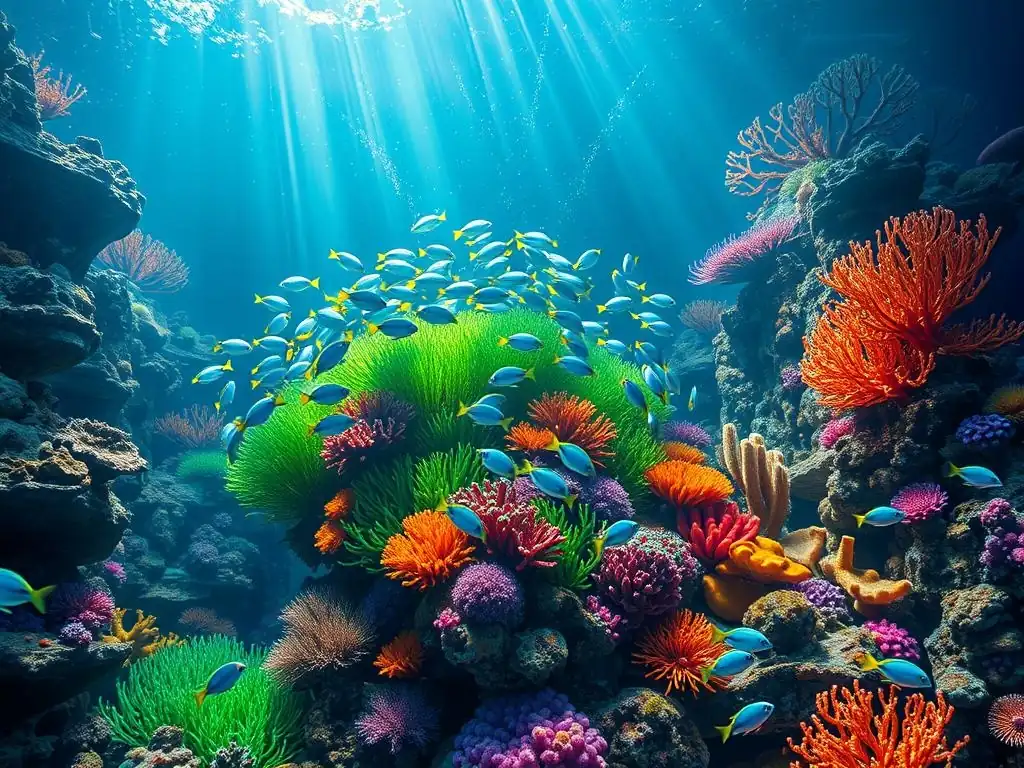
Ever wondered how to keep your saltwater aquarium sparkling clean without resorting to harsh chemicals? Dive into our latest article and discover the secrets of the Tomini tangs algae resilience. These little powerhouses are not only beautiful additions to your reef tank, but also incredibly efficient algae eaters. But there's more to them than meets the eye! Read on to unlock insider tips on their care, compatibility, and surprising resistance to common diseases, and learn how they can revolutionize your aquarium maintenance.
- Introduction to Tomini Tangs for Saltwater Aquariums
- Tomini Tang Algae Consumption: A Natural Reef Tank Cleaner
- Tomini Tang Disease Resistance: A Hardy Reef Tank Fish
- Tomini Tang Care Guide: Tank Size, Water Parameters & Compatibility
- Identifying Healthy Tomini Tangs: What to Look For
- Tomini Tangs vs. Other Algae-Eating Fish: A Comparison
- Breeding Tomini Tangs: Challenges and Opportunities
- Conclusion: Tomini Tangs as a Valuable Addition to Reef Aquariums
-
Frequently Asked Questions
- What makes Tomini Tangs particularly desirable for aquarium keepers?
- How resilient are Tomini Tangs to common aquarium diseases?
- What kind of algae do Tomini Tangs primarily consume in an aquarium?
- What is the ideal tank size for keeping a Tomini Tang?
- What are some important considerations for introducing a Tomini Tang to a new aquarium?
- Final Reflection: Unlocking Algae Resilience with Tomini Tangs
- Unleash Your Algae-Free Aquarium: Discover the Power of Tomini Tangs!
Introduction to Tomini Tangs for Saltwater Aquariums
Overview of the Tomini Tang: Ctenochaetus tominiensis
The Tomini Tang, scientifically known as Ctenochaetus tominiensis, is a captivating member of the Surgeonfish family (Acanthuridae) highly valued in the saltwater aquarium hobby. Originating from the Western Pacific, particularly around Indonesia and the Philippines, this species is renowned for its relatively compact size, typically reaching a maximum adult length of about 4 to 5 inches (approximately 10 to 12.5 cm). Its appealing coloration, which shifts from a brownish-orange body with a distinctive blue dorsal and anal fin to a vibrant yellow caudal fin, makes it a visually attractive addition to many reef setups.
Unlike some of its larger tang relatives, the Tomini Tang's modest size makes it a more suitable inhabitant for moderate-sized reef aquariums, where space can be a limiting factor. Its popularity stems not only from its aesthetic appeal but also from its specific dietary preferences and generally robust health, traits that contribute to its reputation as a hardy and beneficial fish for managing algae within the reef environment.
Why Choose a Tomini Tang for Algae Control?
The primary allure of the Tomini Tang for many aquarists lies in its exceptional capabilities as a natural algae controller. As an herbivore, Ctenochaetus tominiensis possesses a specialized mouth structure equipped with bristle-like teeth, perfectly adapted for scraping diatoms and filamentous algae from live rock, substrate, and tank surfaces. This continuous grazing behavior helps to maintain a cleaner, more aesthetically pleasing aquarium, reducing the need for manual algae removal.
Beyond its efficacy in algae control, the Tomini Tang is often chosen for its comparatively peaceful temperament among tang species. While still a tang and capable of defending its territory, it is generally less aggressive than species like the Yellow Tang ( Zebrasoma flavescens) or larger Acanthurus tangs. This makes it a more harmonious addition to a diverse community tank, offering effective algae management without introducing excessive aggression, thereby contributing to the overall stability and "Tomini tangs algae resilience" of the ecosystem.
Tomini Tang Algae Consumption: A Natural Reef Tank Cleaner
The Tomini Tang's Diet: Focusing on Filamentous Algae
In their natural habitat, Tomini Tangs are microphagous grazers, meaning they primarily feed on microscopic organisms and detritus, along with various forms of algae scraped from rocky substrates. Their unique bristle-like teeth are specifically designed to comb over surfaces, effectively removing diatoms, cyanobacteria, and particularly nuisance filamentous algae such as green hair algae. This specialized feeding mechanism allows them to reach into small crevices and uneven surfaces on live rock, areas often inaccessible to other algae-eating fish or invertebrates.
Within the confines of a home aquarium, the Tomini Tang continues this diligent grazing behavior, making it an invaluable asset in combating common algae outbreaks. While they will graze on various biofilm and detritus, their preference for and efficiency in consuming filamentous algae is particularly noteworthy. This targeted consumption helps to prevent unsightly algal blooms and maintain the ecological balance of the reef tank, underscoring their effectiveness as a natural "Tomini tangs algae resilience" solution.
Quantifying Algae Consumption: How Much Algae Do Tomini Tangs Eat?
Quantifying the exact amount of algae a single Tomini Tang consumes can vary greatly depending on tank conditions, existing algae levels, and the fish's individual appetite. However, these tangs are constant grazers, spending a significant portion of their active hours—often estimated at 60-70% of daylight—picking at surfaces. In a moderately sized reef tank, for example, a healthy adult Tomini Tang can effectively manage the daily growth of filamentous algae in a 75-gallon (approximately 280-liter) aquarium, preventing it from overwhelming the rockwork and substrate.
For instance, in a tank experiencing a light film of diatoms across the glass and live rock, a single Tomini Tang can visibly clear a patch of several square inches within an hour. Over a few days, their consistent efforts can significantly reduce the overall algae biomass, turning what might be a persistent problem into a manageable background presence. Their continuous grazing action is more about prevention than rapid eradication, ensuring "Tomini tangs algae resilience" against recurring outbreaks rather than a one-time clean-up.
Supplementing the Tomini Tang's Diet Beyond Algae
While Tomini Tangs are exceptional algae eaters, relying solely on tank algae for their nutrition is insufficient for their long-term health and vitality. A varied and balanced diet is crucial to ensure they receive all necessary vitamins and nutrients. It is highly recommended to supplement their diet with high-quality dried seaweed (nori), spirulina flakes, and marine-based pellet foods. Feeding should occur 2-3 times daily, offering small amounts to prevent overfeeding and maintain water quality.
Providing a diverse diet not only ensures optimal nutrition but also strengthens their immune system, contributing significantly to their overall "Tomini tangs algae resilience" against disease. For example, supplementing with nori rich in vitamins and minerals can help prevent conditions like Head and Lateral Line Erosion (HLLE). A well-fed tang is also less likely to nip at corals or other invertebrates out of nutritional deficiency, making them a safer addition to mixed reef aquariums.
Tomini Tang Disease Resistance: A Hardy Reef Tank Fish
Natural Disease Resilience in Ctenochaetus tominiensis
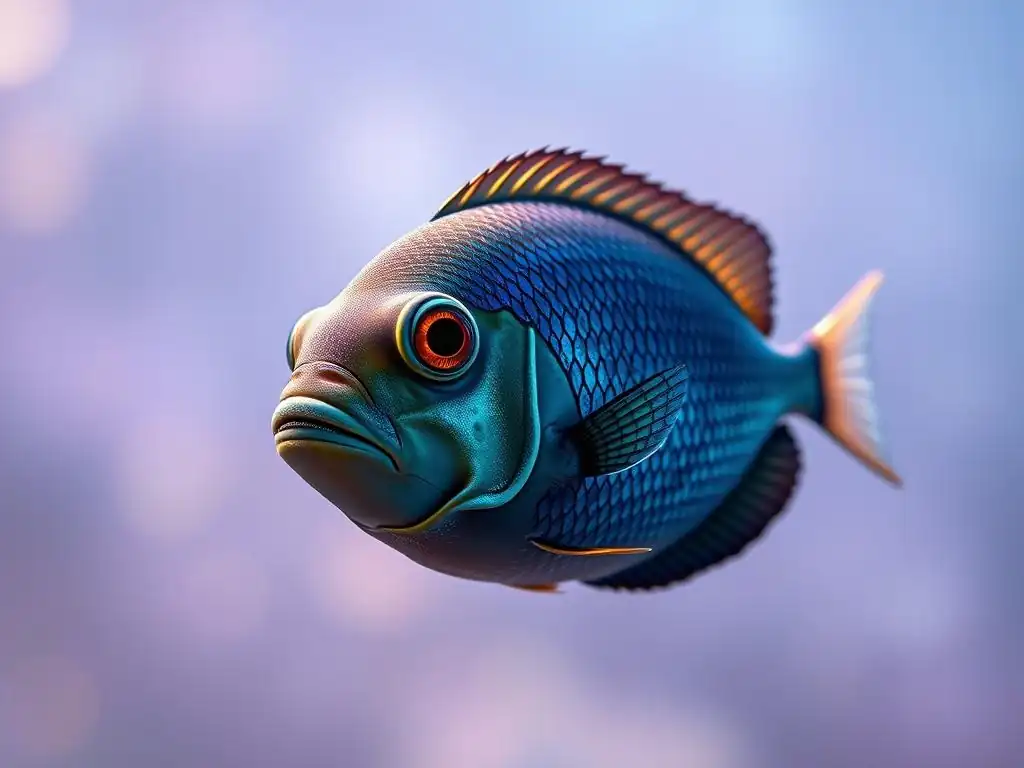
The Tomini Tang is widely regarded as one of the hardier species within the tang family, exhibiting notable natural disease resilience compared to many of its more delicate relatives. This robustness is a significant advantage for aquarists, particularly those new to keeping tangs. They are generally less susceptible to common saltwater maladies such as marine ich ( Cryptocaryon irritans) and velvet ( Amyloodinium ocellatum), which can rapidly decimate other fish populations in a compromised system.
This inherent hardiness is often attributed to a combination of factors, including a robust immune system, a naturally strong slime coat that provides a physical barrier against parasites, and their constant grazing, which keeps them active and well-nourished. While no fish is entirely immune to disease, the Tomini Tang's enhanced "Tomini tangs algae resilience" makes it a more forgiving and reliable choice for maintaining a vibrant and healthy reef aquarium.
Common Diseases Affecting Tomini Tangs and Prevention Strategies
Despite their inherent hardiness, Tomini Tangs are not entirely impervious to disease. They can still contract common marine ailments if exposed to high stress, poor water quality, or virulent pathogens. Marine ich and velvet remain potential threats, especially if introduced by new, unquarantined fish. Bacterial infections, often presenting as fin rot or cloudy eyes, can also occur, particularly in tanks with elevated organic waste. Lateral Line Erosion (HLLE), characterized by pitting along the lateral line and face, is a concern for all tangs and is often linked to poor nutrition, activated carbon use, or inadequate water quality.
Prevention is paramount to maintaining their "Tomini tangs algae resilience." This includes rigorous attention to stable water parameters, a diverse and nutrient-rich diet (especially ample greens), and avoiding overcrowding, which can lead to stress and aggression. Regular observation for subtle behavioral or physical changes—such as clamped fins, loss of appetite, or rapid breathing—allows for early intervention before a minor issue escalates.
Quarantine and Acclimation for Healthy Tomini Tangs
One of the most critical steps in ensuring the long-term health and "Tomini tangs algae resilience" of any new addition, including Tomini Tangs, is proper quarantine. A dedicated quarantine tank should be utilized for at least 3-4 weeks, or ideally 6 weeks, before introducing the fish to the main display. This period allows for close observation for any signs of disease, enables proactive treatment if necessary, and prevents the introduction of pathogens that could devastate an established aquarium. A bare-bottom quarantine tank with PVC pipes for hiding and an air stone for oxygenation is recommended.
Equally important is a slow and careful acclimation process when introducing the tang to both the quarantine tank and, subsequently, the display tank. Drip acclimation over 1-2 hours is highly recommended to gradually equalize water parameters such as salinity, pH, and temperature, minimizing osmotic shock and stress. Stress from improper acclimation is a major contributor to weakened immune systems, making fish more susceptible to disease and undermining their natural hardiness.
Tomini Tang Care Guide: Tank Size, Water Parameters & Compatibility
Ideal Tank Size and Setup for Tomini Tangs
Despite their relatively small adult size of 4-5 inches, Tomini Tangs are active swimmers and constant grazers, requiring ample space to thrive and exhibit natural behaviors. A minimum tank size of 70 gallons (approximately 265 liters) is generally recommended for a single adult Tomini Tang, with 75 gallons (approximately 280 liters) being ideal to provide sufficient swimming room and stable conditions. Larger tanks, upwards of 100 gallons (approximately 378 liters), are even better, especially if considering multiple fish or a diverse community.
The tank setup should mimic a natural reef environment, featuring plenty of live rock with numerous crevices and caves for grazing and hiding. Live rock also serves as a crucial surface for algae growth, providing a continuous food source. Strong water flow is beneficial as these fish are accustomed to currents in their natural reef habitats. Open swimming areas are equally important to allow them to cruise and forage freely, contributing to their overall health and "Tomini tangs algae resilience."
Maintaining Optimal Water Parameters for Tomini Tang Health
Maintaining stable and optimal water parameters is fundamental to the health and "Tomini tangs algae resilience" of Ctenochaetus tominiensis. The ideal ranges include a specific gravity of 1.023-1.025, a stable temperature between 74-78°F (23-26°C), and a pH level of 8.1-8.4. Essential parameters for reef aquariums like alkalinity (8-12 dKH), calcium (400-450 ppm), and magnesium (1250-1350 ppm) should also be kept within their respective optimal ranges.
Crucially, ammonia and nitrite levels must remain at zero, and nitrates should be kept as low as possible, ideally below 10-20 ppm. Regular water changes, typically 10-20% bi-weekly, are vital for replenishing trace elements, removing accumulated nitrates, and maintaining overall water quality. Consistent monitoring with reliable test kits helps ensure these parameters remain stable, preventing stress and supporting the tang's robust immune system.
Tomini Tang Temperament and Compatible Tank Mates
Tomini Tangs are generally considered one of the more peaceful tang species, making them suitable for a wide range of community reef tanks. However, like all tangs, they can display territorial behavior, particularly towards other tangs, especially those of similar body shape or coloration (e.g., other bristletooth tangs like Kole Tangs). Introducing them as the last fish or ensuring ample space can mitigate potential aggression.
Compatible tank mates include a variety of non-aggressive reef fish such as clownfish, gobies, blennies, wrasses, and anthias. They typically ignore corals and invertebrates, making them an excellent choice for mixed reef aquariums. It is advisable to avoid housing Tomini Tangs with overly aggressive species that might stress them, or with multiple tangs in tanks smaller than 180 gallons (approximately 680 liters) without careful planning and ample rockwork to break up lines of sight.
Identifying Healthy Tomini Tangs: What to Look For
Physical Characteristics of a Healthy Tomini Tang
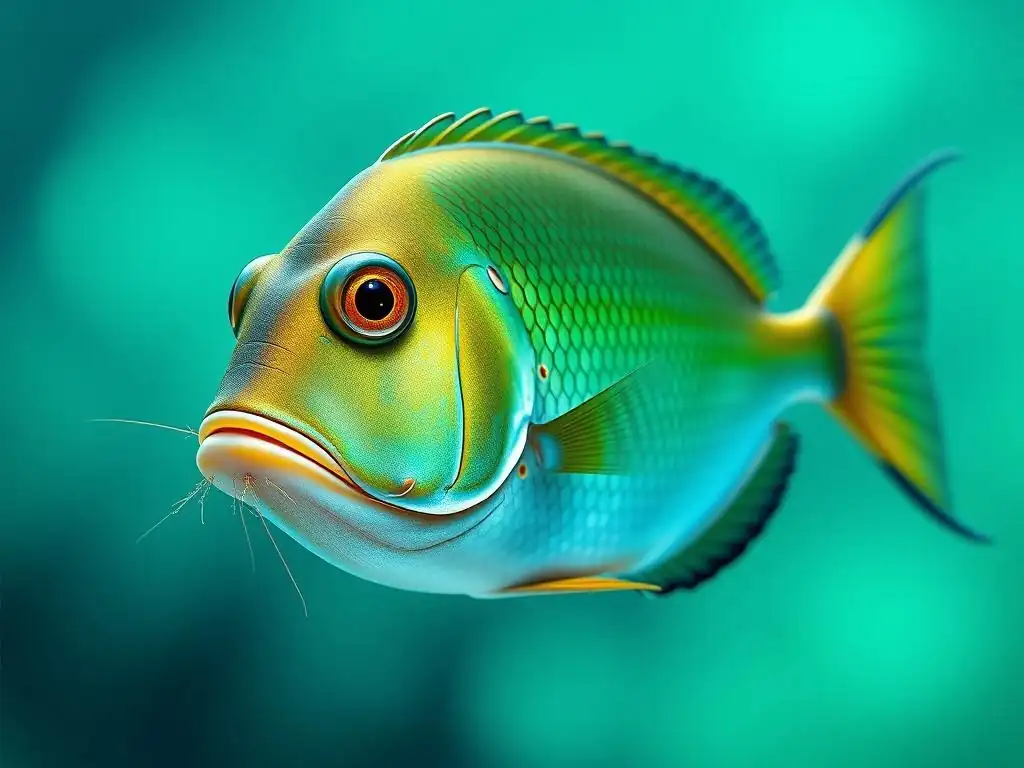
When selecting a Tomini Tang, observing its physical appearance is crucial for assessing its health and potential "Tomini tangs algae resilience." A healthy specimen will exhibit vibrant, bright coloration appropriate for its age, without any faded patches or discoloration. Its eyes should be clear and alert, not cloudy or sunken. The fins should be fully intact, without any signs of tearing, fraying, or fin rot.
Additionally, a healthy Tomini Tang should have a full, rounded belly, indicating it has been eating well and is well-nourished, rather than appearing pinched or emaciated. The gills should be clean and not inflamed, and gill movement should be rhythmic and natural, not rapid or labored. The body should be free of any visible spots (indicative of ich), white patches (fungal or bacterial infections), or lesions.
Behavioral Indicators of a Healthy Tomini Tang
Beyond physical traits, a Tomini Tang's behavior provides strong clues about its well-being. A healthy tang is active and constantly engaged in grazing on the live rock, glass, or substrate. It should swim freely and confidently throughout the entire water column, exploring its surroundings with curiosity. When approached, it should react quickly, demonstrating alertness rather than lethargy or indifference.
Furthermore, a healthy Tomini Tang should readily accept food when offered, exhibiting a strong feeding response. It should not be constantly hiding, darting erratically, or rubbing itself against tank decorations, which can be signs of parasitic irritation. Normal social behavior, such as interacting peacefully with compatible tank mates or establishing a small territory without excessive aggression, is also a positive indicator.
Avoiding Common Mistakes When Selecting Tomini Tangs
To ensure the best chance of success and leverage the Tomini Tang's natural "Tomini tangs algae resilience," avoid common purchasing mistakes. Never buy a fish that appears lethargic, has clamped fins (held close to the body), visible white spots, ragged fins, or a sunken belly. These are clear signs of stress or disease. Similarly, do not purchase a fish from a tank where other fish are visibly sick or dead, as pathogens can quickly spread.
It's also advisable to avoid purchasing Tomini Tangs that are too small, typically under 3 inches, as smaller specimens can be more delicate and prone to stress during shipping and acclimation. Always inquire about how long the fish has been at the store and whether it has been eating. Observing the fish eat at the store is an excellent indicator of its health and readiness for a new home.
Tomini Tangs vs. Other Algae-Eating Fish: A Comparison
Tomini Tangs vs. Bristletooth Tangs: Algae Control Efficiency
Tomini Tangs belong to the Ctenochaetus genus, commonly known as Bristletooth Tangs, which includes other popular species like the Kole Tang ( Ctenochaetus strigosus) and the Chevron Tang ( Ctenochaetus hawaiiensis). All members of this genus share the specialized bristle-like teeth that make them highly efficient detritivores and algae grazers. However, the Tomini Tang often stands out due to its smaller adult size and generally more peaceful demeanor, making it suitable for a broader range of tank sizes.
While a Kole Tang might be a slightly more voracious eater in a very large tank, the Tomini Tang's consistent and thorough grazing on filamentous algae and diatoms in tanks from 75 to 120 gallons (approx. 280-450 liters) is often superior for nuisance algae control. Its ability to navigate smaller rock crevices efficiently allows it to target algae in areas larger Bristletooth Tangs might overlook. This targeted and continuous effort contributes significantly to its reputation for "Tomini tangs algae resilience" in preventing widespread outbreaks.
Tomini Tangs vs. Other Reef Safe Algae Eaters: Pros and Cons
When comparing Tomini Tangs to other popular reef-safe algae eaters, a clear picture emerges of their unique advantages.
- Blennies (e.g., Lawnmower Blenny): While good at consuming hair algae, blennies can be pickier about what they eat and sometimes less effective on extensive rock surfaces.
- Snails (e.g., Turbo, Trochus): Excellent for cleaning glass and substrate, but their grazing on live rock is often limited, and they don't cover as much ground as a fish.
- Hermit Crabs: Primarily scavengers and detritivores, less dedicated to actively scraping algae from surfaces.
- Other Tangs (e.g., Yellow Tang, Sailfin Tang): Larger, often more aggressive, and while they eat algae, their preference might lean towards macroalgae or different types of filamentous algae, and they require significantly larger tanks (100+ gallons for Yellow, 180+ for Sailfin).
The Tomini Tang's key pros are its dedicated focus on filamentous algae, relatively small adult size, generally peaceful nature, and notable "Tomini tangs algae resilience" against common diseases. Its main con is that it still requires a decent-sized tank for a tang and is not a universal solution for all algae types (e.g., it typically ignores bubble algae).
When is a Tomini Tang the Right Choice for Your Aquarium?
A Tomini Tang is an excellent choice for aquarists who maintain a reef tank of 70 gallons (approximately 265 liters) or larger and are experiencing regular issues with nuisance filamentous algae or diatom blooms. It is particularly well-suited for those seeking a natural, active, and visually appealing solution to algae control that integrates well into a diverse community. Its continuous grazing habits make it a proactive cleaner, preventing severe algae accumulation.
Furthermore, the Tomini Tang is a good option for intermediate aquarists or those looking to add a tang to their system without the significant size and aggression concerns associated with larger tang species. Its robust nature and "Tomini tangs algae resilience" make it a more forgiving inhabitant, offering a rewarding experience for those committed to providing proper care and a suitable environment.
Breeding Tomini Tangs: Challenges and Opportunities
The Difficulties of Breeding Tomini Tangs in Captivity
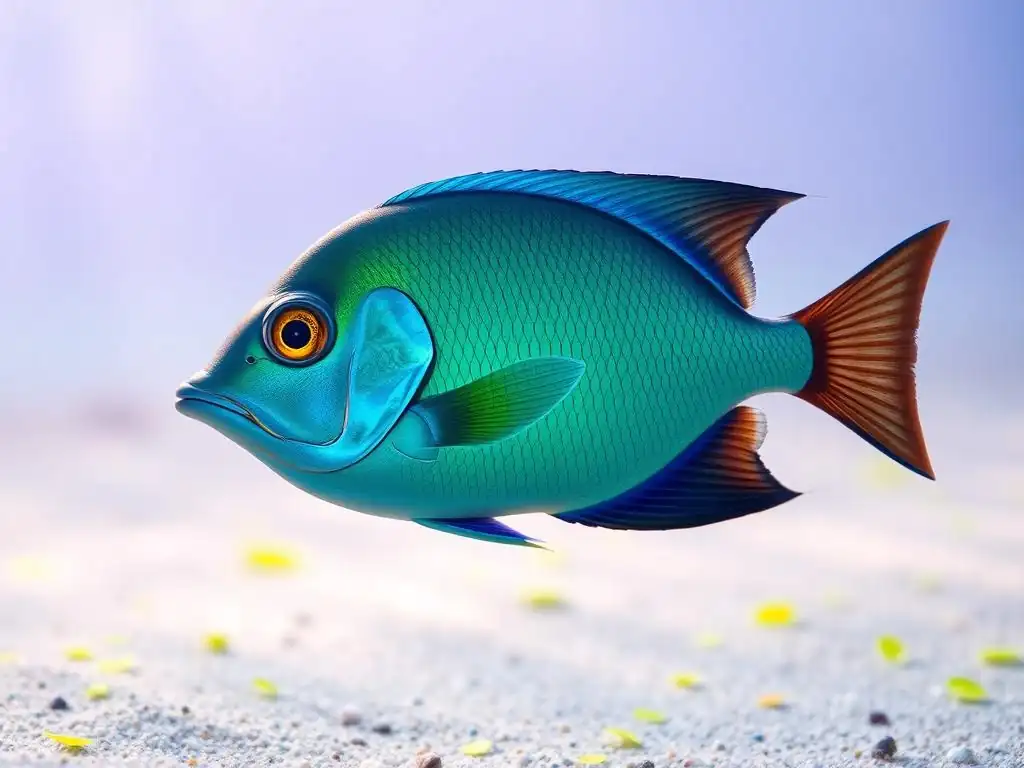
Breeding Tomini Tangs, like most other tang species, in a captive aquarium environment presents significant challenges. Tomini Tangs are pelagic spawners, meaning they release their eggs and sperm directly into the open water column, where fertilization occurs. The resulting larvae are planktonic and undergo a complex developmental stage, drifting in the ocean currents for an extended period before metamorphosing into juvenile fish and settling on the reef.
This protracted and delicate larval phase is the primary hurdle in captive breeding. The larvae require specific, often microscopic, food sources that are difficult to culture in sufficient quantities, along with precise water parameters, flow, and lighting conditions that mimic their natural oceanic environment. As a result, there are currently no widespread commercial breeding operations for Tomini Tangs, and the vast majority of specimens available in the aquarium trade are wild-caught.
Current Research and Potential for Captive Breeding
Despite the inherent difficulties, research and development efforts in marine aquaculture are continuously progressing, offering potential opportunities for future captive breeding of Tomini Tangs. Institutions such as the Oceanic Institute in Hawaii and various private aquaculture facilities worldwide are dedicated to cracking the code of pelagic spawner reproduction. While breakthroughs have been made for some tang species, such as the Yellow Tang ( Zebrasoma flavescens), the specific requirements for Ctenochaetus species remain largely unfulfilled on a commercial scale.
Continued advancements in larval rearing techniques, live food culture, and understanding the precise environmental cues needed for metamorphosis could eventually lead to successful and sustainable captive breeding of Tomini Tangs. Such developments would significantly reduce reliance on wild populations, contributing to the long-term sustainability of the aquarium hobby and further supporting the "Tomini tangs algae resilience" of the species in the wild.
Supporting Sustainable Practices in the Aquarium Trade
Given that Tomini Tangs are predominantly wild-caught, it is imperative for hobbyists to prioritize and support sustainable and ethical practices within the aquarium trade. This involves purchasing fish from reputable suppliers who can verify their collection methods, ensuring that the fish were not caught using destructive practices such as cyanide fishing, which harms both the fish and the reef ecosystem. Look for suppliers who adhere to responsible collection guidelines and promote transparency in their sourcing.
By choosing to purchase from dealers committed to sustainability, aquarists contribute directly to the conservation of wild populations and the health of coral reefs. This conscious consumer choice helps to drive demand for ethically sourced marine life, fostering a more responsible and environmentally friendly aquarium hobby. This also ensures that the "Tomini tangs algae resilience" observed in aquariums is not at the expense of their wild counterparts.
Conclusion: Tomini Tangs as a Valuable Addition to Reef Aquariums
Recap of Tomini Tang Benefits: Algae Control and Disease Resilience
The Tomini Tang ( Ctenochaetus tominiensis) stands out as an exceptionally valuable addition to many saltwater reef aquariums, primarily due to its remarkable capabilities in algae control and its notable disease resilience. As dedicated filamentous algae and diatom grazers, these tangs actively and continuously clean live rock and tank surfaces, effectively managing nuisance algae outbreaks and contributing significantly to the aesthetic appeal and health of the aquarium ecosystem. Their specialized mouthparts make them particularly efficient at this task.
Furthermore, Tomini Tangs are recognized for their inherent hardiness, proving to be less susceptible to common marine diseases like ich and velvet compared to many other tang species. This robust nature, coupled with their relatively smaller adult size and generally peaceful temperament, makes them a forgiving and appealing choice for both novice and experienced aquarists seeking a natural and effective "Tomini tangs algae resilience" solution for their reef tanks.
Long-Term Care and Considerations for Tomini Tangs
Ensuring the long-term health and vitality of a Tomini Tang requires consistent and diligent care. This includes providing a suitably sized aquarium, ideally 70 gallons or larger, with ample live rock for grazing and hiding, alongside open swimming areas. Maintaining stable and optimal water parameters—such as salinity, temperature, pH, alkalinity, calcium, and magnesium—is crucial, as is keeping ammonia, nitrite, and nitrate levels at safe concentrations through regular water changes.
A varied and nutritious diet, supplementing their natural grazing with high-quality dried seaweed and marine pellets, is essential for their overall well-being and to bolster their immune system, further enhancing their "Tomini tangs algae resilience." With proper care, a Tomini Tang can thrive for 5-7 years or even longer in a home aquarium, providing continuous benefits as a natural cleaner and a captivating display fish.
Purchasing Healthy and Ethically Sourced Tomini Tangs
When acquiring a Tomini Tang, the importance of purchasing healthy and ethically sourced specimens cannot be overstated. Always choose fish from reputable local fish stores or online vendors known for their high standards in livestock health and sustainable collection practices. Look for active, alert fish with clear eyes, vibrant coloration, intact fins, and a healthy appetite. Avoid any fish showing signs of stress or disease, or those housed in tanks with sick or deceased inhabitants.
Upon bringing a new Tomini Tang home, a strict quarantine protocol of 3-6 weeks is paramount. This allows for observation, treatment if necessary, and prevents the introduction of pathogens into your established display tank. Proper drip acclimation is also vital to minimize stress during transfer. By adhering to these guidelines, aquarists can ensure a healthy start for their Tomini Tang, maximizing its natural "Tomini tangs algae resilience" and its positive impact on the reef aquarium for years to come.
Frequently Asked Questions
What makes Tomini Tangs particularly desirable for aquarium keepers?
Tomini Tangs are highly sought after due to their small size compared to other tangs, making them suitable for smaller aquariums, and their exceptional algae-eating capabilities. This helps maintain a clean and healthy tank environment.
How resilient are Tomini Tangs to common aquarium diseases?
Tomini Tangs are known for their relatively high disease resilience, particularly to ich ( Ichthyophthirius multifiliis), compared to other tang species. However, proper quarantine and acclimation are still crucial for their health.
What kind of algae do Tomini Tangs primarily consume in an aquarium?
Tomini Tangs are effective grazers of various types of algae, including hair algae, film algae, and some types of cyanobacteria. They help to control algae growth and maintain water quality.
What is the ideal tank size for keeping a Tomini Tang?
While smaller than other tangs, Tomini Tangs still require adequate swimming space. A minimum tank size of 75 gallons is recommended to ensure their well-being and reduce stress.
What are some important considerations for introducing a Tomini Tang to a new aquarium?
Proper acclimation is key. Gradual acclimation to the tank's water parameters, along with a quarantine period to observe for any signs of illness, is crucial for a successful introduction.
Final Reflection: Unlocking Algae Resilience with Tomini Tangs
The insights gleaned from understanding Tomini Tangs and their remarkable algae resilience are more relevant than ever in a world grappling with the challenges of sustainable reef keeping and the preservation of delicate marine ecosystems. As we face increasing pressures on our oceans, the lessons learned from these small but mighty fish offer valuable strategies for managing algae blooms and promoting healthier reef environments.
This exploration into the Tomini Tang's unique capabilities has profoundly influenced my understanding of the intricate balance within reef ecosystems. It underscores the importance of biodiversity and the potential for natural solutions in addressing environmental challenges. In the end, we will conserve only what we love; we will love only what we understand; and we will understand only what we are taught.
- Baba Dioum. This quote perfectly encapsulates the need for continued research and education to foster a deeper appreciation for creatures like the Tomini Tang and their crucial role in maintaining healthy reefs.
Now, I invite you to reflect on the power of small actions and the potential for natural solutions in your own life. Consider how you can contribute to a more sustainable future, whether through responsible aquarium keeping, supporting conservation efforts, or simply spreading awareness about the importance of biodiversity. Let the resilience of the Tomini Tang inspire you to embrace challenges and find innovative ways to protect our planet's precious resources.
Unleash Your Algae-Free Aquarium: Discover the Power of Tomini Tangs!
Thank you for exploring the fascinating world of Tomini Tangs! We hope you've gained valuable insights into how these small but mighty fish can contribute to a healthier, more vibrant aquarium. Now it's time to take action and make your aquarium thrive.
Here are a few ways you can put this knowledge to good use:
- Consider carefully introducing a Tomini Tang to your established aquarium to naturally manage algae growth. Observe their behavior and ensure they have ample space and hiding spots.
- Share this article with fellow aquarium enthusiasts who might benefit from learning about the unique advantages of Tomini Tangs. Help spread the word about natural algae control!
- Explore our Aquarium Mastery community forum and share your experiences with algae control methods. Have you tried using other algae eaters or alternative techniques?
What innovative approaches will you test in your aquascape this week to optimize and test Algae control solutions?