
Triggerfish and Invertebrates: A Recipe for Disaster or Calculated Risk?

Welcome to Aquarium Mastery!
Ever wondered if you could keep the captivating beauty of a Triggerfish alongside your delicate invertebrates? Some say it's a recipe for disaster, but is it always the case? Dive into our deep dive on Triggerfish invertebrate tank compatibility and discover whether a harmonious reef tank with these bold personalities is truly possible. Uncover the secrets to making informed decisions for your saltwater aquarium and let's explore the calculated risks together!
- Understanding Triggerfish Predatory Behavior in Reef Aquariums
- Evaluating Triggerfish Species for Reef Tank Compatibility
- Factors Influencing Triggerfish Invertebrate Tank Compatibility
- Successful Strategies for Keeping Triggerfish with Invertebrates
- Case Studies: Real-World Examples of Triggerfish and Invertebrate Tank Setups
- Alternatives to Triggerfish for Reef Tank Enthusiasts
- Conclusion: Is Triggerfish Invertebrate Tank Compatibility Possible?
-
Frequently Asked Questions
- What makes Triggerfish a potential problem in invertebrate tanks?
- Are there any Triggerfish species considered relatively safe with invertebrates?
- What types of invertebrates are most vulnerable to Triggerfish predation?
- What factors increase the chances of success when keeping Triggerfish with invertebrates?
- What are the warning signs that a Triggerfish is becoming aggressive towards invertebrates?
- Final Reflection: Navigating the Reef's Complex Dance
- Unleash the Reef: Are You Ready to Take the Plunge?
Understanding Triggerfish Predatory Behavior in Reef Aquariums
The Natural Diet of Triggerfish: A Glimpse into Their Invertebrate Consumption
Triggerfish, known for their vibrant colors and distinctive dorsal fins, are formidable predators in their natural reef habitats. Their powerful jaws, equipped with strong, often protrusible teeth, are perfectly adapted for crushing the hard shells of various invertebrates. In the wild, their diet primarily consists of crustaceans like crabs and shrimp, mollusks such as snails and clams, and echinoderms including sea urchins and brittle stars.
They are also known to consume small fish and even nip at corals to extract prey or to test the environment. This innate predatory drive is a crucial aspect to consider for successful Triggerfish invertebrate tank compatibility.
This natural feeding behavior translates directly into the aquarium environment. Triggerfish are highly intelligent and opportunistic feeders, often exhibiting problem-solving skills to access potential prey. They may flip over rocks, blow jets of water, or even move tank decorations to uncover hidden invertebrates. Sessile invertebrates, like clams and certain corals, are not immune; triggerfish may view them as a challenge to their powerful jaws, leading to significant damage or outright destruction, even if not consumed as food.
Assessing the Risk: Which Invertebrates Are Most Vulnerable to Triggerfish?
When evaluating Triggerfish invertebrate tank compatibility, certain invertebrates stand out as highly vulnerable targets. Small ornamental shrimp, such as peppermint shrimp (often 1-2 inches) or cleaner shrimp (up to 3 inches), are almost universally seen as food, disappearing rapidly in the presence of most triggerfish species. Similarly, small crabs, snails (like turbo snails, typically 1-2 inches), brittle stars, and sea urchins are easily crushed or consumed due to their size and perceived edibility. These smaller, softer-bodied, or easily manipulated invertebrates face the highest immediate threat.
Corals, while not a primary food source for most triggerfish, are also at significant risk. Large Polyp Stony (LPS) corals like Favia, Blastomussa, and Euphyllia, with their fleshy polyps and calcium carbonate skeletons, are frequently nipped at, damaged, or dislodged. Soft corals such as zoanthids, mushrooms, and leathers can also be torn apart out of curiosity, aggression, or an attempt to reach small organisms living within them. Even robust Small Polyp Stony (SPS) corals might experience nips, though generally less frequently than LPS. The vulnerability varies greatly depending on the triggerfish species and individual temperament.
Evaluating Triggerfish Species for Reef Tank Compatibility
Triggerfish Species Known to Be Less Aggressive Towards Invertebrates: Niger Triggerfish and Blue Jaw Triggerfish
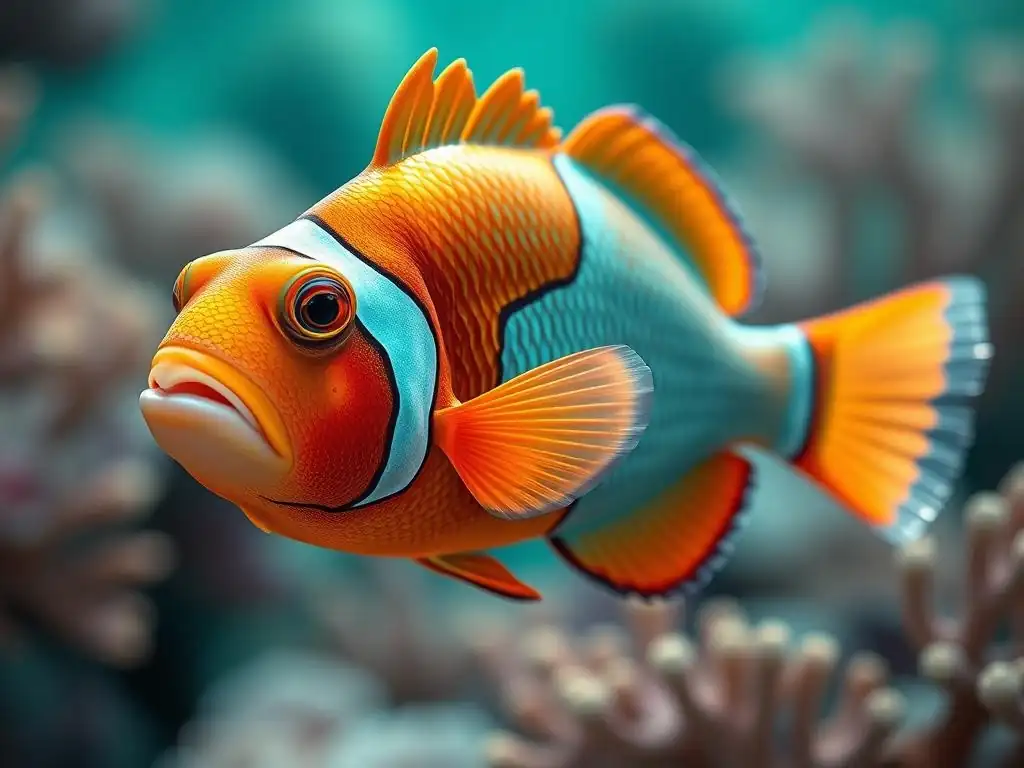
Among the diverse family of triggerfish, a select few species are considered to have a relatively higher chance of successful Triggerfish invertebrate tank compatibility, though no guarantee exists. The Niger Triggerfish (Odonus niger), also known as the Red-Toothed Triggerfish, is often cited as one of the most placid trigger species.
In its natural environment, its diet consists primarily of zooplankton, which translates to a less aggressive predatory instinct towards larger, sessile invertebrates in an aquarium. While they can still nip at corals or small snails, the risk is significantly lower compared to their more aggressive cousins, making them a popular, albeit still cautious, choice for larger reef systems.
Another notable mention for improved Triggerfish invertebrate tank compatibility is the Blue Jaw Triggerfish (Xanthichthys auromarginatus). Hailing from deeper waters, this species is also predominantly planktivorous, feeding on suspended zooplankton. They are generally smaller than many other triggerfish, typically reaching 8-10 inches, and possess a more docile temperament. Their mouths are also less adapted for crushing large, hard-shelled prey. While an individual Blue Jaw Triggerfish might occasionally show interest in a snail or a soft coral, their overall destructive potential in a well-fed, spacious reef tank is considerably less than other triggers, offering a calculated risk for experienced aquarists.
Triggerfish Species to Avoid in Reef Setups: Clown Triggerfish and Titan Triggerfish
Conversely, some triggerfish species are notoriously incompatible with invertebrates and should be strictly avoided in any reef or mixed-invertebrate setup. The Clown Triggerfish (Balistoides conspicillum) is perhaps the most famous example of a beautiful but highly destructive species.
Known for its striking coloration and aggressive demeanor, this triggerfish possesses incredibly powerful jaws capable of crushing the shells of large clams, crabs, and sea urchins with ease. They are notorious for systematically destroying live rock structures, nipping at aquarium equipment, and obliterating any invertebrate, including large, expensive LPS corals (e.g., Acans, Scolymia) and even robust anemones, making Triggerfish invertebrate tank compatibility with this species virtually impossible.
The Titan Triggerfish (Balistoides viridescens) represents another extreme on the aggression spectrum, making it entirely unsuitable for invertebrate tanks. Growing to an impressive size, often exceeding 20 inches and capable of reaching 30 inches in the wild, the Titan Triggerfish is highly territorial and exceptionally powerful. Its natural diet includes a wide array of large crustaceans and mollusks, which it efficiently pulverizes with its formidable teeth.
In an aquarium, a Titan Trigger will systematically decimate any and all invertebrates, from brittle stars and snails to large clams and every type of coral, viewing them as either food or obstacles. Attempting Triggerfish invertebrate tank compatibility with a Titan Trigger is a guaranteed recipe for disaster and significant financial loss.
Factors Influencing Triggerfish Invertebrate Tank Compatibility
Tank Size and Aquascaping: Minimizing Triggerfish Aggression
Tank size plays a pivotal role in managing triggerfish aggression and improving Triggerfish invertebrate tank compatibility. A spacious environment helps reduce stress and territorial disputes, which can often manifest as nipping at tank mates, including invertebrates. For even the "less aggressive" triggers like Niger or Blue Jaw, a minimum tank size of 120-180 gallons is recommended, providing ample swimming room and territory. Cramped conditions, such as housing a 10-inch trigger in a 75-gallon tank, invariably lead to heightened stress, increased aggression, and a higher likelihood of destructive behavior towards corals and other invertebrates.
Thoughtful aquascaping is equally crucial. Providing plenty of hiding spots, caves, and visual barriers using live rock allows triggerfish to establish their own territories and retreat when desired. This reduces open-water patrolling and the constant perception of other tank inhabitants as threats or competition. For invertebrates, these nooks and crannies offer essential refuge from the triggerfish's curiosity or predatory instincts. A well-structured aquascape, featuring multiple levels and overhangs, can significantly contribute to a more peaceful co-existence and enhance Triggerfish invertebrate tank compatibility.
Feeding Strategies: Satisfying Triggerfish Hunger to Protect Invertebrates
A well-fed triggerfish is generally less inclined to view tank mates or sessile invertebrates as potential food sources. Triggerfish have high metabolisms and are opportunistic feeders, meaning they will eat whatever they can find. Therefore, a consistent and robust feeding regimen is paramount for successful Triggerfish invertebrate tank compatibility. Offering multiple small meals throughout the day (e.g., 2-3 times daily) rather than one large feeding can help keep their hunger satiated and reduce their foraging instincts.
The diet itself should be varied and rich in meaty foods. High-quality frozen foods such as mysis shrimp, krill, silversides, squid, and clams are excellent staples. Some species also benefit from the inclusion of marine algae or quality pellet foods. Ensuring the triggerfish is consistently receiving adequate nutrition minimizes the likelihood of it seeking out and damaging expensive corals or consuming valuable clean-up crew members. A hungry triggerfish is a destructive triggerfish, making proper feeding a cornerstone of Triggerfish invertebrate tank compatibility.
Water Quality and Stability: Reducing Stress and Aggression in Triggerfish
Maintaining impeccable water quality and stability is fundamental for the overall health and temperament of any marine fish, including triggerfish. Stable parameters, such as a consistent temperature (75-80°F or 24-27°C), salinity (1.023-1.026), pH (8.1-8.4), and appropriate levels of alkalinity (7-12 dKH), calcium (400-450 ppm), and magnesium (1250-1350 ppm), significantly reduce stress in triggerfish. When fish are stressed by fluctuating or poor water conditions, they are more prone to exhibiting aggressive, unpredictable, and destructive behaviors, which can directly impact Triggerfish invertebrate tank compatibility.
Consistent maintenance practices, including regular water changes (e.g., 10-20% bi-weekly or monthly depending on bioload), robust filtration (such as a high-quality protein skimmer and ample live rock for biological filtration), and routine parameter monitoring, are essential. A healthy, unstressed triggerfish is far more likely to tolerate its surroundings and less prone to actively nipping at or destroying invertebrates out of irritation or discomfort. Prioritizing water quality provides a foundational layer of stability that supports harmonious Triggerfish invertebrate tank compatibility.
Successful Strategies for Keeping Triggerfish with Invertebrates
Introducing Triggerfish and Invertebrates: Acclimation and Observation
The introduction process for both triggerfish and invertebrates is critical for their long-term success and Triggerfish invertebrate tank compatibility. Both should be drip acclimated slowly to the main display tank to minimize stress from changes in water chemistry. When adding a triggerfish to an already established reef tank, it's generally advisable to introduce the triggerfish last. This allows existing invertebrates to establish their hiding spots and territories without immediately being seen as new intruders or food by the triggerfish.
Following introduction, continuous and close observation is paramount for several weeks. Monitor the triggerfish's behavior towards all tank inhabitants, particularly the invertebrates. Look for any signs of nipping, chasing, or territorial displays directed at corals, snails, or crabs. Be prepared to intervene and potentially separate tank inhabitants if aggressive behaviors persist or escalate. Early detection and intervention can prevent significant losses and determine the viability of Triggerfish invertebrate tank compatibility in your specific setup.
Choosing the Right Invertebrates: Hardy Species and Size Considerations
To maximize the chances of successful Triggerfish invertebrate tank compatibility, careful selection of invertebrates is crucial. Opt for larger, more robust, and less palatable species. For example, large conch snails (e.g., Fighting Conchs, typically 3-4 inches), larger hermit crabs (e.g., Halloween Hermit Crabs, 2-3 inches), and certain tougher corals (e.g., Sarcophyton leather corals, large mushroom corals, or hardy Gorgonians) may stand a better chance. Avoid small, delicate, or easily consumed invertebrates like cleaner shrimp, small turbo snails, or highly fleshy LPS corals with exposed polyps.
The "too big to eat" principle is a key consideration. Select invertebrates that are significantly larger than what the triggerfish could swallow whole or easily break apart. While this reduces the immediate threat of consumption, persistent nipping or harassment can still occur, especially if the triggerfish is curious or underfed. However, choosing substantial invertebrates greatly improves their odds of survival and contributes positively to the overall Triggerfish invertebrate tank compatibility.
Creating a Diverse Ecosystem: Providing Alternative Food Sources and Hiding Places
A diverse and well-structured ecosystem can help distract or deter triggerfish from focusing solely on your prized invertebrates. Incorporating a robust clean-up crew that includes larger, less appealing species (e.g., large Nassarius snails or sea cucumbers that triggers typically ignore) can provide alternative foraging opportunities without posing a significant risk. Occasionally burying small, meaty food items in the substrate can also encourage natural foraging behaviors, keeping the trigger occupied and less prone to exploring corals or other tank inhabitants for food.
Crucially, ensure there are ample and secure hiding spots for the invertebrates themselves. Create numerous crevices, caves, and overhangs within the live rock structure that are large enough for your invertebrates to retreat into quickly but too small for the triggerfish to follow. This provides a vital sense of security for the invertebrates and reduces direct confrontation, enhancing the overall Triggerfish invertebrate tank compatibility by providing essential escape routes and safe zones.
Case Studies: Real-World Examples of Triggerfish and Invertebrate Tank Setups
Success Story: Keeping a Niger Triggerfish with Large Hermit Crabs and Soft Corals
One notable success story involves a meticulously maintained 200-gallon reef aquarium that successfully houses a Niger Triggerfish (Odonus niger) alongside various invertebrates. The triggerfish, introduced as a juvenile and now approximately 8 inches long, shares the tank with several large (3-4 inch) blue-legged hermit crabs, a few sizable turbo snails (2 inches), and a collection of soft corals including a large Sarcophyton leather coral (8 inches across), Xenia (4-inch colonies), and multiple mushroom corals (3-inch diameter). The owner consistently feeds the triggerfish 3-4 times daily with a varied diet of frozen mysis shrimp, krill, and high-quality marine pellets.
The key factors contributing to this successful Triggerfish invertebrate tank compatibility include the generous tank size, providing ample territory and reducing stress. The chosen invertebrates were robust and of a size that made them less appealing as immediate food sources. The soft corals, generally less susceptible to crushing than stony corals, were mostly ignored. Furthermore, the consistent and frequent feeding regimen kept the triggerfish satiated, minimizing its predatory instincts towards the tank's inhabitants. The aquascape also provided numerous hiding spots for the hermit crabs and snails, allowing them to retreat if the triggerfish showed any curiosity.
Learning from Failures: A Titan Triggerfish Destroying a Reef Tank Full of LPS Corals
A cautionary tale highlights the dangers of misjudging Triggerfish invertebrate tank compatibility, particularly with highly aggressive species. A hobbyist attempted to house a juvenile Titan Triggerfish (Balistoides viridescens), about 5 inches long, in a 125-gallon mixed reef tank that contained a variety of Large Polyp Stony (LPS) corals, including Favia (3-inch colonies), Blastomussa (2-inch frags), and a large Cynarina (4-inch diameter), along with a pair of cleaner shrimp and several turbo snails. Despite initial hopes that the juvenile would be "reef-safe" when small, the outcome was disastrous.
Within the first two weeks, the cleaner shrimp disappeared entirely, presumed eaten. The Titan Triggerfish then began systematically destroying the LPS corals. It would forcefully nip at the fleshy polyps, often tearing them off, and even attempt to dislodge entire coral frags from the rockwork. The Favia colonies were reduced to bare skeleton, and the Cynarina was severely damaged.
The tank size was woefully inadequate for a fish that can exceed 20 inches, leading to heightened aggression and territoriality. The choice of soft-bodied, easily damaged LPS corals, combined with the presence of small, edible shrimp, provided irresistible targets for this highly predatory species. This case vividly demonstrates why Triggerfish invertebrate tank compatibility with species like the Titan Trigger is almost universally impossible and ill-advised.
Alternatives to Triggerfish for Reef Tank Enthusiasts
Exploring Other Predatory Fish Options for Reef Aquariums
For aquarists drawn to the unique appearance and predatory nature of triggerfish but seeking greater Triggerfish invertebrate tank compatibility, several alternative predatory fish species can be considered for reef aquariums. Dwarf Lionfish, such as the Dwarf Fuzzy Lionfish (Dendrochirus brachypterus), offer a striking predatory aesthetic.
While they will consume small fish and shrimp that fit into their mouths, they typically ignore corals and sessile invertebrates, making them considerably more reef-safe than most triggerfish. Similarly, certain Hawkfish species, like the Flame Hawkfish (Neocirrhites armatus), are small, charismatic predators that will pick off tiny crustaceans but are generally safe with larger invertebrates and corals.
These alternatives provide the "hunter" appeal without the extreme risk of widespread destruction to the invertebrate population. However, it's crucial to research their specific dietary needs and potential caveats. Dwarf Lionfish require a diet of meaty foods and cannot be housed with very small fish. Hawkfish might eat small ornamental shrimp. By choosing these species, aquarists can enjoy a predatory presence in their tank while significantly increasing the chances of successful Triggerfish invertebrate tank compatibility (by avoiding triggers that are known destroyers).
Focusing on Invertebrate-Safe Fish Species
If the primary goal for a reef tank is a thriving, diverse population of delicate corals and invertebrates, the most reliable strategy for Triggerfish invertebrate tank compatibility is to entirely avoid triggerfish and instead focus on truly invertebrate-safe fish species. A vast array of beautiful and engaging fish can coexist peacefully with all types of corals, shrimp, crabs, and snails.
Examples include various Tangs (e.g., Yellow Tang, Zebrasoma flavescens; Kole Tang, Ctenochaetus strigosus), many species of Angelfish (though some, like certain Genicanthus or Centropyge species, can occasionally nip at LPS), Gobies (e.g., Watchman Goby, Cryptocentrus cinctus), Blennies (e.g., Lawnmower Blenny, Salarias fasciatus), and, of course, the ever-popular Clownfish (Amphiprioninae species).
These species allow for the creation of a vibrant and biodiverse reef ecosystem where every invertebrate, from the most delicate SPS coral frag to the smallest cleaner shrimp, can thrive without the constant threat of predation or harassment. By eliminating the triggerfish variable, aquarists can curate a tank with maximum Triggerfish invertebrate tank compatibility, ensuring the well-being and longevity of all the tank's inhabitants and achieving a truly harmonious reef environment.
Conclusion: Is Triggerfish Invertebrate Tank Compatibility Possible?
Weighing the Risks and Rewards of Keeping Triggerfish with Invertebrates
Triggerfish invertebrate tank compatibility is not an impossibility, but rather a calculated risk that demands extensive research, careful planning, and continuous observation. The decision to house a triggerfish with invertebrates hinges heavily on the specific triggerfish species chosen, the individual temperament of the fish, the size and setup of the aquarium, and the types of invertebrates selected. The reward is the unique charisma and engaging personality of a triggerfish, but the inherent risk involves the potential loss of valuable or cherished invertebrates, which can be both emotionally and financially impactful.
Success is most probable with select triggerfish species, such as the Niger Triggerfish or Blue Jaw Triggerfish, when housed in generously sized, well-aquascaped tanks (e.g., 180+ gallons), maintained with consistent feeding regimens. Even then, only larger, hardier invertebrates are likely to survive long-term. For most other trigger species, especially the highly aggressive Clown or Titan Triggers, the risk to a typical reef setup is simply too high to justify, making any notion of Triggerfish invertebrate tank compatibility with them largely unrealistic.
Responsible Aquarium Keeping: Prioritizing the Well-being of All Tank Inhabitants
Ultimately, responsible aquarium keeping dictates that the well-being of all tank inhabitants must be prioritized. Before introducing a triggerfish to any reef or mixed-invertebrate aquarium, aquarists must thoroughly research the specific needs and predatory tendencies of the chosen species. Understand that a triggerfish's natural instincts are powerful and often override attempts at "training" them to ignore potential prey. This means acknowledging that a perceived "calculated risk" can quickly escalate into a "recipe for disaster" if proper precautions and realistic expectations are not maintained.
If the primary goal is a flourishing, diverse reef tank brimming with a full complement of delicate corals, ornamental shrimp, and a variety of snails, a triggerfish is likely not the most suitable choice. However, if a triggerfish is desired, be prepared to compromise on the types of invertebrates that can be safely housed, or consider dedicating a species-specific tank to the triggerfish. Making informed decisions, based on species-specific knowledge and a commitment to the welfare of all life in the aquarium, is key to achieving the best possible Triggerfish invertebrate tank compatibility outcomes for your unique setup.
Frequently Asked Questions
What makes Triggerfish a potential problem in invertebrate tanks?
Triggerfish are known for their powerful jaws and opportunistic feeding habits. They often view invertebrates as a food source, making peaceful coexistence difficult.
Are there any Triggerfish species considered relatively safe with invertebrates?
While no Triggerfish is guaranteed safe, some smaller, less aggressive species may be kept with certain robust invertebrates. However, this requires careful monitoring and a large tank to minimize aggression.
What types of invertebrates are most vulnerable to Triggerfish predation?
Smaller, more delicate invertebrates like shrimp, small snails, and soft corals are particularly vulnerable. Triggerfish are more likely to target these as easy meals.
What factors increase the chances of success when keeping Triggerfish with invertebrates?
Tank size is crucial, providing ample space. Also, introducing the Triggerfish last and providing plenty of hiding places for invertebrates can help.
What are the warning signs that a Triggerfish is becoming aggressive towards invertebrates?
Look for signs like nipping at invertebrates, repeated chasing, or damage to coral. Immediate intervention is often necessary to prevent further harm.
The exploration of Triggerfish invertebrate tank compatibility reveals more than just the practicalities of aquarium keeping; it highlights the delicate balance inherent in all ecosystems, both natural and artificial. Understanding the potential for conflict, as well as the possibilities for coexistence, is crucial not only for responsible aquarists but also for anyone seeking to appreciate the intricate web of life that surrounds us. This knowledge empowers us to make informed decisions, minimizing harm and maximizing the potential for thriving, diverse environments.
This delicate dance between predator and prey, between risk and reward, has profoundly shaped our understanding of the natural world. The ongoing debate surrounding Triggerfish and invertebrate compatibility serves as a microcosm of larger ecological challenges, forcing us to confront the ethical implications of our actions and the responsibility we bear towards the creatures in our care. In the end, we will conserve only what we love; we will love only what we understand; and we will understand only what we are taught.
- Baba Dioum. This quote resonates deeply, reminding us that education and understanding are the cornerstones of responsible stewardship.
Now, as you consider the information presented, I invite you to reflect on the choices you make, both within the confines of your aquarium and in the broader context of our planet. Are you willing to embrace the challenge of creating a harmonious environment, even when faced with inherent risks? Let the lessons learned from the Triggerfish and invertebrate debate inspire you to cultivate a deeper appreciation for the interconnectedness of life and to strive for a future where coexistence and sustainability are not just ideals, but realities.
Unleash the Reef: Are You Ready to Take the Plunge?
Thanks for diving deep into the world of triggerfish and invertebrates! We hope you've gained valuable insights into the challenges and rewards of keeping these fascinating creatures together. Now, let's turn knowledge into action.
Here are a few steps you can take to elevate your reef aquarium journey:
- Consider starting with a smaller, less aggressive triggerfish species in a well-established reef tank, closely monitoring their behavior.
- Delve further by researching compatible invertebrate species that are known for their resilience and size.
- Share your newfound understanding! Spread the word by engaging with fellow aquarists in online forums and communities.
What's the most surprising thing you learned about keeping triggerfish with invertebrates, and how might it change your aquarium plans?