
Why Do Triggerfish Rearrange Tank Decor? Understanding Their Powerful Instincts

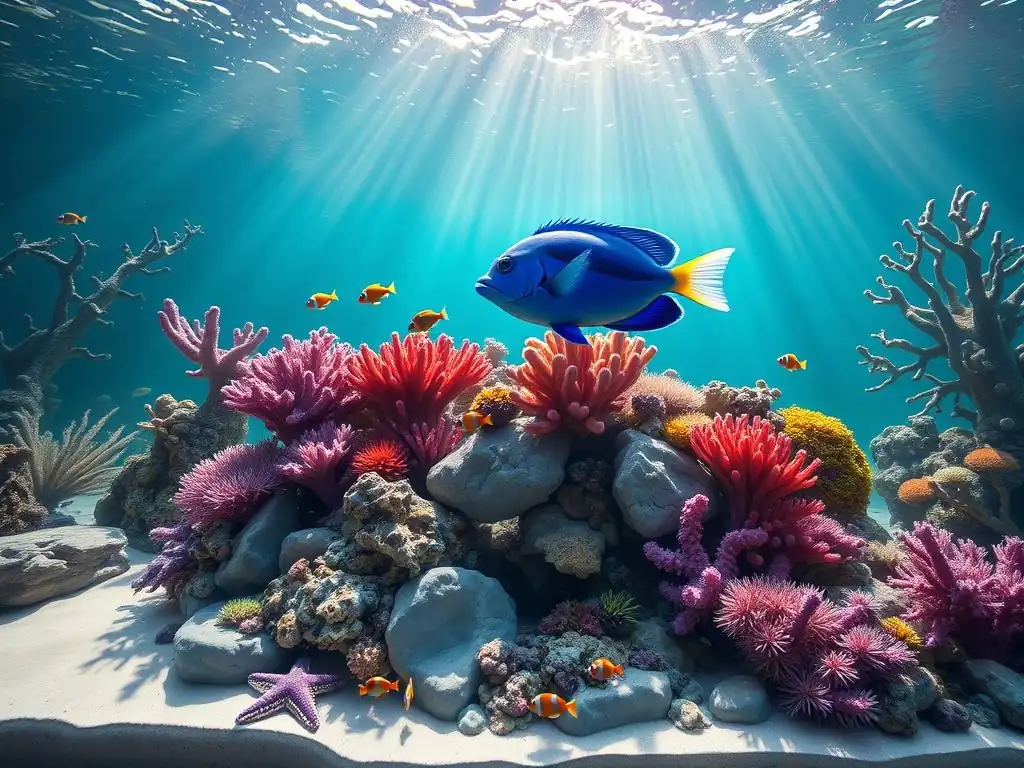
Welcome to Aquarium Mastery!
Ever wondered why your triggerfish is constantly rearranging its tank? These fascinating fish are known for their unique personalities and, yes, their powerful instincts to reshape their environment. Dive in and discover the secrets behind this triggerfish tank rearrangement behavior – you might be surprised by what motivates these underwater architects! Get ready to unlock the mysteries of their world and learn how to create the perfect habitat for your triggerfish.
- Understanding Triggerfish Tank Rearrangement Behavior: An Aquarium Mastery Guide
- The Impact of Triggerfish on Your Saltwater Aquarium Ecosystem
- Managing Triggerfish Tank Rearrangement Behavior: Practical Solutions
- Meeting the Needs of Triggerfish in Captivity: Environment Enrichment
- Specific Triggerfish Species and Their Decorating Habits
- Advanced Aquascaping Strategies for Triggerfish Aquariums
- Understanding the Role of Water Flow in Triggerfish Behavior
- Troubleshooting Common Problems Related to Triggerfish Tank Rearrangement
- Conclusion: Coexisting Peacefully with Your Decorating Triggerfish
-
Frequently Asked Questions
- Why do Triggerfish exhibit tank rearrangement behavior?
- How can I minimize the damage caused by Triggerfish rearranging my tank?
- Is tank rearrangement behavior a sign of stress in Triggerfish?
- What type of tank setup is best to accommodate a Triggerfish's rearranging habits?
- Can I train my Triggerfish to stop rearranging the tank decor?
- Final Reflection: The Unstoppable Force of Nature
- Unleash Your Inner Aquarist: Transform Your Tank!
Understanding Triggerfish Tank Rearrangement Behavior: An Aquarium Mastery Guide
Exploring the Reasons Behind Triggerfish Moving Rocks and Substrate
Triggerfish exhibit their distinctive tank rearrangement behavior primarily due to deeply ingrained natural instincts linked to survival and territory. In their wild habitats, these fish are adept at modifying their surroundings to create optimal conditions for shelter, foraging, and reproduction.
For instance, a triggerfish might excavate a depression in the sand or under a rock to form a secure burrow, offering a safe retreat from predators like sharks or larger groupers, or a protected space for resting during the night. This innate drive to sculpt their environment translates directly into their behavior within an aquarium, as they attempt to replicate these essential conditions.
Beyond mere shelter, the impulse to move rocks and substrate is also a powerful expression of territoriality. Many triggerfish species are highly territorial, and rearranging decor serves as a visual and physical declaration of their domain. By shifting rocks or clearing areas, they establish boundaries and reinforce their dominance within the tank's ecosystem. This can be particularly evident when new tank mates are introduced or if the triggerfish perceives its space as threatened, leading to intensified "Triggerfish tank rearrangement behavior" as it asserts its control over the perceived territory.
Triggerfish Habitat Manipulation: A Survival Strategy in the Wild
The ability of triggerfish to manipulate their habitat is a sophisticated survival strategy honed over millennia in diverse marine environments, from coral reefs to rocky shorelines. In the wild, species like the Titan Triggerfish (Balistoides viridescens) are notorious for their powerful excavations, often moving significant coral rubble or rocks to uncover prey such as crabs, urchins, or mollusks that hide beneath. This foraging behavior directly influences their "Triggerfish tank rearrangement behavior" in captivity, as they instinctively search for food or simply engage their natural predatory drive by overturning objects.
Furthermore, habitat modification provides crucial protection. A triggerfish's ability to create a secure crevice or a deep burrow offers a vital defense mechanism against strong ocean currents and larger, more aggressive predators. By digging into the substrate or wedging themselves tightly between immovable rocks, they can withstand powerful surges and remain hidden from view. This instinct to carve out a secure personal space is a fundamental aspect of their ecology and a primary driver behind their persistent "Triggerfish tank rearrangement behavior" in an aquarium setting.
How Triggerfish Use Their Powerful Jaws for Tank Modification
The remarkable "Triggerfish tank rearrangement behavior" is made possible by their unique and incredibly powerful oral anatomy. Triggerfish possess strong, fused teeth, typically eight per jaw, which are perfectly adapted for crushing the hard shells of crustaceans and mollusks, their natural prey. This dental structure allows them to grip, lift, push, and even bite off pieces of rock or coral with surprising force. Their jaws are so robust that a medium-sized triggerfish can easily crack open the shell of a clam or a large snail, demonstrating the sheer power they can exert on aquarium decor.
When observing a triggerfish in action, it's evident that they use their entire body, leveraging their robust musculature and streamlined shape, to aid in the displacement of objects. They might wedge their bodies into tight spaces, then use their powerful caudal fin (tail) to create bursts of water that dislodge substrate, or use their mouths to physically grasp and move rocks many times their own weight. This combination of specialized dentition and powerful swimming enables them to be highly effective engineers of their environment, making their "Triggerfish tank rearrangement behavior" a formidable challenge for aquarists.
The Impact of Triggerfish on Your Saltwater Aquarium Ecosystem
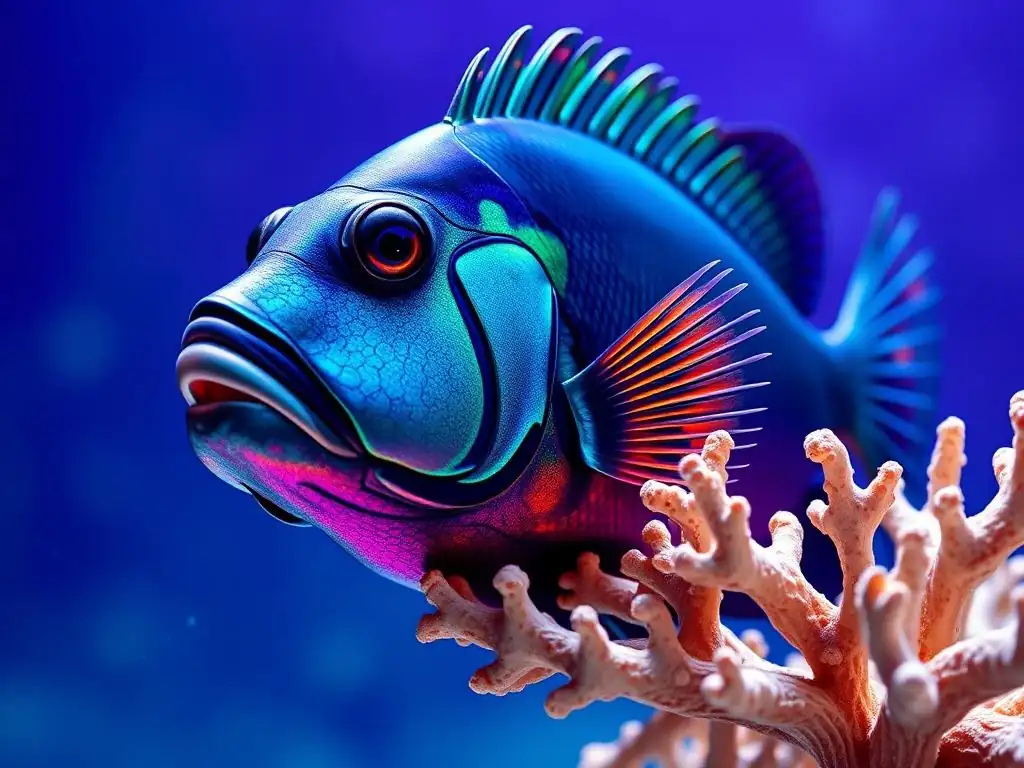
Recognizing the Signs of Triggerfish Tank Rearrangement: What to Look For
Observing "Triggerfish tank rearrangement behavior" requires a keen eye for subtle and not-so-subtle changes in your aquarium's aquascape. The most obvious signs include shifted rocks that were once stable, newly exposed areas of the tank bottom where substrate has been cleared away, or conversely, piles of sand accumulated in unusual locations, often around the base of rockwork. You might notice your triggerfish repeatedly nudging or biting at a particular rock, or actively fanning sand away with its fins. These actions indicate an ongoing effort to modify its surroundings to its liking.
Beyond direct observation of the fish in action, indirect evidence of their industriousness often presents itself. You might find that a previously level sand bed now features distinct depressions or craters, particularly around the triggerfish's preferred resting spots. Equipment like powerheads or heaters, if not securely mounted, may be dislodged or even completely moved by a persistent triggerfish. Additionally, a sudden increase in water cloudiness, especially after a period of the tank being undisturbed, can often be attributed to the triggerfish stirring up the substrate during its "Triggerfish tank rearrangement behavior."
Potential Problems Caused by Triggerfish Moving Tank Decor
While fascinating, "Triggerfish tank rearrangement behavior" can lead to several significant problems for the aquarist and the overall health of the tank. One of the most critical issues is the potential for structural instability within the aquascape. Heavy rocks, if not properly secured, can be undermined and collapse, potentially crushing corals, invertebrates, or even other fish. There's also a risk of rocks falling against the aquarium glass, leading to cracks or, in severe cases, complete tank failure. This poses a considerable safety hazard for both the tank inhabitants and the surrounding environment.
Furthermore, the constant digging and shifting of substrate can severely impact water quality. When a triggerfish repeatedly stirs up the sand bed, it releases accumulated detritus and organic waste into the water column, leading to cloudy water and a potential spike in nitrates or phosphates. If a deep sand bed is present, aggressive "Triggerfish tank rearrangement behavior" can disturb anaerobic pockets, releasing harmful hydrogen sulfide gas, which is toxic to fish and invertebrates. Lastly, dislodged equipment like heaters or pumps can malfunction or become damaged, posing risks of electrical hazards or temperature fluctuations.
Maintaining a Balanced Aquarium Despite Triggerfish Behavior
Successfully maintaining a balanced aquarium despite persistent "Triggerfish tank rearrangement behavior" requires proactive planning and consistent vigilance. The primary strategy involves selecting and securing decor that is robust enough to withstand their efforts. This means opting for heavy, dense rock types and employing advanced aquascaping techniques to create stable, interlocked structures that are difficult to dislodge. For instance, using marine-safe epoxy to bond rocks together or building structures directly on an egg crate foundation can significantly reduce their ability to cause widespread disruption.
Beyond physical safeguards, regular and diligent maintenance becomes even more critical in a triggerfish tank. Frequent water changes, perhaps 20% bi-weekly instead of monthly, help to mitigate any water quality issues arising from stirred-up detritus. A robust filtration system, including a powerful protein skimmer and effective mechanical filtration (like filter socks or floss), is essential to remove suspended particles and maintain crystal-clear water. By anticipating and adapting to their "Triggerfish tank rearrangement behavior," aquarists can create a stable and thriving environment for all tank inhabitants.
Managing Triggerfish Tank Rearrangement Behavior: Practical Solutions
Choosing the Right Tank Size to Minimize Decor Displacement
Selecting an appropriately sized aquarium is a fundamental step in managing "Triggerfish tank rearrangement behavior." A common guideline suggests a minimum of 120 gallons for a single adult Niger Triggerfish (Odonus niger), and considerably more, often 180-200 gallons or larger, for more active and robust species like the Clown Triggerfish (Balistoides conspicillum). Providing ample space allows the triggerfish to establish a territory without feeling cramped, which can otherwise exacerbate their natural digging and redecorating instincts. In a larger tank, their efforts to rearrange decor are spread across a greater area, making the overall impact less disruptive.
A spacious environment also offers more options for aquascaping, allowing for larger, more stable rock structures that are inherently more resistant to being moved. For example, in a 200-gallon tank, an aquarist can incorporate multi-piece rock formations weighing 50-100 pounds, which would be virtually impossible for even a large triggerfish to dislodge. Conversely, in a smaller tank, even moderate "Triggerfish tank rearrangement behavior" can quickly lead to a complete overhaul of the aquascape, as there is less inherent stability and more concentrated effort on a limited number of items.
Selecting Sturdy and Secure Aquarium Decorations for Triggerfish Tanks
When planning an aquascape for a triggerfish, the choice of decorations is paramount to mitigating their "Triggerfish tank rearrangement behavior." Prioritize heavy, dense materials that are difficult for the fish to lift or push. Large, solid pieces of dry rock or cured live rock are ideal, as they possess significant mass and often have flat, stable bases. Avoid lightweight, porous rocks, artificial corals that are easily dislodged, or small, unstable decorative items that can be tossed around. For example, a single 15-pound base rock is far more resistant to movement than five 3-pound rocks.
Furthermore, consider the texture and shape of the decor. Smooth, rounded rocks are generally less likely to be gripped and moved than those with sharp edges or protrusions. While triggerfish possess powerful jaws, making it difficult for them to get a purchase on slippery, heavy objects can deter their efforts. If using artificial decorations, ensure they are specifically designed for large, active fish and are heavy enough to remain stationary. The goal is to make the "Triggerfish tank rearrangement behavior" an unrewarding effort by presenting them with immovable objects.
Using Aquascaping Techniques to Discourage Triggerfish Rearrangement
Effective aquascaping techniques are crucial for creating a triggerfish-proof environment and minimizing their "Triggerfish tank rearrangement behavior." One of the most reliable methods is to build stable, interlocking rock structures. Instead of simply stacking rocks, try to create a foundation using large, flat base rocks and then stack subsequent pieces in a way that they support each other, similar to building with LEGOs. Burying the base of your rockwork directly onto the tank bottom, rather than on top of a deep sand bed, can prevent the triggerfish from undermining the structure through digging.
Another highly effective technique is to use marine-safe epoxy putty or super glue gel to permanently bond rocks together. This creates a solid, unified structure that even the most determined triggerfish will struggle to move. For instance, an aquarist might use 2-3 tubes of epoxy to secure a complex rock formation, allowing it to cure for 24-48 hours before introducing fish.
Additionally, placing a sheet of egg crate (light diffuser) on the bottom of the tank before adding substrate and then building the rockwork directly on the egg crate can create an unshakeable foundation, preventing the triggerfish from digging underneath and collapsing the entire aquascape. This proactive approach significantly reduces the potential for destructive "Triggerfish tank rearrangement behavior."
Meeting the Needs of Triggerfish in Captivity: Environment Enrichment
Providing Alternative Activities to Redirect Triggerfish Instincts
To effectively manage "Triggerfish tank rearrangement behavior," it's beneficial to provide alternative outlets for their natural instincts and intelligence. One excellent method is through feeding enrichment. Instead of simply dropping food into the tank, offer items that require effort to consume. For example, presenting a whole, unshelled clam or a piece of squid that they must tear apart provides a stimulating challenge for their powerful jaws and reduces boredom. This can divert their energy from destructive digging or rock-moving activities.
Furthermore, consider incorporating safe, non-toxic "toys" or interactive elements into the tank. While less common in marine aquariums, some aquarists have success with items like floating plastic rings or even specialized feeder devices that dispense food only after manipulation. The key is to engage their active minds and strong biting instincts in a constructive way. By providing these alternative activities, the triggerfish's innate drive for exploration and manipulation can be redirected, potentially lessening the intensity of their "Triggerfish tank rearrangement behavior."
The Importance of Proper Nutrition in Reducing Destructive Behaviors
Proper and varied nutrition plays a significant role in mitigating unwanted "Triggerfish tank rearrangement behavior." A well-fed triggerfish is generally less prone to destructive behaviors driven by hunger, boredom, or stress. Their diet should be rich in protein and include a variety of marine-based foods such as high-quality pellets, frozen mysis shrimp, krill, silversides, and occasional pieces of squid or clam. Offering shelled invertebrates like small snails or crabs (if appropriate for the species) can also satisfy their natural instinct to crush and forage.
Nutritional deficiencies or an insufficient feeding schedule can lead to increased stress and agitation in triggerfish, which may manifest as more aggressive or persistent "Triggerfish tank rearrangement behavior." For instance, a triggerfish that is consistently underfed or receives a monotonous diet might become more restless and turn its energy towards manipulating its environment in an attempt to find food or alleviate boredom. Ensuring a robust and diverse feeding regimen, typically 2-3 times a day for younger fish and once a day for adults, contributes significantly to their overall well-being and can help reduce unwanted tank modifications.
Creating a Stimulating Environment for Healthy Triggerfish
A stimulating and well-designed environment is paramount for the overall health and reduced "Triggerfish tank rearrangement behavior" in captivity. Beyond just secure rockwork, the aquascape should offer a variety of features that cater to their natural behaviors. This includes multiple caves, overhangs, and swim-through areas that provide ample hiding spots and exploration opportunities. A complex aquascape, even if fully secured, gives the triggerfish a sense of security and encourages natural patrolling and territorial behaviors without the need for constant re-engineering.
Maintaining stable and optimal water parameters is also crucial for reducing stress, which can otherwise exacerbate "Triggerfish tank rearrangement behavior." Consistent temperature (typically 75-82°F or 24-28°C), salinity (1.023-1.026 specific gravity), and pristine water quality (zero ammonia/nitrite, low nitrate) are essential. A healthy, stress-free triggerfish is more likely to exhibit its natural, fascinating personality and less likely to engage in excessive or destructive behaviors. Providing robust filtration and appropriate water flow further contributes to an environment where the triggerfish feels secure and content.
Specific Triggerfish Species and Their Decorating Habits
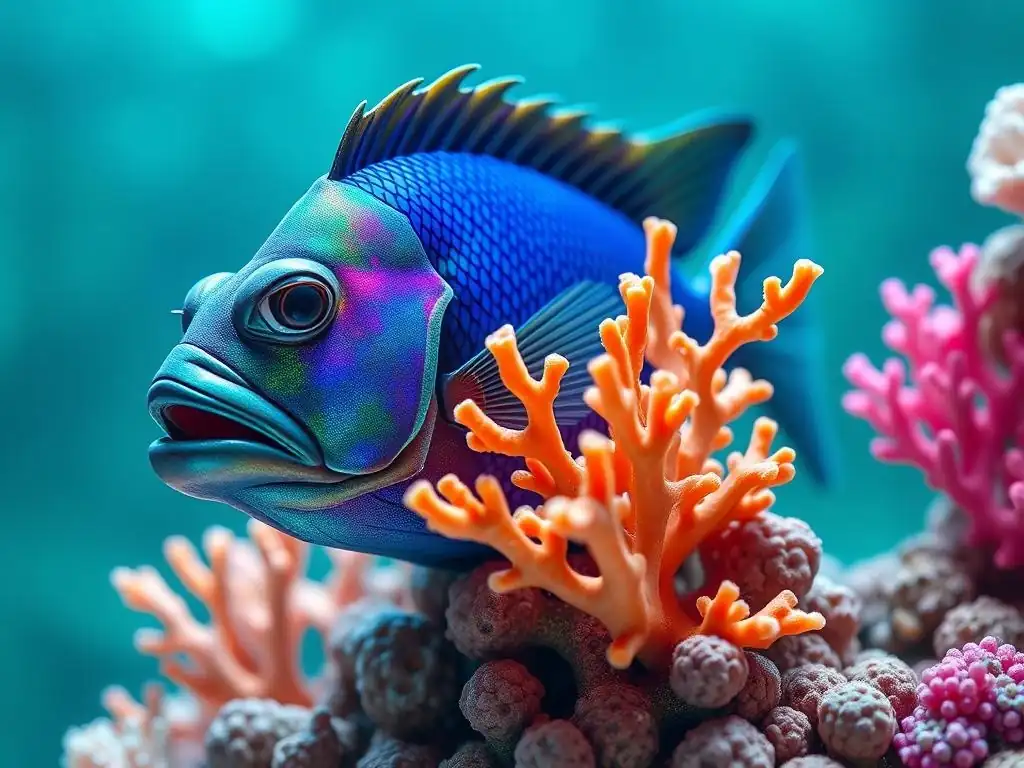
Clown Triggerfish (Balistoides conspicillum) and Its Typical Tank Rearrangement Style
The Clown Triggerfish (Balistoides conspicillum) is arguably the most infamous species when it comes to "Triggerfish tank rearrangement behavior." Known for its striking coloration and assertive personality, this species is a highly active and powerful decorator. Clown Triggerfish are notorious for their relentless digging, often excavating large amounts of substrate to create deep pits or burrows where they can rest or feel secure. It is not uncommon for a mature Clown Triggerfish, reaching up to 20 inches in length, to completely uncover sections of the tank bottom or move rocks weighing several pounds with surprising ease.
Their territorial nature further fuels their decorating habits. A Clown Triggerfish will meticulously rearrange its chosen area to establish clear boundaries, often piling substrate around rockwork or creating specific "hideouts." For example, an aquarist might find that a 15-inch Clown Triggerfish in a 180-gallon tank has shifted a third of the sand bed to one corner overnight, creating a noticeable "crater" around its preferred sleeping spot. This persistent "Triggerfish tank rearrangement behavior" makes secure aquascaping an absolute necessity for this magnificent but demanding species.
Niger Triggerfish (Odonus niger): A More Moderate Decorator?
In contrast to their boisterous Clown cousins, the Niger Triggerfish (Odonus niger) is generally considered a more moderate participant in "Triggerfish tank rearrangement behavior." While they still possess the innate triggerfish drive to manipulate their environment, their efforts are typically less dramatic and destructive. Niger Triggerfish, also known as Red-toothed Triggerfish, tend to be less aggressive and more pelagic (open-water dwelling) than many other triggerfish species, which influences their interaction with tank decor.
Their typical "Triggerfish tank rearrangement behavior" often manifests as minor substrate sifting or the creation of shallow depressions for resting, rather than large-scale excavation or significant rock displacement. They might nudge smaller pieces of rubble or fan sand to create a comfortable resting spot, but they are far less likely to undermine large rock structures or completely re-engineer the aquascape. This more subdued behavior makes the Niger Triggerfish a comparatively easier species to aquascape for, though secure decor remains advisable due to their inherent strength and occasional bursts of redecorating enthusiasm.
Comparing Decorating Habits Across Different Triggerfish Species
The spectrum of "Triggerfish tank rearrangement behavior" varies significantly across the many species within the family Balistidae, largely influenced by their natural habitats, diets, and inherent territoriality. While the Clown Triggerfish represents the extreme end of active decorators, other species fall somewhere in between. For instance, the Picasso Triggerfish (Rhinecanthus aculeatus) is a moderate excavator, often creating shallow pits to rest or forage, but generally not moving large rocks. Its "Triggerfish tank rearrangement behavior" is more about minor adjustments to its immediate surroundings.
On the other hand, the Undulated Triggerfish (Balistapus undulatus) can be quite active in rearranging its tank, sometimes rivalling the Clown Triggerfish in its determination to move decor, especially when establishing a territory. The Blue Throat Triggerfish (Xanthichthys auromarginatus) is often noted for being one of the least destructive triggerfish, exhibiting minimal "Triggerfish tank rearrangement behavior" due to its more docile nature and diet. Understanding these species-specific nuances is crucial for any aquarist considering a triggerfish, as it directly impacts the necessary aquascaping strategies and tank maintenance.
Advanced Aquascaping Strategies for Triggerfish Aquariums
Using Epoxy and Other Adhesives to Secure Rockwork
For aquarists dealing with persistent "Triggerfish tank rearrangement behavior," advanced aquascaping techniques using marine-safe adhesives are indispensable. Epoxy putty, specifically formulated for aquarium use, is a highly effective tool for permanently bonding rocks together, creating a solid, immovable structure. The process involves mixing two parts of the putty until a uniform color is achieved, then pressing it firmly between the rocks to be joined. For instance, a 10-inch triggerfish could easily dislodge a 5-pound rock, but if that rock is epoxied to a 50-pound base structure, it becomes virtually unmovable.
Another useful adhesive is thick super glue gel (cyanoacrylate). While less robust than epoxy for large structural bonds, it's excellent for securing smaller pieces of live rock, coral frags, or even small decorative elements that the triggerfish might otherwise toss around. When using either, ensure the surfaces are clean and dry for optimal adhesion, and allow sufficient curing time, typically 24-48 hours, before exposing the bonds to water flow or the fish. These adhesives are crucial for creating an aquascape that can withstand even the most determined "Triggerfish tank rearrangement behavior."
Creating Stable Rock Structures That Withstand Triggerfish Activity
Beyond adhesives, the fundamental design of your rock structure is key to withstanding "Triggerfish tank rearrangement behavior." One highly recommended technique is to use an egg crate (light diffuser) base. A sheet of egg crate is placed directly on the bottom glass of the aquarium before any substrate is added. The rockwork is then built directly on this egg crate, allowing the weight of the rocks to rest on the tank bottom rather than the sand. This prevents the triggerfish from digging underneath the rocks and causing a collapse.
Furthermore, focus on building wide, stable foundations with heavy, flat base rocks. Interlock subsequent rocks like puzzle pieces, ensuring each piece is supported by the ones below and around it. Consider building structures that lean against the back glass for additional support. The goal is to create a monolithic structure that is too heavy and too well-interlocked for the triggerfish to manipulate. For example, a securely built structure in a 180-gallon tank might incorporate 100-150 pounds of rock, all bonded and interlocked, making "Triggerfish tank rearrangement behavior" largely ineffective.
Incorporating Live Rock Considerations for Triggerfish Tanks
When incorporating live rock into a triggerfish aquarium, specific considerations are necessary due to their inherent "Triggerfish tank rearrangement behavior" and powerful mouths. Choose dense, well-cured live rock pieces rather than highly porous or fragile ones, as triggerfish are capable of biting off fragments of weaker rock. Ensure that all live rock is firmly established and not just loosely stacked, as even smaller pieces can be dislodged and potentially damage other tank inhabitants or equipment.
For tanks with delicate corals or invertebrates, it is advisable to place them higher up on secured rockwork or in areas that are less accessible to the triggerfish. Their constant digging and shifting can easily dislodge or even bury sensitive corals and anemones. Furthermore, while live rock provides essential biological filtration, be mindful that constant "Triggerfish tank rearrangement behavior" can stir up detritus trapped within the rock, potentially impacting water quality. Regular siphoning around the base of rockwork and robust mechanical filtration can help mitigate this.
Understanding the Role of Water Flow in Triggerfish Behavior
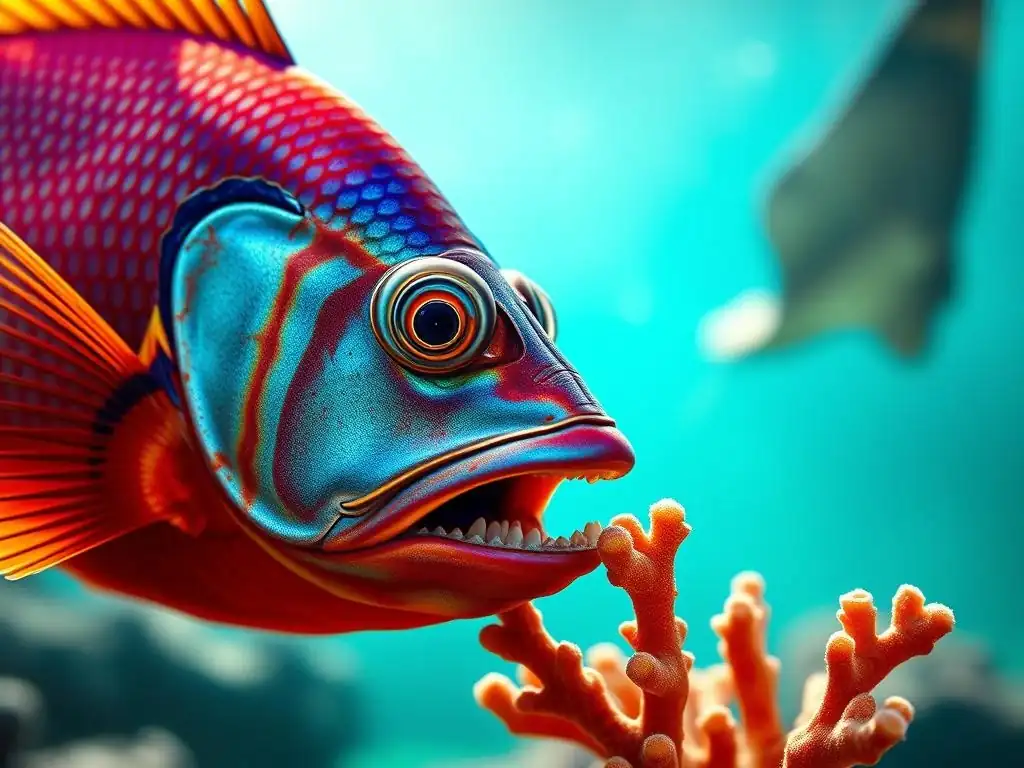
How Water Circulation Impacts Triggerfish Instincts
Water circulation plays a nuanced role in influencing "Triggerfish tank rearrangement behavior." In their natural reef environments, triggerfish are accustomed to strong, often turbulent water flow. Providing insufficient flow in a captive environment can lead to boredom or a perceived lack of suitable currents for their natural activities, potentially increasing their drive to modify their surroundings. They might engage in "Triggerfish tank rearrangement behavior" as a way to create areas of more or less flow that they prefer, or simply to alleviate restlessness.
Conversely, overly strong or direct water flow, especially if it's constant and uniform, can also be a stressor. If a triggerfish feels constantly buffeted by a single, powerful current, it may attempt to rearrange decor to create calmer resting zones or sheltered eddies. Finding the right balance of varied and random flow, mimicking natural ocean currents, is crucial for their well-being. A dynamic flow pattern encourages natural swimming behaviors and reduces the likelihood of stress-induced "Triggerfish tank rearrangement behavior."
Optimizing Water Flow to Minimize Unwanted Rearrangement
Optimizing water flow in a triggerfish aquarium is a key strategy to minimize unwanted "Triggerfish tank rearrangement behavior." The goal is to provide robust, yet varied, water movement throughout the tank, ensuring there are no large dead spots but also no areas of constant, direct blasting. Using multiple powerheads or wavemakers, strategically placed, can create turbulent, random flow patterns that mimic natural reef conditions. A total flow rate of 10-20 times the tank volume per hour is a good general guideline for triggerfish tanks, but observation of the fish's behavior is paramount.
Directing strong currents away from unsecured decor or areas with easily disturbed substrate can also help. For instance, if a triggerfish consistently digs in a particular spot, adjusting the flow to be less direct in that area might reduce the ease with which it can move sand. By providing an environment where the triggerfish feels comfortable with the existing water movement, the perceived need to engage in extensive "Triggerfish tank rearrangement behavior" to create preferred flow zones can be significantly reduced.
The Relationship Between Water Quality and Tank Decor Disturbance
There is a direct and often cyclical relationship between water quality and "Triggerfish tank rearrangement behavior." Poor water quality, characterized by elevated nitrates, phosphates, or fluctuating parameters, can stress triggerfish, leading to increased agitation and a higher propensity for destructive behaviors, including more aggressive decor manipulation. A stressed triggerfish might dig more frequently or with greater intensity as a coping mechanism or an attempt to find a more comfortable environment.
Conversely, vigorous "Triggerfish tank rearrangement behavior" can itself negatively impact water quality. Constant digging stirs up detritus and organic waste embedded in the substrate, releasing it into the water column. This can lead to cloudy water, and if the filtration is insufficient, it can contribute to a rise in ammonia, nitrite, and ultimately nitrate levels. Therefore, maintaining pristine water quality through robust filtration (protein skimming, mechanical filtration) and consistent water changes (e.g., 20% bi-weekly) is not only vital for triggerfish health but also indirectly helps to reduce the severity and frequency of their tank disturbances.
Addressing Cloudy Water Caused by Triggerfish Activity
Cloudy water is a frequent side effect of active "Triggerfish tank rearrangement behavior," as their digging stirs up fine particulate matter from the substrate. To address this, first ensure your mechanical filtration is robust. Regularly clean or replace filter socks and filter floss, as these are highly effective at trapping suspended particles. For instance, a 100-micron filter sock can significantly clear cloudy water within hours of being installed. Running activated carbon can also help by adsorbing dissolved organic compounds that contribute to cloudiness.
If the cloudiness persists, consider performing small, frequent water changes (e.g., 10% daily for a few days) to dilute the suspended particles and remove excess detritus. In some cases, using a coarser substrate (e.g., 2-3mm grain size aragonite) instead of very fine sand can also reduce the amount of material that becomes suspended. Ultimately, securing your tank decor to minimize the triggerfish's ability to constantly dig will be the most effective long-term solution to prevent recurring cloudy water issues caused by their "Triggerfish tank rearrangement behavior."
Preventing Damage to Equipment Due to Moving Rocks
The powerful "Triggerfish tank rearrangement behavior" poses a significant threat to in-tank equipment if not properly secured. Heaters are particularly vulnerable; they should ideally be placed in a sump, where they are out of reach, or housed within a protective heater guard if they must be in the display tank. Powerheads and wavemakers should be mounted with strong magnets or robust suction cups, and their positions should be checked regularly to ensure they haven't been dislodged. Many aquarists opt for external pumps to eliminate this risk entirely.
Furthermore, ensure all wiring and tubing inside the tank are securely fastened and out of the triggerfish's reach. They are known to chew on or dislodge anything that interferes with their redecorating efforts. Using zip ties, cable clips, or routing cables behind securely epoxied rockwork can prevent damage and potential electrical hazards. Proactive inspection of all equipment after a period of intense "Triggerfish tank rearrangement behavior" is crucial to catch any potential issues before they escalate.
"Triggerfish tank rearrangement behavior" is often intrinsically linked to territoriality, and this can lead to aggression issues with tank mates. When a triggerfish reconfigures its environment, it's often establishing or reinforcing its perceived territory, which can then result in heightened aggression towards other fish that "trespass" on its newly defined space. Signs of aggression might include chasing, nipping, or even direct attacks on other inhabitants, especially after a major redecorating session.
To mitigate this, ensure your tank provides ample space and multiple hiding spots for all inhabitants, allowing less dominant fish to retreat. Introducing new fish before the triggerfish (if possible) can sometimes help, as the triggerfish will then be the "newcomer." In cases of severe aggression directly tied to redecorating, a temporary solution might involve removing the triggerfish for a few hours or even a day, completely rearranging the decor, and then reintroducing the triggerfish.
This can sometimes "reset" its territorial boundaries, forcing it to establish new ones and potentially reduce its aggression. However, this is a temporary measure, and long-term success relies on providing an appropriately sized tank with sufficient space for all inhabitants.
Conclusion: Coexisting Peacefully with Your Decorating Triggerfish
Embracing the Unique Characteristics of Triggerfish in a Saltwater Aquarium
"Triggerfish tank rearrangement behavior" is not merely a nuisance but a fascinating and innate characteristic that defines these intelligent and active marine fish. Rather than fighting against this powerful instinct, successful aquarists learn to understand and embrace it as part of the triggerfish's unique personality. Their drive to sculpt their environment, whether for shelter, foraging, or territorial assertion, is a testament to their adaptability and intelligence. By acknowledging this fundamental aspect of their biology, aquarists can develop a deeper appreciation for their triggerfish and anticipate their needs more effectively.
Coexisting peacefully with a decorating triggerfish means accepting that your aquascape will likely never be static. It requires a mindset of flexibility and an appreciation for the dynamic nature of a triggerfish's world. With careful planning and the right strategies, the challenges posed by their "Triggerfish tank rearrangement behavior" can be managed, allowing for a rewarding experience observing these captivating creatures as they express their natural instincts within the confines of a home aquarium.
Providing a Thriving and Stimulating Environment for Your Triggerfish
The key to minimizing unwanted "Triggerfish tank rearrangement behavior" and ensuring a triggerfish thrives in captivity lies in providing an environment that caters to all its physical and behavioral needs. This includes selecting an appropriately large tank size that offers ample swimming and territorial space, and implementing robust aquascaping techniques to create stable, immovable rock structures. Utilizing marine-safe adhesives and building on solid foundations are crucial steps in this regard, effectively rendering their redecorating efforts largely ineffective.
Beyond the physical setup, a stimulating environment involves offering a varied and nutritious diet that engages their powerful jaws, providing alternative enrichment activities to redirect their instincts, and maintaining impeccable water quality. By focusing on these elements, aquarists can create a habitat where their triggerfish feels secure, stimulated, and less inclined to engage in excessive "Triggerfish tank rearrangement behavior." This holistic approach not only ensures the fish's well-being but also allows for a more stable and aesthetically pleasing aquarium for years to come.
Frequently Asked Questions
Why do Triggerfish exhibit tank rearrangement behavior?
Triggerfish are known for their powerful instincts to modify their environment. This behavior is rooted in their natural foraging habits and search for food within the substrate and rockwork of their natural reef habitats.
How can I minimize the damage caused by Triggerfish rearranging my tank?
Use heavy, stable decorations that are difficult to move. Secure decorations to the bottom of the tank or to each other using aquarium-safe epoxy or silicone to create a more resistant aquascape.
Is tank rearrangement behavior a sign of stress in Triggerfish?
While it's a natural behavior, excessive or destructive rearrangement could indicate stress due to inadequate tank size, poor water quality, or lack of hiding places. Ensure optimal conditions for your Triggerfish.
What type of tank setup is best to accommodate a Triggerfish's rearranging habits?
A larger tank with robust filtration and a thick substrate layer is ideal. Provide plenty of large rocks and caves that offer both shelter and opportunities for exploration and manipulation.
Can I train my Triggerfish to stop rearranging the tank decor?
While you can't "train" them in the traditional sense, providing alternative outlets for their natural behaviors, like offering puzzle feeders or burying food in the substrate, might redirect some of their energy and reduce the extent of the rearrangement.
Final Reflection: The Unstoppable Force of Nature
The exploration of triggerfish tank rearrangement behavior, as we've seen, isn't just about understanding quirky aquarium habits; it's about recognizing the powerful, innate instincts that drive these fascinating creatures. Their relentless reshaping of their environment, often to the bewilderment of their keepers, serves as a potent reminder of the wildness that persists even within the confines of a glass box. This behavior, far from being mere mischief, is a testament to their evolutionary programming and their inherent need to control and manipulate their surroundings.
This understanding of triggerfish behavior has profoundly influenced – and continues to influence – how we approach responsible aquarium keeping. It forces us to move beyond simply providing a habitat and to consider the psychological and behavioral needs of our aquatic companions. We must acknowledge that their actions are not random, but rather deeply rooted in their survival instincts. In the end, we will conserve only what we love; we will love only what we understand; and we will understand only what we are taught.
- Baba Dioum. This quote resonates deeply, urging us to learn and appreciate the intricate behaviors of these creatures, fostering a more compassionate and informed approach to their care.
Now, consider the implications of this understanding beyond the aquarium. Just as the triggerfish relentlessly shapes its small world, we too are constantly shaping our own environments, both physical and social. Let us strive to be mindful of the impact we have, and to channel our own powerful instincts towards creation and preservation, rather than destruction. Reflect on the lessons learned from the triggerfish: embrace the power of instinct, but temper it with understanding and responsibility. Let us all become more conscious architects of our own worlds, building them with purpose and respect for the delicate balance of nature.
Unleash Your Inner Aquarist: Transform Your Tank!
Thank you for diving deep into the fascinating world of triggerfish! We hope this article has illuminated the reasons behind their redecorating habits and helped you appreciate these intelligent creatures even more. Now, let's put that knowledge into action.
Here's how you can enhance your triggerfish keeping experience:
- Reimagine your aquascape: Based on what you've learned, intentionally design your tank to accommodate your triggerfish's natural behavior, creating secure structures they can interact with safely.
- Share your triggerfish tales: Join the Aquarium Mastery community forum to share your experiences, ask questions, and learn from other enthusiasts.
- Dive deeper into fish behavior: Explore our other articles on fish intelligence and instinct to broaden your understanding of the aquatic world.
What creative aquascaping solutions will you implement to co-exist peacefully with your triggerfish's strong opinions on interior design?