
Magnificent Anemone (Heteractis magnifica): Care, Clownfish Compatibility & Hosting Tips

Welcome to Aquarium Mastery!
Ever wondered how to unlock the secrets to keeping a thriving Magnificent Anemone? These stunning creatures can be the jewel of your saltwater tank, but their care requires specific knowledge. Dive in to our comprehensive guide and discover essential care tips to ensure your Heteractis magnifica not only survives, but flourishes, becoming the perfect host for your clownfish. Ready to create a vibrant and healthy reef ecosystem? Let's explore!
- Introduction to the Magnificent Anemone: A Reef Aquarium Gem
- Optimal Magnificent Anemone Care: Creating the Ideal Environment
- Feeding Your Magnificent Anemone: Diet and Nutrition
- Clownfish Compatibility and Anemone Hosting: A Symbiotic Relationship
- Troubleshooting Common Issues with Magnificent Anemones
- Propagating Magnificent Anemones: A Challenging Endeavor
- Purchasing and Acclimating a Magnificent Anemone
- Magnificent Anemone Care Tips: A Summary for Success
-
Frequently Asked Questions
- How difficult is it to care for a Magnificent Anemone (Heteractis magnifica) in a home aquarium?
- What are the ideal water parameters for a Magnificent Anemone?
- What kind of lighting does a Magnificent Anemone need?
- Which clownfish species are most likely to host a Magnificent Anemone?
- What should I feed a Magnificent Anemone?
- Final Reflection: Embracing the Anemone's Delicate Dance
- Ignite Your Reef Tank: Cultivate a Thriving Anemone!
Introduction to the Magnificent Anemone: A Reef Aquarium Gem
Understanding Heteractis magnifica: Overview and Natural Habitat
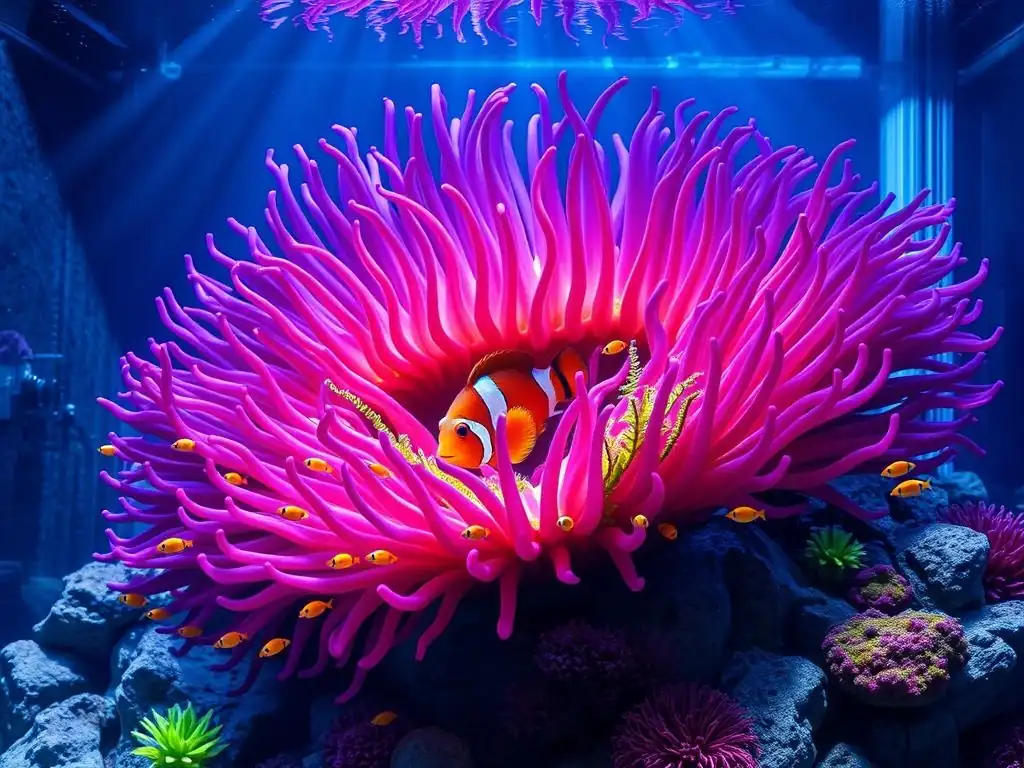
The Magnificent Anemone, scientifically known as Heteractis magnifica, is a highly sought-after centerpiece in many reef aquariums due to its impressive size and vibrant coloration. Often referred to as the Ritteri Anemone, it boasts long, tapering tentacles that can range in color from a brilliant green or blue to a striking pink or purple. In its natural habitat, this species can reach an impressive diameter of up to 3 feet (approximately 90 cm), though in home aquariums, specimens typically grow to between 1 and 2 feet (30-60 cm) across, making them a significant presence.
Native to the shallow, sun-drenched waters of the Indo-Pacific region, Heteractis magnifica thrives on coral reefs, often found firmly attached to rocky substrates in areas with strong, consistent water movement. Once settled, these anemones are largely sessile, but possess the ability to detach and relocate if environmental conditions become unfavorable. Their survival is significantly aided by a symbiotic relationship with zooxanthellae, photosynthetic algae living within their tissues, which provide a substantial portion of the anemone's nutritional needs.
Why Choose a Magnificent Anemone for Your Saltwater Tank?
Choosing a Magnificent Anemone for your saltwater tank offers an unparalleled aesthetic appeal, transforming your aquarium into a dynamic and captivating underwater landscape. Its large size and flowing tentacles create a stunning focal point, while its vivid colors—ranging from electric blues to deep purples and greens—add a spectacular splash of life. Beyond its beauty, the Heteractis magnifica is renowned for its ability to host various species of clownfish, creating one of the most iconic and engaging symbiotic relationships observed in marine aquaria.
While demanding in terms of care, the reward of successfully maintaining a Magnificent Anemone is immense, making it a fulfilling challenge for intermediate to advanced aquarists. With proper magnificent anemone care tips, including stable water parameters, robust lighting, and appropriate feeding, these resilient creatures can thrive for decades in captivity. Their longevity and the fascinating interactions they facilitate with clownfish contribute to a truly immersive and educational experience for any dedicated hobbyist.
Optimal Magnificent Anemone Care: Creating the Ideal Environment
Essential Water Parameters for Heteractis magnifica Health
Temperature, Salinity, and pH Levels
Maintaining precise and stable water parameters is paramount for the health and longevity of Heteractis magnifica. For temperature, the ideal range is between 76°F and 82°F (24°C to 28°C), with minimal fluctuations throughout the day. Salinity should be kept consistently between 1.024 and 1.026 specific gravity, mirroring natural reef conditions. The pH level is equally critical, ideally maintained within a narrow band of 8.1 to 8.4. Deviations outside these ranges can stress the anemone, leading to a decline in health and potentially bleaching.
These specific parameters are vital as they directly influence the anemone's metabolic processes, osmotic balance, and the efficiency of its symbiotic zooxanthellae. For instance, a pH below 8.0 can inhibit the zooxanthellae's photosynthetic activity, while high temperatures can lead to thermal stress and expulsion of these vital algae. Regular monitoring with calibrated, high-quality test kits—at least weekly for the first few months, then bi-weekly once stable—is an indispensable magnificent anemone care tip to ensure these conditions are consistently met.
Maintaining Water Quality: Nitrate and Phosphate Control
For Heteractis magnifica, pristine water quality is non-negotiable. Nitrates should be kept as low as possible, ideally below 5 ppm, and certainly no higher than 10 ppm. Phosphates are even more critical, with target levels at or below 0.03 ppm. Elevated levels of these nutrients, often stemming from overfeeding or insufficient waste removal, can severely stress the anemone, impede its growth, and contribute to bleaching events, which can be difficult to reverse.
Effective control of nitrates and phosphates involves a multi-faceted approach. Regular partial water changes, typically 10-20% bi-weekly, are fundamental for nutrient export and replenishing essential trace elements. The use of a high-quality protein skimmer is essential for removing organic waste before it breaks down into nitrates and phosphates. Additionally, employing phosphate-removing media (e.g., GFO) or a refugium with macroalgae can significantly help maintain ultra-low nutrient levels, ensuring robust magnificent anemone care.
Lighting Requirements for a Thriving Magnificent Anemone
Choosing the Right Lighting Spectrum and Intensity
Heteractis magnifica is one of the most light-demanding anemone species, largely due to its significant reliance on its symbiotic zooxanthellae for energy production. Therefore, providing strong, full-spectrum lighting is crucial for its long-term health and vibrant coloration. High-intensity lighting systems such as LED, T5 High Output (HO), or metal halide fixtures are typically required. The Photosynthetically Active Radiation (PAR) levels at the anemone's location should ideally range from 200 to 400 PAR, mimicking its natural shallow-water habitat.
When selecting a lighting spectrum, a balanced blend of blue (actinic, typically 450-470nm) and white (daylight, 6500K-10000K) light is optimal to support the zooxanthellae. If transitioning an anemone to a new, more intense lighting system, it is imperative to do so gradually over several weeks to prevent light shock or bleaching. Starting with shorter photoperiods or lower intensity settings and slowly increasing them allows the anemone to acclimate, making proper lighting a cornerstone of successful magnificent anemone care tips.
Flow and Placement: Ensuring Proper Circulation
Avoiding Damage to the Anemone
Appropriate water flow is as critical as lighting for Heteractis magnifica. This species requires strong, turbulent, yet indirect water movement. This type of flow helps deliver food particles and dissolved oxygen to the anemone's tentacles while also whisking away waste products from its surface. Direct, laminar flow, however, can cause significant damage by constantly pushing the anemone from one direction, potentially tearing its delicate tissues or preventing it from expanding fully.
When placing the anemone, ensure its foot can firmly attach to a stable piece of live rock, preferably in an area where it receives diffuse, consistent flow without being blasted directly by a powerhead. It's important to remember that if an anemone is unhappy with its chosen spot—due to insufficient flow, poor light, or irritation from other tank inhabitants—it will detach and wander. This wandering can be dangerous, as the anemone might get sucked into powerhead intakes (which should always be covered with sponge guards) or overflows. Securing it safely is a paramount magnificent anemone care tip.
Feeding Your Magnificent Anemone: Diet and Nutrition
What to Feed a Heteractis magnifica: Recommended Food Sources
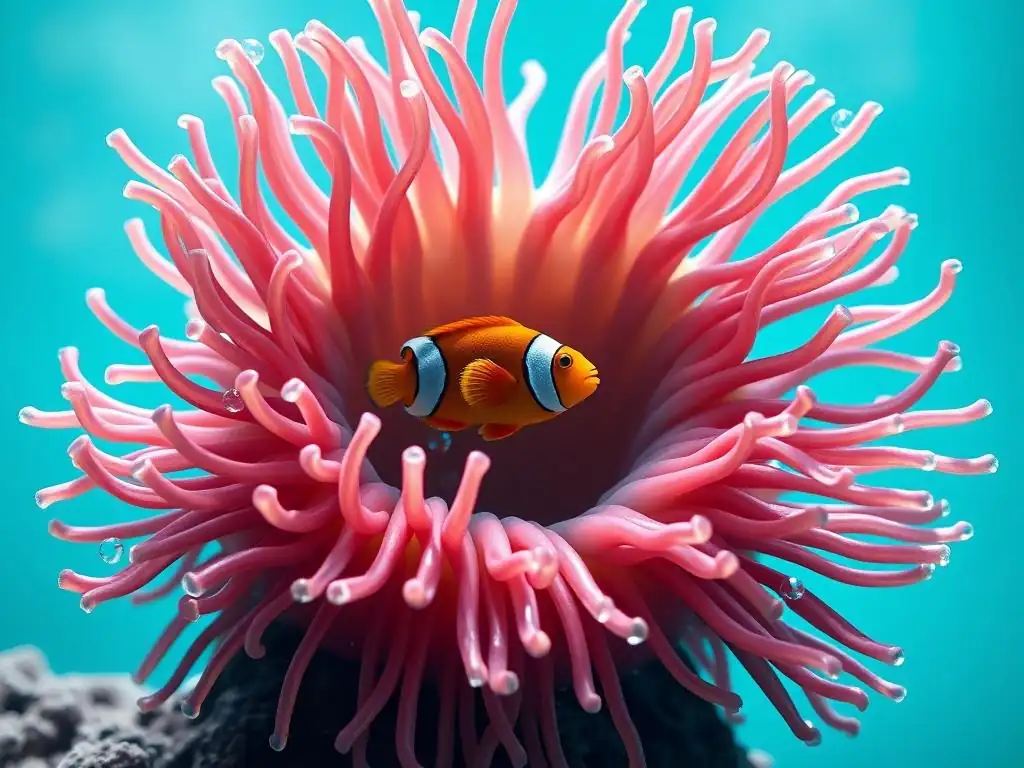
While Heteractis magnifica derives a significant portion of its energy from its symbiotic zooxanthellae through photosynthesis, supplemental feeding is absolutely essential for its long-term health, growth, and vibrancy. The diet should consist primarily of meaty foods. Recommended food sources include chopped marine-grade silversides, mysis shrimp, krill, squid, and small pieces of fresh, lean fish. The size of the food particles should be appropriate for the anemone's mouth, typically ranging from 1/4 to 1/2 inch (approximately 0.6 to 1.3 cm) for adult specimens.
Variety in the diet is beneficial to ensure a full spectrum of nutrients. While meaty foods are the staple, some aquarists also report success with liquid invertebrate foods or high-quality marine pellets designed for filter feeders, though these should supplement rather than replace whole meaty offerings. Always ensure the food is clean and free of contaminants. Observing the anemone's feeding response—its tentacles grasping the food and moving it towards its mouth—confirms successful feeding.
Feeding Frequency and Portion Sizes
The frequency and portion sizes for feeding a Heteractis magnifica depend on its size, overall health, and the intensity of the tank's lighting. For a healthy, established anemone receiving adequate lighting, feeding 1 to 2 times per week is generally sufficient. Smaller or newly introduced anemones, or those recovering from stress, might benefit from more frequent feedings, perhaps 2 to 3 times a week, to help them regain strength and mass.
Portion sizes should be conservative. Offer a piece of food that the anemone can fully engulf and consume within a few minutes. Overfeeding can lead to excess nutrients in the water column, potentially causing water quality issues that harm not only the anemone but also the entire reef system. It's crucial to ensure the anemone actually consumes the food and doesn't simply release it, which indicates either disinterest, stress, or that the food item is too large.
Recognizing Signs of Malnutrition in Your Anemone
Recognizing the signs of malnutrition is a critical aspect of effective magnificent anemone care. A healthy Heteractis magnifica should appear plump, fully inflated, and exhibit vibrant coloration. Signs of malnutrition include a noticeable shrinking in size, a pale or bleached appearance (even if light levels are adequate), tentacles that appear thin, shriveled, or deflated, and a general reluctance to expand fully or respond to stimuli.
If malnutrition is suspected, the first step is to thoroughly review your feeding practices, ensuring you are offering appropriate foods at sufficient frequency and portion sizes. Simultaneously, re-evaluate all water parameters and lighting conditions, as these factors directly impact the anemone's ability to photosynthesize and absorb nutrients. Temporarily increasing feeding frequency with easily digestible, high-quality meaty foods, combined with pristine water quality, can often help a malnourished anemone regain its vitality.
Clownfish Compatibility and Anemone Hosting: A Symbiotic Relationship
Understanding Clownfish-Anemone Symbiosis
The symbiotic relationship between clownfish and anemones is one of the most captivating natural phenomena observed in marine aquariums. In this mutualistic partnership, the clownfish gains invaluable protection from predators by seeking refuge among the anemone's stinging tentacles, to which it is immune due to a specialized mucus layer. In return, the anemone may benefit from aeration provided by the clownfish's movements, the removal of detritus from its tentacles, and potentially even leftover food scraps from the clownfish's meals.
This intricate dance highlights a remarkable adaptation where both species derive benefits for survival. The clownfish's presence can also deter potential predators of the anemone, such as butterflyfish. While not all clownfish species host all types of anemones, Heteractis magnifica is a highly preferred and natural host for several popular clownfish varieties, making it a cornerstone for creating an authentic and thriving symbiotic display in a home aquarium.
Selecting Compatible Clownfish Species for Heteractis magnifica
Popular Clownfish Hosts: Ocellaris Clownfish, Percula Clownfish, Maroon Clownfish
Heteractis magnifica is known to host a variety of clownfish species, making it a versatile choice for aquarists aiming to recreate this iconic symbiosis. Among the most popular and natural pairings are the Ocellaris Clownfish ( Amphiprion ocellaris) and the Percula Clownfish ( Amphiprion percula). These species are widely available, relatively peaceful, and readily adapt to hosting H. magnifica, often forming a strong bond within days or weeks of introduction, mirroring their natural associations in the wild.
Another species known to host Heteractis magnifica is the Maroon Clownfish ( Premnas biaculeatus). While they can form a striking partnership, Maroon Clownfish are significantly more aggressive than Ocellaris or Percula clowns, especially as they mature and form pairs. Their territorial nature means careful consideration is needed for tank size and other tank mates. Other clownfish species, such as the Pink Skunk Clownfish ( Amphiprion perideraion) and Saddleback Clownfish ( Amphiprion polymnus), may also host this magnificent anemone, adding to the range of options for aquarists.
Encouraging Clownfish to Host: Tips and Techniques
Introducing Clownfish to the Anemone
Encouraging clownfish to host a Magnificent Anemone often requires patience and a hands-off approach. The most effective strategy is to introduce the clownfish to the aquarium only after the anemone has fully settled and appears healthy and stable in its chosen location, which can take several weeks. Once the clownfish are acclimated to the tank, simply place them in the aquarium and allow them to explore naturally. Do not attempt to force the clownfish into the anemone's tentacles; they will typically discover and investigate the anemone on their own time.
In some instances, to pique the clownfish's interest, a small piece of meaty food can be gently placed near the anemone's tentacles, allowing the clownfish to observe the anemone's feeding response. This can sometimes encourage them to approach and explore. It is not uncommon for hosting to take hours, days, or even several weeks. Persistence and a calm environment are key magnificent anemone care tips when fostering this natural behavior.
Handling Potential Host Rejection
While Heteractis magnifica is a natural host for many popular clownfish species, there are rare instances where a clownfish might initially ignore the anemone, or the anemone might show signs of stress when the clownfish approaches. If the clownfish shows no interest, continue to observe. Ensure the anemone is robust, fully expanded, and settled, as a stressed anemone is less likely to be an inviting host. Do not attempt to physically push the clownfish into the anemone, as this can cause stress or injury to both.
In very rare cases, an anemone might sting a clownfish if the clownfish's protective mucus layer is not fully developed or if the anemone itself is under severe stress. However, this is highly uncommon with Heteractis magnifica and its natural host clownfish. Unless there are clear signs of harm to either animal, such as the clownfish exhibiting signs of being stung or the anemone showing significant retraction when approached, it is best to allow the natural process to unfold. Patience is paramount for successful magnificent anemone care tips in fostering symbiosis.
Troubleshooting Common Issues with Magnificent Anemones
Identifying and Treating Anemone Bleaching
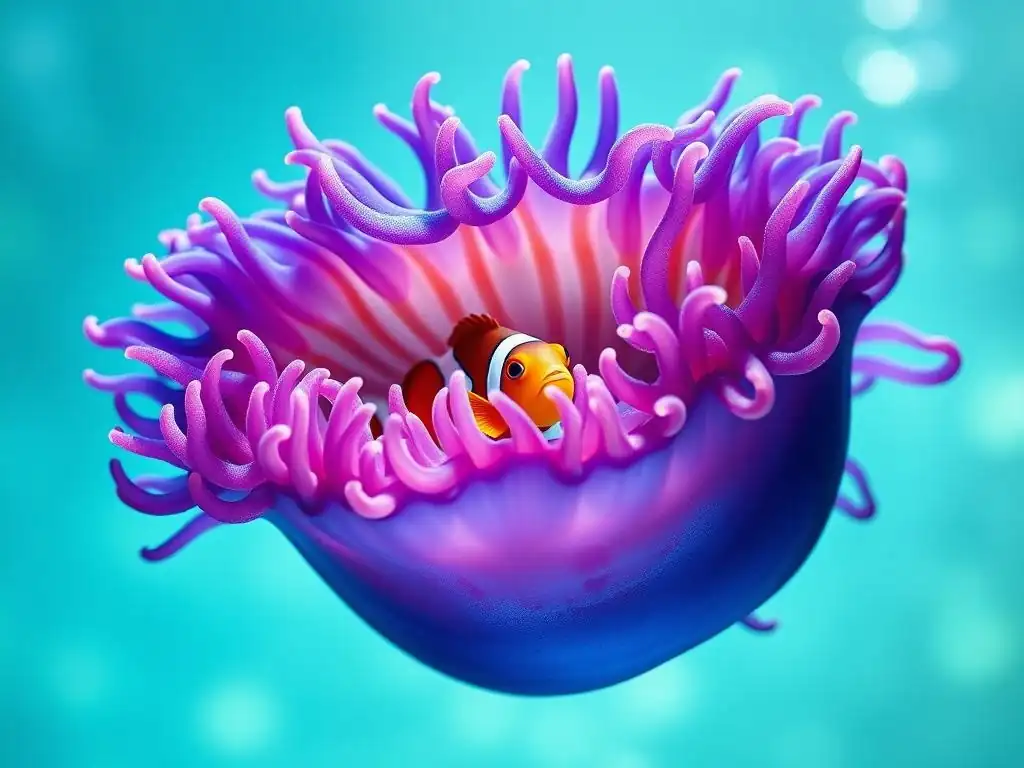
Anemone bleaching is a serious condition where the anemone loses its vibrant coloration, turning pale or even white, due to the expulsion of its symbiotic zooxanthellae. The primary causes include sudden or prolonged stress from environmental factors such as rapid temperature fluctuations (especially sustained temperatures above 86°F or below 70°F), inadequate or excessive lighting, poor water quality (high nitrates or phosphates), or general prolonged stress from aggression or transport.
To treat bleaching, it is crucial to identify and rectify the underlying stressor immediately. Gradually adjust water parameters to their optimal ranges. If lighting is suspected, reduce its intensity or photoperiod temporarily. Ensure pristine water quality through diligent nutrient control and regular water changes. Supplemental feeding with high-quality meaty foods can provide essential energy to aid recovery. Recovery can be a slow process, potentially taking weeks to months, and requires consistent adherence to magnificent anemone care tips.
Addressing Anemone Detachment and Wandering
An anemone detaches from its substrate and begins to wander when it is unhappy with its current location or the overall conditions within the aquarium. Common reasons for this behavior include insufficient water flow, inadequate lighting, poor water quality, being stung by a neighboring coral or another anemone, or simply not finding a comfortable spot. A wandering anemone poses a significant risk, as it can get drawn into powerheads, overflows, or sting other sessile invertebrates in its path.
If your anemone detaches, first ensure all powerhead intakes are covered with protective guards. Then, thoroughly check all water parameters, lighting intensity, and water flow patterns. Once the anemone settles in a new location, observe it closely for signs of improvement. If it repeatedly detaches and wanders, it indicates a persistent issue with its environment, necessitating a comprehensive review of your magnificent anemone care tips and tank setup to identify and resolve the stressor.
Preventing and Managing Parasites and Diseases
While generally hardy, Heteractis magnifica can occasionally fall victim to bacterial infections or parasitic infestations, though these are less common than environmental stressors. Bacterial infections often manifest as white patches, necrotic tissue, or a general decline in appearance. Flatworms can sometimes infest anemones, appearing as small, dark spots, or causing the anemone to remain retracted. Good husbandry practices are the best defense against these issues.
For suspected bacterial issues, improving water quality through increased water changes and enhanced skimming is paramount. In severe cases, some aquarists may consider broad-spectrum antibiotics in a dedicated hospital tank, but this carries significant risks and should be a last resort. For flatworms, manual removal with a gentle siphon can be effective for small infestations. Specialized dips (e.g., with Levamisole HCl) are available but must be used with extreme caution and precise dosing. Always quarantine new specimens for several weeks to prevent introducing pathogens to your main display tank, a vital magnificent anemone care tip.
Propagating Magnificent Anemones: A Challenging Endeavor
Understanding Anemone Reproduction
Anemones, including the Magnificent Anemone, possess the ability to reproduce both sexually and asexually. Sexual reproduction involves the release of sperm and eggs into the water column, leading to the formation of planktonic larvae that eventually settle and develop into new anemones. However, sexual reproduction for Heteractis magnifica in captivity is exceedingly rare, primarily due to the difficulty in replicating the precise environmental cues required for spawning and managing the intricate larval stages.
Asexual reproduction, known as fission or budding, involves an anemone splitting into two or more genetically identical individuals. While some anemone species regularly undergo fission in captivity, Heteractis magnifica very rarely reproduces asexually in a home aquarium setting. When it does occur, it is often a sign of extreme environmental stress rather than a healthy propagation event, indicating that conditions are so poor the anemone is attempting to "save itself" by splitting.
The Ethics of Anemone Propagation in Captivity
Given the significant challenges and extreme rarity of successful captive propagation for Heteractis magnifica, it is important for aquarists to understand that almost all Magnificent Anemones available in the marine aquarium trade are wild-caught. This reality raises ethical considerations regarding the sustainability of collection practices and the impact on natural reef ecosystems.
For responsible aquarists, supporting suppliers who adhere to sustainable and ethical collection methods is crucial. Furthermore, once a Heteractis magnifica is acquired, providing optimal magnificent anemone care tips to ensure its long-term survival in captivity becomes an ethical imperative. By committing to providing the best possible environment, aquarists contribute to the longevity of these animals and indirectly reduce the demand for new wild-caught specimens.
Purchasing and Acclimating a Magnificent Anemone
Selecting a Healthy Anemone from Your Local Fish Store
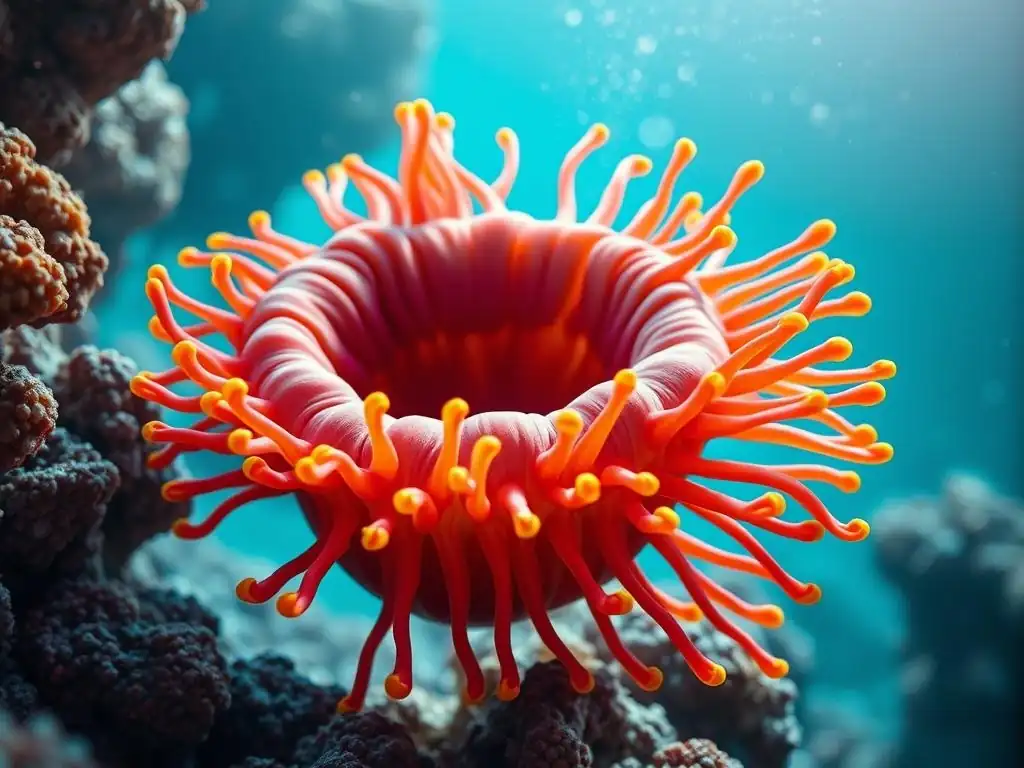
The initial health of a Magnificent Anemone is a strong predictor of its long-term success in your aquarium. When selecting a specimen from your local fish store or online retailer, observe it carefully. A healthy Heteractis magnifica should be fully inflated, with plump tentacles that extend outwards.
Its coloration should be vibrant and consistent, without any pale or bleached patches. The foot of the anemone should be firmly attached to a rock or the bottom of the tank; avoid any anemones that are detached and floating, or those that appear shriveled, torn, or are expelling mesenterial filaments (white stringy material), as these are clear signs of severe stress or illness.
Inquire about the anemone's origin (wild-caught versus extremely rare captive-bred), how long it has been at the store, and the parameters of the water it has been kept in. A reputable dealer will be transparent with this information. Choosing a specimen that has been at the store for at least a few days and appears stable and active provides the best foundation for successful magnificent anemone care tips implementation in your home aquarium.
Proper Acclimation Procedures for a New Anemone
Proper acclimation is critical for minimizing shock and stress when introducing a new Magnificent Anemone to your aquarium. Drip acclimation is the highly recommended method, allowing the anemone to slowly adjust to your tank's temperature, salinity, and pH over a period of 1 to 2 hours. This gradual process prevents osmotic shock, which can be fatal. During transfer, avoid exposing the anemone to air, as this can damage its delicate tissues; keep it submerged at all times.
Once acclimated, gently place the anemone on the rockwork in a low-flow area where it can easily attach itself. Do not attempt to force it into a specific crevice or spot. It is often beneficial to temporarily turn off powerheads or reduce flow to prevent the anemone from being swept away before it has a chance to securely attach its foot. Observe the new addition closely for the first few days, ensuring it expands fully and shows signs of settling in, a crucial step in initial magnificent anemone care.
Magnificent Anemone Care Tips: A Summary for Success
Key Considerations for Long-Term Anemone Health
Achieving long-term health for a Magnificent Anemone hinges on providing an extremely stable and pristine environment. Key considerations include maintaining consistent water parameters: temperature between 76-82°F (24-28°C), salinity at 1.024-1.026 specific gravity, and pH between 8.1-8.4. Critically, nitrates should be kept below 5 ppm and phosphates below 0.03 ppm. Robust, full-spectrum lighting (200-400 PAR) and strong, turbulent, yet indirect water flow are equally vital for its photosynthetic needs and overall well-being.
Beyond parameters, consistent and appropriate feeding (1-2 times weekly with high-quality meaty foods) is essential for supplemental nutrition. Vigilant observation for any signs of stress, such as shrinking, bleaching, or detachment, allows for early intervention. Adhering to these fundamental magnificent anemone care tips provides the best chance for a long and thriving life for this stunning invertebrate in your reef aquarium.
Ensuring a Thriving Symbiotic Relationship Between Anemone and Clownfish
The ultimate reward of keeping a Magnificent Anemone often lies in witnessing its captivating symbiotic relationship with clownfish. To foster this, select compatible clownfish species, such as Ocellaris or Percula clowns, and introduce them to the tank only after the anemone has fully settled and is thriving. Allow the relationship to develop naturally, as forcing interaction can cause stress to both the anemone and the fish. Patience is key, as hosting can take time.
The health of the anemone directly impacts the success of the symbiotic relationship; a stressed or unhealthy anemone is less likely to be a welcoming host. By consistently applying diligent magnificent anemone care tips, you ensure a robust and inviting environment for your clownfish. This dedication will result in a stunning and dynamic display, where the anemone and its clownfish partners create a mesmerizing focal point in your home aquarium for many years to come.
Frequently Asked Questions
How difficult is it to care for a Magnificent Anemone (Heteractis magnifica) in a home aquarium?
Magnificent Anemones are considered difficult to keep due to their need for pristine water conditions and intense lighting. Experience with saltwater aquariums is highly recommended before attempting to keep one.
What are the ideal water parameters for a Magnificent Anemone?
They require stable salinity, a temperature range of 72-78°F (22-26°C), and a pH between 8.1-8.4. Maintaining low nitrate and phosphate levels is also crucial for their health.
What kind of lighting does a Magnificent Anemone need?
Magnificent Anemones require very strong lighting, typically metal halide or high-output LED systems. The intensity needed depends on the anemone's depth in the tank, but adequate lighting is essential for photosynthesis.
Which clownfish species are most likely to host a Magnificent Anemone?
Several clownfish species readily host Heteractis magnifica, including the Ocellaris Clownfish ( Amphiprion ocellaris), the Percula Clownfish (Amphiprion percula), and the Maroon Clownfish (Premnas biaculeatus).
What should I feed a Magnificent Anemone?
They should be fed small pieces of meaty foods, such as chopped shrimp, fish, or squid, 2-3 times per week. Target feeding ensures they receive adequate nutrition and helps prevent starvation.
Final Reflection: Embracing the Anemone's Delicate Dance
The journey into understanding the intricacies of Magnificent Anemone care reveals more than just the technical aspects of maintaining a thriving reef aquarium; it highlights the profound responsibility we undertake when bringing a piece of the ocean into our homes. The delicate balance required to support these creatures serves as a microcosm of the larger environmental challenges we face, demanding careful consideration and a commitment to sustainable practices.
This exploration has underscored the symbiotic relationship between anemone and clownfish, a partnership that mirrors the interconnectedness of all life on Earth. Witnessing this dance in our own tanks offers a tangible connection to the natural world, fostering a deeper appreciation for its fragility and resilience. In the end, we will conserve only what we love; we will love only what we understand; and we will understand only what we are taught.
- Baba Dioum's words resonate deeply, reminding us that knowledge is the key to conservation.
As you embark on, or continue, your journey with the Magnificent Anemone, remember that you are not merely keeping a pet, but nurturing a living ecosystem. Let the lessons learned about water parameters, lighting, and clownfish compatibility inspire you to reflect on your own impact on the environment. Consider how you can extend this mindful approach beyond your aquarium, contributing to the preservation of our planet's precious coral reefs for generations to come.
Ignite Your Reef Tank: Cultivate a Thriving Anemone!
Thank you for diving into the world of Magnificent Anemones! We hope you've found this guide valuable in understanding how to successfully care for these stunning creatures and foster a harmonious reef environment. Now, it's time to put your knowledge into action and create a captivating underwater ecosystem.
Here are a few steps you can take right now:
- Plan Your Anemone's New Home: Carefully consider your tank's lighting, water flow, and scape to ensure it meets the Heteractis magnifica's needs before acquiring one. This pre-emptive planning is the most important step.
- Research potential clownfish pairings. Before you introduce a clownfish, spend some time exploring different species and their compatibility with the Magnificent Anemone to see which clownfish are most suitable.
- Share your anemone aspirations! Connect with fellow reef enthusiasts online, or on any social media, and inspire them with your plans to create a magnificent reef tank featuring Heteractis magnifica.
What exciting anemone and clownfish pairings are you considering for your reef tank, and what steps are you taking to ensure their compatibility?