
Troubleshooting Common Saltwater Angelfish Problems: A Quick Guide

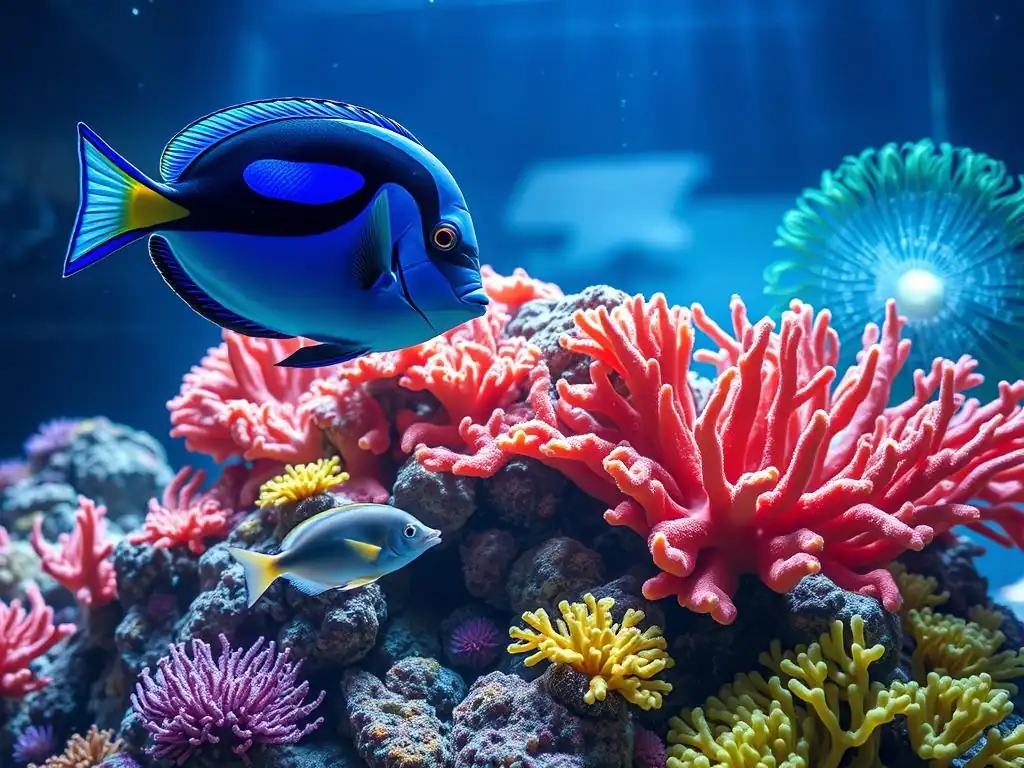
Welcome to Aquarium Mastery, your ultimate resource for all things aquatic!
Are your dazzling saltwater angelfish looking a little less dazzling lately? Concerned about unusual behavior or spotting something that just doesn't look right? Dive in! This guide to Saltwater Angelfish Disease Symptoms will equip you with the knowledge to identify potential problems early and keep your underwater paradise thriving. Get ready to unlock the secrets to a happy and healthy angelfish population!
- Identifying Saltwater Angelfish Disease Symptoms Early
-
Common Saltwater Angelfish Diseases and Their Symptoms
- Marine Ich (White Spot Disease) in Angelfish: Symptoms and Identification
- Velvet Disease (Amyloodinium) Affecting Angelfish: Recognizing the Signs
- Angelfish Fin Rot: Symptoms, Causes, and Prevention
- Understanding Head and Lateral Line Erosion (HLLE) in Saltwater Angelfish
- Recognizing Internal Parasites in Saltwater Angelfish: Symptoms and Treatment
- Diagnosing Saltwater Angelfish Disease Symptoms: A Step-by-Step Approach
-
Treating Common Saltwater Angelfish Diseases
- Treatment Options for Marine Ich in Saltwater Angelfish
- Addressing Velvet Disease (Amyloodinium) in Angelfish
- Treating Fin Rot in Saltwater Angelfish: Medications and Water Quality
- Managing Head and Lateral Line Erosion (HLLE) in Saltwater Angelfish
- Recognizing Internal Parasites in Saltwater Angelfish: Symptoms and Treatment
- Preventing Saltwater Angelfish Diseases: Proactive Measures
- Addressing Specific Saltwater Angelfish Health Concerns
- Saltwater Angelfish Health Checklist: Quick Reference
-
Frequently Asked Questions
- What are some common early disease symptoms in saltwater angelfish?
- How can I differentiate between a bacterial infection and a parasitic infestation in my angelfish?
- What are the most important water parameters to monitor to prevent angelfish diseases?
- What are some effective quarantine procedures for new saltwater angelfish to prevent disease spread?
- What should I do if I suspect my saltwater angelfish has a disease, but I'm unsure of the exact cause?
- Final Reflection: Navigating the Delicate Seas of Angelfish Care
- Ignite Your Angelfish Expertise!
Identifying Saltwater Angelfish Disease Symptoms Early
Recognizing Initial Signs of Illness in Angelfish
Observing your saltwater angelfish closely for subtle changes is the first line of defense against illness. Initial saltwater angelfish disease symptoms often manifest as behavioral shifts before any visible physical signs appear. These can include increased hiding, unusual lethargy, rapid breathing even when at rest, or a reluctance to interact with tank mates or food. A healthy angelfish is typically active, curious, and displays vibrant coloration.
Minor physical cues can also be early indicators. Look for slight cloudiness in the eyes, a dulling of colors that previously shone brightly, or fins that appear slightly clamped rather than fully extended. These subtle alterations, while easily missed, are crucial signals that your angelfish might be under stress or in the early stages of an infection, allowing for intervention before the condition worsens significantly.
Importance of Early Detection for Angelfish Health
Early detection of saltwater angelfish disease symptoms dramatically increases the chances of successful treatment and recovery. Many common marine diseases, if identified in their nascent stages, can be managed with less aggressive treatments and a higher probability of full recuperation. For instance, a mild case of Ich caught early might respond well to environmental adjustments, whereas an advanced infection could require prolonged medication and pose a greater risk to the fish's life.
Furthermore, prompt action upon noticing initial signs helps prevent the spread of contagious diseases to other inhabitants of your saltwater aquarium. A single sick fish can quickly become a source of infection for an entire tank, potentially leading to widespread fatalities and significant financial loss. Isolating an affected angelfish and beginning treatment immediately safeguards the health of your entire aquatic community.
Common Saltwater Angelfish Diseases and Their Symptoms
Marine Ich (White Spot Disease) in Angelfish: Symptoms and Identification
Marine Ich, caused by the parasite Cryptocaryon irritans, is one of the most prevalent and recognizable saltwater angelfish disease symptoms. The primary sign is the appearance of tiny white spots, resembling grains of salt or sugar, scattered across the fish's body, fins, and sometimes gills. Affected angelfish will often "flash" or rub themselves against rocks, substrate, or decorations in an attempt to dislodge the irritating parasites.
As the disease progresses, these spots may become more numerous, coalescing into larger patches. Angelfish may also exhibit rapid gill movement, indicating respiratory distress, as the parasites irritate gill tissue. Other symptoms include lethargy, loss of appetite, and clamped fins. If left untreated, severe infestations can lead to secondary bacterial infections and ultimately be fatal, especially for smaller or already stressed angelfish.
Velvet Disease (Amyloodinium) Affecting Angelfish: Recognizing the Signs
Velvet disease, caused by the dinoflagellate Amyloodinium ocellatum, presents a particularly insidious threat to saltwater angelfish. Unlike the distinct white spots of Ich, velvet saltwater angelfish disease symptoms manifest as a fine, dusty, yellowish-brown coating on the fish's skin, which can be difficult to see without a flashlight. This parasitic infection is highly contagious and progresses rapidly.
Affected angelfish will typically show signs of severe irritation, including intense flashing, rapid and labored breathing, and a general listlessness. They may become withdrawn, refuse food, and appear dull in coloration. Due to the parasite's ability to damage gill tissue, fish can die quickly from suffocation if the infection is not addressed immediately. The subtle nature of the coating often means the disease is advanced by the time it's clearly visible.
Angelfish Fin Rot: Symptoms, Causes, and Prevention
Fin rot is a common bacterial infection that manifests as frayed, ragged, or disintegrating fins in saltwater angelfish. The edges of the affected fins may appear white, cloudy, or reddish due to inflammation and necrosis. In severe cases, the entire fin can be eaten away, potentially exposing bone. This condition is rarely a primary infection but rather a secondary issue arising from underlying stressors.
The leading causes of fin rot include poor water quality (e.g., elevated ammonia or nitrate levels), inadequate tank size leading to stress, physical injury from aggressive tank mates or decor, and general immunosuppression due to other illnesses. Preventing fin rot involves maintaining pristine water parameters through regular water changes and effective filtration, ensuring a stress-free environment, and providing a balanced diet to support the angelfish's immune system.
Understanding Head and Lateral Line Erosion (HLLE) in Saltwater Angelfish
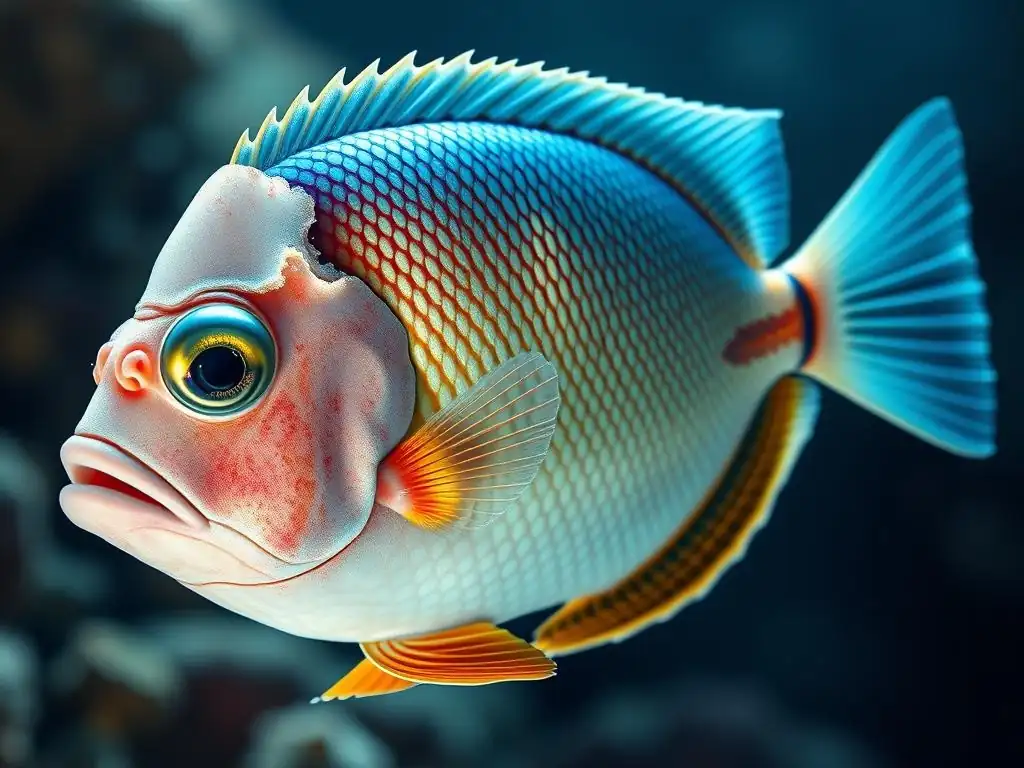
Head and Lateral Line Erosion (HLLE) is a perplexing and often disfiguring condition in saltwater angelfish. The saltwater angelfish disease symptoms for HLLE include pitting, lesions, and erosion of tissue around the head, face, and along the lateral line. These erosions can range from small depressions to deep, crater-like holes, sometimes exposing bone or creating channels.
While the exact cause is still debated, HLLE is strongly linked to environmental factors and nutritional deficiencies. Common theories point to inadequate water quality (especially high nitrates or the use of old or improper activated carbon), a lack of essential vitamins (particularly Vitamin C and D), insufficient or inappropriate lighting spectrum, and stray electrical voltage in the aquarium. Addressing these underlying issues is crucial for preventing and managing HLLE, though recovery can be a slow process.
Recognizing Internal Parasites in Saltwater Angelfish: Symptoms and Treatment
Internal parasites can significantly impact the health of saltwater angelfish, often presenting with non-specific saltwater angelfish disease symptoms that can be difficult to diagnose. Common signs include chronic emaciation or "wasting away" despite the fish eating regularly and seemingly well. Other indicators can be a swollen or bloated abdomen, lethargy, and labored breathing.
One distinctive symptom often associated with intestinal flagellates like Hexamita is the production of white, stringy feces. Angelfish infected with internal parasites may also exhibit a dull coloration, reduced activity, and a general failure to thrive. Diagnosis often relies on observing these combined symptoms and, in some cases, examining a fecal sample. Treatment typically involves administering anti-parasitic medications, often mixed into food, in a quarantine setting.
Diagnosing Saltwater Angelfish Disease Symptoms: A Step-by-Step Approach
Observing Angelfish Behavior: Key Indicators of Health Problems
The first step in diagnosing saltwater angelfish disease symptoms is meticulous observation of their behavior. A healthy angelfish should be active, alert, and exhibit normal swimming patterns. Any deviation, such as persistent hiding, listlessness, or erratic swimming (e.g., darting, spiraling, or swimming upside down), warrants immediate attention. Observe how they interact with food; a sudden refusal to eat or spitting out food is a critical red flag.
Pay close attention to respiratory rate. Normal breathing involves a steady, rhythmic gill movement. Rapid or labored breathing, even when the fish is at rest, suggests gill irritation or oxygen deprivation, often a symptom of parasites like Ich or Velvet. Also, watch for "flashing," where the fish rubs its body against surfaces, indicating skin irritation from external parasites. These behavioral changes often precede visible physical symptoms.
Examining Angelfish Physical Appearance for Disease Symptoms
Once behavioral anomalies are noted, a thorough physical examination of your angelfish is crucial for identifying saltwater angelfish disease symptoms. Look for any visible spots, patches, lesions, or discolorations on the body, fins, and eyes. White spots (Ich), a dusty film (Velvet), or frayed fins (fin rot) are distinct external signs. Examine the eyes for cloudiness, bulging, or sunken appearance.
Check the scales for any signs of lifting, redness, or slime coat excess. The gills should be a healthy red color, not pale or swollen. Use a flashlight to get a closer look, especially in dim lighting, as some parasites like Velvet are hard to see. Any unusual growths, swellings, or changes in body shape (e.g., a distended belly or severely sunken abdomen) should also be noted, as these can indicate internal issues.
Testing Water Parameters to Identify Potential Stressors
Water quality is paramount to angelfish health, and poor parameters are a leading cause of stress and susceptibility to saltwater angelfish disease symptoms. After observing behavioral and physical signs, the next critical step is to perform comprehensive water tests. Key parameters to check include salinity (target 1.023-1.025 SG), temperature (74-78°F or 23-26°C), pH (8.1-8.4), ammonia (0 ppm), nitrite (0 ppm), and nitrate (ideally below 10-20 ppm).
Elevated levels of ammonia or nitrite are highly toxic and can cause immediate stress, leading to compromised immunity. High nitrates, while less acutely toxic, contribute to chronic stress and can exacerbate conditions like HLLE. Significant fluctuations in pH, temperature, or salinity can also weaken an angelfish's natural defenses. Accurate and regular testing helps identify underlying environmental stressors that might be contributing to or causing the observed illness.
Treating Common Saltwater Angelfish Diseases
Treatment Options for Marine Ich in Saltwater Angelfish
Treating Marine Ich in saltwater angelfish typically involves either hyposalinity or copper-based medications. Hyposalinity involves gradually reducing the aquarium's salinity to a specific gravity of 1.008-1.009 over 24-48 hours and maintaining it for 2-4 weeks. This low salinity disrupts the parasite's life cycle, particularly its free-swimming stage, but requires careful monitoring with a refractometer and is not suitable for tanks with invertebrates.
Alternatively, copper-based medications (e.g., copper sulfate, chelated copper) are highly effective against Ich. These are usually administered in a separate quarantine or hospital tank to protect sensitive invertebrates in the main display. Precise dosing and regular testing of copper levels (e.g., 0.15-0.25 ppm for chelated copper, 0.25-0.5 ppm for copper sulfate) are crucial, as too little will be ineffective and too much can be lethal to the fish. Treatment often lasts for at least 14-21 days to ensure all stages of the parasite are eradicated.
Addressing Velvet Disease (Amyloodinium) in Angelfish
Velvet disease requires immediate and aggressive treatment due to its rapid progression. Copper-based medications are generally highly effective against Amyloodinium and are often the first line of defense, similar to Ich treatment. The recommended copper concentration and duration are typically the same as for Ich, applied in a dedicated hospital tank to avoid harming corals and invertebrates.
Other effective treatments include Chloroquine Phosphate or Formalin baths, which can be particularly useful in severe cases. During treatment, it is often recommended to turn off aquarium lights for several days, as the Amyloodinium parasite is photosynthetic and relies on light for part of its life cycle. Increasing aeration is also advised, as some medications can reduce oxygen levels, and the disease itself impairs gill function.
Treating Fin Rot in Saltwater Angelfish: Medications and Water Quality
Treating fin rot in saltwater angelfish primarily focuses on addressing the underlying causes, most commonly poor water quality. Begin by performing significant water changes (e.g., 25-50% daily for several days if severe) and ensure optimal filtration to reduce ammonia, nitrite, and nitrate levels to undetectable or very low concentrations. Improving water parameters often allows the fish's natural immune system to fight off the bacterial infection.
If water quality improvements alone are not sufficient, or if the infection is advanced, broad-spectrum antibiotics can be used. Medications like Maracyn 2 (Erythromycin) or Furan-2 (Nitrofurazone) are often effective against the bacteria responsible for fin rot. These medications are typically administered in a hospital tank to prevent harming beneficial bacteria in the main display. Ensure the fish receives a high-quality, nutritious diet to aid in healing and fin regeneration.
Managing Head and Lateral Line Erosion (HLLE) in Saltwater Angelfish
Managing Head and Lateral Line Erosion (HLLE) in saltwater angelfish requires a multi-faceted approach, as it's primarily an environmental and nutritional disorder. The cornerstone of treatment involves maintaining pristine water quality, which means rigorous monitoring of ammonia, nitrite, and nitrate levels, and performing regular, consistent water changes. Many aquarists report improvement when nitrate levels are kept below 5-10 ppm.
Dietary enrichment is equally crucial. Ensure your angelfish receives a varied diet rich in essential vitamins, particularly Vitamin C and D, often found in high-quality marine algae, spirulina, and vitamin-enriched frozen foods. Some hobbyists also report success by removing activated carbon if it's suspected to be old or leaching phosphates, and by ensuring the aquarium lighting provides a full spectrum relevant to the fish's natural habitat. Recovery can be a slow process, sometimes taking months for significant improvement.
Recognizing Internal Parasites in Saltwater Angelfish: Symptoms and Treatment
Treating internal parasites in saltwater angelfish typically involves administering specific anti-parasitic medications. For intestinal flagellates like Hexamita, Metronidazole is a common and effective choice, often found in products like Seachem MetroPlex. This medication can be dosed directly into the water, but it is often more effective when mixed into the fish's food, ensuring direct ingestion by the parasite.
For worm infestations (e.g., flukes, nematodes), Praziquantel-based medications are usually recommended. Similar to Metronidazole, these are often most effective when incorporated into a medicated food mixture. Treating angelfish for internal parasites should ideally occur in a quarantine tank, allowing for precise dosing, close observation of the fish's response, and prevention of medication affecting invertebrates or the biological filter in the main display.
Preventing Saltwater Angelfish Diseases: Proactive Measures
Maintaining Optimal Water Quality for Angelfish Health
Maintaining optimal water quality is the single most important proactive measure to prevent saltwater angelfish disease symptoms. Consistent and stable water parameters significantly reduce stress on angelfish, thereby strengthening their immune systems. This involves regular testing of salinity, temperature, pH, ammonia, nitrite, and nitrate levels, ideally at least weekly.
Routine water changes (e.g., 10-20% weekly or bi-weekly depending on tank bioload) are essential for diluting nitrates and replenishing trace elements. Adequate filtration, including a robust protein skimmer and sufficient live rock, helps remove organic waste before it breaks down into harmful compounds. A clean, stable environment drastically reduces the likelihood of bacterial infections and parasitic outbreaks.
Quarantine New Angelfish to Prevent Disease Introduction
Quarantining new saltwater angelfish is a non-negotiable step for disease prevention, even if the fish appears perfectly healthy. A dedicated quarantine tank, fully cycled and separate from your main display, allows you to observe new arrivals for saltwater angelfish disease symptoms for a period of at least 3-4 weeks. This isolation period also provides an opportunity to proactively treat for common parasites like Ich or Velvet before they can infect your established fish.
The quarantine process minimizes the risk of introducing pathogens into your main display tank, which can be devastating for existing inhabitants, especially sensitive species or those that have been disease-free for a long time. During quarantine, you can monitor the angelfish's feeding habits, behavior, and physical condition, ensuring it is robust and disease-free before integration into your carefully cultivated ecosystem.
Providing a Balanced Diet to Boost Angelfish Immunity
A balanced and varied diet is fundamental to boosting the immune system of saltwater angelfish, making them more resilient against saltwater angelfish disease symptoms. Many angelfish species are omnivores or herbivores in the wild, requiring a diet rich in vegetable matter alongside meaty foods. Offering high-quality marine algae, spirulina flakes, and various frozen foods like Mysis shrimp, brine shrimp, and enriched formulas ensures they receive all necessary nutrients.
Avoid feeding only one type of food. A varied diet provides a broader spectrum of vitamins, minerals, and essential fatty acids, all crucial for maintaining robust health and a strong immune response. Angelfish that are well-nourished are better equipped to fend off potential infections and recover more quickly if they do become ill.
Minimizing Stress in the Angelfish Aquarium Environment
Stress is a significant precursor to saltwater angelfish disease symptoms, as it suppresses the immune system. Minimizing stressors in the aquarium environment is therefore a critical preventative measure. Ensure your angelfish has an appropriately sized tank with ample swimming space and plenty of hiding spots within rockwork or decor to retreat when feeling threatened.
Carefully select tank mates to avoid aggressive species that might bully or constantly chase your angelfish. Maintain consistent water parameters and avoid sudden, drastic changes in temperature, salinity, or pH. A stable, peaceful environment with proper lighting cycles and a lack of excessive noise or vibration contributes significantly to the long-term health and well-being of your angelfish, reducing their susceptibility to illness.
Addressing Specific Saltwater Angelfish Health Concerns
Difficulty Acclimating a New Angelfish to the Aquarium: Gradual Introduction and Observation
Introducing a new saltwater angelfish to an established aquarium can be a stressful event, and poor acclimation can quickly lead to saltwater angelfish disease symptoms. The most effective method is drip acclimation, where water from the display tank is slowly dripped into the bag or container holding the new fish over a period of 1 to 2 hours. This gradual process allows the angelfish to slowly adjust to the new water parameters (temperature, pH, salinity) without sudden shocks.
During and after acclimation, keep the aquarium lights dim and minimize disturbances to reduce stress. Observe the angelfish closely for several hours following introduction for any signs of labored breathing, erratic swimming, or hiding. Providing plenty of hiding spots in the tank will help the angelfish feel secure as it adjusts to its new surroundings, encouraging it to settle in more quickly and reduce initial stress-related health issues.
Angelfish Not Eating: Identifying Potential Causes and Encouraging Feeding
An angelfish refusing to eat is a significant saltwater angelfish disease symptom that requires immediate attention. Potential causes are numerous, ranging from simple stress due to a new environment or aggressive tank mates, to serious underlying issues like internal parasites, bacterial infections, or poor water quality. Observe if the fish is attempting to eat but spitting out food, or completely ignoring it.
Begin by checking all water parameters to rule out environmental stressors. If parameters are optimal, try offering a variety of highly palatable foods, such as live brine shrimp, Mysis shrimp, or foods soaked in garlic extract, which can act as an appetite stimulant. If the angelfish continues to refuse food for more than a day or two, especially if accompanied by other symptoms like emaciation or white stringy feces, consider the possibility of internal parasites and prepare for appropriate treatment in a quarantine tank.
Saltwater Angelfish Health Checklist: Quick Reference
Key Symptoms to Watch For in Saltwater Angelfish
Regular, brief observations of your saltwater angelfish can help catch saltwater angelfish disease symptoms before they become severe. Key signs to watch for include: white spots resembling salt grains (Ich), a fine dusty film (Velvet), frayed or clamped fins (fin rot/stress), lesions or pitting around the head (HLLE), bloating or emaciation (internal parasites), rapid or labored breathing, and rubbing against tank decor (flashing).
Behavioral changes are equally important. Look for unusual lethargy, prolonged hiding, loss of appetite, or aggression towards tank mates. Any deviation from typical swimming patterns or a dulling of vibrant coloration should also raise concern. Daily visual checks for these indicators are crucial for early intervention and improving the prognosis for your angelfish.
Regular Maintenance Practices for Angelfish Disease Prevention
Proactive maintenance is the best defense against saltwater angelfish disease symptoms. Establish a routine of regular water changes (e.g., 10-20% weekly or bi-weekly) to maintain pristine water quality and stability. Consistently test your water parameters—salinity, temperature, pH, ammonia, nitrite, and nitrate—to ensure they remain within optimal ranges for angelfish.
Beyond water quality, ensure your angelfish receives a balanced and varied diet, rich in vitamins and marine algae, to support a robust immune system. Always quarantine new fish for at least 3-4 weeks before introducing them to your main display to prevent the introduction of pathogens. Lastly, provide a stress-free environment with appropriate tank size, compatible tank mates, and ample hiding spots to keep your angelfish healthy and resilient.
Frequently Asked Questions
What are some common early disease symptoms in saltwater angelfish?
Early symptoms often include changes in behavior, such as decreased appetite or hiding more than usual. You might also observe physical signs like fin clamping or slight discoloration.
How can I differentiate between a bacterial infection and a parasitic infestation in my angelfish?
Bacterial infections may present as cloudy eyes or sores, while parasitic infestations often involve visible spots or excessive scratching. A water test can also help rule out environmental stressors.
What are the most important water parameters to monitor to prevent angelfish diseases?
Maintaining stable water parameters is critical. Pay close attention to ammonia, nitrite, and nitrate levels. Also, ensure proper salinity and pH for saltwater angelfish.
What are some effective quarantine procedures for new saltwater angelfish to prevent disease spread?
Quarantine new fish in a separate tank for at least 4-6 weeks. Observe them for any signs of disease and treat accordingly before introducing them to your main tank.
What should I do if I suspect my saltwater angelfish has a disease, but I'm unsure of the exact cause?
Start with a partial water change to improve water quality. Then, carefully observe your fish's behavior and appearance to identify specific symptoms. Consulting with a veterinarian specializing in aquatic animals is highly recommended.
The challenges of maintaining a thriving saltwater aquarium, particularly when housing the majestic angelfish, are undeniably complex. Understanding and addressing saltwater angelfish disease symptoms is not merely about treating ailments; it's about fostering a deeper connection with the delicate ecosystems we strive to recreate. The information presented here serves as a starting point, a compass guiding aquarists through the often-turbulent waters of fishkeeping.
The responsibility we bear as keepers of these creatures extends far beyond simply providing food and water. It's about recognizing the intricate balance of their environment and actively working to preserve it. The health of our angelfish often mirrors the health of our commitment to responsible aquaria practices. The cure for anything is salt water: sweat, tears, or the sea.
- Isak Dinesen. This quote reminds us that sometimes, the most profound solutions lie in understanding and respecting the natural world, and in our case, replicating it as best we can.
Now, armed with this knowledge, I urge you to reflect on your own practices. Are you truly observing your angelfish, attuned to the subtle signs of distress? Are you committed to maintaining a stable and healthy environment? Let this guide not just be a reference for identifying symptoms, but a catalyst for proactive care, ensuring the vibrant beauty of saltwater angelfish continues to grace our aquariums for generations to come.
Ignite Your Angelfish Expertise!
Thank you for diving into the world of saltwater angelfish! We hope this guide has armed you with the knowledge to navigate common challenges and keep your angelfish thriving. Ready to take the next step?
Here are a few ways to further enhance your angelfish-keeping journey:
- Implement one specific troubleshooting technique from this article that addresses a current challenge you're facing.
- Join the Aquarium Mastery community forum to share your experiences and learn from other angelfish enthusiasts.
- Commit to observing your angelfish more closely for the next week, noting any subtle changes in behavior or appearance.
What's the first small change you'll make in your angelfish care routine based on what you've learned today?