
Wrasse Compatibility Matrix: Successfully Mixing Multiple Species and Tank Mates

Welcome to Aquarium Mastery!
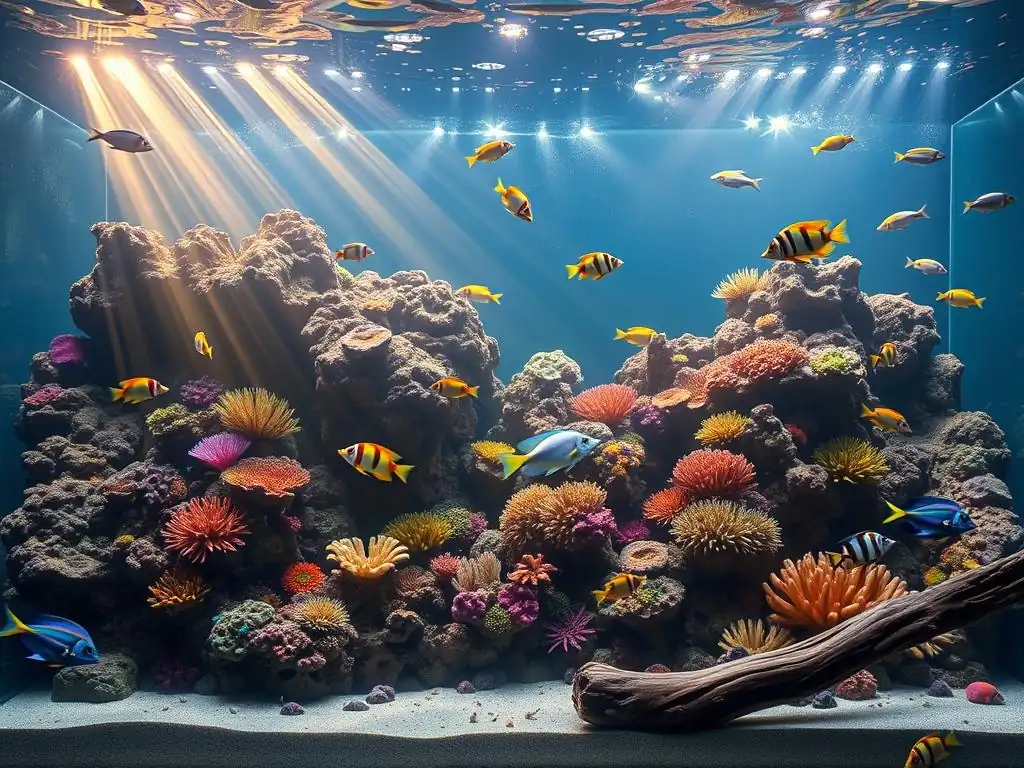
Ever wondered if your vibrant Wrasse can truly thrive alongside other fish in your saltwater aquarium? Unlocking the secrets to successful Wrasse tank mate compatibility is easier than you think! Dive into our comprehensive guide and discover the crucial insights to create a harmonious and stunning underwater ecosystem. Are you ready to build the perfect reef community? Let's explore!
- Wrasse Compatibility Matrix: Successfully Mixing Species and Tank Mates
- Understanding Wrasse Compatibility for a Thriving Saltwater Aquarium
- Factors Influencing Wrasse Tank Mate Compatibility
- Wrasse Compatibility Chart: Species-Specific Recommendations
- Choosing Compatible Fish for a Wrasse Aquarium
- Invertebrate Compatibility with Wrasses
- Introducing New Wrasses to an Established Aquarium
- Preventing and Addressing Aggression in Wrasse Tanks
- Advanced Wrasse Compatibility: Mixing Multiple Wrasse Species
- Conclusion: Mastering Wrasse Tank Mate Compatibility for a Healthy Reef
-
Frequently Asked Questions
- How do I determine if a wrasse is a good tank mate for my existing fish?
- What are some common mistakes people make when choosing wrasse tank mates?
- Can I keep multiple wrasse species together in the same aquarium?
- What types of fish should I avoid keeping with wrasses?
- How important is tank size when considering wrasse tank mate compatibility?
- Final Reflection: Navigating the Vibrant World of Wrasse
- Ignite Your Reef: Dive Deeper into Wrasse Keeping!
Wrasse Compatibility Matrix: Successfully Mixing Species and Tank Mates
Understanding Wrasse Compatibility for a Thriving Saltwater Aquarium
Why Wrasse Tank Mate Compatibility Matters
Successfully integrating wrasses into a saltwater aquarium hinges on a deep understanding of their compatibility with other fish and invertebrates. Failure to consider wrasse tank mate compatibility can lead to significant stress for all inhabitants, manifesting as constant chasing, fin nipping, or even outright predation. This stress weakens fish immune systems, making them highly susceptible to common marine diseases such as Marine Ich ( Cryptocaryon irritans) or Velvet ( Amyloodinium ocellatum), which can quickly spread and devastate an entire tank population.
Beyond the ethical considerations of animal welfare, poor compatibility can result in substantial financial losses. A single wrasse can range from $30 for a common Six-Line Wrasse to over $500 for a rare deepwater Fairy Wrasse. Losing multiple fish due to aggression or disease, or having a prized coral specimen picked apart, represents a considerable investment wasted. Therefore, prioritizing wrasse tank mate compatibility is not just about keeping fish alive, but about fostering a stable, healthy, and aesthetically pleasing aquatic ecosystem.
The Importance of Research Before Introducing Wrasses
Thorough research is the cornerstone of successful wrasse tank mate compatibility. The Labridae family, which encompasses wrasses, boasts over 600 species, each with unique temperaments, adult sizes, and dietary requirements. Simply selecting a wrasse based on its vibrant colors or active swimming can lead to disastrous consequences if its inherent behavior clashes with existing tank inhabitants. Aquarists should consult reputable sources such as scientific databases, experienced hobbyist forums, and knowledgeable local fish stores before making any purchase.
Key research points include the wrasse's maximum adult size (e.g., a juvenile Dragon Wrasse, Novaculichthys taeniourus, may be 3 inches but can reach 11 inches, requiring a 180-gallon tank or larger), its natural diet (some are obligate piscivores, others micropredators), and its typical social structure (solitary, schooling, or harem-forming). For instance, understanding that most Cirrhilabrus (Fairy Wrasses) are generally peaceful but male-on-male aggression is common within the same species dramatically influences stocking decisions and ensures optimal wrasse tank mate compatibility.
Factors Influencing Wrasse Tank Mate Compatibility
Wrasse Species Temperament and Aggression Levels
Wrasses exhibit a broad spectrum of temperaments, ranging from the extremely peaceful to the highly aggressive. On the peaceful end are species like most Flasher Wrasses ( Paracheilinus spp.) and Fairy Wrasses ( Cirrhilabrus spp.
), which are generally well-suited for community reef tanks. In contrast, larger species such as the Lunare Wrasse ( Thalassoma lunare) or Dragon Wrasse ( Novaculichthys taeniourus) are highly predatory and territorial, often unsuitable for most mixed-reef or community setups. Even within genera, aggression can vary; for example, a Scott's Fairy Wrasse ( Cirrhilabrus scottorum) tends to be more dominant than a Lubbock's Fairy Wrasse ( Cirrhilabrus lubbocki).
Aggression in wrasses can manifest as chasing, fin nipping, food competition, and territorial disputes, particularly when introducing new fish or when tank space is limited. Generally, smaller, more slender wrasses with delicate fins (like many Cirrhilabrus species) are less aggressive than their larger, more robust counterparts (like Thalassoma or Coris species). Recognizing these inherent behavioral traits is paramount for assessing wrasse tank mate compatibility and preventing conflict before it arises.
Tank Size and Aquascaping for Wrasse Harmony
The physical environment of an aquarium plays a crucial role in mitigating or exacerbating aggression among wrasses and their tank mates. Insufficient tank size is a primary cause of stress and territorial disputes. For instance, while a single peaceful Fairy Wrasse might be comfortable in a 40-gallon breeder, a Yellow Coris Wrasse ( Halichoeres chrysus) typically requires at least 70 gallons, and an aggressive Lunare Wrasse needs 120 gallons or more to thrive without constantly harassing tank mates. Larger tanks provide more individual territories and reduce the perception of competition for resources.
Aquascaping, the arrangement of live rock and substrate, is equally vital. Densely packed live rock with numerous caves, crevices, and overhangs provides essential hiding spots and breaks line of sight, allowing bullied or timid fish to escape aggression. For example, a 150-gallon tank with 150+ pounds of strategically placed live rock offers significantly more individual territories and visual barriers than a sparsely decorated tank of the same volume. This thoughtful design directly contributes to improved wrasse tank mate compatibility by reducing stress and enabling fish to establish their own safe zones.
Water Parameters and Their Impact on Wrasse Behavior
Stable and optimal water parameters are fundamental for maintaining healthy and peaceful fish, including wrasses. Poor water quality or fluctuating conditions can cause significant stress, which in turn can lead to increased aggression or susceptibility to disease. Key parameters to monitor rigorously include salinity (ideally 1.023-1.026 specific gravity), temperature (74-78°F or 23-26°C), pH (8.1-8.4), alkalinity (7-11 dKH), calcium (400-450 ppm), and magnesium (1250-1350 ppm). Regular testing and consistent maintenance, such as weekly water changes of 10-20%, are essential.
For example, prolonged exposure to elevated nitrates (above 20 ppm) or any detectable levels of ammonia or nitrite can severely stress wrasses, leading to clamped fins, faded coloration, and increased irritability towards tank mates. A wrasse under chronic stress is also more prone to developing opportunistic infections like Ich. Maintaining pristine water conditions not only supports the physiological health of the wrasses but also promotes their natural, less aggressive behaviors, thereby enhancing overall wrasse tank mate compatibility within the aquarium.
Wrasse Compatibility Chart: Species-Specific Recommendations
Peaceful Wrasse Species and Ideal Tank Mates
Yellow Coris Wrasse - Compatible Tank Mates
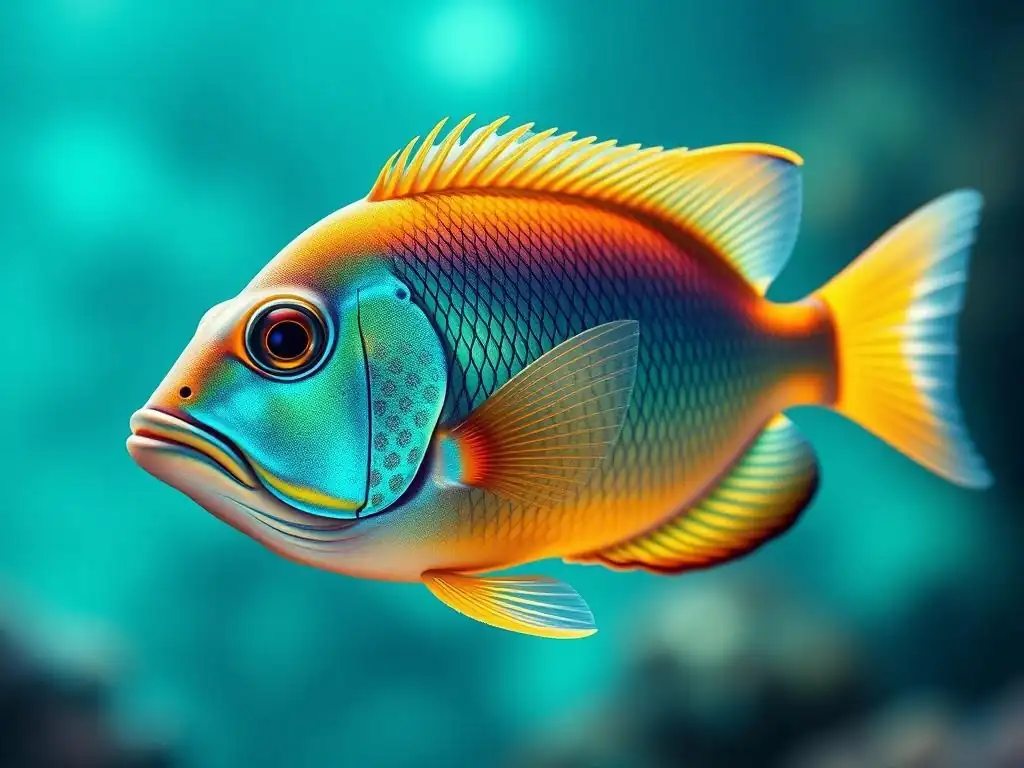
The Yellow Coris Wrasse ( Halichoeres chrysus) is a vibrant and generally peaceful species, typically reaching 4-5 inches in length. They are active swimmers and excellent members of a community reef tank, often observed sifting through the sand for small invertebrates.
Ideal tank mates for a Yellow Coris Wrasse include other peaceful, active fish such as most tangs (e.g., Yellow Tang, Kole Tang), clownfish (e.g., Ocellaris, Percula), gobies (e.g., Watchman Goby, Diamond Watchman Goby), blennies (e.g., Lawnmower Blenny), and smaller angelfish (e.g., Flame Angelfish, Coral Beauty). They are known to consume nuisance flatworms and pyramid snails, providing a beneficial service to the reef.
While generally peaceful, they can display some territoriality towards other wrasses of similar size or body shape, especially in tanks smaller than 70 gallons. It is often best to avoid keeping multiple Halichoeres species together unless the tank is very large (100+ gallons) and offers ample hiding spots. They are considered reef-safe and typically do not bother corals or ornamental shrimp, making them an excellent choice for a diverse community, provided their wrasse tank mate compatibility is carefully considered with similar-looking species.
Fairy Wrasse - Compatible Tank Mates
Fairy Wrasses, primarily species within the genus Cirrhilabrus, are highly prized for their stunning coloration, relatively small size (most growing to 3-5 inches), and generally peaceful nature. This diverse group includes popular species like the Lubbock's Fairy Wrasse ( Cirrhilabrus lubbocki), Scott's Fairy Wrasse ( Cirrhilabrus scottorum), and Flame Wrasse ( Cirrhilabrus jordani). They are excellent choices for a wide range of peaceful community aquariums. Compatible tank mates include cardinalfish (e.g., Banggai Cardinalfish), chromis (e.g., Blue Green Chromis), anthias, dwarf angelfish, and most gobies and blennies. They are almost universally reef-safe, posing no threat to corals or most invertebrates.
A key consideration for Fairy Wrasses is male-on-male aggression, particularly within the same species or very similar-looking species. For example, two male Scott's Fairy Wrasses will likely fight to the death in a typical home aquarium (under 100 gallons). If keeping multiple Fairy Wrasses, it is best to select different species with distinct appearances, introduce them simultaneously, and ensure adequate space (e.g., 75+ gallons for a mixed group). Understanding these nuances is crucial for maximizing wrasse tank mate compatibility within this genus.
Semi-Aggressive Wrasse Species and Tank Mate Considerations
Melanurus Wrasse - Compatible Tank Mates and Precautions
The Melanurus Wrasse ( Halichoeres melanurus), also known as the Tail Spot Wrasse, is a moderately active and semi-aggressive species that typically grows to 5-6 inches. They are highly valued for their pest-control capabilities, voraciously consuming nuisance flatworms, pyramid snails, and sometimes even smaller bristle worms. Compatible tank mates should be robust, active, and able to hold their own, such as most tangs (e.g., Naso Tang, Sailfin Tang), larger angelfish (e.g., Emperor Angelfish, Koran Angelfish), and certain triggerfish (e.g., Blue-Throat Triggerfish).
Precautions are necessary when considering wrasse tank mate compatibility for the Melanurus Wrasse. They can be aggressive towards smaller, more timid fish, particularly those that resemble their natural prey. Avoid pairing them with very small gobies (under 2 inches), blennies, or extremely docile species. While often considered reef-safe, some individuals may occasionally nip at very small ornamental shrimp if underfed. A minimum tank size of 75-100 gallons is recommended to provide sufficient space and reduce territorial disputes.
Christmas Wrasse - Compatible Tank Mates and Precautions
The Christmas Wrasse ( Halichoeres claudia), a popular and hardy species, can grow to a substantial size of 5-7 inches. They are active, constantly foraging, and can exhibit significant territoriality, especially as they mature. Suitable tank mates include larger, semi-aggressive to aggressive fish that can withstand their assertive nature, such as larger tangs (e.g., Purple Tang, Achilles Tang), larger angelfish (e.g., Queen Angelfish), certain puffers (e.g., Dogface Puffer), and larger damselfish. They are known for their striking coloration and constant movement within the aquarium.
Precautions for wrasse tank mate compatibility with the Christmas Wrasse are critical. They are notorious for harassing smaller, more peaceful fish and other wrasses, especially if introduced after them. They can be particularly aggressive towards new additions to the tank. A minimum tank size of 120 gallons is highly advisable to dilute aggression. While often considered reef-safe, some individuals may pick at small ornamental shrimp, crabs, or snails, and occasional nipping at corals has been reported, so close observation is recommended.
Aggressive Wrasse Species and Tank Mate Restrictions
Lunare Wrasse - Tank Mates to Avoid
The Lunare Wrasse ( Thalassoma lunare) is a strikingly beautiful but highly aggressive and predatory species that can reach an impressive size of up to 10 inches. Their predatory nature makes them unsuitable for most community aquariums, especially those with smaller fish or invertebrates. Tank mates must be large, robust, and capable of defending themselves against a persistent aggressor. Examples of highly restricted and risky compatible tank mates might include very large triggerfish (e.g., Clown Triggerfish in tanks over 300 gallons), large groupers, or large moray eels.
Tank mates to strictly avoid include any fish smaller than 4-5 inches, all peaceful wrasses, small tangs, clownfish, gobies, blennies, and virtually all invertebrates. This includes ornamental shrimp (e.g., Cleaner Shrimp, Peppermint Shrimp), crabs (e.g., hermit crabs, emerald crabs), snails, and even small clams. A Lunare Wrasse will likely consume these within a matter of days or hours. Their limited wrasse tank mate compatibility means they are best kept in species-specific tanks or very large FOWLR (Fish Only With Live Rock) systems with only the most formidable tank mates.
Dragon Wrasse - Tank Mates to Avoid
The Dragon Wrasse ( Novaculichthys taeniourus), also known as the Rock Mover Wrasse, is a uniquely shaped, highly aggressive, and powerful bottom-dwelling species that can grow to 10-11 inches. They are renowned for their ability to rearrange aquascaping by moving rocks and digging extensively in the sandbed. Their predatory instincts are strong, and they will consume virtually any tank mate small enough to fit in their mouth. Compatible tank mates are extremely limited and must be exceptionally large, durable, and not easily intimidated, such as large groupers, lionfish, or very large puffers in tanks exceeding 200 gallons.
Tank mates to strictly avoid include all small fish (under 5 inches), all peaceful wrasses, and especially all invertebrates. This includes shrimp, crabs, snails, and even larger hermit crabs or small conch snails, all of which are considered prey. Corals are also at risk, not necessarily from direct predation but from being dislodged or buried by the wrasse's constant digging and rock-moving activities. Their specialized needs and highly aggressive, destructive behavior mean wrasse tank mate compatibility is almost non-existent for a typical reef or community aquarium setup.
Choosing Compatible Fish for a Wrasse Aquarium
Selecting Tank Mates with Similar Temperaments
The fundamental principle for successful wrasse tank mate compatibility is to pair fish with similar temperaments. Mixing a peaceful wrasse with a highly aggressive species is a recipe for chronic stress, injury, and eventual demise for the more docile fish. For instance, a delicate Flasher Wrasse ( Paracheilinus spp.) will be constantly harassed and likely starve if housed with a boisterous Picasso Triggerfish ( Rhinecanthus aculeatus). Conversely, placing an aggressive wrasse like a Lunare Wrasse with a timid Royal Gramma ( Gramma loreto) will result in the swift predation of the latter.
A harmonious aquarium environment thrives when inhabitants share similar activity levels, feeding habits, and aggression thresholds. For example, a tank containing a Yellow Coris Wrasse, a pair of Ocellaris Clownfish ( Amphiprion ocellaris), and a Diamond Watchman Goby ( Valenciennea puellaris) is likely to be peaceful and thriving due to their complementary temperaments and needs. This strategic selection based on behavioral profiles is crucial for long-term stability and success in a wrasse aquarium.
Avoiding Fin-Nipping Fish with Certain Wrasse Species
While wrasses themselves can be fin-nippers in certain situations, it's equally important to protect them from other species known for this undesirable behavior. Some fish, such as certain damsels (e.g., Three Stripe Damsel), triggerfish, and even some larger angelfish, are notorious for nipping at the fins of other tank mates, causing stress, injury, and susceptibility to bacterial infections. Wrasses, particularly those with long, flowing fins like male Fairy or Flasher Wrasses, can be particularly vulnerable targets.
For example, a male Scott's Fairy Wrasse, with its elaborate caudal fin, could suffer chronic stress and fin damage if housed with a persistent fin-nipper like a Humu Humu Triggerfish ( Rhinecanthus rectangulus). Even seemingly minor nipping can lead to secondary infections like fin rot, which can be difficult to treat and potentially fatal. Therefore, when assessing wrasse tank mate compatibility, it's crucial to evaluate the potential for fin-nipping from all prospective tank mates to ensure the wrasse's well-being.
Considering Feeding Habits of Wrasses and Tank Mates
Competition for food can be a significant source of stress and aggression in a mixed-species aquarium. Wrasses are generally active, high-metabolism fish that require multiple small feedings throughout the day to maintain their health and activity levels. If tank mates are overly aggressive feeders or consume food too quickly, slower or more timid wrasses may not get enough to eat, leading to malnourishment and increased stress.
Consider the feeding dynamics: a fast-moving Radiant Wrasse ( Halichoeres iridis) might snatch all the prepared food before a slower-moving Mandarinfish ( Synchiropus splendidus) or a bottom-dwelling Goby can forage for theirs. Similarly, a predatory Dragon Wrasse will outcompete almost any other bottom-dweller for benthic invertebrates. To ensure all fish receive adequate nutrition, strategies such as target feeding, multiple feeding stations, or offering a variety of food types (e.g., frozen mysis, enriched brine shrimp, pellets) can be employed. Understanding and managing these feeding habits is vital for maintaining positive wrasse tank mate compatibility and overall tank health.
Invertebrate Compatibility with Wrasses
Reef-Safe Wrasse Species and Coral Considerations
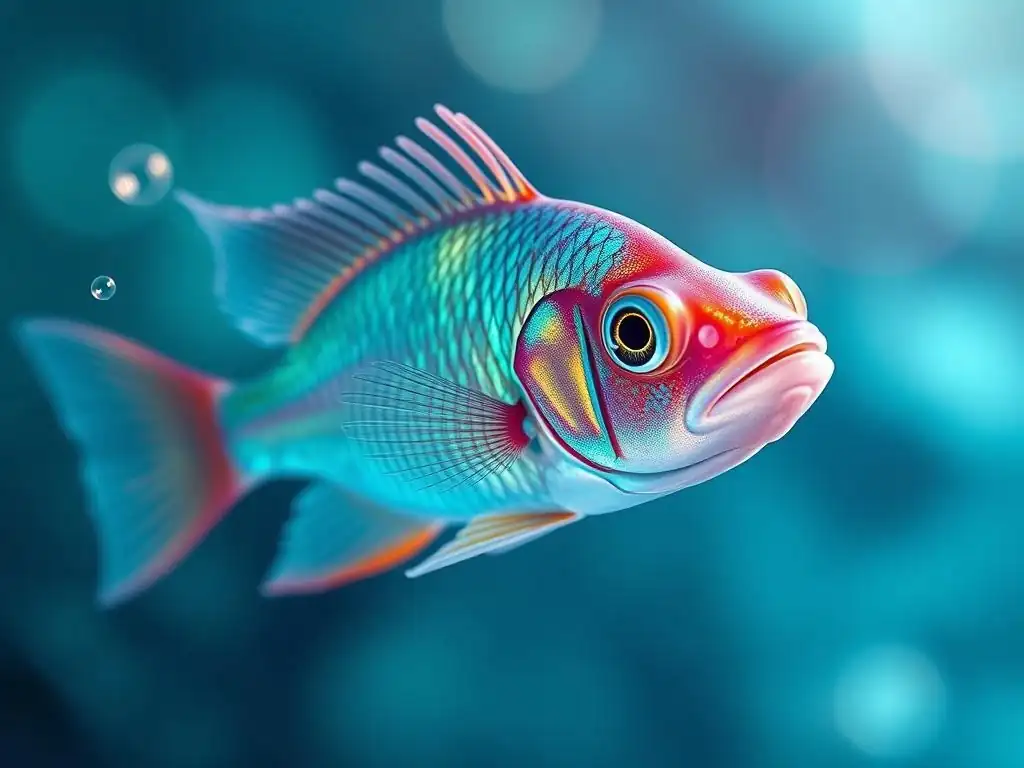
The term "reef-safe" for wrasses generally refers to species that typically do not bother corals, clams, or ornamental shrimp and crabs. Most Fairy Wrasses ( Cirrhilabrus spp. ), Flasher Wrasses ( Paracheilinus spp. ), and many peaceful Halichoeres species (e.g., Yellow Coris Wrasse, Six-Line Wrasse) fall into this category. These wrasses primarily forage for small invertebrates found within the live rock and sandbed, or readily accept prepared foods, posing little to no threat to sessile invertebrates. For example, a male Lineatus Fairy Wrasse ( Cirrhilabrus lineatus) will gracefully swim among LPS and SPS corals without nipping.
However, even "reef-safe" wrasses can occasionally nip at corals or small, vulnerable invertebrates if underfed, stressed, or if their natural diet is not sufficiently supplemented. A Six-Line Wrasse ( Pseudocheilinus hexataenia), while generally excellent for pest control, has been known to occasionally bother small feather dusters or zoanthids in some individual cases. Close observation is always recommended when introducing any wrasse to a coral reef system to confirm its wrasse tank mate compatibility with your specific invertebrates.
Wrasses That May Prey on Invertebrates
A significant number of wrasse species are known invertebrate predators and are not suitable for reef tanks containing ornamental shrimp, crabs, snails, or clams. This group includes larger Coris species (e.g., African Coris Wrasse, Christmas Wrasse), most Thalassoma species (e.g., Lunare Wrasse, Surge Wrasse), and the highly specialized Novaculichthys (Dragon Wrasse). These species have evolved to consume crustaceans, mollusks, and other benthic invertebrates as a primary part of their diet.
For instance, a Lunare Wrasse will quickly decimate populations of cleaner shrimp, hermit crabs, and snails within a display tank, often within a few days of introduction. A Christmas Wrasse might target smaller ornamental shrimp like Peppermint Shrimp or Boxer Shrimp. If you plan to keep these types of wrasses, it is best to avoid expensive or vulnerable invertebrates altogether, as their natural instincts will almost certainly lead to predation. Understanding these predatory behaviors is crucial for making informed decisions about wrasse tank mate compatibility in a reef setting.
Protecting Your Invertebrates in a Wrasse Tank
If you choose to keep wrasses that have a tendency to prey on invertebrates, or if you wish to minimize risk with generally "reef-safe" but potentially opportunistic wrasses, several strategies can help protect your invertebrate population. One approach is to select larger, more robust invertebrates that are less likely to be seen as prey. For example, opting for larger conch snails instead of small Nassarius snails, or larger cleaner shrimp (e.g., Skunk Cleaner Shrimp over smaller Peppermint Shrimp) may offer some protection, though success is not guaranteed with highly predatory wrasses.
Another strategy involves providing abundant hiding spots for invertebrates within the live rock structure, such as deep crevices and overhangs where wrasses cannot easily reach. Ensuring that wrasses are consistently well-fed can also reduce their predatory instincts, though it will not eliminate them entirely for dedicated predators. For highly aggressive and predatory wrasses like the Dragon Wrasse, the most effective protection for invertebrates is simply not to house them together, as their natural behavior makes wrasse tank mate compatibility with most invertebrates impossible.
Introducing New Wrasses to an Established Aquarium
Quarantine Procedures for New Wrasse Arrivals
Implementing a strict quarantine procedure for all new wrasse arrivals is paramount for the health of both the new fish and the existing inhabitants. A separate quarantine tank (QT), typically 10-20 gallons for a single wrasse, allows for observation, acclimation to prepared foods, and crucial disease treatment without exposing the main display tank. Wrasses, like many marine fish, are susceptible to external parasites such as Marine Ich, Velvet, and flukes, which can rapidly spread and decimate an entire system.
The quarantine period usually lasts 3-4 weeks. During this time, monitor the wrasse closely for signs of disease, such as white spots, rapid breathing, clamped fins, or unusual swimming patterns. Treatments can be administered in the QT, using medications like copper-based solutions (e.g., Copper Power maintained at 2.0-2.5 ppm for Ich) or praziquantel-based medications (e.g., Prazipro for flukes). This preventative measure significantly reduces the risk of introducing pathogens into your established reef, thereby safeguarding overall wrasse tank mate compatibility and long-term tank health.
Gradual Acclimation to Minimize Stress
Proper acclimation is critical for minimizing stress when introducing a new wrasse to either a quarantine tank or the main display. Wrasses are particularly sensitive to sudden changes in water parameters, including salinity, temperature, and pH. Drip acclimation over a period of 30-60 minutes is highly recommended, allowing for a slow and gradual equalization of the water parameters between the shipping bag and the aquarium. This gentle process helps prevent osmotic shock and reduces the likelihood of stress-induced illness.
After acclimation, it is beneficial to turn off the main aquarium lights for several hours or even a full day. Introducing the new wrasse into a darkened tank allows it to explore its new surroundings and find a hiding spot without immediate harassment from existing tank mates. Many wrasses, especially those from the genera Halichoeres and Coris, will bury themselves in the sandbed for the first few hours or even days, which is a normal stress response or natural behavior. Minimizing initial stress is a key factor in ensuring successful wrasse tank mate compatibility and integration.
Monitoring Wrasse Behavior After Introduction
Close and continuous monitoring of the new wrasse's behavior, as well as that of the existing tank inhabitants, is essential for the first few days to several weeks after introduction. Observe for any signs of aggression from established fish towards the new wrasse, such as constant chasing, fin nipping, or preventing access to food. Conversely, also watch for any aggressive behavior from the new wrasse towards smaller or more timid tank mates. Ensure the new wrasse is actively feeding and not being bullied away from food sources.
If signs of severe aggression or stress are observed (e.g., the new wrasse constantly hiding, refusing to eat, or displaying faded coloration), immediate intervention may be necessary. This could involve temporarily rearranging the aquascaping to disrupt existing territories, adding more hiding spots, or, in severe cases, removing either the aggressor or the new wrasse. Early detection and resolution of compatibility issues are vital for preventing chronic stress, injury, and disease, thereby maintaining optimal wrasse tank mate compatibility within the system.
Preventing and Addressing Aggression in Wrasse Tanks
Recognizing Signs of Incompatibility
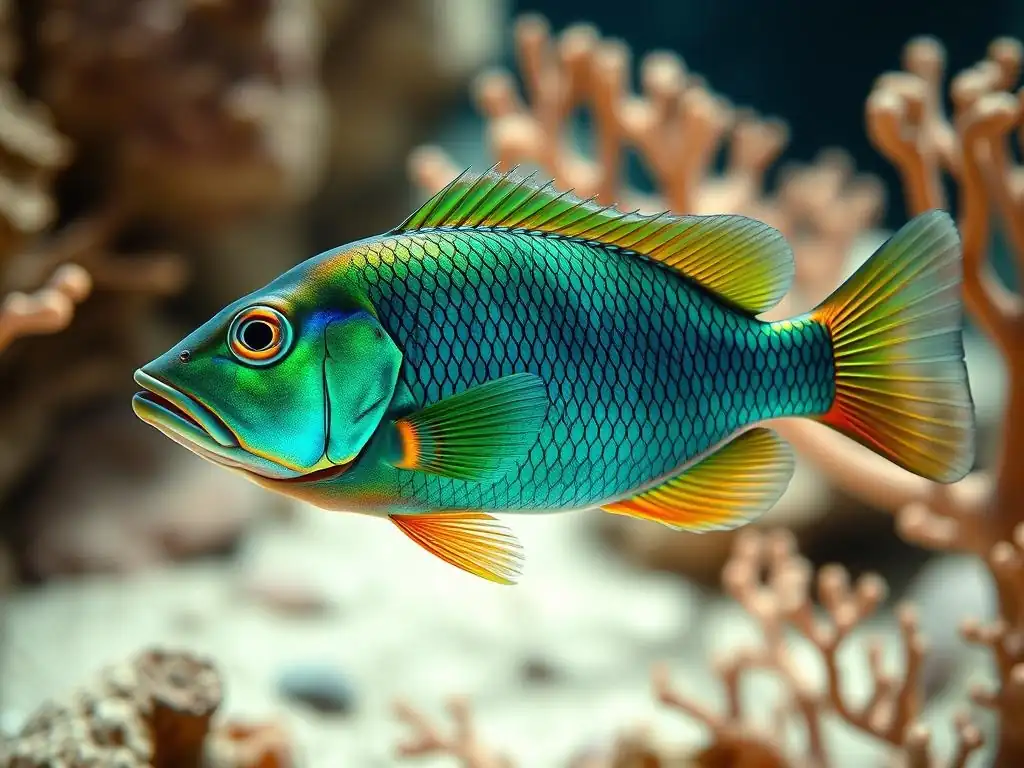
Recognizing the early signs of incompatibility and aggression is crucial for preventing escalating conflicts and ensuring the well-being of your wrasses and their tank mates. Key indicators of stress and aggression include rapid breathing (gilling), clamped fins, constant hiding, refusal to eat, faded or mottled coloration, and physical injuries such as torn fins, missing scales, or body lesions. For example, a normally vibrant male Fairy Wrasse that becomes pale, hides constantly, and exhibits clamped fins is likely under severe stress from a dominant tank mate.
Chronic stress, often a result of persistent aggression, significantly compromises a fish's immune system, making it highly susceptible to various diseases, even in an otherwise pristine aquarium. A fish that is constantly harassed might develop Marine Ich or bacterial infections despite stable water parameters. Early identification of these behavioral cues allows aquarists to intervene promptly, before irreversible damage occurs to the fish or the overall wrasse tank mate compatibility of the system.
Implementing Tank Dividers for Temporary Separation
For minor or newly emerging aggression issues, implementing a clear acrylic tank divider can be an effective temporary solution. This allows the fish to see each other, maintaining visual presence, but physically prevents direct interaction and fighting. This method is particularly useful when introducing a new, potentially dominant wrasse to an established tank, or when two wrasses begin to squabble over territory. The divider provides a safe zone for the bullied fish to recover and allows the aggressive fish to acclimate to the presence of the other without direct conflict.
Tank dividers can be kept in place for a few days to several weeks, depending on the severity of the aggression and the individual fish involved. During this period, observe if the aggressive behavior subsides as the fish become accustomed to each other's presence. For example, if a dominant male Melanurus Wrasse is harassing a smaller Yellow Coris Wrasse, a divider can allow them to coexist peacefully until the aggression lessens. This temporary separation can often resolve minor wrasse tank mate compatibility issues without resorting to permanent removal.
Re-homing Aggressive Wrasses as a Last Resort
If aggression persists despite all intervention efforts – including adequate tank size, proper aquascaping, careful introduction, and temporary separation via dividers – re-homing the aggressive wrasse or the bullied fish becomes the most humane and practical solution. Attempting to force incompatible fish to coexist will only lead to chronic stress, poor health, and ultimately, the premature death of one or more inhabitants. The long-term well-being of all fish in the aquarium should be the top priority.
Options for re-homing include returning the fish to the local fish store (if their policy allows), selling or trading it to another aquarist with a more suitable tank environment, or, in rare cases for very large or specialized species, donating it to a public aquarium. For instance, if a Lunare Wrasse consistently preys on valuable tank mates, it is a clear indication that its predatory nature makes it unsuitable for a community tank and it requires a dedicated predatory setup. Accepting that not all wrasse tank mate compatibility scenarios are solvable is a sign of responsible aquarism.
Advanced Wrasse Compatibility: Mixing Multiple Wrasse Species
The Challenges of Keeping Multiple Wrasses Together
Keeping multiple wrasse species, especially those from the same genus or with similar appearances, presents significant challenges due to inter-species aggression and territoriality. Male wrasses, in particular, often compete for dominance, territory, and access to females, leading to intense and potentially fatal conflicts. This is particularly true for popular groups like Cirrhilabrus (Fairy Wrasses) and Paracheilinus (Flasher Wrasses), where males display vibrant colors to attract mates and intimidate rivals. Attempting to house two male Scott's Fairy Wrasses in a 75-gallon tank, for instance, will almost certainly result in the death of the weaker individual.
Even species from different genera can clash if their temperaments or ecological niches overlap too much. The success rate for keeping multiple wrasse species together diminishes drastically in tanks under 150 gallons, as smaller volumes limit the ability of fish to establish separate territories and escape aggression. The inherent complexities make advanced wrasse tank mate compatibility a pursuit for experienced aquarists with very large systems.
Selecting Complementary Wrasse Species for Coexistence
For aquarists aiming to keep multiple wrasse species, careful selection of complementary species is paramount. The most successful approach involves choosing wrasses with distinct appearances, different temperaments (e.g., a peaceful Fairy Wrasse with a semi-aggressive but not overly dominant Halichoeres species), and varied ecological niches (e.g., one that forages in the sand, another that swims mid-water).
Introducing all wrasses simultaneously, or introducing the least aggressive/smallest individuals first, can also help establish a pecking order with less conflict. For example, a 180-gallon tank might successfully house a male Blue Flasher Wrasse ( Paracheilinus cyaneus), a female Yellow Coris Wrasse ( Halichoeres chrysus), and a male Lubbock's Fairy Wrasse ( Cirrhilabrus lubbocki), provided ample space and hiding spots.
Another strategy involves creating a "harem" setup, typically one dominant male with multiple females of the same species. This often reduces male-on-male aggression, as the male's energy is directed towards displaying for and interacting with females. However, identifying sexes can be challenging for many wrasse species, and many are protogynous hermaphrodites, meaning females can change to males. Thorough research into the specific social structures and aggression patterns of each target species is vital for advanced wrasse tank mate compatibility.
Providing Ample Space and Hiding Places for Multiple Wrasses
When attempting to keep multiple wrasse species, tank size and aquascaping become even more critical than for single-species setups. A very large aquarium, typically 180 gallons or more, is almost always necessary to provide sufficient individual territories and reduce perceived competition among multiple wrasses. This increased volume allows each wrasse to establish its own "home base" and retreat from confrontations, diffusing potential aggression.
Equally important is a complex and diverse aquascape featuring numerous caves, crevices, overhangs, and swim-throughs. This intricate rockwork breaks line of sight, preventing dominant wrasses from constantly harassing subordinates. For instance, a densely aquascaped 200-gallon tank with multiple distinct rock islands and deep hiding spots will provide a much better environment for multiple wrasse species than a sparsely decorated tank of the same size. Without adequate space and structural complexity, even carefully selected wrasse combinations are likely to fail, underscoring the absolute necessity of these elements for successful wrasse tank mate compatibility in multi-species wrasse tanks.
Conclusion: Mastering Wrasse Tank Mate Compatibility for a Healthy Reef
Key Takeaways for Successful Wrasse Keeping
Mastering wrasse tank mate compatibility is a cornerstone of maintaining a healthy, thriving saltwater aquarium. The journey begins with exhaustive research into the specific temperament, adult size, and unique needs of each wrasse species before purchase. Providing an adequately sized aquarium with a thoughtfully designed aquascape, featuring abundant hiding spots and visual barriers, is crucial for mitigating aggression and stress. Furthermore, maintaining stable and pristine water parameters is fundamental, as poor water quality can exacerbate behavioral issues and compromise fish health.
Successful wrasse keeping also demands careful introduction procedures, including diligent quarantine to prevent disease transmission, and gradual acclimation to minimize stress. Continuous observation of fish behavior after introduction is vital for early detection of compatibility issues, allowing for timely intervention. Ultimately, achieving harmonious wrasse tank mate compatibility relies on a proactive approach, combining scientific knowledge with attentive husbandry, ensuring a vibrant and peaceful reef environment for all its inhabitants.
Resources for Further Research on Wrasse Compatibility
To delve deeper into the intricacies of wrasse tank mate compatibility, aquarists are encouraged to utilize a variety of reliable resources. Reputable online forums dedicated to marine aquariums, such as Reef2Reef or Humblefish, offer a wealth of collective experience and species-specific advice from seasoned hobbyists. Scientific databases like FishBase provide detailed taxonomic information, distribution, and biological data for thousands of fish species, including wrasses. Additionally, comprehensive books on marine fish identification and care, authored by respected marine biologists and aquarists, offer invaluable insights into behavior, diet, and compatibility.
While generalized advice is a strong starting point, it's important to remember that individual fish personalities can vary. Engaging with the wider aquarium community, asking specific questions, and sharing personal experiences can provide nuanced perspectives often not found in standard guides. This continuous learning and adaptation, coupled with a commitment to observation and responsible care, will empower aquarists to navigate the complexities of wrasse tank mate compatibility and cultivate a truly thriving reef ecosystem.
Frequently Asked Questions
How do I determine if a wrasse is a good tank mate for my existing fish?
Consider the wrasse's temperament and size relative to your current inhabitants. Research the specific species' behavior as some wrasses are more aggressive than others.
What are some common mistakes people make when choosing wrasse tank mates?
Overlooking the adult size of the wrasse is a frequent error. Also, not considering the feeding habits and potential competition for food can lead to problems.
Can I keep multiple wrasse species together in the same aquarium?
Yes, but it requires careful planning. Choose species with different body shapes and feeding niches to minimize aggression. A larger tank is also generally required.
What types of fish should I avoid keeping with wrasses?
Avoid slow-moving, docile fish with long fins or bright colors, as they may be harassed by certain wrasse species. Also, very small invertebrates might be preyed upon.
How important is tank size when considering wrasse tank mate compatibility?
Tank size is crucial. A larger tank provides more territory and hiding places, reducing aggression and allowing for a more diverse community of fish.
The intricate dance of life within our aquariums mirrors the complexities of the natural world, and understanding wrasse tank mate compatibility is more crucial than ever as we strive to create thriving, balanced ecosystems in our homes. The information presented here isn't just about avoiding conflict; it's about fostering an environment where these beautiful and beneficial fish can flourish, contributing to the overall health and beauty of our reef tanks.
This exploration into wrasse compatibility has profoundly impacted my own perspective on responsible reef keeping. It's a constant reminder that our choices have far-reaching consequences, and that careful planning and research are essential for ethical and successful aquariums. The best way to observe a fish is to become a part of its world.
This quote encapsulates the essence of understanding wrasse compatibility – immersing ourselves in their needs and behaviors to create a harmonious environment.
Now, I invite you to reflect on the knowledge shared here and consider how you can apply it to your own aquariums. Let the compatibility matrix be a guide, not a rigid rule, and always prioritize the well-being of your aquatic inhabitants. By embracing a mindful approach to stocking and observing the subtle interactions within your tank, you can unlock the true potential of your reef and contribute to the long-term health and beauty of this captivating hobby.
Ignite Your Reef: Dive Deeper into Wrasse Keeping!
Thank you for exploring the fascinating world of wrasses! We hope this guide has given you the confidence to create a harmonious and vibrant reef tank. Now it's time to take action and elevate your aquarium experience!
- Finalize your compatibility chart - Create your own custom chart, listing each wrasse you plan to keep or already have, with columns for aggression level and potential tank mates.
- Share your successful (or challenging!) wrasse pairings on aquarium forums, contributing to the collective knowledge of the hobby.
- Consider adopting a rescued wrasse from a local aquarium society or rehoming organization.
What unique wrasse pairing are you most excited to try, and what research will you conduct before introducing them to your tank?